






Quick Answer: STD symptoms like painful urination, urgency, and pelvic discomfort can look exactly like a UTI. If UTI tests are negative or antibiotics don’t help, test for STDs like chlamydia, gonorrhea, or trichomoniasis.
When It Feels Like a UTI… But Isn’t
Kara, 27, thought she had a stubborn UTI. “It was textbook,” she says. “Burning when I peed, this pressure like I constantly had to go, and I’d just had sex with a new partner. I got antibiotics, and nothing changed.” She went back for a second test, and her urine was totally clean. Only when a friend gently asked if she’d tested for STDs did she realize: she hadn’t even considered that. “I thought STDs meant discharge or bumps or something more obvious. But I ended up having chlamydia.”
This kind of story is heartbreakingly common. People, especially those with vaginas, are told for years to assume any urinary pain is a UTI. And while that’s sometimes true, it’s not always the case. In fact, many STDs show up without any visible symptoms at all. Instead, they irritate the urethra or vaginal canal in ways that feel identical to a urinary tract infection.
Here’s the key: if you’ve been treated for a UTI and the pain persists, or if your urine tests come back negative but the symptoms linger, it’s time to ask whether it might be an STD. Not because you “did something wrong,” but because STDs are incredibly common, and confusing.
The Overlap Between UTI and STD Symptoms
It’s not just about burning. Both UTIs and STDs can cause similar symptoms across the board, especially in the early stages. And when your body's trying to alert you, it doesn't hand you a label. It just hurts.
| Symptom | UTI | STD |
|---|---|---|
| Burning with urination | Very common | Very common (especially chlamydia, gonorrhea) |
| Frequent urge to urinate | Common | Possible |
| Pelvic or lower abdominal pain | Sometimes | Common (especially with PID) |
| Cloudy or strong-smelling urine | Often | Rare |
| Unusual vaginal or penile discharge | Rare | Common in STDs |
Table 1. Overlapping symptoms between UTIs and common STDs. Many people experience burning or urgency regardless of the underlying cause, making diagnosis based on symptoms alone risky.
What’s tricky is that these symptoms often show up shortly after sex. And when that happens, people assume it’s a UTI because that’s what they’ve always been told. But it could also be a sign of trichomoniasis, herpes (even without sores), or chlamydia.
People are aslo reading: Just Found Out You Have Syphilis? Start Here
What Happens When Antibiotics Don’t Work?
This is the moment where most people realize something’s off. They’ve done “everything right”, gone to urgent care, taken antibiotics, avoided sex, and yet the pain lingers.
That’s because standard UTI antibiotics (like nitrofurantoin or trimethoprim-sulfamethoxazole) aren’t effective against STDs. If your symptoms are being caused by gonorrhea, chlamydia, or trichomoniasis, those meds won’t help. You might feel temporary relief if the inflammation calms down, but the infection itself is still active.
And here’s the kicker: untreated STDs can cause serious complications. In people with vaginas, chlamydia and gonorrhea can travel upward and lead to pelvic inflammatory disease (PID), which can cause fertility problems, chronic pain, and ectopic pregnancy. In people with penises, untreated gonorrhea can lead to epididymitis, pain and swelling near the testicles.
The longer you wait, the harder it becomes to trace symptoms back to the source. That’s why early, accurate testing matters. Not just for you, but for anyone you’ve been with or will be with in the future.
Check Your STD Status in Minutes
Test at Home with Remedium7-in-1 STD Test Kit
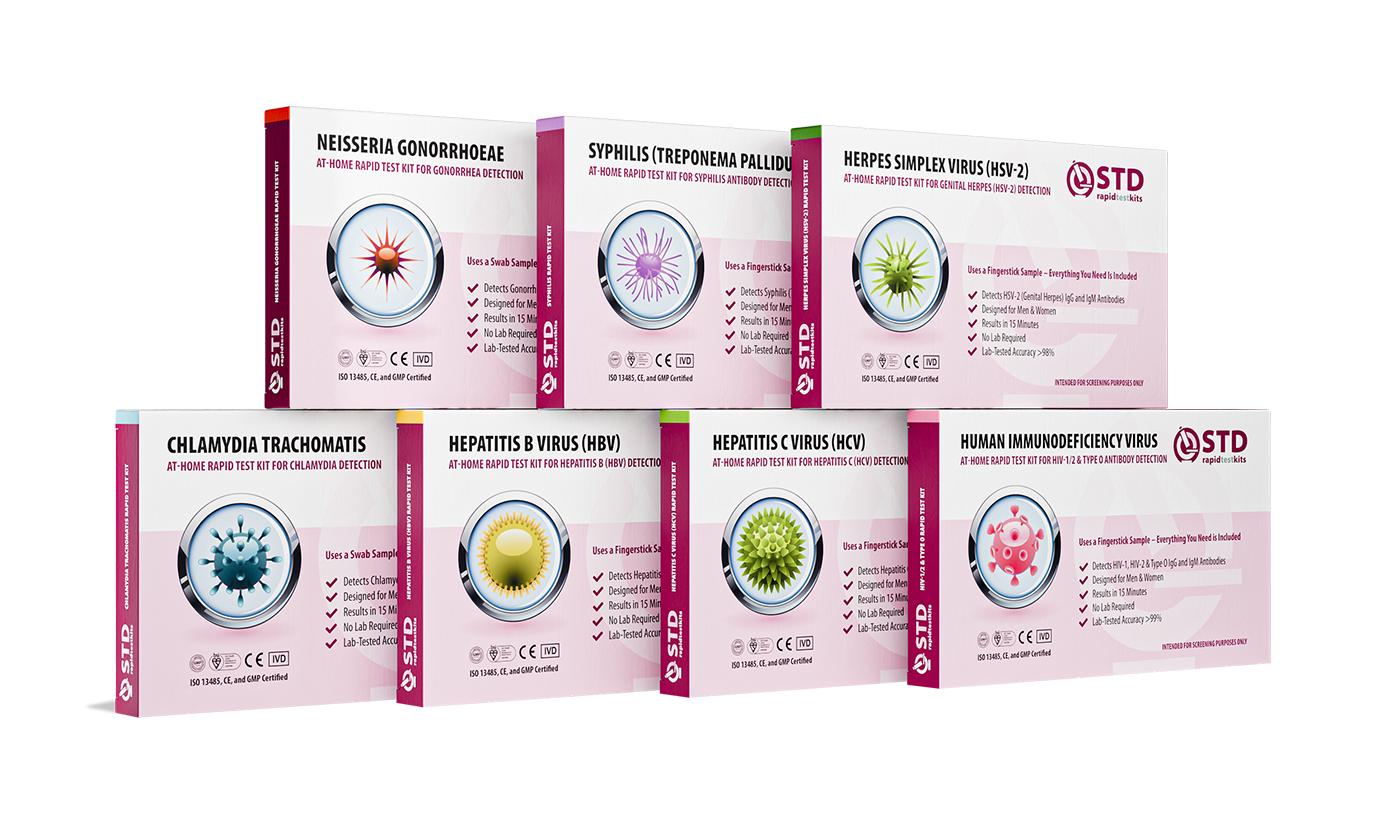
 For Men & Women
 Results in Minutes
 No Lab Needed
 Private & Discreet
Order Now $129.00 $343.00
For all 7 tests
Timing Is Everything: When to Test (And Retest)
Jay, 34, had been here before. “The burning started a few days after I hooked up with someone new. I didn’t think much of it, I thought maybe I just didn’t hydrate enough or something. But when it didn’t stop, I figured it was a UTI.” After two negative urine cultures and no relief from antibiotics, Jay turned to a discreet home STD test. “I didn’t want to wait for another clinic appointment. The kit showed I had gonorrhea. If I hadn’t tested again, I’d still be guessing.”
Jay’s story highlights something crucial: the window period. This is the time between exposure and when an STD can be reliably detected. Testing too early can give you a false sense of security. But waiting too long can increase risk, to your body and your partners.
| STD | Earliest Testing Window | Best Accuracy Window |
|---|---|---|
| Chlamydia | 5–7 days after exposure | 14+ days |
| Gonorrhea | 5–7 days after exposure | 14+ days |
| Trichomoniasis | 7–10 days after exposure | 14–21 days |
| Herpes (HSV-2) | 10–14 days (if symptomatic) | 4–6 weeks (antibody test) |
Table 2. Typical STD detection windows. Testing too soon can lead to false negatives, especially in the first few days after exposure.
If you’ve had unprotected sex or a condom break and symptoms show up within a week, testing is still possible. But know that you might need to retest after the full window passes. This isn’t paranoia, it’s smart self-care.
STD Tests vs UTI Tests: Why They Work Differently
When you get checked for a UTI, the test looks for signs of bacteria in your urine, often E. coli. But STD tests are different. They look for the genetic material (DNA or RNA) of specific infections like chlamydia or gonorrhea. Some tests detect antigens (proteins from the pathogen), and others look for antibodies your body makes in response.
That’s why a clean urine test doesn’t rule out an STD. In fact, most STDs don’t show up on routine UTI panels at all. If a provider doesn’t explicitly order a NAAT test (nucleic acid amplification test), you won’t know if you have a hidden infection. This gap leads to many missed diagnoses, especially when symptoms overlap.
The good news? You don’t have to wait on a doctor’s office anymore. At-home STD tests can now detect the same infections using urine or swab samples, with accuracy comparable to clinic-based tests. Some kits give you results in minutes. Others mail to a lab and notify you confidentially by phone or app.
If you’re unsure which kind you used, check if your UTI test was a culture or a dipstick. Unless someone specifically told you they were screening for STDs, they probably weren’t.
Need clarity now? You can order a discreet at-home combo test kit that covers multiple infections, fast, private, and FDA-approved.
Is It Herpes or a UTI?
This is one of the most under-discussed overlaps. Many people assume herpes means visible sores, but the first sign of a genital herpes outbreak can actually be painful urination. Not because there’s an issue in the urinary tract, but because sores form near the urethra, making it burn like hell when you pee.
“I thought it was a UTI. I had zero idea it was herpes until I got tested,” said Lina, 22, who went through two rounds of antibiotics before getting the right diagnosis. “No one told me herpes could start like that.”
Here’s the uncomfortable truth: herpes doesn’t always announce itself clearly. You can have internal sores, microscopic lesions, or irritation that mimics a urinary tract infection. And it can start days or even weeks after sexual contact, making it hard to connect the dots.
If you’ve had painful urination and UTI testing came back clean, and especially if you’ve noticed tingling, swelling, or flu-like symptoms, it’s worth testing for HSV, even if you’ve never seen a sore. There are FDA-approved herpes tests that use swabs or blood, depending on your stage and symptoms.
When to Retest (And Why It Matters)
Here’s a scenario we see all the time: someone tests negative for STDs within a few days of exposure, gets treated for a presumed UTI, but still feels off weeks later. When they finally retest at the right time, the STD shows up. This isn’t bad luck, it’s a timing issue.
STDs don’t always show up immediately. That’s why most health professionals recommend a second test 2 to 3 weeks after potential exposure, especially if symptoms continue or evolve. It’s also wise to retest after finishing treatment for an STD, just to make sure it’s gone. Some tests can catch remaining genetic fragments even when symptoms disappear.
If you’ve been on antibiotics for a supposed UTI and nothing’s changed after 5–7 days, consider retesting. Use a test that checks for chlamydia, gonorrhea, and trichomoniasis. If you’re experiencing fever, back pain, or pelvic tenderness, don’t wait, seek in-person care immediately.
It’s not about shame. It’s about data. And every retest gives you more of it.
“But My Tests Were Negative”, When Pain Doesn’t Go Away
Few things are more frustrating than hurting and being told “everything looks normal.” But negative tests don’t always mean nothing’s wrong. They may mean you tested too early, used the wrong kind of test, or your provider didn’t screen for all possibilities. Sometimes, they mean the problem isn’t infectious at all, but still valid and very real.
Rosa, 41, felt like she was losing her mind. “I had this burning, stabbing pain every time I peed. First they said UTI. Then they said maybe chlamydia. But all my tests came back negative. I started to think it was in my head.” After seeing a urologist, she learned she had a condition called interstitial cystitis, a chronic inflammation of the bladder lining that mimics both UTIs and STDs but isn’t caused by bacteria or viruses.
This situation makes a key point: you should look into persistent pain. If you've tested negative for common infections but your symptoms don't go away, keep asking for answers. Get a referral to a specialist. Consider pelvic nerve involvement, bladder disorders, or hormone-related conditions.
But don’t gaslight yourself just because a test says “negative.” You know your body better than anyone else.
Men Get Misdiagnosed, Too
While UTIs are often considered a “female” problem, they do occur in men, though rarely. In fact, when a cisgender man presents with burning during urination or discharge, most providers are trained to think STD first. But that doesn’t mean misdiagnosis doesn’t happen.
Marcus, 30, was told he had prostatitis after a painful urination episode. He was given antibiotics and sent on his way. “But I didn’t feel any better. I went to another clinic and they did an STD panel. Turns out I had trichomoniasis. I’d never even heard of it.”
For men, gonorrhea and chlamydia are the most likely culprits if symptoms include urethral burning or unusual discharge. But trichomoniasis, a parasite transmitted through sex, is wildly underdiagnosed because it’s not part of many routine panels.
If you have a penis and feel pain while urinating, don’t assume it’s just irritation or dehydration. Advocate for a full panel. And if you’ve been treated for a UTI but never actually had a urine culture or STD screen, now’s the time.
Real Talk: You Can Have Both
This part often gets skipped: you can have a UTI and an STD at the same time. They’re not mutually exclusive. Sex, especially without a barrier, can introduce bacteria into the urethra and also transmit infections. So if you’re dealing with both kinds of symptoms, ask for both kinds of tests.
A UTI can irritate the bladder and cause pain. An STD can infect the urethra, vagina, or prostate. Sometimes, it’s not about picking one or the other. It’s about treating both to get relief.
That’s why combo test kits exist, to make it easier. You can test at home for multiple STDs in one go, and see if you need further support from a clinic for a UTI or other condition. No more guessing. Just data.
People are aslo reading: How to Use a Syphilis Rapid Test (Even If You’re Freaking Out)
Privacy, Judgment-Free Testing, and Getting Results That Help
It’s hard to keep asking for help when you feel dismissed or misunderstood. But you deserve answers, and there are testing options that protect your privacy while giving you clarity.
At-home test kits ship discreetly (no labels, no pharmacy pickups) and let you collect a sample from home. Results arrive online or by phone, depending on the provider. These aren’t gimmicks, they’re FDA-cleared and clinic-grade. And they’re ideal for moments when walking into a clinic feels too vulnerable or logistically impossible.
If you’ve had symptoms for more than a week and haven’t had an STD panel, now’s the time. If your tests were negative but symptoms continue, repeat the test or add panels for herpes or trichomoniasis. If everything is negative but it still hurts, ask for a pelvic exam, ultrasound, or referral. This isn’t about fear, it’s about finally getting relief.
Check Your STD Status in Minutes
Test at Home with Remedium8-in-1 STD Test Kit
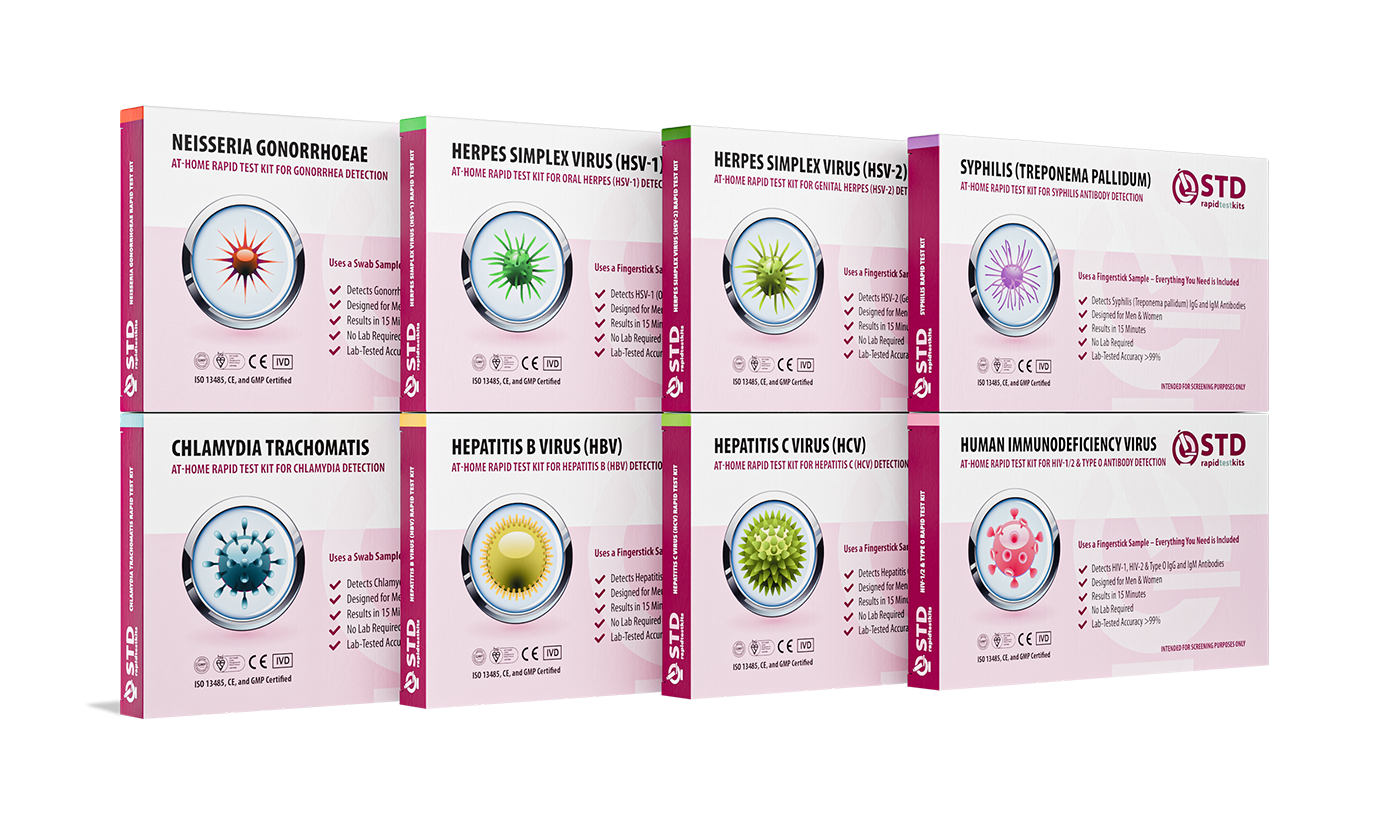 For Men & WomenResults in MinutesNo Lab NeededPrivate & Discreet
Order Now $149.00 $392.00
For all 8 tests
You’re Not Overreacting, You’re Paying Attention
Sex, shame, and pain form a tangled triangle in our culture. We’re taught to downplay symptoms, wait it out, self-blame. But the smartest thing you can do when something feels wrong is to listen to your body and get tested, not just for what’s common, but for what’s often missed.
Whether it’s burning, urgency, a twinge that won’t quit, or just a gut feeling that the first test didn’t catch something, you have options. Start with a discreet combo test kit. Follow up if needed. Push for better care. You’re not being dramatic. You’re being smart.
And remember: pain is your body asking for attention, not judgment. Give it what it needs.
FAQs
1. Can an STD seriously feel just like a UTI?
Totally. That sharp burn when you pee? That urgent need to go again two minutes later? Classic UTI signs, but also super common with chlamydia, gonorrhea, and even trichomoniasis. Your body doesn’t care what the label is, it just sends up the same pain flares. That’s why testing matters, not guessing.
2. I got antibiotics for a UTI. Why am I still in pain?
If you’ve knocked back all the pills and you're still wincing on the toilet, your provider might have missed the real cause. UTI meds won’t touch STDs. And if the test was done too early, or didn’t check for infections like herpes or trich, you’re basically flying blind. Time to retest or get a broader panel.
3. Is it possible to get STD symptoms just a few days after sex?
Yep. You might feel burning, stinging, or see discharge just 3–7 days after exposure, especially with gonorrhea or chlamydia. Herpes can take longer unless it’s your first outbreak. Think of symptoms like smoke: they may show up fast, or smolder for weeks. Either way, early testing gives you a map.
4. What if all my tests are negative... but something still feels wrong?
We hear this all the time. You’re not imagining it. A few things could be going on: maybe you tested too early, maybe the test missed something, or maybe it’s not an infection at all, like interstitial cystitis or a nerve issue. But pain is pain. If your tests say “nothing’s wrong” but your body disagrees, keep advocating for answers.
5. Could this be herpes even if I don’t see any sores?
Absolutely. Herpes can cause internal lesions that make peeing feel like fire, even when nothing’s visible. First outbreaks can be especially sneaky: think tingling, flu vibes, swollen lymph nodes. You might never see a blister and still have HSV. A swab or blood test can help connect the dots.
6. I’m a guy, do I even get UTIs?
You can, but it’s rare. If you have a penis and feel a burn when you pee, the odds lean way more toward an STD than a UTI. Get tested for chlamydia, gonorrhea, and trichomoniasis. And if a doctor tells you it’s prostatitis without running any labs? Ask more questions. A swab or urine NAAT test could change everything.
7. I feel better now. Should I still get tested?
If you had symptoms and didn’t test, don’t let the quiet fool you. Some STDs can go dormant, or get partially treated by UTI antibiotics without fully clearing. If you’re sexually active and something felt off, it’s still worth checking. Peace of mind is part of the healing too.
8. Can I really test for all this at home?
Yes, and thank god. You don’t have to sit in a waiting room trying to hide your nerves. At-home kits use urine or swabs and check for the same infections as clinics, accurately and discreetly. Results come fast, no judgment, and you can test while wearing pajama pants and blasting Beyoncé. Win-win.
9. Do I need to tell my partner if it turns out to be an STD?
It’s the respectful thing to do, even if it’s awkward. You’d want to know, right? Many people don’t realize they’ve been exposed because symptoms can be so mild (or invisible). You don’t have to give a speech, just the facts. There are even anonymous notification tools if that feels safer.
10.So... how do I know if it’s time to retest?
If it’s been less than two weeks since exposure, wait a bit, your body needs time to show detectable levels. But if symptoms persist past a week, or if you’re still unsure after a negative test, a retest at the 2–3 week mark is smart. Especially if a partner tested positive, or you’ve had new encounters since.
You Deserve Answers, Not Assumptions
If you're here, it's probably because something doesn't feel right, and the first answer you got didn’t help. Whether it was a negative UTI test, antibiotics that did nothing, or a provider who didn’t listen, know this: you're not alone, and you're not overreacting.
Testing for STDs isn’t about shame. It’s about clarity, control, and care. The symptoms you’re feeling are real. And there are tools to figure out what’s going on, without needing to explain yourself to five different providers or sit through another misdiagnosis.
Don’t wait and wonder, get the clarity you deserve. This at-home combo test kit checks for the most common STDs discreetly and quickly.
How We Sourced This Article: We used up-to-date advice from top medical groups, peer-reviewed research, and reports from people who have lived through it to make this guide useful, kind, and correct.
Sources
2. CDC – Genital Herpes Fact Sheet
3. Planned Parenthood – Trichomoniasis Info
4. Urinary Tract Infection (UTI) Basics — CDC
5. Painful urination (dysuria): Causes — Mayo Clinic
6. Urinary tract infection (UTI): Symptoms & causes — Mayo Clinic
7. Urethritis and Cervicitis — STI Treatment Guidelines (CDC)
8. Urinary Tract Infections — Cleveland Clinic
9. Gonorrhea: Symptoms & causes — Mayo Clinic
10. Sexually Transmitted Diseases (STDs): Symptoms & causes — Mayo Clinic
About the Author
Dr. F. David, MD is a board-certified infectious disease specialist focused on STI prevention, diagnosis, and treatment. He blends clinical precision with a no-nonsense, sex-positive approach and is committed to expanding access for readers in both urban and off-grid settings.
Reviewed by: S. Chen, NP | Last medically reviewed: December 2025
This article is only for informational purposes and should not be taken as medical advice.


