







Quick Answer: A perfect storm of college campuses, missed testing windows, silent symptoms, and care gaps has pushed Delaware’s chlamydia numbers higher than most realize. At-home testing and better awareness offer ways to fight back.
Why Delaware? The Numbers Don’t Lie
If you live in Delaware, or have ever Googled “chlamydia symptoms after hookup”, you might be shocked to learn how often this infection goes unnoticed. In 2024, the state reported over 7,000 confirmed cases of chlamydia, according to the CDC’s STD Surveillance Report. That puts Delaware consistently in the top 10 states by rate, even beating out some larger states with way higher populations.
But data alone doesn’t tell the full story. Much of the spread is happening in silence. More than 70% of people with chlamydia don’t have noticeable symptoms, especially in the early stages. The result? Infections build quietly, spread unknowingly, and remain untreated until complications arise or a routine screening catches them.
It’s not that Delaware is doing something “wrong.” But when you zoom into the structural and cultural layers, college clusters, under-resourced clinics, privacy concerns, and local policy quirks, it becomes clearer why this tiny state is facing a big problem.
Micro Hotspots: Where the Spread Really Happens
Take a walk through Newark on a Friday night, and you’ll find a snapshot of risk in real time: crowded bars near campus, dating apps buzzing, condoms forgotten, and sexual health rarely part of the conversation. With the University of Delaware's student body topping 24,000, the town becomes a flashpoint for STI transmission nearly every fall semester.
But it’s not just college towns. Wilmington, Dover, and other urban areas with limited access to youth-centered healthcare are also seeing spikes. In some neighborhoods, it can take weeks to get a free or low-cost test. Many people don’t want their parents, partners, or schools to know they’re even asking.
Combine that with low symptom visibility, and you have a state where infections rise fast and test rates lag behind. Delaware’s size should be an advantage for contact tracing, but stigma continues to outpace science.
| Delaware Location | Reported Chlamydia Rate (per 100,000) | Notable Risk Factors |
|---|---|---|
| Newark | 1,421 | College population, under-25 age group, inconsistent condom use |
| Wilmington | 1,218 | Clinic shortages, stigma, low follow-up care |
| Dover | 987 | Limited youth outreach, rural barriers |
Figure 1. Regional chlamydia case rates in Delaware by 2024 estimates, with contributing risk conditions noted.

People are aslo reading: What No One Tells You About Probiotics, Yeast Infections, and STIs
Why It’s Not Just About Behavior
It’s tempting to blame rising STD rates on “risky” behavior. But the truth is murkier. According to a 2023 study published in Sexually Transmitted Diseases, even among people reporting consistent condom use and low partner counts, chlamydia transmission still occurred at statistically significant rates.
That’s because exposure doesn’t always look like what we think. A single encounter with an infected partner, even with a condom that slips or during oral sex, can transmit the infection. Add to that a culture where many young people feel judged for even asking questions about testing, and the silence grows louder.
Darius, 27, from Dover, said he didn’t get tested until an ex messaged him with news of a positive result. “I thought I was clean,” he said. “I had no symptoms. I figured if something was wrong, I’d know.”
But chlamydia doesn’t always “announce” itself. It can live quietly in the throat, rectum, or genitals. Left untreated, it can lead to infertility, chronic pelvic pain, and other long-term complications, even when it starts without symptoms.
Check Your STD Status in Minutes
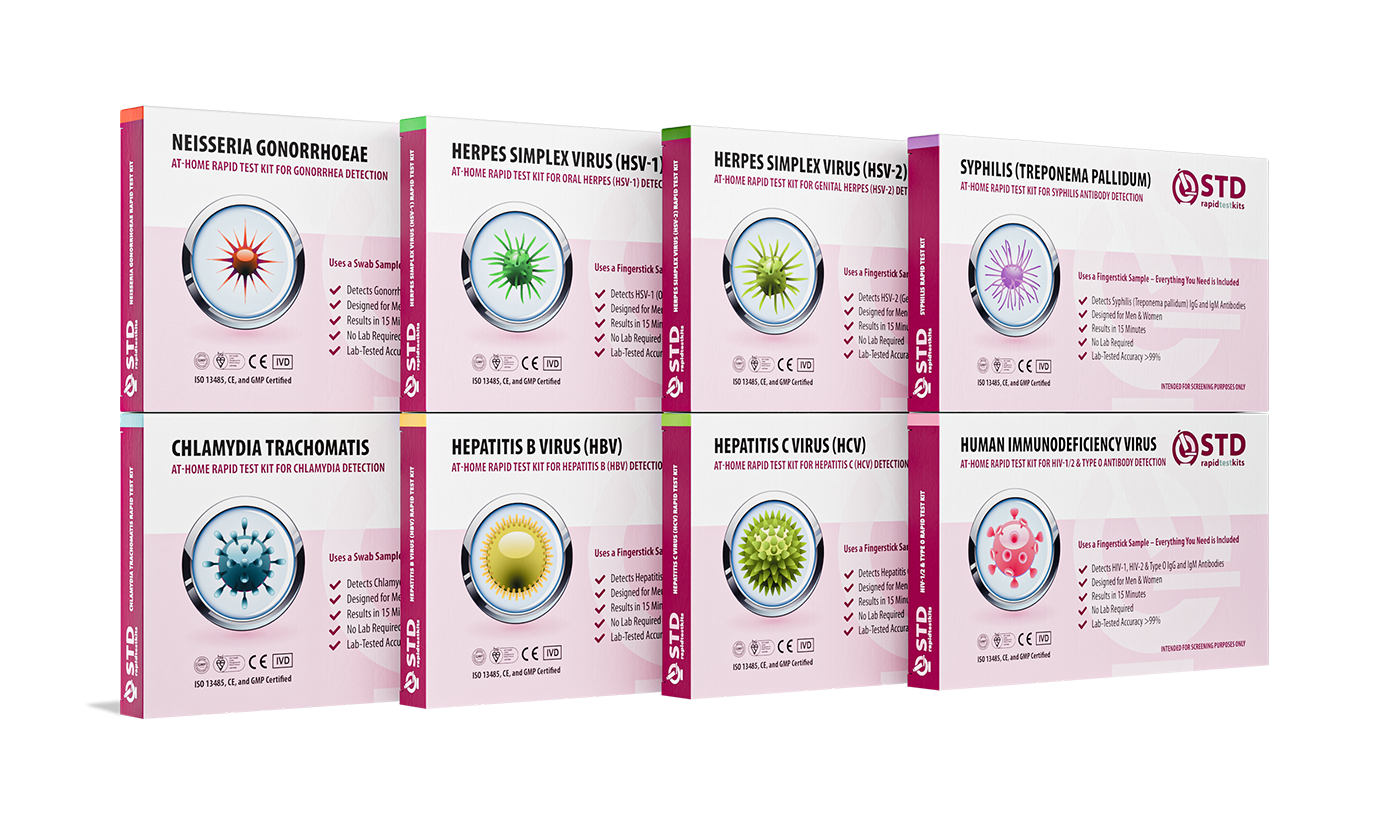
Test at Home with Remedium8-in-1 STD Test Kit
 For Men & Women
 Results in Minutes
 No Lab Needed
 Private & Discreet
Order Now $149.00 $392.00
For all 8 tests
Chlamydia Testing in Delaware: What You Need to Know
So what are your options if you live in Delaware and want to test discreetly, affordably, or fast? Good news: you have more choices than ever, including at-home rapid test kits that offer privacy and speed without sacrificing accuracy.
In Delaware, anyone aged 14 or older can consent to STI testing and treatment without parental approval, according to Delaware law Title 13, Chapter 7. That means teens and college students can seek care confidentially, a crucial legal protection that many aren’t aware of.
Clinics like Planned Parenthood of Delaware, Westside Family Healthcare, and the Henrietta Johnson Medical Center offer in-person testing. However, appointments can fill up fast, and hours may be limited. Some locations don’t provide results for several days, and follow-up may require a second visit.
| Testing Location | City | Contact | Notes |
|---|---|---|---|
| Planned Parenthood Delaware | Wilmington, Newark, Seaford | (302) 655-7293 | Sliding scale, appointments often required |
| Henrietta Johnson Medical Center | Wilmington | (302) 655-6187 | Low-cost STI testing, telehealth support |
| Westside Family Healthcare | Dover, Wilmington | (302) 678-4622 | Offers HIV/STD screening, walk-ins accepted |
Figure 2. Selected Delaware-based clinics offering chlamydia and STI testing. Call ahead to confirm hours and availability.
If time, transportation, or privacy are issues, consider an at-home chlamydia test. Results are often ready within minutes or 1–2 days depending on the method. STD Rapid Test Kits ships discreetly to all parts of Delaware, with no medical appointment needed. You can order a chlamydia rapid test kit here and get results fast, with doctor-trusted accuracy.
When the Symptoms Don’t Show Up, But the Damage Does
Naomi, 22, didn’t know she had chlamydia until a routine pelvic exam revealed signs of scarring. Her provider mentioned something called pelvic inflammatory disease (PID), a serious complication caused by untreated STIs. Naomi had never had symptoms. No burning, no discharge, no pain during sex. “I felt like my body had betrayed me,” she said. “I thought you’d know if something was wrong.”
This is one of the most insidious parts of chlamydia: it’s often symptomless until it isn’t. And by the time it starts showing signs, permanent damage may have already begun. In women and people with vaginas, untreated infections can lead to infertility, ectopic pregnancy, or chronic pelvic pain. In men and people with penises, the infection can cause epididymitis and, rarely, fertility problems.
Symptoms, when they show up, might include unusual discharge, pain while urinating, spotting between periods, or pain during sex. But these can be subtle or misattributed to something else like a UTI or yeast infection. That’s why regular testing matters, even if you feel fine.
How Long Should You Wait Before Testing?
One of the most common questions we hear from Delaware readers is: “How soon can I get tested after sex?” The answer depends on the type of test and the window period of the infection. Testing too early can give you a false negative, even if you're already infected.
Let’s break it down: chlamydia typically has a window period of about 7 to 14 days. That means it can take that long for the bacteria to build up enough in your body to be detected by a test. If you test earlier, you might get a negative result, even if you were exposed. That’s why it’s often recommended to wait 2 full weeks post-exposure if you’re asymptomatic.
| Time Since Exposure | Testing Recommendation | Notes |
|---|---|---|
| 0–5 Days | Too early for accurate results | False negatives are common during this period |
| 6–13 Days | Testing possible but may require a retest | Some tests may detect the infection, but confirmation is advised |
| 14+ Days | Optimal testing window | Best chance for accurate results with most rapid and lab tests |
Figure 3. Chlamydia testing window timeline based on current CDC-aligned guidance.
We often hear from people who test negative on Day 6, only to test positive after symptoms appear a week later. It’s not your fault. The biology of the infection, and the sensitivity of the test, both matter. If you're unsure, test now and again in two weeks if symptoms persist or exposure continues.
“But We Used Protection”, Why Chlamydia Still Spreads
Condoms reduce the risk of chlamydia transmission, but they’re not foolproof. Breaks, slippage, or not using protection during oral or anal sex can all leave openings for the infection to pass. Even digital-genital contact (like fingers to genitals) has some risk if bacteria are transferred.
Luis, 19, tested positive for chlamydia after his first college hookup, despite using a condom. “I thought I was doing everything right,” he said. “We didn’t kiss, didn’t go unprotected. But I guess that one moment after, before cleanup, was enough.”
This is where education matters. Chlamydia isn’t about being “reckless.” It’s about biology, access, and timing. Prevention includes safer sex practices, sure, but also knowing when to test, how often, and how to talk to your partners. It’s about giving yourself options, not guilt.

People are aslo reading: The STD That Almost No One Gets Tested For
Retesting and Reinfection: What Happens Next
Even after treatment, you’re not immune to chlamydia. Reinfection is surprisingly common, especially if your partner isn’t treated at the same time. That’s why most providers recommend retesting around 3 months after treatment, even if you feel fine.
Some people also need a follow-up test sooner. If you’re pregnant, have ongoing symptoms, or weren’t 100% sure your partner completed their treatment, it’s smart to check again within 4 to 6 weeks. Rapid retests like those from STD Rapid Test Kits make this easier without returning to a clinic.
Reinfection isn’t failure. It’s common. The more we talk about it without shame, the easier it becomes to stop the cycle, for yourself and your community.
Delaware’s Privacy and Consent Laws, What You Should Know
Let’s bust a myth: If you're 14 or older in Delaware, you do not need a parent’s permission to get tested or treated for STIs. Your medical records are protected by confidentiality laws, meaning even insurance statements must be handled carefully to respect your privacy. Some clinics let you opt out of insurance billing for this reason.
This matters. Fear of being “found out” stops many people from seeking care. In Delaware, you can walk into a clinic or order an at-home test without anyone else being notified. That’s not just reassuring, it’s life-saving. Confidentiality protects you while reducing stigma at the same time.
Some clinics will even help with anonymous partner notification if you're unsure how to tell someone you may have exposed them. It’s not about blame, it’s about stopping the chain quietly and respectfully.
Check Your STD Status in Minutes
Test at Home with Remedium8-in-1 STD Test Kit
For Men & WomenResults in MinutesNo Lab NeededPrivate & DiscreetOrder Now $149.00 $392.00
For all 8 tests
How to Tell a Partner (Even If You’re Scared)
There’s no easy way to say, “I tested positive.” But there are better ways than silence. Most people fear judgment, drama, or abandonment, but the reality is, many partners respond with respect. They often appreciate honesty and even gratitude for the heads-up.
If the thought makes your heart race, try starting like this: “I got tested recently and found out I have chlamydia. I wanted to let you know so you can take care of yourself, too.”
Short. Clear. Non-accusatory. You’re not blaming them, just informing. Some clinics or apps even offer anonymous text notifications if a direct conversation feels impossible. And if you used a home test, you can still send them a link to the same test kit that gave you clarity. That’s not drama. That’s love disguised as responsibility.
Whatever you choose, know this: disclosure isn’t a punishment, it’s a path to healing. For them, and for you.
FAQs
1. Can you really get chlamydia from just one hookup?
Yes, and it happens all the time. Chlamydia doesn’t care if it was your first time, your “one safe guy,” or a situationship you thought was exclusive. All it takes is one exposure. We've seen plenty of folks who’ve only had one partner and still test positive. It's not about your body count, it’s about your biology.
2. Will my parents find out if I get tested in Delaware?
Not unless you tell them. Delaware law lets anyone 14 or older get tested and treated for STIs without needing parental permission. Clinics and labs have to protect your privacy. Some even let you opt out of using insurance to keep things off mailed statements. And if you test at home? No one sees it but you.
3. I tested negative last week, could it still be wrong?
It depends on when. If you tested too soon after being exposed (like within a few days), the infection might not have had time to grow enough to be found yet. That’s called the window period. A follow-up test in a week or two can give a more accurate picture. Think of it like waiting for a photo to develop, you don’t want to snap the pic before anything’s visible.
4. How fast do at-home chlamydia tests work in Delaware?
Shipping usually takes 1 to 3 business days, and the test itself can give you results in as little as 10 minutes (if it’s a rapid test). No lines, no awkward waiting rooms. Just you, your bathroom counter, and answers. It’s how a lot of folks in college towns and rural areas are keeping tabs on their status without the drama.
5. Does chlamydia mean my partner cheated on me?
Not necessarily. Chlamydia can hang out in the body for weeks or even months without symptoms. That means someone could’ve picked it up in a past relationship, had no idea, and passed it on unintentionally. This is why testing matters, because it’s not always about betrayal. Sometimes it’s just biology being sneaky.
6. What happens if I ignore it?
Please don’t. Left untreated, chlamydia can lead to real health issues, like pelvic inflammatory disease, infertility, and testicular pain. But the good news?One of the easiest STIs to treat is this one. Usually, one round of antibiotics is all it takes. The fix is simple, but only if you know it’s there.
7. Is it okay to have sex again right after treatment?
You’ll want to wait at least 7 days after finishing antibiotics before having sex again. And your partner should be treated too, otherwise, you’re playing ping-pong with the infection. We’ve seen too many people go through the emotional rollercoaster of treating it once, only to catch it again because their partner didn’t follow through.
8. What’s the difference between a rapid test and a mail-in test?
Rapid tests give you results on the spot, usually within 10 to 20 minutes. Mail-in tests involve sending your sample to a lab and waiting a few days for results. Both are accurate when used correctly, but if you’re anxious and want answers now, the rapid test might be the peace-of-mind move.
9. Can I test during my period?
Yes, in most cases. A urine-based or blood-based test won’t be affected by your cycle. For swab tests, especially vaginal ones, it’s best to wait until bleeding is lighter if possible, but it’s not a deal-breaker. When in doubt, read the kit’s instructions or contact the provider for advice.
10. I’m scared to tell my partner. What if they freak out?
That fear is valid. But many people are more understanding than you expect. You’re showing care, not blame. One way to start the convo? “Hey, I just got tested and found out I have chlamydia. You might want to get checked too, just in case.” It’s direct, calm, and puts health first. If you’re not ready to say it out loud, some clinics offer anonymous text tools to do it for you.
Before You Panic: What to Do Right Now
If you’re reading this with a pit in your stomach, maybe after a surprise result, or a text from a former partner, take a deep breath. You are not dirty. You are not alone. And you are not doomed.
Chlamydia is common, treatable, and often temporary. But it requires action. That action doesn’t have to involve a clinic, an awkward conversation, or even leaving your home. You can order a discreet rapid chlamydia test that arrives to your door in Delaware, fast, private, and reliable.
If it’s positive? Treatment is straightforward, often just a one-time antibiotic. And retesting after a few weeks can help make sure it’s gone. You don’t have to be perfect, just informed, and supported. And that’s exactly what this guide is here to offer.
Don't wait and wonder; get the clarity you need. This at-home combo test kit quickly and discreetly checks for the most common STDs.
How We Sourced This Article: We combined current guidance from leading medical organizations with peer-reviewed research and lived-experience reporting to make this guide practical, compassionate, and accurate.
Sources
1. CDC – 2024 Sexually Transmitted Disease Surveillance
2. Delaware Code Title 13 – Consent to Treatment for Minors
3. Henrietta Johnson Medical Center – Wilmington Health Services
5. 2023 STI Surveillance Report — CDC
6. Chlamydial Infections — STI Treatment Guidelines (CDC)
8. Increasing Adolescent STI Screening in Delaware School‑Based Health Centers — PMC / NCBI
9. STD Symptoms Overview — Mayo Clinic
10. Chlamydia: Causes, Symptoms, Treatment & Prevention — Cleveland Clinic
About the Author
Dr. F. David, MD is a board-certified infectious disease specialist who works on preventing, diagnosing, and treating STIs. He blends clinical precision with a no-nonsense, sex-positive approach and is committed to expanding access for readers in both urban and off-grid settings.
Reviewed by: Dr. Layla Chen, MPH | Last medically reviewed: November 2025
This article is for informational purposes and does not replace medical advice.


