





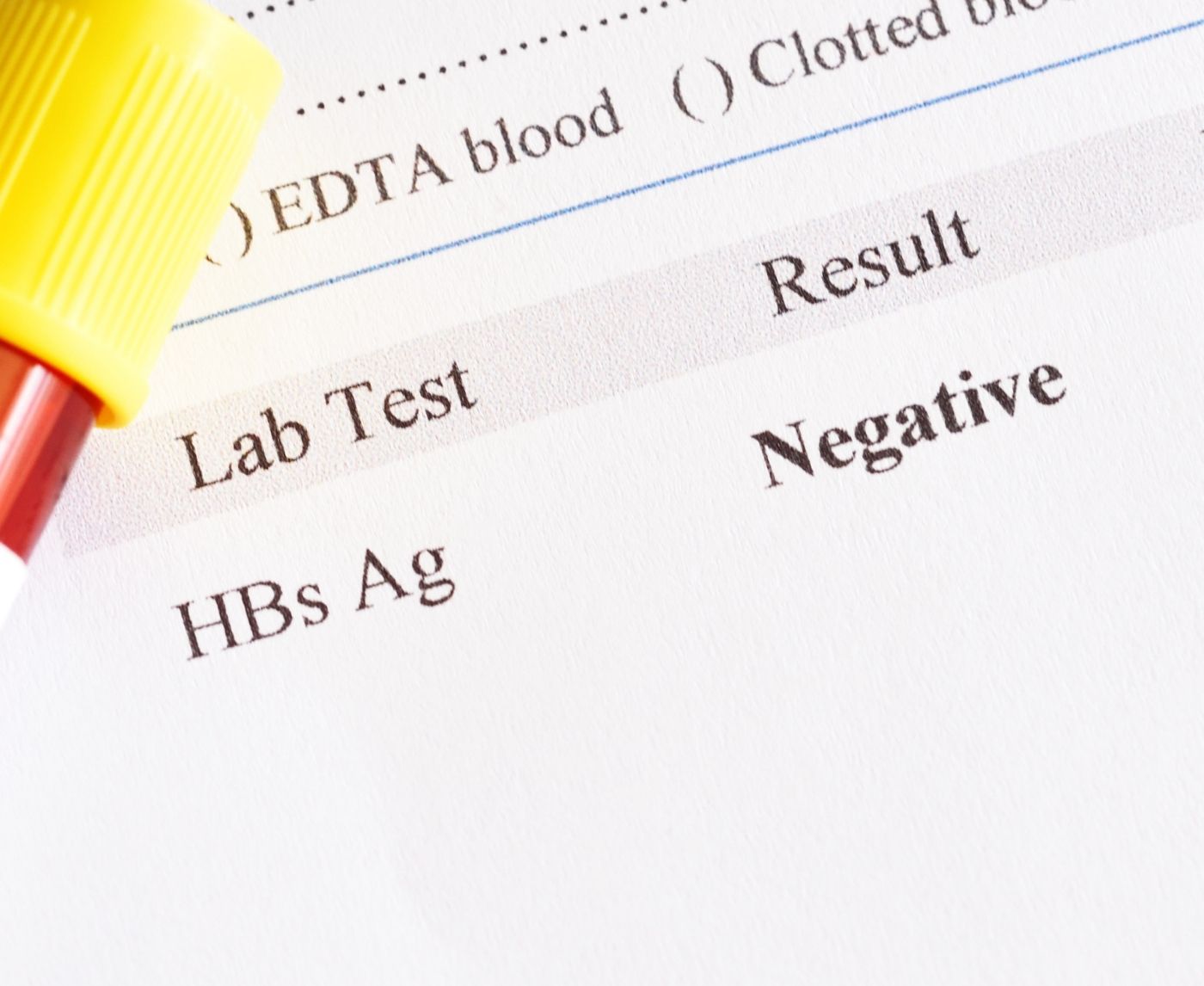

Quick Answer: A negative test for Hepatitis B doesn’t always mean you’re not infected. If you tested too early, used the wrong test type, or have a weakened immune system, the virus might not show up, yet.
This Article Is for Anyone Second-Guessing Their Results
If you’ve already tested for Hepatitis B but something doesn’t feel right, or if you got a negative result but learned later that you might have been exposed, this article is for you. It’s for people in new relationships who thought one test was enough. For folks on immunosuppressants. For people who tested at home and didn’t quite trust the faint line they saw. And yes, for anyone spiraling into a Google rabbit hole of “can a Hep B test be wrong?” at 2AM.
Testing is powerful, but it isn’t perfect. We'll talk about how Hepatitis B tests work, what makes them give false negatives, what to do next if you're still worried, and why sometimes the best thing you can do is get tested again. No shame, no fluff, just clear answers based on data and real-life experience.
First, How Do Hepatitis B Tests Actually Work?
Hepatitis B testing looks for signs of the virus in your blood. That might be the actual virus (antigens like HBsAg), your body’s response to it (antibodies like anti-HBc or anti-HBs), or viral DNA if a highly sensitive test like PCR is used. Each of these markers appears at a different time after exposure. And not every test checks for all of them.
For example, most at-home or rapid tests look for the surface antigen (HBsAg), a protein found on the virus. It’s usually the first thing to show up after infection. But here’s the catch: if your body hasn’t produced enough of it yet, or if your immune system is suppressing it, the test might come back negative even if the virus is there.
Some lab-based tests go deeper and check multiple markers at once. Others require specific test orders, especially in clinics where routine panels might miss early or hidden cases. That’s why knowing what type of test you took, and when you took it, matters more than people think.
People are aslo reading: Herpes Symptoms but Still Testing Negative? You’re Not Alone
False Negatives Happen More Than Most People Realize
A false negative means the test says you don’t have Hepatitis B, but in reality, you do, or at least, you’re in a stage of infection where markers haven’t appeared yet. This isn’t rare. In fact, according to multiple peer-reviewed studies, the risk of a false negative is highest during the “window period”, the time between infection and when tests can reliably detect it.
Let’s look at a real-life scenario. Elena, 25, had unprotected sex with a partner who later disclosed they’d tested positive for Hepatitis B. She took a rapid test 10 days later and breathed a sigh of relief when it came back negative. But her doctor insisted she test again at six weeks. That second test? Positive.
This isn’t about fear, it’s about physiology. Here’s a simplified timeline of how test markers appear after infection:
| Marker | What It Detects | Appears After | Test Type |
|---|---|---|---|
| HBsAg (surface antigen) | Active virus | 1–9 weeks | Rapid or lab test |
| Anti-HBc (core antibody) | Past or ongoing infection | 4–12 weeks | Lab panel |
| Anti-HBs (surface antibody) | Recovery or vaccine response | 8–24 weeks | Lab test |
| HBV DNA | Viral genetic material | 1–3 weeks | PCR/NAAT lab test |
Depending on what your test looked for, and when you took it, you might miss the infection entirely. That’s the perfect setup for a false negative.
Check Your STD Status in Minutes
Test at Home with RemediumHepatitis B Test Kit
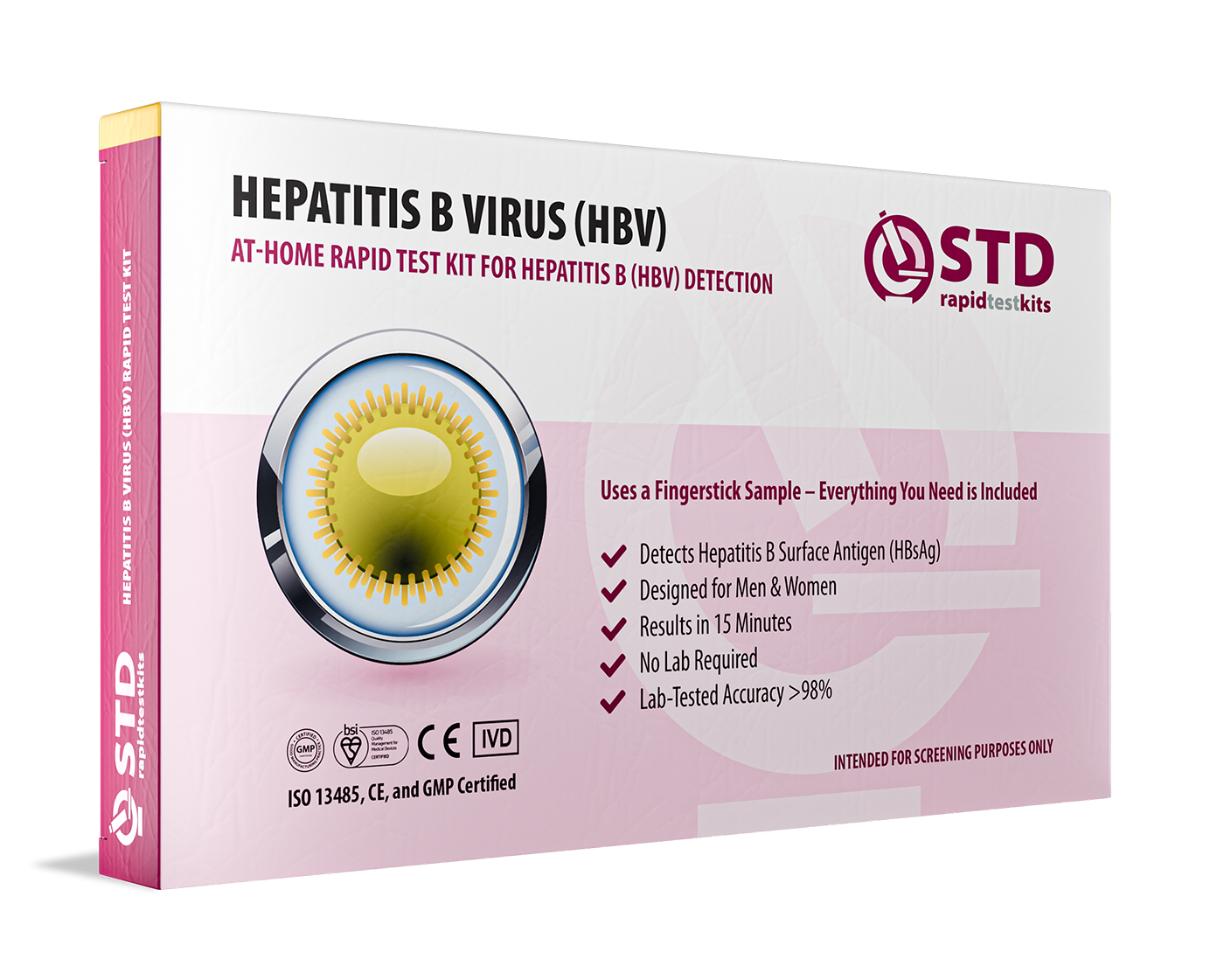
 For Men & Women
 Results in Minutes
 No Lab Needed
 Private & Discreet
Order Now $33.99 $49.00
Why the Timing of Your Hepatitis B Test Is Everything
If you test during the “too early” window, typically the first few days to 4 weeks post-exposure, there’s a significant chance the virus hasn’t produced enough antigen or antibody to trigger a positive result. This isn’t a failure of the test. It’s how the immune system works. No test, not even PCR, is infallible when taken too early.
Now imagine you got tested two weeks after a possible exposure. That’s not wrong, but it might not be enough. If you got a negative, the next step isn’t to relax forever. It’s to mark your calendar. A follow-up test at six to twelve weeks post-exposure catches what the first one might have missed.
Here’s where lived experience matters. A Reddit user once shared their confusion: “I tested negative at 3 weeks. I thought I was safe. Then I went in for a blood draw for a new job, and they told me I was Hep B positive. I had no idea. I felt betrayed by the first test.” They weren’t wrong to test early, but they misunderstood what a negative result really meant at that stage.
Bottom line: early testing is useful, especially for peace of mind, but it should never be the final word unless enough time has passed.
Test Type Matters: Not All Hepatitis B Tests Are Built the Same
It’s easy to think of all STD tests as equal, but when it comes to Hepatitis B, the kind of test you use can drastically change the outcome. Rapid tests, especially those meant for at-home use, typically screen only for surface antigen (HBsAg). That works well in a lot of situations, especially when the virus is at its most contagious. But these tests might not show anything if you test too soon or if your viral load is low.
Lab tests, on the other hand, usually look for more than one marker. A standard panel might include HBsAg, anti-HBc (core antibody), and anti-HBs (surface antibody). If a clinic is thorough, or if you request it, they may add an HBV DNA PCR test, which searches for the virus’s genetic material itself. That last one can detect the virus before the body begins making antibodies or even before HBsAg shows up.
Here's how the main test types compare when it comes to accuracy, depth, and false negative risk:
| Test Type | Detects | False Negative Risk | Best Use Scenario |
|---|---|---|---|
| Rapid HBsAg Test (at home) | Surface antigen | Moderate–High (early infection, low viral load) | Quick check after 4+ weeks post-risk |
| Lab HBsAg + Antibodies | Antigen and immune response | Lower (unless very early) | General screening, new relationships, annual checkups |
| HBV DNA PCR | Viral genetic material | Very low | Early exposure, immunocompromised, pregnancy |
Each test has its place. But if you’re facing a negative result and still feel uncertain, ask what test was used, and whether it went beyond just the basics. The more you know about your testing method, the more power you have to interpret its results.
Low Immunity, Pregnancy, and Special Situations
False negatives aren't just about bad timing or poor-quality tests. In some cases, your own body plays a role, especially when the immune system isn’t firing on all cylinders. People who are pregnant, undergoing chemotherapy, living with HIV, or taking immunosuppressive medications may have a blunted immune response, meaning they don’t produce antigens or antibodies at the same rate as others.
That means even if you’re infected, your test might not pick it up. Why? Because some tests rely on the immune system’s response to the virus, not the virus itself. If your body doesn’t react typically, the test can’t detect what isn’t being produced. This is especially risky in pregnancy, where undetected infection can lead to vertical transmission, passing the virus to the baby during birth.
Here’s a real example from a case report: a woman in her third trimester tested negative for Hepatitis B via rapid screening. She had no symptoms. At delivery, the hospital re-tested using a PCR assay, and found an active infection. The newborn required emergency immunoglobulin treatment. Had the initial test been the only one done, the virus might have gone unnoticed until too late.
That’s not meant to scare, it’s meant to show why second testing, especially for high-risk populations, is a wise and proactive choice.
The Hidden Variables: Lab Errors, Sample Issues, and Human Mistakes
It’s easy to trust results when they come from a lab. But no lab is perfect, not even the best ones. Mistakes happen, and a lot of false negatives are caused by things you can't control. Sample degradation, wrong storage, expired test kits, or even mistakes made by clerks can all make results less accurate.
Then there’s user error. When you take an at-home test, you can get false or misleading results if you read faint lines wrong, take the sample too soon, or don't follow the timing instructions exactly. One user described taking the test before eating, as instructed, but accidentally skipped the 15-minute reading window. They came back 45 minutes later and saw a negative. Was it valid? Probably not.
Always read instructions carefully, and consider retesting if something felt off during the process. You’re not being paranoid. You’re being smart.
When One Test Isn’t Enough: Retesting Is Normal
It’s tempting to treat testing as a one-and-done checklist item. But when it comes to Hepatitis B, retesting is often part of the process, not a sign of failure or suspicion. In fact, medical guidelines often recommend retesting six weeks to three months after a high-risk exposure if the first test was negative. This applies especially if the exposure was unprotected sex, needle-sharing, or a medical procedure in a region with high HBV prevalence.
Don’t let shame or second-guessing keep you from checking again. Testing is not a moral judgment. It’s a tool for clarity. And sometimes, clarity takes more than one data point.
If you’re feeling uncertain about your result, or if your last test was within the first few weeks of a potential exposure, consider a follow-up. Many people who test negative in week two get a clearer picture in week six or beyond.
STD Rapid Test Kits offers discreet test kits that ship quickly and arrive in plain packaging. You can order a Hepatitis B test kit here and retest from the privacy of home, no appointments, no waiting rooms.
What Faint Lines Mean, and Why They’re Not Always “Negative”
One of the most confusing moments in rapid testing comes when the result line isn’t clearly visible. Maybe it’s faint. Maybe it looks like a shadow. Maybe it disappears after a few minutes. The internet is full of forums debating whether a line is “real” or just a “ghost.”
Here’s the deal: any visible line in the result window, no matter how faint, can indicate a positive. Especially on rapid Hepatitis B antigen tests, faint lines may suggest low antigen concentration. That can occur during early infection, or when viral load is low. Many people misinterpret faint lines as negatives because the control line is darker. But test strips aren’t judged on relative darkness. They’re judged on presence.
One Redditor shared: “I saw the faintest line and ignored it. Three weeks later, I felt sick and went to a clinic. They said I’d been infectious the whole time.” Their story isn’t unique. If you’re unsure whether a line counts, treat it like it does and follow up with a more sensitive lab-based test.
Still not sure? Take a photo immediately after the test’s indicated read time. If you can see even a partial line, that’s worth investigating. And if the test expired, malfunctioned, or was stored in extreme temperatures, don’t rely on it.
What If You Have Symptoms, But Still Test Negative?
This is the scenario that triggers panic: you have symptoms, fatigue, abdominal discomfort, maybe dark urine, but your Hepatitis B test came back negative. First, breathe. There are a few things that could be happening, and not all of them mean you’re infected or unsafe.
Sometimes those weird symptoms, fatigue, nausea, or pain around your side, have nothing to do with Hepatitis B at all. It could be your liver reacting to alcohol, new meds, or something like Hepatitis A, Hepatitis C, or even mono. But it’s also totally possible you’re in the very early stages of a Hepatitis B infection, so early that your body hasn’t made enough surface antigen (HBsAg) for the test to catch it yet.
Some people experience mild or vague symptoms that mimic a cold or flu: body aches, mild fever, general fatigue. If you’re in that window and your test was antigen-only, the result might not reflect the actual infection status yet. This is where retesting with broader markers (like core antibodies or PCR) is your best bet.
Consider this: a healthcare worker exposed via a needlestick tested negative at two weeks post-exposure. But a routine checkup at two months revealed positive HBV DNA. No symptoms. No warnings. Just timing.
If your gut says something’s off, listen. Advocate for a repeat test. A test isn’t a personality assessment. It’s just a snapshot in time, and time can change everything.
People are aslo reading: First Time Sex Pain or STD? How to Tell What’s Normal
Case Study: “I Thought I Dodged It. I Was Wrong.”
Andre, 32, had a brief fling while on a business trip abroad. The condom broke. He didn’t think much of it at first. A week later, his anxiety spiked. He ordered a rapid Hepatitis B test online. It came back negative.
“It felt like a get-out-of-jail-free card,” he said. “I wanted it to be negative, so I believed it. I didn’t know that seven days might be too early.”
At his partner’s urging, he got a lab test five weeks later. This one included a full panel: HBsAg, anti-HBc, and anti-HBs. It came back positive for HBsAg and anti-HBc. He was in the acute phase of infection.
“I wasn’t mad that the first test was negative. I was mad that no one told me what that might mean. I thought I was in the clear.”
Andre started treatment early. His liver function stayed stable. Today, he’s recovered and vaccinated. But he remains vocal about testing transparency. “We need to stop acting like one test is the final word. It’s not. It’s a starting point.”
Check Your STD Status in Minutes
Test at Home with Remedium8-in-1 STD Test Kit
 For Men & WomenResults in MinutesNo Lab NeededPrivate & Discreet
Order Now $149.00 $392.00
For all 8 tests
False Negatives Aren’t a Failure, They’re a Flag
It’s easy to feel betrayed by a negative result that turns out to be false. But in reality, false negatives are part of why retesting, test type selection, and timing matter so much. No test is perfect. But together, repeat testing and expanded panels can create a clearer picture of your health.
If you’re someone who tested negative and moved on, but now feels unsure, know that you’re not overreacting by checking again. Testing is a form of self-respect. It doesn’t mean you did something wrong. It means you’re willing to do what’s right for your body and your future partners.
If your last test was weeks ago and you’re still worried, consider retesting with a more sensitive panel. You can get a combo STD test kit that includes Hepatitis B among others, delivered discreetly to your door.
FAQs
1. Can a Hepatitis B test really miss an infection?
It can, and more often than people realize. Think of testing like a camera snapshot. If you click too early, you might miss what’s coming into frame. Most rapid tests only check for one marker (HBsAg), and if your body hasn’t made enough of it yet? The test can say “negative” while the virus is quietly doing its thing in the background.
2. I got tested a week after a risky hookup. Negative. Should I relax?
Not quite yet. A week’s better than nothing, but it’s still early. That’s like checking your mailbox the day after ordering something online. Most experts recommend testing again around 6 weeks, and maybe once more at 3 months, just to be sure. Peace of mind doesn’t always come in one round.
3. What if I feel sick but the test says I’m fine?
Your gut might be onto something. Symptoms like fatigue, nausea, or dark pee can point to liver trouble, maybe Hep B, maybe something else. If your test was early, or only looked for surface antigen, it might miss an early infection. Ask for a lab test that checks multiple markers or includes PCR. Your body’s telling a story, make sure the test is reading the right chapter.
4. Does being vaccinated affect the results?
Yes, but not in a “false positive” kind of way. If you’ve been vaccinated, you’ll likely test positive for antibodies (anti-HBs), which is a good thing. That’s your immune system showing off its memory. But if your test only looks for surface antigen, your vaccination status won’t make it say “infected.” Still, it helps to know what kind of test you're taking, especially if you're testing out of curiosity, not symptoms.
5. Are at-home Hepatitis B tests trustworthy?
They're convenient and legit, but like all things DIY, they come with tradeoffs. Most at-home tests are single-marker, meaning they check for surface antigen only. That works well if you're past the window period. But for earlier exposure or if you’re immunocompromised? A clinic panel or PCR might be smarter. It’s like using a flashlight versus floodlights, one’s fast, the other sees more.
6. Could stress or illness mess with my test result?
Yep. If your immune system is worn down, maybe from stress, chemo, chronic illness, or even a tough pregnancy, your body might not mount the typical antigen or antibody response. That can cause some tests to say “nah, nothing here” when there actually is. If you're in that camp, ask for a more sensitive test like HBV DNA PCR. It skips the middleman and looks for the virus itself.
7. I saw a super faint line on my rapid test. Does that count?
Faint lines are the drama queens of diagnostics. But here’s the rule: if you can see it within the test’s read time, it counts. Don’t wait an hour and then check again, that’s like reading tea leaves. Snap a photo at the 15-minute mark. Still unsure? Play it safe. Faint lines often mean low-level infection, exactly when people are most likely to spread it without knowing.
8. Is one negative test ever enough?
Sometimes, yes. If you’re testing well after exposure, say, 10+ weeks, and you used a multi-marker lab test, that result’s pretty reliable. But if your exposure was recent, or the test was a quickie cassette, consider retesting. Think of it like checking your stove twice. You probably turned it off... but double-checking doesn’t hurt.
9. Can I spread Hep B even if I tested negative?
In rare cases, yes. If you’re in the early infectious phase but tested too soon, or if your test missed a low-level infection, you could still transmit it. That’s why follow-up testing matters. And if you’re not vaccinated, now’s the time to fix that. Protecting others starts with protecting yourself.
10. Okay, so when should I test again?
If you tested less than 4 weeks after exposure: test again at 6 weeks, and maybe at 12. If you’re pregnant, immunocompromised, or just unsure, ask for a full lab panel or PCR. And if your test was negative but your gut’s still yelling? Listen to it. You’re allowed to ask for more clarity.
Before You Panic, Here’s What to Do Next
False negatives happen, not because you failed, but because no single test can tell the whole story alone. If you’re worried, if symptoms don’t line up, or if exposure is recent or ongoing, retesting is the most responsible and reassuring step you can take.
Whether you're protecting yourself, your partner, or both, clarity matters. You deserve answers. You deserve peace of mind. And you can get both, starting from home.
Order your Hepatitis B test kit here, or explore a Combo STD Home Test Kit to check for multiple infections at once, quickly, discreetly, and without shame.
How We Sourced This Article: We combined current guidance from leading medical organizations with peer-reviewed research and lived-experience reporting to make this guide practical, compassionate, and accurate.
Sources
1. CDC – Hepatitis B Information
2. Notes from the Field: False‑Negative Hepatitis B Surface Antigen Results , United States, 2017
3. CDC , Clinical Testing and Diagnosis for Hepatitis B Virus Infection
4. CDC Recommendations for Screening and Testing for Hepatitis B Virus Infection , 2023 Update
5. Mayo Clinic , How Hepatitis B Is Diagnosed and Managed
6. When Hepatitis B Hides: Why Some Infections Slip Past Standard Tests<
7. Hepatitis B Virus Core Total Antibodies (anti-HBc) Testing Guide
8. Medscape , Overview of Hepatitis B Serologic Testing
About the Author
Dr. F. David, MD is a board-certified infectious disease specialist focused on STI prevention, diagnosis, and treatment. He blends clinical precision with a no-nonsense, sex-positive approach and is committed to expanding access for readers in both urban and off-grid settings.
Reviewed by: Leah Martinez, MPH | Last medically reviewed: December 2025
This article is only for informational purposes and should not be taken as medical advice.


