






Quick Answer: HPV-related throat cancer is rising sharply in the Southern U.S., particularly among men, due to low vaccine uptake, late diagnoses, and stigma around oral HPV transmission.
Why the South? Start with the Gaps
Let’s break down what’s happening. According to CDC data, oropharyngeal cancers, those affecting the base of the tongue, tonsils, and throat, are now the most common HPV-related cancer in the U.S. And men are five times more likely than women to be diagnosed. In the South, the numbers are rising faster than anywhere else.
Why? There’s no single cause, but a perfect storm of factors:
- Lower HPV vaccination rates among teens and young adults, especially boys
- Delayed or avoided preventive care, particularly in rural areas
- Limited access to dental screenings where early signs might be caught
- Deep-rooted stigma around STDs and oral sex conversations with providers
In many Southern states, vaccine hesitancy is still high, driven by political, religious, and cultural resistance. One 2019 study found that Mississippi and South Carolina had some of the lowest adolescent HPV vaccination rates in the country. That lag, combined with late detection, is translating into deadly outcomes.
People are also reading: You Didn’t Cheat. You Still Got HPV. Here’s Why That Happens
The Symptom Problem: Why So Many Go Undiagnosed
Unlike cervical cancer, which has an established screening method (Pap smears), there’s no standard screening for HPV-related throat cancer. That means it’s usually diagnosed only after symptoms appear, and by then, it’s often advanced.
Common early symptoms of oral HPV-related cancers include:
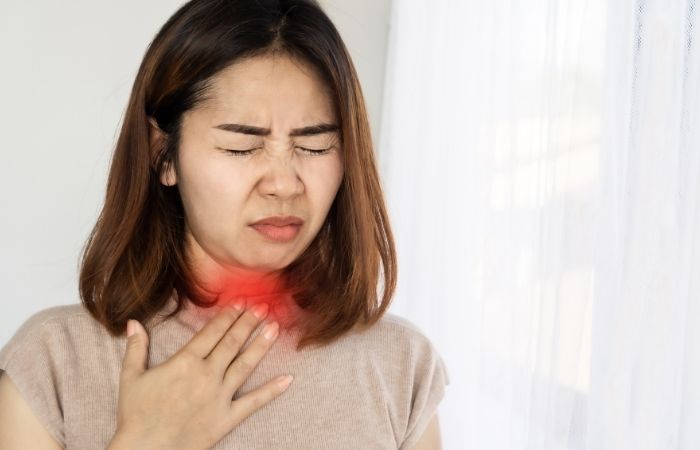
- Persistent sore throat or dry cough
- Feeling like food is stuck in the throat
- Voice changes or hoarseness
- Swollen lymph nodes or a lump in the neck
But here’s the catch, these are symptoms most men ignore. In states like Alabama or Georgia, where access to ENT specialists can be hours away, many push through discomfort until it becomes debilitating.
Mike’s story isn’t rare. It’s representative. And for every Mike who gets diagnosed, there are many more still chalking it up to allergies, GERD, or stress.
Why Men? Why Now?
HPV is a sexually transmitted virus that’s incredibly common, nearly 80% of sexually active people will contract it at some point. But the reason it’s hitting men harder in the throat is twofold: anatomical vulnerability and testing gaps.
Unlike people with cervixes who have routine Pap testing, men often go decades without any examination of the throat or tonsils unless symptoms arise. Plus, some research suggests that oral HPV infections last longer in men than in women, possibly due to immune response differences or behavioral factors like smoking and alcohol use.
Add to that a cultural silence around oral sex as a transmission risk, and you get a generation of men blindsided by a cancer they didn’t know they could get from an act they never thought was risky.
The Role of Oral Sex (And Why No One Talks About It)
Let’s talk about the elephant in the exam room: oral sex. It’s the primary way HPV enters the throat. And yet, conversations about oral sex rarely happen between patients and doctors, especially in more conservative regions of the South, where sexual health education can be inconsistent or abstinence-based.
This silence leaves people unprepared. Many don’t realize that HPV doesn’t require intercourse to spread. Kissing, oral sex, or even skin-to-skin contact around the genitals can be enough. And because condoms don’t fully cover the mouth or external genital areas, “safe sex” often gives a false sense of protection when it comes to oral transmission.
For Southern men, many of whom grew up without comprehensive sex ed, the idea that a teenage hookup or a few casual oral encounters could lead to cancer in their 40s feels impossible. But that’s exactly what the numbers are showing.
Check Your STD Status in Minutes
Test at Home with RemediumPapillomavirus (HPV) Test
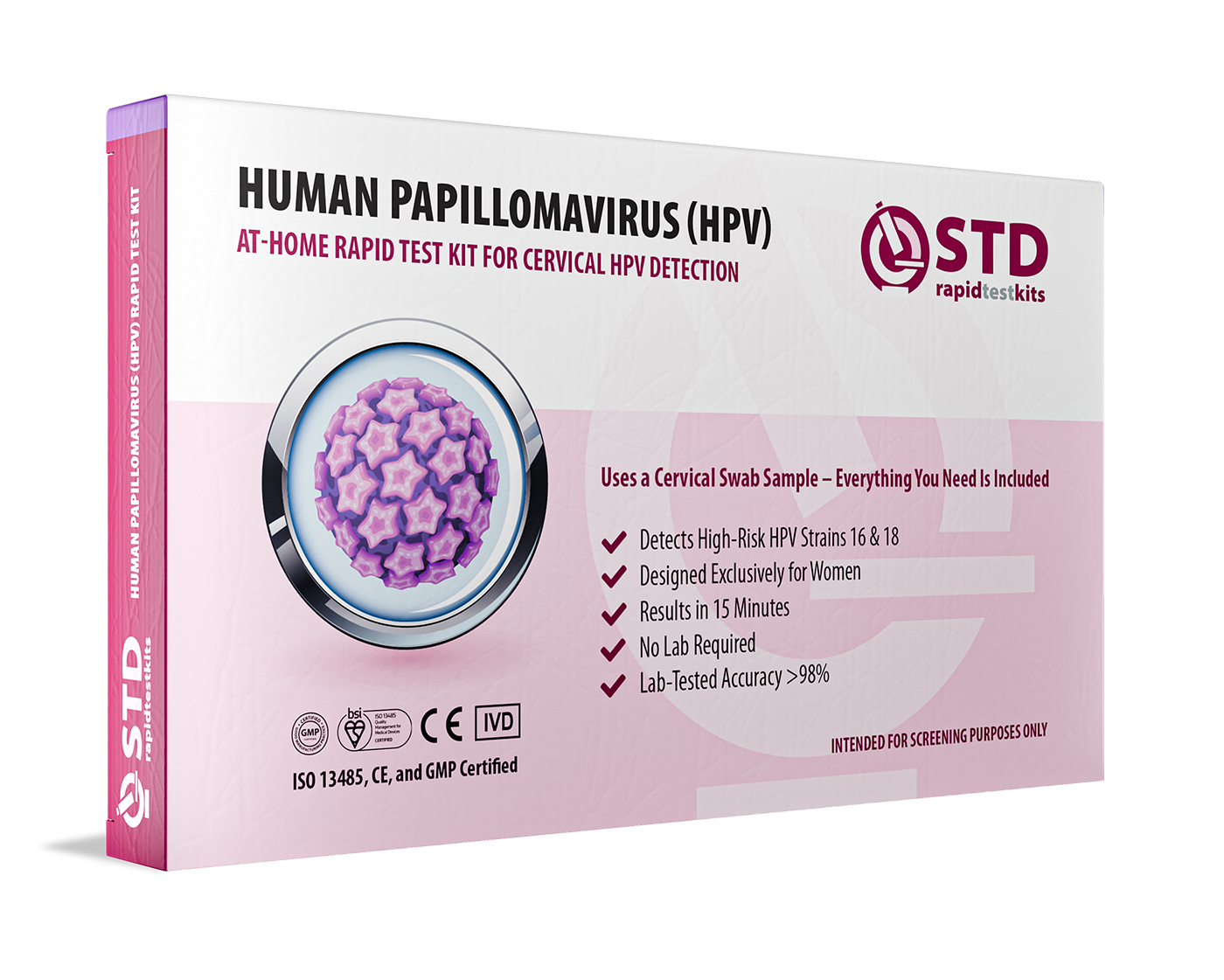
 For Women
 Results in Minutes
 No Lab Needed
 Private & Discreet
Order Now $33.99 $49.00
“I Skipped the Vaccine. Then I Got Cancer.”
Travis, 39, from Tallahassee, was healthy, married, and had never smoked. So when he started feeling tightness in his neck and hoarseness in his voice, he assumed it was stress or maybe a mild infection. But scans revealed something else: a mass at the base of his tongue. It was HPV-positive throat cancer.
“When I heard it was HPV, my first thought was, ‘Isn’t that what girls get?’” he admitted. Travis had heard of the vaccine in his 20s but never thought it applied to him. His doctor later told him: “If you’d been vaccinated, this might never have happened.”
Travis went through radiation and chemotherapy. He now speaks at high schools and clinics, urging parents and teens to get vaccinated, especially boys. “I wouldn’t wish this on anyone,” he says. “And it’s preventable.”
Southern Vaccine Rates: The Numbers Don't Lie
Across the country, HPV vaccination rates are climbing, but in the South, they’re still lagging. According to the CDC’s 2023 TeenVaxView data:
| State | Teen Boys with ≥1 HPV Dose | Teen Girls with ≥1 HPV Dose |
|---|---|---|
| Mississippi | 43% | 50% |
| Alabama | 47% | 54% |
| Florida | 49% | 56% |
| U.S. National Average | 62% | 70% |
Figure 1. HPV vaccine initiation rates among adolescents, by gender and region.
Southern states have some of the lowest uptake in the country, particularly among boys. That gap matters because HPV-related throat cancers disproportionately affect males. The missed opportunity isn’t just medical, it’s generational.
Why the “Florida Man” Headline Hits Hard
It’s easy to poke fun at “Florida Man” headlines. But in this case, they’re no joke. Florida consistently ranks in the top five states for new cancer cases annually. And while throat cancer used to be tied mostly to smoking and drinking, HPV has overtaken those as the primary cause, especially in non-smokers under 50.
The state’s mix of conservative counties, inconsistent sex education, and vaccine skepticism has created a quiet crisis. Men like Travis and Mike are the face of a problem we’re just beginning to understand.
What About At-Home Testing?
Right now, there’s no FDA-approved at-home HPV test for the throat. Most existing tests are for people with a cervix, designed for vaginal or cervical samples. That leaves a major gap, especially for men or nonbinary individuals without access to ENT specialists or who feel too embarrassed to bring up symptoms.
Some clinics offer oral swab testing for HPV in research settings, but it’s not widespread, and it's rarely covered by insurance. That means many people don’t get tested until symptoms are severe enough to seek help, which can be dangerously late.
The lack of easy testing contributes to delayed diagnosis. Until screening becomes more accessible, awareness is our best defense.
Preventing the Preventable: What Actually Works
We don’t say this about many cancers, but here’s the blunt truth: HPV-related throat cancer is largely preventable. That’s what makes this surge in Southern states so tragic, it’s not just rising, it’s rising despite the existence of a safe, effective vaccine that’s been around for over 15 years.
The HPV vaccine, usually given as Gardasil 9, protects against nine high-risk HPV strains, including the ones most likely to cause oral, anal, and genital cancers. It’s FDA-approved for people up to age 45. Yet many adults still believe it’s “just for teenagers” or “only for girls.” That misinformation, plus the stigma of admitting to any STD risk, has kept vaccination rates below where they should be, especially in the South.
What works:
- Vaccinating early (ages 9–12 is ideal, but catch-up vaccines are valid up to age 45)
- Educating patients and parents that this is about cancer prevention, not sexual activity
- Normalizing conversations around oral sex and HPV, especially with men and boys
What doesn’t work? Shame. Silence. Waiting until someone gets sick to start talking about it.

People are also reading: Red Bumps Down There: Herpes or Shaving Issue?
The Religion and Politics Layer: Vaccine Hesitancy in the Bible Belt
In many parts of the South, talking openly about sex, especially non-procreative or oral sex, is still taboo. That stigma carries over to vaccine hesitancy. Some parents reject the HPV vaccine because they think it encourages promiscuity. Others simply never hear about it at all from doctors who fear patient backlash.
In a 2022 survey by the KFF (Kaiser Family Foundation), less than half of parents in Southern states reported being “very likely” to vaccinate their sons against HPV. For many, it’s not that they’re against vaccines, it’s that no one ever explained why this one matters.
That lack of proactive education is costing lives. Especially when the science is clear: this vaccine works. And it’s far easier to prevent an infection than to treat a tumor.
What About Partners? Who’s at Risk After Diagnosis?
If someone is diagnosed with HPV-related throat cancer, it’s natural to wonder: “Should their partner get tested?” The short answer: maybe. There’s no official guideline recommending routine oral HPV screening for partners. But discussing symptoms, like unexplained sore throat, hoarseness, or neck swelling, is essential.
The virus itself is usually passed years before symptoms ever appear. By the time someone is diagnosed, their partner may have already cleared the virus, or still carry it without knowing. Most couples continue their relationship without any major medical interventions. But open dialogue, shared decision-making, and routine screening (especially for people with cervixes) are key.
This isn’t about blame. It’s about building a strategy together, one rooted in facts and compassion
FAQs
1. Can oral sex really give you throat cancer?
Yes, and no one’s saying you need to panic or swear off it forever. But here’s the deal: HPV can live in the mouth and throat after oral sex, especially if the other person has a genital HPV infection. Over time, that virus can trigger cellular changes that lead to cancer, mostly in the tonsils, back of the tongue, or throat. It doesn’t happen overnight. But it can happen silently.
2. Why is this such a big deal in the South?
It’s not because Southern folks are doing anything differently. It’s that the infrastructure, education, access, routine screening, just isn’t as strong in many rural or conservative areas. People get less info, fewer reminders, and way more shame when it comes to sexual health. That combo means fewer vaccines, later diagnoses, and worse outcomes.
3. I thought HPV was only a risk for women?
That’s a huge myth, and one of the reasons this cancer spike blindsides so many men. Yes, HPV causes cervical cancer. But it also causes throat, anal, and penile cancers. And men, especially those over 40, are leading the stats for oropharyngeal cancer now. This virus doesn’t discriminate. It just goes where the screening doesn’t.
4. Is there any way to test for HPV in the throat?
Not easily. Unlike the cervix (which has Pap smears), there’s no standard test for oral HPV. Some research clinics offer throat swabs, but you can’t walk into your local urgent care and ask for one. That means most people don’t find out until something’s wrong, like a lump, a sore that won’t heal, or swallowing trouble.
5. What’s the earliest sign that something’s off?
The tricky part? A lot of early symptoms feel like nothing. A raspy voice. A mild sore throat. That weird lump in your neck you think is a muscle knot. Many men think it’s reflux or allergies. If something doesn’t feel right and it lingers, don’t brush it off. Especially if you’ve had oral sex. Get it checked.
6. I’m in my 30s. Is it too late to get the HPV vaccine?
Nope. Not at all. The HPV vaccine is approved for adults up to 45. Even if you’ve had HPV in the past, the vaccine can protect you from other strains that cause cancer. It’s not about being “too old”, it’s about getting in front of whatever comes next. If you’re eligible, get it. Seriously.
7. If I have HPV in my throat, can I give it to my partner?
Possibly, but chances are, if you’ve been together for a while, you’ve already shared it. HPV passes easily and silently. For most couples, the best move is open communication and routine screenings, especially for partners with a cervix who should stay up to date on Pap and HPV tests. It’s not about isolation. It’s about awareness.
8. How long does HPV stay in the body?
For most people? It clears within a year or two. But sometimes it hangs around quietly, especially in the throat, where your immune system may not clear it as quickly. You might never know you had it. You might test positive, clear it, then have it show up again years later. It’s frustrating, but it’s also normal.
9. Does HPV mean someone cheated?
Not necessarily. HPV can lie dormant for years. You could’ve gotten it long before your current relationship, or your partner could have. A positive result doesn’t mean betrayal. It means the virus finally decided to make an appearance. The only way forward is with trust, science, and zero judgment.
10. Can I still have a normal sex life after an HPV diagnosis?
Absolutely. Millions of people have HPV and go on to have amazing, connected, fulfilling sex lives. Use protection, talk to your partners, get vaccinated if you can, but don’t let stigma shut down intimacy. Knowledge is safer than silence. And you’re not damaged goods. You’re human.
Check Your STD Status in Minutes
Test at Home with Remedium10-in-1 STD Test Kit
 For WomenResults in MinutesNo Lab NeededPrivate & Discreet
Order Now $189.00 $490.00
For all 10 tests
You Deserve to Know, And You Deserve Options
If you’re reading this and feeling overwhelmed, here’s the good news: you can take action today. Whether you’re worried about a partner’s diagnosis, wondering about your own risk, or just curious what “that tickle in your throat” might be, there are tools to help.
STD Rapid Test Kits offers discreet, doctor-trusted tests you can take at home, no waiting room, no judgment. While at-home throat testing for HPV isn’t yet widely available, you can still screen for other STDs that may present similar symptoms. Plus, if you have a cervix, you can order a rapid HPV test to check for high-risk strains now.
Your voice, your health, your life, it’s all worth protecting.
How We Sourced This Article: We combined current guidance from leading medical organizations with peer-reviewed research and lived-experience reporting to make this guide practical, compassionate, and accurate. In total, around fifteen references informed the writing; below, we’ve highlighted some of the most relevant and reader-friendly sources.
Sources
1. Planned Parenthood – What Is HPV?
2. Johns Hopkins Medicine – HPV Overview
3. HPV and Oropharyngeal Cancer — CDC
5. Epidemiology and incidence of HPV-related cancers of the head and neck — PMC (2021)
About the Author
Dr. F. David, MD is a board-certified infectious disease specialist focused on STI prevention, diagnosis, and treatment. He blends clinical precision with a no-nonsense, sex-positive approach and is committed to expanding access for readers in both urban and off-grid settings.
Reviewed by: LaTasha Reynolds, DNP, FNP-BC | Last medically reviewed: December 2025
This article is for informational purposes and does not replace medical advice.


