





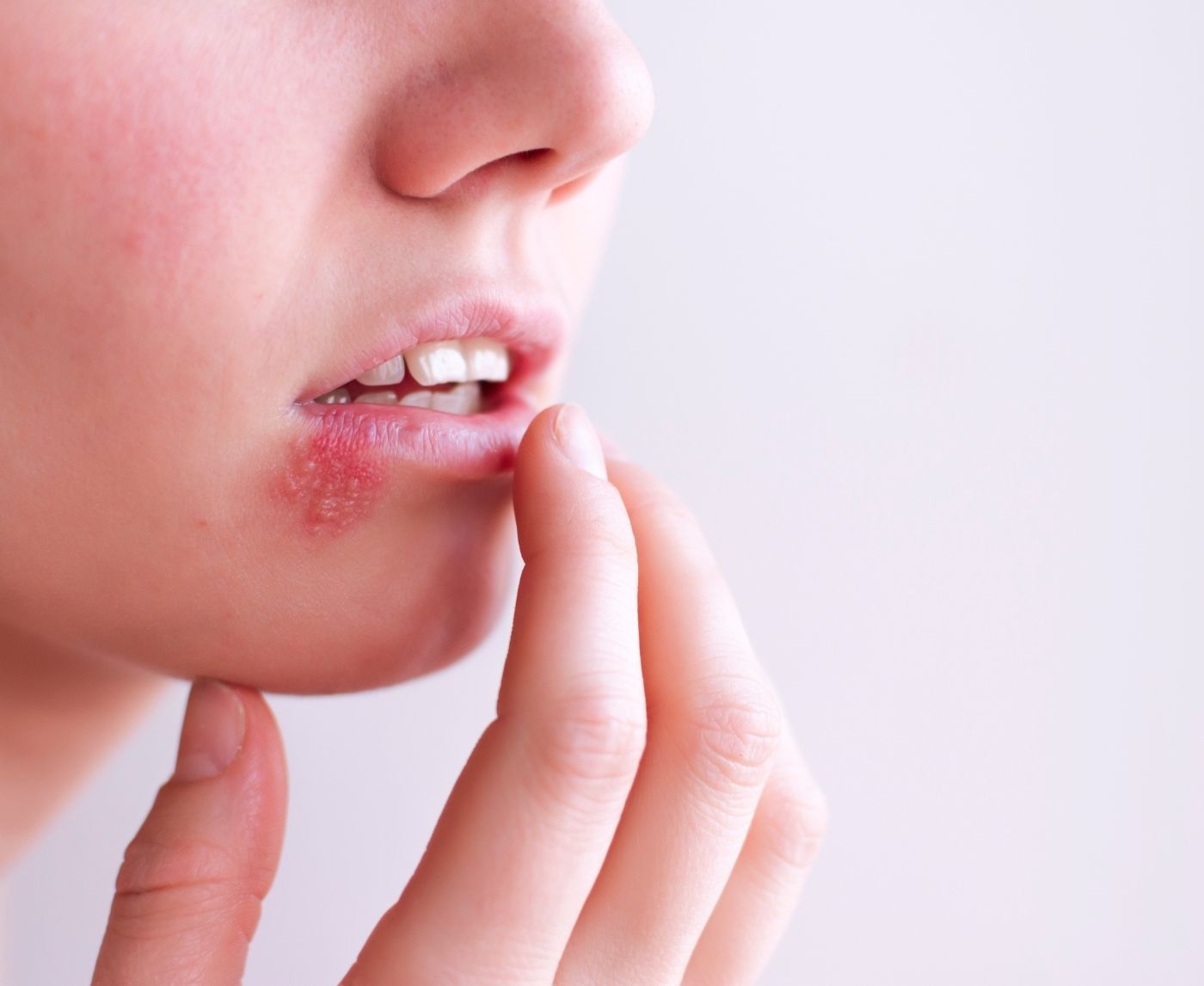

Quick Answer: Cold sores are usually caused by HSV-1, but this same virus can be spread to the genitals through oral sex. Herpes is herpes, regardless of location. The only way to know for sure is with a type-specific herpes test.
Why This Confusion Happens So Often
Here’s what most people aren’t told: HSV-1 and HSV-2 are both herpes, and they can both live in the mouth or the genitals. But stigma, old-school health class slides, and even some doctors still split them into neat categories, oral vs genital, when real life is messier than that.
According to the Centers for Disease Control and Prevention (CDC), about 47.8% of people aged 14–49 in the U.S. have HSV-1, and around 11.9% have HSV-2. But because many infections never cause noticeable symptoms, most people don’t know they’re carrying it, let alone spreading it.
This creates a perfect storm of misunderstanding. You assume your partner’s cold sore is no big deal. Then you wake up a week later with what you think is a razor bump... until it blisters. No one told you herpes type 1 could move below the belt. But it can, and it does.
People are also reading: I Thought Oral Was Safe. Then I Got Hepatitis B
Cold Sores vs. Genital Herpes: What’s the Real Difference?
Let’s get this straight: both cold sores and genital herpes are caused by the herpes simplex virus (HSV). What varies is the strain (HSV-1 or HSV-2), where the outbreak happens, and how likely it is to recur or shed without symptoms.
| Symptom or Trait | Cold Sore (Usually HSV-1) | Genital Herpes (HSV-1 or HSV-2) |
|---|---|---|
| Typical Location | Lips, mouth, nose area | Genital, anal, or thigh area |
| Common Strain | HSV-1 | HSV-2 (but HSV-1 increasingly common) |
| Trigger Events | Stress, sun, illness | Sex, illness, friction |
| Recurring Outbreaks | Frequent, but mild | HSV-2 recurs more often than HSV-1 genitally |
| Severity of First Outbreak | Moderate discomfort | Can be intense with flu-like symptoms |
Figure 1. Symptom comparison between typical cold sores and genital herpes presentations. Note that HSV-1 can cause genital outbreaks via oral sex exposure.
So Can a Cold Sore Actually Cause Genital Herpes?
Yes, absolutely. This is one of the most misunderstood facts in sexual health. Oral sex can transmit HSV-1 from the mouth to the genitals. That means a person with a cold sore (or even no visible symptoms) can pass the virus during oral contact.
A 2011 study in Sexually Transmitted Diseases confirmed that HSV-1 is now responsible for nearly 50% of new genital herpes cases, especially among younger people and those assigned female at birth. It’s not about promiscuity, it’s about exposure. One unprotected oral encounter is enough.
What’s worse, most people don’t realize cold sores are contagious even before they crust over. Viral shedding can happen without warning, especially during the tingling “prodrome” phase, when the skin feels sensitive but no blisters are visible.
That’s why timing matters so much. If you’ve recently received oral sex from someone with a history of cold sores, and now you’re feeling off “down there,” it’s time to get tested, whether or not it looks like a classic STD rash.
When the First Outbreak Hits Below the Belt
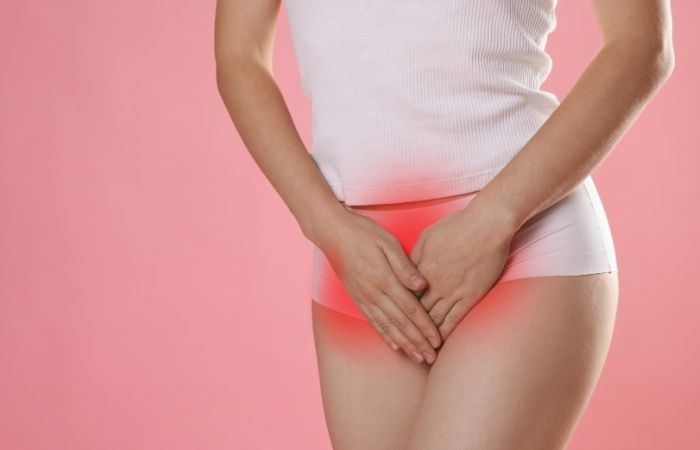
The first time herpes shows up on your genitals, it doesn’t always look like the Google Images version. It might start as a dull ache or itching. Then comes redness, maybe a small cluster of fluid-filled blisters, and a burning sensation when you pee. Some people confuse it with ingrown hairs, razor burn, or even a yeast infection, until it gets worse.
That’s exactly what happened to Rina. “At first I thought it was just chafing,” she said. “I’d worn tight jeans on a hot day. But then I got this fever, and the pain got so sharp I couldn’t sit. That’s when I knew something wasn’t right.” She got tested at an urgent care center. Swabbed, blood drawn, results in 3 days. Her diagnosis: HSV-1 genital herpes.
While Mayo Clinic reports that symptoms can show up anywhere from 2 to 12 days after exposure, many people don’t experience obvious signs, or they write them off as minor skin issues. The takeaway? If something feels off in your genital area after oral sex, especially with a partner who had a cold sore, get checked.
Check Your STD Status in Minutes
Test at Home with RemediumGenital Herpes Test Kit
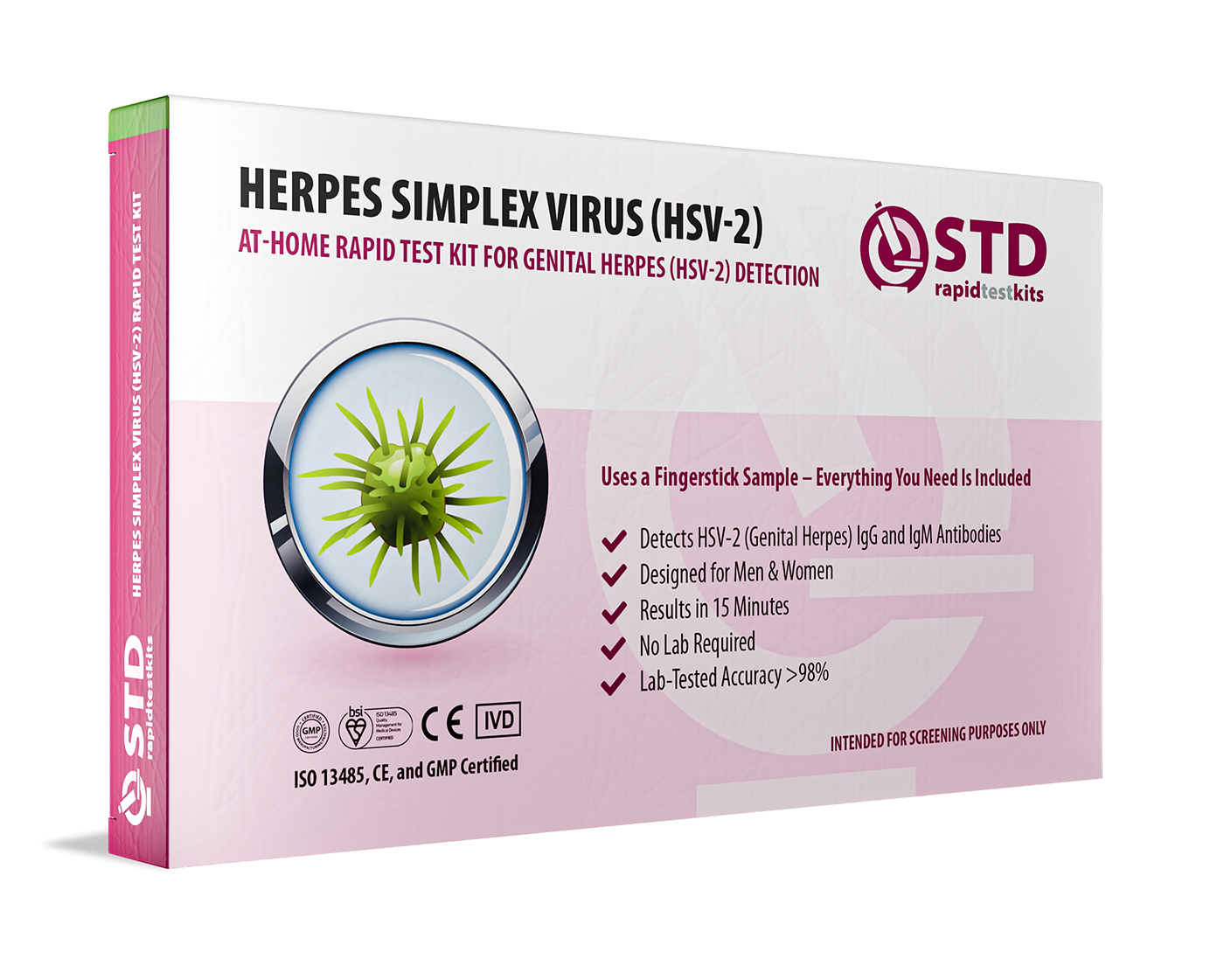
 For Men & Women
 Results in Minutes
 No Lab Needed
 Private & Discreet
Order Now $45.99 $49.00
How Herpes Testing Actually Works
There’s a lot of confusion around how to test for herpes, and even more frustration when results don’t give straight answers. Here’s the truth: not all herpes tests are equal, and not all providers offer the most accurate kind.
Here are the main types of herpes testing:
| Test Type | What It Detects | When It’s Used | Best Time to Take It |
|---|---|---|---|
| Swab Test (PCR) | Viral DNA | During active outbreak (visible sores) | As soon as sores appear |
| Type-Specific Blood Test (IgG) | Antibodies to HSV-1 or HSV-2 | For past exposure, no symptoms needed | 4–12+ weeks after exposure |
| IgM Blood Test | Early antibodies | Sometimes offered, but less reliable | Not recommended by most experts |
Figure 2. Herpes test types and timing. Only type-specific IgG blood tests can distinguish HSV-1 from HSV-2 when there are no symptoms present.
If you’re asymptomatic but worried, your best bet is a type-specific IgG blood test. If you’re having symptoms now, especially sores, get a PCR swab done while they’re fresh. And yes, you can get both HSV-1 and HSV-2 results through STD Rapid Test Kits without going to a clinic.
Why Herpes Myths Keep You From Getting Tested
The biggest lie about herpes is that “you’d know if you had it.” But most people with herpes don’t have obvious symptoms. According to the World Health Organization, 67% of the global population under age 50 has HSV-1, many of them without a clue. Genital herpes caused by HSV-1 may never come back after the first outbreak. That doesn’t mean it’s gone. It means it’s quiet.
Another harmful myth? That you can’t get herpes from someone without symptoms. But herpes can still shed when there are no sores. This “silent shedding” is how a lot of people unknowingly transmit the virus. One 2011 study in JAMA found that 70% of genital herpes transmissions happened when the infected partner didn’t have visible symptoms.
And let’s not forget stigma. People avoid getting tested because they’re scared of what it means. But testing doesn’t change who you are, it gives you the power to protect yourself and your partners. That’s it. Testing is not a confession. It’s a form of care.
How to Test for Herpes at Home
If the idea of going to a clinic makes your stomach turn, you’re not alone. Privacy is one of the biggest reasons people delay STD testing. But at-home kits make it easy, no appointments, no awkward convos.
Here’s how it works:
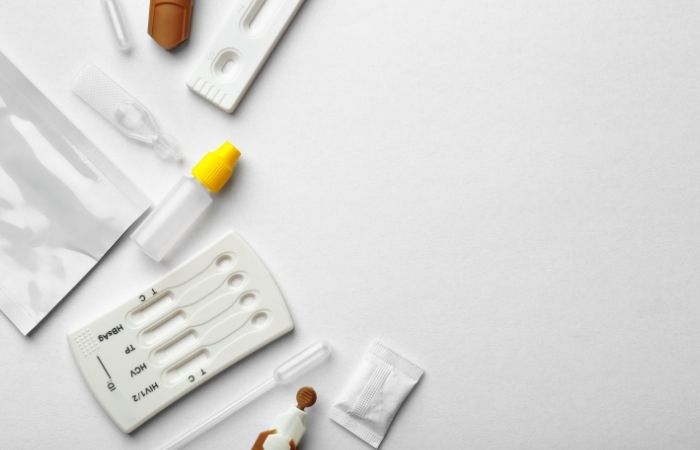
You order a Herpes 1 & 2 Rapid Test Kit. It arrives discreetly. You follow the instructions (usually a fingerprick or swab), and results show up in minutes or get mailed in for lab testing, depending on the kit. It’s FDA-approved, clinically validated, and designed for real-world use.
It’s the same type of test clinics use, just in your hands, on your timeline.
People are also reading: Can You Have Syphilis and Not Know It Heres the Truth
What to Say (and What Not to Say) to a Partner
Rina told her partner the same night she got the call. She was shaking. “I didn’t know how to bring it up without sounding like I’d done something wrong,” she said. “But I just said it: ‘The test came back positive for herpes. I think I got it from that time I had a cold sore.’”
What happened next surprised her. “He said, ‘I thought cold sores weren’t a big deal.’ He had no idea they were herpes. We both cried. And then we talked about what to do next.”
Here’s what worked for her, and what can work for you:
- Don’t lead with blame. Most herpes transmission is unintentional. Frame it as a health update, not a confrontation.
- Focus on facts. Share what you know about the virus, how it’s spread, and what your test said.
- Use inclusive language. “I just found out I have HSV-1 genitally” feels more factual than “I gave you herpes.”
Whether you’re currently in a relationship or exploring something new, having this talk is about care, not guilt. And if your partner gets defensive or cruel? That says more about them than about you.
Can You Still Have Sex If You Have Herpes?
Yes. And more people do than you realize.
Having herpes, oral or genital, doesn’t mean you’re broken or unlovable. It just means you need to learn how to lower the risk of passing it on. That includes:
- Avoiding sex during outbreaks (when sores or tingling are present)
- Using condoms or dental dams, they reduce, but don’t eliminate, risk
- Considering daily antiviral meds like valacyclovir to reduce viral shedding
One study from the New England Journal of Medicine found that daily antivirals reduced HSV-2 transmission by nearly 50% among heterosexual couples. While not a cure, this strategy helps many people with herpes lead fully satisfying sex lives, with confidence.
And here’s a truth most people don’t hear: tons of couples navigate herpes together. Some even realize they both already had it and never knew. The key is honesty, consent, and shared knowledge.
How to Prevent Passing It On, Even If You Feel Fine
The real risk with herpes isn’t always when you’re sore, it’s when you’re not. This is called asymptomatic viral shedding, and it can happen at random, especially in the first year after infection.
To reduce the chance of passing herpes to others:
- Get tested so you know your type (HSV-1 or HSV-2) and location
- Disclose before sexual contact, even if you’re using protection
- Take antivirals daily if recommended by a healthcare provider
- Use barrier methods every time
It's also a good idea to push your partner to get tested. STD Rapid Test Kits has private options for both singles and couples. Knowing your status makes intimacy safer for everyone, whether it's a combo test or a herpes-specific screen.
What If You Test Positive?
First, take a breath. Herpes is manageable, and you’re not alone.
Over 3.7 billion people under 50 have HSV-1 worldwide. Around 500 million have HSV-2. There’s no cure, but there is control. Most people with herpes live full, happy, sexually active lives. The first outbreak is often the hardest. After that, it gets easier.
Here’s what to do next:
Confirm your test result type. Make sure it was a type-specific test so you know whether it’s HSV-1 or HSV-2, and whether it’s oral or genital. Then, talk to a provider about antiviral options and how to manage outbreaks. Drink water, rest, and avoid friction or irritants during healing. You’re not dirty. You’re not dangerous. You’re just dealing with a virus, like millions of others.
And when you’re ready? Retest at home or invite your partner to test too. You deserve clarity, not confusion.
Check Your STD Status in Minutes
Test at Home with RemediumGenital & Oral Herpes Test Kit
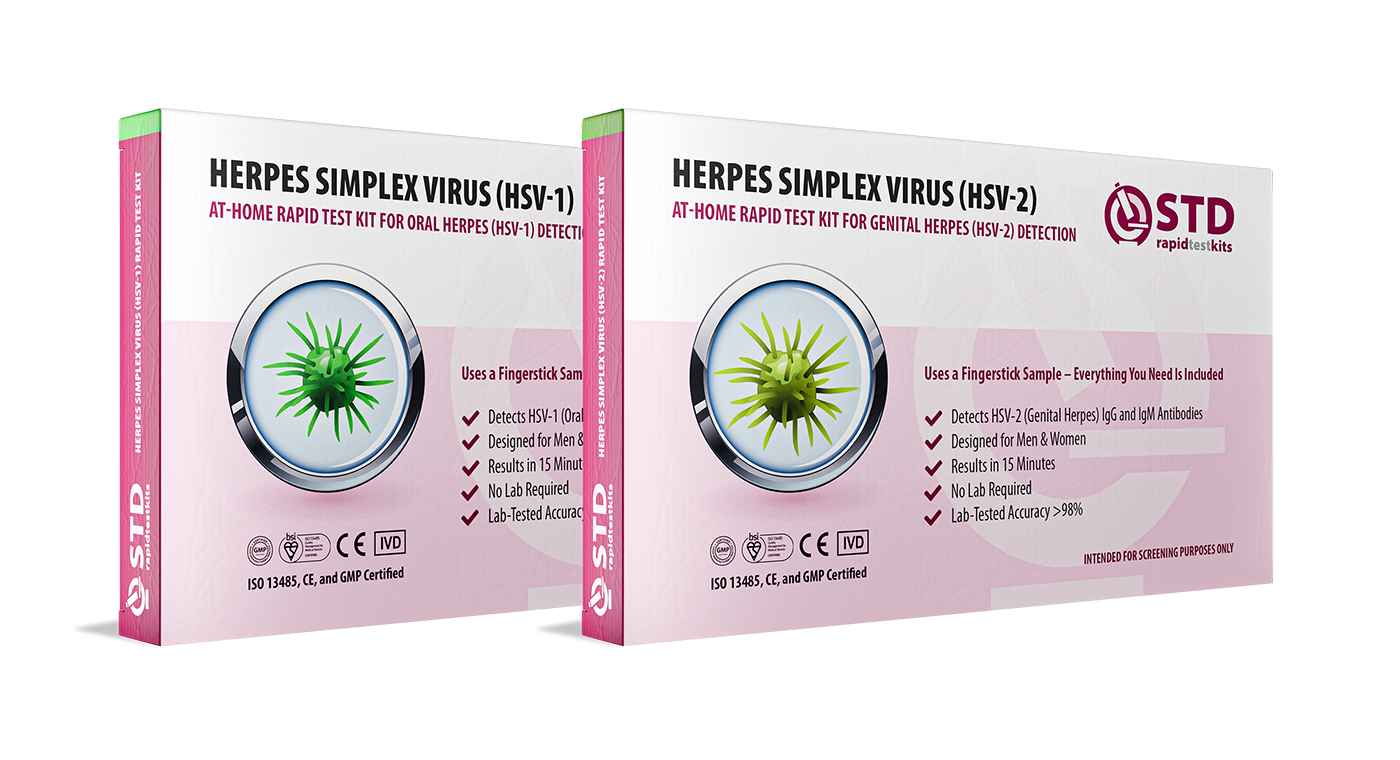 For Men & WomenResults in MinutesNo Lab NeededPrivate & Discreet
Order Now $75.00 $98.00
For all 2 tests
FAQs
1. Can a cold sore really give someone genital herpes?
Yep, and it happens more than most people realize. Cold sores are usually caused by HSV-1, and when someone with one goes down on you, the virus can make itself at home in your genitals. You might think of oral sex as “safer,” but herpes doesn’t care about that loophole.
2. Is HSV-1 on your junk the same as HSV-2?
Technically no, but close cousins. HSV-1 tends to cause fewer outbreaks when it shows up down there, while HSV-2 is more likely to stick around and flare up. But either way, it’s herpes. Both can be transmitted. Both deserve care, not shame.
3. Do I have to tell people if I have oral herpes?
Ethically, yeah, especially if you’re planning on mouth-to-genital contact. Most people don’t realize that cold sores = herpes, and it’s only fair they know. Think of it like saying, “Hey, just a heads-up, I’ve had cold sores before.” It’s not a scarlet letter. It’s informed consent.
4. How do I know if it’s herpes or just a zit?
Pimples usually show up solo, maybe with a whitehead or some pus. Herpes? That’s often a cluster of blisters or ulcers, with a tingly or itchy warning before they even pop up. Still not sure? Get tested. Your eyes can lie, your test won’t.
5. What if I already have oral herpes, can I still get it genitally?
Yep. Even if you’ve had cold sores for years, you can still get HSV-1 in your genitals from a partner. Your immune system might slow it down, but it’s not a guarantee. That’s why barrier protection during oral sex matters too.
6. Can I give or get herpes even if there’s no sore?
Unfortunately, yes. That’s the sneaky part. Herpes can “shed” invisibly from skin even when everything looks and feels fine. That’s why people pass it on without meaning to. No one’s being careless, it’s just how the virus works.
7. Is it even worth getting tested if I feel fine?
Totally. Especially if you’ve had a partner with cold sores, or any new unprotected contact. A type-specific blood test (IgG) can tell you what’s up, even if your skin hasn’t said a word. Think of it like checking your mirrors before switching lanes. It’s about awareness, not panic.
8. Will herpes ruin my sex life?
Only if you let it. Tons of people with herpes have incredible, loving, wild sex. The key is learning when you’re most contagious, how to talk to partners, and what tools help (like antivirals and condoms). Knowledge is sexy. Confidence is hotter than denial.
9. Do cold sores mean I have an STD?
Technically, yes, HSV-1 is a sexually transmissible virus. But that doesn’t mean you're “dirty” or did something wrong. Over half the world’s population has it. It’s time we stopped treating common skin viruses like moral failings.
10. How soon after sex can I test for herpes?
If you’ve got a visible sore, test ASAP with a swab, it’s most accurate in the first few days. No symptoms? Wait 4 to 12 weeks, then do a type-specific blood test. Earlier testing can miss it, so don’t rush it unless you’ve got symptoms.
You Deserve Answers, Not Assumptions
If you’ve ever stared at a cold sore wondering what it really means, or panicked after a hookup and a strange new tingle, this article was written for you. Herpes is common. Confusion is even more common. What matters most is knowledge and action.
Whether you’re looking for peace of mind or trying to support a partner through a new diagnosis, the first step is clarity. Order a discreet herpes test kit and get the answers you deserve, on your terms, in your space, with full privacy.
How We Sourced This Article: We combined current guidance from leading medical organizations with peer-reviewed research and lived-experience reporting to make this guide practical, compassionate, and accurate. In total, around fifteen references informed the writing; below, we’ve highlighted some of the most relevant and reader-friendly sources.
Sources
CDC – Genital Herpes – Fact Sheet
World Health Organization – Herpes Simplex Virus
PubMed – Genital Herpes due to HSV-1: Increasing Trend
NEJM – Daily Valacyclovir to Reduce HSV-2 Transmission
Mayo Clinic – Genital Herpes Overview
JAMA – Role of Asymptomatic Shedding in Genital Herpes
About the Author
Dr. F. David, MD is a board-certified infectious disease specialist focused on STI prevention, diagnosis, and treatment. He blends clinical precision with a no-nonsense, sex-positive approach and is committed to expanding access for readers in both urban and off-grid settings.
Reviewed by: Lisa K. Tran, NP | Last medically reviewed: December 2025
This article is for informational purposes and does not replace medical advice.


