







Quick Answer: Chlamydia in women may cause spotting, burning, pelvic pain, or no symptoms at all. That’s why regular testing matters, even when everything seems normal.
What Makes Chlamydia So Easy to Miss?
Here’s the thing: chlamydia doesn’t announce itself. You might be expecting fire and brimstone, burning pee, foul discharge, pelvic cramps that double you over. But more often than not, there’s nothing dramatic. According to the CDC, up to 70% of women with chlamydia have no noticeable symptoms at all. When signs do show up, they’re often brushed off as a yeast infection, a UTI, or just another rough week of your cycle.
Think about the last time you spotted between periods. Did you freak out, or did you assume stress, birth control, or just “one of those things”? That’s how chlamydia hides, by mimicking the everyday.
Even when there are clues, they tend to be quiet. A little more discharge than usual, but not smelly. A twinge during sex that fades. A pelvic heaviness that feels like pre-period bloat. And because it’s not painful enough to interfere with daily life, it gets ignored. Until someone gets tested, or until it becomes something worse.
Table: Symptoms of Chlamydia in Women, From Loud to Silent
| Symptom | How It Feels | Often Mistaken For |
|---|---|---|
| Spotting between periods | Unexpected light bleeding after sex or mid-cycle | Hormonal changes, birth control side effect |
| Burning during urination | Stinging or sharp sensation while peeing | Urinary tract infection (UTI) |
| Increased discharge | Clear, cloudy, or yellowish fluid with mild odor | Yeast infection, BV |
| Pain during sex (dyspareunia) | Dull ache or sharp pain during deep penetration | Lack of lubrication, anxiety, endometriosis |
| Pelvic pain or cramping | Low, consistent ache or intermittent sharp twinges | Menstrual cramps, IBS |
| No symptoms | Everything feels normal | , |
Figure 1: Chlamydia symptoms in women often blend into other diagnoses, or feel like nothing at all.
Case Study: “I Didn’t Even Know I Could Have an STD, We Only Did Oral”
Nia, 19, thought she was being safe. She had only been with one person, and they didn’t even have penetrative sex, just oral. A few weeks later, she started getting sore throats, but chalked it up to allergies. It wasn’t until her partner told her they had tested positive for chlamydia that she even considered getting tested herself.
“I felt betrayed by my own body,” she said. “How could I have something and not feel it? I kept telling myself, ‘It can’t be chlamydia if I don’t have symptoms.’”
This is a common trap. Chlamydia can live in the throat, rectum, and vagina, without making a fuss. You don’t need penetration. You don’t need symptoms. And you definitely don’t need to have had multiple partners or a wild sex life. All it takes is one exposure. That’s it.
And yet, because Nia had no visible symptoms, she hesitated. She waited another month before finally doing a home chlamydia test kit. It came back positive. She got treated. But the anxiety lingered, because now she knew how invisible chlamydia could be.

People are aslo reading: I Gave My Boyfriend HSV-2. He Didn’t Leave Me. Here’s Why
What Happens If You Don’t Know You Have It?
Let’s say you don’t feel a thing. You don’t get tested. The infection sticks around quietly, doing damage beneath the surface. In women, untreated chlamydia can move upward, infecting the uterus and fallopian tubes, a condition called pelvic inflammatory disease (PID). This can cause scarring, infertility, and chronic pain. According to peer-reviewed studies, up to 30% of women with untreated chlamydia will develop PID.
Some people don’t realize anything is wrong until they try to get pregnant. Others experience dull, persistent pelvic pain that never quite goes away. One reader shared that she didn’t even connect her chronic cramps to a past STD until years later, when a fertility specialist told her the scar tissue in her tubes looked like classic PID.
The worst part? It didn’t have to happen. A test. A prescription. A few pills. That’s usually all it takes to treat chlamydia, but only if you catch it.
That’s why ignoring subtle signs or waiting for something to “really feel wrong” can be dangerous. The earlier you know, the easier it is to fix.
Check Your STD Status in Minutes
Test at Home with RemediumChlamydia Test Kit
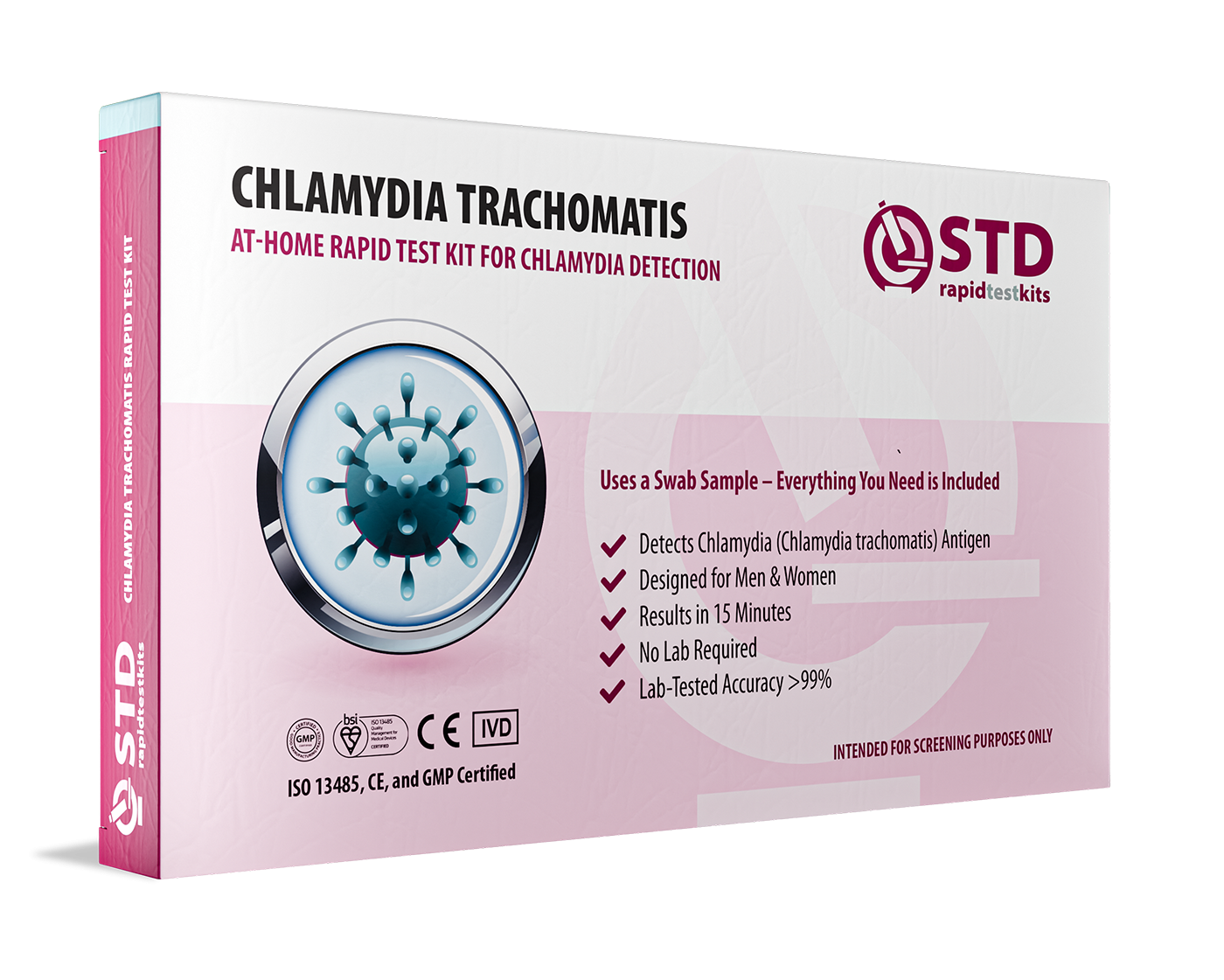
 For Men & Women
 Results in Minutes
 No Lab Needed
 Private & Discreet
Order Now $33.99 $49.00
Table: What Happens If Chlamydia Is Left Untreated in Women
| Complication | How It Develops | Long-Term Risk |
|---|---|---|
| Pelvic Inflammatory Disease (PID) | Chlamydia travels up to reproductive organs | Infertility, chronic pelvic pain, ectopic pregnancy |
| Infertility | Scarring of fallopian tubes prevents egg movement | Difficulty conceiving or carrying a pregnancy |
| Increased HIV risk | Inflamed tissues more vulnerable to HIV entry | 2–5x increased risk if exposed |
| Passed to baby during birth | Infection present in birth canal | Newborn eye infections or pneumonia |
Figure 2: Delayed treatment of chlamydia can lead to serious health outcomes, many of them invisible until later in life.
When You Feel “Mostly Fine”, But Something’s Off
Let’s talk about the weird in-between zone. You're not sick. You’re not doubled over. But something just feels…off. That’s the space where chlamydia lives for a lot of people. A low-level pelvic ache. Peeing more often than usual. A sudden irritation that goes away as quickly as it showed up. For women, it’s especially tricky because your reproductive system is already dynamic. Hormones shift. Discharge changes. Spotting happens. Sex feels different on different days. So when a new sensation shows up, it's hard to know if it's an infection, or just biology being unpredictable.
But when your gut tells you something is off, listen to it. You don’t need to be doubled over or running a fever to get tested. You just need curiosity. Or caution. Or closure.
In fact, many women with chlamydia don’t have discharge at all. If you search “chlamydia without discharge” at 2AM (which thousands of people do each month), you’ll find the same story: discomfort, no smell, no mucus, just a vibe. That’s not paranoia. That’s your body whispering that something deserves a closer look.
How Long Should You Wait Before Testing?
This part is confusing, even for smart, health-literate people. The moment you feel a symptom or have a risky encounter, your first instinct might be to test ASAP. But here’s the catch: testing too soon can give you a false negative.
Chlamydia has a “window period”, the time between exposure and when it becomes detectable on a test. According to current CDC and Mayo Clinic guidelines, the earliest reliable detection usually happens around 7 days after exposure, but for highest accuracy, 14 days is recommended.
If you’re exposed on a Friday, test on day 5, and get a negative, you might not be in the clear. The infection could still be incubating. That’s why experts recommend retesting if you test early and symptoms continue or exposure risk was high.
Let’s say you slept with a new partner last weekend. There was no condom. You feel fine now, but something about it keeps replaying in your head. This is a great time to plan your test, not in panic, but in precision. Schedule your test around day 10 to 14. Use an at-home kit if you prefer privacy. If your symptoms change before then, go sooner. Trust both your timeline and your instincts.
Real Talk: You Might Need to Test Twice
Here’s something no one tells you: one test doesn’t always tell the full story. Especially if you tested early. Especially if your partner has other partners. Especially if something new shows up days later.
It’s not paranoia to retest. It’s science. NAAT tests (the gold standard for chlamydia) are highly sensitive, but even they can miss early infections. That’s not a flaw, it’s just how the human body works. It takes time for the bacteria to grow enough to show up on a swab or urine sample.
Take Jade, 29. She tested negative on day 6 after an encounter that didn’t feel totally safe. No symptoms, just worry. Two weeks later, she started noticing sharp cramps after sex and a little pink on the toilet paper. Retested. This time, it was positive. Same partner. Same body. Different window. “I’m glad I didn’t brush it off,” she said. “The first test gave me peace of mind, but the second one gave me the truth.”
This doesn’t mean you need to test every week. But if your first test was too early, or if you feel symptoms develop after a negative result, don’t hesitate. Retesting isn’t overkill, it’s a backup plan.
When Sex Starts to Hurt, Or Just Feels Different
One of the most ignored chlamydia symptoms in women is pain during sex. It's not always knife-like. Sometimes it's a dull ache deep in the pelvis. Sometimes it only shows up in certain positions. Or right after orgasm. Or during insertion. That discomfort can be hard to describe, which makes it easier to dismiss, especially if you’ve had sex pain before from dryness or tension.
But when the pain is new, or worsening, or paired with bleeding after sex, that’s a flag. Not a guarantee of infection, but a strong enough reason to test. Internal inflammation from chlamydia can make vaginal tissue extra sensitive. It can also affect the cervix, which may bleed slightly when touched. This is especially true if you haven’t had a pelvic exam recently, or if you're between partners and haven’t been screened in a while.
Sex shouldn’t hurt. And if it does, the answer isn’t always lube or a different angle. Sometimes, the answer is antibiotics. But you won’t know unless you look.
When You’re in a Relationship But Still Need to Test
This is where it gets uncomfortable, emotionally, not just physically. You’re in a relationship. You trust your partner. Maybe you’re even monogamous. But something feels wrong. The spotting. The weird pee twinge. The off smell. You want to get tested, but you’re scared of what that implies.
Here’s the truth: getting tested doesn’t accuse anyone. It protects everyone. Chlamydia doesn’t only spread through infidelity. Some people carry it for months, or even years, without knowing. Maybe it came from a past partner. Maybe it was dormant. Maybe they got tested and thought they were clear, but the window was wrong. You don’t need to know the origin story to act.
And if your partner gets defensive when you bring it up? That’s not your fault. Your health comes first. You deserve answers. And you deserve to bring it up without fear.
One reader said she used the language: “I want us both to be safe and clear, no matter what our pasts look like.” That helped keep the focus on wellness, not blame. And it helped her partner open up about past testing gaps, which led them both to retest and reset together.
Your Next Step Doesn’t Have to Be Scary
You don’t need a doctor’s office. You don’t need to make a phone call. You don’t even need to leave your house. At-home chlamydia test kits exist for a reason, to give you options. They’re fast. Discreet. And they don’t require you to explain anything to a stranger if you’re not ready.
If your head keeps spinning, peace of mind is one test away. Whether you’re dealing with weird spotting, post-sex burning, or just that quiet nagging feeling, you don’t have to wait for symptoms to scream. A whisper is enough. Your body deserves that kind of attention.
Explore test kits now and give yourself the answers you deserve, on your terms, at your pace.
UTI, Yeast, or Chlamydia? When the Lines Get Blurry
There’s a reason so many people misdiagnose themselves. Burning during urination? Must be a UTI. A little extra discharge? Yeast infection. Soreness and odor? BV. But chlamydia doesn’t always play by the rules. It can borrow symptoms from all three, or show up with none. That’s what makes it dangerous.
Mika, 32, had been getting recurrent UTIs for years. Or at least that’s what she thought. Each time, her doctor prescribed antibiotics based on symptoms, not test results. After her fourth round in eight months, a new provider ran a full panel. The result? Positive for chlamydia. “I had no idea,” she said. “I’d been treating the wrong thing the whole time.”
Here’s how to think about it: UTIs usually cause urgency, pressure, and pain while peeing. Yeast infections involve thick, white discharge and intense itching. BV comes with a fishy odor and grayish discharge. But chlamydia? It’s the shapeshifter. It can cause all those things, or none of them.
That’s why you can’t diagnose by guesswork. If something’s off and it keeps returning, you need to rule out chlamydia. Especially if you’ve had a new partner, unprotected sex, or symptoms that aren’t responding to standard treatments.
Pregnant? Here’s Why Chlamydia Screening Matters Even More
If you're pregnant or trying to conceive, untreated chlamydia is more than just a nuisance, it’s a risk to both you and your baby. The infection can increase the likelihood of preterm labor, premature rupture of membranes, and low birth weight. According to the CDC's guidance on STDs during pregnancy, newborns exposed during vaginal delivery can develop conjunctivitis or pneumonia shortly after birth.
That’s why prenatal screening includes chlamydia testing, especially for people under 25 or those with new partners. But testing isn’t just for “high-risk” groups. Even if you feel healthy, even if you’re in a committed relationship, you need to know. And if you're already pregnant and missed the early screening, it's not too late to test now. Treatment is safe, simple, and can prevent unnecessary complications.
It’s one of the few infections where a single dose of antibiotics, usually azithromycin or doxycycline, is often enough to clear it. But it only works if you know you have it.
Why You Might Still Feel Shame, Even When You Shouldn’t
Let’s talk about the part no one likes to admit. Shame. Embarrassment. That tight feeling in your chest when you even think the words “STD.” For many women, getting a positive result feels like a moral failing, even when they did everything right.
Chlamydia doesn’t care about your relationship status. It doesn’t care if you’re monogamous, queer, religious, newly single, or married. It spreads easily, often silently, and doesn’t discriminate. You didn’t mess up. You didn’t “deserve” this. You got exposed to a bacteria, and that bacteria didn’t send a memo before moving in.
But stigma has a way of twisting logic. Even people who test regularly can feel gross, guilty, or dirty after a positive result. One reader said she didn’t tell anyone, not even her best friend, because she feared judgment. Another said she deleted her dating apps for months, convinced no one would want her after.
The truth? You are not your test result. You’re someone who cared enough to get answers. And that’s something to be proud of, not ashamed of.
Yes, Your Partner Needs to Know, But It Doesn’t Have to Be Awful
This part gets tricky, emotionally. But it matters. If you test positive for chlamydia, any recent sexual partners also need to know, because they might have it too. And if you don't tell them, they could reinfect you later. Or pass it to someone else. Most states in the U.S. allow expedited partner therapy (EPT), where your provider gives you medication to deliver directly to your partner, no questions asked.
That means you don’t need to have a dramatic confrontation. You can send a text, a message, or even use anonymous notification services like TellYourPartner.org. You don’t need to explain your whole story. You just need to say: “Hey, I tested positive for chlamydia. You might want to get checked.”
It’s not about blame. It’s about care. You’re not just protecting yourself, you’re giving them the chance to stay healthy too.
And if you’re the one who got told? Try to respond with grace. The goal is healing, not hurting. You both deserve that.

People are aslo reading: Recurring STD Symptoms Aren’t Always What You Think
When You're Afraid to Test Because You’re Afraid to Know
We get it. Sometimes the fear of knowing feels worse than the not-knowing. You tell yourself: if I test, I’ll have to face it. I’ll have to make calls. I’ll have to deal with consequences. Maybe you even convince yourself that as long as the symptoms aren’t too bad, it’s probably nothing.
But here’s the thing: knowing doesn’t hurt you. Not knowing does. A test gives you power. It hands you clarity. It lets you act, instead of worry. It ends the cycle of “what if?” that’s been eating you alive at night.
And if it’s negative? Relief. And if it’s positive? Treatment. Done.
You don’t have to spiral. You don’t have to do this alone. Testing is an act of self-respect. It’s a middle finger to shame. It’s a way forward.
Check Your STD Status in Minutes
Test at Home with RemediumChlamydia & Gonorrhea Test
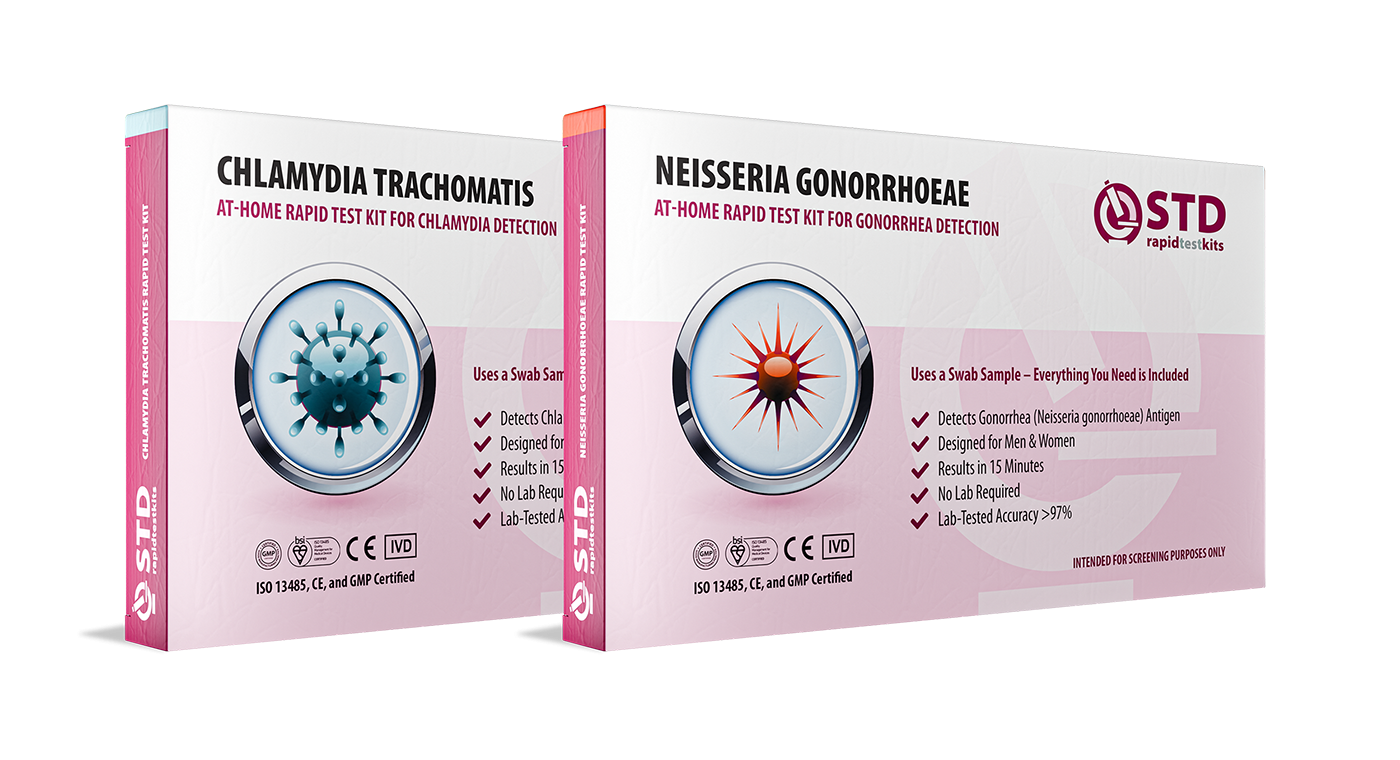 For Men & WomenResults in MinutesNo Lab NeededPrivate & Discreet
Order Now $49.00 $98.00
For all 2 tests
Your Body Deserves Certainty, Not Guesswork
If you’ve read this far, you probably already know what you need to do. Not because we scared you. Not because we guilted you. But because some part of you is ready to get off the hamster wheel of “maybe it’s nothing.”
This combo STD home test kit checks for chlamydia and other common infections from the privacy of your home. It’s doctor-trusted, FDA-approved, and results come quickly, no clinic waiting room, no awkward conversations. Just you, your health, and your peace of mind.
Whether you’re spotting, sore, suspicious, or silent, you deserve answers. And you deserve them now.
FAQs
1. Can I really have chlamydia and not know it?
Yep, totally possible, and super common. Most women with chlamydia don’t feel a thing. No burning, no discharge, no clue. It’s like your body lets the bacteria move in rent-free until a test finally catches it. That’s why routine testing is less about fear and more about catching the quiet stuff early.
2. What kind of discharge should I look out for?
Tricky question, because sometimes there’s no discharge at all. But when there is, it might be cloudy, yellow-ish, or just feel “off” in texture or smell. If your usual panty liner situation suddenly starts feeling unfamiliar, trust your gut. But remember: discharge alone isn’t a diagnosis. Get tested to be sure.
3. Why am I spotting after sex, is that normal?
A little post-sex spotting can happen from rough friction or hormonal shifts, sure. But if it keeps happening, especially with cramping or pelvic pressure, chlamydia could be the reason. The cervix can get inflamed from the infection, making it more sensitive to touch. Don’t ignore the pink on the toilet paper.
4. How long after sex should I wait to test?
Seven days is the earliest some tests can catch it, but 14 days gives you better odds of accuracy. If you test too early and it’s negative, don’t toss the kit just yet, retest if symptoms pop up or your anxiety doesn’t chill out. Early testing = info, not final answers.
5. Can chlamydia just go away on its own?
Nope. Sorry. It’s not a “wait it out” type of thing. Without antibiotics, it can stick around for months or longer, causing real damage under the radar. It doesn’t burn itself out. You’ve got to boot it out with treatment.
6. But I’ve only been with one person, how could I get it?
One partner is all it takes. And sometimes, that one person didn’t even know they had it. They could’ve caught it months ago and never felt a thing. This isn’t about being reckless, it’s about how sneaky this infection is. Blame the bacteria, not your choices.
7. Does oral sex count for chlamydia risk?
Yes. A lot of people don’t realize this, but chlamydia can live in the throat. You can catch or pass it through oral sex, even if there’s no penetration. That sore throat you chalked up to allergies? Might be worth a test if you’ve been swapping spit below the belt.
8. Sex has started to hurt, could chlamydia be the cause?
Absolutely. Pain during sex isn’t just about nerves or dryness. Inflammation from chlamydia can make everything feel tender, raw, or crampy. If it’s a new sensation and it’s not going away with lube or time, don’t gaslight your own body. Get tested.
9. Will my partner have symptoms too?
Not necessarily. Men often get mild symptoms (burning pee, maybe discharge), but they can also carry it without a clue. That’s how reinfection happens, you clear it, they don’t know they have it, and boom, it’s back. Everyone needs to test. No assumptions.
10. Are at-home tests really legit?
Yes. The good ones use the same tech as clinics (NAAT), and they’re crazy accurate when used properly. You just need clean hands, a little privacy, and a couple of minutes. If you’re too anxious to schedule a clinic visit, or just want to skip the stirrups, an at-home kit can give you answers fast.
You Deserve Answers, Not Assumptions
Here’s the bottom line: your body whispers long before it screams. Whether it’s spotting, burning, pelvic pain, or just a weird vibe, you don’t have to wait for permission to take action. Testing isn’t drama. It’s not panic. It’s power.
Don’t wait and wonder, get the clarity you deserve. This home test kit checks for the most common STDs quickly and without drawing attention to itself.
How We Sourced This Article: We combined current guidance from leading medical organizations with peer-reviewed research and lived-experience reporting to make this guide practical, compassionate, and accurate.
Sources
1. Planned Parenthood – Chlamydia
3. Chlamydia trachomatis — Symptoms & Causes
4. CDC — Chlamydial Infections: Treatment Guidelines
5. Chlamydia: Causes, Symptoms, Treatment & Prevention — Cleveland Clinic
7. World Health Organization — Chlamydia
8. Pelvic Inflammatory Disease (PID) — Symptoms & Causes
9. Chlamydia Diagnosis & Treatment — Mayo Clinic
About the Author
Dr. F. David, MD is a board-certified infectious disease specialist focused on STI prevention, diagnosis, and treatment. He blends clinical precision with a no-nonsense, sex-positive approach and is committed to expanding access for readers in both urban and off-grid settings.
Reviewed by: J. Hernandez, NP, MPH | Last medically reviewed: November 2025
This article is just for information and doesn't take the place of medical advice.


