






Quick Answer: STD antibiotics vary by infection. Chlamydia and gonorrhea are commonly treated with doxycycline and ceftriaxone, but not all antibiotics work for all STDs, and some strains are now resistant. A correct prescription, correct timing, and confirmed diagnosis are key to successful treatment.
Why This Article Exists (And Why It Might Matter to You)
If you’re reading this, there’s a good chance you’re either in the middle of a health scare, searching for clarity after a confusing test result, or wondering whether the pills you took actually worked. Maybe you’ve already started antibiotics and are now panicking because the symptoms are still there. Maybe a partner tested positive and you're trying to figure out your own next steps without spiraling. Or maybe you're just here because your Google search started with, “STD antibiotics that actually work.”
This article is for anyone who’s felt overwhelmed, ashamed, or unsure about STD treatment. It’s not a lecture. It’s not a scare tactic. It’s a guide, for real people who need real answers. We'll walk through which STDs are treatable with antibiotics, what drugs are used, why treatment sometimes fails, and what you can do if you're still feeling symptoms after taking meds.
Which STDs Are Actually Curable With Antibiotics?
This is where a lot of confusion starts. Not all STDs can be “cured” with antibiotics. Some require antivirals, some are viral and only manageable, not eradicated. Others may be resistant to certain drugs, meaning what worked for your friend may not work for you. But let’s anchor this with facts.
| STD | Curable with Antibiotics? | Primary Treatment | Notes |
|---|---|---|---|
| Chlamydia | Yes | Doxycycline or Azithromycin | 7-day course preferred over single dose for higher effectiveness |
| Gonorrhea | Yes (with difficulty) | Ceftriaxone (injection) | Often paired with doxycycline for co-infections; resistance is rising |
| Syphilis | Yes | Penicillin G (injection) | Multiple doses may be needed based on stage of infection |
| Trichomoniasis | Yes | Metronidazole or Tinidazole | Single or 7-day dose; both partners should be treated |
| Mycoplasma genitalium | Partially | Moxifloxacin or Doxycycline + Azithromycin | Complex; test for resistance is often needed |
| Herpes, HPV, HIV | No | Antivirals or immune management | Not treated with antibiotics |
Figure 1. Which STDs are curable with antibiotics and what’s typically prescribed.
The takeaway: antibiotics only work for bacterial or parasitic STDs. They don't deal with viruses like HIV or herpes, but people often get confused because the symptoms are similar.
People are also reading: Why Condoms Can’t Block Every STD
What Happens Inside Your Body (And Why Some Pills Fail)
Here’s what most Google searches won’t tell you: STD treatment success isn’t just about swallowing the right pill. It’s about timing, absorption, dosage, reinfection risk, and what else is happening in your body. Even with the right medication, treatment can fail if:
- You started antibiotics too early after exposure, before the infection was detectable
- You missed a dose or didn’t complete the full course
- You were reinfected by an untreated partner
- The strain you caught is drug-resistant
- The symptoms are from something else entirely
Let’s take chlamydia. Doxycycline works in most cases, if taken correctly for a full 7-day course. But someone who skips a day or takes it on a stomach full of antacids (which block absorption) might still test positive later. And then there's gonorrhea, where resistance is a real public health crisis. In 2024, the CDC updated its guidance to recommend ceftriaxone alone, because many oral antibiotics no longer work reliably.
There’s no one-size-fits-all fix. It’s not just about what you take. It’s also about when, how, and whether the organism you’re trying to kill still responds to that drug.
Check Your STD Status in Minutes
Test at Home with Remedium3-in-1 STD Test Kit
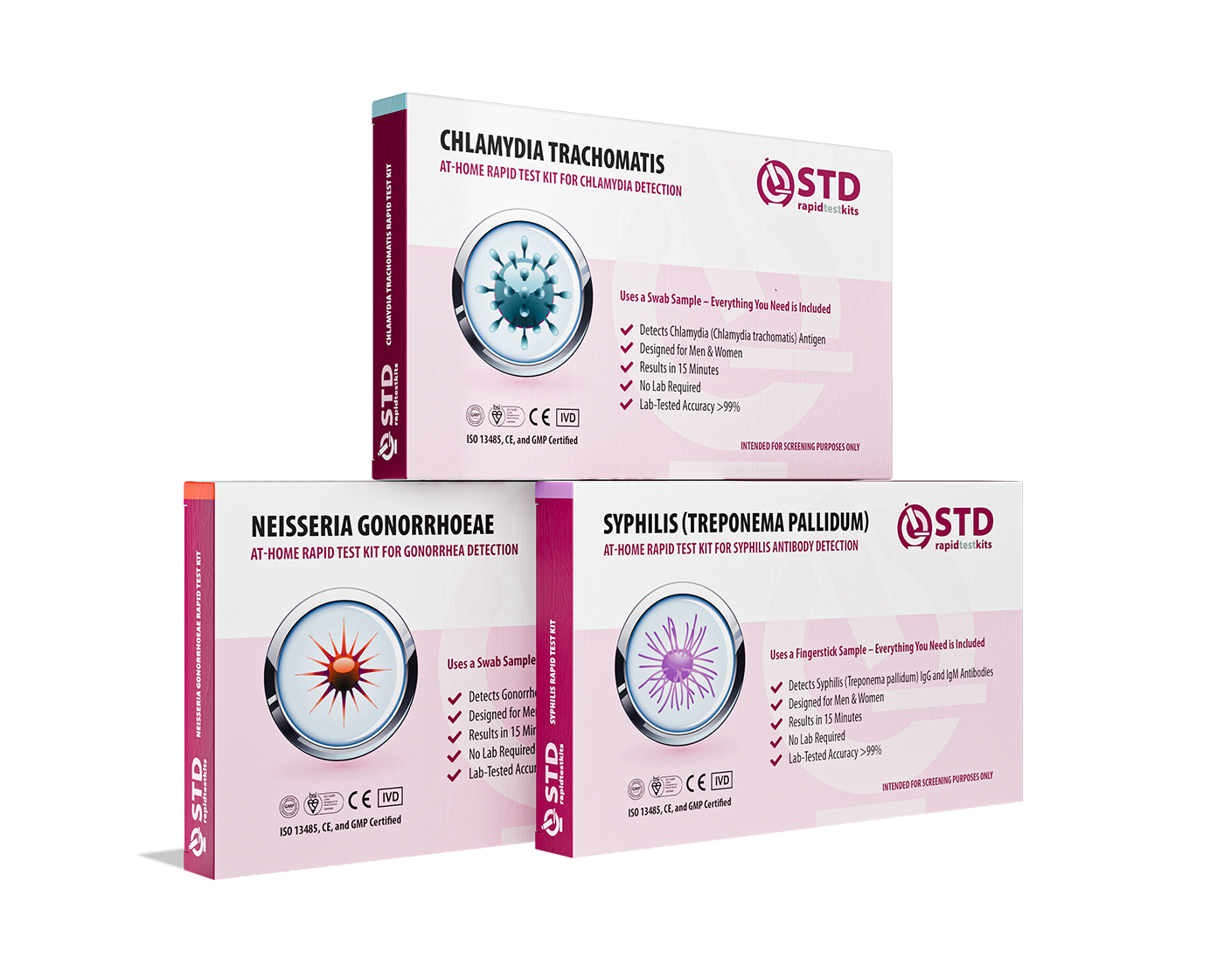
 For Men & Women
 Results in Minutes
 No Lab Needed
 Private & Discreet
Order Now $69.00 $147.00
For all 3 tests
When the Pills Don’t Work: Real Stories, Real Reasons
Keisha, 27, had been here before. The pelvic pain. The cloudy discharge. The guilt she didn’t know how to name. She got a chlamydia diagnosis and took the azithromycin dose her urgent care provider gave her, just one pill, downed with a Gatorade in her car. A week later, her symptoms hadn’t improved. Google told her it might take time. Two weeks passed. She started bleeding between periods.
What she didn’t know then, what her provider didn’t explain, is that azithromycin’s efficacy has dropped. Many providers now prescribe doxycycline for 7 days instead. Her infection wasn’t gone. It had just been… half-treated. And half-treating chlamydia can mean real consequences: pelvic inflammatory disease, infertility, chronic pain.
This isn’t just Keisha’s story. It’s become a pattern. In 2022, over 1.6 million chlamydia cases were reported in the U.S., and many were treated with outdated or incomplete regimens. Meanwhile, gonorrhea has evolved to resist most oral antibiotics once commonly used, like ciprofloxacin, which is no longer recommended at all. And that’s not even touching the complicated, drug-dodging behavior of Mycoplasma genitalium.
Antibiotic Resistance: The Silent Game Changer
Imagine taking the right drug, at the right dose, for the right infection, and still not getting better. That’s not patient error. That’s the bacteria outsmarting the treatment. It’s happening more often, and with some STDs, it’s getting serious.
Antibiotic resistance doesn’t mean the infection is “incurable.” It means the first-line drug may not work anymore, and your provider needs to dig deeper. Labs can sometimes test for resistance, especially with gonorrhea and Mycoplasma genitalium. But in most urgent care or telehealth settings, treatment is empirical, meaning they guess based on what's most likely.
| STD | Antibiotic Resistance Concern? | Updated CDC Treatment | Second-Line Options |
|---|---|---|---|
| Gonorrhea | Yes – High | Ceftriaxone 500mg IM | Specialist consult; dual therapy discouraged |
| Chlamydia | Low but growing | Doxycycline 100mg twice/day for 7 days | Azithromycin (if doxycycline not tolerated) |
| Mycoplasma genitalium | Yes – Increasing | Test-guided combo (Doxycycline + Moxifloxacin) | Resistance testing where available |
| Syphilis | No – Penicillin remains effective | Benzathine Penicillin G IM injection | Doxycycline (only if allergic and not pregnant) |
Figure 2. What to expect when STD antibiotics don’t work the first time, and how guidelines are adapting.
This is where things get scary for some readers. But let’s be real: resistance doesn’t mean hopeless. It means you need accurate information, the right follow-up, and maybe a different approach. Many people panic when their symptoms persist, but don’t realize their infection may not have been fully cleared, or that something else entirely is mimicking an STD.
Retesting, Reinfection, and the One-Night Loop
Tyrese, 35, thought he was in the clear. He took his antibiotics. His girlfriend did too. But they didn’t wait the recommended 7 days before having sex again. A month later, she had symptoms again, and tested positive for chlamydia. This time, Tyrese had no symptoms at all but tested positive too. Their provider said it was likely reinfection, not resistance. But emotionally, it felt like failure.
This happens more than people think. STD treatment doesn’t build immunity. You can catch the same infection again. In fact, the CDC recommends retesting three months after treatment for exactly this reason.
Sometimes what feels like “the antibiotics didn’t work” is actually one of these scenarios:
- You were reinfected by a partner who wasn’t treated, or was treated incorrectly
- The test was a false negative the first time (especially early in the window period)
- You resumed sex before finishing treatment or before the infection cleared
- The symptoms are from a separate condition (e.g., BV, UTI, herpes, etc.)
That’s why full-circle care matters. Not just pills, but testing, retesting, and ensuring your partner(s) are also treated, preferably at the same time.
So You’re Still Symptomatic: Now What?
If your STD symptoms haven’t gone away, even after antibiotics, don’t panic. Don’t blame yourself. And don’t guess. This is where you pivot from reaction to strategy. Go back to your original test result. Was it lab-confirmed? If not, retest with a different method. Consider a combo test kit that covers the most common bacterial STDs. If your symptoms are evolving, ask about resistance testing, or switch to a clinic that can offer it.
If you’re still in limbo and unsure which kit is right, STD Rapid Test Kits offers Combo STD Home Test Kits designed for discreet, multi-pathogen testing at home. Sometimes peace of mind isn’t just about results, it’s about finally having a plan.
How Long Do STD Antibiotics Take to Work?
When you’re burning, itching, or silently panicking after a hookup, every hour feels like a week. Waiting for antibiotics to kick in can feel unbearable. But knowing the average timeline helps you hold off on panic and avoid jumping to wrong conclusions.
It’s important to remember: improvement isn’t always instant. Some people feel dramatically better within 48 hours. Others need a full week to notice symptoms fading. And some symptoms, like discharge or internal inflammation, can take longer to resolve even after the bacteria are gone.
Here's what current treatment timelines generally look like, based on infection and antibiotic type:
| STD | Antibiotic | When You Might Start Feeling Better | When to Retest |
|---|---|---|---|
| Chlamydia | Doxycycline (7-day course) | 2–5 days | 3 months post-treatment |
| Gonorrhea | Ceftriaxone (single injection) | 1–3 days | 7–14 days if symptoms persist, otherwise 3 months |
| Syphilis | Penicillin G (injection) | 3–7 days | 6–12 months with follow-up blood tests |
| Trichomoniasis | Metronidazole (single or 7-day) | 1–4 days | 3 months if no symptoms, sooner if still symptomatic |
| Mycoplasma genitalium | Moxifloxacin (with doxycycline prep) | 5–10 days | After symptom resolution; repeat testing if relapse |
Figure 3. Typical symptom relief and retesting windows for common STD treatments.
Keep in mind, this table represents “typical” scenarios. If you’re immunocompromised, pregnant, or taking other medications, your experience may vary. Always talk to a provider if symptoms persist beyond expected timelines, or worsen.

People are also reading: Donovanosis: The Flesh-Eating STD You’ve Probably Never Heard Of
A Case of Misdiagnosis: It Wasn't an STD After All
Jonas, 29, was sure it was gonorrhea. The discharge. The sting. The hookup two weeks earlier. But both his tests came back negative, and his symptoms persisted. After a second opinion, he was diagnosed with non-specific urethritis (NSU), likely triggered by a combination of irritation and bacterial imbalance. No STD at all. But the experience left him exhausted, and deeply confused.
This is more common than most people realize. Many STDs share symptoms with other conditions: urinary tract infections, bacterial vaginosis, yeast overgrowth, chemical burns from products, allergic reactions, even friction injuries. That’s why a correct diagnosis matters before treatment, not after.
If you’re using antibiotics based on a guess, you’re gambling. Some antibiotics (like metronidazole) don’t work on bacteria that cause gonorrhea or chlamydia. And if you take unnecessary antibiotics, you may wipe out helpful gut or vaginal flora, triggering a whole new set of problems.
When in doubt, test first. Then treat. The order matters more than you think.
Check Your STD Status in Minutes
Test at Home with Remedium8-in-1 STD Test Kit
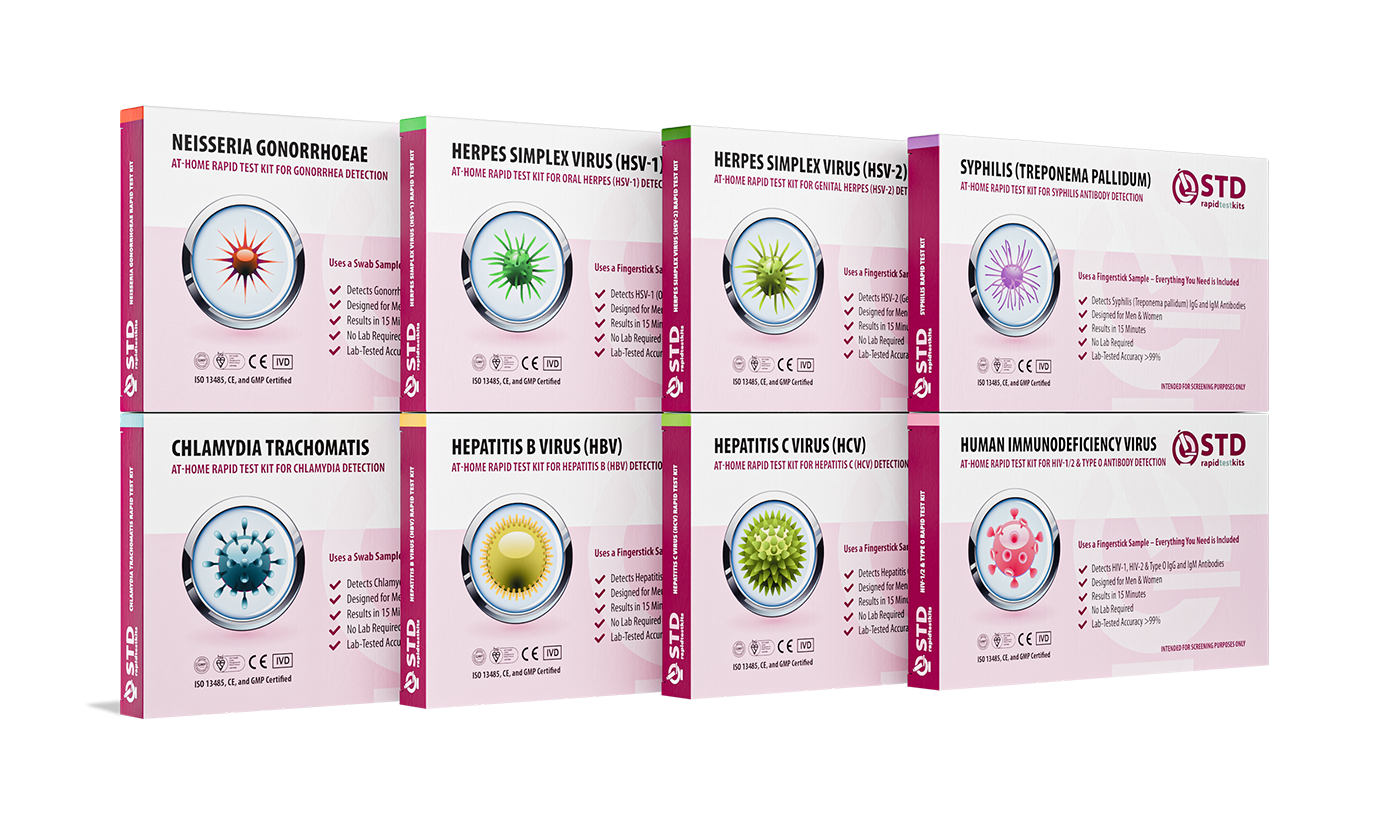 For Men & WomenResults in MinutesNo Lab NeededPrivate & Discreet
Order Now $149.00 $392.00
For all 8 tests
You Don’t Need a Clinic to Get Accurate Results
Whether you’re in a rural town, between insurance plans, or just too anxious to walk into a waiting room, you still deserve access to answers. That’s why home STD testing is more than convenient, it’s a lifeline. Kits like the Combo STD Home Test Kit allow you to check for multiple infections discreetly, on your terms.
Don’t guess. Don’t Google and panic. Get tested, get answers, and if needed, get treatment that actually works for your body and situation. Because clarity is the first step toward control.
“Did It Even Work?”, When Doubt Lingers After the Pills
You took the meds. You followed instructions. You waited. And yet, there’s still that weird discharge. Or a sore you’re not sure about. Or a feeling in your gut that something’s still off. This is where most people end up stuck: between “maybe I’m fine” and “what if I’m not?”
Keisha didn’t know she needed to avoid sex for a full week after treatment. Jonas thought he had gonorrhea but never got a real diagnosis. And maybe you, like them, are here because the story didn’t end when you swallowed that last pill.
It’s okay to question. It’s okay to retest. And it’s absolutely okay to advocate for your own health, even if a provider once brushed you off or gave you outdated treatment. The truth is: STD care isn’t always one-and-done. Sometimes it’s a process of test, treat, retest, and reassess.
If your partner’s still symptomatic, or didn’t get treated at all, that cycle might restart the moment you get close again. That’s not a moral failure. That’s just how transmission works. The most powerful thing you can do now? Talk. Share this info. Offer to test together. Reclaim the narrative before the doubt turns into avoidance.
And if you're done waiting and worrying in silence, you can get clear on your own timeline. This combo kit checks for multiple infections discreetly. Because relief shouldn’t come with a side of shame, and answers shouldn’t require a waiting room.
FAQs
1. Can I just use leftover antibiotics from last time?
Honestly? No, and please don’t. Using old pills from a drawer (or worse, someone else’s) is like throwing darts in the dark. You might hit the right bug, but you’re just as likely to miss, half-treat, or make things worse. STDs need targeted meds, not leftovers from a sinus infection.
2. How long does it usually take for antibiotics to start working?
If the treatment’s right, you’ll probably feel some relief in a few days, especially with infections like chlamydia or gonorrhea. But that doesn’t mean you’re fully clear. Keep taking every dose as directed. This isn’t a “feel better = all better” kind of situation.
3. I feel fine. Do I really need to take the antibiotics?
Yes, you do. A lot of STDs don't show any signs, especially at first. But just because you don't have any symptoms doesn't mean you don't have an infection. Even if STDs are quiet now, they can still do a lot of damage over time if they aren't treated.
4. Why are my symptoms still here after finishing the meds?
A few possibilities: you took them too early, missed a dose, your partner reinfected you, or the strain you caught is resistant. Another biggie? It might not have been the right infection in the first place. This is why retesting, especially if symptoms linger, isn’t just helpful. It’s necessary.
5. Is a one-dose treatment just as good as a full 7-day course?
Depends. Some STDs (like trichomoniasis) can be knocked out with a single high-dose pill. But for chlamydia, most experts now lean toward a full 7 days of doxycycline. It sticks better. Fewer relapses. Less risk of resistance. One-and-done is tempting, but sometimes slow and steady wins the race.
6. Can I have sex while taking antibiotics?
Short answer: no. Longer answer: it’s not just about risk to your partner, it’s about risk to you. Sex during treatment can reinfect both of you or reduce how well the antibiotics work. Wait at least 7 days after finishing treatment, and make sure your partner is treated too. Trust us: the wait is worth it.
7. Are STDs still contagious after I start treatment?
Yep. You can still pass on an infection in the first few days of antibiotics. That’s why both partners need treatment, and why waiting to have sex is more than a suggestion, it’s part of the cure.
8. What if my partner didn’t take their meds?
Then you might be in a frustrating cycle of ping-ponging the infection back and forth. You both need treatment at the same time. If that’s not possible, use protection every single time and get retested before resuming unprotected sex. It’s not about blame, it’s about biology.
9. Do antibiotics help with viral STDs like herpes or HPV?
Nope. Antibiotics don’t touch viruses. For herpes, you need antivirals like acyclovir. For HPV, your immune system usually clears it on its own, though monitoring is important. If antibiotics seemed to help, it might’ve been coincidence, or something else was going on.
10. Should I retest even if I feel fine?
Yes. Especially for chlamydia or gonorrhea, retesting after 3 months is recommended. Not because the antibiotics didn’t work, but because reinfection is super common, and often symptomless. Think of it like brushing your teeth after a cavity. Prevention after treatment still matters.
You Deserve Answers, Not Assumptions
STDs don’t make you dirty. Needing antibiotics doesn’t make you reckless. And treatment failure doesn’t mean you did anything wrong. What it does mean is that your body deserves accurate testing, real care, and no more shame-fueled guesswork.
Stop if you've been given antibiotics and things still don't feel right. Use a kit that tests for more than one infection to get retested. If you need to, talk to a provider who can check for co-infections or resistance. The follow-up is worth it for your peace of mind.
Don’t let confusion or stigma delay your recovery. Explore your home testing options here, because your next step should be informed, not improvised.
How We Sourced This Article: We combined current guidance from leading medical organizations with peer-reviewed research and lived-experience reporting to make this guide practical, compassionate, and accurate.
Sources
1. CDC 2021 STD Treatment Guidelines
7. Medscape: Syphilis Treatment and Management
8. Australian STI Guidelines: Trichomoniasis
About the Author
Dr. F. David, MD is a board-certified infectious disease specialist focused on STI prevention, diagnosis, and treatment. He blends clinical precision with a no-nonsense, sex-positive approach and is committed to expanding access for readers in both urban and off-grid settings.
Reviewed by: K. Simons, RN, MPH | Last medically reviewed: November 2025
This article is for informational purposes and does not replace medical advice.


