






Quick Answer: Flu and acute hepatitis B share early symptoms like fever, nausea, and fatigue, but if symptoms linger beyond 7–10 days or worsen, including dark urine or yellow skin, get tested for hepatitis B.
Why These Symptoms Get Misread So Often
Flu-like symptoms are deceptively common across dozens of conditions, especially during the colder months. But when those symptoms are caused by a viral STD like hepatitis B, they often hide in plain sight. Unlike chlamydia or gonorrhea, which usually focus on the genital area, hepatitis B travels through the bloodstream and targets the liver. That means the symptoms you feel aren’t burning or discharge, they’re internal: tiredness, malaise, fever, vomiting.
Take Marcos, a 31-year-old bartender who attributed his off-and-on vomiting and fatigue to a rough flu and the demands of his job. He had no idea he’d picked up hepatitis B from an unprotected hookup weeks earlier. “I didn’t even think of testing,” he said. “I just figured I was run down. By the time I realized it wasn’t going away, I was already in liver inflammation territory.”
This is the danger. Because early symptoms of acute hepatitis B don’t feel like an STD, people don’t test, or they wait too long. And while many recover without long-term issues, untreated hepatitis B can progress to chronic liver disease.
How Flu Symptoms and Hepatitis B Overlap (and Where They Don’t)
The overlap is messy. Both illnesses can cause fever, body aches, and nausea. But hepatitis B adds unique complications. It hits the liver, which means your digestion, skin, and energy levels take a different kind of hit. The timing is also different, flu symptoms peak and fade within 3 to 7 days. Hepatitis B, on the other hand, ramps up slowly and sticks around.
| Symptom | Flu | Acute Hepatitis B |
|---|---|---|
| Fever | Sudden onset, high (101–104°F) | Moderate, can come and go |
| Fatigue | Short-term, usually resolves in a week | Severe, lingers for weeks or longer |
| Nausea/Vomiting | Occasional with intense flu | Common and persistent |
| Jaundice (Yellowing) | Rare | Common as infection progresses |
| Dark Urine | Unusual | Very common |
| Body Aches | Widespread, sharp onset | Milder, gradual |
Figure 1. Comparison of flu vs. acute hepatitis B symptoms. Flu typically comes on fast and fades. Hepatitis B symptoms often intensify over time, especially signs of liver stress.
People are also reading: I Got Divorced at 52. I Didn’t Expect an STD to Come With My New Love Life
The Timeline That Matters Most
With hepatitis B, symptoms usually appear between 6 weeks and 6 months after exposure. That’s a wide range. But many start showing signs around 60–90 days in. This delay makes it harder to connect the dots, especially if the exposure felt low-risk, like oral sex, a forgotten condom moment, or sharing razors or nail tools.
The flu hits hard and fast, one minute you're fine, the next you're curled up with chills and congestion. Hepatitis B doesn’t crash the same way. It slides in quietly. You might feel mildly off for a while before realizing something's wrong.
Let’s talk about Danielle. She was in a new monogamous relationship and thought she'd left STI worries behind. Two months after their first unprotected sex, she started waking up nauseous, dragging through her days, and turning slightly yellow around the eyes. She tested for everything. Only hepatitis B came back reactive. “We were both stunned. He thought he was vaccinated. I thought I was safe,” she said. “Turns out he missed his booster years ago.”
What made the difference? Testing. Early enough to start monitoring liver function and avoid complications. That’s the takeaway here: timing is everything, and symptoms alone won’t tell the whole story.
Check Your STD Status in Minutes
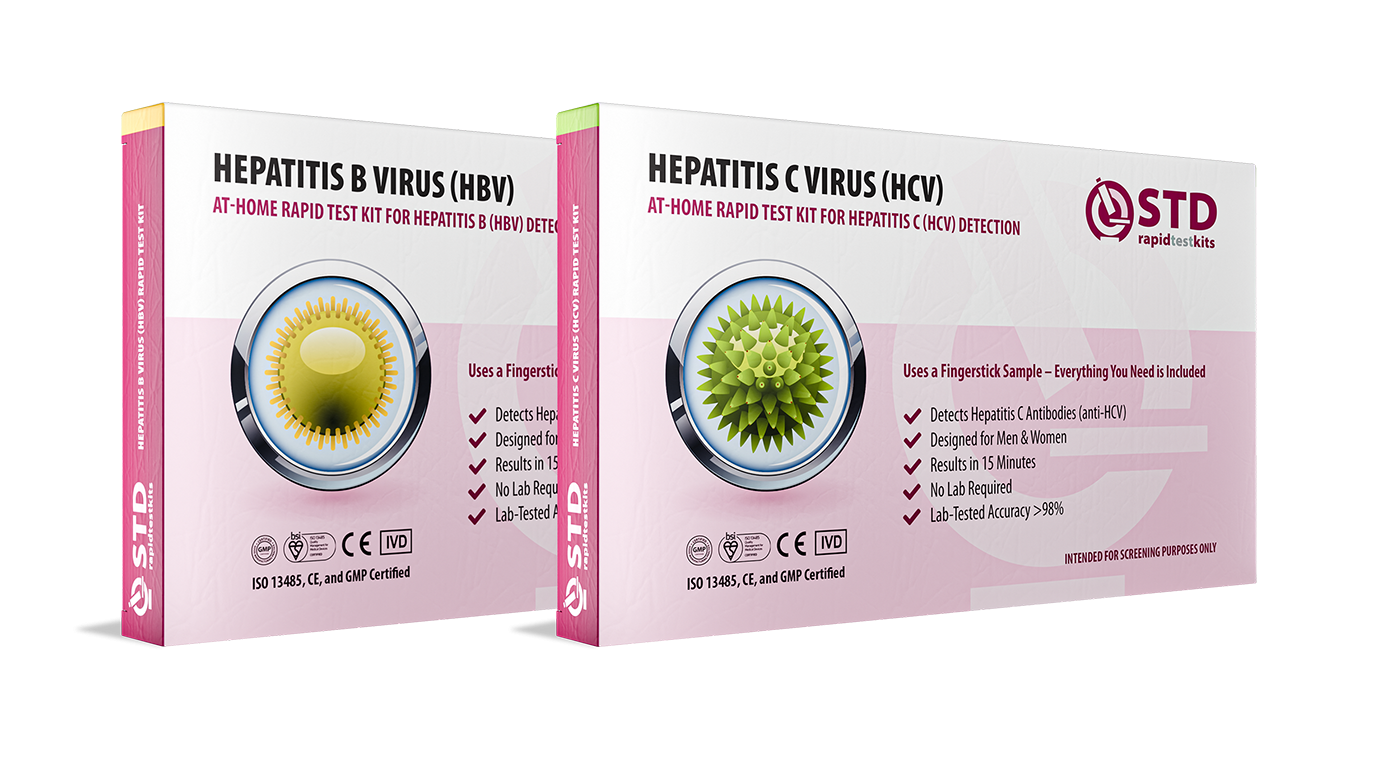
Test at Home with RemediumHepatitis B & Hepatitis C Test Kit
 For Men & Women
 Results in Minutes
 No Lab Needed
 Private & Discreet
Order Now $49.00 $98.00
For all 2 tests
How Hepatitis B Gets Missed, and Why You Should Test Anyway
When someone says “STD,” they usually think of genital symptoms. Burning, sores, discharge. Hepatitis B doesn’t play that game. It goes straight for the liver, and unless you're tuned in, it can look like anything from a hangover to food poisoning. That’s why it slips through the cracks, even for people who get tested regularly.
Let's go over what a hepatitis B test really is. You have to ask for hepatitis B to be included in most standard STD panels. Usually, testing includes a blood test for HBsAg (Hepatitis B surface antigen), which shows that the virus is still present. Some kits also look for HBcAb (core antibody) and HBsAb (surface antibody), which gives you a better idea of whether you have the virus, are immune to it, or are somewhere in between. This is important, especially if you got vaccinated but can't remember when, or if your last partner didn't know their status.
At-home test kits make this easier. With just a tiny blood sample, you can order a covert Hepatitis B rapid test kit and receive results in a matter of minutes. These kits are highly accurate during the active infection window. For mail-in lab kits, you collect a finger-prick sample and send it to a certified lab. If you’re already feeling symptoms, a rapid test might give you faster answers, though confirmatory lab testing is always wise if symptoms worsen or results are unclear.
If you’re unsure which route to take, remember: privacy and speed don’t have to come at the expense of accuracy. The earlier you catch it, the more options you have to recover fully and prevent transmission.
Table: Hepatitis B Test Types and When to Use Them
| Test Type | What It Detects | Sample Type | Best Use Case |
|---|---|---|---|
| HBsAg Rapid Test | Active infection (antigen) | Fingerstick blood | Symptom onset or recent exposure |
| HBsAg Lab Test | Active infection with higher sensitivity | Blood (mail-in or clinic) | Ongoing symptoms or medical monitoring |
| HBcAb and HBsAb Panel | Past infection or immunity | Blood | Screening for history or vaccine check |
Figure 2. Hepatitis B test comparison. Choose based on timing, symptoms, and your access to care or privacy needs.
What Happens If You Ignore It?
Let’s say you ride it out, thinking it’s just a stubborn flu. You wait two weeks, then three. The fatigue deepens, and now there’s a dull ache under your ribs. That’s your liver inflamed and struggling. Left unchecked, hepatitis B can lead to cirrhosis, liver cancer, or permanent carrier status, meaning you stay infectious for years, possibly life. Even if symptoms go away, the virus may still be active inside you.
But here’s the flip side: catch it early, and most healthy adults clear the infection naturally with rest, hydration, and monitoring. You won’t need medication in most cases. You’ll need to avoid alcohol, stay hydrated, and follow up with a healthcare provider. Testing is the first move. It’s not dramatic. It’s smart. And for many, it’s the moment everything turns from panic to a plan.
Think about Juno, who delayed testing for almost a month. When she finally tested positive, her ALT and AST liver enzymes were triple the normal range. But because she caught it before chronic damage set in, she recovered fully, with no lasting effects. “I just wish I’d listened to my gut earlier,” she said. “I kept convincing myself it was just stress and hormones. It wasn’t.”
When to Test, and When to Retest
The question we get the most isn’t “what’s hepatitis B?” It’s: “How soon can I test and trust the result?” If you’ve had a recent exposure, or your symptoms are suddenly making sense in hindsight, the timing of your test matters as much as the test itself.
After exposure to hepatitis B, it can take 30 to 90 days for symptoms to appear. But antigen tests may detect infection earlier, sometimes as soon as 21 days. If you're testing before three full weeks have passed, your result might not be conclusive. This doesn’t mean you’re safe; it means you’re early.
Here’s a lived example. AJ had a risky encounter on spring break. He tested ten days later, negative. Relief, at first. But fatigue and mild jaundice crept in by week five. A second test confirmed acute hepatitis B. He was shocked. “I thought I was in the clear. I didn’t realize the window was that wide.” This is why we recommend retesting at 30 to 60 days if your initial test was negative but symptoms develop, or if you simply want certainty after early testing.
If you’re not sure where you land on the timeline, ask yourself: Has it been at least three weeks since possible exposure? Are symptoms worsening, or lingering beyond 7–10 days? If the answer is yes to either, test, or retest, now. Waiting doesn’t help you heal. Action does.
Order a discreet hepatitis B test kit here if you're ready to stop wondering.
What If You Already Tested Negative, But Still Feel Off?
First, trust your body. Symptoms that persist or evolve after an initial negative test aren’t imaginary. The immune system doesn't follow a stopwatch. If you tested within 14 days of exposure, a follow-up test after 30 days can provide clarity.
Think of it as checking your oil twice. The first dipstick might read clean, but give it a little time, and the buildup might show. We’ve seen dozens of readers get a false sense of relief from a single early test, only to land in a clinic weeks later with more severe symptoms. Retesting isn’t failure. It’s smart follow-through.
If you're exposed again, or if you're caring for someone who tests positive, you may need to monitor for 6 months to ensure you didn't contract the virus yourself. Many infections stay silent before showing any clinical signs. If in doubt, test again, then test your partner, too. You’re in this together.
Confused about your exposure date or unsure how to start? Return to STD Rapid Test Kits to find simple, affordable test options built for privacy and speed.
People are also reading: Chlamydia in Women vs. Men: How It Damages Fertility Differently
Shipping, Privacy, and What to Expect
The moment you hit “buy” on a test kit can be loaded. You might be sweaty, panicked, desperate for relief, or quietly, calmly determined to face facts. Either way, you deserve confidentiality.
All of our kits ship in plain, unbranded packaging. No one will know what’s inside, not neighbors, roommates, or delivery workers. If you’re traveling, you can time delivery to your hotel or short-term rental. We’ve had readers test while camping, working offshore, even road-tripping through the desert. You don’t have to be near a clinic to get clarity.
Shipping times vary by location, but most readers receive their kits within 1–3 business days. That’s fast enough to breathe again, and sometimes that’s all you need to sleep at night.
Check Your STD Status in Minutes
Test at Home with Remedium8-in-1 STD Test Kit
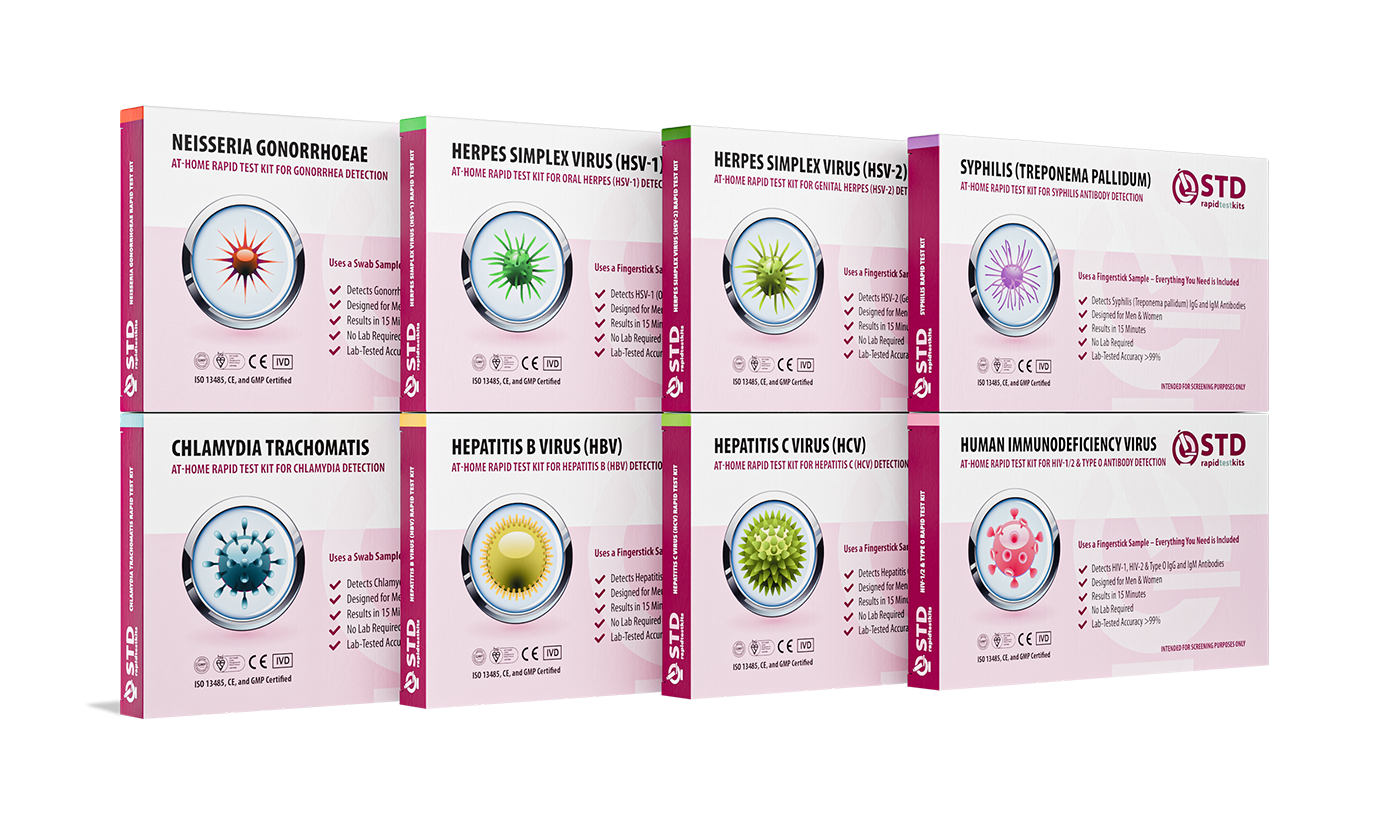 For Men & WomenResults in MinutesNo Lab NeededPrivate & Discreet
Order Now $149.00 $392.00
For all 8 tests
When the Result Is Positive
Take a breath. A positive test result for hepatitis B is not the end of your health story. In fact, for many, it’s the beginning of getting better. Most healthy adults recover fully within six months and become immune for life. The key is monitoring.
Your next steps depend on how advanced the infection is. You may need liver function tests (AST, ALT), a follow-up HBsAg to track progress, and abstaining from alcohol and high-fat foods while the liver repairs. Antiviral medication is rare for acute cases unless complications emerge. For chronic hepatitis B (lasting over 6 months), specialists may suggest long-term medication plans.
And then there’s disclosure. Telling partners can feel terrifying. But it doesn’t have to be. One reader, Marco, wrote: “I was sure she’d leave. But she hugged me and said thank you for telling her. That was it. No drama. Just mutual care.” When disclosure is met with compassion, it’s healing, not just for your body, but for your heart.
You’ve done the hardest part, facing the unknown. Now it’s time to take action, treat, and heal.
FAQs
1. Can the flu and hepatitis B really feel the same?
Yes, and that’s exactly why people miss it. Both hit you with fever, nausea, exhaustion, and chills. But here’s the thing: the flu usually crashes in like a wrecking ball, then disappears in a week. Hepatitis B? It creeps in slowly and sticks around, making you feel worse day by day. If your "flu" isn’t letting up, or if your urine’s looking dark, your eyes a little yellow, or you just feel wrong, test. Trust your gut over Google.
2. How long should I wait after a risky moment to test?
Ideally, 30 days. Some people test as early as 2–3 weeks, which can catch infections in the high-alert phase. But if you test too soon, the virus might not show up yet. Think of it like baking, pulling the cake out too early doesn't mean it’s done. If you’re already feeling off, test now and again in a few weeks if it comes back negative. Don’t play the waiting game alone.
3. Can I catch hepatitis B the same way I catch the flu?
Not even close. You won’t get hepatitis B from a sneeze, a shared drink, or touching a doorknob. This virus is bloodborne. That means it spreads through sex, shared needles, tattoo or piercing equipment, and sometimes from shared razors or toothbrushes. Totally different rulebook from the flu. If you’ve had unprotected sex or shared anything sharp, it’s worth checking.
4. I got tested once and it was negative. Do I really need to do it again?
If the timing wasn’t right? Yeah, you might. Early tests can miss it, especially if you were still in the incubation period. If you’ve tested negative but your symptoms are hanging on, it’s not paranoia to test again, it’s self-respect. AJ from earlier? Negative at 10 days. Positive at five weeks. Retesting gave him answers when his body wouldn’t stop asking questions.
5. What does a “carrier” mean, and is it permanent?
Being a hepatitis B carrier means the virus is in your system long-term. You might not feel sick, but you can still pass it on. Some carriers clear it eventually; others need lifelong monitoring. It doesn’t mean you’re doomed, it just means your liver needs backup. There’s care for this. There’s a plan. You’re not walking into the unknown alone.
6. Can I still have sex if I test positive?
Yes, but responsibly. Use protection. Talk to your partner. You don’t have to shut down your sex life, but you do need to communicate. There’s also a vaccine your partner can get to protect them if they haven’t already. Being positive doesn’t cancel intimacy, it just changes the conversation.
7. I’m vaccinated. Am I totally safe?
Mostly, yes. The hepatitis B vaccine is incredibly effective, like, 95% level effective. But immunity can wane if you didn’t complete the full series or got it decades ago. If you’re unsure whether you’re still protected, a quick antibody test can check. Peace of mind is better than guesswork.
8. What happens if I just ignore this?
Maybe nothing. Or maybe your liver gets quietly wrecked over time. That’s the gamble. Some people clear hepatitis B naturally. Others, especially those with underlying conditions or chronic stress, develop long-term inflammation, fibrosis, or worse. Early testing = better odds. You’re not being dramatic. You’re being proactive.
9. Does this mean I’m dirty or reckless?
No. Hell no. Viruses don’t care how “clean” you are. They care about opportunity. One missed condom. One borrowed razor. One partner who didn’t know their own status. That’s it. There’s no moral failing here, just a body that deserves care, not shame.
10. What does recovery actually look like?
Most people with acute hepatitis B recover fully within 6 months, but it’s not always a smooth ride. You might be exhausted for weeks, lose your appetite, or feel like your energy got permanently stolen. The key is rest, hydration, no alcohol, and regular follow-ups if symptoms worsen. Think of it like a slow reset for your liver. It’s not glamorous, but it’s doable, and thousands recover without needing medication. Catch it early, and your body will do most of the work for you.
You Deserve Answers, Not Assumptions
If you’ve been feeling awful but keep being told “it’s probably just a flu,” trust your gut. Acute hepatitis B can look and feel just like a seasonal virus, but it carries far more serious consequences if missed. And if you’ve been exposed, you have the right to answers that don’t require waiting rooms or judgment.
This at-home hepatitis B test kit lets you check your status quickly and privately, with results in minutes and no lab mailing. It’s the same kind of test used in clinics, just without the wait.
How We Sourced This Article: We used the most up-to-date information from the CDC and WHO, as well as stories from real patients and research articles that had been peer-reviewed, to make a clear guide that doesn't have any stigma. We wanted to explain symptoms and testing timelines in ways that make sense, not just give a list of facts.
Sources
1. WHO – Hepatitis B Fact Sheet
2. Mayo Clinic – Hepatitis B: Symptoms & Causes
3. CDC – Clinical Signs and Symptoms of Hepatitis B
4. CDC – Symptoms of Hepatitis B
5. Cleveland Clinic – Hepatitis B: What It Is, Symptoms, Transmission & Treatment
6. MSD Manuals – Overview of Acute Viral Hepatitis
7. PMC – Laboratory Diagnosis and Monitoring of Viral Hepatitis
8. CDC – Hepatitis B Vaccine (Interim VIS)
About the Author
Dr. F. David, MD is an infectious disease specialist who has passed the board exam and is focused on preventing, diagnosing, and treating STIs. He combines clinical accuracy with a straightforward, sex-positive approach and is dedicated to making his work available to more people, both in cities and in rural areas.
Reviewed by: Dr. Alicia Marlowe, MPH | Last medically reviewed: November 2025
This article is for informational purposes and does not replace medical advice.


