
Published: August 2025 | Last updated: May 2026 | Editorial review and quality control: Martina N.
Chlamydia is the most commonly reported bacterial sexually transmitted infection in the United States, with the U.S. Centers for Disease Control and Prevention recording roughly 1.5 million diagnosed cases each year (CDC STI annual surveillance data, which reports 1,515,985 chlamydia cases for 2024). True totals run higher because the infection so often hides in plain sight. The CDC notes plainly that chlamydia often has no symptoms in either women or men (CDC About Chlamydia), which means most people who lose fertility to chlamydia never had a clear warning that something was wrong.
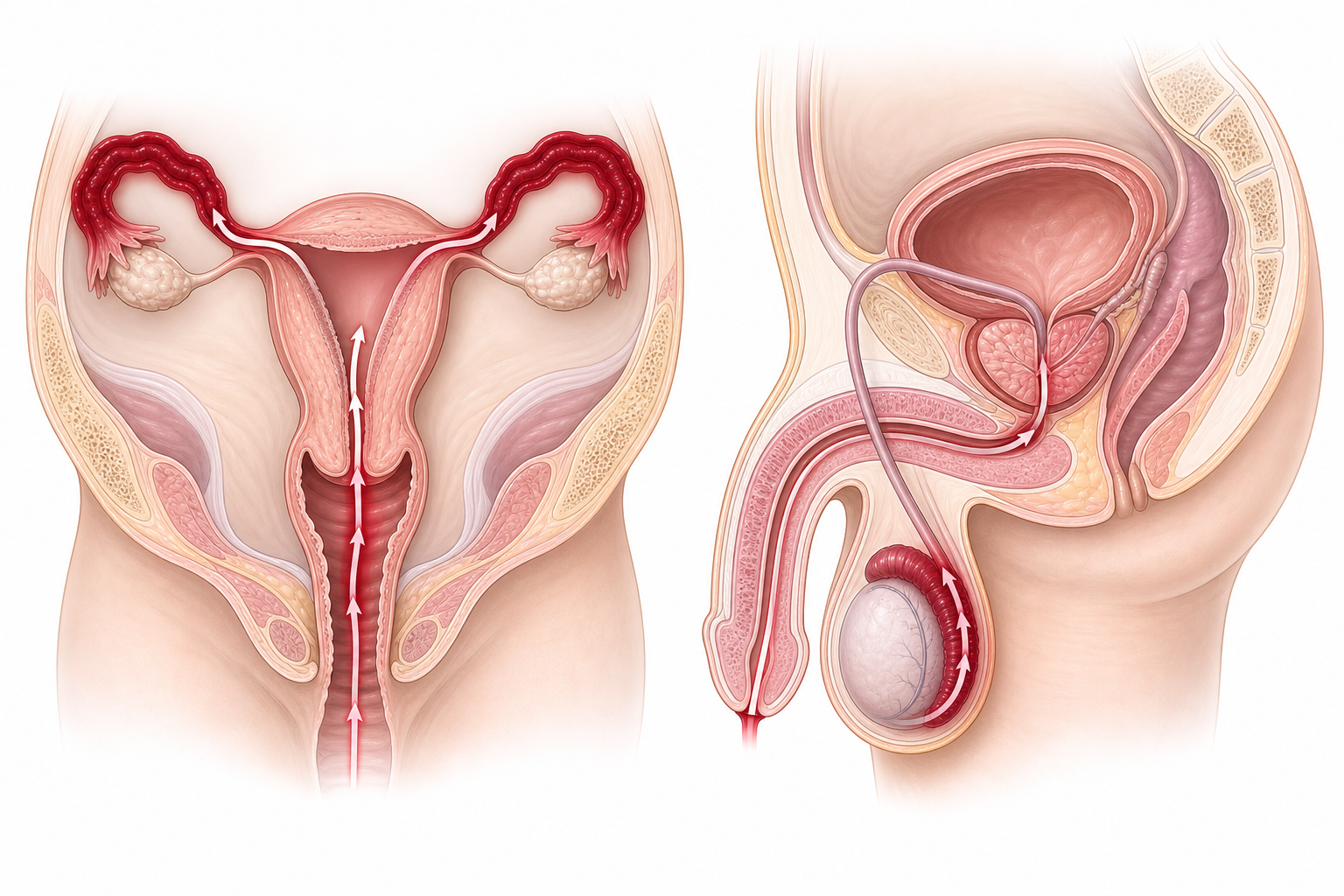
The infection damages fertility through two different routes depending on anatomy. In women, it climbs into the upper reproductive tract and scars the fallopian tubes. In men, it inflames the epididymis and disrupts the cellular machinery that builds healthy sperm. Both can happen quietly, both can persist for months before anyone tests, and both respond very differently to treatment depending on how soon antibiotics start. This guide breaks down the biology of each pathway, the timelines that matter, and the testing options available in 2026.
Key Takeaways
- Most chlamydia infections cause no symptoms in either women or men, so routine screening, not symptoms, catches it early enough to protect fertility.
- In women, scar tissue from untreated infection blocks fallopian tubes; in men, the same bacteria can damage the epididymis and harm sperm quality.
How Chlamydia Becomes a Fertility Problem
Chlamydia trachomatis is a bacterial pathogen that prefers the columnar epithelial cells lining the cervix in women and the urethra in men. Transmission happens through vaginal, anal, or oral sexual contact, and the bacteria can also pass from a pregnant person to a newborn during delivery (CDC chlamydia overview).
When the infection stays at its entry site, it sometimes causes burning during urination, unusual discharge, or pelvic discomfort. When it spreads upward, it reaches tissues that matter for conception: the uterus and fallopian tubes in women, the epididymis and testes in men. That upward spread happens silently in many cases. The U.S. Preventive Services Task Force points to the lack of early symptoms as the central reason routine screening exists at all (USPSTF screening recommendation).
Risk rises sharply with reinfection. The CDC reports that women who acquire chlamydia more than once face a substantially higher risk of pelvic inflammatory disease, ectopic pregnancy, and tubal factor infertility than those treated promptly after a first infection. Each round of inflammation leaves more scar tissue behind. Untreated chlamydia also raises the risk of acquiring or transmitting HIV, and is associated with preterm birth and low birthweight in babies born to infected mothers.
Each additional chlamydia infection raises the risk of PID, ectopic pregnancy, and tubal infertility above the risk from a first infection. Most reinfections are also silent. The CDC recommends retesting about 3 months after treatment, regardless of whether a partner was treated, because reinfection is more common than people expect.
What Happens in the Female Reproductive Tract
The female reproductive system is built like a series of connected chambers: vagina, cervix, uterus, fallopian tubes, and ovaries. Chlamydia usually enters at the cervix and may climb through the uterus into the fallopian tubes. The medical term for this upper-tract infection is pelvic inflammatory disease, or PID. MedlinePlus describes PID as an infection of the uterus, ovaries, and other female reproductive organs, with gonorrhea and chlamydia identified as the most common causes (MedlinePlus on pelvic inflammatory disease).
Inside the fallopian tubes, the inflammation triggers immune cell recruitment that ends in fibrotic scarring. Once those tubes scar, eggs cannot travel reliably from the ovary to the uterus, and sperm cannot reach the egg in the tube where fertilization normally occurs. PID is a leading preventable cause of infertility in the United States. The CDC reports that roughly 1 in 8 women with a history of PID experience difficulties getting pregnant later (CDC About Pelvic Inflammatory Disease).
The damage compounds with each episode. A first PID event roughly doubles the risk of ectopic pregnancy, a potentially life-threatening situation where a fertilized egg implants outside the uterus. A second episode raises the risk further still. Ectopic pregnancies remain a leading cause of pregnancy-related death in the first trimester, which is why women with a history of PID who become pregnant should receive early ultrasound confirmation of intrauterine implantation.
Many women who learn they have tubal factor infertility years later discover that an untreated chlamydia infection in their twenties was the underlying cause. Even women who conceive without intervention sometimes face higher rates of preterm delivery and chronic pelvic pain after PID. None of these outcomes are inevitable, and most women who treat chlamydia promptly maintain normal fertility.
One PID episode roughly doubles a woman's risk of ectopic pregnancy. A second episode raises that risk further. Ectopic pregnancies remain a leading cause of pregnancy-related death in the first trimester, so any woman with a prior PID diagnosis should receive an early ultrasound to confirm intrauterine implantation as soon as a positive pregnancy test appears.
What Happens in the Male Reproductive Tract
In men, chlamydia enters at the urethra and may spread to the epididymis, a coiled tube on the back of each testicle that stores sperm and helps them mature. When the epididymis becomes inflamed, the condition is called epididymitis. Symptoms can include testicular pain, scrotal swelling, and tenderness (MedlinePlus reference on epididymitis). In practice, many men have such mild discomfort that they never seek care, which lets the infection persist.
Two distinct fertility problems can follow. The first is mechanical: inflammation can produce scarring that obstructs the narrow passageways sperm travel through, partially or fully blocking sperm transport on the affected side. The second is cellular: peer-reviewed reproductive medicine studies have documented higher rates of sperm DNA fragmentation among men with current or recent chlamydia, meaning the sperm that do make it through carry damaged genetic material that lowers fertilization rates and may raise miscarriage risk in any resulting pregnancy.
A third concern is the autoimmune response sometimes called antisperm antibody formation. Persistent inflammation can disrupt the blood-testis barrier, the protective layer that normally keeps sperm hidden from the immune system. Once the immune system is exposed to sperm proteins, it may begin producing antibodies that target sperm even after the infection clears. Reactive arthritis, sometimes called Reiter syndrome, is a rarer complication that follows chlamydia infection in a small percentage of cases and can produce joint pain, eye inflammation, and urinary symptoms simultaneously.
Men are tested less often than women for chlamydia, partly because routine screening guidelines focus on women under 25, and partly because asymptomatic male infection is sometimes treated as a lower priority. Men end up screened far less often than women, and that gap widens quietly over time. Couples who struggle to conceive frequently discover, only after extensive female workup, that the male partner has been carrying a silent infection that affected sperm quality the entire time.
Why Symptoms Often Go Missing
Chlamydia is called the silent infection because most carriers have no clinical signs. The World Health Organization notes that the majority of new STI cases worldwide are asymptomatic, and that when symptoms do occur they tend to be non-specific (WHO fact sheet on sexually transmitted infections). The pattern holds across studies and populations: relying on symptoms alone misses the majority of infections.
Several factors explain the silence. The bacteria live inside cells, which limits the typical inflammatory cascade that produces pain or fever. The cervical and urethral surfaces they infect have relatively few pain receptors compared with the bladder or rectum. And early symptoms, when they do appear, mimic other common conditions such as yeast infections, urinary tract infections, or general urinary irritation. People often self-treat or wait for things to resolve before seeking testing.
This is why public health guidance centers on screening rather than symptom-based care. The CDC recommends annual chlamydia screening for all sexually active women under 25, and continued annual screening for women 25 and older who have new or multiple partners. Men who have sex with men should be screened at least annually at sites of exposure. Pregnant women are screened at the first prenatal visit and again in the third trimester if at higher risk.
1 in 8 women with a history of pelvic inflammatory disease experience difficulties getting pregnant.
How Long Untreated Chlamydia Takes to Cause Damage
There is no single timeline. Some women develop PID within a few weeks of acquiring chlamydia; others carry the infection for months or even years before upper-tract inflammation begins. The variability depends on bacterial load, the strength of the immune response, the presence of co-infections such as gonorrhea, and individual anatomical factors.
Prospective cohort studies tracking women with untreated chlamydia have found that a meaningful minority go on to develop PID within a year, and cumulative risk continues to climb over time. Tubal damage, once present, does not heal on its own. Antibiotics can stop the infection from spreading further but cannot remove scar tissue that has already formed.
In men, sperm parameter changes from chlamydia-associated epididymitis usually appear within the first few months of infection. Some sperm quality measures recover after successful antibiotic treatment, but DNA fragmentation and antisperm antibody titers can persist longer and may require additional management with a fertility specialist.
The practical takeaway: time matters. Catching chlamydia within weeks of exposure almost always prevents fertility damage. Catching it months later sometimes prevents it. Once PID or epididymitis has set in, treatment shifts from preventing damage to managing what already happened.
This article is published by stdrapidtestkits.com, which sells at-home STI testing kits. We recommend products based on fit-for-purpose for the reader's concern, not commercial benefit.
Trying to Conceive After Chlamydia
A past chlamydia diagnosis does not mean infertility is inevitable. Most people who treat the infection promptly have normal fertility afterward. Figuring out what the infection left behind, if anything, is a job for a fertility evaluation.
For women, the standard workup includes a hysterosalpingogram, an X-ray procedure that uses dye to check whether the fallopian tubes are open and unobstructed. If the tubes are blocked or partially scarred, options range from minimally invasive surgery to in vitro fertilization (IVF), which bypasses the tubes entirely by combining egg and sperm in a lab and transferring the embryo directly to the uterus.
For men, a semen analysis measures sperm count, motility, and morphology. If results are abnormal, additional tests can assess DNA fragmentation and the presence of antisperm antibodies. Many male-factor cases respond to lifestyle changes (cessation of smoking, reduced alcohol intake, weight management, antioxidant supplementation) plus targeted treatment. When natural conception is unlikely, intrauterine insemination (IUI) or IVF with intracytoplasmic sperm injection (ICSI) can work around damaged sperm.
MedlinePlus defines infertility as not being able to become pregnant after a year of trying (MedlinePlus on infertility). Clinicians typically suggest seeking evaluation sooner for women over 35, where age-related fertility decline narrows the window. Couples with a known history of chlamydia in either partner may want to test sooner so that any tubal or sperm-quality issues can be identified and managed without losing time.
For those facing infertility after past chlamydia, the emotional load often runs in parallel with the medical one. Reproductive counseling and support resources, including those offered through organizations like RESOLVE (the National Infertility Association), can help people work through the grief and the decision-making that come with a complicated path to pregnancy.
| Fertility workup for women | Fertility workup for men |
|---|---|
| Hysterosalpingogram (HSG): X-ray with dye to check whether fallopian tubes are open and unobstructed | Semen analysis: measures sperm count, motility, and morphology |
| Pelvic ultrasound and laparoscopy if scarring or adhesions are suspected | DNA fragmentation test and antisperm antibody test if the initial analysis is abnormal |
| IVF as a workaround when tubes are blocked or scarred beyond repair | Lifestyle changes, IUI, or IVF with ICSI when natural conception is unlikely |
What Testing Looks Like in 2026
Chlamydia testing has come a long way from the era when only clinic-collected swabs counted. Laboratory nucleic acid amplification tests (NAATs) are the gold standard for accuracy, using PCR-style chemistry to detect chlamydia DNA in urine or genital swab samples. NAATs are the technology behind most public health screening and the most reliable confirmatory test after a positive screen.
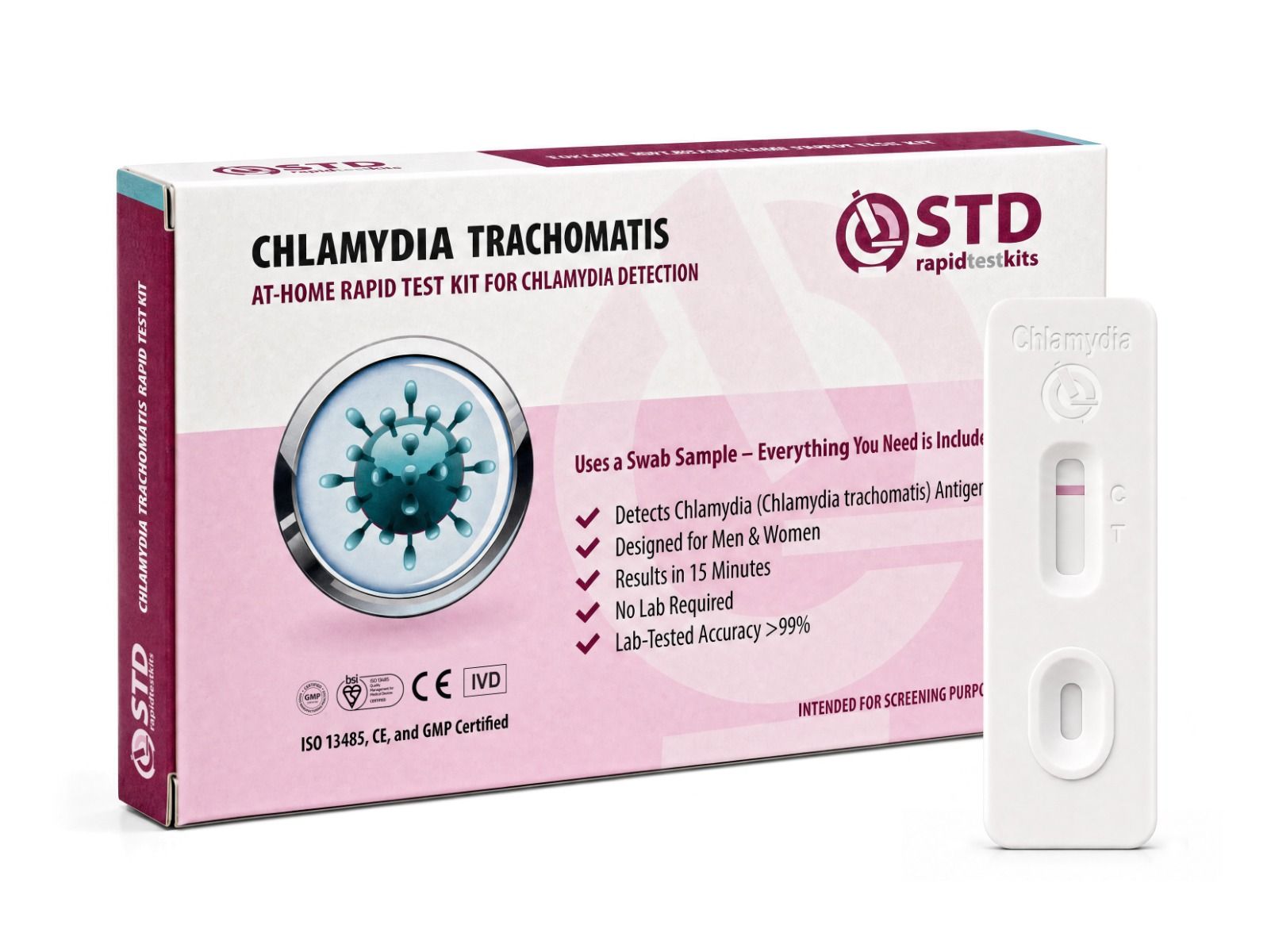
At-home rapid lateral-flow tests use a different technology. They detect chlamydia antigens directly from a self-collected swab and produce a visible result within 15 minutes. These tests are screening tools designed for convenience and privacy. They use the same swab sample type as lab NAATs but rely on lateral-flow chemistry rather than DNA amplification, which means slightly lower analytical sensitivity in asymptomatic infections.
For someone trying to make a quick risk decision after a new partner or a missed condom, a rapid at-home test gives a fast answer and reduces the friction of getting to a clinic. A positive at-home result should be confirmed with a lab NAAT and followed by partner notification and antibiotic treatment. A negative result during the testing window (typically 1 to 3 weeks after exposure) carries some uncertainty, so retesting at the right interval is part of getting an accurate picture.
For people who tested positive, retesting at 3 months after treatment is the CDC-recommended interval to catch reinfection, which is more common than initial infection in some populations (CDC STI Treatment Guidelines for chlamydia). Antibiotics reliably clear the original infection within one to two weeks, so the 3-month retest is a reexposure screen, not a confirmation of treatment success.
Talking With a Partner About Testing
An untreated partner will reinfect a treated partner once sexual activity resumes, which is why CDC guidance recommends treating all current and recent partners (typically those within the past 60 days) when chlamydia is diagnosed in either one (CDC STI Treatment Guidelines). Fertility is the second reason partner testing matters: a partner who carries chlamydia silently for months can sustain their own reproductive damage in parallel, so getting them screened protects two futures, not one.
Framing the conversation around screening rather than suspicion usually goes better. Both partners testing at the same time, before unprotected sex, treats testing as a shared health check rather than an accusation. Many clinics and at-home test providers offer two-pack kits specifically for couples. Expedited partner therapy, where the prescribing clinician sends treatment for the partner without an in-person visit, is available in many U.S. states when one partner tests positive.
For people in newer relationships, framing a testing conversation around the next step of intimacy (rather than retrospective accusation) keeps the focus on shared decisions and care. Most clinics and at-home testing providers can ship a discreet kit within a few business days, and many states offer free or low-cost STI screening for people without insurance through the National Network of STD Clinical Prevention Training Centers.
1. Both partners test before unprotected sex. Treat testing as a shared health check, not an accusation. 2. Treat all partners from the past 60 days when anyone tests positive. CDC guidance covers any partner exposed during that window. 3. Retest at 3 months after treatment. Reinfection is the most common reason a treated chlamydia case turns positive again, not antibiotic failure.
Frequently Asked Questions
- Can I have chlamydia without any symptoms?
- Yes, and that is the norm rather than the exception. The CDC notes that chlamydia often produces no symptoms in either women or men. When symptoms do appear, they can take 1 to 3 weeks to develop and may include burning during urination, unusual discharge, or pelvic discomfort. The absence of symptoms is precisely why annual screening is recommended for sexually active people under 25 and anyone with new partners.
- How likely is it that chlamydia will cause infertility?
- How quickly the infection is treated matters more than any other single factor. MedlinePlus identifies PID as the most common preventable cause of infertility in the United States, and the CDC reports roughly 1 in 8 women with a history of PID later face difficulty getting pregnant. For men, sperm quality changes from epididymitis are a smaller but real risk. Catching and treating chlamydia early lowers fertility risk for both partners.
- If I get treated for chlamydia, is my fertility safe?
- Antibiotics clear the bacteria and stop further damage from happening. They cannot reverse scarring or tubal blockage that has already formed. For people treated within weeks of acquiring chlamydia, fertility outcomes are usually normal. For people treated months or years after the infection began, a fertility evaluation is the only way to know whether the damage was contained.
- Can men become infertile from chlamydia?
- Yes. Chlamydia in men can cause epididymitis (inflammation of the tube that stores sperm), urethritis, and longer-term changes in sperm quality including DNA fragmentation and antisperm antibody formation. Men are screened less often than women, so a semen analysis is a useful step if a couple has had difficulty conceiving and either partner has a history of untreated chlamydia or unprotected sex with new partners.
- Do condoms prevent chlamydia?
- Condoms substantially reduce transmission risk when used correctly and consistently, but they do not eliminate it. The infection can spread through any exposed mucous membrane, which means oral sex, shared sex toys, and uncovered areas during sexual contact can all transmit chlamydia. Regular screening, even with condom use, is part of comprehensive sexual health care.
- Do both partners need to be treated?
- Yes. Treating only one partner means reinfection is almost guaranteed once sexual activity resumes. CDC guidelines explicitly recommend treating all recent sexual partners (typically those within the past 60 days) of someone diagnosed with chlamydia. Expedited partner therapy, available in many U.S. states, allows a clinician to provide treatment for a partner without an in-person visit when in-person care is not accessible.
- How soon after possible exposure can I test?
- Lateral-flow rapid tests detect bacterial antigens, which usually become detectable about 1 to 3 weeks after exposure. A test taken in the first few days after a potential exposure may miss an early infection; retesting after the full window gives a more reliable result. CDC guidance also recommends retesting at 3 months after treatment to detect reinfection, which is more common than people expect.
- How accurate are at-home chlamydia tests?
- Sensitivity and specificity figures vary by kit. Check the product information sheet for the specific test you are using, since reported performance differs between manufacturers and between symptomatic and asymptomatic samples. At-home rapid lateral-flow tests use the same swab sample type as lab NAATs but rely on different chemistry, so analytical sensitivity is generally lower than a lab NAAT. A positive at-home result should be confirmed with a lab test, and any negative result during a known exposure window should be repeated.
- U.S. Centers for Disease Control and Prevention. STI annual surveillance data: source for the U.S. annual chlamydia case count cited in the opener (1,515,985 reported cases in 2024).
- U.S. Centers for Disease Control and Prevention. About Chlamydia: overview of transmission, asymptomatic presentation in both sexes, screening rationale, and complications referenced throughout the body text.
- U.S. Centers for Disease Control and Prevention. About Pelvic Inflammatory Disease (PID): source for the verbatim 1-in-8 PID-to-infertility figure used in the pull quote and female-tract section.
- U.S. Centers for Disease Control and Prevention. STI Treatment Guidelines for Chlamydia: antibiotic regimens, the 60-day partner notification window, and the 3-month retesting interval referenced in the partner-testing and treatment sections.
- World Health Organization. Sexually Transmitted Infections fact sheet: source for the WHO statement that the majority of new STI cases worldwide are asymptomatic.
- MedlinePlus, U.S. National Library of Medicine. Pelvic Inflammatory Disease: clinical description, scarring and infertility complications, and identification of chlamydia as a most-common cause; also source for the 'most common preventable cause of infertility' phrasing used in the FAQ.
