Sexually transmitted diseases are generally known as being unsavory and known to cause a host of immediate health repercussions, such as anxiety, infertility, and problems during pregnancy. Long-term effects of sexually transmitted diseases that are not treated, particularly their link to a variety of cancers, are not as well known.
This article examines the relationship between sexually transmitted diseases (STDs) and cancer, with a particular emphasis on the ways in which these infections can raise the risk of cancer in both men and women. By gaining a knowledge of these risks, we will be better able to underline the importance of prevention and regular testing, drawing attention to the fact that there is a significant role that at-home STD tests can play in protecting against these impacts.
02 December 2024
8 min read
2861
Although discussions about sexually transmitted diseases and cancer often center on cervical cancer in females, it should not be forgotten that both genders can be negatively affected by the disease. If these diseases remain untreated, complications arising will increase the risk of malignant diseases that include, in males, prostate cancer, whereas various forms of cancer can show up in other organs in individuals of both sexes. So, treatment and diagnosis early on is also very important for evasion from such results.
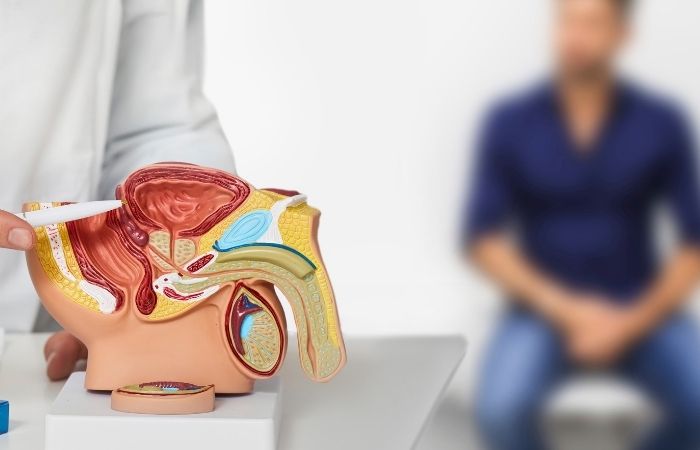
STDs and Prostate Cancer and Other Related Cancers
The Role of Infections Within the Body
It has been determined that certain bacterial and viral infections, such as those caused by Chlamydia trachomatis and Trichomonas vaginalis, are linked to prostatitis, which is an inflammation of the prostate. It has already been well recognized that persistent inflammation is one of the risk factors in developing prostate cancer.
Long-term infection with Chlamydia trachomatis can cause tissue destruction and chronic inflammation, leading to an increase in both of these cell changes that may result in cancer.
Trichomonas vaginalis is a protozoan parasite that has been associated with a higher risk for prostate cancer. This is likely due to the inflammatory response that it causes in the prostate.
Minimizing Risks for Men
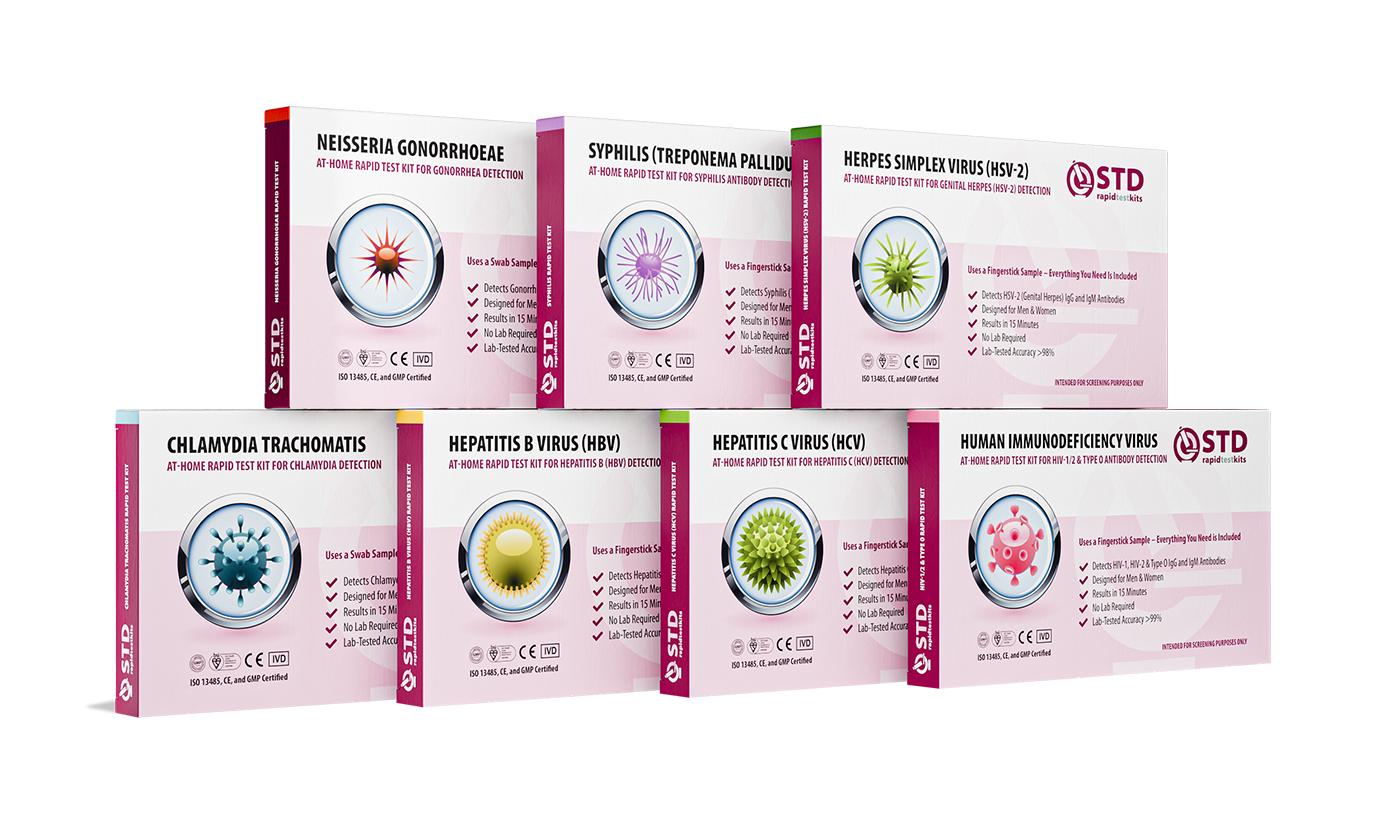
These diseases are usually detectable at an early stage if STD testing is conducted regularly. The availability of home test kits for some STDs provides men with a private and convenient method of sustaining their sexual health and reducing the potential risk of developing serious complications, which can eventually cause cancer.
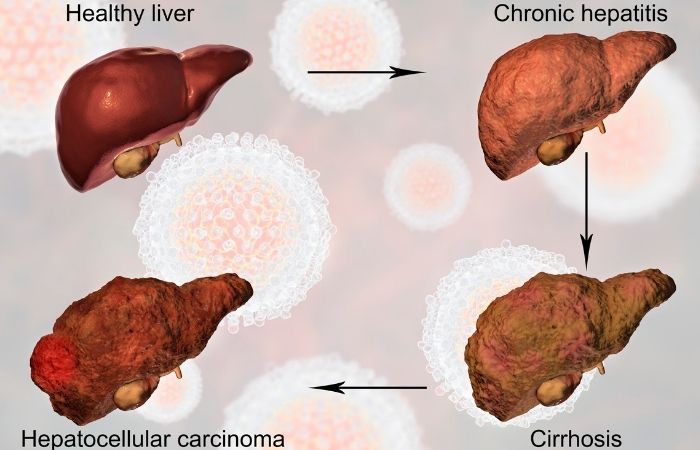
Both HBV and HCV are highly infectious diseases that are sexually transmitted and primarily affect the liver. Cancer of the liver has a strong association with both these conditions.
Long-term infections: Scarring of the liver, otherwise known as cirrhosis, may result from HBV or HCV infection that has been present for many years. Cirrhosis greatly increases the risk for HCC, which is the most common type of liver cancer.
Different modes of transmission: These viruses can be sexually transmitted especially to people who have multiple partners or those who practice unprotected sex. While the most common method of transmission is through blood-to-blood exposure, sexual transmission is also possible.
Eradication of the Risk
The vaccination against HBV is very effective in preventing infection, whereas testing for HCV regularly is very important because it often can go years with no symptoms. Home STD testing kits make early detection a lot easier, especially for individuals who may not have any access to traditional medical facilities.
Long-Term Effects of Syphilis
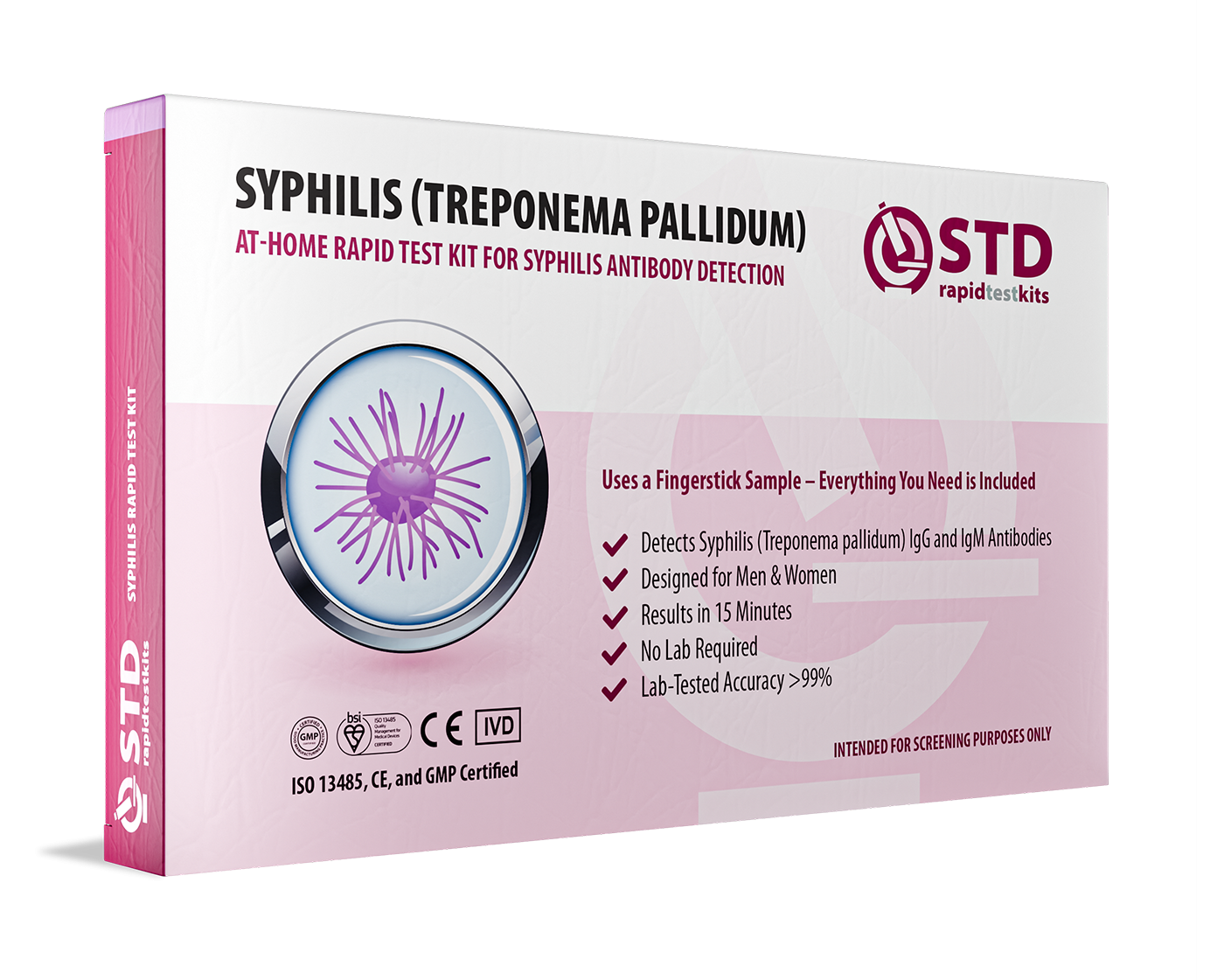
Syphilis is an infectious disease caused by the bacterium Treponema pallidum, which has long been associated with a range of health conditions, including cancer, though these are extremely rare.
Chronic Inflammation: Like other chronic infections, untreated syphilis can cause inflammation, which is a precursor to cellular changes and cancers.
Immune Suppression: Advanced syphilis can compromise the immune system, and in this way, may have the potential to allow other oncogenic infections to spread.
Regular testing and treatment with antibiotics can kill the organism, therefore preventing the grim complications that are outlined above.
A Critical Link Between Human Papillomavirus and Cervical Cancer
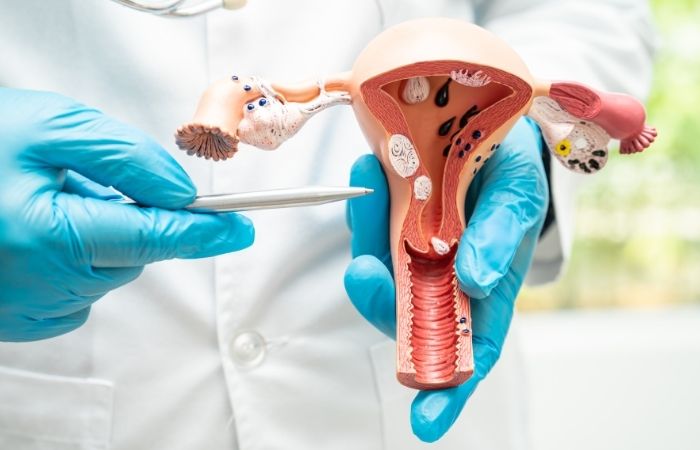
Because of its direct role in the development of cervical cancer, the human papillomavirus (HPV) is one of the sexually transmitted diseases that has received the greatest attention from researchers. Both men and women are at risk for developing malignancies of the anus, throat, and vaginal regions as a result of this condition.
Crucial Facts
High-Risk Types of HPV: These are considered high-risk types of HPV because they cause the majority of cervical cancers. Examples of such strains include types 16 and 18.
Persistent Infections: Untreated persistent infections due to HPV can eventually result in cellular changes to the cervix that can develop into precancerous lesions and, finally, cancer.
Other Cancers: HPV has been linked to oropharyngeal cancer and penile cancer, underscoring the fact that it is also a concern for men.
Prevention and Detection
Vaccination against the virus is quite efficient in preventing infection by the most deadly strains of HPV. Regular screening such as Pap smears and testing for HPV are essential in order to detect them at an early stage.
The use of at-home STD testing kits screening for HPV can help in the early detection and prevention of sexually transmitted diseases or STDs among both men and women.
Frequently Asked Questions
1.- How do sexually transmitted diseases, or STDs, increase the risk for cancer?
By causing chronic infections and inflammation, sexually transmitted diseases can lead to the destruction of tissues, which may result in cellular changes and an increased risk of cancer.
2.- Is it possible for men to get cancer due to sexually transmitted diseases if they are left untreated?
These diseases have been associated with inflammation of the prostate, which may lead to increased risk of prostate cancer: sexually transmitted Chlamydia trachomatis and Trichomonas vaginalis that have not been treated.
3.- Is liver cancer associated with sexually transmitted infections?
There is no doubt that hepatitis B and hepatitis C, both of which can be passed on through sexual contact, are significant risk factors for liver cancer.
4.- What are the effects of HPV on the health of men?
Penile and anal cancers, as well as throat cancers, can be caused by human papillomavirus (HPV) in men, particularly those that are caused by high-risk strains of HPV.
5.- What are the benefits of having STDs tested from home?
When people utilize at-home testing for STDs, the advantages that come along are privacy, easy access, and convenience because they're able to detect their infections a lot earlier on, which facilitates timely treatment.
6.- Does syphilis lead to cancer?
If left untreated, syphilis can cause chronic inflammation and immune suppression, either of which might facilitate the development of a cancer for reasons mentioned earlier.
7.- Should men be screened for human papillomavirus?
Yes, even though there is no routine HPV testing for men, they should be aware of the symptoms and consider seeking testing if they have any reason to think they may have been exposed to the virus.
8.- Can sexually transmitted diseases affect fertility and also increase cancer risk simultaneously?
It is true that sexually transmitted diseases like chlamydia, if left untreated, can reduce fertility and lead to disorders such as chronic inflammation, which in turn raises the risk of developing cancer.
9.- Is vaccination sufficient to prevent malignancies that are caused by sexually transmitted diseases?
Vaccination, like the HPV vaccine, needs to be complemented with frequent testing and safe practices in order to achieve the desired results of a considerable reduction in the risk of certain cancers.
10.- How often should one get tested for sexually transmitted diseases?
Individuals who engage in sexual activity should get tested at least once a year, or more frequently if they engage in behaviors that are considered to be high risk or if they have three or more partners.
There is an association between sexually transmitted diseases and cancer, which underlines the importance of prevention, early detection, and treatment. Lives can be saved by learning about these associations, whether it is prostate cancer associated with Trichomonas vaginalis, liver cancer caused by hepatitis infections, or cervical cancer caused by HPV viruses.
At-home STD testing kits put power into the hands of the individual to take responsibility for their sexual health through an accessible and private means of detecting potential issues before they worsen. Make your health a priority today; the best protection against these unseen dangers is through routine screening and preventive measures.








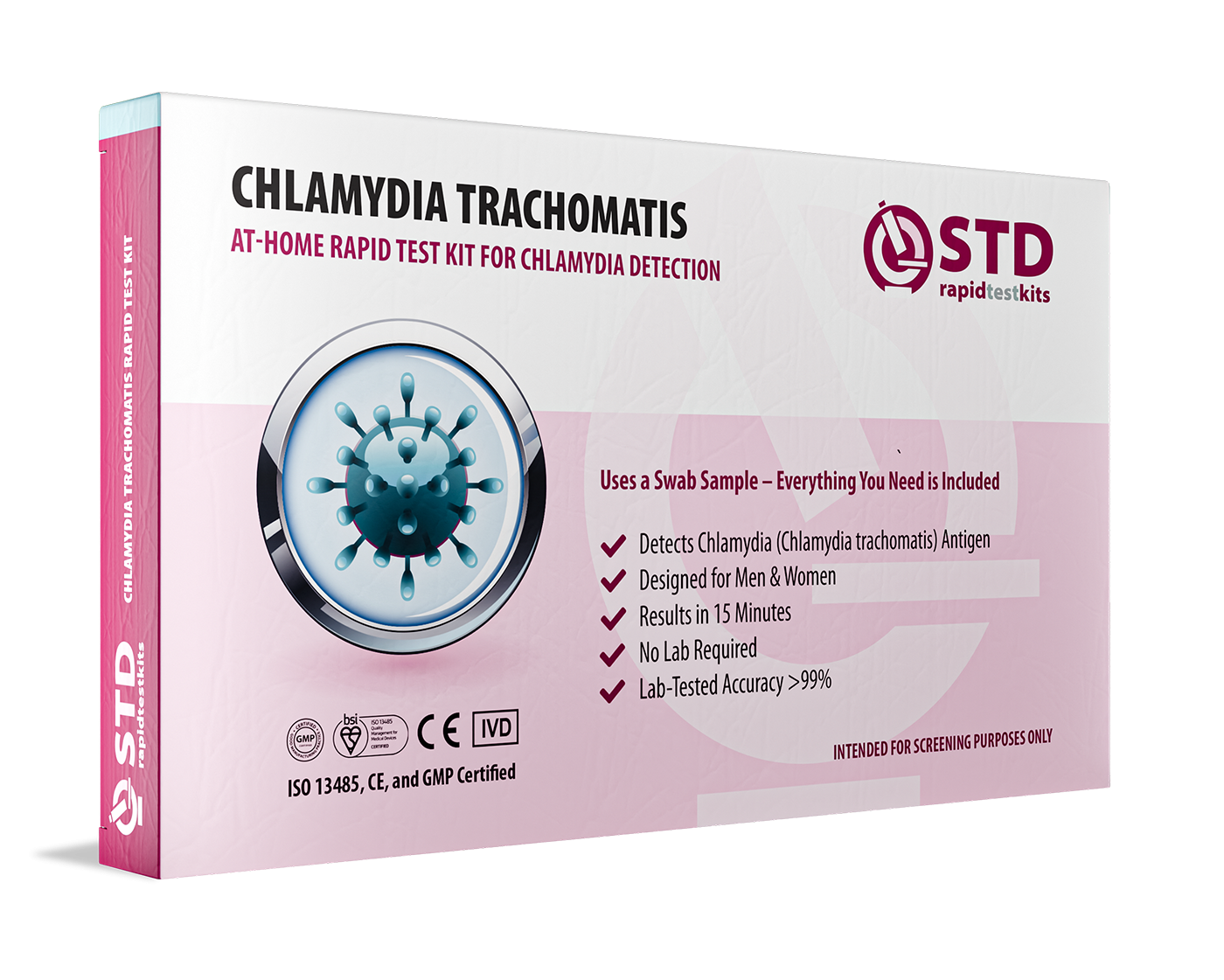
 For Men & Women
 Results in Minutes
 No Lab Needed
 Private & Discreet