






Quick Answer: Sudden, severe testicle pain is a medical emergency, get checked immediately. Dull or lingering aches could be from infection, trauma, or STDs like chlamydia. At-home STD tests offer fast answers without a clinic visit.
Who This Is For, And Why You Shouldn’t Wait
This guide is for anyone with testicular discomfort, a surprise ache, or just that sense that something isn’t quite right “down there.” It’s for guys in new relationships, people recovering from STDs, athletes, men who’ve had vasectomies, and anyone navigating life post-hookup with a little too much Googling and not enough clarity.
We get it, testicle pain is loaded. Fear of cancer. Fear of infertility. Fear of embarrassment. But the truth is, most causes are treatable. And many are preventable. You just need the right info, the right timing, and the right test.

People are also reading: What Sex Ed Gets Wrong About STDs (And How It’s Failing Us Globally)
The Top Causes of Testicle Pain, And What They Feel Like
Pain in the testicles isn’t just one thing. It can be sharp, dull, constant, or come and go. Some causes are harmless. Others can cost you a testicle if you wait too long. Here’s what might be behind that ache:
Infections (STDs or Otherwise)
If you’re sexually active and your testicle starts aching, rule out infection first. Chlamydia and gonorrhea are notorious for causing epididymitis, an inflamed, painful swelling behind the testicle. It often starts subtly, then worsens over days.
Viral infections like mumps (yes, still a thing) can lead to orchitis, where the entire testicle swells and throbs. This kind of pain usually comes with fever and fatigue. Either way, early treatment helps you avoid long-term damage like infertility or chronic pain.
Testicular Torsion
This one’s not up for debate. It’s an emergency. When the spermatic cord twists, it cuts off blood flow to the testicle. You’ll feel sudden, severe pain, usually on one side, often with swelling, nausea, or vomiting. Get to the ER. You have about 6 hours to save the testicle.
Trauma or Impact
You got hit during jiu-jitsu. You slipped on ice. Whatever it was, trauma to the testicles can leave bruising, swelling, and a whole lot of wincing. Most resolve with rest and ice, but if it still hurts after a few days, or swelling worsens, get checked for internal bleeding or rupture.
Hernias That Radiate Pain
Inguinal hernias can cause a deep ache that radiates into the testicles. It often worsens when lifting, coughing, or straining. If the hernia becomes trapped or “strangulated,” it can cut off blood supply. That’s a surgical emergency, too.
Common Causes of Testicle Pain and Their Red Flags
| Cause | Common Symptoms | Urgency | STD Related? |
|---|---|---|---|
| Epididymitis | Aching, swelling, warmth, pain on urination | Moderate (needs antibiotics ASAP) | Often (chlamydia, gonorrhea) |
| Orchitis | Swollen testicle, fever, fatigue | Moderate to high | Sometimes (post-mumps) |
| Torsion | Sudden, intense pain, nausea, high-riding testicle | Emergency (ER within 6 hours) | No |
| STD-related Infection | Dull ache, swelling, painful urination | Moderate | Yes |
| Trauma | Bruising, swelling, sharp pain after impact | Low to moderate (seek care if worsening) | No |
| Hernia | Dragging ache, bulge in groin, worse with lifting | Moderate (Emergency if strangulated) | No |
Figure 1. Overview of common testicle pain causes and how urgently they should be addressed.
How Infection Shows Up (and Gets Missed)
Chlamydia doesn’t always cause symptoms, until it spreads. Many men don’t feel a thing until the epididymis becomes inflamed, leading to testicular pain and swelling. The same goes for gonorrhea. Silent infections are common, and without testing, you won’t know they’re the cause.
Case in point: Alex, 28 didn’t think much of a sore right testicle.
“I figured I tweaked something at the gym,” he said. “But it kept getting worse. I took an at-home STD test, boom, chlamydia. A week of antibiotics and the pain was gone.”
You don’t need symptoms to carry an STD. But you do need a test to rule it out. If your testicle hurts and you’ve had unprotected sex recently, even oral, it’s time to check.
Check Your STD Status in Minutes
Test at Home with Remedium7-in-1 STD Test Kit
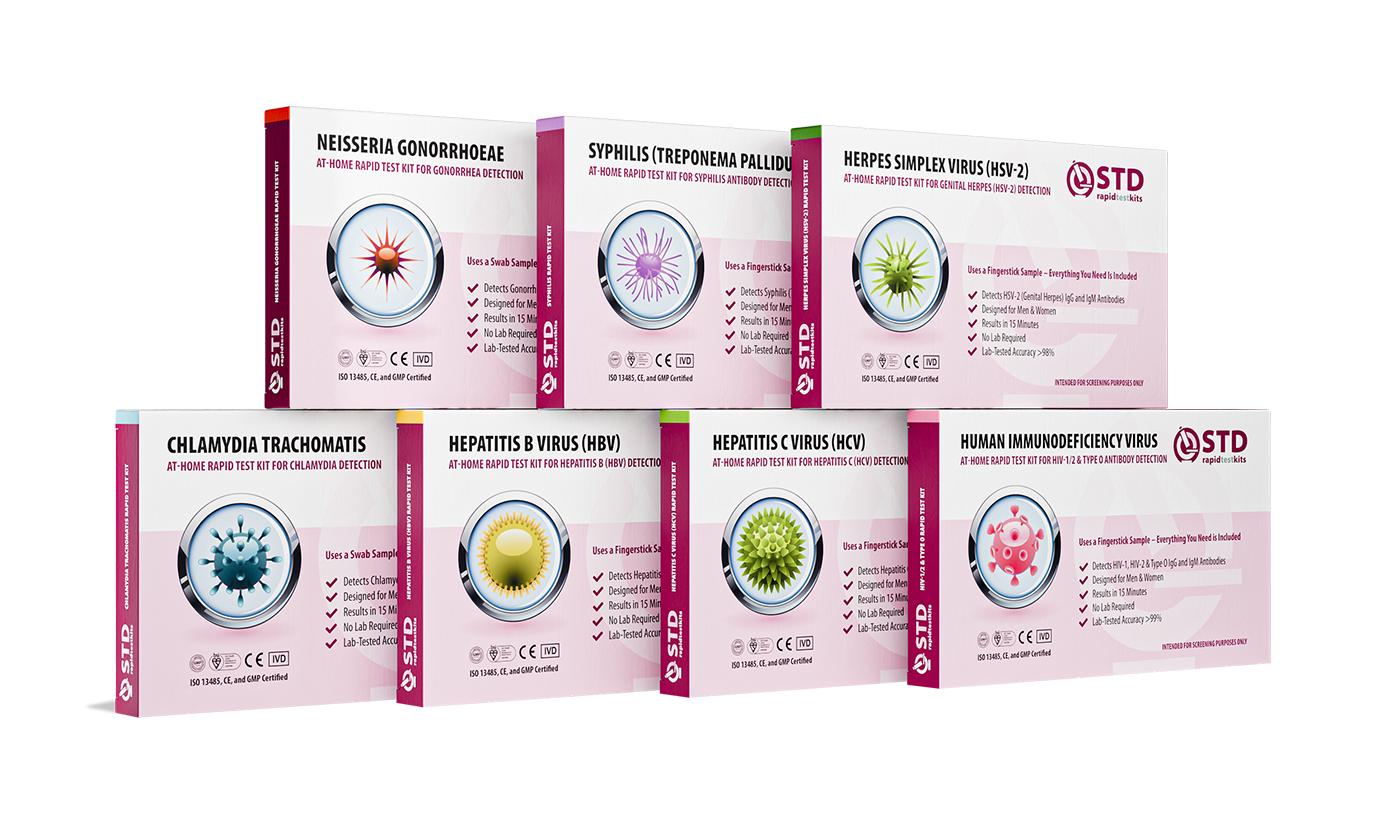
 For Men & Women
 Results in Minutes
 No Lab Needed
 Private & Discreet
Order Now $129.00 $343.00
For all 7 tests
When It’s Not an STD or Emergency, But Still Matters
Not all testicle pain comes from infection or urgent trauma. Sometimes the culprit is structural or even… hormonal. That doesn’t mean it can’t mess with your comfort, fertility, or mental health. Here’s what else might be going on.
- Varicocele: This is like having varicose veins, but in your scrotum. It hurts a lot, especially when you stand or work out. You might not notice it until you start to worry about getting pregnant. If symptoms don't go away or sperm quality gets worse, treatment can include supportive underwear or surgery.
- Hydrocele is when fluid builds up around the testicle, making it feel heavy and swollen. Most of the time, they don't hurt, but big hydroceles can be uncomfortable or embarrassing. They aren't dangerous, but if they become a problem, they can be drained or taken out.
- Testicular Tumors: Most testicular cancers don't hurt at first, but some do. If there is pain, it usually feels like pressure or a dull ache. The red flag? A new lump, a change in size or firmness. Don't wait. More than 95% of people with early-stage testicular cancer can be cured.
Some men get chronic testicular pain weeks or months after a vasectomy. This is called post-vasectomy pain syndrome. Nerve entrapment or congestion could be the cause. It is rare, but it is real and can be treated with drugs, nerve blocks, or surgery.
Conditions That Feel Minor But Shouldn’t Be Ignored
| Condition | Symptoms | When to Act |
|---|---|---|
| Varicocele | Heavy ache, worse standing, visible veins | See a doctor if persistent or fertility concern |
| Hydrocele | Swelling without pain, fluid-filled sac | Evaluate if large or causing discomfort |
| Testicular Tumor | Hard lump, swelling, occasional ache | Immediate exam and ultrasound |
| Post-Vasectomy Pain | Chronic dull ache or pressure | Manage with urologist if pain lasts >3 months |
Figure 2. Conditions that might not feel urgent, but require medical attention to avoid long-term issues.
The Hidden Cause: Referred Pain That Mimics Testicle Trouble
Sometimes the testicles aren’t the source of the problem, they’re just where the body sends the pain signal. Common sources of referred testicular pain include:
- Kidney stones: Especially ones that drop low in the ureter can cause stabbing pain that radiates into the groin or scrotum.
- Herniated discs: Nerve compression in the lower back (L1–L2) can cause pain in the testicle area, even if nothing’s wrong with the testicle itself.
- Appendicitis or GI issues: Pain from the appendix or even trapped gas can confuse your brain and be “felt” in the groin. The medical term for this trickery? Referred pain.
The takeaway? If the pain seems to shift, comes with back pain or urination changes, or doesn’t respond to usual testicle-focused care, think bigger. A full-body check may be your best bet.
STD Testing Without the Waiting Room
Here’s the not-so-secret truth: a big chunk of testicle pain cases are linked to infections like chlamydia and gonorrhea. And you don’t need to drag yourself to a clinic to find out. At-home STD test kits are discreet, accurate, and give results in minutes.
These are not “maybe” tests, they’re FDA-approved, clinically backed, and used by thousands of people who prefer privacy, speed, and not having to explain themselves to a stranger in a white coat.
Whether you have pain, swelling, discharge, or just feel off, don’t guess. Know. That ache could be your only warning.
Order a chlamydia test kit now, fast, private, no awkward conversations.
People are also reading: Can You Trust Your Negative STD Test? What to Know
When Waiting Isn’t Worth It
Marcus, 16, Phoenix: “It hit me during gym, sharp, stabbing pain in one testicle. I tried to hide it, but my coach saw my face. We went straight to the ER. Torsion. They operated fast and saved the testicle. If I’d waited ‘til morning… I don’t even want to think about it.”
That’s not drama. That’s biology. Time matters when the pain is sharp and sudden. Same with infection, wait too long, and your fertility, comfort, and peace of mind could take a permanent hit.
Leo, 31: “Mine wasn’t sudden. It came and went. I thought I was paranoid. After six months of pain, turns out it was nerve-related. Physical therapy fixed it, but only after I finally spoke up.”
Different pain, same lesson: testicle issues don’t go away by pretending they’re not there. Early action means better outcomes, and fewer regrets.
What You Can Actually Do to Prevent Testicle Pain
Here’s the honest truth: you can’t prevent every possible cause of testicular pain. Accidents happen. Some infections spread silently. But you can lower your risk, and act faster, with a few practical habits that make a real difference.
Use Protection, Every Time
Condoms aren’t just for pregnancy prevention. They dramatically reduce the spread of STDs that cause testicular pain, like chlamydia, gonorrhea, and trichomoniasis. And remember, oral sex can still transmit infections, so barriers matter there too.
Know Your Body
Do monthly self-exams. Yes, even if you're young. In a warm shower, gently roll each testicle between your thumb and fingers. Feel for any lumps, swelling, or hardness. Familiarity helps you spot changes before they become serious.
Don’t Ignore “Small” Pain
That dull ache after working out? That slight discomfort when you pee? They might seem harmless now. But pain is often the body’s early warning. Trust your gut, and follow up early.
Order That Test
At-home STD testing is no longer some sketchy novelty. It’s mainstream, medically backed, and more private than your doctor’s office. Whether it’s for peace of mind or because something feels off, testing is never overreacting.
Protect the Goods
If you’re playing contact sports and not wearing a cup, you’re gambling with your future. Same goes for lifting without support. Trauma is a common, and preventable, source of testicular injury. Be smart. Suit up.
Give Your Junk Some Air
Tight underwear, compression shorts, and heat-trapping fabrics can irritate nerves, compress veins, and mess with circulation. Opt for breathable cotton. Let the boys breathe.
From Taboo to Talked About: The Testicle Pain Evolution
For centuries, testicular health lived in the shadows. Ancient medicine blamed “imbalanced humors.” Even in the 1970s, most guys wouldn’t dare admit to groin pain unless they were doubled over. But things are changing, and fast.
Campaigns like Movember have helped normalize testicular self-exams and male reproductive health discussions. Influencers and healthcare orgs alike are pushing conversations that were once whispered. That’s not just progress, it’s saving lives.
Today, talking about testicle pain doesn’t make you weak. It makes you smart. Informed. Proactive. And honestly? A better partner, too.
Check Your STD Status in Minutes
Test at Home with RemediumChlamydia Test Kit
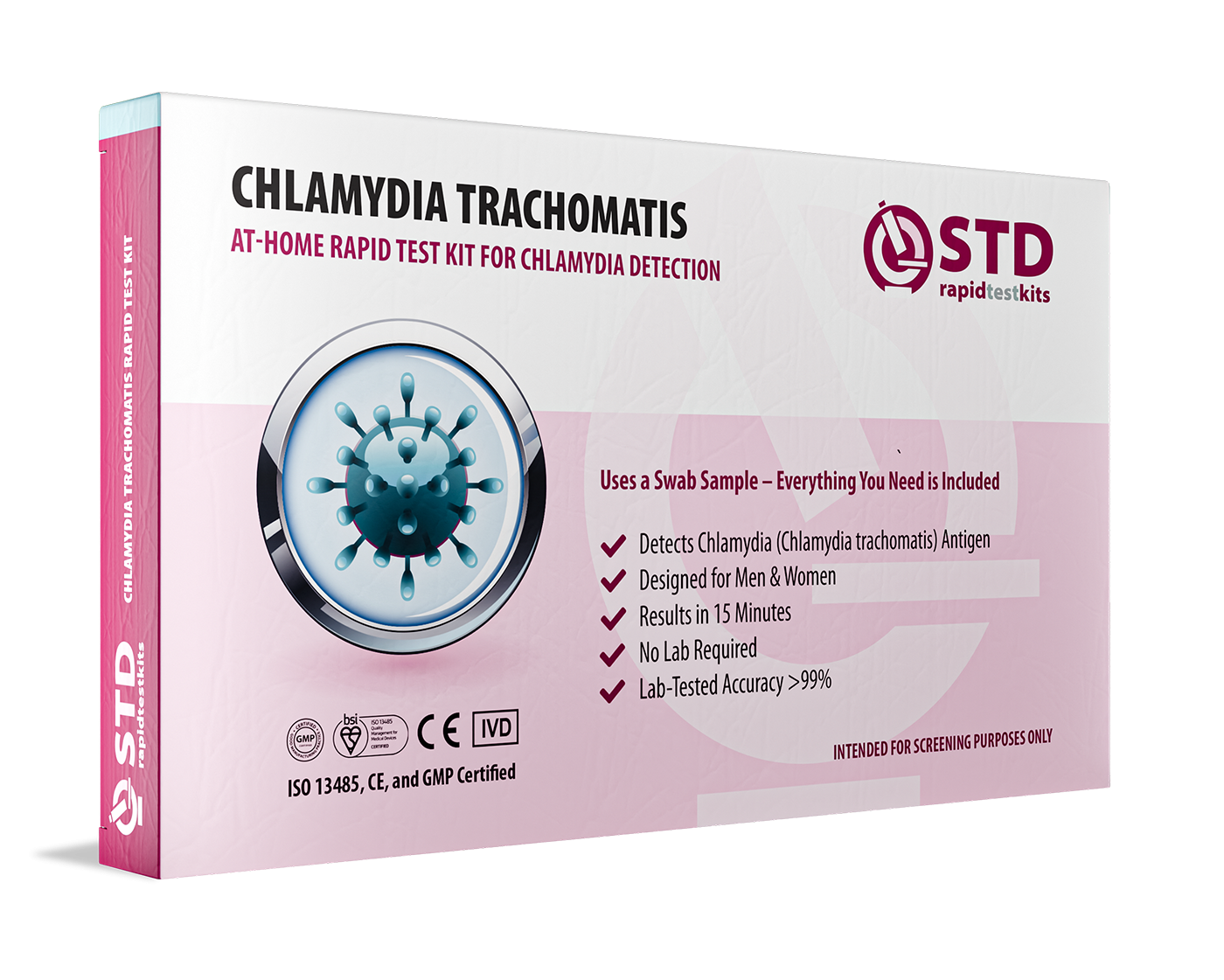 For Men & WomenResults in MinutesNo Lab NeededPrivate & Discreet
Order Now $33.99 $49.00
Real Stats, Real Risk: Why It’s Not “Just In Your Head”
Let’s get factual. Pain in the testicles is common, real, and absolutely worth investigating. Here’s what the data shows:
- 0.5% of ER visits for men under 40 involve testicular pain.
- Epididymitis is the #1 cause of testicular pain in men 18–35, and is often caused by chlamydia or gonorrhea.
- Testicular torsion hits 1 in 4,000 males, especially ages 12–18. It’s a time-sensitive emergency.
- 70% of men admit they rarely or never perform self-exams.
- STDs are on the rise, chlamydia and gonorrhea cases climbed over 4% in 2023.
Translation: testicle pain isn’t rare. Ignoring it isn’t brave. And waiting is the worst strategy of all.
Where This Pain Shows Up in Real Life
This isn’t just about your body, it’s about your lifestyle, your job, and your relationships. Here’s where testicular pain hits hardest:
- Healthcare & Urology: Urologists are seeing more chronic orchialgia cases as awareness (and STD testing) increases. That’s a double-edged sword: earlier care, but longer waitlists.
- Sports & Fitness: Testicle injuries from powerlifting, cycling, and contact sports are common. Clinics now specialize in scrotal trauma rehab. (Yes, that’s a thing.)
- Wellness & Men’s Health: The market is exploding with male reproductive health tools, from breathable boxers to scrotal cooling packs. Pain awareness drives product demand.
- Sexual Health Industry: In-home testing is booming. No awkward clinic visits, no raised eyebrows. Just simple kits that work, and protect.
The bottom line? We’re finally treating testicular pain like the real health issue it is, not a punchline.
Your Next Move: Test, Talk, Act
Ryan, 24 felt a slight heaviness in one testicle. No sharp pain, just something off.
“I panicked. Googled it. Scheduled an exam. Found a tumor early. They caught it before it spread. I’m cancer-free because I didn’t brush it off.”
You don’t need to panic, but you do need to respond. A test, a self-exam, a message to your doctor, every step brings clarity. And clarity is how you move from fear to action.
Markus, 27: “STD clinics spooked me. I did an at-home test after a scare. It was fast. Easy. Didn’t have to talk to anyone. Now I test every 6 months. No drama.”
Explore STD Rapid Test Kits today. Your health, your call, your terms.

People are also reading: Swab or Pee? Choosing the Right Chlamydia Test
FAQs
1. Is it normal for one testicle to hurt and not the other?
Totally. Testicle pain doesn’t follow symmetry rules. One side can flare up from something like epididymitis (often caused by chlamydia or gonorrhea), while the other’s just chilling. The key is paying attention, if the pain sticks around, changes, or swells up, don’t wait it out. Get it checked.
2. How do I tell if it’s torsion or something less scary?
Torsion doesn’t whisper, it screams. Sudden, intense, one-sided pain that makes you double over? That’s torsion until proven otherwise. Nausea, swelling, or your testicle sitting higher than usual are bonus red flags. Go straight to the ER. Don’t Google. Don’t nap on it. Just move.
3. Can stress actually cause testicle pain?
Indirectly, yeah. Stress tightens your pelvic muscles, screws with your posture, and turns every little twinge into a catastrophe in your brain. But don’t chalk up all groin pain to anxiety. Rule out real causes first, then you can blame your job or your in-laws.
4. I had testicle pain after sex. Should I be worried?
Depends. Was it rough? Did you skip lube? Could be irritation. But if it burns when you pee, or the ache keeps creeping back, that’s infection territory. Chlamydia loves to hang out quietly until it hits your epididymis. Don’t wait, test and treat.
5. Can a bike seat really mess with my testicles?
Absolutely. That tiny saddle you’ve been grinding on for hours? It can compress nerves, blood flow, and even lead to chronic groin pain. Upgrade your seat. Stand and stretch. Your scrotum isn’t designed to be a stress ball.
6. What if I found a lump but it doesn’t hurt?
That’s exactly why you shouldn’t ignore it. Testicular cancer often shows up as a painless lump. Pain isn’t the gatekeeper here, change is. If something feels new, firm, or weird, get an ultrasound. Best case, it’s nothing. Worst case, you caught it early. Either way, you win.
7. Are at-home STD tests legit or just a gimmick?
The good ones are legit, like the FDA-cleared, medically reviewed kits from STD Rapid Test Kits. They’re private, fast, and way better than sitting in a waiting room sweating bullets. If you can pee in a cup or prick your finger, you can do this. No judgment, no excuses.
8. How long should I wait before seeing a doctor for testicle pain?
If it’s sudden and severe, no waiting. That’s ER time. If it’s dull but sticking around for more than 3 days, or getting worse, that’s clinic time. Testicles don’t like being ignored. They will remind you, loudly.
9. Can masturbation cause groin pain?
Only if you’re going too hard, too often, or skipping the warm-up. Repeated strain can irritate muscles or nerves, especially if your technique is... let’s say, athletic. But chronic pain? That’s not normal. Get checked if things stay sore.
10. Do I really need to check my testicles every month?
Yes. You check your phone 100 times a day, you can spare 30 seconds for your future fertility. Do it in the shower. Feel for lumps, swelling, or anything that feels different. One check caught early saved Ryan’s life (scroll up if you missed his story). It could save yours, too.
You Deserve Answers, Not Assumptions
Look, testicle pain isn’t just uncomfortable. It’s stressful. Embarrassing. Sometimes even scary. But here’s the good news: most causes are treatable. Many are preventable. And with the right tools, you can take action without leaving your house or battling awkward conversations.
Don’t tough it out. Don’t wait for it to get worse. If you feel pain, swelling, or just that something’s off, take that step. This at-home combo test kit checks for the most common STDs discreetly and quickly.
How We Sourced This Article: We combined current guidance from leading medical organizations with peer-reviewed research and lived-experience reporting to make this guide practical, compassionate, and accurate. In total, around fifteen references informed the writing; below, we’ve highlighted some of the most relevant and reader-friendly sources.
Sources
1. Testicle pain causes | Mayo Clinic
2. Chronic Testicular Pain and Orchialgia – StatPearls (NCBI)
3. Acute Scrotum Pain – StatPearls (NCBI)
4. Testicle pain: MedlinePlus Medical Encyclopedia
5. Epididymitis – Symptoms and causes | Mayo Clinic
About the Author
Dr. F. David, MD is a board-certified infectious disease specialist focused on STI prevention, diagnosis, and treatment. He blends clinical precision with a no-nonsense, sex-positive approach and is committed to expanding access for readers in both urban and off-grid settings.
Reviewed by: J. Tran, NP | Last medically reviewed: November 2025
This article is for informational purposes and does not replace medical advice.


