







Quick Answer: Congenital syphilis is rising due to missed infections between routine prenatal tests. Retesting in the third trimester, especially after any new sexual contact, is critical to protect newborns.
This Is Happening to Healthy Pregnancies, Here’s Why
In 2022, the CDC reported over 3,700 cases of congenital syphilis in the U.S., a 755% increase since 2012. By mid-2025, that number is expected to rise again. And these aren't isolated to any one group. Cases are showing up in rural hospitals and major city birth centers alike. What’s driving the spike? Experts point to overlapping causes: declining public health funding, reduced access to prenatal care, and, most crucially, missed opportunities for retesting.
Most prenatal care includes a syphilis test early in pregnancy, typically during the first OB visit. But if that’s the only screen, it’s often not enough. Syphilis can be picked up any time during pregnancy, especially after a new partner, after relationship changes, or even from a long-term partner who was unknowingly infected. If no one retests, it slips through.
One OB in New Mexico recently shared, “We had three cases in two months, all women who tested negative at 10 weeks. No symptoms. Just missed timing.” That’s the problem with syphilis: it doesn’t announce itself. You can pass it to your baby without a single sore, rash, or warning sign.
Why a Negative Test Doesn’t Always Mean You’re in the Clear
Let’s break down how this works. When you get tested for syphilis during pregnancy, most clinics use a blood test that looks for antibodies. But there’s a catch, it can take up to six weeks after exposure for those antibodies to show up. That’s called the “window period.” If you test too soon after a new exposure, the result might be falsely reassuring. The infection is there, but your immune system hasn’t flagged it yet.
That’s what happened to Jasmine, 25, who moved back in with her ex at 20 weeks pregnant. “We weren’t even really ‘together,’” she said. “I just needed a place to stay.” When she tested again at 36 weeks, only because her provider routinely screened all patients in the third trimester, her syphilis test came back positive. Her baby needed immediate antibiotic treatment after delivery. Without that retest, no one would have caught it.
| Timing of Test | What It Detects | Risk of False Negative | Recommended Action |
|---|---|---|---|
| First trimester (10–12 weeks) | Infections acquired before pregnancy | Low (if no new exposure) | Routine prenatal care |
| Second trimester | New infections after initial test | Moderate | Retest if new partner or risk factors emerge |
| Third trimester (28–32 weeks) | Most recent exposures | Low (if timed right) | Recommended for all pregnancies in high-risk areas |
| At delivery | Late infections or missed testing | Critical for baby’s treatment decisions | Back-up screen if no third trimester testing occurred |
Table 1. Syphilis testing windows during pregnancy and why retesting matters.
People are also reading: Herpes vs. Chlamydia: How to Tell the Difference
“But I Had No Symptoms” , When Syphilis Is Silent
Most people think of syphilis as having telltale sores or rashes. And while those do happen, many infections, especially during pregnancy, go completely unnoticed. That’s because early syphilis symptoms often fade quickly, and in some cases, never appear at all. A missed sore on the vulva or inside the vagina? Easy to overlook. A rash mistaken for heat bumps or pregnancy acne? Common.
And once those early signs pass, the infection enters a latent stage, quiet, but still dangerous. The bacteria Treponema pallidum crosses the placenta and attacks the developing fetus. Without treatment, the outcomes can be devastating: stillbirth, premature birth, bone deformities, neurological damage, or organ failure.
It’s why the CDC now recommends syphilis testing not just at the first prenatal visit, but again at 28 weeks and at delivery for those in high-incidence areas, or anyone with ongoing exposure risks. It’s not about judgment. It’s about timing, biology, and doing what’s right for the baby growing inside you.
Check Your STD Status in Minutes
Test at Home with RemediumSyphilis Test Kit
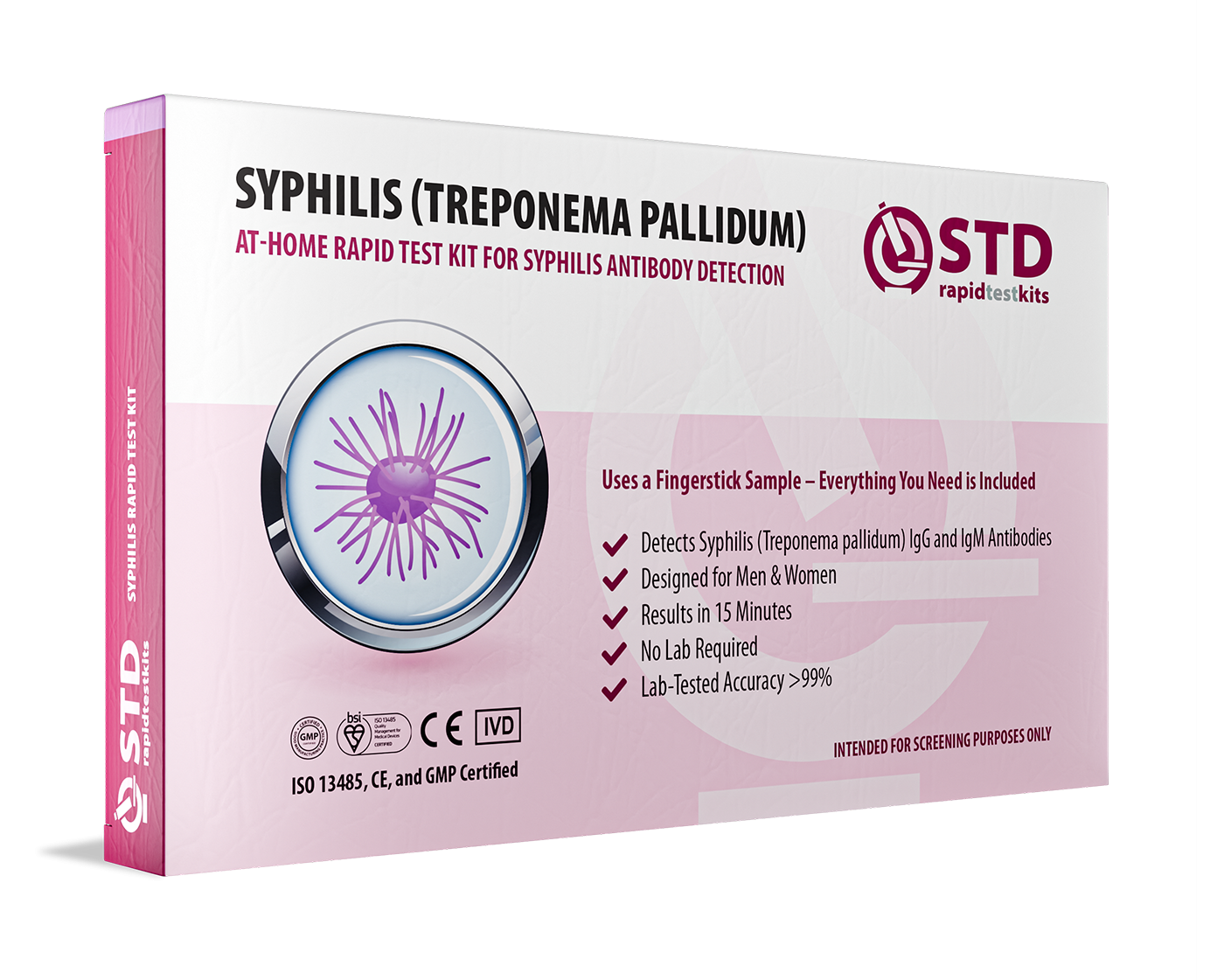
 For Men & Women
 Results in Minutes
 No Lab Needed
 Private & Discreet
Order Now $33.99 $49.00
What Congenital Syphilis Does to Babies (And Why Time Matters)
For most parents, the idea of an STD harming a baby feels distant, like something that happens to other people. But congenital syphilis doesn’t discriminate. It’s not about lifestyle or intention. It’s about biology and timing. When a pregnant person has untreated syphilis, the bacteria can cross the placenta as early as the second trimester. The earlier the exposure, the more severe the potential damage.
Some babies infected in the womb show no signs at birth. Others are born with symptoms that are subtle but devastating: low birth weight, swollen liver, nasal discharge (called “snuffles”), bone pain, or skin rashes that doctors might mistake for other conditions. If not treated within the first few days of life, syphilis can cause blindness, deafness, seizures, developmental delays, or even death.
There’s no soft way to say it: congenital syphilis is one of the most preventable tragedies in modern medicine. And yet, it’s happening more now than it did 20 years ago. That’s why this isn’t just about testing. It’s about when you test, and what you do after.
How Syphilis Testing Works , And Where It Can Miss
When you get tested for syphilis, most clinics use either a treponemal or non-treponemal blood test, or both. Treponemal tests look for antibodies your body creates in response to the infection. Non-treponemal tests measure disease activity and are often used to track how active the infection is over time. Both require your immune system to respond before they can catch anything. That means timing is everything.
For pregnant people, the test process looks simple, just a blood draw. But the interpretation can be more complex, especially if you’re testing close to exposure or if you’ve been infected in the past. And while rapid syphilis tests exist, they’re not yet as sensitive as lab-based screenings, especially during the early or latent stages of infection.
Here’s a breakdown of how the different syphilis testing options compare during pregnancy:
| Test Type | Method | Window Period | Used in Pregnancy? | Key Limitations |
|---|---|---|---|---|
| Treponemal test (EIA, TPPA, FTA-ABS) | Blood draw, lab-based | 3–6 weeks post-exposure | Yes (standard) | Can’t track treatment progress alone |
| Non-treponemal test (RPR, VDRL) | Blood draw, lab-based | 3–6 weeks post-exposure | Yes (used with treponemal) | False positives possible, needs confirmation |
| Rapid syphilis test | Fingerstick or oral swab | Up to 12 weeks post-exposure | Rarely (in prenatal clinics) | Less sensitive during early infection |
| At-home test kits | Blood sample mailed to lab | 3–6 weeks post-exposure | Supplemental only | Requires proper handling & follow-up |
Table 2. Comparison of syphilis test types and their use during pregnancy.
Most OBs rely on a combination of treponemal and non-treponemal lab tests for accuracy. But not all providers automatically retest during pregnancy unless you're in a "high-risk" group. That label, “high-risk”, is part of the problem. Syphilis doesn’t care about your ZIP code. It only cares whether someone retested in time.
Can You Use At-Home STD Tests While Pregnant?
Yes, especially if you’re between appointments or worried something got missed. At-home STD tests, including for syphilis, have become more accurate in recent years and can be a valuable stopgap. They use fingerstick blood samples that you mail to a certified lab. You get results in 2–5 days, and many services include telehealth follow-up.
But they’re not a complete replacement for prenatal care. If you're pregnant and get a positive at-home syphilis result, you’ll need urgent follow-up. That means contacting your OB, getting a confirmatory lab test, and starting treatment, usually penicillin, which is safe in pregnancy and highly effective.
Still, these tests offer something that can’t be understated: peace of mind. One reader shared, “I didn’t want to wait two weeks for my next appointment. I just needed to know now.” That need for immediate clarity is real, and in some cases, life-saving.
If your head keeps spinning and your next OB visit is days away, peace of mind is one test away. Order a discreet combo test kit to check for syphilis and other common STDs from home.
Treating Syphilis During Pregnancy: Time Is Everything
If you’re diagnosed with syphilis during pregnancy, the good news is that treatment is simple, and effective. A single shot of penicillin, given intramuscularly, can cure the infection and dramatically reduce the risk of passing it to your baby. For later-stage infections, more doses may be needed over several weeks. The key? Starting early enough.
Penicillin is the only proven treatment to prevent congenital syphilis. Other antibiotics aren’t reliable in pregnancy, even if they might work outside of it. That’s why immediate follow-up after a positive test isn’t just a suggestion, it’s a medical priority. If treatment starts at least 30 days before delivery, the risk of transmission drops significantly. If it's delayed past that window, the baby may still be at risk, even if labor hasn’t started yet.
Lena, a 29-year-old expectant mom, tested positive at 36 weeks. “I begged for the shot that day,” she said. “I didn’t care if it hurt. I just wanted my baby safe.” Her OB fast-tracked her treatment, and her son was born healthy. But not everyone gets that kind of timing. That’s why testing early, and retesting when needed, can be the difference between a birth story and a NICU stay.
What Happens If a Baby Is Born With Congenital Syphilis?
Newborns exposed to syphilis in the womb are evaluated immediately after birth. If there’s any doubt about the mother’s treatment history or testing timeline, the baby may receive a full workup, blood tests, lumbar puncture, and sometimes X-rays to look for bone changes. It’s invasive, yes. But it’s necessary to make sure the infection hasn’t reached the brain or bones.
Most babies with early congenital syphilis show no symptoms right away. That’s the scary part. They may look perfectly healthy at birth, but symptoms develop weeks or months later. That’s why many newborns receive penicillin injections in the first 10 days of life, even if their tests come back negative. It’s a precaution based on timing and maternal risk.
The CDC's treatment guidelines recommend a 10-day course of intravenous penicillin for symptomatic infants or those born to untreated mothers. For babies whose mothers were treated properly and on time, monitoring may be all that’s needed. But in between? Doctors often err on the side of caution.
One pediatrician put it this way: “It’s a disease we know how to stop. But if we miss it, by a week, a test, a dose, it can leave lifelong scars.”

People are also reading: The Rural Colorado STD Surge No One Is Talking About
If You Test Positive, What About Your Partner?
Partner testing is one of the most overlooked parts of prenatal STD care. If you test positive for syphilis, your current sexual partner, and any partners since becoming pregnant, need to be tested and treated too. Even if they have no symptoms. Even if they think it’s impossible.
Reinfection during pregnancy is a real risk. You can complete treatment, clear the infection, and still get re-exposed if your partner remains untreated. That’s how some congenital cases still happen even when the pregnant person did “everything right.”
Marcus, 33, shared that he didn’t believe the diagnosis at first. “She’s the only person I’d been with. But once I got tested, yep. Positive. I’d had it for months and never knew.” He got treated, and their baby was born without complications. But the outcome would have been different if he'd stayed in denial.
If you’re worried about bringing it up with your partner, you're not alone. Start with: “My doctor said I tested positive for syphilis. They want both of us treated to keep the baby safe.” Make it about prevention, not blame. Your baby’s health depends on both of you showing up.
Check Your STD Status in Minutes
Test at Home with Remedium3-in-1 STD Test Kit
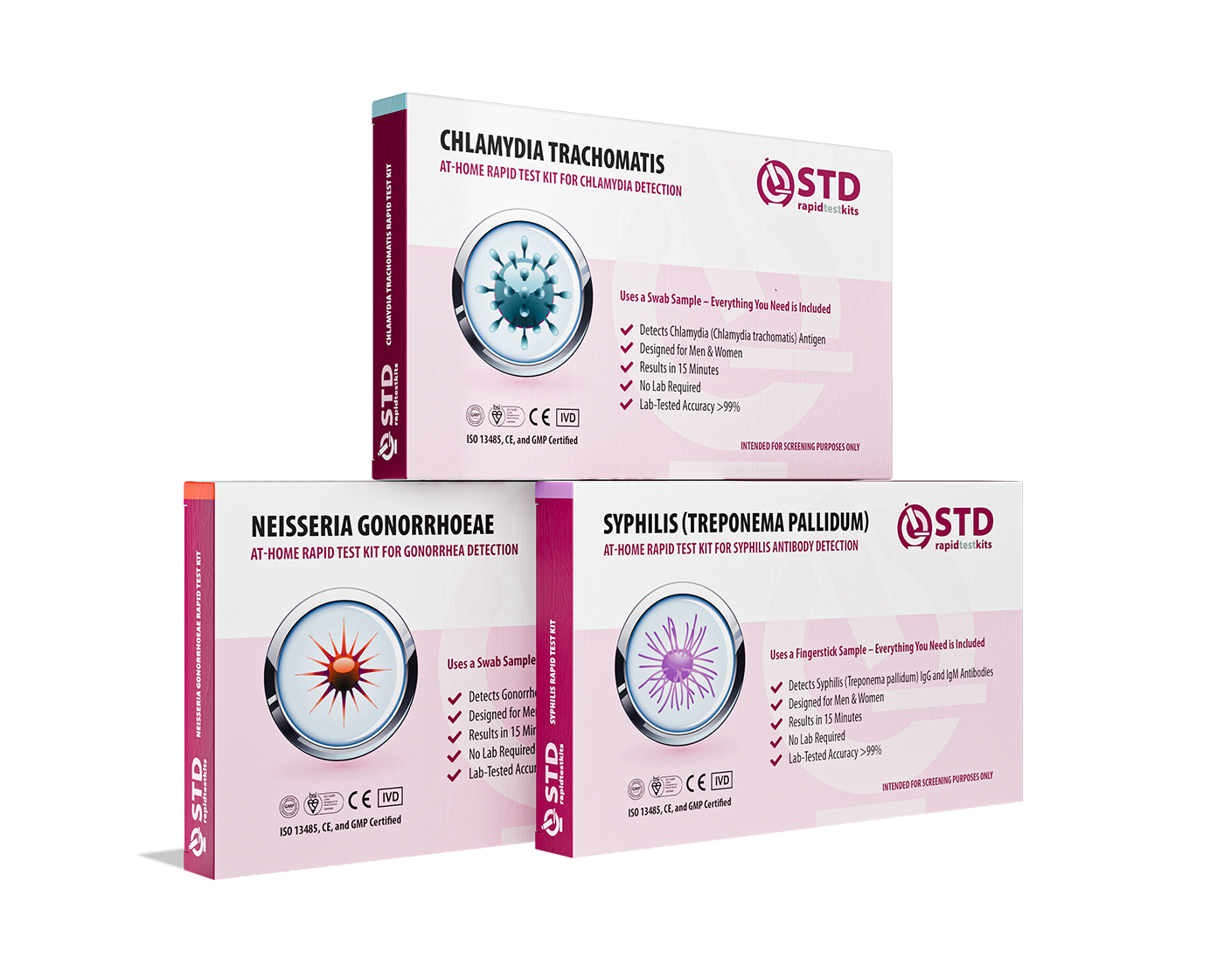 For Men & WomenResults in MinutesNo Lab NeededPrivate & Discreet
Order Now $69.00 $147.00
For all 3 tests
Yes, You Can Get Infected Mid-Pregnancy, Here’s When to Retest
Even if your first prenatal syphilis test came back negative, you should consider retesting in two major scenarios: one, if you’ve had any new sexual partners since that test; and two, if you live in a state or county where congenital syphilis cases are rising (and most are). The CDC currently recommends third trimester testing at 28–32 weeks, and again at delivery in high-risk regions.
But you don’t have to wait for a provider to offer it. Ask. Retesting is usually covered by insurance or Medicaid, and clinics can order same-day labs. If you’re not sure how long it’s been since your last test, ask your provider to check your chart.
Tamika, 19, was in a shelter when she got pregnant. She didn’t start prenatal care until 24 weeks. “I didn’t even know syphilis was a thing anymore,” she said. Her first test came back positive, and she got treated right away. Her daughter was born at 39 weeks, with no signs of infection. That’s the power of catching it, even late.
Return to STD Rapid Test Kits to explore discreet home testing options if you’re between appointments, uninsured, or just need to know now.
FAQs
1. I already tested negative, why are they asking me to test again?
Because that first test only captured a moment in time. You might’ve tested early in the pregnancy, but if anything changed, new partner, relationship shift, even a condom slip, syphilis could’ve slipped in quietly. This isn’t about blame. It’s about biology. And your baby’s safety.
2. Can syphilis really hurt the baby even if I have zero symptoms?
Unfortunately, yes. That’s the whole problem. Syphilis doesn’t always show up with the textbook sore or rash. You could feel completely fine and still be passing the bacteria to your baby through the placenta. It’s silent but serious, which is why we test, not guess.
3. I thought syphilis was a disease from the past. Why is it back?
You’re not wrong. Syphilis was nearly eradicated in the U.S. But funding cuts, care gaps, and rising STI rates brought it back. Now it’s showing up in places like Texas, California, even Montana. It’s not about poverty or promiscuity, it’s about who had access to retesting, and who didn’t.
4. Is treatment safe during pregnancy?
100%. The go-to treatment, penicillin, is not only safe, it’s the gold standard. One shot is often enough if caught early. If you need more doses, your doctor will space them out. The earlier you start, the better the outcome for both of you.
5. What happens if I test positive close to my due date?
There’s still time to act. Even treatment within a couple weeks of delivery can make a difference. Your baby might still need extra monitoring or antibiotics after birth, but you’ll have a care team ready. Late isn’t ideal, but it’s not hopeless.
6. Can I use a home test if I don’t want to wait for my next prenatal visit?
Yes, and lots of people do. At-home syphilis tests let you get answers quickly and discreetly. It’s a fingerstick blood sample you send to a lab, no waiting rooms, no awkward questions. Just know: if it comes back positive, you’ll still need to follow up in person for treatment.
7. My partner says he’s “clean”, do I still need to get retested?
Look, love is beautiful. But syphilis doesn’t care about trust. It cares about exposure. Unless your partner has been tested recently and is monogamous, there’s always a chance. Retesting is a way to protect your baby, not accuse your partner. It’s just smart care.
8. Do babies always show signs if they’re born with syphilis?
Not always. That’s what makes it scary. Some symptoms, like rashes, liver swelling, or bone changes, don’t show up until weeks later. That’s why babies born to untreated or late-treated parents often get antibiotics right away, even if they look healthy. It’s a just-in-case move, and a life-saving one.
9. Can I breastfeed if I had syphilis during pregnancy?
As long as you’ve been treated and you don’t have any sores on your breasts, yes. Breastfeeding is safe. Penicillin clears the infection, and the CDC gives the green light unless there are active lesions near the nipple area.
10. What’s the one thing I should do if I’m even a little worried?
Don’t wait. Whether it’s a retest at your OB’s office or an at-home kit you mail in, getting answers sooner protects everyone. This isn’t about shame. It’s about showing up, for yourself and your baby.
You Deserve Answers, Not Assumptions
Syphilis in pregnancy is preventable, treatable, and beatable, but only if we catch it in time. The system isn’t perfect, and many people fall through the cracks. That’s why it’s okay to double check. It’s okay to advocate for yourself. It’s okay to want another test, even if no one offers it.
Don't put off getting the answers you need. This discreet and quick at-home combo test kit checks for the most common STDs.
How We Sourced This Article: We combined current guidance from leading medical organizations with peer-reviewed research and lived-experience reporting to make this guide practical, compassionate, and accurate.
Sources
1. CDC Syphilis Treatment Guidelines
2. Planned Parenthood – Syphilis Overview
3. Syphilis During Pregnancy – STI Treatment Guidelines (CDC)
4. Syphilis in pregnancy: an ongoing public health threat – PubMed
5. About Congenital Syphilis – CDC
6. Syphilis management in pregnancy: a review of guideline recommendations – PMC
7. Screening for Syphilis in Pregnancy – ACOG
8. Syphilis in Pregnancy and Congenital Syphilis – PubMed
9. Health Alert Template for Congenital Syphilis – CDC
10. Maternal and perinatal risk factors associated with congenital syphilis – PubMed
About the Author
Dr. F. David, MD is a board-certified infectious disease specialist focused on STI prevention, diagnosis, and treatment. He blends clinical precision with a no-nonsense, sex-positive approach and is committed to expanding access for readers in both urban and off-grid settings.
Reviewed by: Michelle Garvey, RN, BSN | Last medically reviewed: November 2025
This article is for informational purposes and does not replace medical advice.


