





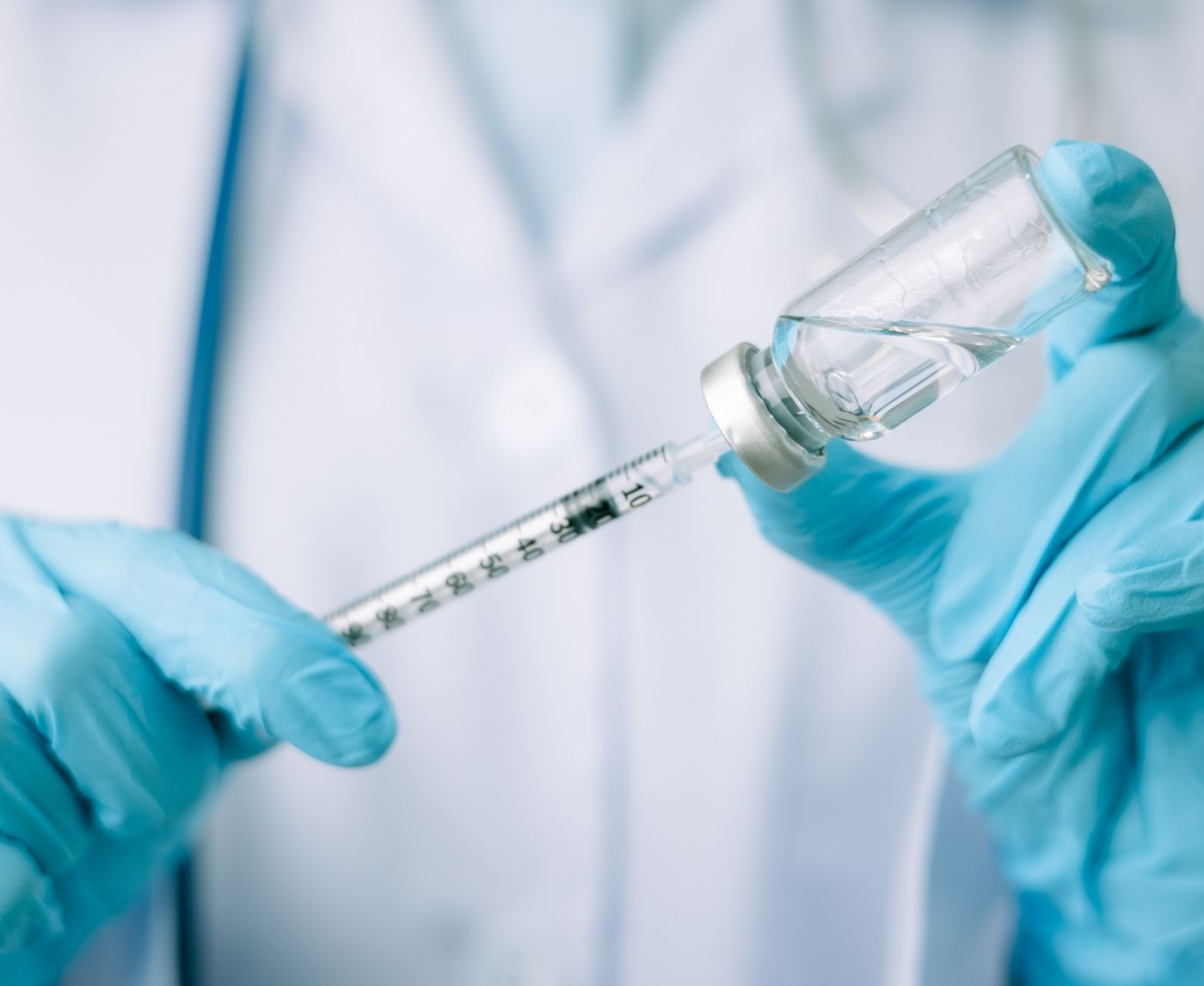

Quick Answer: If you’ve taken antibiotics for chlamydia and still feel stuck, repeat infections, ongoing symptoms, frustration, you’re not imagining it. The standard pill-based treatment is still broadly effective, but growing evidence shows it isn’t always enough. Researchers are now racing to develop a vaccine that could shift the game entirely. While it’s not here yet, preparing for how things might change and safeguarding your sexual health now matters more than ever.
Why Antibiotics May Not Be Enough for Chlamydia
The prevailing story for years has been straightforward: test positive for chlamydia, take antibiotics (commonly a single dose of azithromycin or a week of doxycycline), then done. But the plot is complicating.
First: repeat infections. It turns out that a large share of post-treatment positives are actually reinfections, rather than treatment failures. According to the CDC, “the majority of posttreatment infections do not result from treatment failure but rather from reinfection caused by failure of sex partners to receive treatment or initiation of sexual activity with a new infected partner.”
Then there’s the evidence that even when people follow treatment perfectly, some infections persist. In a clinical review, the treatment failure rate for single-dose azithromycin ranged from about 6.2% to 12.8%. Studies have shown that chlamydia can enter a “persistence” state: viable but hidden inside cells, protected from antibiotics and immune attack. That means symptoms might fade, or even disappear, but the bacteria aren’t truly gone.
In human terms, it means someone like Maya might test negative weeks after treatment, then positive again a few months later, without ever having had a new partner. It creates a loop: test, treat, trust, doubt, repeat.
| Challenge | Explanation |
|---|---|
| Reinfection from Untreated Partners | Even after treatment, exposure to an untreated partner can reintroduce the bacteria, without new symptoms. |
| Persistence State of Chlamydia | The bacteria can “hide” inside cells in a dormant form, evading antibiotics and later reactivating. |
| Antibiotic Resistance | Azithromycin resistance is increasing, with certain strains less responsive to treatment than in the past. |
| Inadequate Follow-Up | Many people never retest, which means unresolved or repeat infections go undetected for months. |
Table 1: Key reasons why antibiotic treatment for chlamydia may fail or result in repeat positives.
The Vaccine Race: Are We Close to a Chlamydia Shot?
In the research world, chlamydia has long been a frustrating opponent. It’s asymptomatic in many cases, can linger undetected for years, and silently damage reproductive systems, especially in women and people with cervixes. But in recent years, hope has emerged from an unexpected direction: clinical trials for a chlamydia vaccine.
In 2019, researchers at Imperial College London began the first human trial of a chlamydia vaccine. The first data looked good. In Phase 1 trials, people had strong immune responses and very few side effects. The trial used a protein subunit method, which is similar to some COVID-19 vaccines, to teach the immune system how to find and kill the bacteria before it could spread.
Since then, several other candidates have entered early development, some using novel adjuvants or targeting mucosal immunity (which is critical in sexually transmitted infections). What’s slowing the pace is what always slows vaccine development: funding, complexity, and the absence of urgency compared to diseases like COVID-19.
But that urgency may be changing. Rising antibiotic resistance and the emotional toll of repeat infections are reframing the need. No one wants to live in a state of constant STI roulette, unsure if their last partner followed through on treatment or whether a previous exposure is still living inside them.
Chlamydia is now the most commonly reported bacterial STI worldwide, with over 129 million new infections annually. In the U.S. alone, the CDC reports more than 1.6 million cases each year. The vaccine may not be optional in the future, it might be necessary.
People are also reading: When to Relax, When to Test: Your Rash Doesn’t Always Mean an STD
Why Do Symptoms Sometimes Linger After Pills?
For many people, finishing a course of antibiotics should bring relief, physically and emotionally. But some find themselves weeks later still experiencing discomfort, spotting, or pelvic pressure. Others report pain during sex or unusual discharge that never fully goes away. It’s a confusing, gut-twisting scenario: if you followed the rules, why doesn’t your body feel better?
The answer is layered. Sometimes, the physical symptoms aren’t caused by chlamydia anymore, but by the inflammation it left behind. Pelvic inflammatory disease (PID), for instance, is a complication of untreated chlamydia that can persist even after the infection itself is gone. Scarring in the fallopian tubes, lingering irritation in the urethra, or disruption of the vaginal microbiome can all make healing a slow, nonlinear process.
Other times, the infection wasn’t fully cleared. Maybe a partner didn’t get treated. Maybe the bacteria entered its “stealth mode” inside your cells. Maybe the test said negative, but your body said otherwise.
Consider Ty, 24, who had a dull ache in his groin that wouldn't go away. His doctor ran three tests over two months, first a urine NAAT, then a swab, then a full panel. His chlamydia test came back positive again on the third. “I was pissed. I’d done everything they told me. I even ghosted someone I really liked because I didn’t want to pass it on,” he says. “But it was still there. No one told me that was possible.”
These lived realities are why vaccine researchers are shifting gears. Prevention may work better than relying on post-infection treatment alone. A shot won’t just be a backup plan, it might be a safer first step.
Check Your STD Status in Minutes
Test at Home with RemediumChlamydia Test Kit
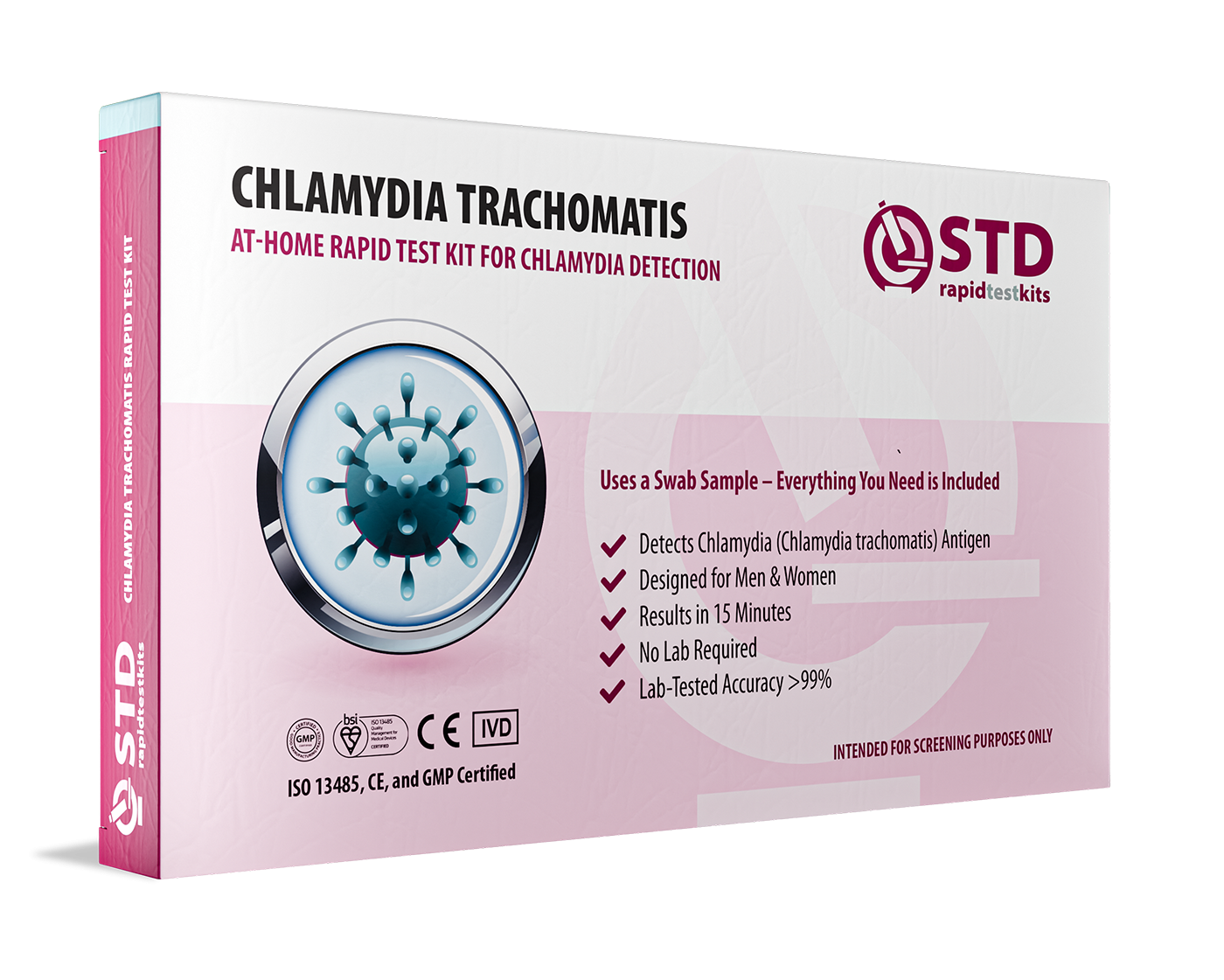
 For Men & Women
 Results in Minutes
 No Lab Needed
 Private & Discreet
Order Now $33.99 $49.00
Repeat Infections and the Emotional Burnout That Follows
When people talk about chlamydia, they often focus on the medical side: symptoms, testing, transmission. But there’s another layer that rarely gets air: the psychological exhaustion of navigating STI care in silence, again and again.
Imagine this: you take the test, wait nervously, get a positive result. You tell your partner. Maybe you cry, maybe you go numb. You get treatment. You abstain. You follow up. Then three months later, you feel that telltale itch or discharge again, and suddenly you’re right back where you started.
This cycle creates shame, anger, confusion, and worst of all, distrust. Distrust in your partners. Distrust in the medical system. Even distrust in your own body.
That’s why so many people drop off the radar after their first or second chlamydia diagnosis. They stop retesting. They stop talking about it. They assume that the system doesn’t work, or that they’re broken. But they’re not. The system just wasn’t built to handle the recurrence reality we’re now facing.
One 2022 meta-analysis found that within a year of treatment, 13–20% of people diagnosed with chlamydia tested positive again. While many were likely reinfected by untreated partners, some were never cleared fully in the first place. That’s a huge emotional and medical toll for something often dismissed as “easily curable.”
It’s also why vaccine research is leaning into the idea of prevention over patchwork solutions. If we can stop the first infection, we eliminate the trauma of repeat diagnoses entirely.
Understanding Your Body’s Timeline After Treatment
The good news? Your body often gives you hints, if you know how to read them. Symptoms that fade gradually after antibiotics are common. But if something feels off, and that feeling stays for more than two or three weeks, it’s worth checking in again.
Timing matters, too. Some people test too early post-treatment, leading to confusing results. NAATs (nucleic acid amplification tests) can detect fragments of chlamydia DNA even when the infection is technically resolved. That can create false positives if tested within three weeks of treatment.
Here’s a clearer picture of what recovery can look like for different bodies and scenarios:
| Time Since Treatment | What’s Normal | What’s Not |
|---|---|---|
| 0–7 Days | Mild spotting, discharge changes, pelvic cramping | Fever, increasing pain, foul-smelling discharge |
| 7–21 Days | Gradual improvement, less discomfort | No change in symptoms, new bleeding, partner symptoms reappear |
| 3–6 Weeks | Feeling mostly back to normal, negative follow-up test if retested | New symptoms, another positive test without new partners |
| 6+ Weeks | Long-term symptom relief, no recurrence | Signs of chronic infection or PID, need for additional treatment |
Table 2: A general guide to symptom progression after antibiotic treatment for chlamydia.
If your symptoms don’t align with this timeline, or if your instincts tell you something’s off, trust yourself. Retesting might not be about fear, it might be about clarity. And clarity is a kind of healing, too.
When Should You Retest, And Why Timing Changes Everything
It’s tempting to rush back in for a test the moment something feels off. And sometimes, that’s exactly what you should do, especially if symptoms worsen or your partner discloses new information. But for many people, the question isn’t “Should I test?”, it’s “When does it count?”
Most public health guidelines recommend a retest around three months after treatment, even if you feel fine. This isn’t overkill. It’s about catching reinfections, stealth cases, and lingering bacteria before they cause long-term harm. And if you’re under 25 or have had multiple partners in the last year, regular testing (every 3–6 months) is often the safest bet.
Jasmine, 27, thought she’d cleared chlamydia after her first round of treatment. But five weeks later, a familiar ache returned. “It was like a déjà vu I didn’t want,” she said. She waited another ten days, nervous, tired, and emotionally wrecked, before retesting. Positive again. A different provider recommended a longer course of doxycycline, plus a follow-up test at the eight-week mark. That one finally came back negative.
What happened with Jasmine isn’t rare. It’s part of the larger reality that STI testing and treatment aren’t always one-and-done. The more you understand about incubation periods, bacterial dormancy, and retest logic, the more empowered you are to advocate for your own body.
And if you’re between appointments or worried about judgment, home testing may offer a bridge. You can order a discreet test kit online and get answers without leaving home, or having to explain anything to a stranger.
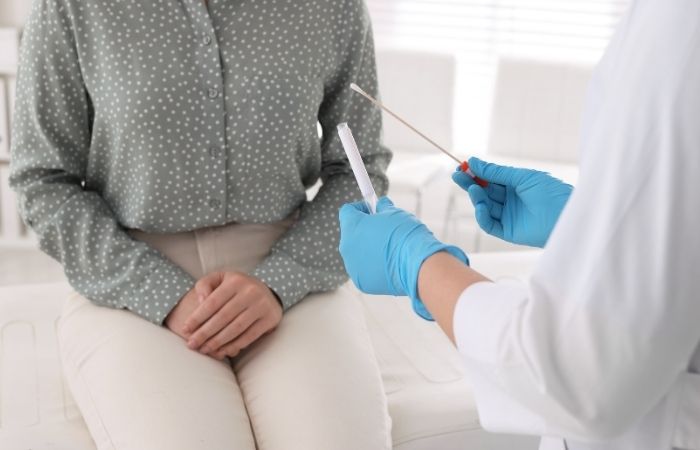
People are also reading: From Bedroom to Lab: How Your STD Sample Gets Tested (and What It Means)
Can a Vaccine Really Change the Game?
Short answer: yes, eventually. But not overnight.
Here’s what we know. The leading chlamydia vaccine candidate in current clinical trials uses a recombinant MOMP protein, essentially, it trains your immune system to recognize part of the chlamydia bacteria before you’re infected. In the Phase 1 trial, participants received either the vaccine or a placebo, and early results were promising enough to move toward larger Phase 2 trials.
However, vaccines take time. The COVID-19 vaccine was an anomaly, decades of prior research plus emergency conditions fast-tracked development. For chlamydia, there’s no warp-speed mechanism. Even if Phase 2 is successful, we’re likely years away from mass distribution.
That said, once available, a chlamydia shot could fundamentally shift how we approach STI prevention, particularly among younger people, those with high-risk partners, or communities with low access to healthcare. It might not eliminate testing, but it could reduce the overall burden of repeat infections, untreated cases, and emotional fallout.
Think about it: no more rolling the dice after every new hookup. No more guesswork about who brought what into the bedroom. A shot won’t erase stigma or replace conversations, but it might make those conversations a lot less terrifying.
Check Your STD Status in Minutes
Test at Home with Remedium3-in-1 STD Test Kit
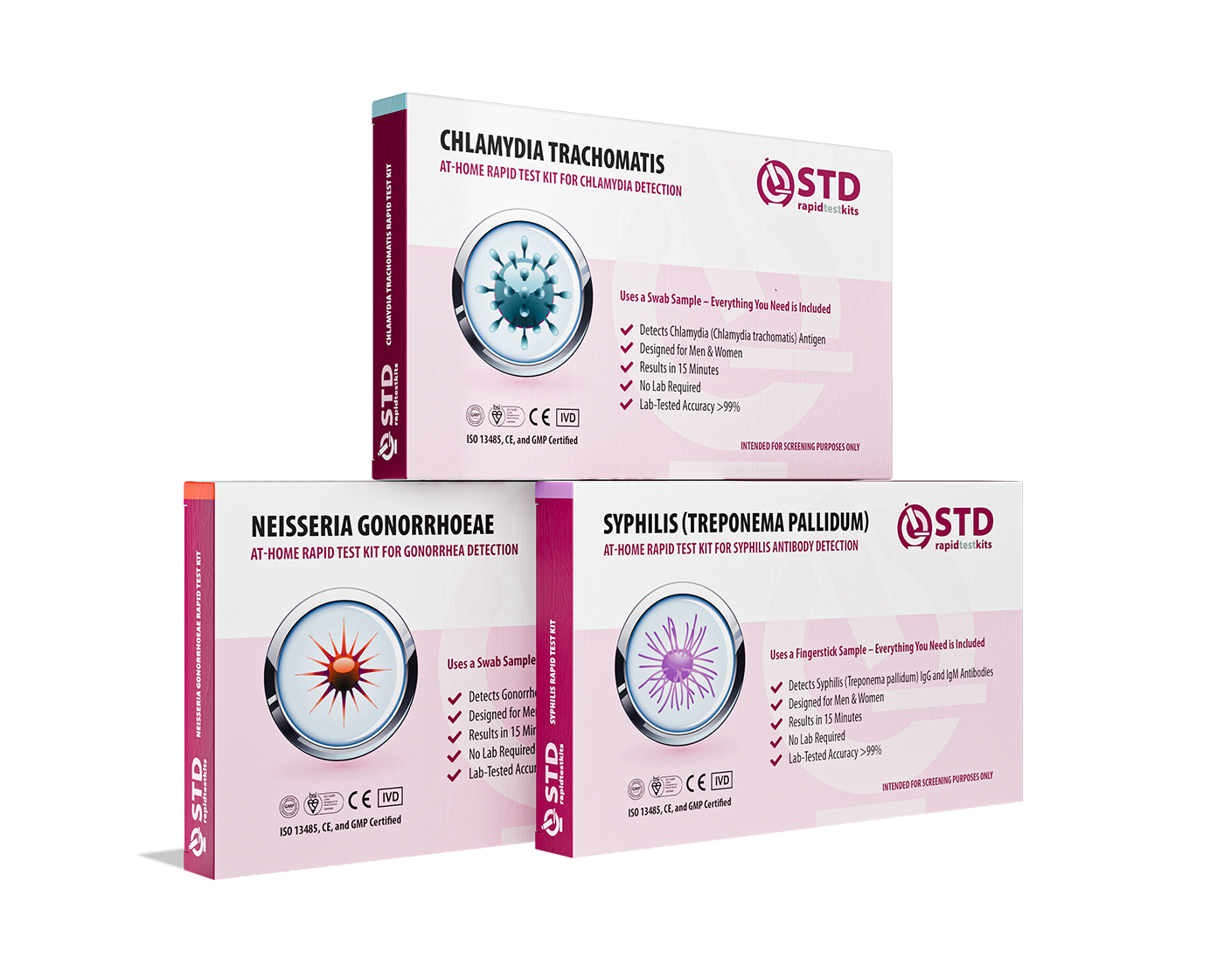 For Men & WomenResults in MinutesNo Lab NeededPrivate & Discreet
Order Now $69.00 $147.00
For all 3 tests
How to Stay Protected Right Now
While we wait for the science to catch up, there’s still plenty you can do to protect yourself and your partners today. The most underrated tool? Regular, judgment-free testing, especially if you switch partners, have non-monogamous dynamics, or rely on oral sex (which many mistakenly think is “low-risk”).
Other tools worth having in your corner:
- Retest after any treatment, even if your symptoms vanish.
- Make sure every partner gets treated, even if they “feel fine.”
- Use condoms for all forms of sex, including oral, when possible.
- Opt for longer antibiotic courses if your provider offers the choice.
- Choose home test kits if you’re between doctors or feel safer testing privately.
And if something doesn’t feel right, whether it’s your body, your partner’s reaction, or your provider’s dismissal, trust yourself. You don’t need permission to take control of your sexual health.
If your head keeps spinning, peace of mind is one test away. This at-home combo test kit checks for the most common STDs discreetly and quickly.
FAQs
1. Why would chlamydia come back after I already took antibiotics?
Because life’s messy, and so is STI treatment. Most of the time, it’s not the meds failing; it’s the reality that your partner didn’t get treated, or you reconnected before their infection was gone. But sometimes, the bacteria just hide out. Chlamydia can enter a low-activity mode inside your cells, making it harder to wipe out with a single dose. So yeah, it’s frustratingly possible to do everything “right” and still end up back at square one.
2. Is there a chance the antibiotics just didn’t work on me?
Yes, and it’s not your fault. Azithromycin, the go-to one-pill wonder, isn’t as bulletproof as it used to be. Some strains are more stubborn now, especially in certain regions. If your symptoms didn’t budge, or they disappeared and came back, talk to a provider about switching meds or extending treatment. This is more common than people realize, but most folks don’t say it out loud.
3. So... is there a vaccine yet or not?
Not yet, but researchers are closing in. The first human trials of a chlamydia vaccine showed real promise, strong immune response, minimal side effects. It’s not on pharmacy shelves yet, but it's not science fiction anymore. Think of it like the HPV vaccine’s earlier cousin: same prevention vibes, different bacteria.
4. I still feel off weeks after finishing antibiotics. Is that normal?
It can be. Your body might still be healing from the inflammation chlamydia caused, even if the bacteria are gone. But if you’re still having discharge, pain, or weird pelvic sensations after 2–3 weeks, don’t guess, retest. Better to know than sit with the anxiety.
5. Can I give someone chlamydia even if I feel totally fine?
Absolutely. Chlamydia is sneaky. Most people have zero symptoms, and still pass it on. That’s why regular testing matters so much. Feeling fine doesn’t always mean you’re in the clear. Your body might not complain, but your bacteria might be partying.
6. What’s the ideal time to retest after antibiotics?
Give it at least three weeks before retesting, anything sooner might show leftover bacterial DNA and give you a false positive. The CDC also recommends testing again at three months, even if everything seems good. It’s not paranoia, it’s prevention.
7. Is oral sex even risky with chlamydia?
Yep. You can get or give chlamydia through oral sex, especially if there’s throat or urethral exposure. It’s not the highest-risk route, but it’s not a free pass either. If oral is part of your sex life (which, hi, for most people it is), you should still test regularly.
8. Could this be why I’m having trouble getting pregnant?
It’s possible. Untreated or recurrent chlamydia can cause pelvic inflammatory disease, which scars the fallopian tubes and makes conception harder. If you’re trying and not succeeding, or even just thinking ahead, bring up STI history with your OB/GYN. No shame, just facts.
9. How good are those at-home STD tests really?
Pretty damn good, if you’re using a trusted brand. Most home kits for chlamydia use NAAT, which is the same lab tech used in clinics. Just follow the instructions exactly, and don’t use expired kits. If something’s unclear or you’re mid-panic spiral, test again. It’s your body, you don’t need anyone’s permission to double check.
10. I’m scared to tell my partner I tested positive. What do I even say?
Start with: “Hey, I just found out I tested positive for chlamydia. I wanted you to know so you can get checked too.” That’s it. You don’t have to over-explain. You’re not accusing them; you’re being responsible. And if they shame you? That tells you everything you need to know about them. Real ones will thank you for being honest.
You’re Not Alone, And You’re Not Powerless
If you’ve been through treatment and still don’t feel better, or if you’re scared to retest because you already know the answer, know this: you are not broken. You’re navigating a system that hasn’t caught up to the reality of repeat infections, treatment gaps, and emotional exhaustion. But you’re also not powerless.
Taking a test is a way to protect yourself and your partners. Every time you talk to someone or decide to stop and listen to your body, you're helping to make a future where STIs can't win by staying quiet. And with vaccines coming soon, that future looks a little better.
Don’t wait and wonder, get the clarity you deserve. Order a discreet chlamydia test kit today and take control of your care, your body, and your next chapter.
How We Sourced This Article: We combined current guidance from leading medical organizations with peer-reviewed research and lived-experience reporting to make this guide practical, compassionate, and accurate.
Sources
1. Treatment Failures in Chlamydia Infections: Clinical Review
2. Persistence of Chlamydia in Epithelial Cells
3. Chlamydial Infections – STI Treatment Guidelines (CDC)
5. First Chlamydia Vaccine Trial in Humans (Nature)
6. Chlamydia vaccines: where are we and how far is there to go? (PMC)
7. Advances in vaccine development (FEMS)
8. Vaccination as a strategy (BMC)
9. Diagnosis & Treatment (Mayo Clinic)
About the Author
Dr. F. David, MD is a board-certified expert in infectious diseases who works to stop, find, and treat STIs. He blends clinical precision with a no-nonsense, sex-positive approach and is committed to expanding access for readers in both urban and off-grid settings.
Reviewed by: J. Linwood, MPH | Last medically reviewed: November 2025
This article is only for information and should not be used as medical advice.


