





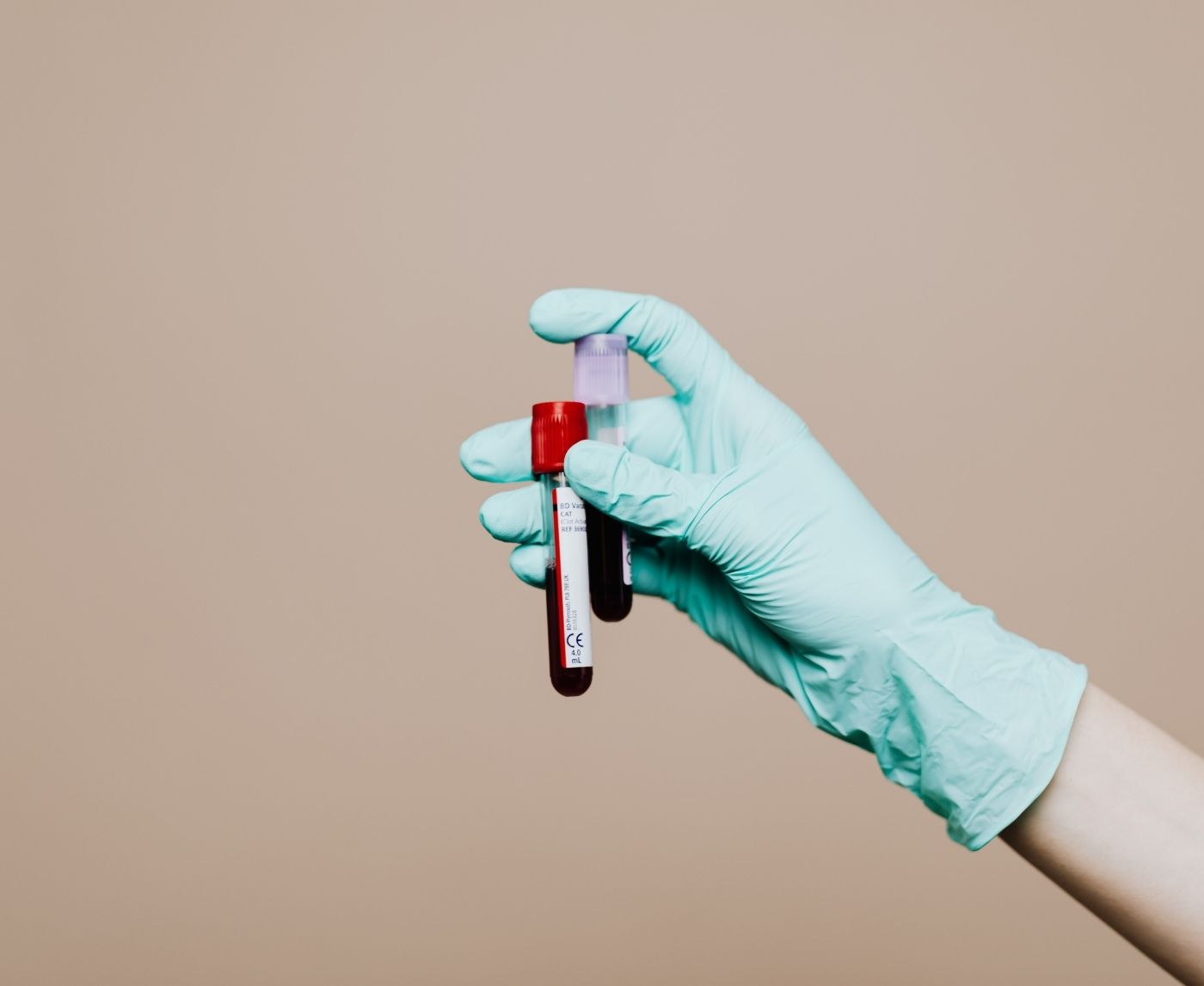

Quick Answer: The best time to test for most STDs is 2 to 3 weeks after exposure, but some infections, like HIV and Syphilis, can take up to 12 weeks to show up on tests. Testing earlier is possible but may require a follow-up test.
Who This Is For, and Why Timing Matters More Than You Think
This guide is for anyone who's had sex recently and can't stop wondering if they should get tested. Whether it was a long weekend with a new partner, a moment of spontaneity, or an accident that left you exposed, you're not alone in this. Plenty of people search "can you test for an STD the next day?" at 3 a.m. It doesn’t mean you’re reckless. It means you care.
Maybe you’ve had symptoms. Maybe you haven’t. Maybe you're waiting on someone else's results. Whatever your situation, we’re here to help you figure out what kind of test you might need, when it will be accurate, and how to protect both your health and your sanity while you wait. We’ll also walk through retesting, privacy, and what to do if you test positive, because clarity is care.
Let’s start by breaking down what actually counts as an STD test, and what doesn’t.
What Actually Counts as an STD Test?
Not all tests are created equal. When we say “STD test,” we’re really talking about several types of diagnostic tools, some looking for DNA, others for antibodies, and some for the actual presence of the organism itself.
The best way to find Chlamydia or Gonorrhea is with an NAAT (nucleic acid amplification test), which is usually done with a urine sample or a swab. These tests are very sensitive, but they only work if there is enough genetic material present. So, timing is very important. Tests that look for both antigens and antibodies can find HIV infection earlier than tests that only look for antibodies. NAAT can sometimes find it even sooner.
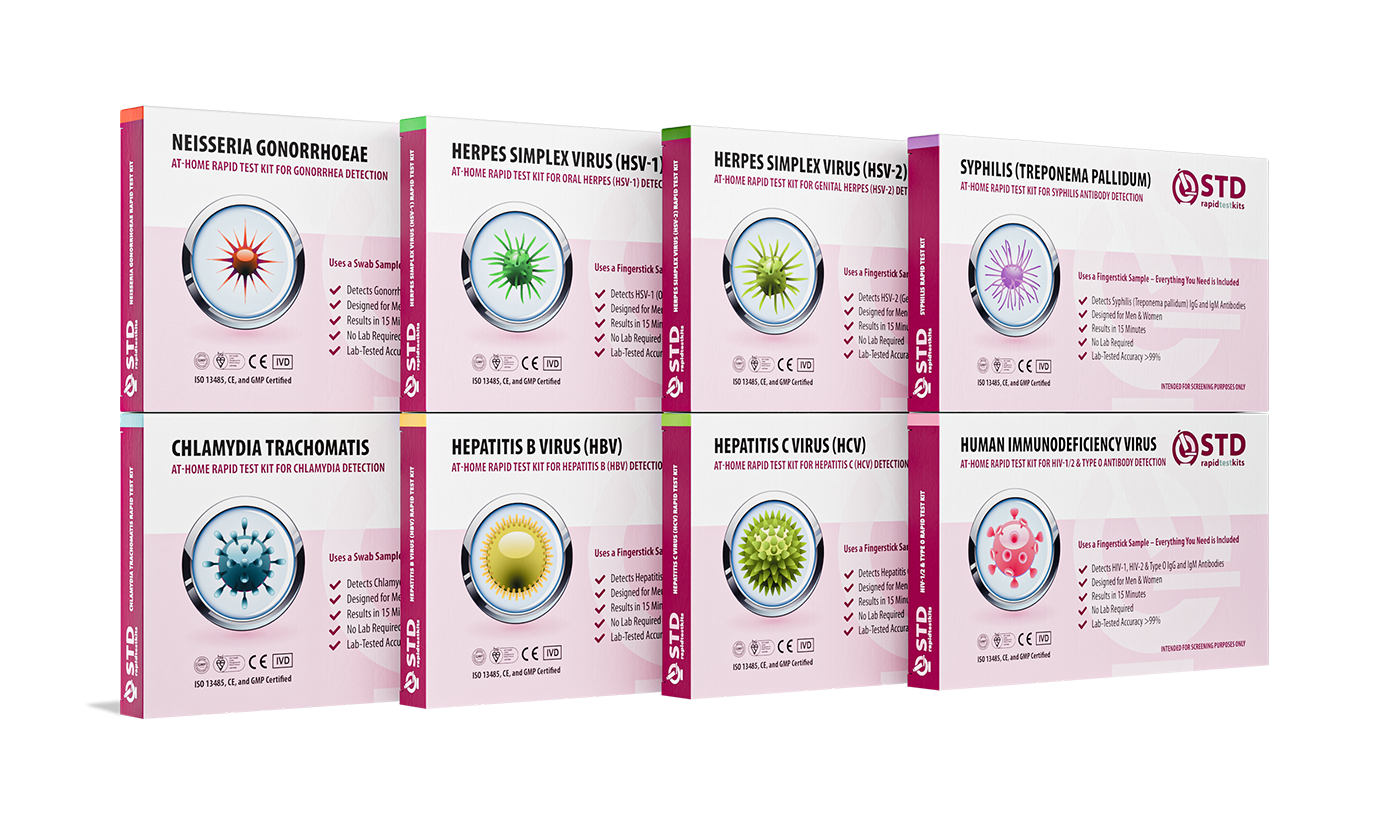
At-home rapid tests, like those offered by STD Rapid Test Kits, typically use a finger-prick blood sample to test for antibodies. They’re discreet, fast, and accessible, especially when you don’t have clinic access or feel too anxious to walk in somewhere. But they do come with trade-offs. For instance, antibody-based tests may not pick up very recent infections, especially if taken within the first few days after exposure.
You can order a discreet combo kit here that covers multiple infections at once, ideal if you’re not sure what you might’ve been exposed to.
People are also reading: Primary Syphilis Is Rising in New Mexico. Here’s Why It Matters
Why Window Periods Matter (And What They Really Mean)
Let’s clear something up right now: the moment you have unprotected sex, you might be at risk, but that doesn’t mean you can test the next morning and get a definitive answer. Every STD has its own “window period,” which is the time between exposure and when a test can reliably detect the infection.
This isn’t the same as the incubation period, which refers to when symptoms might appear. You can be highly contagious and have no symptoms, or feel something’s wrong while still testing negative because it’s too early. Confusing? Totally. But that’s why we’ve made it easy.
| STD | Test Type | Sample | Earliest Detection | Best Accuracy |
|---|---|---|---|---|
| Chlamydia | NAAT (PCR) | Urine or swab | 7 days | 14+ days |
| Gonorrhea | NAAT (PCR) | Urine or swab | 7 days | 14+ days |
| Syphilis | Antibody (Treponemal) | Blood | 3–6 weeks | 6–12 weeks |
| HIV | Antigen/Antibody, NAAT | Blood or oral fluid | 10–33 days | 6–12 weeks |
| Trichomoniasis | NAAT or Rapid Antigen | Urine or swab | 5–7 days | 14–28 days |
Table 1. Window periods by STD. Timing varies slightly depending on the test brand and your immune response. When in doubt, test once and retest later.
Waiting the right number of days doesn’t mean you care less. It means you’re giving the test the best chance of being right.
Check Your STD Status in Minutes
Test at Home with Remedium8-in-1 STD Test Kit
 For Men & Women
 Results in Minutes
 No Lab Needed
 Private & Discreet
Order Now $149.00 $392.00
For all 8 tests
Can You Test Too Early? Yes, Here’s What Happens
Let’s say you had sex two days ago and you’re spiraling. You run to the pharmacy, grab a test, prick your finger, and stare at the line, negative. But deep down, you’re not sure. That’s because many tests simply aren’t equipped to detect infections so early, especially if they rely on your body producing antibodies, which can take time.
Take this fictionalized example: Maya, 27, used an at-home HIV rapid test five days after a condom broke. It came back negative. But something still felt off, so she retested at a clinic three weeks later using a lab-based antigen/antibody test, and that one showed a positive result. She caught it early, got treatment fast, and avoided unknowingly passing it on. But only because she knew early testing isn’t always enough.
Bottom line? You can test early if it helps with peace of mind, but it doesn’t replace the need to retest at the optimal window. If you do test early, mark your calendar for a follow-up.
Rapid Test vs Lab Test vs Mail-In Kits: What You Need to Know
The type of test you choose can shape your experience. Some people want answers now, others are willing to wait for clinical-grade accuracy, and many land somewhere in between. Here’s how it plays out emotionally and practically.
James, 34, lives in a small rural town. After a weekend fling during a work trip, he came home with mounting anxiety but nowhere local to get tested discreetly. He ordered a mail-in combo test kit and overnighted his sample back to the lab. Three days later, his results were in: negative for everything. He followed up with another test a month later just to be sure. That waiting period? Agonizing. But it gave him confidence.
Meanwhile, Ashley, 22, took a rapid test in her car before heading into work, trying to calm her spiraling thoughts. The test gave her a quick answer, negative, but she knew she’d need a second test two weeks later for full peace of mind. She scheduled a follow-up through telehealth that same day.
| Test Type | Speed | Privacy | Accuracy | Ideal For |
|---|---|---|---|---|
| At-Home Rapid Test | Minutes | Very High | Moderate–High | Immediate peace of mind after recent sex |
| Mail-In Lab Kit | 2–5 Days | High | High | Anyone wanting lab accuracy without clinic visits |
| Clinic-Based Testing | Same-day to 1 week | Moderate | Very High | Those with symptoms, high-risk exposure, or needing treatment |
Table 2. Comparing testing methods. Each method has a place, what matters is matching it to your situation and timeline.
What If You’re Still Within the “Too Soon” Zone?
If it’s been less than five days since sex, the truth is that most tests won’t pick up recent infections yet. But that doesn’t mean you have to sit with your anxiety alone. Use this time to get informed, prep your testing plan, and possibly take preventative steps.
For instance, if your exposure involved HIV and occurred within the last 72 hours, you may be eligible for PEP (post-exposure prophylaxis), a medication that can reduce risk of infection when started early. That’s a medical emergency, skip the test and go to a clinic or ER. For other STDs, start the clock and prepare to test at the optimal windows we listed earlier.
If your head keeps spinning, peace of mind is one test away. You can order a rapid combo test kit here and begin your testing journey privately, on your own terms.
Do You Need to Retest? In Many Cases, Yes
Getting a negative result can feel like a breath of fresh air. But if you tested before your infection could be detected, or if you’ve had another exposure, you may need a second round. Retesting isn’t paranoia. It’s smart timing.
Luis, 29, took an at-home test two weeks after a random encounter. Everything came back negative. But four weeks later, he started feeling some discomfort while peeing. He followed up with a clinic test and discovered a chlamydia infection that had been missed the first time due to early testing. One round of antibiotics later, he was symptom-free, but grateful he didn’t ignore his instincts.
Here’s a general guide for retesting:
- After Treatment: Wait 3–4 weeks before retesting to avoid picking up residual DNA or dead bacteria, which can trigger a false positive on highly sensitive tests.
- No Treatment but Continued Risk: Retest 4–6 weeks after the initial test to confirm results, especially if symptoms persist or your partner tests positive.
- New Exposure Since First Test: Start a new testing window based on that new date. Each exposure resets the clock.
It’s okay to test multiple times. Your health isn’t a one-and-done situation, and neither is prevention.
People are also reading: I Thought I Was Safe Because We’re Both Women, Then I Got Herpes
Your Privacy, Shipping Worries, and Discreet Support
Worried someone might find out you ordered a test? We hear that a lot. The packaging from STD Rapid Test Kits is discreet, no mention of sexual health, no embarrassing logos. Just a plain envelope or box.
Shipping times are fast, but they can feel like forever when you’re anxious. If you're planning to test around a vacation, holiday, or shared living space, consider choosing overnight delivery or having it sent to a secure pickup location.
Results are yours and yours alone. No one sees them but you. And if you need support interpreting them, you can use telehealth options or explore the FAQ and testing guides built right into the platform. You stay in control.
Check Your STD Status in Minutes
Test at Home with Remedium6-in-1 STD Rapid Test Kit
 For Men & WomenResults in MinutesNo Lab NeededPrivate & Discreet
Order Now $119.00 $294.00
For all 6 tests
If You Test Positive, Here’s What Happens Next
Let’s say your test result isn’t what you hoped for. That moment can hit hard. You might feel shame, confusion, fear, or just total numbness. Take a breath. Most STDs are treatable. All are manageable. And none of them define your worth.
Sasha, 25, took a combo rapid test after a string of Tinder dates. She wasn’t showing any symptoms, but a friend tested positive and urged her to check. Her results came back showing a possible trichomoniasis infection. She panicked, cried, and nearly ghosted her partner. But she took another test at a clinic, confirmed the result, got treatment, and told her partner with a simple: “I found out something and want to be honest with you.”
If you test positive, here’s what you do:
- Confirm: Especially if your test was done early or via a rapid kit, follow up with a clinic-based or lab-confirmed test to rule out false positives.
- Notify Partners: It’s hard. But it’s necessary. You don’t have to explain everything, just enough to help them protect themselves. Many services even let you notify anonymously.
- Treat Early: Most bacterial STDs (like chlamydia and gonorrhea) are cured with a single dose or short course of antibiotics. Viral infections (like herpes or HIV) require ongoing care, but early treatment helps keep things under control.
You can still have a full, healthy, sex-positive life. Testing positive is a medical event, not a moral failure.
Need to test again? Want to test a partner? You can order another combo test kit here with fast, private shipping.
FAQs
1. Can I really test for an STD the day after sex?
You can test, but it probably won’t tell you much. Most STDs need time to show up in your body before a test can catch them. Think of it like trying to take a pregnancy test the morning after sex. It's too soon. Some people test at day one just to calm their nerves, but plan to retest a bit later for real answers.
2. What if I don’t have symptoms? Do I still need to test?
Totally. In fact, the majority of people with STDs have zero symptoms. Nada. You could feel perfectly fine and still have something brewing under the surface. That’s why routine testing, especially after new partners, is key. No shame. Just smart.
3. When is the best time to test for HIV?
If you want the most accurate results, get a lab-based antigen/antibody test 4 to 6 weeks after being exposed. Some HIV RNA tests can find it earlier, in about 10 to 14 days, but they aren't always easy to get. If you had a risky encounter within the last 72 hours, don't get tested. Instead, ask about PEP. Timing is very important here.
4. I used a condom. Do I still need to worry?
Condoms are amazing, seriously, shoutout to latex. But they’re not a magic forcefield. Infections like herpes, HPV, and syphilis can still spread through skin contact outside the covered area. So yes, it’s still smart to test if something feels off or if it’s been a while since your last screen.
5. Can a test miss an infection?
Yes, and it usually comes down to timing. If you test too early (say, five days after sex), the bug might not be detectable yet. That’s called a false negative, and it’s sneakier than people realize. Best move? Wait until your window period sweet spot, then test, and retest if needed.
6. I tested negative but I still feel weird. What now?
Your body’s telling you something, and that matters. It could be an early infection, or something else entirely, like a UTI, yeast overgrowth, or just anxiety messing with your head. If your symptoms don’t go away or you just don’t feel right, get checked again. You’re allowed to advocate for yourself.
7. What test should I pick if I have no idea what I was exposed to?
Honestly? Go with a combo kit. It checks for multiple infections at once, like chlamydia, gonorrhea, syphilis, and HIV, so you’re not guessing. It's what we recommend if you're not sure what your partner may have had or if you had multiple encounters. One and done.
8. Is at-home testing really accurate?
Yes, with a few caveats. Follow the instructions to the letter (like, seriously, don’t skip the timer). Make sure you’re testing after the right number of days post-exposure. At-home kits aren’t perfect, but the good ones are solid and FDA-approved. Many folks use them for peace of mind between partners.
9. Should I tell my partner if I’m getting tested?
That depends on the vibe, the relationship, and your comfort. If it was a one-time thing and you just want to know for you, that’s valid. If it’s someone you’ll keep seeing, honesty builds trust. You can even say, “Hey, I test regularly. Want to do it together?” Normalize it. Make it sexy.
10. Do I have to wait to have sex until I test again?
Short answer: it’s safer to wait. Long answer: we’re not here to police you. If you do have sex before retesting, use protection and be honest about your testing timeline. Testing is about harm reduction, not perfection.
You Deserve Answers, Not Assumptions
Sex is supposed to feel good. What follows afterward, panic, silence, worry, shouldn’t undo that. The truth is, most of us will have an STD scare (or several) in our lives. That doesn’t make us dirty. It makes us human. What matters is how we respond.
So if you’ve been wondering whether to test, when to test, or how to do it privately, the time is now. Not to punish yourself. To protect yourself. To find peace. Testing isn’t just for the careless or the unlucky. It’s for the smart, the caring, the brave. It’s for you.
Don't wait and wonder; get the clarity you need. This home test kit checks for the most common STDs quickly and privately.
How We Sourced This Article: We combined current guidance from leading medical organizations with peer-reviewed research and lived-experience reporting to make this guide practical, compassionate, and accurate.
Sources
1. Getting Tested for STIs | STI | CDC
2. Sexual Assault and Abuse and STIs – STI Treatment Guidelines | CDC
3. Check‑ups and STI Testing | Fraser Health
4. STI Screening and Treatment Guidelines – NCBI Bookshelf
5. How Long Does It Take for an STD to Show Up? | Healthline
6. Get Tested for STIs | American Sexual Health Association
About the Author
Dr. F. David, MD is a board-certified expert in infectious diseases who works to stop, find, and treat STIs. He blends clinical precision with a no-nonsense, sex-positive approach and is committed to expanding access for readers in both urban and off-grid settings.
Reviewed by: Dr. Lena H. Salazar, MPH | Last medically reviewed: November 2025
This article is for informational purposes and does not replace medical advice.


