





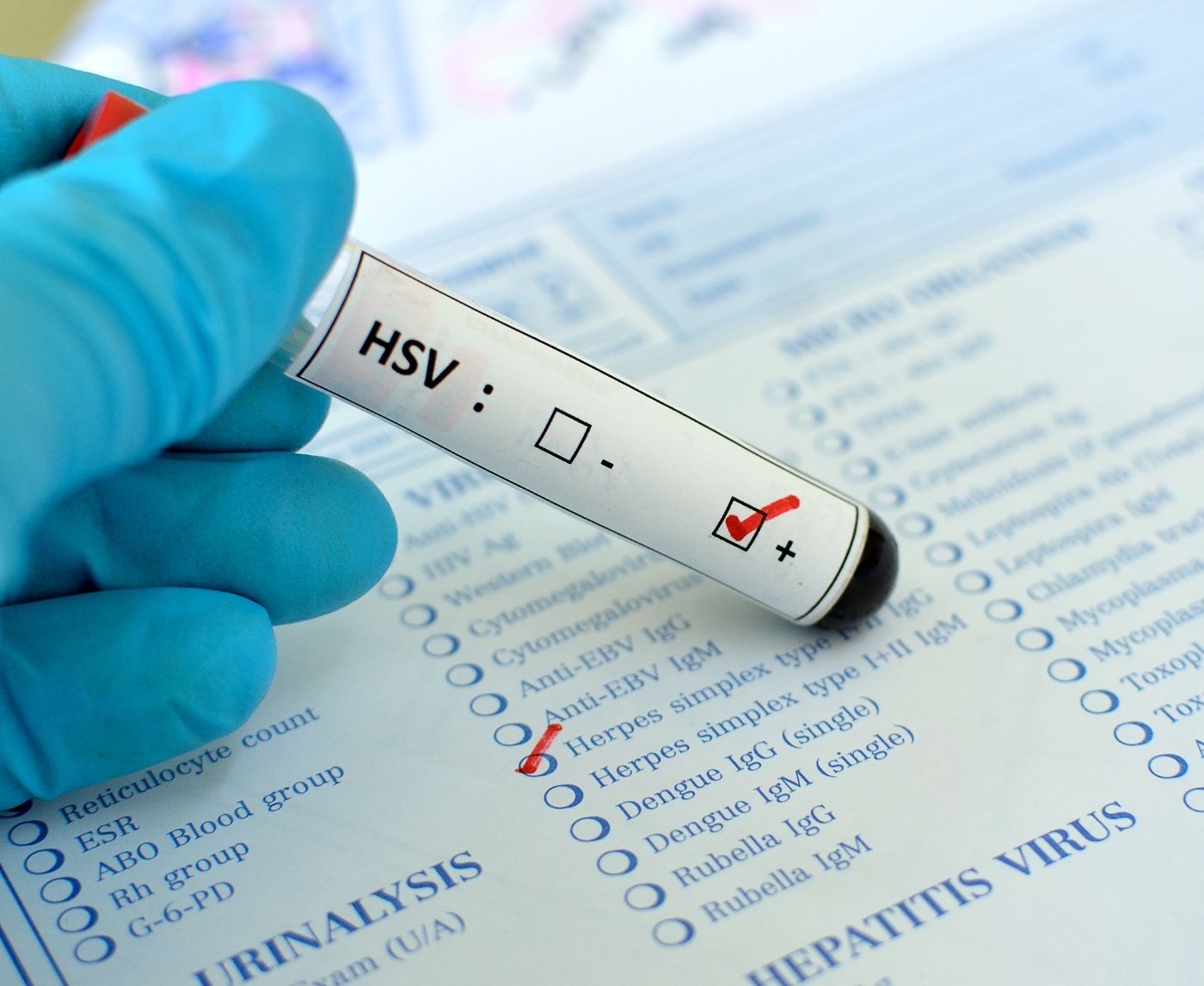

Quick Answer: Testing positive for herpes means you have HSV-1 or HSV-2, but most cases are manageable, often asymptomatic, and highly treatable with suppressive therapy. Next steps include confirmatory testing, exploring treatment, and learning how to manage outbreaks or transmission risks.
This Diagnosis Isn’t the End, It’s a Beginning
Let’s start with something they don’t usually tell you in the clinic: a herpes diagnosis hits harder emotionally than physically. For many, the first few hours feel like heartbreak and horror rolled into one. You’re probably wondering if you’ll ever have sex again, if you’re dirty now, or if this changes how people will see you. The answer to all those silent, screaming questions? You’re still you. This doesn’t erase your worth, your desirability, or your future.
One reader, Camila, 28, described staring at her phone in the parking lot after her results came in. She said, “I thought I’d never be touched again. Like I had a stamp on me. But my therapist said, ‘Herpes isn’t your personality.’ That sentence saved me.”
This guide is about exactly that, how to move from shame spiral to solid footing. It’s not just what to do clinically, but what to do emotionally, socially, sexually. Whether this is HSV-1, HSV-2, oral or genital, with symptoms or none at all, we’re walking through this together. First, let's start by making sure your diagnosis is real.
First Things First: Did the Test Actually Confirm It?
Not all herpes tests are created equal. The test you took matters, especially if you were asymptomatic. Blood tests (often called IgG or IgM antibody tests) can detect exposure, but they can also confuse the issue, especially early on or with cross-reactions between HSV-1 and HSV-2. A swab of an active sore is more definitive, but only if taken within a short window, ideally within 48 hours of symptom onset.
If your test was a blood draw but you’ve never had symptoms, don’t panic. You may want to get a confirmatory type-specific IgG test or repeat testing in a few months. According to the CDC, false positives, especially with HSV-2, can happen when index values are low (between 1.1 and 3.5). That’s why many providers follow up with a confirmatory Western Blot or avoid unnecessary testing altogether unless there are clear symptoms.
Jordan, 34, shared: “I tested positive for HSV-2 on a routine STD panel. No symptoms. I spent three months thinking I was infected, until my confirmatory test came back negative. Those were the darkest months of my life, over a lab number.”
This isn’t meant to scare you. It’s meant to empower you. If your diagnosis came from a reliable test with symptoms present, then yes, it’s real. But if you’re unsure how the test was done or what exactly you were tested for, request your full lab report and ask for clarity. That’s your right. No shame in wanting a second opinion before reshaping your life.
People are also reading: The Role of STD Awareness Campaigns
Table 1: Understanding Herpes Tests and What They Show
| Test Type | What It Detects | Best For | Limitations |
|---|---|---|---|
| Swab (PCR or culture) | Active virus DNA in a sore | During visible outbreak (0–48 hr) | Misses dormant or healing infections |
| IgG Antibody Blood Test | Antibodies to HSV-1 or HSV-2 | Confirming prior exposure | Can’t determine when or where infection occurred |
| IgM Antibody Test | Early antibodies post-infection | Rarely used now | High rate of false positives; unreliable |
| Western Blot | Highly specific antibodies | Confirming uncertain blood test results | Not widely available; expensive |
Table 1: Different herpes tests serve different purposes. If your diagnosis was from an unclear or non-type-specific test, confirm it before jumping to long-term conclusions.
Check Your STD Status in Minutes
Test at Home with RemediumGenital & Oral Herpes Test Kit
 For Men & Women
 Results in Minutes
 No Lab Needed
 Private & Discreet
Order Now $75.00 $98.00
For all 2 tests
What You Might Feel, And What You Might Never Notice
Herpes can be loud, or it can be silent. That’s one of the reasons this diagnosis messes with your head, it doesn’t always “feel” like an STD. You might imagine painful blisters, fevers, and dramatic outbreaks. For some, that’s real. But for most? It’s a quiet virus. Maybe a small bump mistaken for a razor nick. Maybe a mild tingling that lasted a day. Or nothing at all.
Kris, 31, only got tested because their partner’s ex disclosed a past herpes diagnosis. “I had zero symptoms. Literally nothing. I tested positive for HSV-2, and my first thought was: ‘How many years have I had this without knowing?’”
That’s not unusual. In fact, according to the World Health Organization, over 80% of people with HSV-2 don’t know they have it. It’s that common. The stigma is ancient, but the virus is mundane.
If you’re symptomatic, first outbreaks often happen within 2 to 20 days of exposure. They can include painful sores, burning urination, flu-like symptoms, and swollen lymph nodes. Recurrences tend to be milder and less frequent over time. Triggers vary: stress, hormonal changes, friction, or illness can all wake the virus up.
But if you’re asymptomatic? You’re not broken. You’re just one of the majority. Herpes isn’t a moral test. It’s a virus. And most of the time, it behaves more like a background notification than a full-body alert.
Treatment Isn’t Just Pills, It’s Power
Here’s the truth: herpes can’t be “cured,” but it can be silenced. Antiviral medications like acyclovir, valacyclovir, or famciclovir can dramatically reduce symptoms, shorten outbreaks, and lower the risk of transmission, especially when taken daily as suppressive therapy.
Some people only take meds during outbreaks (episodic treatment). Others take them daily for years (suppressive treatment). Neither path is wrong. It depends on your body, your symptoms, your sexual life, and your peace of mind.
Monica, 40, said, “The first year, I had four outbreaks. I felt betrayed by my body. Then I started daily meds, and haven’t had one in two years. The mental relief was bigger than the physical relief.”
It’s not just about reducing blisters. It’s about restoring agency. Knowing you can lower your partner’s risk. Knowing you’re not waiting for the next flare-up. Knowing you have tools.
Suppression also matters if you’re trying to conceive, navigating a new relationship, or managing other health conditions. And no, taking antivirals doesn’t mean you’re “sicker.” It means you’re managing risk, just like someone who uses condoms or takes PrEP for HIV.
Table 2: Herpes Treatment Options and How They Work
| Medication | Dosage Approach | Purpose | Notes |
|---|---|---|---|
| Acyclovir | 2–5 times daily | Episodic or suppressive | Oldest option; widely available |
| Valacyclovir | Once or twice daily | Suppression or outbreaks | Most commonly prescribed; fewer doses |
| Famciclovir | 2–3 times daily | Episodic or suppressive | Alternative for those with side effects |
Table 2: Treatment options vary by lifestyle and medical preference. Suppression is optional, but powerful for those with frequent outbreaks or high emotional burden.
How Long Should You Wait to Have Sex Again?
This is one of the hardest and most Googled questions, and it doesn’t have a perfect answer. If you’re currently having an outbreak, wait until all sores are fully healed. No tingling, no scabbing, no crusting. Give your body time to settle.
But what if you’re asymptomatic? Or this is your first diagnosis and you’re not sure when you were exposed? Most experts recommend waiting until you've talked to your partner(s), started any preferred treatment, and had at least a few weeks to emotionally process the news. Sex isn’t just about physical readiness, it’s about emotional safety too.
Casey, 25, waited two months after their diagnosis. “Not because I was contagious. Because I wasn’t ready to explain it without crying. Once I could say it without panic, I knew I was ready.”
When you do have sex again, use protection, consider suppressive meds, and be honest. Herpes doesn’t have to kill your sex life, but rushing into it without preparation might bruise your confidence more than necessary. Take your time. You’re not on a deadline.
Talking About It: Disclosure Without the Shame Spiral
Let’s not sugarcoat this, telling someone you have herpes can feel like the scariest part of all. Your hands might shake. Your voice might crack. And the story in your head might say: they’ll leave, they’ll judge, they’ll ghost. But here’s the twist, many people won’t. Especially when you own the conversation with calm and confidence.
Tariq, 29, was terrified to tell his new partner. “I practiced in the mirror. I cried. But when I told her, she said, ‘Okay. Thanks for being honest. Can you send me some info on it?’ It was such a relief I almost laughed.”
That’s not everyone's story, but it’s more common than you think. The way you disclose matters. Choose a quiet, private moment. Keep it short and clear. “I want you to know I have herpes. It’s something I manage with treatment. We can talk about protection and options.” Let them ask questions. You’re not responsible for their reaction, but you are modeling what honest, stigma-free health conversations look like.
And if they shame you or disappear? That’s about them, not your diagnosis. You deserve partners who treat sexual health like the team effort it is. Disclosure is a filter. The ones who stay are the ones who deserve your trust.

People are also reading: How People Catch Hepatitis B Without Realizing
Do You Need to Retest? Here's When It Matters
Depending on how and when you were diagnosed, retesting may make sense. If you were tested during an early window (especially with a blood test), your body may not have built detectable antibodies yet. That means a retest in 12 to 16 weeks could provide more clarity, especially if your results were borderline or confusing.
Also, if you’ve had new partners, a recent outbreak, or symptoms that don’t align with previous results, it's worth getting retested with a more specific method, like a swab test during symptoms or a Western Blot through specialty labs like the University of Washington.
Dev, 32, retested six months after their initial HSV-1 diagnosis. “I’d been told it was oral, but I only had symptoms genitally. I wanted to know for sure, not guess. The follow-up helped me understand how I needed to protect my partners.”
Retesting isn’t always about catching something new, it’s about confirming what’s real and ruling out what’s not. And that peace of mind is worth a follow-up.
Check Your STD Status in Minutes
Test at Home with Remedium7-in-1 STD Test Kit
 For Men & WomenResults in MinutesNo Lab NeededPrivate & Discreet
Order Now $129.00 $343.00
For all 7 tests
What About Protection? Living, and Loving, With Less Risk
Here’s the empowering news: herpes transmission can be reduced by up to 96% when using condoms and daily suppressive therapy together. Even without symptoms, the virus can shed from skin near the genitals, but not constantly. That’s called asymptomatic shedding, and it’s most common in the first year after infection.
So what helps?
Daily meds, barrier protection, open communication, and knowing your triggers. For couples where one person is positive and the other isn’t, these steps turn what feels like a wall into a manageable door. Many discordant couples stay together for years without transmission.
Some people even choose to stop using condoms once trust and understanding are built. Others keep them as part of routine care. It’s personal. The key is informed consent, not fear-based avoidance.
There’s also emotional protection: knowing you’re worthy of touch, desire, and joy, even with a virus in your system. You are not just someone who has herpes. You are someone who is still lovable, desirable, and fully human.
Stigma Doesn’t Live in Your Blood, It Lives in Culture
The hardest part about a herpes diagnosis is often the silence it brings. The whispered conversations. The absence of role models. The endless “clean” jokes. But let’s get this straight: herpes is normal. Like, actually normal. Globally, two out of three people under 50 have HSV-1. One out of eight has HSV-2. And those are just the people who’ve been tested.
Maya, 22, found power through transparency. “I posted on Reddit about my diagnosis and got flooded with comments from people saying, ‘Same here.’ It made me feel human again.”
Shame thrives in silence. But herpes loses its power when you talk about it. Share with friends who are safe. Read stories from others. Learn from communities that refuse to whisper.
Because the truth is: you’re not a statistic. You’re not damaged. You’re not alone.
FAQs
1. Can I pass herpes to someone even if I don’t have any symptoms?
Yep, and that’s what makes it tricky. It’s called asymptomatic shedding, and it means the virus can show up on your skin even when you don’t feel or see a thing. It doesn’t happen all the time, but it’s why protection and daily meds can make a real difference, even when everything looks and feels “normal.”
2. I tested positive, but I’ve never had a single sore. Could the test be wrong?
Maybe, but maybe not. A lot of folks carry herpes with zero symptoms. If your result came from a reliable lab and the numbers weren’t borderline, it’s probably accurate. Still confused? A second test, especially a confirmatory one like the Western Blot, can help clear things up.
3. HSV-1 vs HSV-2, why does it matter?
In short: location, recurrence, and stigma (unfortunately). HSV-1 usually shows up on the mouth, but it can live downstairs too. HSV-2 is almost always genital and tends to recur more often. Neither one is "worse." But knowing your type helps you make smart choices around treatment and partner conversations.
4. Can I still have a baby if I have herpes?
100%. People with herpes have healthy pregnancies all the time. Just make sure your OB knows early on so they can help you plan, especially around delivery. Antivirals in the third trimester can lower transmission risk, and most deliveries happen without any complications at all.
5. What if I just found out my partner gave it to me?
First, pause. It’s okay to feel angry, sad, or confused. Many people don’t even know they have herpes, so this might not have been malicious. Once the storm calms, have the hard talk. You both deserve clarity, and maybe even a little grace.
6. Can I still have sex? Like… good sex?
Oh, hell yes. Herpes doesn’t cancel your libido or your worth. Plenty of people have incredible, joyful, totally hot sex lives with herpes. You just have to add a few tools to the mix: condoms, meds if you want them, and honest convos. That’s it. Still sexy. Still fun.
7. Is this going to be in my system forever?
Technically, yes. But that doesn’t mean it’s going to mess with you forever. Most people find that outbreaks fade in frequency and intensity. For many, herpes becomes something they barely think about. A virus, not a life sentence.
8. Can I use an at-home test to find out for sure?
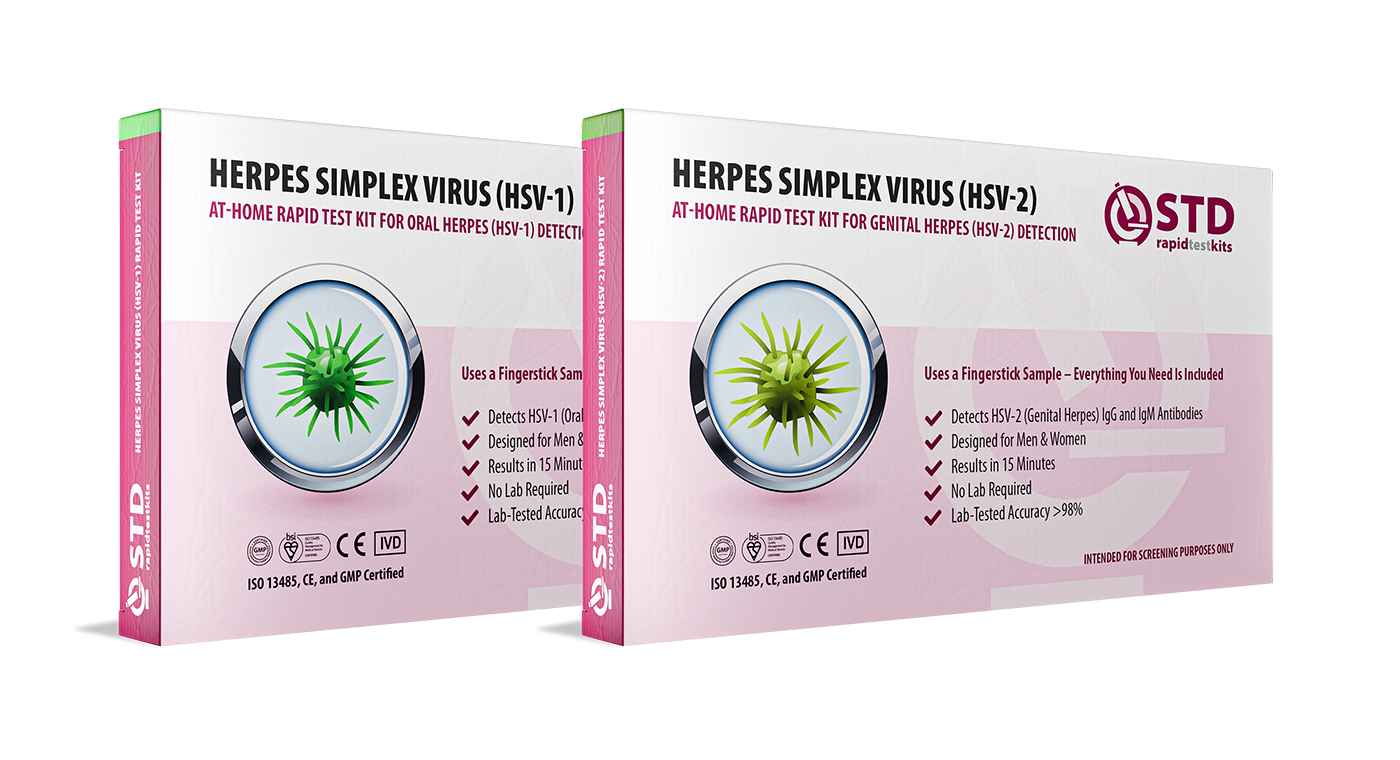
You can. We offer a Herpes 1 & 2 rapid test kit you can take in the privacy of your home. It’s fast, accurate, and gives you the kind of clarity that can stop your brain from spiraling.
9. What if someone doesn’t want to date me because of this?
Then they’re not your person. And that sucks, until it doesn’t. Herpes has a way of revealing who’s emotionally mature and who’s not. Rejection hurts, but it’s not about your value. The right ones won’t flinch. And yes, they do exist.
10. Okay but... I’m still freaking out. What do I do?
Start by breathing. Then read this article again, seriously. Talk to someone safe. Join a support forum. Schedule a follow-up appointment. You don’t need to be “okay” right away. Just take the next right step. You’re not alone. You’re just at the beginning of something new, and survivable.
You’re Still You, Herpes Doesn’t Change That
Here’s the bottom line: herpes is common, manageable, and absolutely not the end of your love life, your confidence, or your future. The first few days may feel dark, but they will pass. You’ll adapt, learn, and likely look back one day and realize, you didn’t just survive the diagnosis, you lived through it and kept living well.
You don’t have to figure this out alone. Whether it’s a question about transmission, treatment, or simply how to talk to someone about it, STD Rapid Test Kits is here to help with discreet tools and real answers.
Don't wait and wonder. Get the answers you need. Get your herpes rapid test kit today and take charge of your health.
How We Sourced This Article: We created this guide to be accurate, helpful, and compassionate by incorporating peer-reviewed research, real-world reports, and the most recent recommendations from leading medical organizations.
Sources
1. WHO – Herpes Simplex Virus Overview
3. Herpes Simplex Virus – WHO Fact Sheet
4. Genital Herpes Treatment Guidelines – CDC
5. Shedding Patterns of Genital Herpes Simplex Virus Infections – JAMA
6. Herpes Simplex Virus‑2 Transmission Probability Estimates – PMC
7. Genital Herpes: Symptoms & Causes – Mayo Clinic
8. Herpes Simplex Type 1 – StatPearls NCBI Bookshelf
About the Author
Dr. F. David, MD is a board-certified infectious disease specialist focused on STI prevention, diagnosis, and treatment. He blends clinical precision with a no-nonsense, sex-positive approach and is committed to expanding access for readers in both urban and off-grid settings.
Reviewed by: Dr. K. Simmons, MPH | Last medically reviewed: November 2025
This article is for informational purposes and does not replace medical advice.


