Published: July 2025 | Last updated: May 2026 | Editorial review and quality control: Martina N.
Hepatitis B is one of the most common bloodborne viruses on the planet, and one of the easiest to miss. The World Health Organization estimates that 254 million people are living with chronic hepatitis B globally, and the majority of them have never been tested or formally diagnosed.
You can carry the virus for years without feeling sick. You can pass it to a partner, a baby, or a household contact without ever knowing it was there. So testing matters as much as vaccination, and understanding the real transmission routes is more useful than fearing the wrong ones.
This guide covers how hepatitis B hides, how it actually moves between people, what vaccination prevents, and how at-home or clinic testing fits into a normal sexual-health routine.
Key Takeaways
- About half of adults with acute hepatitis B never develop classic symptoms like jaundice or nausea, per CDC clinical guidance.
- The hepatitis B vaccine is 80 to 100 percent effective at preventing infection or clinical hepatitis in those who complete the full series, per CDC Pinkbook guidance.
How Hepatitis B Hides in Plain Sight
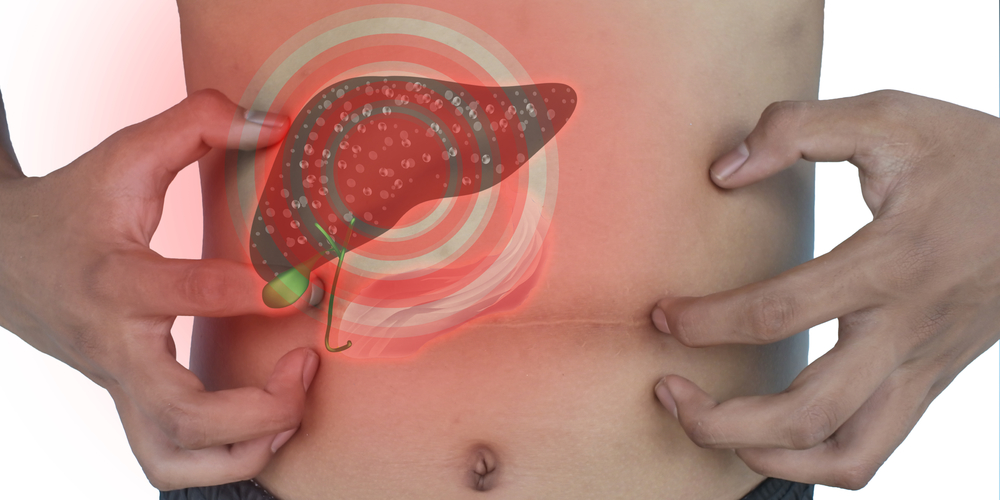
Most adults who catch hepatitis B never develop the textbook symptoms. The CDC's hepatitis B clinical guidance notes that roughly half of adult acute cases produce no signs or symptoms at all. The other half might experience a vague flu-like phase: mild fatigue, low-grade fever, loss of appetite, dark urine, or pale stools. They recover and rarely connect those weeks to a viral infection.
The window where symptoms might appear is also long and ambiguous. Hepatitis B has an incubation period that can stretch from 60 to 150 days, with an average around 90. By the time someone might wonder whether to test, the body has often either cleared the infection or quietly settled into a chronic phase.
A small but meaningful share of adult cases, roughly 5 to 10 percent, become chronic. In infants exposed at birth without vaccine prophylaxis, that share rises to around 90 percent according to CDC Pinkbook guidance. Chronic carriers can feel completely well for decades while the virus replicates in the liver and slowly drives inflammation, scarring, and eventual damage.
The math is uncomfortable. If you have never been tested and were not vaccinated as a child, your hepatitis B status is genuinely unknown until a blood test confirms it. According to WHO 2022 data, only about 13 percent of people with chronic hepatitis B globally were aware of their infection, meaning roughly 87 percent of carriers worldwide are undiagnosed.
Adults who catch hepatitis B clear the acute infection most of the time; only about 5 to 10 percent develop chronic carriage. For infants exposed at birth without vaccine and immune-globulin prophylaxis, that figure jumps to around 90 percent. The earlier the exposure, the higher the lifetime risk of chronic infection, which is why universal birth-dose vaccination is now standard in most national immunization schedules.
Why So Many Cases Go Undetected
Three things make hepatitis B unusually good at avoiding diagnosis.
- The body fights quietly. The early viral phase often produces no inflammation strong enough to cause obvious illness, so the immune system can suppress or clear the virus without the person ever feeling unwell.
- Routine STI panels often skip it. Many sexual-health screens default to chlamydia, gonorrhea, syphilis, and HIV. Hepatitis B is added only on request or in specific risk-based scenarios, leaving most adults uncovered.
- Mild signs get blamed on something else. Low-grade fatigue, appetite changes, and brief nausea are easy to attribute to stress, a head cold, or routine post-viral recovery from any number of common illnesses.
Routine screening typically catches the infection through prenatal blood work, pre-employment medical exams in healthcare or food-safety roles, workups for unexplained mildly elevated liver enzymes, partner testing after one person is diagnosed, and sexual-health panels that include hepatitis B as a default rather than an add-on.
In 2023 the CDC updated its hepatitis B screening guidance: every adult aged 18 and older should be screened at least once in their lifetime using the full triple panel (HBsAg, anti-HBc, and anti-HBs). The change replaced the older risk-based screening model, which missed too many silent infections.
How Hepatitis B Actually Spreads
Hepatitis B is bloodborne and sexually transmitted. It moves through three main routes: sexual contact, exposure to infected blood (including microscopic amounts on shared items), and from a parent to a baby during birth. The virus is highly transmissible through even tiny amounts of blood, which is why dried blood on shared personal items can carry real risk per the Hepatitis B Foundation's transmission overview.
- Sexual transmission. Vaginal, anal, and oral sex with an infected partner can all transmit hepatitis B through bodily fluids and microscopic mucosal injury. Unprotected sex is the most common route in adults in countries with childhood vaccination programs.
- Bloodborne contact. Sharing needles, syringes, or any drug-injection equipment is the highest-risk individual exposure. Less obvious, but real: shared personal items that may carry traces of dried blood, including razors, toothbrushes, nail clippers, and earring posts.
- Perinatal transmission. Without prophylaxis at birth, an infected birth parent passes the virus to their newborn in roughly 70 to 90 percent of cases. Standard care now includes a hepatitis B vaccine and immune globulin (HBIG) within 12 hours of delivery, which prevents most of these infections.
- Healthcare and procedural exposure. Tattoos, piercings, acupuncture, dental work, and cosmetic procedures done in unsterile settings are real but uncommon routes in countries with regulated practitioners.
- Occupational exposure. Healthcare workers, first responders, and laboratory staff face needlestick risk, which is why hepatitis B vaccination is standard for these roles.
Hugging, holding hands, sharing meals or drinks, casual cheek kisses, sneezing, coughing, breastfeeding (in most cases when the infant is vaccinated at birth), or sitting next to someone do not transmit hepatitis B. Saliva carries the virus at much lower concentrations than blood or sexual fluids, so casual contact does not pose meaningful risk. Knowing what is NOT a transmission route is just as protective against stigma as knowing what is.
Everyday Scenarios People Underestimate
The fear-based version of hepatitis B prevention focuses on stranger risks. The actual epidemiology shows that exposure often happens in completely ordinary settings where nobody thinks to ask about blood safety.
A few underestimated routes worth knowing:
- Borrowing a razor or toothbrush at a friend's apartment, an Airbnb, or a hotel where housekeeping does not deep-sanitize personal-care items.
- Getting a tattoo, piercing, or microblading from an unlicensed practitioner, particularly while traveling abroad.
- Sharing manicure or pedicure tools at home or at salons that reuse implements without proper autoclave sterilization.
- Living with a chronic carrier who has never been diagnosed. Routine close contact through shared bathrooms or laundry is generally safe; shared blood-contact items are the actual concern.
- Receiving medical, dental, or surgical care in regions with inconsistent infection-control standards.
What does not transmit hepatitis B is just as important. You cannot catch it from hugging, holding hands, sharing a meal or drink, casual kissing on the cheek, sneezing, coughing, or sitting next to someone on public transit. Saliva carries the virus at much lower concentrations than blood or sexual fluids, so deep-mouth contact involving bleeding gums is a theoretical route while a peck on the cheek is not.
| Activity | Hepatitis B Risk | Why |
|---|---|---|
| Unprotected sex with an infected partner | High | Virus present in vaginal fluid, semen, and blood |
| Sharing needles or injection equipment | Very high | Direct blood-to-blood contact |
| Sharing a razor or toothbrush | Low to moderate | Microscopic blood from shaving cuts or bleeding gums |
| Birth from an infected parent without prophylaxis | Very high | Direct exposure during delivery |
| Tattoo or piercing in an unregulated setting | Moderate | Reused needles or unsterilized equipment |
| Hugging, kissing on cheek, sharing meals or drinks | None | Casual saliva contact is not a transmission route |
Can you have hepatitis B and not know it?
Yes. Roughly half of adults with acute hepatitis B never develop classic symptoms, and chronic carriers can feel completely well for decades while still shedding the virus. Per WHO 2022 data, only about 13 percent of people with chronic hepatitis B globally are aware of their infection, meaning roughly 87 percent of the 254 million carriers worldwide are undiagnosed. A blood test (HBsAg, anti-HBc, anti-HBs) is the only way to know your status with certainty.
Why Vaccination Is the Single Best Defense
The hepatitis B vaccine is one of the most effective vaccines available against any infectious disease. The CDC's Pinkbook chapter on hepatitis B reports that the complete vaccine series is 80 to 100 percent effective at preventing infection or clinical hepatitis in those who receive it, with protection that lasts for decades.
What the vaccine actually does:
- Trains the immune system to recognize the hepatitis B surface antigen (HBsAg) so any future viral exposure is neutralized before infection takes hold.
- Persists for life in most healthy adults. Routine boosters are not currently recommended for immunocompetent adults who completed the original series, per CDC.
- Prevents perinatal transmission when combined with hepatitis B immune globulin (HBIG) at birth, with effectiveness of 85 to 95 percent in preventing chronic infection in newborns of infected birth parents, per CDC Pinkbook.
- Reduces liver cancer rates over time. Hepatitis B is a leading cause of hepatocellular carcinoma worldwide, and population-level vaccination programs have driven measurable reductions in liver cancer mortality.
If you do not know whether you are vaccinated, a quick blood test for anti-HBs antibody (the protective marker) can confirm immunity. The standard adult schedule is three doses over six months. There is also a two-dose Heplisav-B regimen for adults 18 and older that completes in one month, with roughly equivalent efficacy.
If you are pregnant or planning pregnancy, hepatitis B screening is part of routine prenatal care in the United States and most of Europe. Vaccinating any infant born to an infected birth parent within 12 hours of delivery is standard of care.
What Undiagnosed Hepatitis B Can Cost
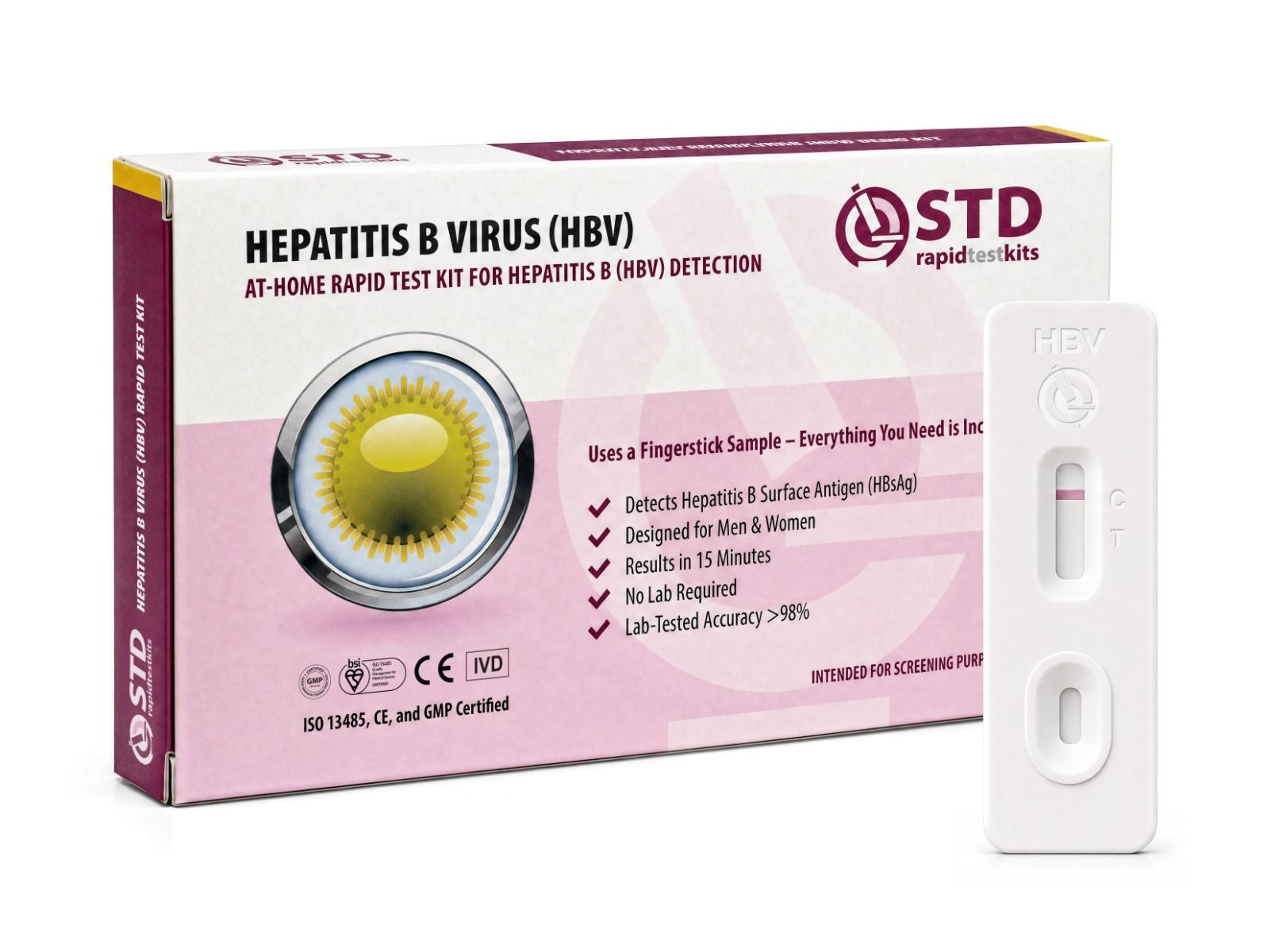
The reason public-health agencies push for routine adult screening is not abstract. Chronic hepatitis B is a leading cause of cirrhosis, liver failure, and hepatocellular carcinoma worldwide. The damage builds slowly, often without symptoms, until the liver loses enough function to show up on bloodwork or imaging.
According to WHO 2022 estimates, hepatitis B caused around 1.1 million deaths globally that year, mostly from cirrhosis and liver cancer. The vast majority trace back to chronic infections that were never diagnosed early enough for treatment.
Modern antiviral treatment (including tenofovir and entecavir) can suppress viral replication, slow liver damage, and substantially reduce the long-term risk of cancer and cirrhosis. Treatment does not cure chronic hepatitis B in most cases, though it transforms a progressive disease into a manageable one. Treatment also reduces infectiousness, which lowers the chance of passing the virus to partners or family members.
The catch: treatment only works well if the diagnosis happens before significant liver damage has accumulated. People diagnosed during routine screening or partner testing tend to have better long-term outcomes than people who only learn their status when symptoms of advanced liver disease appear.
Approximately half of adults who get hepatitis B will not have any symptoms, but anyone with hepatitis B can pass the virus to others, including those who do not feel sick.
Breaking the Stigma Around Testing
Hepatitis B carries an outsized social stigma in many communities, and that stigma is one of the biggest barriers to diagnosis. People avoid testing because they worry about what a positive result means for relationships, employment, immigration paperwork, or family. The result is more silent transmission, more late diagnoses, and more avoidable liver disease.
A few facts worth holding onto:
- Hepatitis B is not a moral judgment. It spreads through ordinary biological routes, including birth, household exposure, healthcare procedures, and sexual contact. None of those reflect on the person carrying the virus.
- Most chronic carriers were exposed in early childhood, often at birth. By the time someone learns they are positive in adulthood, the infection has typically been present for decades.
- Carriers who know their status and start treatment significantly reduce the chance of passing the virus to partners or children. Disclosure plus prophylaxis is one of the most powerful prevention tools available.
The proactive choice is to test, vaccinate any unvaccinated household members or sexual partners, and treat any active chronic infection. Each step is a small public-health win.
Most people living with chronic hepatitis B were exposed at birth or in early childhood, often in regions where prenatal screening and infant vaccination were not yet routine. A diagnosis in adulthood typically reflects a decades-old infection, not recent behavior. Reframing hepatitis B as an early-life public-health issue rather than a present-day character judgment is one of the most useful things any reader can take away.
Where to Test for Hepatitis B
Hepatitis B testing is widely available and rarely expensive. The standard adult panel checks three markers: HBsAg (current infection), anti-HBc (past or current exposure), and anti-HBs (vaccine-induced or recovered immunity). Together they tell you whether you have an active infection, have cleared a past infection, are immune from vaccination, or are still vulnerable.
Three practical paths to testing:
- Primary care or sexual-health clinic. A general practitioner can order the triple panel as a routine blood draw. Most insurance plans in the United States cover hepatitis B screening at least once per lifetime, and free or low-cost public-health clinics exist in most cities. The NHS covers screening on the same basis in the UK.
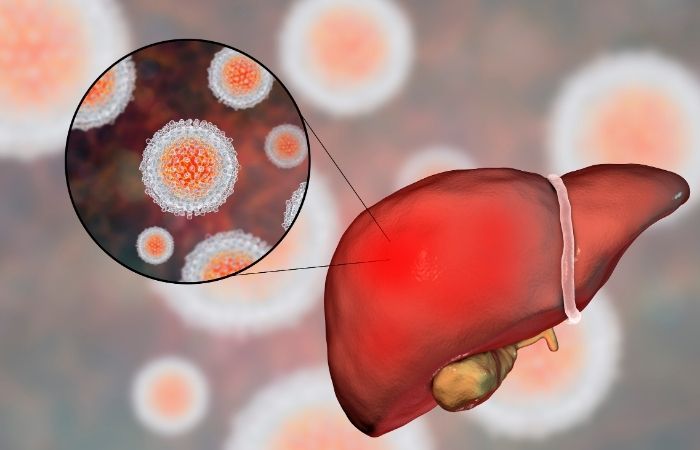
- At-home rapid test. Lateral-flow rapid tests use a fingerstick blood sample and detect HBsAg, the active-infection marker. Results return in roughly 15 minutes. A positive result should always be confirmed by a laboratory NAAT or full triple panel.
- Mail-in lab test. Some at-home services collect a fingerstick or venous sample and send it to a CLIA-certified lab for the full triple panel. Turnaround is typically two to five business days.
If you choose at-home rapid testing, understand what it does and does not catch. Rapid HBsAg tests detect active infection, including chronic carriers, but they do not tell you whether you have past-cleared immunity or vaccine-induced antibodies. For a complete picture before deciding on vaccination, a clinic-ordered triple panel is the better choice.
Common Hepatitis B Myths, Cleared Up
Misconceptions about how hepatitis B spreads create both unnecessary fear and dangerous blind spots. The four myths below are the ones that keep showing up in clinic conversations and online forums.
- Myth: You can catch hepatitis B from sharing food, hugging, or kissing on the cheek. Reality: hepatitis B is bloodborne and sexually transmitted. Casual contact is not a transmission route. Saliva carries the virus at very low concentrations, well below the threshold needed for casual exposure to cause infection.
- Myth: Only people with risky lifestyles get hepatitis B. Reality: most chronic carriers worldwide were infected at birth or in early childhood, often in countries with limited prenatal screening. Adult sexual or needle exposure accounts for a smaller share of global cases. Hepatitis B does not respect lifestyle stereotypes.
- Myth: If you feel fine, you do not have it and cannot spread it. Reality: chronic carriers can feel completely well while shedding the virus for decades. Asymptomatic transmission is the norm rather than the exception. Testing is the only way to know.
- Myth: One dose of vaccine is enough. Reality: the standard hepatitis B series is three doses over six months, or two doses over one month with Heplisav-B. Partial schedules provide partial protection. Completing the full series is what builds lifelong immunity in most healthy adults.
Clearing up these myths is not academic. Each one has caused real exposures, missed diagnoses, or refused vaccinations in clinical settings.

Knowing Beats Guessing
Hepatitis B's reputation as a silent virus is not exaggeration. It can sit in the body for decades without symptoms, transmit during ordinary sexual or household contact, and cause serious liver disease only after the damage is well underway. The good news is that this is one of the few infectious diseases where every step of prevention works well: vaccination is highly effective, screening is widely available, and modern treatment can keep the virus suppressed for life.
If you have never been tested or vaccinated, that is the simplest move. A single triple-panel blood test answers four questions at once: are you currently infected, have you cleared a past infection, are you immune, or are you still vulnerable. Whatever the answer, the next step is concrete and well-mapped.
Three concrete next steps
- Order or schedule a triple-panel blood test (HBsAg, anti-HBc, anti-HBs) to learn your current status, past exposure history, and immunity level in one draw.
- If you are not immune, complete the full hepatitis B vaccine series (three doses over six months, or two doses with Heplisav-B over one month).
- If you test positive, ask your clinician about antiviral treatment, liver-function monitoring, and offering vaccination plus testing to household members and sexual partners.
FAQs
- Can you have hepatitis B and not know it?
- Yes, and the practical implication is operational rather than statistical. Because symptom-based detection misses the majority of cases, the CDC now recommends universal adult screening at least once in a lifetime. The triple panel (HBsAg, anti-HBc, anti-HBs) is a single blood draw that distinguishes current infection, past exposure, vaccine-induced immunity, and lack of protection in one result.
- How does hepatitis B usually spread?
- Through three main routes: unprotected sexual contact, exposure to infected blood (shared needles, razors, toothbrushes, or unsterilized tattoo or piercing equipment), and from an infected birth parent to a baby during delivery. It does not spread through hugging, sharing food, or kissing on the cheek.
- Is hepatitis B curable?
- Acute infections often clear on their own. Chronic infections are not currently curable, though antiviral medications such as tenofovir and entecavir can suppress the virus long-term and substantially reduce the risk of cirrhosis and liver cancer. Researchers are actively working on functional cures.
- How long does the hepatitis B virus survive outside the body?
- Hepatitis B is documented to survive on dry surfaces for at least seven days and remain capable of causing infection during that time, per CDC guidance on bloodborne pathogen transmission. This is why shared razors and other items with traces of dried blood remain a transmission concern even after the original user is gone.
- Can vaccinated people still get hepatitis B?
- Very rarely. CDC Pinkbook guidance reports the complete vaccine series is 80 to 100 percent effective at preventing infection or clinical hepatitis. Breakthrough infections are uncommon and typically occur only in people with weakened immune systems or incomplete vaccine schedules.
- Do I need to test if I feel fine and have no obvious risk factors?
- Yes. The CDC recommends every adult be screened for hepatitis B at least once in their lifetime. Most chronic carriers feel completely well, so symptom-based screening misses too many infections. The triple panel is a one-time blood draw with broad insurance coverage.
- How is hepatitis B different from hepatitis C?
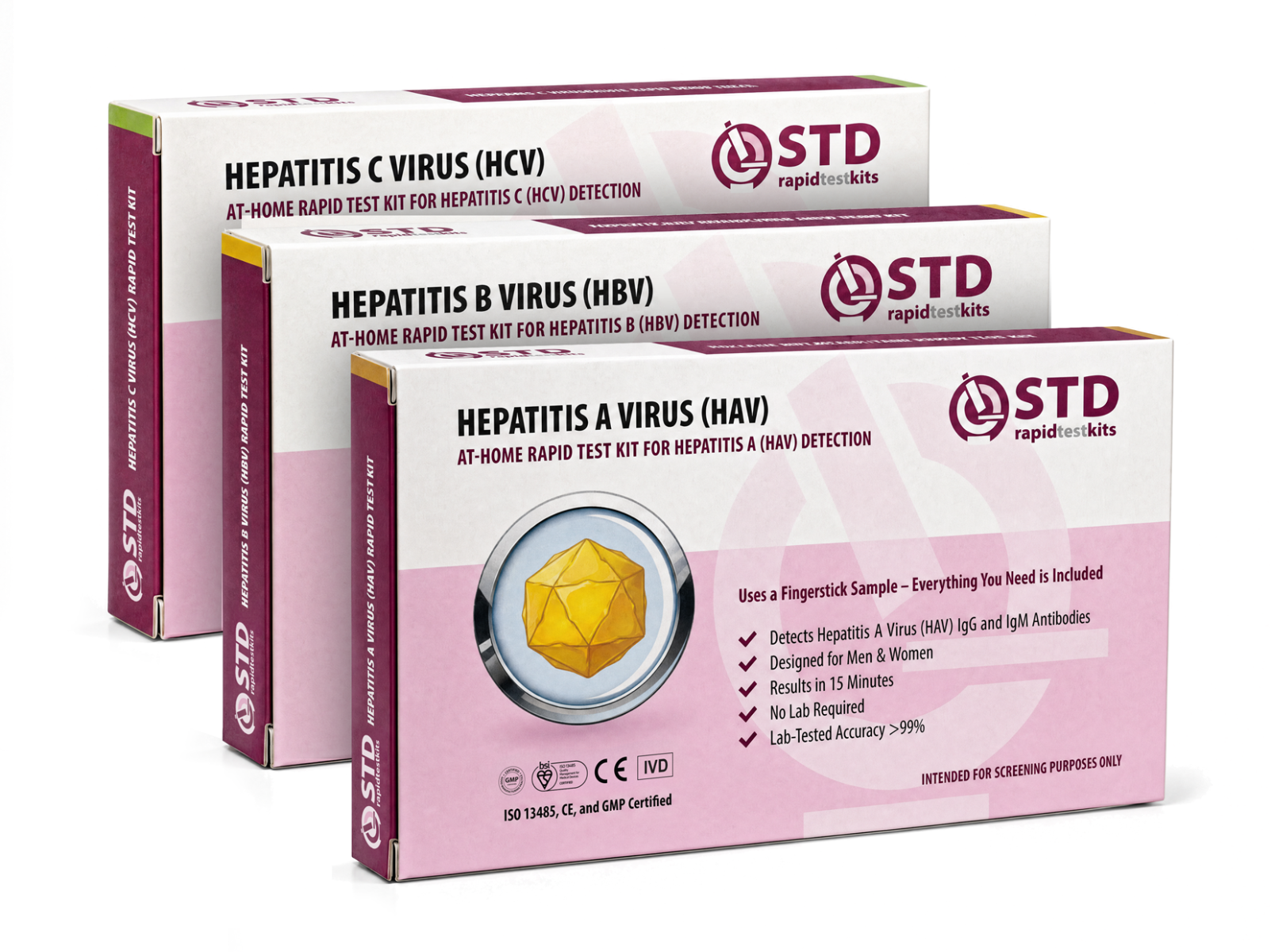
- Both are bloodborne viruses that affect the liver, but they are caused by different viruses with different transmission patterns and treatments. Hepatitis B has an effective vaccine; hepatitis C does not, though hepatitis C is now curable with direct-acting antiviral drugs in most cases. Combined screening is common because exposure routes overlap.
- Can I test for hepatitis B at home?
- Yes. Rapid lateral-flow tests use a fingerstick blood sample to detect HBsAg, the active-infection marker, with results in about 15 minutes. For a complete immunity picture, a clinician-ordered triple panel (HBsAg, anti-HBc, anti-HBs) is the more thorough option.
- World Health Organization. Hepatitis B fact sheet. Used for global prevalence (254 million chronic carriers), 13 percent diagnosed share, and 2022 mortality (1.1 million deaths).
- U.S. Centers for Disease Control and Prevention. Hepatitis B clinical overview. Used for general clinical guidance on asymptomatic adult cases and the universal adult screening recommendation.
- U.S. Centers for Disease Control and Prevention. Pinkbook chapter 10: hepatitis B. Used for vaccine effectiveness (80 to 100 percent), dosing schedules, and perinatal prophylaxis effectiveness (85 to 95 percent).
- Hepatitis B Foundation. Transmission overview. Used for household transmission routes and stigma framing.
- NHS. Hepatitis B overview, symptoms, and screening pathway in the UK system.
- Mayo Clinic. Hepatitis B: symptoms, causes, diagnosis, and treatment overview.
