







Quick Answer: Yes, you can feel sexy again after an STD diagnosis. Confidence isn't about being “clean”, it's about being informed, emotionally resourced, and unapologetically human.
When Sexy Feels Unsafe: The Invisible Toll of STD Shame
For many people, receiving a positive STD result doesn’t just trigger a doctor’s visit, it launches a full-blown identity crisis. The fear isn’t always about symptoms. It’s about what the diagnosis seems to say about you. That fear gets louder in moments that used to be carefree: slipping into lingerie, feeling aroused, sending a flirty text, making eye contact with someone cute in line at the pharmacy.
A 2022 study published in Sexual Health found that more than 60% of people with a recent STD diagnosis reported a significant drop in sexual self-esteem. And it makes sense. Most of us grew up hearing that STDs were what happened when you were irresponsible. Dirty. Unsafe. Even the language we use, "clean" vs "dirty", cements that binary. So when your test comes back positive, your brain doesn’t just process a medical fact. It internalizes a story: I’m tainted. I don’t deserve pleasure. No one will want me again.
But here’s the truth: over half of all people will contract an STD at some point in their life. The difference between shame and empowerment isn't the diagnosis, it's what you believe it says about you.
Case Study: “I Haven’t Felt Sexy Since I Got Herpes”
Jordan, 28, had always been confident in bed. He liked eye contact. He wasn’t afraid to ask for what he wanted. That changed after his first herpes outbreak.
“I felt like I was radioactive. Even though the doctor said I was on suppressive meds and the chance of passing it was low, I couldn't get over this feeling that anyone who touched me would regret it.”
Instead of pursuing casual sex like he had before, Jordan stopped dating. He turned down hookups he normally would have entertained. It wasn’t about safety, it was about shame. He started dressing in baggier clothes, avoiding mirrors, and deleting dating apps. The diagnosis hadn’t just impacted his sex life, it had rewritten how he saw his own body.
That kind of withdrawal is common. Experts at Planned Parenthood explain that even treatable STDs can create long-lasting psychological effects if stigma isn't addressed. And the hardest part? Most people don’t talk about it. You can walk around with an invisible wall between you and the world, especially if no one in your life has ever admitted they’ve been through the same thing.
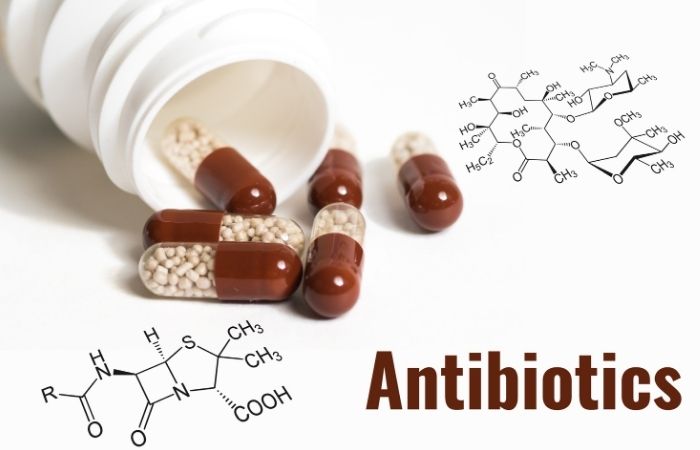
But recovery doesn’t start with antibiotics. It starts with permission: to still want, to still feel, to still explore who you are sexually. Even with a diagnosis.
People are also reading: Too Embarrassed to Get Tested? Try At Home STD Test Kits Instead
Let’s Talk About Desire, And Why It Doesn’t Disappear
Here’s what nobody tells you: an STD diagnosis doesn’t turn off your libido. It turns up the volume on fear. That’s why many people find themselves caught in a weird emotional loop, still wanting sex, touch, and connection, but avoiding them because of internalized danger signals.
That tension shows up in real ways. Maybe you pull away during kissing. Maybe you avoid eye contact in bed. Maybe your orgasms feel muted, like there’s something lingering just outside the frame of the moment.
But desire doesn’t vanish. It waits. It adapts. And when you’re ready, it comes back stronger, especially when you have tools to protect yourself and others. According to the CDC, many STDs can be managed with proper treatment, reducing risk to partners significantly. Suppressive therapy for herpes, for example, can reduce transmission by over 50%. And when paired with condoms or dental dams, the risk goes even lower.
But here’s the kicker: it’s not just about physical protection. Emotional preparation matters just as much. Learning how to disclose. Knowing how to navigate rejection. Having language that doesn’t make you shrink when you talk about your body.
Confidence isn’t the absence of risk, it’s the presence of self-trust. And you can rebuild that, one step at a time.
Check Your STD Status in Minutes
Test at Home with Remedium7-in-1 STD Test Kit

 For Men & Women
 Results in Minutes
 No Lab Needed
 Private & Discreet
Order Now $129.00 $343.00
For all 7 tests
What’s Getting In the Way of Feeling Sexy Again?
If you’re struggling to feel attractive or desirable after an STD diagnosis, it’s not because there’s something wrong with you, it’s because most of us were never taught how to hold both desire and diagnosis at once. Let's break down a few common emotional blocks and what they often stem from:
| Emotional Block | What It's Really About | What Helps |
|---|---|---|
| Feeling "dirty" | Internalized purity culture, media stigma | Sex-positive language, therapy, affirmations |
| Fear of rejection | Belief that disclosure = abandonment | Disclosure scripts, practicing with friends |
| Avoiding touch | Body shame or trauma response | Somatic therapy, mirror work, sensual solo touch |
| No interest in sex | Emotional overwhelm or depression | Normalize breaks from sex, explore non-sexual intimacy |
Table 1. Common post-diagnosis blocks to sexual confidence, their roots, and potential interventions.
The biggest takeaway? You’re not broken. You’re adjusting. And healing isn’t linear. Some days, you might feel flirty again. Other days, you might want to wrap yourself in three hoodies and forget sex exists. Both are valid. Both are part of recovery.
How Shame Shows Up in the Bedroom (And How to Push Back)
Maybe your partner touches your thigh and your brain immediately flashes to your last outbreak. Maybe you pause mid-makeout, wondering if this is the moment you have to “ruin everything” by disclosing. Or maybe you’ve stopped initiating entirely because the weight of rejection is just too heavy.
This isn’t just emotional, it’s physiological. Shame activates the same stress responses as physical danger. Your body might go tense. Your mouth might dry up. Your arousal might vanish, even when you want to want it. And here’s the worst part: if you don’t know what’s happening, you’ll think it’s your fault. You’ll wonder if maybe you’re just not desirable anymore.
The truth? Your nervous system is doing exactly what it was trained to do, protect you. But protection doesn’t have to mean shutdown. It can also mean preparation. That’s where proactive disclosure, partner education, and emotional regulation come in.
According to a 2021 meta-analysis in the Journal of Sex Research, people who received support and education post-diagnosis were significantly more likely to report restored sexual confidence within 6–12 months. That’s not magic. That’s mental health. That’s community. That’s science meeting self-worth.
Sex After an STD: What It Looks Like When You’re Ready
There’s no right timeline for “getting back out there.” For some, it’s a few weeks after treatment. For others, it takes months, or even years. But when the time comes, here’s what readiness tends to look like:
You don’t panic when you think about disclosure. You know what you’d say. You trust your ability to handle their reaction, even if it’s not what you hoped. You’ve got protection methods ready: a test kit in the drawer, a supply of condoms, a telehealth number saved in your phone.
But most importantly, you feel curious about connection again. Not pressured. Not performative. Just ready to explore what feels good on your own terms.
Here’s what that might look like:
| Behavior | Old Thought | New Frame |
|---|---|---|
| Disclosing before intimacy | “I’m ruining the moment.” | “I’m building trust with someone new.” |
| Suggesting condoms | “They’ll think I’m infected.” | “I care about both our health.” |
| Talking about testing | “They’ll assume I’m promiscuous.” | “I’m informed, not irresponsible.” |
| Pausing during sex to check in | “I’m being awkward.” | “I’m allowed to take care of myself.” |
Table 2. Common fears reframed into confidence-centered narratives during post-diagnosis intimacy.
The first few times might feel shaky. That’s okay. Confidence isn’t the absence of fear, it’s your willingness to keep showing up anyway.

People are also reading: Ozempic, HIV, and Hepatitis: What the Research Really Shows
How to Start Feeling at Home in Your Body Again
You can’t outsource this part. You can’t flirt your way into healing. Feeling sexy again starts with how you treat yourself when no one’s watching. That means doing the hard, sometimes boring emotional work of reconnecting with your own skin.
Here are some lived, narrative-based practices that have helped real people navigate the aftermath of shame:
Nia, 32, started lighting candles and taking nude selfies, not to post, but to prove to herself that her body was still beautiful. She printed one and taped it to her mirror. It wasn’t about vanity. It was about claiming space.
Marcos, 24, began journaling every time he wanted to text his ex for validation. Instead, he wrote one thing he was proud of. “I used a condom with someone new today.” “I told a date about my STD without spiraling.” “I gave myself an orgasm without thinking about herpes once.”
Healing doesn’t have to look like wellness influencer bullshit. It can be messy. Loud. Tender. But it’s yours. And it’s allowed to look like pleasure.
Check Your STD Status in Minutes
Test at Home with Remedium8-in-1 STD Test Kit
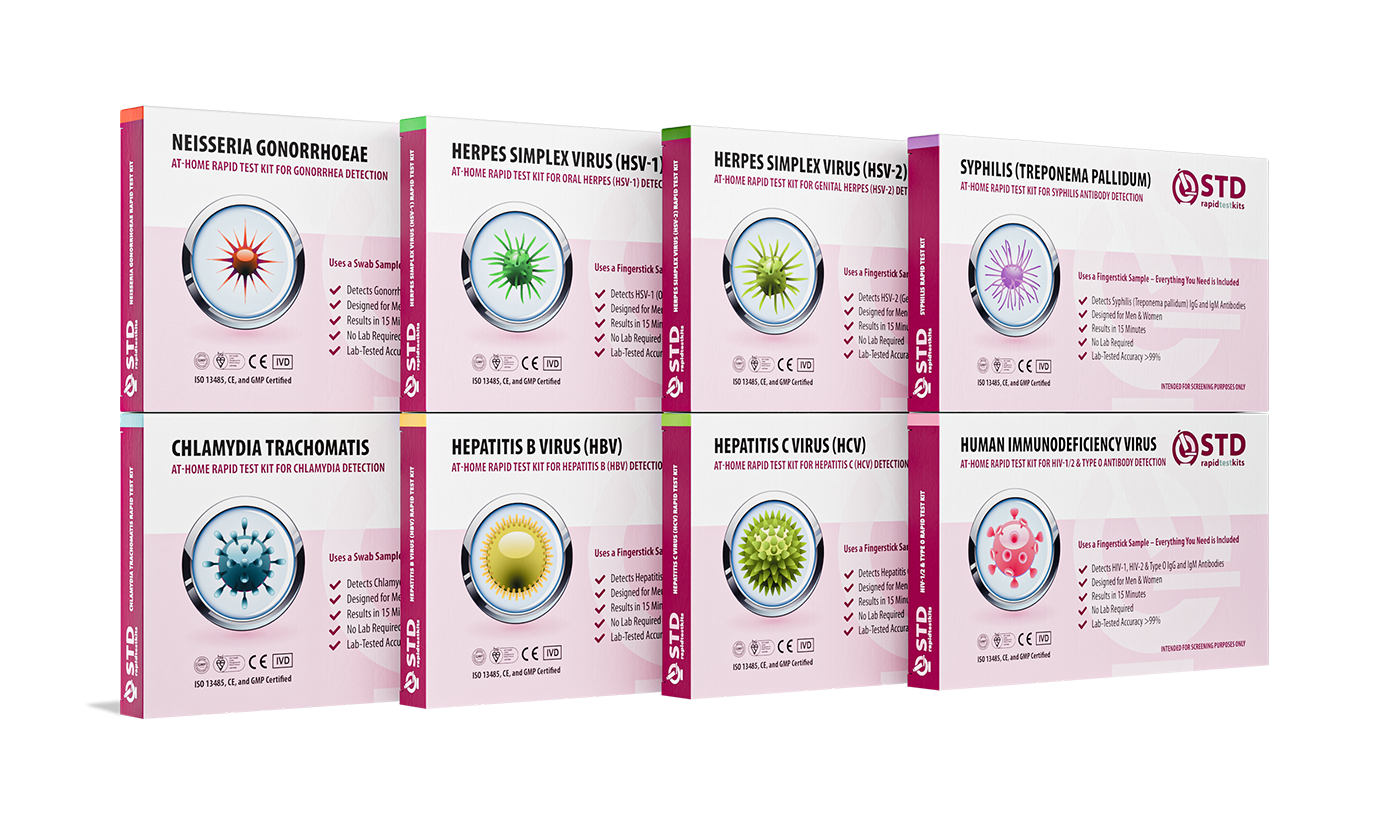 For Men & WomenResults in MinutesNo Lab NeededPrivate & Discreet
Order Now $149.00 $392.00
For all 8 tests
You Don’t Have to Do This Alone
Most people never talk about their diagnosis. They think they’re the only one. But scroll through Reddit, or browse Herpes Life, or check out the forums on ASHA, and you’ll find thousands of people asking the same things you are. “Will I ever feel normal again?” “Can I still date?” “Am I broken?”
Peer support groups, sex-positive therapists, even just a friend who won’t flinch when you say “herpes”, these aren’t luxuries. They’re lifelines. Surrounding yourself with people who don’t shrink from the reality of STDs makes it easier to stop shrinking from yourself.
And if you’re ready to take action, consider starting with yourself. If you're due for retesting, or if you're trying to be proactive about future partners, STD Rapid Test Kits offers discreet, FDA-approved at-home options that let you take control of your health without walking into a clinic.
Whether it’s a test, a text to a friend, or just choosing to look in the mirror without flinching, you get to start today.
FAQs
1. Is it normal to feel like no one will ever want you again?
Totally normal, and totally untrue. It’s the kind of fear that sneaks in late at night, especially after you’ve spiraled down a comment thread full of misinformation. But here’s the reality: people date, fall in love with, and sleep with partners who have STDs every single day. You are not doomed. You’re just adjusting to new information. The right person will care about your honesty, not your status.
2. How soon is “too soon” to have sex again after a diagnosis?
There’s no stopwatch for this. Some folks feel ready a few weeks after treatment. Others need more time to get their confidence back. And that’s okay. Physically, your provider will usually tell you when it’s safe based on the STD and your treatment status. Emotionally? You’ll know you’re ready when the idea of touch feels more exciting than terrifying. That’s the real green light.
3. What if I panic during sex because I’m thinking about my STD?
It happens, way more than people admit. Your brain is trying to protect you from rejection, risk, or old shame. But sex isn’t a performance; it’s a conversation. If you freeze up or feel disconnected, you’re allowed to pause. Take a breath. Make a joke. Say, “Can we slow down for a sec?” The people worth sleeping with will get it, and respect it.
4. Do I really have to tell someone before we hook up?
If there’s a chance they could contract what you have, then yes. Not because you’re a threat, but because you respect their right to make informed decisions, just like you would want. Think of it as an intimacy filter: anyone who can’t handle a two-minute disclosure probably isn’t ready to handle your body, your energy, or your trust.
5. What’s a good way to tell someone I have an STD?
Short, honest, and calm works best. Try: “Hey, before we get closer, I want you to know I tested positive for STD. I take meds and use protection, so the risk is really low, but I want to be upfront with you.” That sentence alone has saved so many people from spinning out in their heads. Practice it in the mirror or text it to a friend if saying it out loud feels too big at first.
6. What if they ghost me after I tell them?
Then they’re not your person. And they just saved you time. It’ll sting, no doubt. But it doesn’t mean you messed up, it means you dodged someone who wasn’t emotionally equipped to show up for you. And let’s be honest: you deserve better than someone who disappears at the first sign of reality.
7. Can I get my sex drive back? Because right now, it’s MIA.
Yes. Yes. Yes. Desire is sneaky, it can go quiet when you’re stressed, ashamed, or still healing. But it’s not gone. It’s just waiting for a safer emotional space to reemerge. Sometimes, touching yourself without pressure (like lighting a candle and just seeing what feels good) can help. Sometimes, it’s therapy. Sometimes, it’s patience. Give it time. You’ll feel the spark again.
8. Will I ever feel “normal” about my body again?
Let’s ditch the word “normal.” It’s a moving target anyway. But will you feel sexy again? Confident? Like your skin belongs to you? Absolutely. Maybe not tomorrow. But over time, yes. Especially when you stop treating your diagnosis like a scarlet letter and start treating it like what it actually is: one part of your health, not your whole identity.
9. What’s something that helped other people bounce back?
Community. Seriously. Reddit threads, Herpes Life forums, even one brave friend who’s been through it. There’s something powerful about hearing someone else say, “Me too” and really meaning it. You stop feeling like a walking secret. You start realizing that your story isn’t rare, it’s just rarely talked about.
10. How do I stop feeling “dirty”?
Start by deleting that word from your mental dictionary. You are not dirty. You are not dangerous. You are not damaged goods. You are someone who had sex, like millions of other humans, and now you’re navigating a new chapter. Want to feel clean? Shower, take a walk, get a rapid test if that calms your brain. But understand this: your body didn’t betray you. It just gave you a new responsibility, and that doesn’t make you unworthy. It makes you real.
This Isn’t the End of Your Story
You are not your test result. You are not the scared version of yourself that Googled symptoms at 3AM. And you are not “less than” just because a virus, bacteria, or positive strip showed up on a piece of plastic.
Feeling sexy again after an STD diagnosis isn’t about pretending it never happened. It’s about integrating it into who you are, without shame, without apology, without fear. You still get to flirt. You still get to fall in love. You still get to enjoy your body. No diagnosis gets to take that away from you.
Don't wait for someone else to give you permission if you want to take back your power. This at-home combo test kit checks for the most common STDs quickly and privately, so you can be sure of what you need to do next.
How We Sourced This Article: We combined current guidance from leading medical organizations with peer-reviewed research and lived-experience reporting to make this guide practical, compassionate, and accurate.
Sources
1. Planned Parenthood – Herpes Overview
2. Herpes Life – Community Support and Resources
3. ASHA – American Sexual Health Association
4. CDC – Guide to Taking a Sexual History
6. ASHA – Herpes and Relationships
About the Author
Dr. F. David, MD is a board-certified infectious disease specialist focused on STI prevention, diagnosis, and treatment. He blends clinical precision with a no-nonsense, sex-positive approach and is committed to expanding access for readers in both urban and off-grid settings.
Reviewed by: Jenna Rollins, RN, MPH | Last medically reviewed: November 2025
This article is only for information and should not be used as medical advice.


