






Quick Answer: At-home STD test kits can accurately detect common infections like gonorrhea and chlamydia without a clinic visit. They offer privacy, fast results, and are medically trusted when purchased from reliable sources.
“I Wasn’t Sleeping Around, So I Thought I Was Safe”
Jay, 26, had been with the same partner for over a year. They’d never tested together, but they both assumed the past stayed in the past. "It started as a weird, milky discharge," Jay told me. "No pain, no burning, just this little warning sign I tried to ignore."
“I couldn’t bring myself to walk into a clinic. I thought they’d judge me or think I was dirty. So I did nothing… until I saw a TikTok about home STD tests.”
Jay ordered an at-home chlamydia and gonorrhea test kit. It arrived in discreet packaging, with clear instructions. “It took five minutes,” they said. “I peed in a cup, mailed it off, and got my result in three days: positive for gonorrhea.”

People are also looking for: Herpes, HPV, Hep B: What You Need to Know About STD Vaccines
When Shame Delays Testing, Infection Spreads
You don’t have to be reckless to get an STD. You don’t even have to be active. Gonorrhea and chlamydia can linger silently for weeks, months, or even years. Many people, especially those with vaginas, experience no symptoms at all.
The real danger isn’t the sex. It’s the silence. According to the CDC, untreated gonorrhea can cause infertility, chronic pelvic pain, and increased HIV risk. But it’s also one of the easiest STDs to treat, if you catch it early.
And yet, thousands avoid testing because:
- Stigma: Fear of being judged by medical staff or peers
- Cost: Lack of insurance or fear of billing disclosures
- Privacy: Worry someone will see them at the clinic
- Dysphoria: Trans and nonbinary people may feel unsafe in gendered clinics
“It felt like I had a secret I couldn’t talk about,” Jay admitted. “But that test gave me a way out, quietly, privately, without explaining anything to anyone.”
Swab, Seal, Ship: How Home STD Tests Actually Work
If you’ve never used one before, an at-home test kit can sound sketchy or confusing. But the process is surprisingly simple and medically legit when you choose the right brand. Companies like STD Rapid Test Kits use FDA-approved components and lab processing that meet the same standards used in many clinics.
Most tests for chlamydia and gonorrhea involve either a urine sample or a genital swab. Here's how it works:
- Step 1: Order your kit discreetly online, it arrives in plain packaging
- Step 2: Collect your sample using the provided instructions (pee in a cup, swab, etc.)
- Step 3: Seal the sample and mail it back using the pre-paid label
- Step 4: Get your results in a secure, online portal, usually within 2 to 5 days
No waiting room. No explaining. No raised eyebrows. Just answers.
Jay described the process as “stupid easy.” More importantly, it gave them space to process the result in private. “I cried when I saw the positive,” they said. “But then I scheduled treatment and told my partner. I was scared, but I wasn’t alone anymore.”
Are At-Home Gonorrhea Tests Accurate?
One of the biggest concerns people have is accuracy, and it’s valid. You don’t want to base life-changing decisions on a faulty result. But here’s the good news: studies have shown that when used correctly, at-home chlamydia and gonorrhea tests are highly accurate.
According to research published in the Journal of Clinical Microbiology, urine-based NAATs (nucleic acid amplification tests), the same used in home kits, show sensitivity and specificity rates above 90% for gonorrhea and chlamydia.
Here’s what impacts your test’s accuracy:
- Timing: Testing too early after exposure can yield false negatives
- Technique: Improper sample collection can reduce reliability
- Storage/Shipping: Using a trusted provider ensures proper handling
Bottom line: if you follow the instructions, an at-home STD test can be just as accurate as what you'd get at a clinic. Just make sure you're buying from a reliable source, this combo kit is a good place to start.
Check Your STD Status in Minutes
Test at Home with Remedium7-in-1 STD Test Kit
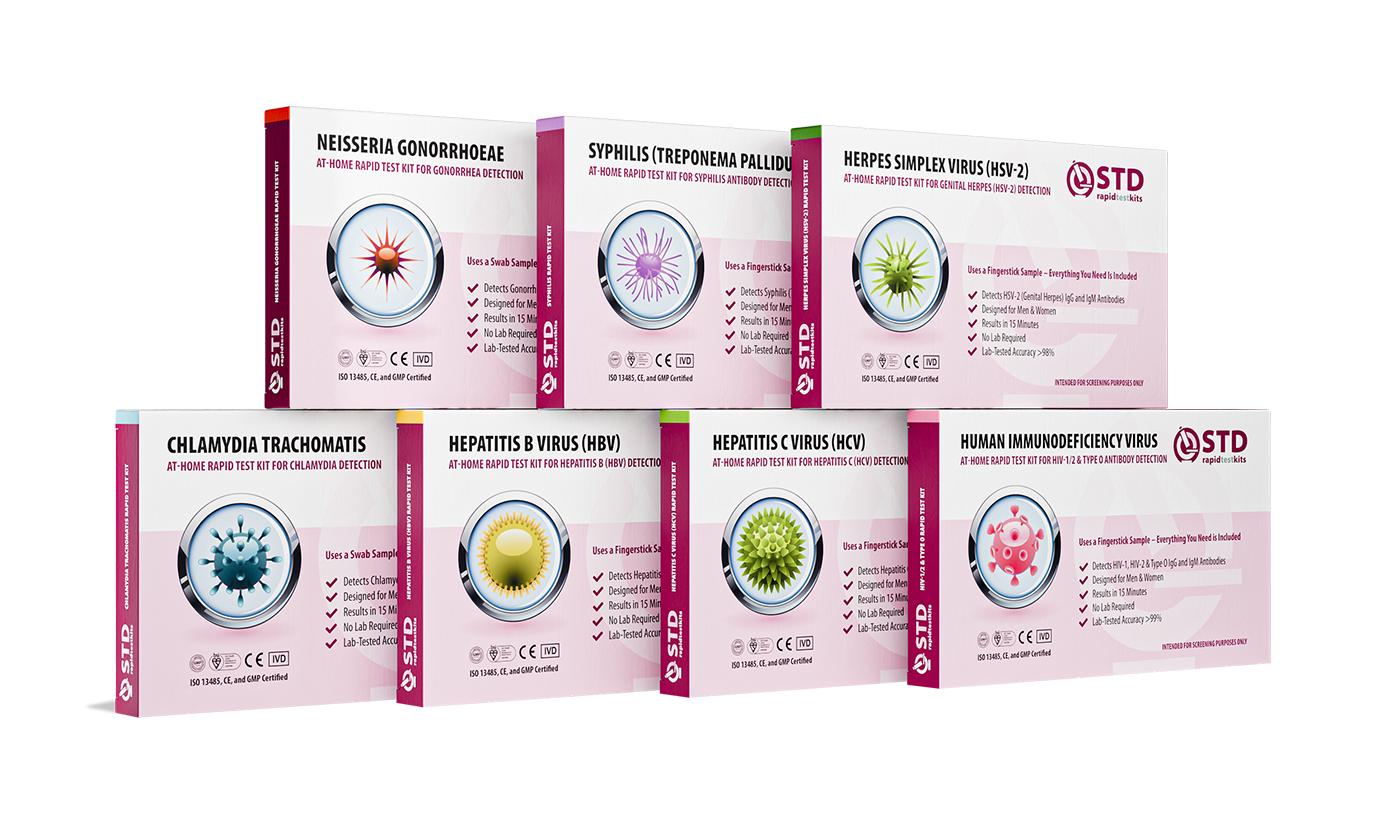
 For Men & Women
 Results in Minutes
 No Lab Needed
 Private & Discreet
Order Now $129.00 $343.00
For all 7 tests
When You’re Scared, Silence Feels Safer, But It Isn’t
The shame around STDs doesn’t come from biology. It comes from culture. From whispered jokes, from high school health classes that only taught fear, from hookup apps where no one wants to talk about testing.
Jay’s story isn’t rare. I’ve heard it a hundred different ways:
- “I thought it was just irritation from shaving.”
- “My partner said they were clean, so I didn’t ask.”
- “I didn’t want anyone to see me walk into Planned Parenthood.”
And yet, behind all that silence is the same truth: you deserve to know what's happening in your body. Not because you’re dirty, but because you’re human. And humans get infections. What matters is what you do next.
That’s where at-home testing becomes more than just convenient; it becomes compassionate. A lifeline for people who don’t feel ready to face a clinic but still want to protect themselves and their partners.
Gonorrhea Without Symptoms? Yes, It Happens All the Time
One of the biggest myths is that you’ll “know” if you have an STD. Burning, itching, pus, something obvious, right? Not always. In fact, according to the CDC, most people with gonorrhea, especially those with vaginas, don’t notice any symptoms at all.
Silent STDs are real, and they’re dangerous. You might be carrying gonorrhea and not feel a thing. But internally, it can still be doing damage, spreading to your reproductive organs, raising your risk of other infections, and silently passing to others.
Here are common gonorrhea symptoms, when they do appear:
- Discharge: Yellow, white, or greenish fluid from the genitals
- Pain: Burning during urination, pelvic or testicular discomfort
- Bleeding: Irregular spotting or bleeding between periods
- Rectal Symptoms: Discomfort, discharge, or itching (especially after anal sex)
If you’ve had unprotected sex, changed partners recently, or just feel off, don’t wait for symptoms. Get tested anyway.
“How Do I Tell Someone I Gave Them Gonorrhea?”
This is the part no one wants to deal with. But honesty can be healing, not just for you, but for the people you care about. If you test positive, it doesn’t mean you’re dirty or reckless. It means you’re responsible enough to know, and act.
Here’s how you might start that conversation:
"Hey, I just got some test results and found out I have gonorrhea. You might want to get checked too, just to be safe. I’m treating it now."
Keep it short, clear, and non-blaming. Most STDs are treatable, and most people are way more understanding than we fear. You can also use anonymous notification tools like TellYourPartner.org if direct communication feels unsafe.
Jay told their partner the same day. “They were surprised, but not mad. They actually thanked me for telling them.” That moment, scary as it was, strengthened their trust.
People are also looking for: Why Testing Before Sex Should Be the New Normal
“But I Only Slept With One Person”: The Risk We Don’t Talk About
It’s easy to assume monogamy equals safety. But here’s the reality: your risk doesn’t reset just because you’re exclusive. If your partner had past partners, or if either of you hasn’t tested since, you could still be carrying something from before.
This is especially true for gonorrhea, which can linger without symptoms and live undetected for months. Testing before or early into a new relationship should be a norm, not an insult. But we don’t always think about that when we’re falling in love or trying to forget what came before.
Jay shared, “I hadn’t slept with anyone but them in over a year. I felt blindsided. But I also realized I had never been tested before either.”
Even if your relationship feels safe, testing together at home can be a radical act of care, not a sign of mistrust.
If You’re Reading This at 2AM, You’re Not Alone
Maybe you’re lying awake, replaying a hookup you regret. Maybe your body feels “off,” but you don’t want to Google too hard. Maybe you’ve been holding on to this fear for weeks, hoping it’ll fade.
This is your sign: You’re not gross. You’re not broken. You’re not overreacting.
Taking control of your sexual health doesn’t require a public confession or a walk of shame to the clinic. You can start quietly. Safely. Tonight. And you’ll be better for it tomorrow.
Check Your STD Status in Minutes
Test at Home with Remedium10-in-1 STD Test Kit
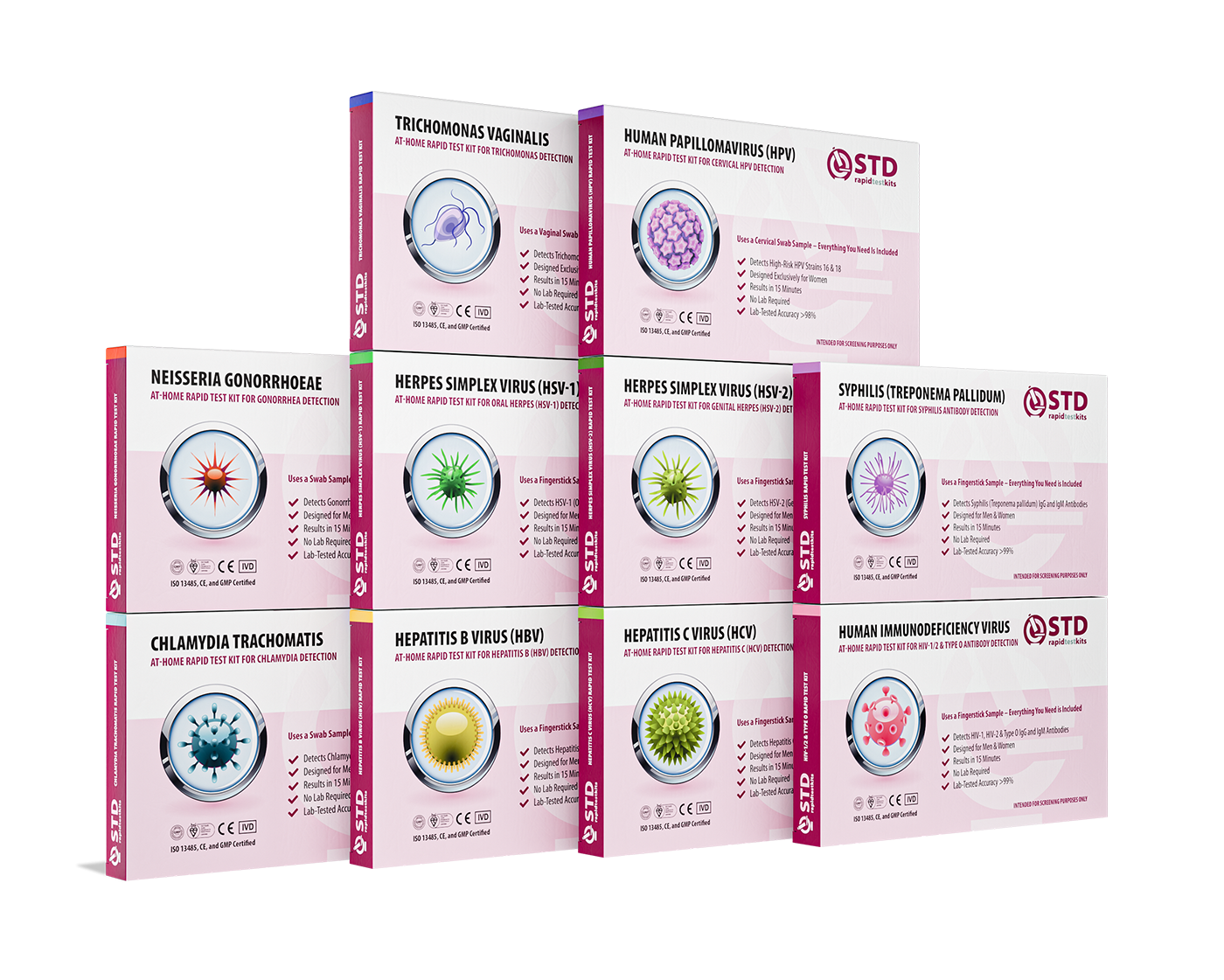
 For WomenResults in MinutesNo Lab NeededPrivate & Discreet
Order Now $189.00 $490.00
For all 10 tests
FAQs
1. Is it possible to get gonorrhea without any signs?
Yes, a lot of people, especially women with vaginas, can have gonorrhea without showing any signs. That's why it's important to get tested often.
2. How reliable are gonorrhea tests you do at home?
At-home gonorrhea tests can be more than 90% accurate, just like tests done at a clinic, if they are used correctly and bought from a trusted source.
3. Is it embarrassing to get an STD test?
It's normal to feel ashamed, but taking care of your health isn't something to be ashamed of. You can skip the stigma and get answers privately with at-home test kits.
4. Where can I get an STD test that doesn't require a doctor?
You can order reliable, private test kits from companies like STD Rapid Test Kits and do them at home.
5. Can I use STD tests at home if I'm gay or trans?
Yes. A lot of home test kits are gender-neutral and can be used by anyone, no matter what their identity or body type is. Just do what the instructions say to do.
6. When should I test for gonorrhea after having sex?
It's best to wait at least 5 to 7 days after being exposed to get the right results. If you test too soon, you might get a false negative.
7. Can I take care of gonorrhea by myself?
No. A healthcare provider or urgent care clinic will need to write you a prescription for an antibiotic, which is usually an injection or an oral pill.
8. Is it possible for anyone to find out if I test positive?
Not unless you tell them. Test providers who come to your home use private, secure portals. We will never share your results without your permission.
9. Can I use one kit to check for both gonorrhea and chlamydia?
Yes. The combo STD home test kit can find both infections with just one sample.
10. Do STD tests you do at home go bad?
Yes. Most of them have a date when they will no longer be good. Before using, make sure to check the box.
You Deserve Answers, Not Assumptions
This article wasn’t about fear; it was about freedom. Freedom from shame, silence, and uncertainty. Whether you’re dealing with a weird symptom or just following your gut, testing at home can give you the answers you need without the anxiety of a clinic visit.
Be gentle with yourself. Getting tested isn’t a betrayal of trust or a sign of recklessness, it’s a form of care. For you, for your partners, for your future.
Sources
1. Planned Parenthood: STD Education and Support
2. Relationships Between Perceived STD-Related Stigma and Testing Behavior – PMC
3. World Health Organization – STI Overview
4. Planned Parenthood – Gonorrhea Info


