







Quick Answer: Safe sex after STD treatment depends on the infection and the treatment timeline. Most people should wait 7–14 days after completing antibiotics or until sores fully heal before resuming sexual activity, and ideally, partners should test too.
Let’s Talk About the Waiting Period (It’s Not Just About Days)
After a positive test and treatment, especially with antibiotics for chlamydia, gonorrhea, or trichomoniasis, many people hear "wait seven days" and think it's a magic number. But what’s rarely explained is that the countdown starts only after the last dose, not from the day you started treatment. And that seven days isn’t just a number, it’s a buffer to protect both your partner and your own body from premature reinfection.
Take Andre, for example. He tested positive for gonorrhea after a hookup he hadn’t planned. He got a single shot of ceftriaxone at a clinic. The nurse told him to wait a week. But when he hooked up with someone new five days later, no symptoms, no discussion, he ended up with a second infection, this time harder to treat. The seven-day rule wasn’t arbitrary. It was science.
Here’s what most medical guidelines recommend: if you’re treated for a bacterial STD, wait seven full days after completing treatment before having sex. For viral infections like herpes or HIV, the guidelines are different. With herpes, you should avoid sexual contact during outbreaks and for several days after lesions heal. Your doctor will tell you when to take your HIV medication based on your viral load and how well your treatment is working.
| STD | Typical Treatment | When Sex Can Resume |
|---|---|---|
| Chlamydia | 1-week oral antibiotics | 7 days after final dose |
| Gonorrhea | Single antibiotic injection | 7 days after injection |
| Trichomoniasis | 1–5 days of oral meds | 7 days after treatment ends |
| Herpes | Ongoing antivirals (optional) | After sores fully heal |
| Syphilis | Penicillin injection(s) | 7–10 days after treatment |
| HIV | Long-term ART (antiretrovirals) | Depends on viral suppression |
Table 1. Typical safe sex timing after common STD treatments. Always confirm with your healthcare provider if you're unsure.
What If I Still Feel Off? Understanding Lingering Symptoms
For some, symptoms vanish right after treatment. For others, they linger, itching, discharge, maybe just a weird vibe in your body. That doesn’t always mean the infection is still there. It could be healing, side effects of antibiotics, or irritation from condoms or lube. But here’s where it gets tricky: lingering symptoms are also a top reason for early reinfection or for assuming the infection "never went away."
Carla finished treatment for trichomoniasis but noticed she still had some discharge a week later. Her doctor advised a retest in two weeks, just to be sure. That test came back negative, but had she had sex before then, she might have panicked mid-encounter, unsure if she was still contagious.
If your symptoms haven’t completely cleared by the time you’re supposed to be safe, press pause. Get retested if you’re uncertain. And don’t assume your partner will be “cool” with a maybe, it’s about mutual safety, not just your timeline.

People are also reading: What to Expect During Your First STD Test, Clinic vs. Home Edition
Condoms, Confidence, and the Illusion of “Clean”
Condoms are essential, but they’re not invincible. Latex can break. Herpes can live outside covered areas. And no condom protects against emotional risk. The real power of a condom isn’t just barrier protection. It’s a statement: “I care about your health and mine.” That said, people coming off an STD diagnosis often over-rely on condoms as a magic shield while skipping partner testing or communication.
Diego had an outbreak of genital herpes six months ago. Now symptom-free and on daily antivirals, he’s dating someone new. He uses condoms religiously but hasn’t brought up herpes. He tells himself that’s enough. But here’s the thing, condoms reduce herpes transmission by about 30–50%, depending on consistency and location of sores. That’s not nothing. But it’s also not full protection.
This doesn’t mean you need to blurt out your medical history on a first date. It does mean that when you're ready for sex again, you’re also ready to talk about what “safe” means to both of you. It might include condoms. It might include testing together. It might include treatment status updates. The point is: safe sex is a two-way street, and you deserve to drive it confidently.
Check Your STD Status in Minutes
Test at Home with Remedium8-in-1 STD Test Kit
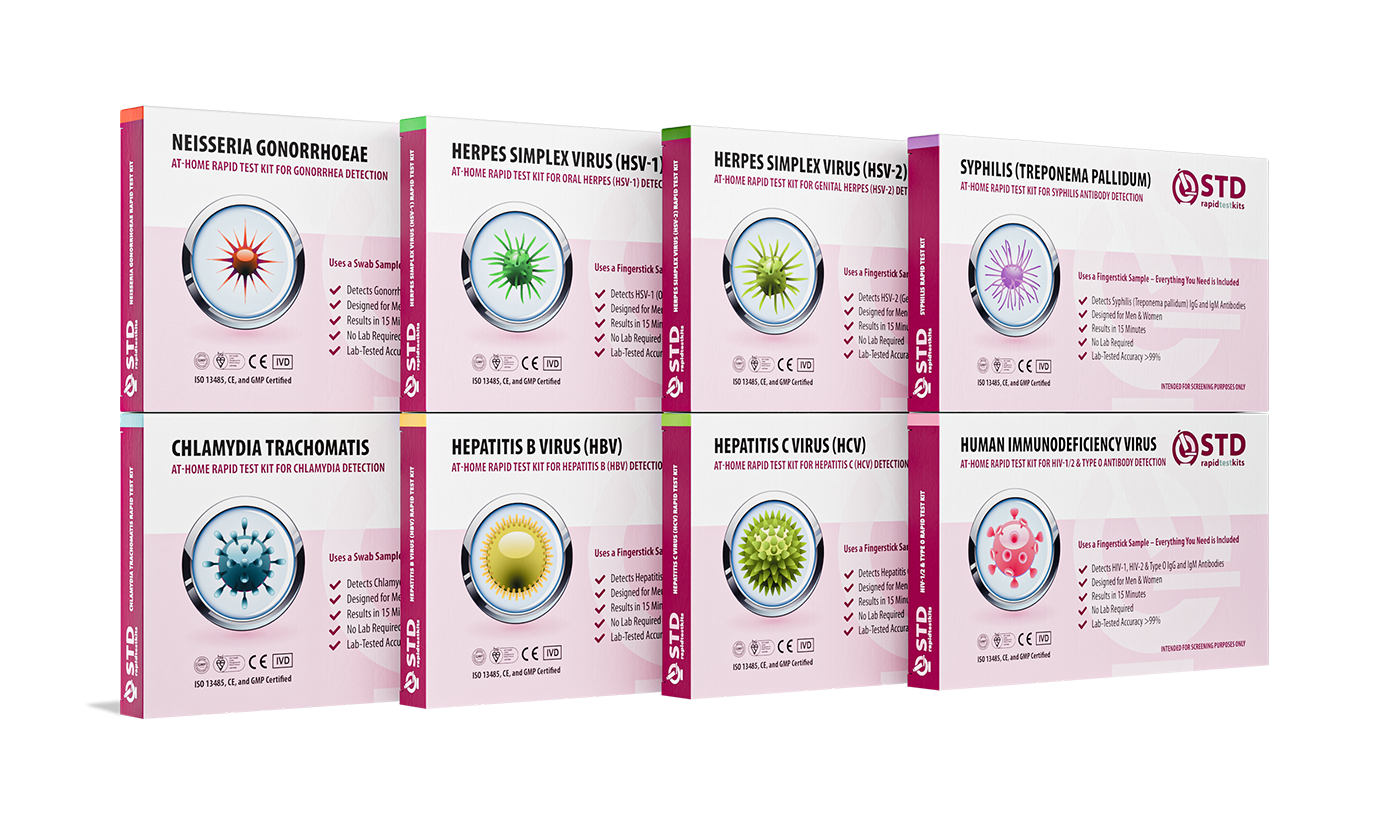
 For Men & Women
 Results in Minutes
 No Lab Needed
 Private & Discreet
Order Now $149.00 $392.00
For all 8 tests
Should You Ask Your Partner to Test Too?
This is where the emotional meets the practical. You’ve done the work, testing, treatment, maybe even waiting through awkward dry spells. But what about them? It’s one of the most common fears we see post-treatment: “What if I get reinfected by someone who never got tested in the first place?”
Tasha had gonorrhea and completed treatment on time. Her partner insisted they’d “feel it” if they had something, and refused to test. Two months later, new symptoms, same bacteria, and this time, a harder conversation. Reinfection is real. And trust, without verification, isn’t always protection.
The CDC recommends that partners of anyone treated for chlamydia, gonorrhea, trichomoniasis, or syphilis get tested and treated as well, even if they have no symptoms. Many clinics offer expedited partner therapy (EPT), where you can deliver meds to your partner without them needing a full appointment. But you need to ask. Most people don’t know it’s even an option.
Whether you use a home STD test kit, go to a clinic together, or just text them the link, bringing your partner into your recovery process protects both of you. It also builds a stronger foundation for the kind of sex that’s not just safe, but fully consensual and connected.
How Do You Know If You're Really Ready?
Healing from an STD isn’t just about meds. It’s about readiness. And readiness isn’t measured in days, it’s emotional clarity. Are you resuming sex because you’re excited and informed, or because you’re pressured and anxious? If it’s the latter, your body might go through the motions while your brain stays stuck in fear.
Nico waited the full ten days after his syphilis treatment before sleeping with his new partner. But during the act, he froze, suddenly overwhelmed with flashbacks of his positive result, the pain of injections, and the shame he’d shoved aside. The sex stopped. What he needed wasn’t another countdown. It was permission to go slow.
There’s no shame in taking more time. Or in needing reassurance, even after a negative test. If you’re still worried, talk to your provider. If you can’t stop spiraling, maybe hold off a little longer. And if your gut is saying “something’s off,” trust it. Safe sex starts in your head, not just your genitals.
Table Talk: Risk of Reinfection After STD Treatment
One of the most frustrating facts about STDs is this: getting treated doesn’t protect you from getting it again. In fact, reinfection rates are surprisingly high, especially when partners aren’t treated or protection isn't consistent.
| STD | Risk of Reinfection (12 Months) | Common Cause |
|---|---|---|
| Chlamydia | 10–20% | Partner not treated |
| Gonorrhea | 15–25% | Reexposure via same partner |
| Trichomoniasis | 17–35% | Inconsistent protection or partner reinfection |
| Syphilis | 4–10% | New exposures or untreated contacts |
Table 2. Reinfection rates and causes among commonly treated STDs. CDC and WHO reports consistently highlight untreated partners as the key risk factor.
A Note on Sex Toys, Oral Sex, and “Side Door” Risks
When people think about “having sex again,” most default to penetration. But STDs don’t care what kind of sex it is. They spread through skin, fluids, and shared surfaces. Herpes, for example, can pass through oral contact, even without visible sores. Gonorrhea and chlamydia can infect the throat or rectum. And sex toys? They can carry infectious fluids if not cleaned properly between uses or between partners.
Lana had cleared her chlamydia infection and waited the full week. But she and her partner used the same toy from before without sanitizing it. A month later, same symptoms, same bug, different emotional fallout. No condom had broken. No new partner involved. Just a simple misstep with an overlooked object.
Here’s the takeaway: clean your toys. Use barriers for oral if you’re not sure of your partner’s status. Don’t assume because it’s not penis-in-vagina or penis-in-anus, it’s safe. Risk doesn’t come with a warning label, and neither does shame. Prevention is not just protection. It’s a decision to be proactive, honest, and tender with yourself and your partner.

People are also reading: Shaved, Itchy, and Scared: Can Grooming Trigger an STI?
So What Does “Ready” Really Mean?
Here’s the truth no one tells you: there’s no chart for emotional readiness. You don’t wake up on Day 8 post-treatment and suddenly feel like a sexual superhero. For a lot of people, “I’m cured” doesn’t equal “I feel safe.” That’s because STDs don’t just affect your body, they rattle your sense of trust, your comfort in your skin, your relationship to pleasure.
Ty, 28, had a long talk with himself in the mirror before getting intimate again. “I kept thinking I’d feel dirty forever,” he told us. His last partner had ghosted him after he disclosed a herpes diagnosis. Months later, he met someone new. “I realized I wasn’t scared of the virus anymore, I was scared of not being loved.” They ended up talking for hours before ever touching. When they finally did? “It wasn’t just sex. It felt like I was reclaiming something.”
Readiness isn’t about being perfect. It’s about knowing your status, your boundaries, and your emotions. It’s also about recognizing if sex has become a pressure valve, or a fear trap. If you’re having sex just to prove something to yourself or to keep someone around, it’s okay to pause. Wanting intimacy is human. Needing more time is, too.
Check Your STD Status in Minutes
Test at Home with Remedium7-in-1 STD Test Kit
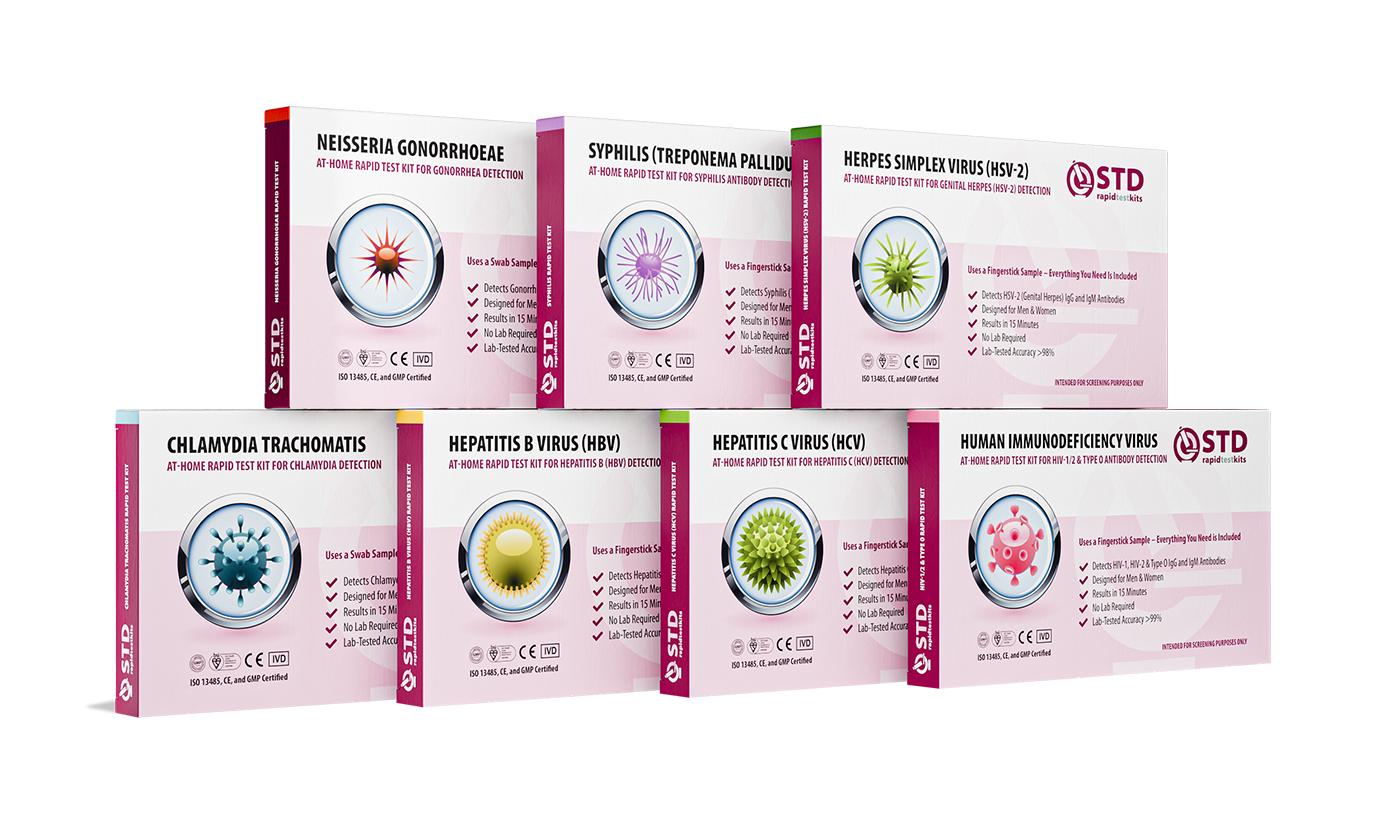 For Men & WomenResults in MinutesNo Lab NeededPrivate & Discreet
Order Now $129.00 $343.00
For all 7 tests
New Relationship? Here's How to Navigate That First Time
Let’s say you’re seeing someone new. They don’t know about your recent diagnosis. You’re past treatment, you’ve tested negative, but you're still scared to go there. Here’s the thing: sex after an STD doesn’t have to be a confessional. But it should be a collaboration. What matters most is mutual understanding. Not awkward monologues or medical files on a first date.
Before sex, try asking: “Have you been tested recently?” or “What do you usually do for protection?” These aren’t buzzkill questions. They’re a vibe check. If the conversation feels weird, forced, or rushed? That’s the warning light, not your past infection.
And if you decide to share your history, keep it grounded: “I had chlamydia a few months ago, I got treated, and I’ve tested negative since. I just like to be upfront.” Period. No apology, no overexplanation. You’re not a warning label. You’re a person with health literacy. That’s hot, actually.
Trust Is the Real Turn-On
After treatment, you may find yourself craving not just sex, but safety. That’s not weakness. That’s your nervous system asking for what it deserves. Whether you're single, partnered, poly, or figuring it out, this is a moment to reset your standards. Who deserves access to your body? Who deserves to know your story? And are they showing you safety before expecting pleasure?
Trust doesn’t mean you tell someone everything right away. But it does mean you feel seen. It means you feel like your boundaries will be respected. And yes, sometimes that trust starts with a rapid test, a clean towel, and an honest conversation at 2AM.
Safe sex after an STD isn’t a checklist. It’s a shift. From reacting to your diagnosis, to owning your decisions. From fearing rejection, to recognizing that your vulnerability might actually be your superpower. From “I hope this goes okay” to “I know what I’m doing.”
So take the time. Ask the questions. Hold your own hand if you need to. Because when you’re finally ready to say yes again, it’ll be from a place of clarity, not panic.
FAQs
1. Can I have sex again right after I finish my treatment?
Not so fast. Even if you feel fine, your body needs a buffer. Most treatments, especially for chlamydia or gonorrhea, require a full 7 days after the last dose before sex is safe again. Think of it as a grace period where the meds do their final sweep. Jumping in too early? That’s how people end up reinfected by accident.
2. I took my meds. Why do I still feel weird down there?
You're not broken, you're healing. Antibiotics kill bacteria, but your tissues might still be irritated. Maybe there’s discharge, maybe your skin feels off. That doesn’t always mean the infection is still there. But if it’s been two weeks and things still feel off? Time to get retested or call your provider. Listen to your body, don’t gaslight it.
3. What if my partner never got tested?
Big yikes. If you had an STD and they didn't get tested or treated, you could catch it right back like a game of microbial ping-pong. Reinfection is painfully common, not because people are gross, but because they’re uninformed or scared. Text them the link. Offer to test together. If they refuse? That’s a health red flag, not just a dating one.
4. Are condoms enough to keep me safe now?
They’re a solid layer of defense, not a force field. Condoms work best when used consistently and correctly, but they can’t block every STD. Skin-to-skin infections like herpes or HPV can still spread even with a condom. So yes, use them, but don’t rely on them as your only strategy. Combine them with testing, communication, and timing.
5. Should I tell future partners I had an STD?
If it’s something treatable and gone, like chlamydia, you’re not legally required to disclose. But morally? Transparency builds trust. For something ongoing like herpes or HIV, disclosure is a must. You don’t need to unpack your entire medical history, just offer the facts with clarity and kindness. The right partner won’t ghost you over honesty.
6. Can I get an STD from oral or just from sex toys?
Yes and yes. Oral sex can pass gonorrhea, syphilis, herpes, and more, especially if there's no barrier. And toys? If you’re not cleaning them between uses or partners, you’re just swapping bacteria with flair. Soap, condoms, and common sense go a long way.
7. Do I need to get tested again even if I feel fine?
Yep. For chlamydia, gonorrhea, and trichomoniasis, the CDC recommends retesting three months after treatment. Not because the meds didn’t work, but because reinfection is sneaky, and often silent. If you’ve had new partners or any “oops” moments, testing again can catch something early before it spreads.
8. I’m nervous I won’t enjoy sex again. Normal?
100%. After an STD, sex can feel like a trigger. Fear of judgment, fear of symptoms coming back, fear of messing up again, it all stacks. Take your time. Talk to your partner. Do things that feel good and safe. You’re allowed to enjoy sex again, and it’s okay if that takes a little while.
9. Will I always need to use protection now?
Not necessarily. If you and your partner are both tested, clear, and in a closed relationship, or using meds like PrEP or antivirals, you might decide to ditch condoms. What matters is that it’s a choice you both make fully informed. Protection isn't about punishment. It's about power.
10. Do I need to throw out my sex toys after treatment?
You don’t have to toss your whole collection, but you do need to clean it like your health depends on it, because it kind of does. Wash with soap and water, use toy-safe disinfectants, and throw a condom on shared toys. That vibe check starts with hygiene.
Let This Be the Start of Safer, Stronger Sex
Recovering from an STD doesn’t mark the end of your sex life, it’s often the beginning of a more informed, self-respecting one. You’ve already taken a brave step by testing, treating, and learning. Now you get to bring that clarity into your next encounter, without shame, without silence, and with full-bodied confidence.
Don't wait and wonder; get the answers you need. This at-home combo test ki checks for the most common STDs quickly and without drawing attention to itself.
How We Sourced This Article: We combined current guidance from leading medical organizations with peer-reviewed research and lived-experience reporting to make this guide practical, compassionate, and accurate.
Sources
1. CDC 2021 STD Treatment Guidelines
2. ASHA Sexual Health Resources
4. How to Prevent STIs | STI - CDC
5. Condom Use: An Overview | CDC
6. Safer Sex (“Safe Sex”) | Planned Parenthood
7. Gonorrhea – Diagnosis and Treatment | Mayo Clinic
8. STI Screening Recommendations | CDC
About the Author
Dr. F. David, MD is a board-certified infectious disease specialist who works to stop, diagnose, and treat STIs. He combines clinical accuracy with a straightforward, sex-positive attitude and is dedicated to making his work available to more people, both in cities and in rural areas.
Reviewed by: Dr. Kiara Hensley, MPH | Last medically reviewed: November 2025
This article is for informational purposes and does not replace medical advice.


