





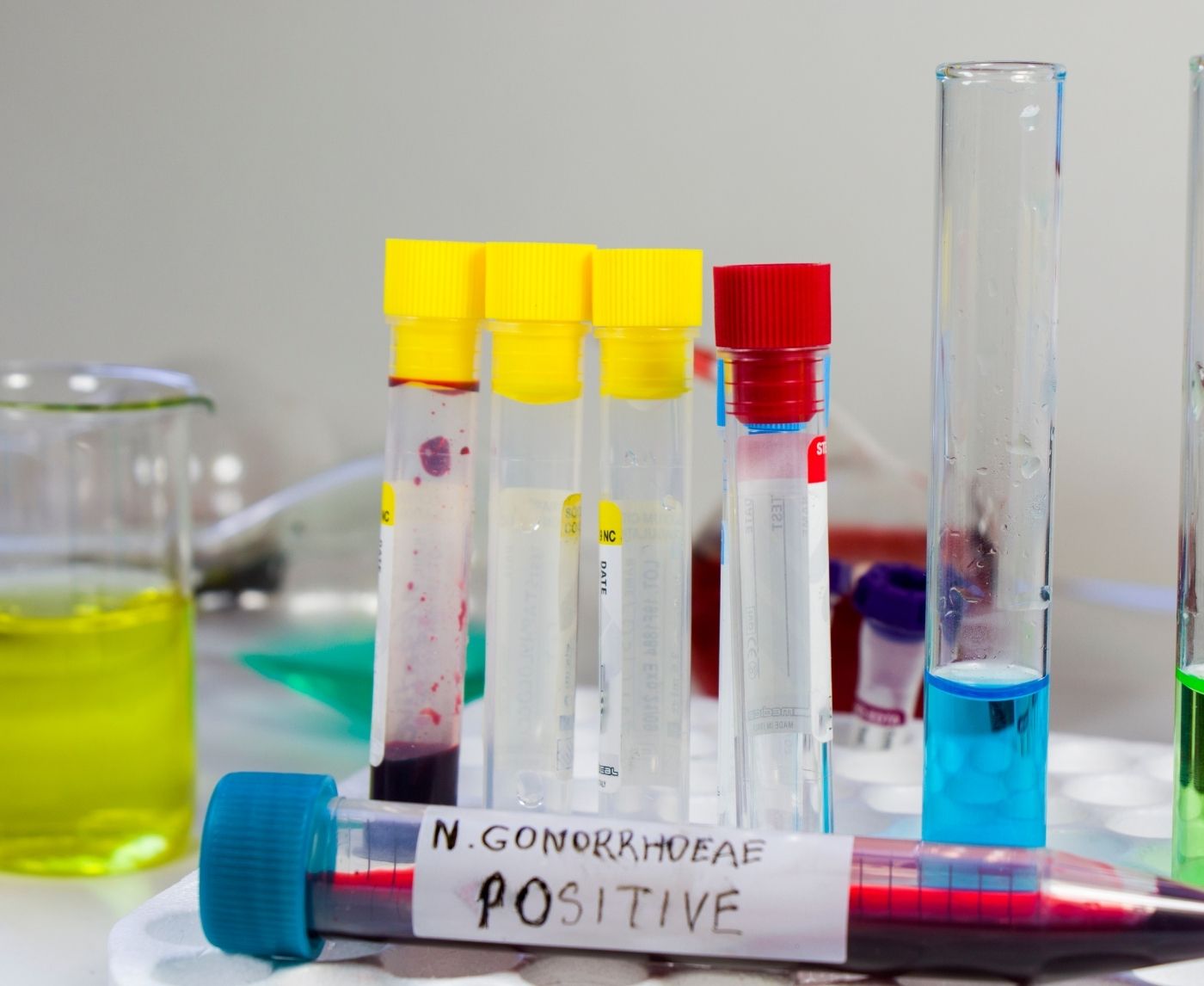

Quick Answer: Most people should retest for chlamydia or gonorrhea about 3 months after treatment, even if symptoms are gone. Earlier testing may be needed if you're pregnant or had a throat infection. A positive result after antibiotics is usually reinfection, not treatment failure.
Why Retesting Matters
Here’s what most people don’t realize: the antibiotics work. What doesn’t always work is life. Maybe your partner didn’t finish their meds. Maybe they weren’t honest about taking them. Maybe you hooked up again too soon, before the bacteria were fully cleared. All of those are ways you can test positive again.
The CDC recommends retesting three months after treatment for both chlamydia and gonorrhea because “a high prevalence of reinfection has been observed.” That’s clinical speak for: even when you think it’s over, it might not be.
Many people assume a second positive result means the meds didn’t work. But the truth? Reinfection is far more likely. Especially if your partner wasn’t tested, or if you started having sex again right away.
The good news is: retesting is simple. It protects your health and your partners. And it tells you the truth, not just what you want to believe.
Timeline: When & How to Retest
Let’s map out the retesting windows that apply to most people treated for chlamydia or gonorrhea. Keep in mind: “3 months” doesn’t mean exactly 90 days on the dot. It means enough time for a new infection to show up, if one happened.
| Infection | Standard Retest | Earlier Retest Needed? |
|---|---|---|
| Chlamydia (non-pregnant) | 3 months post-treatment | Yes, if pregnant: test again ~4 weeks after treatment |
| Gonorrhea (non-pregnant) | 3 months post-treatment | Yes, if throat infection: retest in 7–14 days |
| Chlamydia or Gonorrhea (pregnant) | Retest at 4 weeks + again at 3 months | Always follow up to prevent complications |
| Any STD (general) | Retest at next clinic visit if 3-month test is missed | No, unless advised by clinician |
Table 1. Standard clinical retest windows. Earlier testing may apply in pregnancy or pharyngeal (throat) gonorrhea cases. Always follow your provider’s instructions.
What to Do Between Treatment and Retesting
After treatment, those 90 days can feel like forever. But what you do during that time affects whether you test positive again, and whether it’s from a real issue or a false alarm.
| What to Do | Why It Matters |
|---|---|
| Finish all antibiotics exactly as prescribed | Skipping doses can let infection linger or cause resistance |
| Wait 7 days before having sex (or longer if advised) | Your body needs time to fully clear the infection |
| Make sure your partner(s) are treated too | Otherwise you’ll pass it back and forth without realizing |
| Use condoms if having sex again before retesting | Reduces chance of new exposure or reinfection |
Table 2. Your behavior after treatment directly affects whether you’ll test positive again, due to reinfection, not failed medication.
People are also reading: Oral Trichomoniasis Exists, But Most People Miss the Signs
What If You Still Feel Symptoms?
Jorge, 23, had taken the antibiotics. He followed instructions. But two weeks later, he still felt burning when he peed. Was it in his head? Was it something else? Or did the chlamydia never go away?
This is more common than people think. Symptoms can linger, especially urethral irritation, even after the infection is gone. Some people mistake inflammation for reinfection. Others test too soon and get a false positive from leftover bacterial DNA, especially with highly sensitive NAAT tests.
So what’s the move? Don’t panic. Let your body catch up. If symptoms last more than 3 weeks post-treatment, talk to a provider. You may need retesting, but not always. And if you do test, make sure it’s far enough from your treatment date, otherwise you could get a “positive” that’s not an actual infection.
Here's the difference:
If you test:
- Within 7 days after treatment: you're likely picking up old DNA.
- Around 14 days: some residual material may still be detectable.
- At or after 21 days: you're more likely detecting active infection, not leftovers.
Timing matters. And so does context. If your partner never got tested or you had unprotected sex since treatment, reinfection is likely. If you’ve had no new contact and took your meds correctly, it’s probably not a treatment failure.
Check Your STD Status in Minutes
Test at Home with Remedium7-in-1 STD Test Kit

 For Men & Women
 Results in Minutes
 No Lab Needed
 Private & Discreet
Order Now $129.00 $343.00
For all 7 tests
The Retest That Saves Relationships
Let’s be real: STDs don’t just affect the body. They shake trust. Kiara, 31, had taken her pills for gonorrhea and waited out the 7 days. Her boyfriend said he had too. But when she tested positive again two months later, everything cracked. Was he cheating? Was it her fault? Did the meds fail?
What actually happened: he never got tested. He thought her treatment was “good enough for both.” It wasn’t. And this isn’t rare. Many people assume one partner’s treatment covers the other. But without dual treatment and follow-up testing, the infection can boomerang.
Retesting is not just about biology, it’s about communication. It’s about protecting each other. It’s about not assuming silence means safety.
If you’re struggling to know where to start, here’s the good news: you can get answers privately, from home. No clinic waiting rooms. No awkward questions. No “just wait and see.”
This discreet at-home STD combo test checks for the most common infections, including chlamydia and gonorrhea, and gives results in minutes. No labs. No shame. Just clarity.
Do You Always Need to Retest?
Short answer: yes, unless your provider says otherwise. But that doesn’t mean everyone needs the same timing or the same test.
If you're pregnant, retesting is mandatory, not optional. If you had a throat infection, you may need an earlier follow-up due to higher resistance risks. If you're immunocompromised or on PrEP, your care team might suggest more frequent screening.
Otherwise, the general rule stands: test again around three months after treatment. That test isn't a repeat, it's a safeguard. It catches silent reinfection. It confirms your partner didn't pass something back. It gives you peace of mind.
And yes, even if you feel fine, you still need it. Chlamydia and gonorrhea can live quietly in the body. No symptoms doesn't mean no problem.
What If You Can’t Wait That Long?
Some people can’t wait three months. They’re moving across the country. Or starting a new relationship. Or simply living with too much anxiety to not know.
In those cases, an at-home test at 30–45 days can be a good middle ground. It’s not always perfect, but it’s better than guessing. And if the result is negative and you’ve had no new exposures, that can offer serious relief while you wait for the 3-month retest.
Just make sure the test you use is approved and accurate. Look for NAAT-based kits or FDA-approved rapid options. Avoid gimmicky apps or unverified online tests that don’t explain their methods.
Trust matters, especially when your peace of mind is on the line.
What If Your Partner Won’t Retest?
It’s one of the hardest conversations: asking a partner to retest, especially if they “already took the meds” or “didn’t have symptoms.” But here’s the truth, chlamydia and gonorrhea don’t always show up in obvious ways. In fact, most men with chlamydia don’t have symptoms at all. And untreated infections can linger for months, silently infecting others.
Jules, 25, had a short relationship with someone who was “clean last time they checked.” They used condoms most of the time. But when Jules tested positive for gonorrhea weeks later, their ex refused to get retested. Said it wasn’t needed. That decision didn’t just end the relationship, it made Jules question their judgment, their body, and their right to ask for safety.
If your partner won’t retest, or won’t even test in the first place, you have every right to set boundaries. Protecting your health isn’t overreacting. It’s baseline care.
Encourage them to use a home test if clinics feel too intense. Frame it as a mutual safety check, not an accusation. And if they still refuse? That’s information too.
Privacy, Shipping, and Testing on Your Terms
Not everyone has access to a walk-in clinic or a supportive provider. Some readers live in conservative towns. Others share space with roommates or family. Many just want to avoid awkward encounters or judgmental looks.
That’s why at-home testing has become a game changer. It offers accurate results, total privacy, and no waiting rooms. Kits arrive in unmarked packaging. They don’t say “STD” anywhere on the box. And if you choose a trusted vendor, your results stay confidential, no reporting to insurance or automatic disclosures.
Shipping is fast, often just 1–3 business days, and many companies include tracking numbers and instructions you can follow solo. Most tests can be done in under 10 minutes, with results ready shortly after. No lab. No paperwork. Just a small tool that gives you clarity in the place you feel safest.
STD Rapid Test Kits offers a full range of discreet at-home tests, whether you need to retest after treatment or screen before a new relationship. You can test for chlamydia, gonorrhea, syphilis, and more, all from home.
What If It’s Positive Again?
Let’s talk about the fear. You test again, months after treatment, and the result shows up positive. Again. Maybe you're thinking the meds failed. Or that you’ll never get rid of it. Or worse, you start blaming yourself.
Breathe.
Most post-treatment positives are not antibiotic failure. They’re reinfection. They’re from partners who weren’t treated. Or new ones who never got tested. Sometimes they’re from sex that happened too soon after finishing your pills. Sometimes it’s just bad luck.
The fix? It's simple: retreat the infection. This time, make sure your partner is treated too. Abstain for at least 7 days after the new treatment is complete. And retest again, if your provider recommends it.
What’s not helpful? Shame. Beating yourself up. Treating your sexual health like a moral failure. You’re doing the right thing by checking. You’re being responsible. You’re protecting future you.
If the result is positive again, take action, not blame.
People are also reading: STD Symptoms Doctors Miss in Black Women, And Why It’s Deadly
Why Retesting Is a Form of Care
STDs aren’t punishments. They’re infections. Retesting isn’t a confession, it’s a continuation of care. Just like you wouldn’t stop brushing your teeth because you had one cavity, you shouldn’t stop testing because you “already did it once.”
Chlamydia and gonorrhea are among the most common STDs in the world. They’re also among the easiest to treat. The only reason they spread so much is because people assume they’re fine after one round of pills. Because they skip the retest. Because their partner won’t check. Because their symptoms disappeared, but the bacteria didn’t.
Testing again is not paranoia. It’s clarity. It’s closure. It’s prevention for you, your partners, and anyone else you care about.
Why Retesting Changes More Than Just Your Results
There’s a version of this story where you don’t retest. Where the pills do their job, your symptoms go away, and you move on, assuming the best. And sometimes? That story ends fine.
But sometimes, it doesn’t.
Sometimes, the infection is still there, quiet and spreading. Sometimes your partner didn't actually take their meds. Sometimes you meet someone new, thinking you’re clear... and pass something along you didn’t know you had.
That’s why retesting is more than just a box to check. It’s a way to close the loop. To protect your future hookups, relationships, body, and peace of mind.
Check Your STD Status in Minutes
Test at Home with Remedium6-in-1 STD Rapid Test Kit
 For Men & WomenResults in MinutesNo Lab NeededPrivate & Discreet
Order Now $119.00 $294.00
For all 6 tests
Case Study: “I Thought I Was in the Clear”
Devon, 33, had a quick fling in the middle of a breakup. Condom slipped, got treated for gonorrhea a week later, and chalked it up to bad luck. Three months went by. Life moved on. New person, new relationship, new start.
He didn’t retest.
Then his new partner got symptoms. When they tested, they were positive, and furious. Devon re-tested, and so was he.
“I didn’t cheat,” he said. “I just didn’t check.”
Their relationship survived, barely. But it changed things. Not because he lied, but because he assumed. If he’d taken 10 minutes to swab and check before things got serious again, the whole outcome might have been different.
Retesting doesn’t just confirm biology, it protects trust.
The Retest Is a Beginning, Not a Backtrack
If you're reading this after being treated, know this: you're doing everything right. Taking care of your sexual health isn’t about being perfect. It’s about paying attention. Retesting doesn’t mean you failed. It means you're still in it. Still showing up for yourself. Still choosing clarity over comfort.
Even if it’s awkward. Even if your partner doesn’t get it. Even if you’re scared of the answer.
And here’s what we know: most people who test again feel better, not just physically, but mentally. Because once you know your status, you can actually do something about it. You can have sex without the creeping “what if.” You can talk to partners with confidence instead of guilt. You can stop Googling symptoms at 2am.
You don’t need to carry doubt. Not when the answers are this easy to get.
Order your retest today and give yourself the relief you deserve, quiet, fast, and on your terms.
FAQs
1. Why would I still test positive after treatment?
This one freaks people out, but here’s the truth: if you test too soon, especially within 3 weeks, your body might still be shedding dead bacteria. NAAT tests are super sensitive. They’ll flag remnants even when the infection’s gone. If you took your meds right, waited the full course, and didn’t have new exposure, a positive test that early doesn’t mean you still have it. Just... your body’s still cleaning house.
2. My symptoms are gone. Do I really need to retest?
Yep. Gone symptoms are great, but they’re not a green light to skip retesting. Both chlamydia and gonorrhea love to stay quiet. You could feel completely fine and still be contagious. That’s why the CDC recommends testing again in about 3 months. Think of it like checking your rearview mirror before switching lanes, it’s not paranoia. It’s just smart.
3. Can I have sex after I finish the pills?
Only if you want to roll the dice on reinfection. The golden rule: wait 7 days after both you and your partner finish treatment. That’s 7 full days of zero sex, even with a condom. It gives your body time to kill off every last bug. Jumping back in too soon is like hitting “cancel” on your cure.
4. My partner won’t get tested. What do I do?
That’s a tough one, and it happens more than it should. If they won’t test or treat, it’s not just about them anymore. It’s about your health. You have every right to protect yourself. If they won’t step up, that’s a red flag wrapped in bacteria. Say what you need to say. Then make choices that keep you safe.
5. Is it normal to still feel some irritation after treatment?
Totally. For some folks, the infection clears before the inflammation does. Your urethra might still be a little cranky even if the bacteria are gone. If it’s been more than 3 weeks and you’re still uncomfortable, or if symptoms come back, get checked again. Better safe than spiraling.
6. What’s the difference between a “retest” and a “test of cure”?
Great question. A “test of cure” checks whether the treatment actually worked, it’s usually done early, and only in specific cases like throat gonorrhea or pregnancy. A “retest,” on the other hand, happens later, about 3 months out, to catch reinfections. Different goals, different timing, same mission: making sure you’re clear.
7. Can I use an at-home kit for my follow-up test?
Hell yes. Just make sure the kit is real, and if possible, NAAT-based or FDA-approved. Don’t waste time with sketchy sites or too-good-to-be-true deals. Stick with companies that explain their science and offer clear instructions. When in doubt, start here.
8. What happens if I test positive again at 3 months?
Don’t panic, breathe. A second positive usually means reinfection, not that the meds failed. Happens all the time. You’ll need to treat again and make sure your partner(s) do too. Also? It’s okay to feel frustrated. Just don’t let shame stop you from handling it. You did the right thing by checking.
9. Can I trust the results from an at-home test?
If you follow the instructions and test at the right time? Absolutely. Home tests have come a long way. Many use the same tech as labs. Just don’t cheat the timing window or treat it like a magic 8-ball, test smart, not scared.
10. What if I never retest at all?
Honestly? That’s how untreated infections linger for months, or get passed to someone else. You might feel fine now, but chlamydia and gonorrhea can lead to serious issues down the line, like pelvic inflammatory disease or infertility. Retesting isn’t overkill, it’s a health check for your future self.
You Deserve Answers, Not Assumptions
Too many people walk away from treatment thinking the story’s over. They took the pills. The symptoms stopped. So that must mean they’re fine, right?
Not always. The only way to know you're truly in the clear is to retest. It’s not about overthinking. It’s about owning your health with confidence, not fear. It’s about knowing your body, and what’s still going on beneath the surface.
Whether you’re nervous, unsure, or just tired of the guessing game, remember this: you deserve clear answers, not silent maybe’s. Not a half-finished story.
Take the next step when you’re ready. This at-home combo test kit checks for chlamydia, gonorrhea, and more, with results in minutes and zero judgment.
How We Sourced This Article: We combined current guidance from leading medical organizations with peer-reviewed research and lived-experience reporting to make this guide practical, compassionate, and accurate.
Sources
1. CDC Chlamydia Treatment Guidelines
2. Retesting After Treatment to Detect Repeat Infections - CDC
3. Chlamydial Infections – STI Treatment Guidelines, CDC
4. Gonococcal Infections Among Adolescents and Adults – STI Treatment Guidelines, CDC
5. Test of Cure, Retesting and Extragenital Testing Practices for Chlamydia and Gonorrhea – PMC
7. Gonorrhea: Diagnosis and Treatment – Mayo Clinic
About the Author
Dr. F. David, MD is a board-certified infectious disease specialist focused on STI prevention, diagnosis, and treatment. He blends clinical precision with a no-nonsense, sex-positive approach and is committed to expanding access for readers in both urban and off-grid settings.
Reviewed by: Dr. M. Chen, MPH | Last medically reviewed: October 2025
This article is for informational purposes and does not replace medical advice.


