






Quick Answer: Flu and COVID vaccines do not cause herpes or HIV, but they may temporarily boost the immune system in ways that cause a dormant herpes outbreak or make early HIV symptoms appear. The only way to be sure is to test.
Why This Topic Keeps Coming Up
Let’s be real: it’s not just paranoia. The overlap between vaccine side effects and early STD symptoms is legit confusing. Fever, fatigue, headaches, muscle aches, chills, these are textbook immune responses after a flu shot or mRNA COVID vaccine. But they’re also on the symptom lists for primary HIV infection and genital herpes.
Leah, 28, shared her experience after her second Moderna dose:
“I got a fever and this weird tingling near my groin. Two days later, I had a herpes outbreak. I hadn’t had one in six months. I panicked and thought the vaccine gave me herpes.”
What really happened? Herpes didn’t come from the shot, but her immune system responded to the vaccine so intensely that it disturbed the balance that had kept her outbreaks in check. That’s the science of reactivation, not new infection.

People are also reading: Burning, Itching, Pain, but No Discharge? You Still Might Have an STD
What Does “Reactivation” Actually Mean?
When people ask if vaccines “trigger herpes” or “activate HIV,” they’re usually talking about reactivation, not new transmission. Herpes simplex viruses (both HSV-1 and HSV-2) live in the body for life once acquired, hiding out in nerve cells. They don’t cause symptoms all the time, only when something disturbs the immune balance.
This could be:
- Stress (mental or physical)
- Hormonal changes
- Another illness or fever
- Immune activation, like during a vaccine response
The vaccine doesn’t create herpes. But it may contribute to a flare in people who already carry the virus, especially if they have a history of frequent outbreaks. This is supported by research showing herpes simplex virus reactivation in some people following intense immune events, including vaccinations or illness episodes.
HIV is different. It’s not a virus that hides in the same way or “flares” visibly, but early HIV symptoms (called acute retroviral syndrome) can mimic flu-like vaccine side effects. The fear often comes from not knowing whether symptoms are coincidence, an immune response, or a sign of something deeper. That’s where testing comes in.
Immune System in Overdrive: A Perfect Storm for Confusion
When you get vaccinated, especially with something like an mRNA COVID shot, your immune system kicks into gear. That’s the point. You might feel wiped out for a day or two. Your lymph nodes swell. Your body may run a low-grade fever or develop body aches. All of that is part of your immune system rehearsing how to protect you.
But for someone who recently had sex with a new partner or already carries herpes, this surge of immune activity can feel suspicious. It might seem like something’s “wrong” when it’s really a sign your immune system is functioning.
Here's where things get tangled:
- Flu-like symptoms from a vaccine = normal immune response
- Flu-like symptoms from early HIV = signs of new infection
- Tingling or burning in the genitals post-vaccine = possible herpes flare
- Fatigue, swollen nodes, or rash = could be either
This is why symptom-based guessing doesn’t cut it. If there’s any risk of exposure, testing is the next logical step, not just to find out, but to stop overthinking every twinge in your body.
If you’ve had unprotected sex recently, or even protected sex with someone whose status you don’t fully know, testing puts power back in your hands. Order a discreet combo kit and get clarity within minutes from home.
“I Was Sure the Vaccine Gave Me HIV”
Marcus, 34, got his COVID booster in December. Two days later, he started experiencing chills, a headache, and a weird rash on his chest. He brushed it off as a reaction to the shot. But then he remembered an unprotected hookup two weeks earlier.
“I spiraled,” he said. “I couldn’t tell if I was sick from the vaccine or if I’d gotten HIV. I didn’t sleep for three nights.”
Marcus got tested at day 19 with a combo antigen/antibody test and again with a follow-up NAAT (nucleic acid test). His results were negative both times. His symptoms had been vaccine-related, but the fear was real.
That story reflects what many people go through. Symptoms alone are rarely reliable. Only testing, and timing, can separate fact from fear.
Check Your STD Status in Minutes
Test at Home with RemediumHIV Rapid Test Kit
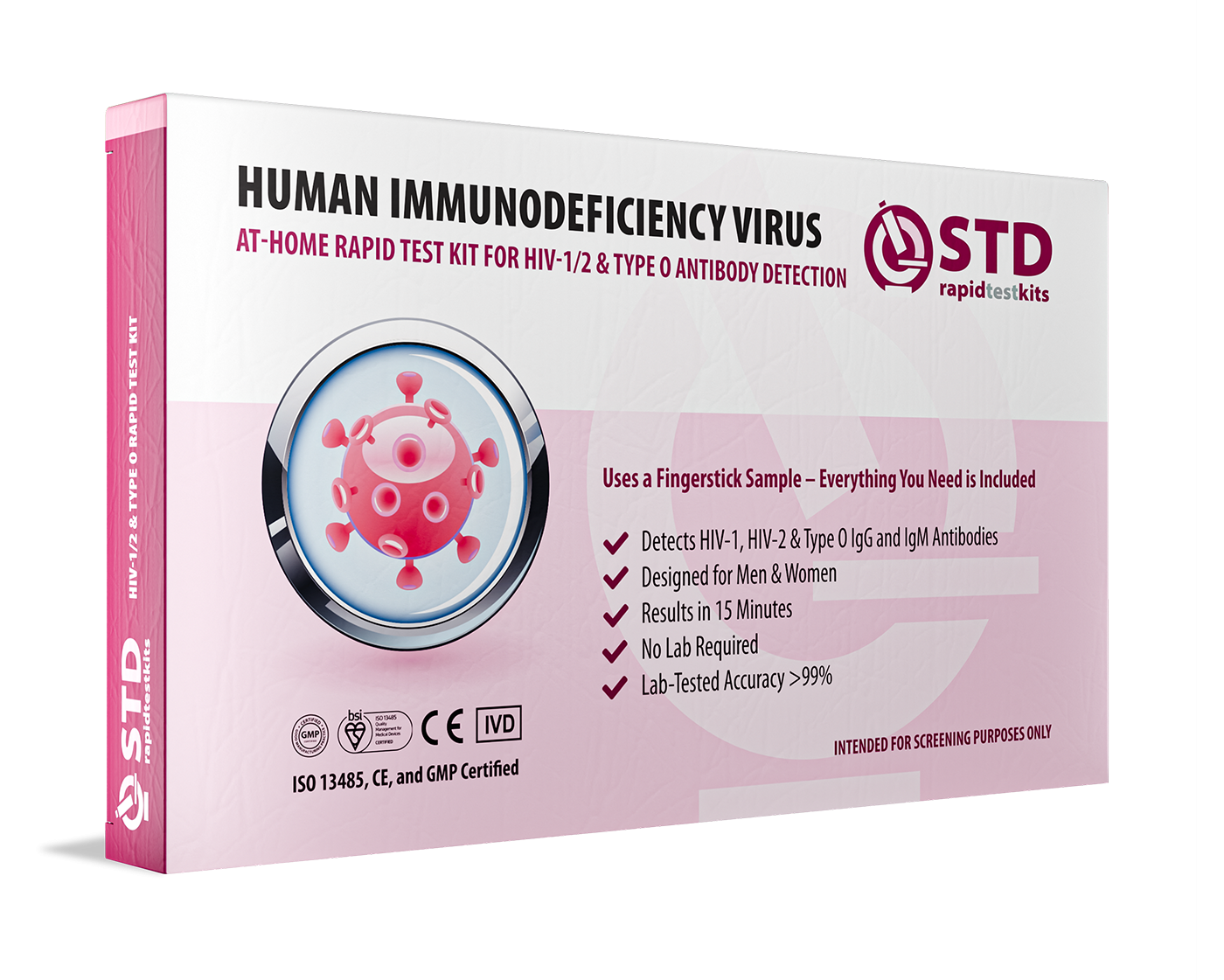
 For Men & Women
 Results in Minutes
 No Lab Needed
 Private & Discreet
Order Now $33.99 $49.00
Can the Flu Shot or COVID Vaccine Cause a False Positive on an STD Test?
For most STDs, the answer is no. Vaccines don’t contain live STD viruses, and they don’t cause your body to suddenly create antibodies against HIV, syphilis, or herpes unless you already have those infections.
That said, false positives can happen in rare cases due to cross-reactivity or timing. For example:
- HIV combo tests (Ag/Ab) can pick up transient immune activity shortly after vaccination, but this is rare.
- Herpes antibody tests may give unclear results if done during an immune surge, especially if someone was recently infected and seroconversion is underway.
- Syphilis RPR tests can sometimes give false positives during autoimmune activity or other infections, but not due to vaccines themselves.
To reduce confusion, test outside the immediate 48-hour window post-vaccine, and if your results are unclear, follow up with a confirmatory test. That’s where at-home testing can offer privacy, but lab follow-up gives additional peace of mind.
Let’s Talk Timing: When to Test After Symptoms or a Vaccine
If you’re worried that a recent vaccine may have triggered STD-like symptoms, or masked them, you’re not alone. The key to clarity is understanding the window periods of each infection. That’s the time between exposure and when a test can accurately detect it.
| STD | Earliest Detection | Best Time to Test | Notes |
|---|---|---|---|
| HIV | 10–14 days (NAAT), 18–45 days (Ag/Ab) | 4–6 weeks after exposure | Vaccines may temporarily affect immune responses, but won’t interfere long term |
| Herpes (HSV-1/2) | 3–6 weeks for antibody | 6+ weeks for reliable antibody testing | Outbreaks may flare after vaccines, but testing checks past exposure, not flares |
| Syphilis | 3–6 weeks | 6–12 weeks post-exposure | False positives can happen with autoimmune flares; confirm with treponemal test |
| Chlamydia & Gonorrhea | 5–7 days | 7–14 days post-exposure | Unaffected by vaccine immune responses |
Figure 1. Window period estimates for common STDs. These are general guidelines and may vary based on test type. Always consult a healthcare provider for retest timing if symptoms persist.
If you’ve had an exposure and then got vaccinated, don’t panic. Let your immune system calm down, then test at the right time. If results are unclear, retest after the peak window to confirm.
Need to test discreetly without leaving home? You can order a herpes rapid test kit here or explore combo kits for multiple STDs.
When It’s Not the Vaccine: Recognizing Real STD Symptoms
Vaccines don’t create STDs. But life doesn’t pause just because you got your flu shot. If you had a new partner, a one-time slip, or an STI-positive partner recently, that’s a risk on its own, regardless of any vaccine.
Here’s what real symptoms of common STDs may look like, and how they differ from vaccine side effects:
| Symptom | More Likely Vaccine | More Likely STD |
|---|---|---|
| Fever | Appears 6–36 hours post-shot, fades in 1–2 days | Lasts longer; may follow new sexual contact |
| Lymph node swelling | Common in armpit near injection site | Occurs in groin, neck, or widespread; may indicate infection |
| Rash | Rare, usually localized to shot area | Can be widespread or genital (HIV, syphilis, herpes) |
| Sores or blisters | Not a vaccine side effect | Classic for herpes or syphilis, test immediately |
| Fatigue | Common; lasts up to 48 hours | Can persist; watch for other symptoms or known exposure |
Figure 2. Vaccine vs STD symptom table. Use this to decode your symptoms based on timing, location, and context.
If you notice blisters, sores, pain during urination, or a rash on palms or soles, those aren’t related to any flu or COVID vaccine. They’re potential signs of herpes, syphilis, or chlamydia, and they need attention.
What to Do If You’re Not Sure
Here’s what we recommend if you’re stuck in the “Was it the vaccine, or was it something else?” loop:
- Note when symptoms started. Anything that begins 6–36 hours post-vaccine is likely a side effect.
- Track sexual exposures in the last 6 weeks. Be honest with yourself, was there a condom slip, unprotected oral, or a new partner?
- Check for symptoms the vaccine can’t cause: sores, painful urination, discharge, or lesions.
- Wait the window period, then test. Don’t rush it, accuracy matters more than speed.
If you’re experiencing anxiety or feel frozen with fear, know this: you’re not the only one. Confusion after vaccines, especially in people with shame around sex or STDs, is extremely common. You don’t have to spiral. You just need a plan, and this article can help.

People are also looking for: The STD I Didn’t Feel Until It Nearly Ruined Me
FAQs
1. Can a vaccine actually trigger a herpes outbreak?
Not out of thin air, but if you already have herpes (HSV-1 or HSV-2), a vaccine can sometimes stir things up. Think of it like your immune system throwing a house party. Most things stay chill, but herpes can be that uninvited ex who shows up when your defenses are distracted. It’s not a new infection, it’s just your body juggling too many signals at once.
2. Why did I feel like I had the flu and herpes at the same time?
You probably did have flu-like symptoms… from the shot. Vaccines, especially COVID and flu shots, can cause chills, fatigue, and aches. But if you also felt a tingling down there, saw a sore, or noticed swollen lymph nodes in your groin? That’s your body asking for a herpes check-in. One doesn’t rule out the other.
3. Can the flu shot give me HIV?
Nope. Absolutely not. HIV isn’t transmitted through vaccines, ever. The fear comes from overlapping symptoms: fever, rash, exhaustion. If you had unprotected sex in the weeks before or after your shot and you’re panicking now, that’s valid, but it’s not the vaccine. It’s the timeline. Get tested, not trapped in your own head.
4. I got vaccinated and now my STD test is positive. Coincidence?
Probably. Most vaccines don’t interfere with STD tests. But if your test uses antibodies, like for syphilis or HIV, you might get a confusing result right after a vaccine, just because your immune system is lit up. It’s rare, but real. A follow-up test (especially a confirmatory one) will usually sort it out.
5. Can the COVID vaccine give me a false positive for herpes?
Unlikely. Herpes tests are either visual (a swab of a sore) or serologic (looking for long-term antibodies). Vaccines don’t create herpes antibodies, they don’t even speak the same immune language. But if your herpes is already hanging out in your nervous system, a big immune event might invite it out of hiding.
6. Should I wait to test after getting vaccinated?
Depends. If you had sex last weekend and got vaccinated this week, wait until the right window period for testing, especially for HIV, syphilis, or herpes. Testing too early, vaccine or not, leads to false reassurance. Let the dust settle. Then test smart, not scared.
7. My symptoms started 48 hours after the vaccine, STD or not?
That’s the million-dollar question. If it’s fatigue, mild fever, arm soreness, or lymph nodes under your armpit? Vaccine. But if you’ve got genital sores, unusual discharge, pain while peeing, or a rash on your palms or soles, those aren’t vaccine side effects. That’s STD territory. Get it checked.
8. I haven’t had sex in a year, why would I get herpes now?
Because herpes doesn’t follow your calendar. Once it’s in you, it’s in you. Outbreaks can show up after stress, sickness, travel, sunburns, periods… or vaccines. You didn’t catch it from a syringe. You’re just flaring now because your immune system’s distracted. That’s how herpes works: sneaky but not spiteful.
9. Do I need to retest if I was negative right after vaccination?
Possibly. Especially for HIV or syphilis, where early tests might miss new infections. If your exposure was recent and your test was too soon, or you got a weird borderline result, give it a few weeks and retest. Better accuracy, better peace of mind.
10. Can I get vaccinated if I already have herpes or HIV?
Yes. And you should. People with herpes, HIV, or other chronic infections are actually encouraged to stay current on vaccines like flu, COVID, and hepatitis. It’s protection, not a risk. Just be aware that you might feel a bit more run-down, or see a flare, but it’s manageable and not dangerous.
Check Your STD Status in Minutes
Test at Home with RemediumGenital & Oral Herpes Test Kit
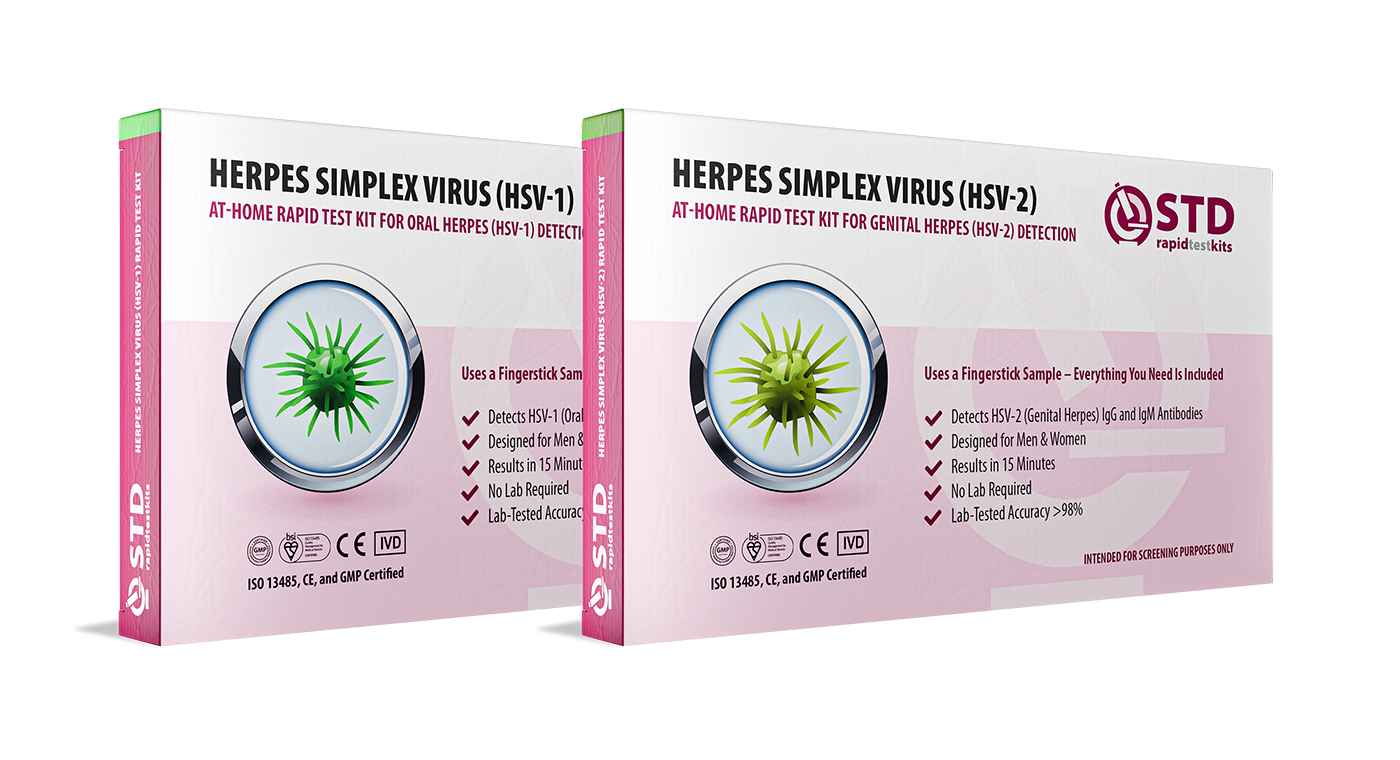 For Men & WomenResults in MinutesNo Lab NeededPrivate & Discreet
Order Now $75.00 $98.00
For all 2 tests
You Deserve Real Answers, Not What-If Spirals
If you feel weird after getting a vaccine, it doesn't mean you have an infection, but it also doesn't mean you're seeing things. Your immune system is real. Your risks of exposure are real. The worry? That's real too.
You don't have to choose between ignoring your gut feelings and overreacting. You need choices that let you check in with your body without feeling bad or having to wait. You are in charge with at-home STD tests. Quick, private, and medically sound.
Don’t wait and wonder, get the clarity you deserve. This at-home combo test kit checks for the most common STDs discreetly and quickly.
How We Sourced This Article: We combined current guidance from leading medical organizations with peer-reviewed research and lived-experience reporting to make this guide practical, compassionate, and accurate. In total, around fifteen references informed the writing; below, we’ve highlighted some of the most relevant and reader-friendly sources.
Sources
1. Mayo Clinic – HIV/AIDS Symptoms & Causes
2. How to Prevent STIs – Vaccines Included | CDC
3. Vaccines That Can Prevent STIs | American Sexual Health Association
4. Do Vaccines Cause Herpes Zoster? – Vaccine Safety, Univ. of Canterbury
5. Herpesviruses Reactivation Following COVID-19 Vaccination | European Journal of Medical Research
About the Author
Dr. F. David, MD is a board-certified infectious disease specialist focused on STI prevention, diagnosis, and treatment. He blends clinical precision with a no-nonsense, sex-positive approach and is committed to expanding access for readers in both urban and off-grid settings.
Reviewed by: Emily Reyes, MSN, FNP-BC | Last medically reviewed: November 2025
This article is for informational purposes and does not replace medical advice.


