






Quick Answer: There’s no one-size-fits-all STD test. Your provider (or at-home kit) chooses the right sample type based on your exposure: urine for genital infections, blood for HIV and syphilis, swabs for throat and rectal STDs. If you’ve had oral or anal sex, you’ll need more than just a pee test to get a full picture.
First: It’s All About Where the Exposure Happened
Think of STD testing like location-based detective work. If you only test your urine, you’re only checking what’s happening in your urethra. That works great if you’ve only had penis-in-vagina sex, but what if you’ve given oral sex? What if you’ve received it? What about anal sex?
Each of these contact points is its own potential infection site. STDs like gonorrhea and chlamydia can live silently in the throat or rectum. If those areas aren’t tested, you could walk away with a false negative and still be contagious.
That’s why a thorough provider will ask about the kind of sex you’ve had, not to judge, but to test accurately. And if you're testing at home, you'll want a kit that covers the bases that match your exposure history.

People are also reading: HIV or Syphilis? How to Tell If That Rash Means Something Serious
Let’s Start With the Mouth: STD Testing for Throat Exposure
If you’ve given oral sex, or received it from someone with a mouth infection, you might be carrying an STD in your throat without even knowing it. That includes oral gonorrhea, oral chlamydia, herpes (HSV-1 and HSV-2), and even early signs of syphilis.
Here’s what the test looks like:
| Sample Type | What It Detects | What to Expect |
|---|---|---|
| Throat Swab | Oral gonorrhea, chlamydia | Soft swab rubbed on tonsils or back of throat, like a COVID test but gentler |
| Visual Exam | Oral herpes, syphilis sores | Provider looks inside your mouth for lesions, ulcers, or white patches |
| Blood Test | Syphilis, HIV, herpes antibodies | Finger prick or small blood draw, needed for full confirmation |
Table 1. Common tests used to detect STDs in the throat after oral exposure.
The kicker? Oral STDs often cause zero symptoms. No sore throat, no white patches, nothing. That’s why if you’ve had unprotected oral sex (giving or receiving), a throat swab should absolutely be part of your testing panel.
Down Below: How Genital STD Testing Actually Works
When most people think “STD test,” they picture peeing in a cup or maybe giving blood. And yes, those happen. But depending on what’s going on, and what body parts are involved, genital testing can also include swabs, visual exams, and even internal samples. Don’t panic. We’ll walk you through all of it.
Let’s break it down by anatomy and exposure: people with a penis vs people with a vagina. Not because STDs care about gender, but because different anatomy means different testing methods.
Check Your STD Status in Minutes
Test at Home with Remedium7-in-1 STD Test Kit

 For Men & Women
 Results in Minutes
 No Lab Needed
 Private & Discreet
Order Now $129.00 $343.00
For all 7 tests
Genital STD Testing: If You Have a Penis
Most of the time, testing involves a urine sample. You pee into a cup, and the lab checks it for chlamydia and gonorrhea. But here’s the key: it only checks for infections in the urethra. That’s the tube inside the penis. If you’ve had oral or anal sex too? You need swabs from those areas to catch infections living there.
Here's what genital testing might involve:
| Sample Type | What It Detects | What to Expect |
|---|---|---|
| Urine Sample | Chlamydia, gonorrhea | Pee into a cup, usually first-morning urine, easy and painless |
| Urethral Swab (less common now) | Chlamydia, gonorrhea | Thin swab inserted slightly into the tip of the penis, mild discomfort |
| Blood Test | Syphilis, HIV, herpes, hepatitis B/C | Quick blood draw or finger stick |
| Visual Exam | Genital warts, herpes, syphilis sores | Provider checks for visible lesions or discharge |
Table 2. Genital STD testing options for people with a penis.
Good news? The urethral swab isn’t routine anymore. Most clinics use urine samples. Still, if you’re symptomatic or your provider suspects an infection higher in the urinary tract, a swab might be recommended.
Genital STD Testing: If You Have a Vagina
This is where the swab situation gets a little more involved. Testing often includes a self-collected vaginal swab or a provider-collected one during a pelvic exam. Some providers also use urine tests, but they’re slightly less accurate for vaginal infections.
Here’s the breakdown:
| Sample Type | What It Detects | What to Expect |
|---|---|---|
| Vaginal Swab | Chlamydia, gonorrhea, trichomoniasis, BV | Swab gently inserted into vagina, can be self- or provider-collected |
| Urine Sample | Chlamydia, gonorrhea | Pee into a cup, simple but may miss infections outside urethra |
| Blood Test | HIV, syphilis, herpes, hepatitis B/C | Standard blood draw or finger stick |
| Pelvic Exam | Herpes sores, warts, cervicitis, PID signs | Provider uses a speculum to check cervix and vagina, only if needed |
Table 3. Genital STD testing options for people with a vagina.
You don't need to have a speculum exam every time you go. You can usually collect most swabs by yourself in private. But if you have symptoms like pain, discharge, or sores that you can see, your provider may suggest a full exam.
Blood vs Urine: Why They’re Not Interchangeable
This is a common misconception: “Can’t they just test my blood and check for everything?” Sadly, no. STDs are picky about where they live. Chlamydia and gonorrhea stay localized in tissue, that’s why urine or swabs are needed. Syphilis and HIV spread through the bloodstream, so they show up in blood. Herpes can require both.
If you only do one type of test (like blood or urine), you could miss an infection entirely. That’s why full panels usually include multiple sample types, and why some people leave a “clean test” thinking they’re safe, when they only tested one site.
Do Clinic and At-Home Tests Use the Same Samples?
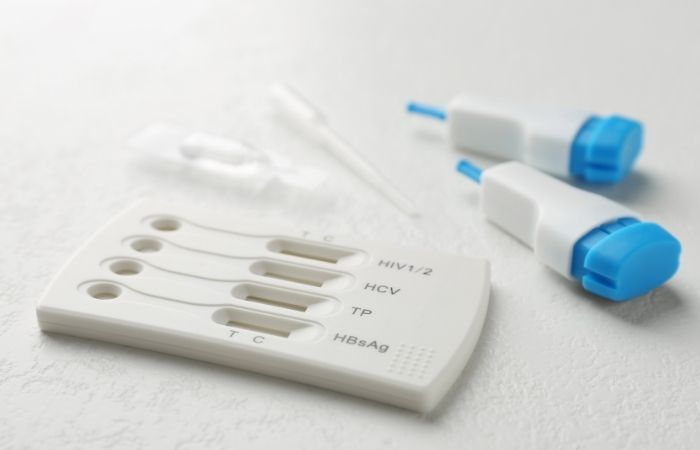
Mostly, yes. A good at-home STD test kit mirrors what clinics do: blood (via finger prick), urine sample, and swabs depending on exposure. The difference? You collect the samples yourself, then mail them to a lab.
It’s private, convenient, and accurate, if the kit covers all the exposure sites relevant to your history. That’s why we recommend checking whether a kit includes throat or rectal swabs if those apply to you.
People are also reading: Should You Get Tested After Every Hookup? Here’s the Real Answer
The Bottom Line: What You Need to Know About Rectal STD Testing
If there’s one part of the body that most STD tests overlook, it’s the rectum. That’s a problem, because gonorrhea and chlamydia can live quietly in the rectum without symptoms, especially in people who’ve had anal sex. Whether you’re LGBTQ+, straight, curious, or just experimenting, this part of your body deserves the same attention as everywhere else.
Too often, rectal testing is skipped because the patient doesn’t mention anal sex, or the provider doesn’t ask. And since infections in the rectum rarely cause pain or discharge, they go unnoticed and untreated. You could test “negative” on urine or blood tests and still be infectious.
What Does Rectal Testing Actually Involve?
Don’t worry, it’s not a colonoscopy. It’s a simple swab. A soft, sterile swab is inserted about 1–2 inches into the rectum, gently rotated, and removed. That’s it. It’s not painful, though it may feel strange for a moment. Many at-home kits even let you collect the sample yourself in total privacy.
Here’s how rectal STD testing breaks down:
| Sample Type | What It Detects | What to Expect |
|---|---|---|
| Rectal Swab | Chlamydia, gonorrhea | Swab inserted into anus (1–2 inches); done by provider or self-collected |
| Visual Exam | Warts, herpes lesions | Provider checks outer anal area for visible signs (only if symptoms are present) |
| Blood Test | Syphilis, HIV, herpes | Used for STDs that enter the bloodstream regardless of exposure site |
Table 4. STD testing options for rectal exposure.
Some providers still don’t offer rectal testing routinely. If you’ve had anal sex, even once, you should ask for it specifically. And if you’re testing at home, check that your kit includes a rectal swab option. Many don’t by default.
But I Don’t Have Symptoms… So Why Test There?
This is where things get sneaky. Rectal STDs often cause no symptoms at all. You could be carrying chlamydia or gonorrhea and feel totally fine. No pain, no bleeding, no irritation. That’s great for comfort, but bad for catching infections early.
Left untreated, rectal infections can spread, cause inflammation, or increase your risk of HIV transmission. They can also be passed unknowingly to future partners through genital, oral, or anal contact.
Here’s what we’ve seen clinically: people who test negative through urine or blood, but positive on rectal swabs. The only reason they found out? They asked for the full panel.
Real Talk: Why This Part Gets Skipped
There’s still a lot of stigma around anal sex. Some patients don’t want to bring it up. Others aren’t sure if what they did “counts.” And providers, especially outside of sexual health clinics, don’t always take a full sexual history. That leads to missed diagnoses and ongoing risk.
The solution? Own your body. Tell your provider what kind of sex you’ve had, or choose an at-home kit that lets you control the process. You don’t owe anyone an explanation, but you do deserve a test that actually works.
Is At-Home Rectal Testing Safe and Accurate?
Yes, if it comes from a certified lab and includes a proper rectal swab. You’ll follow simple instructions (usually involving gentle insertion and swab rotation), seal the sample, and mail it in. Results are as accurate as what you’d get in a clinic, minus the awkward waiting room.
We strongly recommend choosing a kit that includes rectal, throat, urine, and blood testing if your sex life involves more than just vaginal contact. The more complete your sample, the clearer your results.
Check Your STD Status in Minutes
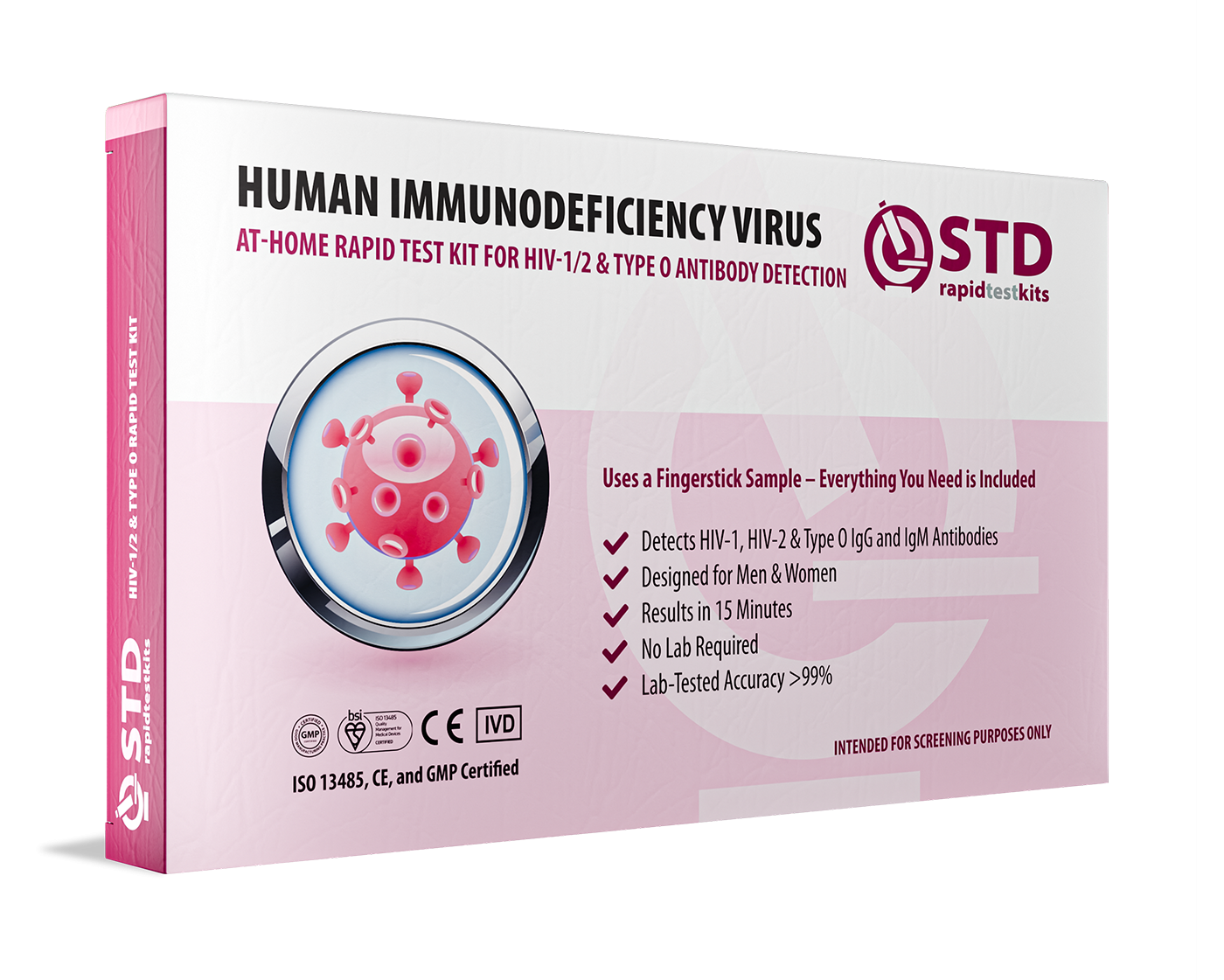
Test at Home with RemediumHIV Rapid Test Kit
 For Men & WomenResults in MinutesNo Lab NeededPrivate & Discreet
Order Now $33.99 $49.00
FAQs
1. Do I actually need a throat or rectal swab if I’ve had oral or anal sex?
Yep. If it’s gone in your mouth or butt, it needs to be tested. Think of it this way: you wouldn’t check your kitchen for a leak if the water’s dripping in the bathroom. Same deal here, urine and blood tests won’t catch infections hiding in other places.
2. But what if I don’t have symptoms?
Join the club, most people don’t. STDs like gonorrhea or chlamydia love to hide out with zero signs, especially in the throat and rectum. No pain, no weird smell, nothing. That’s why testing isn’t just for when something feels off. It’s for catching stuff before it does.
3. Will they make me get a swab inside my penis or vagina?
Almost never. Urine tests and self-swabs are the norm now. Urethral swabs used to be standard, but most clinics and at-home kits don’t use them unless there’s a specific reason. Vaginal swabs? Often self-collected, quick, and way less invasive than a full pelvic exam.
4. Does STD testing hurt?
Not really. Swabs are more awkward than painful, like someone cleaning your tonsils or tickling your butt for science. Blood tests = quick poke. Pee tests = business as usual. Zero stitches. Zero drama.
5. Why can’t they just test my blood for everything?
Because not all STDs hang out in your bloodstream. HIV, syphilis, and herpes? Sure. But gonorrhea and chlamydia like to stay local, urethra, vagina, throat, rectum. If you don’t swab it, you might miss it.
6. So if I only did a urine test, was that worthless?
Not worthless, but incomplete. Urine’s great for catching genital infections if that’s your only exposure. But if you’ve had oral or anal sex, you’re flying blind unless you test those sites too. The more complete your testing, the more you can trust the results.
7. Can I just test myself at home instead?
Absolutely. And honestly, a lot of people prefer it. At-home kits can include everything: throat, rectal, urine, blood. You follow the steps, mail it in, and skip the waiting room. Just make sure your kit matches your exposure. Not all do by default.
8. Do I have to tell my provider exactly what kind of sex I’ve had?
You don’t have to, but it helps them test you correctly. Think of it like telling your mechanic what kind of weird noise the car is making. They’re not judging, they’re diagnosing. And if that convo feels like too much? There’s always home testing where you can handle it privately.
9. What if I test “clean” but still have symptoms?
Then it’s time to test again, or test differently. Maybe a body site was missed. Maybe it’s a different infection. Maybe you tested too early. This is why understanding where and how you’re tested matters just as much as the result.
10. Is one test enough, or should I retest later?
If something felt risky or recent, it’s smart to test again in 2–6 weeks. Some infections have window periods, basically, they don’t show up right away. That’s not paranoia; that’s prevention.
How We Sourced This Article: We pulled from clinical guidelines, recent research, and real-world testing protocols used in both public health clinics and at-home services. Our goal was to cut through the confusion and deliver clarity. Around fifteen reputable sources informed this article; below, we’ve highlighted some of the most relevant and reader-friendly sources.
Sources
1. Getting Tested for STIs | CDC
2. Sexually Transmitted Infection (STI) Tests – MedlinePlus
3. STD Testing & Treatment: What You Need to Know | HealthPartners Blog
4. Sexually Transmitted Infections: Updates From the 2021 Guidelines | American Family Physician
5. STI Screening and Treatment Guidelines Issued by Health Agencies | NCBI Bookshelf
Test Smarter, Not Just Harder
You wouldn’t just check one tire on your car and call it a safety inspection, right? Same goes for STD testing. Your body has multiple entry points for infection, and each one might need a different kind of test. That’s not overkill, it’s just complete care.
If you’ve had oral, vaginal, or anal sex (or all three, go you), your testing should match. Not sure where to start? Try a comprehensive at-home kit that includes swabs, blood, and urine, all tailored to how real sex happens.
Don’t just test. Test all the places that matter. Because your health deserves the full picture, not a guess based on convenience.
About the Author
Dr. F. David, MD is a board-certified infectious disease specialist who believes sexual health should be as routine and stigma-free as getting a physical. His work focuses on community prevention, trauma-informed care, and helping people test smarter, not just more.
Reviewed by: Ava Greene, FNP-C
Last medically reviewed: October 2025


