





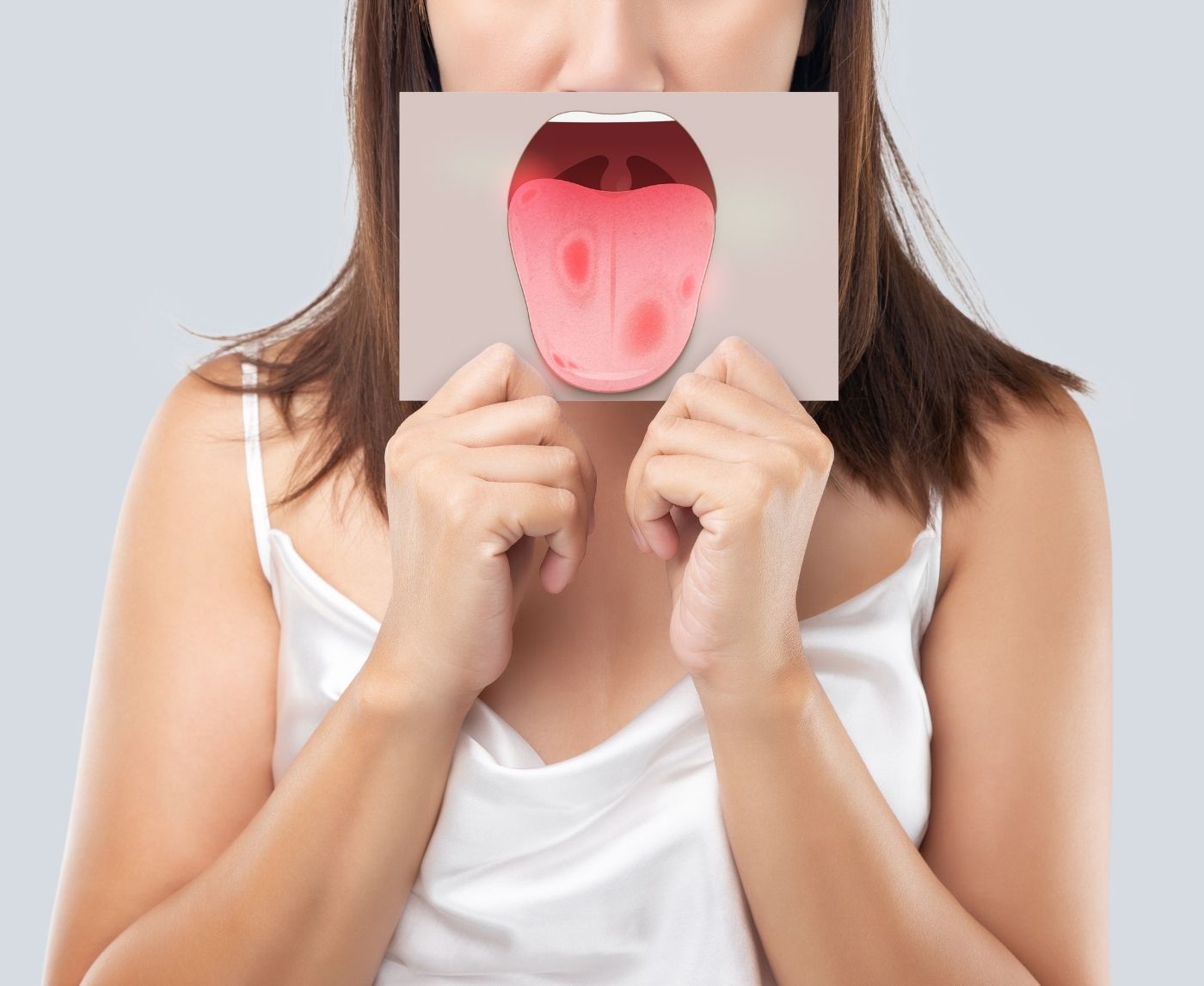

Quick Answer: Yes, oral sex can transmit STDs like gonorrhea, chlamydia, syphilis, herpes, and even HIV. Many infections spread through mouth-to-genital contact and may cause few or no symptoms.
Why This Myth Is So Dangerous
The idea that oral sex is "safe" or "clean" is deeply rooted in cultural shame about what counts as “real sex.” For many, especially teenagers, queer folks, or anyone trying to stay technically “virgin,” oral sex is the go-to compromise. It feels intimate but less risky. Unfortunately, infections don’t care about technicalities.
According to the CDC, many STDs can be spread during oral sex, including those that cause no symptoms in the throat or genitals. You might never know you’ve passed or received something until it’s already affected your health or shown up in a partner. That invisibility is what makes this myth so harmful.
And it’s not just about personal health. One untested, untreated oral infection can quietly move through multiple partners, especially in communities where testing isn’t routine. The damage ripples outward.
STDs That Can Be Spread Through Oral Sex
Yes, some infections are harder to transmit through oral contact. But others are surprisingly easy to catch, and often harder to detect. A single session of unprotected oral sex can be enough.
| STD | Can Be Transmitted via Oral? | Typical Oral Symptoms | Testing Available? |
|---|---|---|---|
| Gonorrhea | Yes, very easily | Throat irritation, no symptoms in most cases | Yes – throat swab or NAAT |
| Chlamydia | Yes | Often silent in the throat | Yes – throat swab (lab-based) |
| Syphilis | Yes | Painless sore in mouth or lips | Yes – blood test or lesion swab |
| Herpes (HSV-1 and HSV-2) | Yes | Cold sores, ulcers, tingling | Yes – swab or blood test |
| HIV | Possible (low risk) | None specific to oral | Yes – rapid blood test or lab test |
| HPV | Yes | Warts or no symptoms | Limited – some oral screenings |
| Trichomoniasis | Rare but possible | Dry mouth, sore throat | Rare for oral – usually genital testing |
Table 1. Common STDs and their oral transmission potential. Throat infections may not produce symptoms but can still be infectious.

People are also reading: It’s Not About Being Reckless: The Truth About Repeat STDs
Case Study: “I Didn’t Even Realize It Was an STD”
Alejandro, 24, got a surprise call from a recent partner who’d tested positive for oral gonorrhea. They hadn’t had penetrative sex, just a one-time hookup with mutual oral. At the time, he thought nothing of it. A few days later, his throat felt raw. “I thought it was just allergies,” he recalls. “Didn’t even cross my mind to get tested.”
“I told my doctor it might be strep. He swabbed my throat, and boom, positive for gonorrhea. I didn’t even know that was a thing.”
That’s the problem. Oral STDs are stealthy. They often feel like sore throats, canker sores, or even nothing at all. And unless a provider specifically orders an oropharyngeal swab, many standard STD tests won’t catch them.
Even when symptoms do appear, they’re easy to misread, especially when they mimic common issues like colds, acid reflux, or dry mouth. That’s why awareness, not just protection, is your best defense.
Check Your STD Status in Minutes
Test at Home with Remedium7-in-1 STD Test Kit

 For Men & Women
 Results in Minutes
 No Lab Needed
 Private & Discreet
Order Now $129.00 $343.00
For all 7 tests
When It’s Not a Sore Throat, But Something Else
For weeks, Morgan chalked it up to seasonal allergies. A scratchy throat, occasional cough, maybe a mild fever, but nothing alarming. When she finally saw an urgent care provider, they did a rapid strep test. Negative. She left with advice to hydrate and rest. No one mentioned testing for gonorrhea or chlamydia, because she hadn’t mentioned sex, and no one had asked.
This is disturbingly common. Oral STDs often present as low-grade discomforts: hoarseness, a red throat, swollen tonsils, or nothing at all. Some people describe a sensation like something “stuck” in the throat. Others experience no warning signs whatsoever. That’s why infections like oropharyngeal gonorrhea can go undetected for months, and why transmission continues silently.
In emergency rooms, urgent care, even primary care clinics, throat complaints are rarely traced back to sexual exposure unless a patient volunteers that information. But shame, confusion, or assumptions about what counts as “real sex” often lead people to stay silent, or simply unaware of the link.
From Mouth to Genitals, And Back Again
Let’s say someone has untreated oral chlamydia. During oral sex, that bacteria transfers from their throat to their partner’s genitals. The partner then assumes they were exposed through vaginal or anal sex, but never suspects the mouth.
It’s a real chain of events, and it’s more common than you think. This “silent cycle” happens when oral carriers pass on infections they didn’t know they had. According to multiple studies, the throat can harbor gonorrhea and chlamydia even in asymptomatic individuals, especially among men who have sex with men, but also in heterosexual women and men who receive or give oral sex casually.
Here’s the kicker: these infections don’t stay put. What starts as an unnoticed oral site can become a genital, rectal, or systemic infection in the next person. And because oral infections are rarely tested, they create a blind spot in prevention strategies.
Standard STD Tests Don’t Usually Check the Mouth
Unless you ask, or your provider knows your exposure involved oral sex, your mouth won’t be tested. That’s true for clinics, telehealth panels, and many at-home kits. Most tests focus on genital or urine samples. Oral-specific swabs are available, but they’re underused and under-requested.
Some readers don’t even realize that testing “down there” doesn’t include the throat. If you had unprotected oral sex and only did a urine test, you may have missed something. The result? False reassurance.
| Test Type | Genital Site Detected? | Oral Site Detected? | Common Use Case |
|---|---|---|---|
| Urine NAAT (Chlamydia/Gonorrhea) | Yes | No | Standard STI panel at clinics or mail-in kits |
| Oral Swab NAAT | No | Yes | Must be specially requested, detects throat infections |
| Blood Test (HIV, Syphilis, HSV antibodies) | Systemic | Systemic | Used for exposure history or persistent symptoms |
| At-Home Combo Test Kit | Yes (genital) | No (oral not included unless specified) | Best for recent genital exposure, not oral-only |
Table 2. Most STD tests do not include the mouth unless requested. Many at-home kits test only urine or blood samples.
Don’t Assume You’re Covered, Ask, Test, Repeat if Needed
Ryan, 28, took a full STD panel after a casual oral hookup left him uneasy. His results came back clean. Three weeks later, his partner tested positive for syphilis. Confused, Ryan asked, “How is that possible?” The answer: his blood test didn’t pick it up in the early window. And no oral swab was ever done, because he didn’t ask, and no one offered.
STDs have timing rules. Some infections don’t show up right away. Others require targeted tests. Even the best at-home kits can only find what they’re designed to detect. If oral sex was your only exposure, you need to be clear with your provider, or choose a test that specifies oral site detection.
Still not sure what to get? If your symptoms are vague, or you just want peace of mind, this FDA-approved combo test kit checks for multiple STDs from home. It won’t swab your throat, but it can help identify genital infections early. If you suspect an oral STD, follow up with a clinician and ask directly for an oropharyngeal swab.
“I Thought Oral Was Safe”: The Aftermath of Misinformation
When Dana found out she had oral chlamydia, she stared blankly at the nurse practitioner. “But we only did oral. That’s supposed to be safe, right?” Her voice cracked as embarrassment turned to disbelief. “No one ever told me this was a risk.”
It’s not just medical ignorance that hurts people, it’s silence. We grow up hearing warnings about condoms and intercourse, but oral sex often gets glossed over or romanticized. As a result, countless people contract infections through the mouth and don’t even realize it’s possible. That means they don’t test, don’t treat, and may unknowingly pass it on.
According to the World Health Organization, more than 1 million STIs are acquired every day worldwide, many of which are asymptomatic and undiagnosed. Oral transmission is a growing part of that silent epidemic, especially among young adults, queer communities, and people exploring new sexual boundaries.
“I wish I had known,” Dana later told a friend. “Not to scare me, but to give me a real choice.”

People are also reading: One Test, One Pill, One Lie: The Myth of the Chlamydia Quick Fix
Breaking the Shame Loop: Why Talking About Oral Risk Matters
If you’ve ever felt awkward asking a partner to use protection during oral sex, you’re not alone. Many people avoid the conversation entirely, out of fear they’ll be judged as paranoid, prude, or “not chill.” But normalizing this conversation is key to reducing spread.
One way to start? A simple, judgment-free tone. “Hey, I’m into oral, but I’ve also had partners test positive from it. Do you usually use protection?” It’s not an interrogation, it’s care. And it opens the door to honesty on both sides.
Partners who truly respect you won’t mock that kind of awareness. And if they do? That’s information in itself. Every encounter is a shared risk, and both people deserve to make informed choices. That includes knowing what barriers exist, what testing covers, and how to follow up if something feels off.
If your partner isn’t up for that level of transparency, it’s okay to walk away, or at least walk in with protection. There are flavored condoms, dental dams, and even at-home tests that can help reduce guesswork. Sex is better when you're not panicking afterward.
Check Your STD Status in Minutes
Test at Home with Remedium10-in-1 STD Test Kit

 For WomenResults in MinutesNo Lab NeededPrivate & Discreet
Order Now $189.00 $490.00
For all 10 tests
What Happens If You Test Positive for an Oral STD?
The good news? Most oral STDs are highly treatable, especially when caught early. Gonorrhea and chlamydia are treated with antibiotics. Syphilis is curable, though time-sensitive. Herpes can be managed with antivirals, and HIV is now controlled through advanced medications and early intervention.
But treatment is only one part of the process. What really shakes people is the emotional spiral: shame, guilt, confusion, blame. That’s why it’s crucial to frame positive results not as failure, but as information. You didn’t “do something wrong.” You just did something normal, and now you’re taking responsible next steps.
Here’s what to expect:
- A throat swab or blood test will confirm the infection site or type
- A provider may prescribe oral or injectable treatment (often one dose)
- You’ll be asked to notify recent partners so they can test, too
- Some providers will recommend a retest after 3–6 weeks
- If symptoms persist or spread, a follow-up exam may be needed
You’re not the first. You won’t be the last. And you deserve care, not shame. Need to start the process discreetly? You can order a test from home and take that first step on your own terms.
The Prevention Nobody Talks About
Let’s be real, most people don’t use condoms during oral. Not because they’re reckless, but because the risk isn’t visible. The symptoms aren’t obvious. The messaging is unclear. It’s easier to believe we’re fine than to ask uncomfortable questions or interrupt the moment.
But that’s changing. More people are rethinking what “safe sex” really means, especially after testing positive from something they didn’t see coming. Even partial protection, like using barriers during new hookups or getting tested before sleeping with a new partner, can make a huge difference.
And testing doesn’t have to be a clinic ordeal. Modern kits can be ordered discreetly, used in private, and shipped overnight. No waiting rooms. No eye contact. No excuses. Just facts, and peace of mind.
If you’re reading this because you’re worried something happened, or wondering if you should test, trust your gut. Oral sex can carry real risk, and testing doesn’t mean you did something wrong. It means you care about your body, your partners, and your future.
FAQs
1. Can you really get chlamydia from oral sex?
Yeah, you absolutely can. It doesn’t matter if it was “just a quick hookup” or if you never took your clothes off. If your mouth came into contact with someone’s genitals or vice versa, that’s enough. Chlamydia can set up shop in your throat without making a sound. You won’t feel it, but you can still pass it on.
2. How would I even know if I had an oral STD?
Honestly? You might not. That’s the scary part. Some people feel a scratchy throat or get swollen tonsils and think it’s allergies or a cold. Others feel nothing at all. The only way to know for sure is to test for it, especially with a throat swab if you’ve had oral sex recently.
3. Is giving head riskier than receiving it?
Both come with risks, but giving can actually expose you to more types of infections. If your partner has something like gonorrhea, chlamydia, or syphilis, your mouth and throat can pick it up fast, especially if you have tiny cuts or gum irritation. But receiving isn’t a free pass either. If you’re carrying an infection in your mouth, you can absolutely pass it on.
4. I got tested and everything came back negative. Am I in the clear?
Maybe. Maybe not. Did your test include a throat swab? Did you wait long enough for the window period to pass? Did you test for everything relevant? A lot of people think they got a “full panel” when really, they only did a urine test. If oral sex was your exposure, and the test didn’t check your throat, it may have missed what matters most.
5. Can a sore throat be a sign of an STD?
It can be. But here’s the catch, it can also be nothing. A sore throat caused by gonorrhea or chlamydia doesn’t look that different from strep or seasonal gunk. That’s why it’s so often overlooked. If your throat feels weird after a sexual encounter, even if it was “just oral”, don’t brush it off. Testing is easier than guessing.
6. Do most at-home STD kits test the mouth too?
Nope, not by default. Most home kits test urine (for genital exposure) and blood (for systemic stuff like HIV or syphilis). Unless the kit clearly says it includes an oral swab, your throat probably isn’t being checked. If oral was your only exposure, talk to a provider, or choose a test that’s designed for that site.
7. Should I be using protection during oral sex?
Listen, most people don’t. That’s just real life. But if you’re seeing new partners, not using protection, and not testing regularly, that’s a recipe for surprise infections. Flavored condoms, dental dams, even just talking beforehand about testing, it all helps. Protection doesn’t have to kill the mood. Getting blindsided by a throat STD? That’ll do it way faster.
8. Can you get HIV from oral sex?
The risk is low, but not zero. It depends on viral load, presence of sores or cuts, and whether ejaculation happens in the mouth. It’s not the most common way HIV spreads, but it has happened. If HIV is a concern, PEP or PrEP might be worth talking to a provider about. Don’t make assumptions, make informed calls.
9. Is kissing risky too?
Mostly safe, but not squeaky clean. Kissing can spread herpes if someone has an active cold sore, and syphilis if there’s an open lesion. Deep kissing with cuts or gum disease increases the chances, but overall, it’s lower risk than oral sex. Still, know your partner, watch for symptoms, and test when in doubt.
10. I’m freaking out, what should I do first?
Breathe. Seriously. This isn’t a punishment or a crisis, it’s just information. If something feels off, test. If you’re unsure about exposure, test. If you’ve never tested for throat STDs but have had oral sex, test. Whether it’s through a clinic or an at-home kit, answers are better than anxiety.
Let’s Be Clear: This Isn’t About Shame, It’s About Knowing
If you’ve had oral sex, protected or not, you’ve done something most people do. That doesn’t make you dirty. It makes you human. What matters is what you do next. Awareness leads to prevention. Prevention leads to control. And control puts you back in charge of your health.
If you’re unsure, if something feels off, or if you just want to stop wondering, there’s no shame in getting tested. T offers privacy, speed, and clarity when you need it most.
It's okay to get tested if you're not sure, something doesn't feel right, or you just want to stop worrying. When you need it most, this combo STD test kit gives you privacy, speed, and clarity.
How We Sourced This Article: We combined current guidance from leading medical organizations with peer-reviewed research and lived-experience reporting to make this guide practical, compassionate, and accurate.
Sources
6. Chlamydia trachomatis Transmission Between the Oropharynx and Urogenital Sites – Xu et al.
About the Author
Dr. F. David, MD is a board-certified infectious disease specialist focused on STI prevention, diagnosis, and treatment. He blends clinical precision with a no-nonsense, sex-positive approach and is committed to expanding access for readers in both urban and off-grid settings.
Reviewed by: J. Kimani, RN, MPH | Last medically reviewed: October 2025
This article is for informational purposes and does not replace medical advice.


