





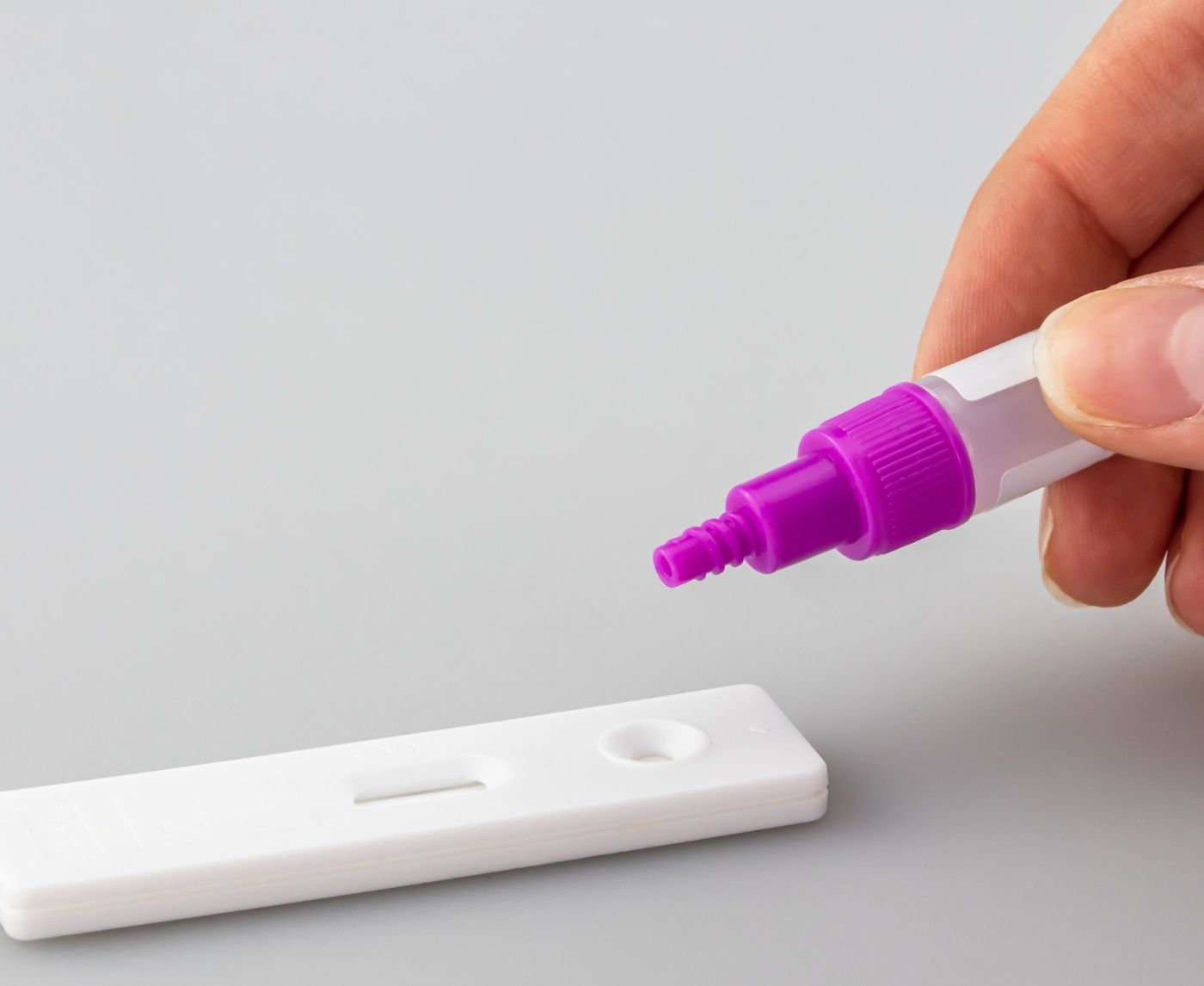

Quick Answer: To use a chlamydia rapid test, collect the sample using the swab or dropper provided, apply it to the test cassette, and wait the instructed time. A single line means negative, two clear lines mean positive, even if one is faint. No lines or one in the wrong place means invalid.
Who This Guide Is For (And Why This Matters)
If you’ve ever delayed testing because you didn’t want to face the clinic staff, couldn’t take time off work, or felt too ashamed to talk about symptoms, this is for you. Maybe you’re traveling, living off-grid, in a long-distance relationship, or just plain scared. Maybe the condom broke, or you didn’t use one, or your partner said they were “clean” but now something feels off. Whatever your reason, you deserve answers without shame.
Jade, 26, took her first at-home STD test in the backseat of her car parked outside a pharmacy. She didn’t want her roommates to see the kit. “I’d rather find out now than keep waiting,” she said, swabbing in silence while watching the clock. Like thousands of others, she chose a rapid chlamydia test because she wanted control, privacy, and speed. But what came next, the result, was where things got confusing.
This article will help you go from panic to process. We’ll cover what’s inside the test kit, how to set up and take the sample correctly, what each line on the result cassette means (including those faint ones), and what to do next. We’ll also show you how to avoid invalid results and how to retest if something feels off.
What’s in the Box (And How to Store It Before Testing)
Every chlamydia rapid test kit comes with a few essential components: the test cassette, a sterile swab or pipette for sample collection, a small buffer solution bottle or tube, and a paper instruction guide. Depending on the brand, you may also receive a dropper cap, test stand, or desiccant pouch. It’s easy to ignore the storage instructions, but that could throw off your result before you even begin.
Keep your test in a cool, dry place, think closet or drawer, not your bathroom counter where humidity can sneak in. Don't freeze it, don't leave it in the car. Expired or heat-damaged kits are a top reason why people get invalid results. One Reddit user shared they got three invalid readings in a row before realizing their kit had been stored in their gym bag for weeks.
If your kit has a visible expiration date or damage to the foil packaging, don’t use it. Accuracy depends on chemical stability. A compromised test isn’t just a waste, it’s a false sense of security or fear. Treat it like medicine: if it’s not stored right, it won’t work right.

People are also reading: Back Pain After Sex? Why Chlamydia Could Be the Culprit
Before You Start: Prep Mistakes That Can Invalidate Your Result
Setting up the test feels simple, but the biggest errors happen here. People rush, skip steps, or assume it’s “just like a pregnancy test.” It’s not. Chlamydia is a bacterial infection that lives in mucous membranes, not blood or saliva, so getting a clean, accurate sample matters. Here’s where things go wrong:
First, hygiene. If you just showered or urinated, wait at least 20 minutes before collecting your sample. If using a vaginal swab, don’t test during your period unless the instructions say it’s okay. Blood can interfere with results. If you’re using urine, collect the first catch of the day, midstream doesn't apply here.
Second, contamination. Touching the swab tip, letting it brush a surface, or setting the cassette on a wet counter can ruin the test. Use a paper towel or clean cloth underneath your test area. Wash your hands, dry them well, and don’t rush. You’re not just following steps, you’re setting the stage for trust in your result.
Check Your STD Status in Minutes
Test at Home with RemediumChlamydia Test Kit
 For Men & Women
 Results in Minutes
 No Lab Needed
 Private & Discreet
Order Now $33.99 $49.00
Step-by-Step: How to Use the Chlamydia Rapid Test Correctly
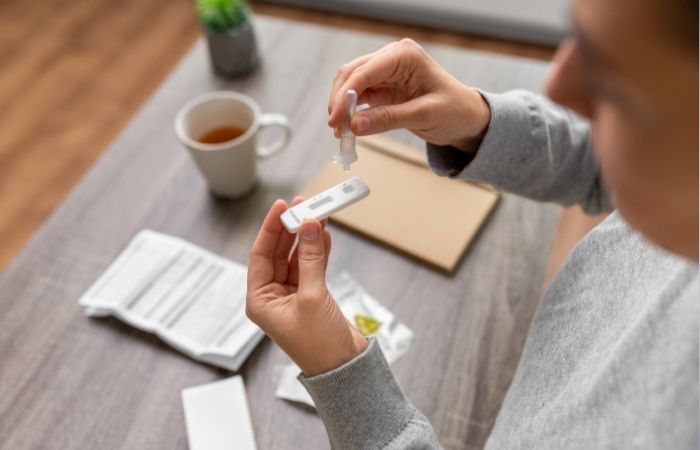
Picture this: you’ve opened the box, sanitized the surface, and washed your hands. Now it’s time to collect the sample. Deep breath. Here’s how it works.
If using a vaginal or penile swab, gently insert it as directed. Twist it slowly, about five full turns, and let it absorb. Do not press hard. If it’s a urine-based test, make sure the sample is fresh and undiluted. Now, open the buffer solution and insert the swab into the liquid. Stir and squeeze against the tube sides for at least 15 seconds.
Next, you’ll cap the tube or use the dropper to release the liquid onto the test cassette. Usually, it’s two to three drops into the small sample well labeled “S.” Don’t overdo it. Flooding the cassette can make the lines blur or never show.
Now, wait. Set a timer. Most rapid tests need 10 to 15 minutes, but no peeking early. Looking too soon or too late can distort your reading. You’re aiming to read the cassette exactly when the instructions say, typically between the 10 and 20-minute mark. After that, the chemicals may degrade and cause ghost lines or fading.
| Time After Dropping Sample | Can You Read Results? | Risk of False Reading |
|---|---|---|
| 0–9 minutes | No | Too early , incomplete reaction |
| 10–15 minutes | Yes | Best accuracy window |
| 16–20 minutes | Yes (if still clear) | Low risk , still valid |
| 20+ minutes | No | Possible evaporation or chemical drift |
Table 1. Timing window for reading chlamydia rapid test results. Following the right time frame is critical for accurate interpretation.
What Do the Lines Actually Mean?
This is the part that trips people up: interpreting the test cassette. The window usually has two regions labeled “C” (control) and “T” (test). The line at “C” always needs to appear, if it doesn’t, toss the test. That means it didn’t run correctly, and the result is invalid. But it’s the “T” line that keeps people awake at night.
If you see one clear line at “C” and nothing at “T,” that means the result is negative. If you see two lines, one at “C” and one at “T”, the result is positive, even if the “T” line is faint. That’s right: a faint line is still a line. This is a common reason people get confused. One Reddit user described sobbing for 30 minutes after seeing a faint line, assuming it was a glitch. After retesting at a clinic, they confirmed it was indeed a chlamydia infection.
The control line proves the test worked. The test line reveals whether chlamydia antigens were detected. You don’t get to vote on how dark it is, if it’s visible, the test caught something. That faint line? It's not a suggestion. It’s a result.
But What If the Line Is Barely There?
Let’s say the “T” line is so pale you can barely see it unless you tilt the cassette. Your mind races: Is this a fluke? A defect? Am I overreacting? Here’s the deal, line intensity doesn’t always correlate with how sick you are. It has more to do with how much bacterial antigen is present in your sample, how fresh the buffer solution is, and even the humidity in your room. All of these can influence dye development.
Think of it like a mood ring, it gives you a hint, not a full medical chart. A faint “T” line still means chlamydia antigens were present. The best next step? Confirm with a lab test, especially if you're not experiencing symptoms. But don't dismiss it just because it's faint. False positives are rare. False negatives? Much more common when testing too early or too late.
And yes, we’ve seen stories of people retaking the test minutes later and getting different results. That’s not because the infection disappeared, it’s often due to inconsistencies in sample prep or timing.
What Makes a Result Invalid (And How to Fix It)
Invalid results are more common than you think, especially for first-time users. You’ll know it's invalid if:
- There’s no line at “C” at all (even if there's one at “T”)
- There are smudges or color streaks across the cassette
- The result window stays completely blank
- The lines disappear after the 20-minute mark
These issues are usually tied to moisture, expired kits, improper storage, or user error like overfilling the sample well. One college student shared they accidentally used an old water bottle to rest their cassette and some condensation dripped in, result: ghost lines and a failed test.
| Problem | Likely Cause | What to Do |
|---|---|---|
| No line at “C” | Test didn’t activate | Use a new test kit |
| Lines appear and vanish | Result read too late | Follow exact timing next time |
| Blurry or smeared lines | Too much liquid or contaminated surface | Start fresh; clean surface first |
| Control and test lines in wrong spots | Cassette malfunction or mix-up | Discard and retest with new kit |
Table 2. Common invalid results and how to correct them. User setup and environment matter more than people expect.
Real Talk: Can You Mess Up the Test?
Absolutely. No shame in that. Home tests require more precision than most people assume. From skipping handwashing to misreading the timer to using a kit stored in your glove box all summer, these things happen. The key is to learn, not panic.
Chad, 33, used a chlamydia rapid test three days after a one-night stand. “I was so freaked out, I didn’t wait the full ten minutes,” he admitted. “When no line popped up right away, I threw it out. Later I read online that I was supposed to wait at least ten minutes for accurate results.” He retested correctly a week later and got a clear positive. Luckily, early treatment meant fast recovery, but it could’ve gone the other way.
If you think you messed up, whether it’s with collection, timing, or storage, it’s always safer to redo the test. You can also order a backup test to have on hand for peace of mind. If your head keeps spinning, peace of mind is one test away.
People are also reading: Why Does No One Talk About Silent Chlamydia?
Privacy After the Test: Disposal and Storage Tips
One of the biggest reasons people choose home testing is privacy, and that doesn’t stop after the result shows up. The test cassette, dropper, and swab shouldn’t just go in the kitchen trash. Wrap them in tissue or place them in a zip-seal bag before disposing. If you're in a shared space, drop it in an outdoor bin or wait until others are out. And never flush anything that didn’t come from your body, that includes the buffer tube and cassette.
Some people keep the cassette for a few days, especially if they’re unsure what the result means. That’s okay, just label it and seal it. But remember, after 20 minutes, the chemical reaction in the test pad is no longer valid. What you see after that time can change. Take a clear photo of your result within the valid window if you want to reference or compare later.
If you’re planning to test again or store backup kits, keep them in a dry, room-temperature place. Think drawer, not bathroom counter or window sill. Kits can last for months, but only if the foil remains sealed and untouched by moisture or heat.
Check Your STD Status in Minutes
Test at Home with Remedium7-in-1 STD Test Kit
 For Men & WomenResults in MinutesNo Lab NeededPrivate & Discreet
Order Now $129.00 $343.00
For all 7 tests
What If Your Test Is Positive?
First, breathe. A positive chlamydia test doesn’t mean your life is over. It means the test picked up proteins specific to the bacteria. It’s treatable, and in many cases, it clears with one round of antibiotics. But you can’t skip the next step: confirmation and care.
If you’re asymptomatic, follow up with a clinic-based NAAT (nucleic acid amplification test). These are considered the gold standard and can confirm whether the rapid test result was correct. If you already have symptoms, you can usually begin treatment right away after confirmation. Many urgent care centers and sexual health clinics offer same-day treatment for chlamydia.
Let’s be real: the awkward part is telling your partner(s). But partner notification isn’t about blame, it’s about care. Jay, 29, tested positive and waited three days to tell his boyfriend. “I was scared he’d think I cheated, but instead he thanked me. He had no symptoms and tested positive too. We got treated together.” This is how you stop the infection from ping-ponging between bodies.
You can also use anonymous partner notification tools from health departments or ask your provider to send a message on your behalf. The goal isn’t shame, it’s prevention. And no, you don’t need to notify every person you’ve ever kissed. Just the ones you've had genital, oral, or anal contact with in the last 60 days.
When to Retest (And Why Timing Matters)
Testing too early can miss an infection. Testing too soon after treatment can give you a false positive. Sound confusing? Here’s a clearer way to think about it:
If your result was negative but your symptoms persist, or you tested within 7 days of exposure, it’s smart to retest after two weeks. Chlamydia has a window period of 7–14 days, meaning the bacteria may not be detectable right away. That’s not a fault of the test. It’s just how the infection develops.
If your result was positive and you’ve taken antibiotics, don’t rush to retest within the first two weeks. Residual bacterial fragments can trigger a weak positive, even after the infection is gone. The CDC recommends retesting three months after treatment to ensure you're clear, and to catch any potential reinfection.
People often ask, “But what if I get exposed again before then?” In that case, treat it like a fresh exposure and count the days forward again. Your new test should be based on the most recent risk, not your last result.
| Situation | When to Retest | Why It Matters |
|---|---|---|
| Negative test, early symptoms | 7–14 days later | To catch window-period infection |
| Positive test, treated | 3 months later | To confirm clearance, detect reinfection |
| New unprotected exposure | Count from new date | Retest based on most recent risk |
| Still unsure after home test | Immediately at clinic | Confirmatory testing recommended |
Table 3. When to retest after a chlamydia rapid test. Timing depends on exposure, symptoms, and treatment history.
How to Talk About It (Without the Panic)
If you're nervous about what to say to a partner, write it down first. Practice out loud. You don't need to go into every detail. A simple, “I tested positive for chlamydia and you might want to get checked too” is enough. If you prefer to keep it anonymous, some clinics offer text or email-based partner notification services that don’t name you. Apps like TellYourPartner.org make it easier.
And if you're dating someone new, being honest about your recent test results isn’t just responsible, it’s sexy. It shows you're informed, intentional, and taking care of your body and theirs. In the world of modern hookups, that’s power, not shame.
FAQs
1. Can a faint line really mean I have chlamydia?
Yes, it can. We get it, seeing a barely-there line can feel like a cosmic prank. But in testing, faint doesn’t mean fake. If that second line shows up in the “T” zone, no matter how ghostly, the test likely caught chlamydia antigens. Think of it like early warning radar. Follow up with a lab test to confirm, but don’t brush it off just because it’s not screaming bold pink.
2. What if the test doesn’t show any lines at all?
That’s a no-go. If there’s no line in the control zone (“C”), the test didn’t run properly. Could be a bad kit, user error, or just bad luck. Either way, that test result is a bust, throw it out and try again with a fresh one. Don’t try to “interpret” a blank cassette. It’s like reading tea leaves from an empty cup.
3. Can I use the test right after sex or peeing?
Hold up, give your body a minute. If you just had sex or peed, wait at least 20 minutes before collecting your sample. You want your body’s actual data, not whatever just passed through. And if you’ve recently showered or douched, that can also mess with accuracy. Clean doesn’t mean ready. Let things settle first.
4. Does testing hurt?
Not at all. A swab might feel a little awkward, especially if it’s your first time, but it shouldn’t be painful. If you’re using a urine test, it’s completely non-invasive. Honestly, the hardest part for most people isn’t physical discomfort, it’s anxiety. That “waiting for the result” moment hits different.
5. How long do I really have to wait before reading the test?
This part matters. Most tests ask you to read the cassette between 10 and 15 minutes after dropping the sample. Not sooner. Not later. Read too early and the reaction might not be done. Wait too long and you could get misleading ghost lines or fading ink. Set a timer and check it once, resist the urge to peek every 30 seconds.
6. What if I test negative but still have symptoms?
Trust your body. A negative test doesn’t always mean you're clear, especially if you tested within a few days of exposure. Chlamydia takes time to show up in your system. If you're still feeling off, test again in 7 to 14 days or head to a clinic for a full STI panel. Don’t gaslight your own symptoms just because one test came up clean.
7. Can I use this test after a one-night stand?
Yes, but the timing has to be right. If it’s been less than 7 days since that hookup, your body might not have produced enough detectable bacteria yet. Give it at least a week post-exposure to run the test. Testing too soon can lead to false negatives, and no one wants to be told “you’re fine” when you’re not.
8. Can I use this test during my period?
Not likely. Menstrual blood can mess up the quality of a sample, especially with swab-based kits. It's best to wait until your period is over before you test. If you're in a hurry or not sure, you might want to try a urine test instead. That will completely get around the blood problem.
9. What do I do if the test says positive?
Don’t spiral. A positive test isn’t a verdict, it’s a heads-up. You’ll want to confirm it with a clinic test (NAAT is the gold standard) and get treated. Chlamydia is highly treatable, often with just one round of antibiotics. The trickiest part for most people? Telling a partner. But trust us, most would rather know than unknowingly pass it on.
10. Can I keep a backup test at home just in case?
Absolutely, and honestly, we recommend it. Having a backup means you’re never stuck in limbo if you mess up a step, drop a swab, or need to retest in a week. Just make sure to store it in a cool, dry place (not your glovebox or bathroom cabinet). Peace of mind fits in a drawer.
You Deserve Answers, Not Assumptions
Using a chlamydia rapid test at home doesn’t have to be mysterious or terrifying. With the right setup, timing, and interpretation, you can turn that swirling anxiety into a grounded next step. Testing is an act of care, not just for yourself, but for your current and future partners. It’s not a confession. It’s a boundary.
So whether your result is negative and you finally feel relief, or positive and you’re planning your next move, know this: you handled it. Quietly, bravely, and on your own terms. And if you're ready to retest, confirm, or check for other STDs, this at-home combo test kit makes it fast, discreet, and judgment-free.
How We Sourced This Article: We combined current guidance from leading medical organizations with peer-reviewed research and lived-experience reporting to make this guide practical, compassionate, and accurate.
Sources
2. STI Screening Recommendations – CDC
3. Chlamydial Infections – STI Treatment Guidelines, CDC
4. Adherence to New CDC Chlamydia Treatment Guidelines – NIH PMC
5. You Can Now Test for Chlamydia and Gonorrhea With an At‑Home Kit – Verywell Health
6. Screening for Chlamydia and Gonorrhea: US Preventive Services Task Force Recommendation – JAMA
8. Chlamydia Test: MedlinePlus Medical Test
About the Author
Dr. F. David, MD is a board-certified infectious disease specialist focused on STI prevention, diagnosis, and treatment. He blends clinical precision with a no-nonsense, sex-positive approach and is committed to expanding access for readers in both urban and off-grid settings.
Reviewed by: J. Mitchell, FNP-C | Last medically reviewed: October 2025
This article is for informational purposes and does not replace medical advice.


