







What “Silent” Chlamydia Actually Means
Silent chlamydia isn’t rare, it’s the norm. According to the CDC, about 7 in 10 women with chlamydia show no obvious symptoms. That means you can be infected, contagious, and slowly developing internal damage without a single clue from your body.
Silent doesn’t mean harmless. It just means your immune system isn’t reacting strongly, or the symptoms are so mild, they’re written off as stress, period changes, or a random off week. Common signs that go unnoticed include:
- Very light spotting between periods
- Pelvic pressure mistaken for bloating or cramps
- Slight burning during urination that comes and goes
Meanwhile, the bacteria may be climbing into your uterus and fallopian tubes, laying the groundwork for future problems like Pelvic Inflammatory Disease (PID).

People are also reading: Back Pain After Sex? Why Chlamydia Could Be the Culprit
Who’s Most at Risk for Asymptomatic Infection?
Chlamydia doesn’t discriminate, but it does target certain groups more often, and more quietly:
- Women under 25 with active sex lives and new or multiple partners
- Anyone who doesn't use condoms consistently
- People who’ve had chlamydia before, reinfection is common
The CDC recommends that all sexually active women under 25 get screened for chlamydia once a year, even with no symptoms. But how many actually do? The answer is: not enough. And silent chlamydia is part of why it's the most reported STD in the U.S. every single year.
The Hidden Consequences of “No Symptoms”
Think no symptoms means no harm? Think again. Just because you don’t feel sick doesn’t mean your reproductive system is safe. Here’s what silent chlamydia can lead to if left untreated:
- Pelvic Inflammatory Disease (PID): Scarring of the fallopian tubes
- Infertility: Up to 25% of untreated cases lead to fertility issues
- Ectopic pregnancy: Life-threatening pregnancies outside the uterus
- Chronic pelvic pain: From lingering inflammation or scar tissue
A 2020 study in Fertility and Sterility found that women with undiagnosed chlamydia were significantly more likely to have tubal damage, even if they never had symptoms or a formal PID diagnosis. This is what makes silent STDs so dangerous: they do their work quietly, often irreversibly, while you’re living your life unaware.
“I Had No Idea”, Stories of the Silent Kind
“I only got tested because I was getting an IUD. I had no symptoms. No one told me it could be silent. When it came back positive for chlamydia, I was floored.” , Lana, 23
“I was trying to get pregnant and nothing was working. I had never tested positive for an STD before. When they ran a full fertility panel, they said I had scarring from what looked like untreated PID. I never even knew I’d had chlamydia.” , Nadia, 31
These are not rare stories. They’re common. They’re quietly tragic. And they’re 100% preventable, with regular testing.
Testing: The Only Way to Catch a Silent Infection
There’s no magic feeling or sixth sense that alerts you to silent chlamydia. You either test, or you don’t know. Thankfully, testing is now easier, faster, and more private than ever.
- Home Testing: Order the Chlamydia Home Test Kit or go broader with the 10-Most Common STD Test for Women.
- Clinic Testing: Available through OB/GYNs, urgent care, or Planned Parenthood, though you may have to request it.
- NAAT (Nucleic Acid Amplification Test): The gold standard for detecting silent chlamydia.
You don’t need symptoms. You don’t need permission. You just need a little curiosity about your health, and a bit of courage.
Check Your STD Status in Minutes
Test at Home with RemediumChlamydia Test Kit
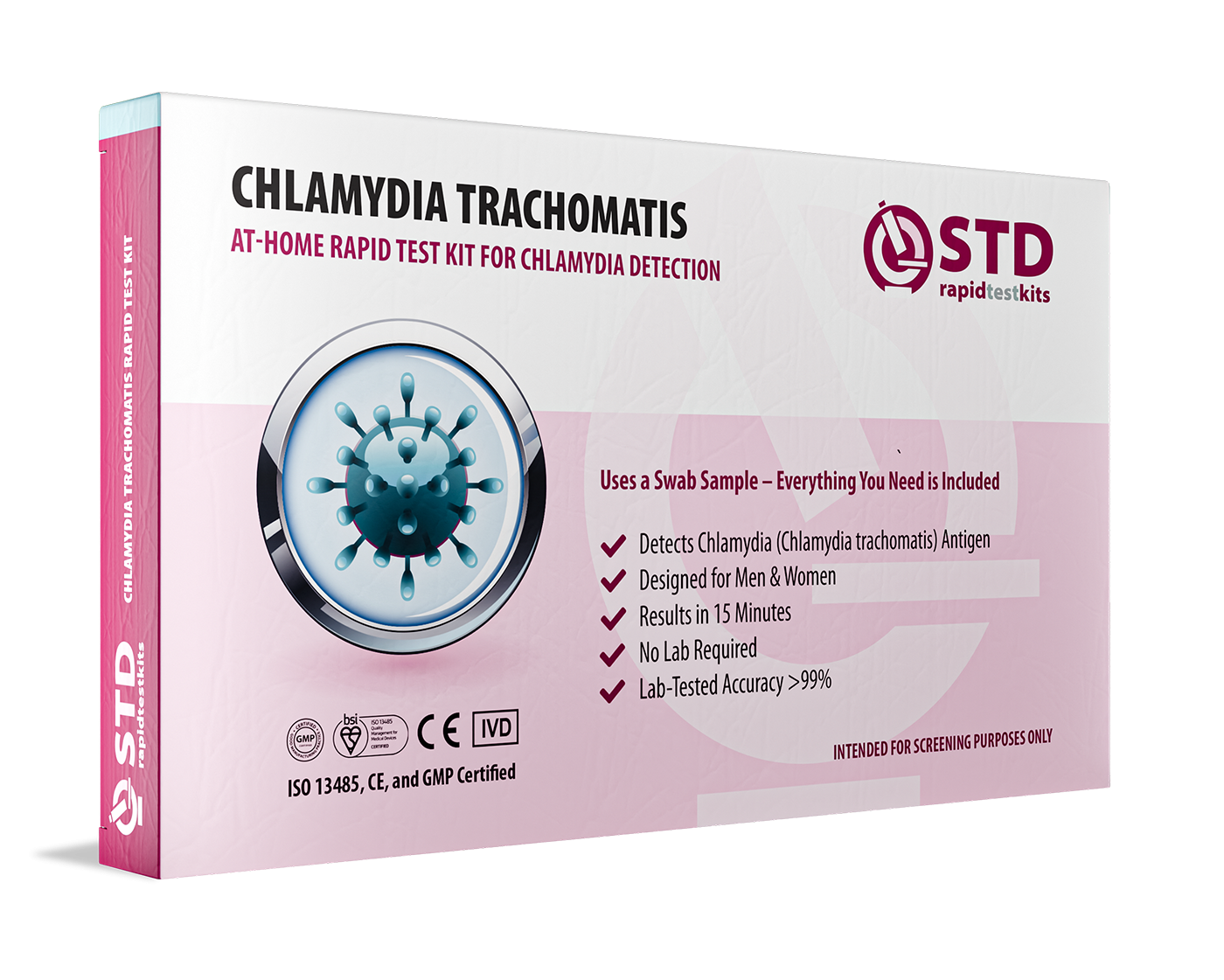
 For Men & Women
 Results in Minutes
 No Lab Needed
 Private & Discreet
Order Now $33.99 $49.00
When to Test, Even Without Symptoms
The CDC recommends routine screening for:
- All sexually active women under 25, annually
- Women 25+ with new or multiple partners
- Anyone starting fertility treatment
- People who have had chlamydia before
And while annual is the minimum, you can test every 3–6 months if you’re sexually active with new partners or feel uneasy. Think of it like dental care: routine, protective, and totally worth it.
How to Prevent a Silent Infection
Because chlamydia is sneaky, prevention is your first line of defense. Here’s what works:
- Use condoms consistently, especially with new or untested partners
- Test with your partner before going condom-free
- Don’t rely on symptoms, they often don’t show up
- Make testing part of your routine, not just a reaction
Think of STD screening as part of your self-care. Just like you check your breasts or get a Pap smear, you test. It’s not scary. It’s smart.
Breaking the Silence: Why No One Talks About This
There’s a reason it’s called “silent.” But the silence isn’t just in your body, it’s in our culture. Here’s why:
- Stigma: People wrongly assume STDs mean someone was “reckless”
- Shame: Especially among young women who worry about being judged
- Lack of education: Most schools barely mention chlamydia, let alone that it can be asymptomatic
But here’s the truth: getting tested doesn’t make you dirty. It makes you powerful. It means you’re looking out for yourself, and the people you sleep with. And that is something to be proud of.

People are also reading: Think It's a UTI? Here's Why It Might Be an STD Instead
FAQs
1. Can you really have chlamydia with no symptoms?
Yes. Up to 70% of women with chlamydia have no symptoms at all.
2. How long can you carry chlamydia without knowing?
For months or even years. It can stay undetected and still cause damage.
3. Does silent chlamydia still spread?
Absolutely. You can transmit it to partners even if you have no symptoms.
4. Can I get tested for chlamydia if I feel fine?
Yes. In fact, routine testing is how most silent cases are discovered.
5. How does silent chlamydia cause infertility?
By damaging the fallopian tubes. The infection can cause inflammation and scarring, even without symptoms.
6. Is it common to test positive during a routine checkup?
Yes. Many women only find out during Pap smears or IUD consultations.
7. Does birth control prevent chlamydia?
No. Hormonal birth control doesn’t protect against STDs, only condoms do.
8. I treat chlamydia if I don’t have symptoms?
Yes. Antibiotics work whether you feel symptoms or not. The key is knowing you have it.
9. What’s the best home test for silent chlamydia?
The Chlamydia Home Test Kit, fast, discreet, and 99% accurate.
10. How can I talk to my partner about testing?
Start with honesty: “Hey, I’m getting tested to stay on top of my health, want to do it together?”
Get Tested. Avoid Problems.
Silent chlamydia isn’t a rare fluke, it’s an epidemic that’s hiding in plain sight. The most dangerous STDs aren’t always the ones that hurt the most, they’re the ones you never notice until it’s too late.
If you’ve ever had unprotected sex, even once, it’s worth testing. If you’ve never had symptoms, that doesn’t mean you’re in the clear. And if you’re afraid of what you’ll find, remember this: knowledge is power. Silence is not.
Sources
2. Planned Parenthood – Chlamydia Overview
3. NHS – Chlamydia Symptoms and Treatment


