
Published: July 2025 | Last updated: May 2026 | Editorial review and quality control: Martina N.
Lower back pain that flares only after sex is rarely just a strained muscle. For sexually active women, it can be one of the first noticeable signals of chlamydia, especially when paired with pelvic discomfort, unusual discharge, or burning during urination. Chlamydia is the most commonly reported bacterial sexually transmitted infection in the United States, and most people who carry it have no obvious symptoms at all. When the infection does speak up, it often shows as post-coital backache, deep pelvic ache, or cramps that don't follow a menstrual pattern. If your back hurts in time with your sex life, a chlamydia test belongs on the short list of next steps before another round of stretches or posture fixes.
Can chlamydia cause lower back pain after sex?
Most post-sex back pain has a benign explanation: positioning, deconditioning, or muscle strain that responds to rest, heat, and stretching within a few days. When the pain follows a pattern tied to your sex life rather than your workouts, particularly when paired with abnormal discharge, intermenstrual spotting, or burning during urination, chlamydia belongs on the short list of causes to rule out. The infection inflames the cervix and can ascend into the uterus and fallopian tubes, which share nerve pathways with the lower back. Untreated chlamydia can progress to pelvic inflammatory disease, where lower back pain becomes a hallmark symptom and the risk of long-term fertility damage rises sharply.
Key Takeaways
- Chlamydia is the most commonly reported bacterial STI in the United States, and most infected women have no obvious symptoms beyond subtle pelvic or low back discomfort that worsens after sex.
- Left untreated, chlamydia can ascend to the uterus and fallopian tubes and trigger pelvic inflammatory disease, a leading preventable cause of tubal-factor infertility.
What's actually causing that post-sex backache?
The lower back and the pelvis share nerves, ligaments, and muscle attachments, which is why anything irritating the reproductive organs can register as back pain. During penetrative vaginal intercourse, the cervix, uterus, and the broad ligaments that anchor them all move. When those tissues are inflamed by an active infection, that movement triggers a slow, dull ache that radiates outward to the sacrum and lower lumbar spine.
Chlamydia trachomatis usually establishes itself first in the cervix in women, where it can sit for weeks or months without producing dramatic symptoms. From there, the bacteria can travel upward into the endometrial lining of the uterus and into the fallopian tubes, a process clinicians call ascending infection. Each new tissue it reaches becomes inflamed, and inflamed tissue is sensitive to pressure, friction, and the normal mechanical loading of sex.
According to the U.S. Centers for Disease Control and Prevention, common symptoms in women when they do appear include abnormal vaginal discharge, burning during urination, bleeding between periods or after sex, and pain in the lower abdomen. The same nerve pathways that carry pelvic pain signals refer that input to the lower back, the inner hips, and sometimes down into the upper thigh. Your nervous system maps signals from inflamed pelvic tissue onto the lower back, which is why stretches and foam rolling don't quiet it.
Chlamydia-related pelvic discomfort tends to show up in three overlapping patterns:
- Dyspareunia, the medical term for pain during or after sex, especially with deep penetration.
- Pelvic pressure, a heavy, dragging sensation in the lower abdomen that lingers for hours after intercourse.
- Referred pain, felt in the lower back, sacrum, or hips, that flares with the same triggers as the pelvic discomfort.
The pattern doesn't respond well to foam rollers and rest days because the source isn't in the back muscles themselves. Clearing the underlying infection is what allows the referred pain to settle.
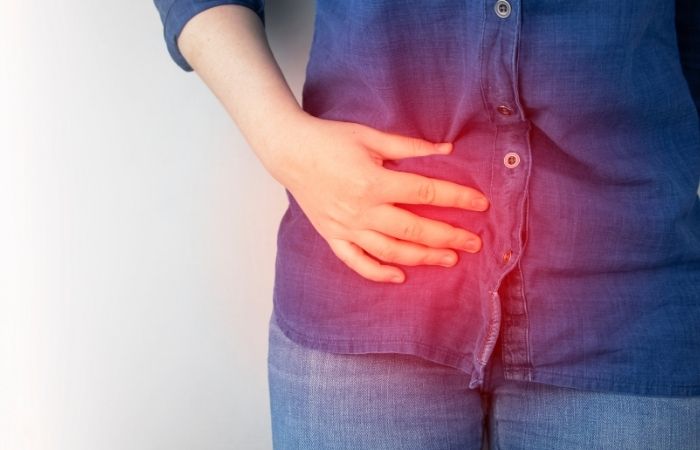
Mechanical strain vs. infection-driven pain: how to tell them apart
A pulled lower-back muscle and infection-driven pelvic referral feel different once you know what to look for. The mechanical kind tracks with movement and posture; the inflammatory kind tracks with sex, urination, and the menstrual cycle.
Mechanical low back pain typically:
- Sharpens with specific movements, like bending forward or twisting.
- Improves with heat, over-the-counter anti-inflammatories, and a couple of days of relative rest.
- Stays localized to the back itself rather than radiating into the pelvis or groin.
- Doesn't bring along urinary or genital symptoms.
Infection-driven pelvic pain referred to the back typically:
- Comes on or worsens after sex, especially deep penetration.
- Has a dull, aching quality that doesn't respond well to stretching or NSAIDs alone.
- Travels with other below-the-belt clues like unusual discharge, spotting between periods, or burning during urination.
- Recurs in a pattern tied to your cycle or your sex life rather than your workouts.
Most clinicians sort the two with a single question: does the pain change when you move your back, or when you have sex? Pain that pivots on physical activity in the spine usually points to the spine. Pain that pivots on sexual activity, urination, or menstruation usually points to the pelvis, and chlamydia is one of the first infections worth ruling out in a sexually active reader under 25 or with a new partner in the past year.
Does the pain change when you move your back, or when you have sex? Movement-pivoted pain usually points to the spine. Sex-, urination-, or cycle-pivoted pain usually points to the pelvis, and chlamydia is the first infection to rule out.
When back pain crosses into pelvic inflammatory disease
Pelvic inflammatory disease, usually shortened to PID, is the complication that gives chlamydia its long shadow. PID happens when an untreated lower-tract infection ascends into the uterus, fallopian tubes, or ovaries and triggers widespread inflammation of those organs. Untreated chlamydia or gonorrhea is the most common cause.
According to the Cleveland Clinic, signs of PID include:
- Persistent dull pain or pressure in the lower abdomen.
- Fever, sometimes with chills, that comes and goes.
- Nausea, occasionally with vomiting.
- Unusual or foul-smelling vaginal discharge.
- Pain during intercourse, urination, or pelvic exam.
- Bleeding between periods or after sex.
Lower back pain commonly accompanies the abdominal pain in PID, referred through the shared pelvic nerve pathways described above, and typically appears alongside the fever and discharge the CDC lists as core symptoms.
Not every case looks like a textbook fever-and-vomiting presentation. Many women experience what clinicians call subclinical or silent PID, where inflammation continues quietly enough that no single symptom forces a visit to a doctor. The damage still accumulates. Each episode of inflammation can scar the fallopian tubes, and that scarring is what turns chlamydia into a leading cause of tubal-factor infertility and ectopic pregnancy. The CDC's chlamydia overview notes that women who have had PID face an elevated risk of tubal-factor infertility.
Subclinical PID is the reason "wait and see" is the wrong default for unexplained pelvic or back pain in a sexually active reader. The cost of a false-positive worry is one short course of antibiotics; the inflammation that goes uncaught keeps doing damage week after week.
If your back pain after sex is paired with fever, severe lower abdominal pain, or new abnormal discharge, treat it as a same-day medical concern rather than waiting for an at-home test result. PID benefits significantly from being caught and treated early, and ectopic pregnancy can present with similar symptoms.
What else could cause this kind of back pain?
Chlamydia is the first STI worth ruling out when post-sex back pain becomes a pattern, but it isn't the only possible cause. The differential matters because the wrong assumption delays the right treatment.
The non-infectious causes most commonly confused with chlamydia-related pelvic referral include:
- Endometriosis, where tissue similar to the uterine lining grows outside the uterus. It causes deep pelvic and back pain that often spikes during sex and around menstruation, but it isn't infectious and won't show up on an STI test.
- Uterine fibroids, benign growths in the uterine wall. Larger fibroids can press on nearby nerves and create back pressure that worsens with intercourse.
- Ovarian cysts, particularly when they rupture or twist. Pain is usually one-sided and acute rather than dull and bilateral.
- Mechanical strain, including sacroiliac joint dysfunction, where positioning during sex aggravates an underlying spine or pelvis issue.
- Urinary tract infection, where back pain pairs with burning urination, frequent urgency, and sometimes flank pain. UTIs respond to a different class of antibiotics than chlamydia, so testing distinguishes them.
- Ectopic pregnancy, a medical emergency. Sharp, one-sided pelvic pain with shoulder-tip pain, lightheadedness, or unusual bleeding warrants immediate evaluation in the emergency department.
Among these, chlamydia stands out because it's both common and easy to test for. The CDC recommends annual chlamydia screening for all sexually active women under 25, and for older women with new or multiple sex partners. That recommendation exists because the infection is widespread, frequently silent, and reversible only when it's caught early.
| Cause | Pain pattern | Other clues | How it's checked |
|---|---|---|---|
| Chlamydia / PID | Dull, after sex, may radiate to back | Discharge, spotting, burning urination | Swab or rapid test |
| Endometriosis | Deep pelvic, worse around menstruation | Heavy or irregular periods | Imaging plus laparoscopy |
| Mechanical strain | Sharp, position-dependent | Improves with rest and heat | Clinical exam |
| UTI | Burning urination, lower back ache | Frequent urgency, cloudy urine | Urine dipstick or culture |
| Ectopic pregnancy | One-sided sharp pelvic pain | Missed period, abnormal bleeding | Pregnancy test plus imaging |
How chlamydia pain progresses if it isn't treated
Chlamydia rarely announces itself at the door. The early stages are silent or so mild that they pass for ordinary cycle variation. As the infection persists, the pattern shifts.
- Stage 1: Asymptomatic colonization. The bacteria establish in the cervix. Most women experience no symptoms at all in this phase, which can last weeks to months. A small subset notice slight changes in discharge or occasional spotting.
- Stage 2: Local irritation. The cervix becomes inflamed and bleeds more easily, especially with friction. Mild cramping after sex appears. Spotting between periods or after intercourse becomes more common. Some women feel a low, dragging sensation in the pelvis.
- Stage 3: Ascending infection. The bacteria travel into the uterus and possibly the fallopian tubes. Pain becomes more constant in the lower abdomen and starts radiating to the lower back. Sex becomes uncomfortable. Urinary symptoms may appear.
- Stage 4: Pelvic inflammatory disease. Full inflammation of the upper reproductive tract. Pain becomes severe and constant, fevers and unusual discharge appear, and the risk of permanent tubal damage rises sharply with each day untreated.
The trick of chlamydia is that the early stages produce so little to react to that many women only suspect something is wrong once the pain has crossed into Stage 3 or 4. By that point, antibiotics still clear the active infection, but they can't reverse scarring that has already formed.
Most people with chlamydia do not have any symptoms. When symptoms do occur, they may include abnormal vaginal discharge, a burning sensation when urinating, and pain in the lower abdomen.
What treatment looks like once chlamydia is confirmed
Chlamydia is straightforward to treat once it's identified. The first-line antibiotic in the United States is doxycycline, taken at 100 mg twice daily for 7 days, per the most recent CDC sexually transmitted infections treatment guidelines. Azithromycin, given as a single 1-gram oral dose, is an alternative, particularly during pregnancy or when adherence to a 7-day course is a concern.
Both regimens clear the active infection in the vast majority of cases, and most people who were having symptoms feel meaningful improvement within a few days. Pelvic pain and post-coital back pain typically subside as the inflammation resolves, though some women report residual sensitivity for a week or two as the tissues calm down.
A few things matter alongside the antibiotic itself:
- Treat partners. Any sexual partner from the past 60 days should be tested and treated, even if they have no symptoms. Untreated partners are the most common source of reinfection within weeks of finishing the antibiotic course.
- Hold off on sex during treatment. Avoid all sexual contact for 7 days after starting a 7-day regimen, or for 7 days after a single-dose regimen, to give tissues time to heal and to avoid passing the infection back and forth.
- Retest at three months. The CDC recommends retesting roughly three months after treatment, even if you finished the antibiotics correctly. Reinfection is common, and a second round of inflammation does compounding damage.
- Use anti-inflammatories carefully. Over-the-counter NSAIDs like ibuprofen can ease cramping and back pain during the recovery window. Heat applied to the lower abdomen or back also helps. Skip alcohol while on doxycycline.
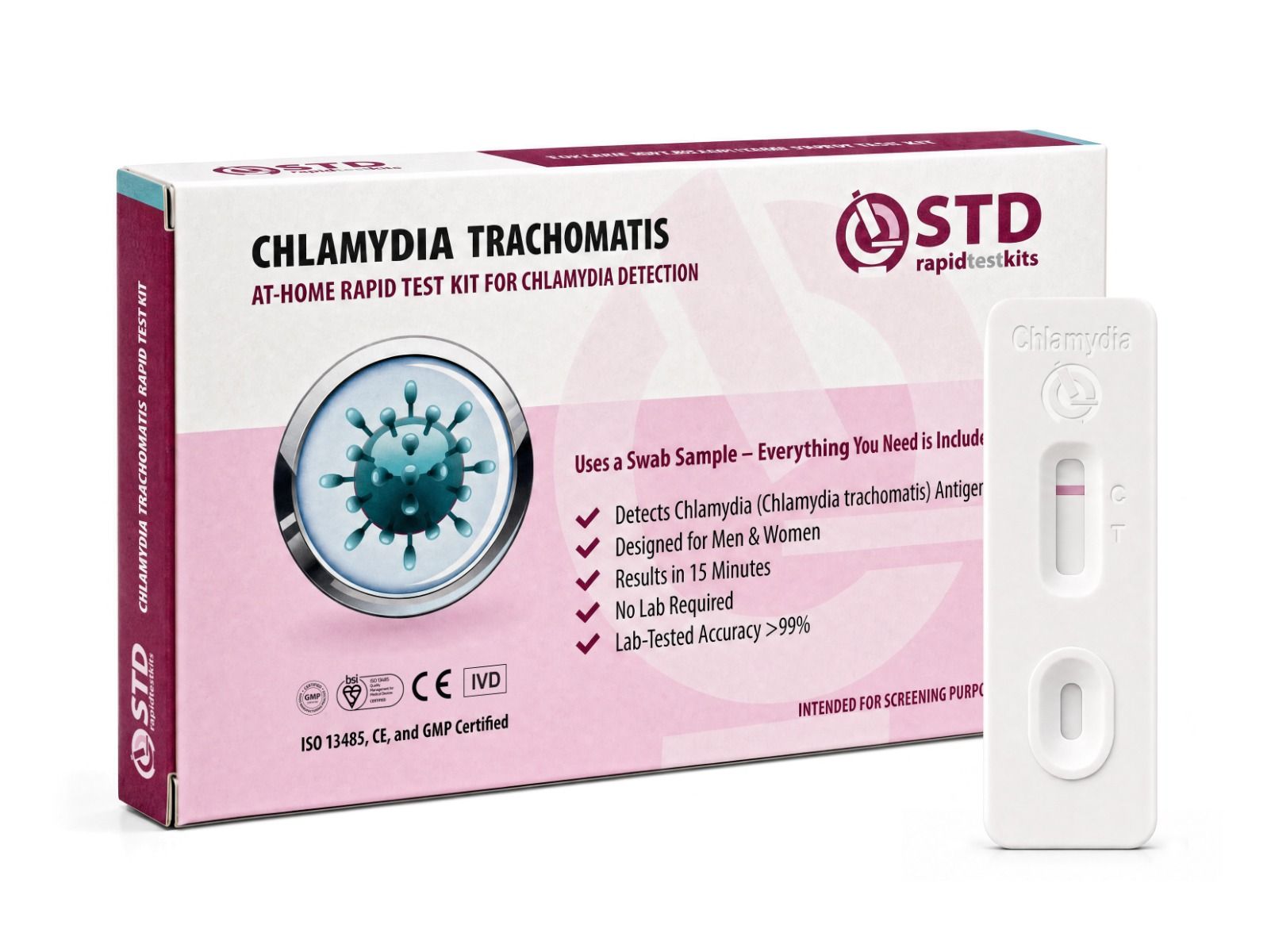
A note on what we publish here: stdrapidtestkits.com sells the at-home rapid kits linked from this article, including the chlamydia swab below. Recommendations are based on what fits the reader's specific concern, not on commercial benefit, and at-home rapid tests are best treated as a screening step that pairs with clinic care rather than a replacement for it.
If your symptoms haven't improved within a week of starting antibiotics, contact your prescriber. Persistent symptoms after a complete course can signal reinfection, a co-infection like gonorrhea or trichomoniasis, or progression to PID that requires a different treatment approach.
Reducing the chance of a repeat infection
Once you've gone through the testing and treatment loop, the goal is to avoid running it again. The habits that matter most:
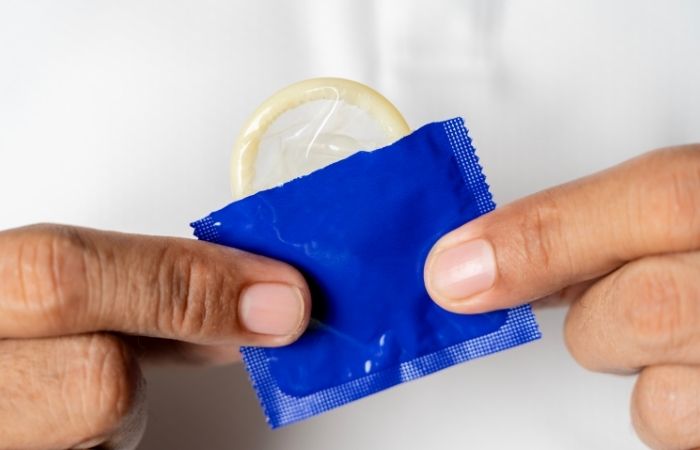
- Consistent condom use, especially with new or non-monogamous partners. Condoms substantially reduce chlamydia transmission, though they don't eliminate it because the infection can sit on tissue not fully covered by the condom.
- Routine annual screening if you're sexually active and under 25. The CDC recommends yearly testing for this group regardless of symptoms. Older readers with new partners or multiple partners benefit from the same cadence.
- Open testing conversations with partners before sex. "When was your last STI screen?" is the simplest harm-reduction sentence in the dating playbook. It feels awkward exactly once.
A practical rule of thumb: if you have a new partner, schedule a test for both of you about two weeks into the relationship, before unprotected sex becomes routine. Chlamydia's typical incubation window for symptoms is 1 to 3 weeks after exposure, and tests detect the infection reliably from about two weeks out. Earlier than that, a negative result is harder to trust.
Reinfection is one of the strongest patterns in chlamydia data. The CDC's three-month retest recommendation exists specifically because the infection often comes back from an untreated partner within that window.
Why testing for chlamydia and gonorrhea together makes sense
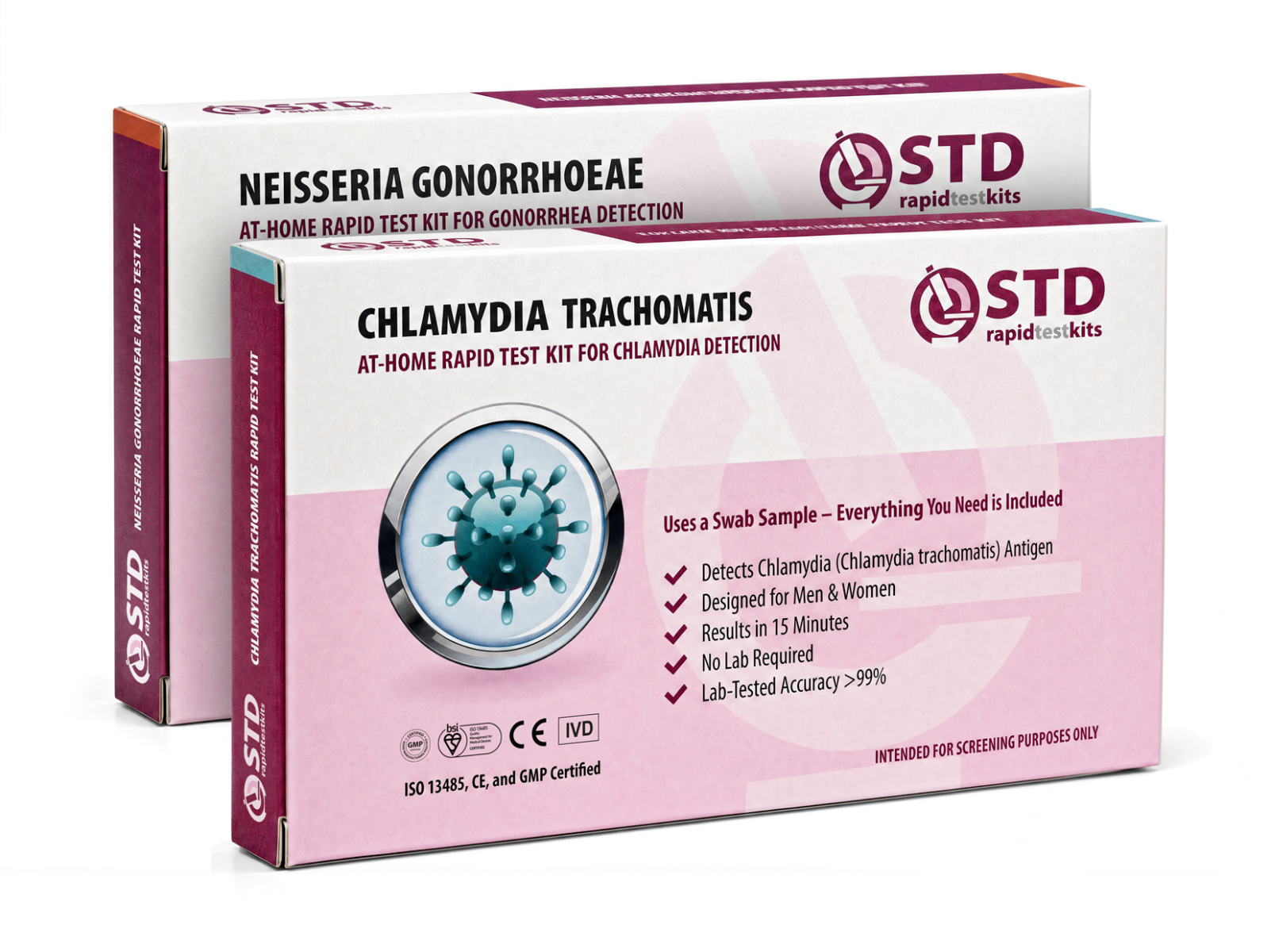
Chlamydia and gonorrhea travel together more often than people realize. Both are bacterial STIs that infect the cervix, both share the same exposure routes, and a substantial share of women who test positive for one also test positive for the other. The CDC's screening guidance for sexually active women under 25 covers both infections together for that reason. After a new-partner exposure, unprotected sex, or symptoms that haven't been pinned to a cause, a combined swab pulls double duty without doubling the cost or the discomfort.
If you're already planning a chlamydia test, the combined kit is usually the more useful option. The swab method is the same; the difference is that the cassette also reads gonorrhea antigen on the same sample.
The takeaway: trust the pattern
Chlamydia is easy to miss. The early signals are easy to talk yourself out of one at a time. A backache after sex, a slightly off period, an awkward intercourse session, each one alone is forgettable. Stacked together across a few weeks, they form a pattern worth taking seriously.
When post-coital back pain shows up on a schedule that matches your sex life rather than your workouts, a chlamydia test is the right next step before another round of stretches or posture fixes. Chlamydia is common, treatable, and reversible at the early stages. The cost of testing is small. The cost of waiting compounds over time, especially when fertility is on the line.
1. Test. Use an at-home rapid swab from at least 14 days post-exposure, or book a clinic NAAT for higher analytical sensitivity.
2. Treat. If positive, follow your prescriber's antibiotic regimen (commonly 7 days of doxycycline) and avoid sex for 7 days after starting it. Make sure your partner is treated too.
3. Retest at three months. Reinfection is common; a quick retest catches it before another round of inflammation can do damage.
FAQs
- Can chlamydia cause back pain even when I have no other symptoms?
- Yes. Many women experience post-coital back pain or low-grade pelvic ache as their only noticeable symptom. The CDC describes most chlamydia infections as asymptomatic, and quiet inflammation in the cervix or uterus can refer pain to the lower back without any visible discharge or burning.
- How long after exposure can chlamydia start causing back pain?
- The typical incubation window before symptoms appear is 1 to 3 weeks after exposure, though the infection can persist for months without producing symptoms at all. Pain that begins within that window after a new sexual contact, particularly when paired with discharge changes, is worth testing.
- Is the back pain from chlamydia constant or only after sex?
- Both patterns are reported. Many women feel a dull baseline ache that flares specifically after intercourse or deep penetration. Once the infection ascends to the uterus or fallopian tubes, the pain often becomes more constant and is harder to tie to a specific trigger.
- Can men get back pain from chlamydia?
- Yes, though less commonly. In men, chlamydia can cause epididymitis, an inflammation of the tube behind the testicle, which sometimes refers pain to the lower back or groin. Symptoms are typically more obvious in men, with testicular ache, discharge, or burning during urination as the more common presentations.
- Will antibiotics make the back pain go away immediately?
- Most people feel meaningful relief within 2 to 4 days of starting doxycycline or azithromycin. Residual sensitivity in the pelvis or back can linger for up to two weeks as the tissues calm down. If pain hasn't improved at all within a week, contact your prescriber to rule out reinfection or progression to PID.
- How accurate is an at-home rapid chlamydia test?
- Rapid lateral-flow chlamydia tests use the same swab sample type as lab NAATs and are well suited for at-home screening once the typical 1 to 3 week window has passed. A positive at-home result is worth confirming with a clinic NAAT, which has higher analytical sensitivity. A negative result early in the window can be a false reassurance, so retest if symptoms persist.
- Can a urinary tract infection cause similar pain to chlamydia?
- Yes, and the two often get confused. UTI pain tends to be sharper and tied directly to urination, with stronger urinary urgency. Chlamydia pain tends to be duller, slower to build, and more closely tied to sex and the menstrual cycle. Testing distinguishes them, and the antibiotics differ, so guessing is rarely a good idea.
- Should I test if my partner says they have no symptoms?
- Yes. Most people with chlamydia have no symptoms, which means a partner's symptom report isn't a reliable signal of infection status. The only reliable signal is a recent test result, ideally less than three months old. If they haven't tested, treat your own test as the starting point for both of you.
- U.S. Centers for Disease Control and Prevention. About chlamydia: symptoms, transmission, screening recommendations, and complications, including pelvic inflammatory disease and tubal-factor infertility risk after PID.
- U.S. Centers for Disease Control and Prevention. Sexually Transmitted Infections Treatment Guidelines: chlamydia section, including the first-line doxycycline regimen and the three-month retest recommendation.
- U.S. Centers for Disease Control and Prevention. About pelvic inflammatory disease: symptoms (lower abdominal and pelvic pain, fever, abnormal discharge), causes, and long-term reproductive complications.
- Cleveland Clinic. Pelvic inflammatory disease overview, with symptom list (lower abdominal pain, fever, abnormal discharge, painful intercourse) and complications.
- National Health Service (UK). Chlamydia overview: symptoms, testing, treatment, and partner notification guidance.
