





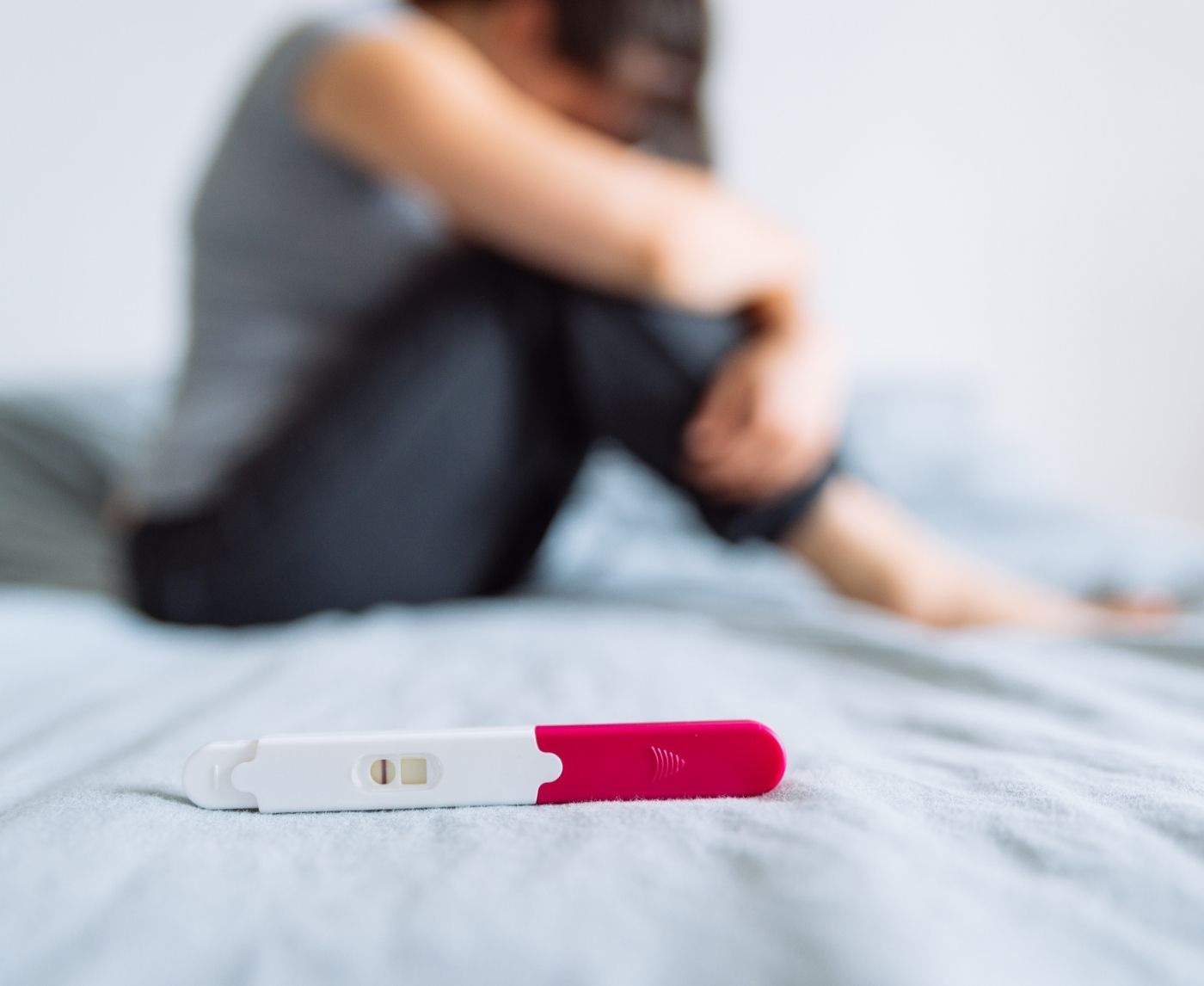

Quick Answer: Chlamydia can cause infertility in both men and women, even without symptoms. Testing regularly is the only way to catch it before it causes permanent damage.
“I Had No Symptoms.” That Doesn’t Mean You’re Safe
Let’s get this out of the way: most people with chlamydia don’t feel anything at all. You can have a full-blown infection and still pee comfortably. No weird discharge. No pelvic pain. No itching. In fact, according to the CDC, up to 70% of infected women and 50% of infected men report zero symptoms in early stages.
That’s why so many people don’t realize they’ve been exposed. They think they’re safe because there’s “nothing weird going on.” But the bacteria don’t care whether you notice. They move fast, sometimes within weeks of infection, they begin climbing the reproductive tract, where they can cause scarring in the fallopian tubes, inflammation in the epididymis (in men), and a condition called pelvic inflammatory disease (PID). This is where infertility risk begins.
One reader, let’s call her Dana, shared that she thought her irregular spotting was just hormonal. She’d switched birth control recently. Her periods had been weird for months. Her boyfriend had no symptoms either. It wasn’t until a routine Pap smear flagged inflammation that her provider recommended a full panel. Her chlamydia test came back positive. “We both thought we were clean,” she said. “We had no idea how long it had been there.”
How Chlamydia Causes Infertility (And Why It’s Preventable)
The scary part about chlamydia isn’t how it feels. It’s how little it feels, until it’s done damage. In women, the infection can travel from the cervix into the uterus, fallopian tubes, and ovaries. Once there, it can cause inflammation that leads to scarring or blockage. Over time, this scarring can prevent the egg from reaching the uterus, increasing the risk of ectopic pregnancy or making natural conception impossible.
In men, chlamydia can infect the urethra and move into the testicles, causing swelling in the epididymis, a condition called epididymitis. If untreated, it can reduce sperm quality or block the tubes that carry sperm altogether.
Here’s what makes this so frustrating: all of this is preventable. A single antibiotic dose, usually azithromycin or doxycycline, can clear the infection when caught early. But if you don’t know you’re infected, you won’t treat it. And that’s the trap. Chlamydia isn’t deadly. It’s not dramatic. It just lingers. Quietly. Until it breaks something.
| Complication | Who’s Affected | When It Happens | Preventable? |
|---|---|---|---|
| Pelvic Inflammatory Disease (PID) | Women | Weeks to months after untreated infection | Yes, with early testing and antibiotics |
| Epididymitis | Men | Usually within weeks of exposure | Yes |
| Tubal Factor Infertility | Women | Often undetected until trying to conceive | Yes |
| Sperm Transport Blockage | Men | With recurrent or untreated infections | Yes |
Table 1. Common fertility-related complications caused by untreated chlamydia and when they typically develop. All are preventable with early diagnosis.

People are also reading: HIV Testing at Home: Swap Anxiety for Answers in 20 Minutes
Why Chlamydia Gets Missed, Even When You Get Tested
Here’s something else no one tells you: many “STD panels” don’t automatically include chlamydia. Unless you specifically request it, or go somewhere that uses a comprehensive test, you could walk out thinking you’re in the clear when you’re not.
That’s especially true in clinic settings where cost-cutting or symptom-based testing models are used. If you don’t report symptoms or known exposure, you might not be screened. One Reddit user shared, “I asked for an STD test and they said I didn’t need chlamydia since I didn’t have symptoms. Turns out I was positive the whole time.”
Testing too early is another trap. Chlamydia has a window period of 1 to 2 weeks post-exposure. If you test on day 3, the bacteria might not have multiplied enough to show up. You’ll get a negative result, breathe easy, and go on with your life, while the infection quietly spreads.
That’s why timing and test type matter. The most accurate option is a nucleic acid amplification test (NAAT), usually done via urine or swab. And it works best when taken 7–14 days after potential exposure. Test too soon, and you may need to retest later.
If you're unsure when you were exposed or if your last test was comprehensive, it’s worth doing an at-home combo panel. You can order one from STD Rapid Test Kits and test in private, no clinic visit, no awkward explanations.
Check Your STD Status in Minutes
Test at Home with Remedium6-in-1 STD Test Kit
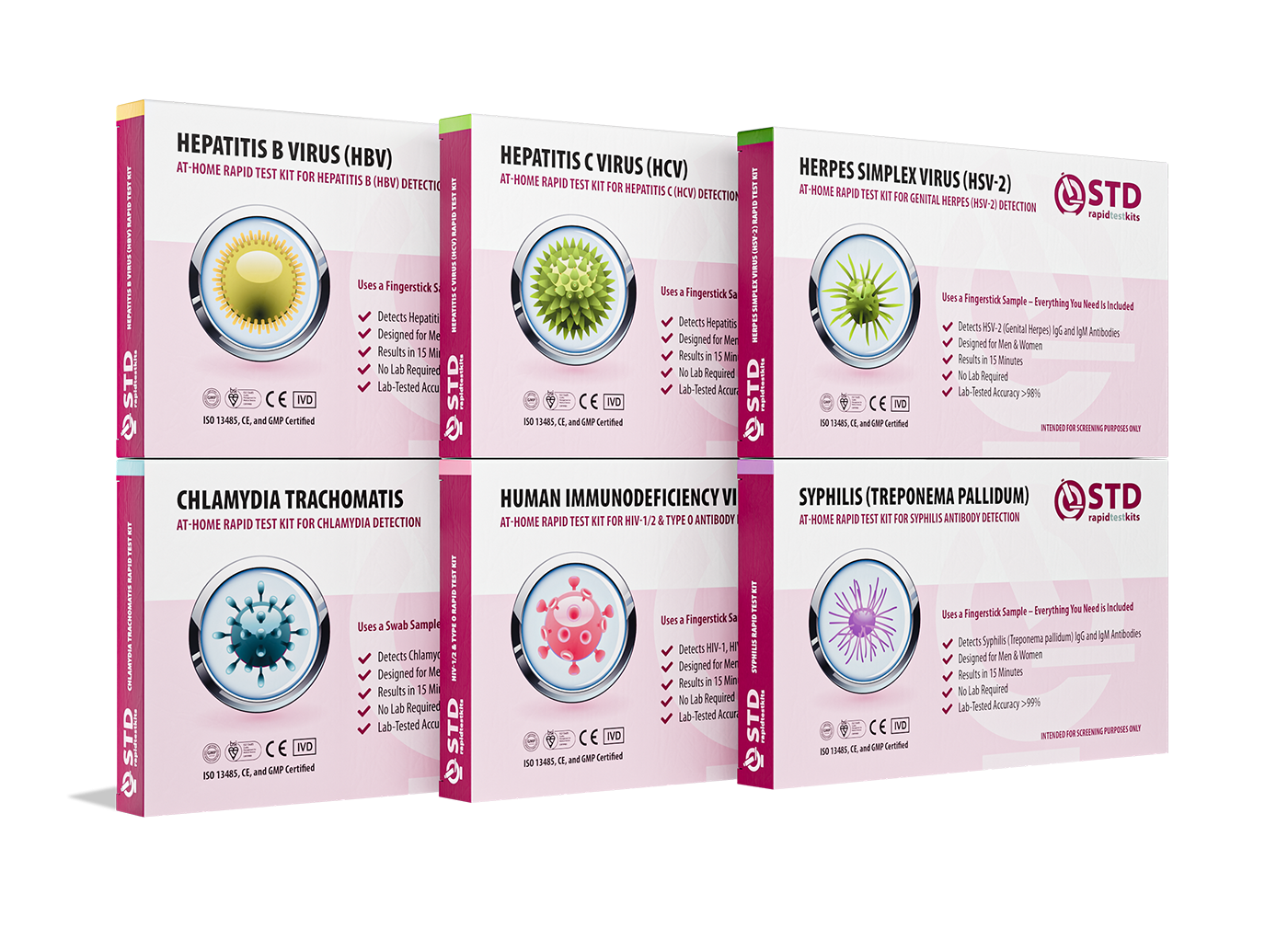
 For Men & Women
 Results in Minutes
 No Lab Needed
 Private & Discreet
Order Now $119.00 $294.00
For all 6 tests
“I Thought It Was Just a UTI”, Why Symptoms Are So Easily Missed
It started as a little burn when she peed. Tara thought it was another UTI. She’d had them before, nothing serious, just some urgency and a bit of discomfort. She drank cranberry juice, waited it out, even tried leftover antibiotics from last year. It cleared up. Then came the cramping. Then the discharge. And then, months later, the ER visit where the word “pelvic inflammatory disease” made her freeze. “I didn’t even know I had an STD,” she told the doctor. “I’ve been with the same person for a year.”
It’s a common story. Chlamydia symptoms often mimic other things: UTIs, yeast infections, hormonal changes. For men, it might just feel like mild testicular irritation or a little drip they brush off. For women, it might be nothing more than a dull ache in the pelvis or spotting between periods.
But while it’s easy to dismiss these signs, the bacteria doesn’t pause. Once it moves past the cervix or urethra, it's harder to treat completely. And the longer it stays undetected, the more likely it is to cause complications.
Here’s the twist: not everyone even gets these “mild” signs. That’s what makes chlamydia so insidious. You might only discover it when something breaks, when your cycle changes, when your partner tests positive, or when you’re trying to get pregnant and can’t.
How Long Is Too Long? The Timeline You Need to Know
If you’ve had unprotected sex, oral, vaginal, or anal, there’s always a risk. Even if you used protection, things happen: condoms break, slide, or don’t cover everything. Chlamydia can also spread through shared toys, fingers, and oral contact, especially if there are microtears or inflamed tissue.
So how long can you have it without knowing? The truth is: weeks, months, even years. The longer it’s in your system untreated, the more damage it can do, especially to your reproductive health. The only way to know is to test. And if you’ve tested negative but still feel off, or your exposure was recent, you may need to test again after a window period.
| Time Since Exposure | Can Chlamydia Be Detected? | What You Should Do |
|---|---|---|
| 1–5 Days | Usually No | Wait and monitor, or test now and again in 2 weeks |
| 7–14 Days | Yes (most accurate window) | Test with NAAT or rapid test |
| 14+ Days | Yes | Test now if you haven’t already |
| Months or Years | Yes, but complications may be present | Test and follow up with a doctor if positive |
Table 2. Chlamydia testing timeline: when you can expect accurate results and what actions to take based on time since exposure.
If your last test was months ago, or you’ve never been tested for chlamydia specifically, now’s the time.
Case Study: The Couple Who Thought They Were Exclusive
When Malik and Jayden moved in together, they agreed to go “raw.” They’d been together a few months, felt close, and both had tested “clean.” But here’s what neither realized: the clinic Malik used didn’t include chlamydia in the basic screening unless you asked. Jayden’s test had been three months earlier, before a casual hookup he’d chalked up as nothing.
It wasn’t until Jayden started feeling abdominal tightness and light bleeding between periods that she mentioned it to her doctor. They ran a full panel. Chlamydia came back positive.
Malik tested the next day, also positive. “We were both devastated,” he shared. “Not because of blame, but because we truly didn’t know. We thought we were doing it right.”
This is more common than you’d think. Many clinics don’t include all STDs unless you specifically ask. And because chlamydia often hides, couples assume they’re safe if they’re exclusive or “don’t feel anything.”
The reality? People carry it unknowingly for weeks or months. Without symptoms. Without intention. Just bacteria doing what bacteria do. The only fix is proactive testing, and honest conversation.

People are also reading: How to Skim the GLASS Tables and Actually Understand Them
Let’s Talk About Testing: What to Expect
Testing for chlamydia doesn’t need to be scary. In most cases, it’s quick, painless, and discreet. You pee in a cup or swab yourself. That’s it. The lab looks for bacterial DNA. If it’s there, they’ll find it. If not, you get peace of mind.
At-home testing is now more accurate than ever. The chlamydia rapid test kit from STD Rapid Test Kits gives results in under 20 minutes, no mailing, no labs. Just follow the instructions, collect your sample, and check the result strip. It’s discreet, fast, and lab-grade.
Mail-in options also exist if you prefer not to handle the result yourself. But know this: no matter which method you choose, testing is better than guessing. And way better than waiting until you can’t conceive, or worse, needing emergency care for PID or testicular damage.
So if your gut is nagging you, listen. Whether it’s a weird sensation, a partner’s sketchy history, or just the knowledge that you haven’t tested in a while, take control now. Peace of mind is one test away.
Check Your STD Status in Minutes
Test at Home with Remedium7-in-1 STD Test Kit
 For Men & WomenResults in MinutesNo Lab NeededPrivate & Discreet
Order Now $129.00 $343.00
For all 7 tests
Can Chlamydia Come Back After Treatment?
Here’s a question that stumps a lot of people: if you’ve had chlamydia once, can it come back? The answer isn’t always simple. Technically, if you’ve completed treatment and your partner was treated too, the infection should be gone. But here’s the twist: many people get reinfected, not because the meds didn’t work, but because their partner wasn’t treated or they had sex again too soon.
That’s why most health providers now recommend retesting three months after treatment, even if you feel fine. This helps catch silent reinfections early, before they can cause further damage. It’s also why some clinics offer partner treatment at the same time, even without testing the partner, just to prevent that back-and-forth ping-pong of infection.
If you’ve had chlamydia and didn’t retest, or if your symptoms returned weeks later, get checked again. And if your partner didn’t test or treat? It’s possible they never cleared the infection in the first place.
Testing twice isn’t overkill. It’s smart. Your fertility and your peace of mind are worth the extra step.
Partner Testing: Why You Can’t Skip That Conversation
This is the part most people dread, but it's the most important. If you’ve tested positive for chlamydia, your current and recent partners need to know. Not out of shame. Not to cause drama. But because they could be infected and not know it, and they could pass it back to you, even after you’ve treated it.
Anonymous partner notification services exist, and some clinics offer confidential messages. But if you’re in a relationship, honesty matters. It's not about blame. It’s about care. You don’t have to say “you gave this to me.” You can say, “I tested positive and I want us both to be safe.” That one sentence could protect their fertility, too.
Remember: testing is healthcare. It’s not a confession. And you don’t need to feel dirty or ashamed for doing the right thing. Real love includes honesty. Real sex includes safety. If your partner can’t handle that conversation, it says more about them than it does about you.
What Happens If You Don’t Treat It?
This is the “until it’s too late” part of the headline. If left untreated, chlamydia can move silently through your reproductive system, causing:
- Permanent tubal scarring (which can block fertilization)
- Increased risk of ectopic pregnancy (a medical emergency)
- Chronic pelvic pain that doesn’t go away
- Decreased sperm quality or transport blockage in men
None of this happens overnight. But none of it requires symptoms to begin. That’s the horror story here, not because chlamydia is scary, but because it’s so quiet that it doesn’t give you a second chance unless you take the first one.
And the heartbreaking thing? Many people only learn all this after they’ve tried to conceive and failed. After months of wondering what’s wrong. After fertility tests reveal blocked tubes or inflammation that could’ve been prevented. This article isn’t here to shame, it’s here to stop that from happening to you.
FAQs
1. Can one chlamydia infection really make me infertile?
It can, especially if it goes untreated. One missed infection can cause scarring in the fallopian tubes or inflammation in the testicles. But here’s the thing: infertility usually isn’t instant. It’s the slow buildup of silent damage over time. You’re not doomed if you’ve had it once. What matters is catching it early, getting treated fast, and retesting when needed. And if you’re already worried? That’s a good enough reason to check now.
2. How long can I have chlamydia without even knowing?
Months. Sometimes years. We’ve seen stories of people who only found out when a partner got tested or a fertility specialist raised red flags. The infection doesn’t always cause pain or changes. It just...exists, until it doesn’t. That’s why it’s called a silent STD. Feeling “normal” isn’t a free pass. It’s a prompt to test.
3. Does chlamydia hit men and women the same way?
Not really. In women, it tends to climb, up the cervix, into the uterus, and then into the fallopian tubes where it can do some serious damage. In men, it’s more likely to hang out in the urethra or move into the testicles. But either way? It’s not something you want setting up shop. Infertility, inflammation, pain, nobody wins.
4. Can I test negative but still have it?
Yup. If you test too soon, say, within a few days of exposure, the bacteria might not be detectable yet. That’s why timing matters. Most accurate results show up 7 to 14 days after exposure. Also, make sure your test actually includes chlamydia. A “full panel” isn’t always full unless you ask.
5. What does oral chlamydia feel like?
Honestly? Usually nothing. Some people report a scratchy throat or mild soreness, but most never feel a thing. It’s the kind of infection you don’t even know you’ve passed on. That’s why if you’ve had oral sex, even without penetration, it’s worth checking, especially if your partner has a genital infection.
6. Does every STD panel check for chlamydia?
Surprisingly, no. Many urgent care clinics or GP offices only test for HIV and maybe syphilis. You have to request chlamydia (and gonorrhea) specifically in a lot of places. Always double-check the fine print. Or skip the guesswork and go with an at-home kit that lists every test included.
7. How soon after a hookup should I test?
If it’s been less than a week, wait a few more days, most tests are accurate around day 7 to 14. If you’re feeling anxious now, go ahead and test, but plan to retest in 2 weeks to be sure. And if your exposure was risky, like a broken condom or high partner turnover, don’t wait too long. Catching it early can save you a lot of stress later.
8. Can I test for chlamydia from home?
Absolutely. And honestly? More people should. At-home tests have come a long way. You can pee in a cup or swab yourself and get lab-grade results, without sitting in a waiting room or explaining your sex life to a stranger. If you prefer rapid answers, the Chlamydia Rapid Test Kit gives results in minutes from the privacy of your own space.
9. Do I really need to retest after treatment?
Yes. Chlamydia has a bad habit of coming back, not because the meds failed, but because partners didn’t treat or people had sex too soon. The CDC recommends a follow-up test around 3 months post-treatment to make sure it’s really gone. No shame in being thorough.
10. Can I get chlamydia without actual penetration?
Definitely. Chlamydia can spread through oral sex, shared toys, and even skin-to-skin genital contact, especially if there are microscopic tears. You don’t need full-on intercourse to pass it. If your junk touched their junk and you didn’t test afterward, you’ve got exposure risk. It’s not about fear. It’s about facts.
You Deserve Answers, Not Assumptions
It’s easy to assume you’re safe when you feel fine. Easy to believe your partner is “clean” if they don’t have symptoms. Easy to wait until something feels off before taking action. But chlamydia doesn’t play by those rules. It spreads silently. It settles in. And it waits, sometimes for months or years, before showing its hand. And by then, what’s been lost may be permanent.
But this isn’t a doom story. It’s a wake-up call, with a solution. Testing is easy. Fast. Private. You don’t need a clinic visit. You don’t need to explain yourself. You just need a moment of honesty, and the willingness to check. Whether you’re in a long-term relationship, newly exploring, or just overdue, the best time to know is now.
Don’t wait and wonder, get the clarity you deserve. This at-home chlamydia test kit checks for the most common silent STD discreetly and quickly.
How We Sourced This Article: We combined current guidance from leading medical organizations with peer-reviewed research and lived-experience reporting to make this guide practical, compassionate, and accurate.
Sources
2. Chlamydial Infections — CDC Treatment Guidelines
3. Reproductive tract complication risks following Chlamydia — PMC / NCBI
4. CDC Grand Rounds: Chlamydia Prevention & Sequelae
5. Chlamydia — NCBI Books / NBK547154
6. Chlamydia — StatPearls / NBK537286
About the Author
Dr. F. David, MD is a board-certified infectious disease specialist focused on STI prevention, diagnosis, and treatment. He blends clinical precision with a no-nonsense, sex-positive approach and is committed to expanding access for readers in both urban and off-grid settings.
Reviewed by: L. Kim, RN, MSN | Last medically reviewed: October 2025
This article is for informational purposes and does not replace medical advice.


