





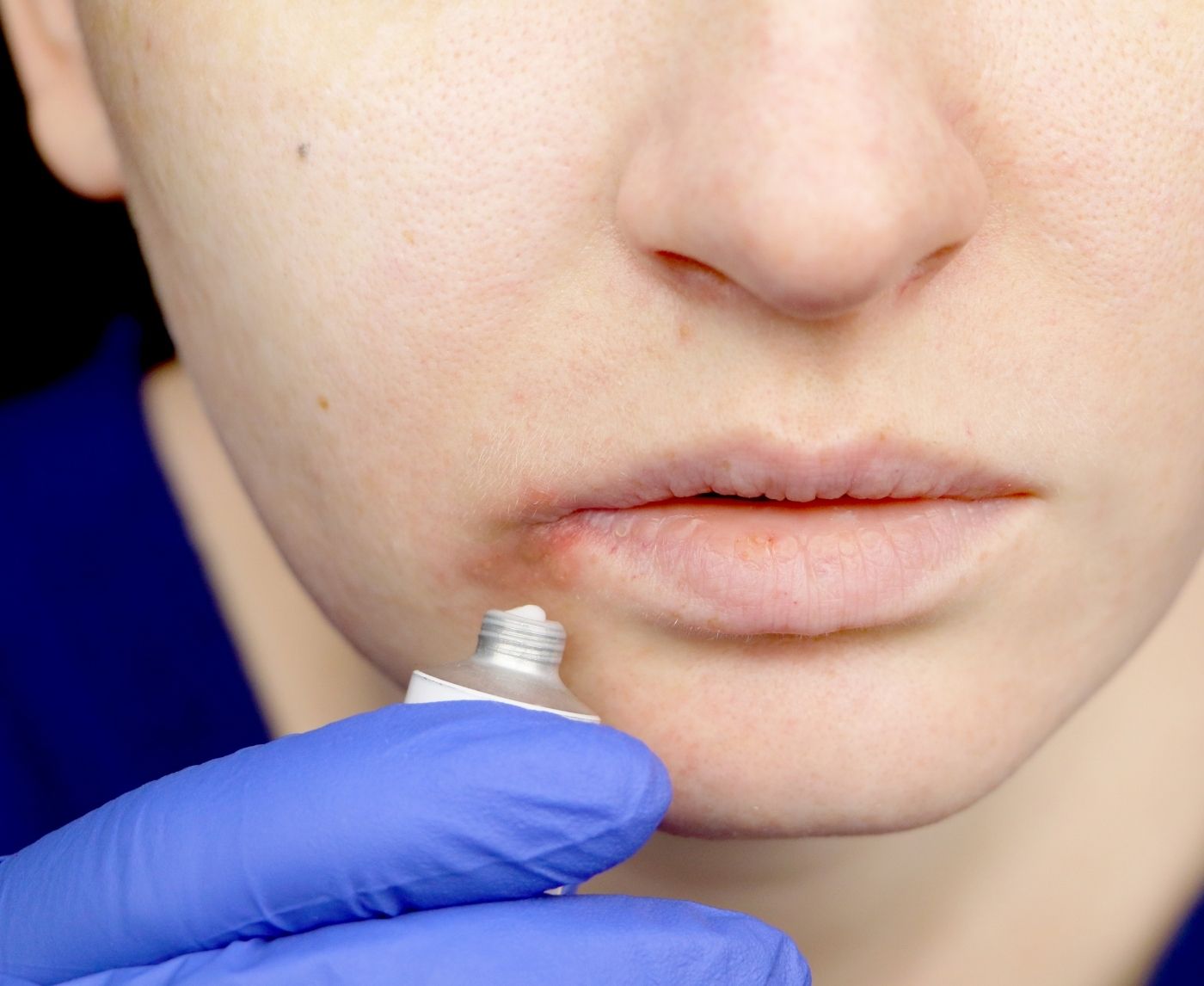

Quick Answer: STD symptoms can range from obvious signs like sores and discharge to subtle issues like mild irritation, or nothing at all. The only way to know for sure is to get tested, even if you feel fine.
This Isn’t Just Razor Burn, And Here’s Why That Matters
You're standing in the bathroom mirror, staring at a small red bump on your inner thigh. You shaved two days ago, so it must be ingrown, right? Maybe. But maybe not. The problem isn’t overreaction, it’s that many STDs mimic everyday things: razor burn, yeast infections, UTIs, allergic reactions. And because we’re conditioned to avoid talking about sex, especially risky sex, we’re more likely to ignore the signs.
Take Marcus, 31. He noticed a burning sensation when he peed but waited three weeks to see a doctor. He thought it was dehydration or spicy food. The diagnosis? gonorrhea. "I wasn’t even that worried,” he admitted later. “I figured if it were serious, I’d have more symptoms."
The truth? Many STDs have mild, intermittent, or completely absent symptoms, especially in their early stages. But they don’t stay that way. Left untreated, infections like chlamydia, gonorrhea, and syphilis can damage reproductive organs, increase HIV risk, or silently spread to partners.
When Silence Is a Symptom Too
Let’s be blunt: the absence of symptoms doesn’t mean the absence of infection. Nearly 70% of people with chlamydia have no idea they’re infected. For HPV, the rate is even higher, and it can still be transmitted through skin-to-skin contact or oral sex.
This is where it gets complicated. You feel fine. Your partner feels fine. But something isn’t right down there. Maybe a small itch that comes and goes. Maybe you’re urinating more often. Maybe it’s... nothing. That’s why routine testing matters, not because you're “dirty” or “irresponsible,” but because some infections don’t wave red flags until it’s too late.
| STD | Visible Symptoms (When Present) | Silent Infection Rate |
|---|---|---|
| Chlamydia | Burning urination, discharge, pelvic pain | ~70% in women, ~50% in men |
| Gonorrhea | Yellow/green discharge, pain during urination | ~50% in women, ~10% in men |
| HPV | Warts, changes to cervical cells (via Pap) | Over 80% have no symptoms |
| Herpes | Blisters, tingling, ulcers | ~90% unaware of infection |
| Syphilis | Painless sores, rash, hair loss | ~60% in early stage go unnoticed |
Figure 1. Common STD symptoms and how often they go undetected. Source: CDC, WHO, JAMA reports.
The Itchy, Burny, Confusing Signs You Shouldn’t Dismiss
You wake up with discomfort after a one-night stand. Not pain exactly, but irritation. You search “itchy down there after sex” and get a million hits, most of them inconclusive or panic-inducing. So you wait. Again.
This is where knowledge is power. Knowing how STD symptoms present in real life (not just textbook photos) can help you decide when to test, and when to stop second-guessing yourself.
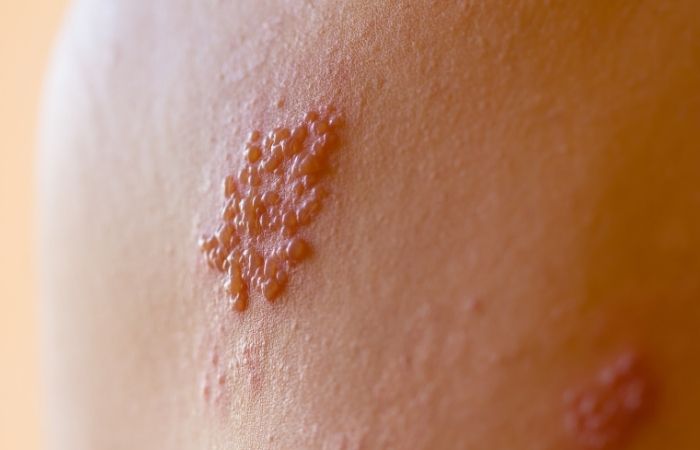
Herpes can start with tingling and burning before any blister appears. Trichomoniasis might cause frothy, foul-smelling discharge in women but be completely silent in men. Syphilis shows up as a single, painless sore, easy to miss unless you’re looking for it.
For every STD, there’s a range: some people get textbook symptoms, others just get vibes. You deserve more than guessing games.
Peace of mind starts with knowledge, and ends with a reliable test. Order a discreet at-home kit that checks for multiple infections at once, no clinic trip required.
People are also reading: What to Know If You’ve Just Been Diagnosed with Herpes
Why Symptoms Can Come and Go (And What That Means)
Here's something most people don’t know: STD symptoms can be cyclical. They show up, disappear, then come back later, sometimes worse. This is especially true with herpes, HPV, and even chlamydia.
Fatima, 28, experienced spotting after sex and a dull ache in her lower abdomen. It lasted three days and vanished. “I thought it was just stress,” she said. Two months later, the symptoms returned, and this time, they came with a diagnosis: pelvic inflammatory disease, a complication of untreated chlamydia.
Infections don’t always get worse fast. Sometimes, they simmer quietly. Your body might fight them off partially but not entirely. That lull is what tricks people into thinking they’re fine. Don’t let a “good week” fool you. If you’ve had new partners, unprotected sex, or unexplained symptoms, get tested. You’re not overreacting. You’re protecting your future.
Check Your STD Status in Minutes
Test at Home with Remedium7-in-1 STD Test Kit
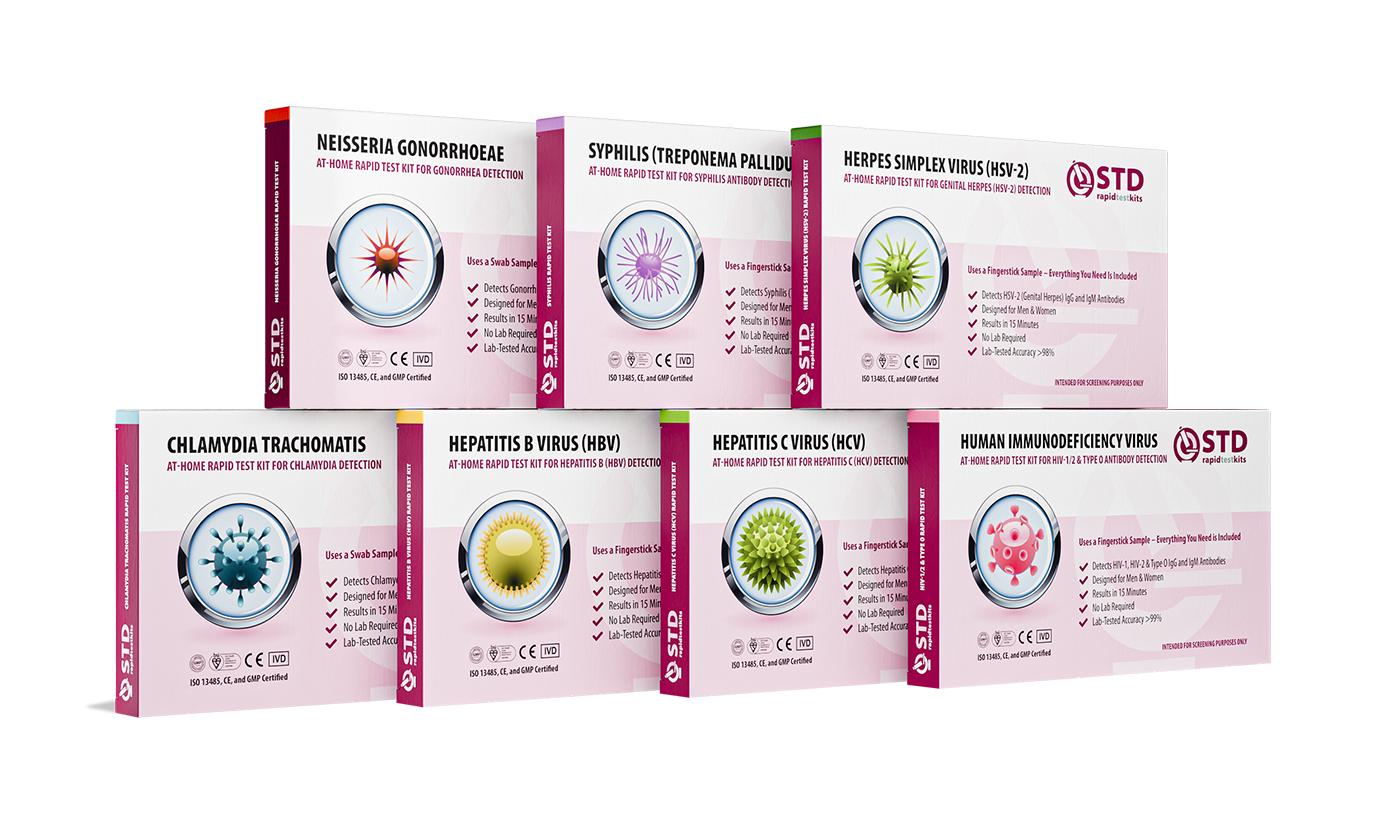
 For Men & Women
 Results in Minutes
 No Lab Needed
 Private & Discreet
Order Now $129.00 $343.00
For all 7 tests
This Doesn’t Feel Like an STD, But It Might Be
Let’s talk about symptom overlap. One of the biggest reasons people skip STD testing is because their symptoms seem to “make sense” some other way. You’ve had a yeast infection before, this must be that. You get UTIs after sex sometimes, no big deal. But STDs often mimic those very same conditions, especially in the early stages.
Consider the overlap: itching, burning, pelvic pressure, discharge, odor, even low-grade cramps. Any of these could point to chlamydia, trichomoniasis, gonorrhea, or BV (bacterial vaginosis). And in many cases, the symptoms are identical. The only real difference? One requires antibiotics you can only get after a diagnosis.
And here’s the kicker: treating what you think you have without testing first, like using over-the-counter yeast treatments, can mask STD symptoms and delay proper care. That delay matters. For every week untreated, the risk of complications rises: fertility damage, pelvic inflammatory disease, increased HIV susceptibility.
| Symptom | Yeast Infection | BV | UTI | Possible STD |
|---|---|---|---|---|
| Itching | Yes | Sometimes | Rare | Yes (herpes, trich, chlamydia) |
| Burning during urination | Rare | No | Yes | Yes (gonorrhea, chlamydia) |
| Thick discharge | Yes (white, clumpy) | Yes (grayish, fishy odor) | No | Yes (trich, gonorrhea) |
| Pelvic pain | Rare | Occasional | Sometimes (if severe) | Yes (chlamydia, PID) |
Figure 2. Common vaginal symptoms and how they overlap with STD-related infections.
When to Test (And Why Retesting Isn’t Overkill)
There’s a misconception that one negative test equals total safety. In reality, timing is everything. Many STDs have “window periods”, the time between infection and when a test can reliably detect it. If you test too early, you might get a false sense of security.
Let’s break it down through a real-life rhythm. Jamie, 22, tested negative for all STDs five days after a new partner. She felt proud for being responsible. But two weeks later, she developed a persistent itch and lower abdominal pain. A second test confirmed trichomoniasis. That first test? Too soon for detection.
Here’s a narrative map:
- 0–5 days after exposure: Too early for most tests; false negatives likely.
- 7–14 days: Some infections become detectable (e.g., gonorrhea, chlamydia).
- 3–6 weeks: Best window for syphilis, herpes antibody tests.
- 6+ weeks: Confirmatory testing zone, especially for HIV or persistent symptoms.
Retesting isn’t being paranoid. It’s being smart. If you test early, set a reminder to test again at the recommended interval. And if you’re in a high-risk situation (multiple partners, new partner, symptoms evolving), testing more than once is normal, not neurotic.
If your timeline’s murky, or your results don’t match how you feel, a combo at-home kit can help you retest discreetly, without needing to explain your situation to anyone.
How Symptoms Show Up Differently in Men vs Women
Biology isn’t always fair. Some STDs affect men and women differently, not just in symptoms but in detectability. That means you and your partner could have the same infection, but only one of you shows signs. Worse? The one without symptoms might assume they’re clean and skip testing.
Gonorrhea, for instance, often causes burning and discharge in men, but many women feel nothing at all until serious complications develop. Trichomoniasis can cause frothy, smelly discharge in women, but men might just experience a subtle itch or no symptoms at all. Even herpes can present differently: a man may have one blister on his shaft; a woman might feel internal irritation she mistakes for dryness or an allergy.
It’s also about anatomy. The female reproductive tract has more internal surface area, making it more vulnerable to infection and inflammation. That’s one reason complications like pelvic inflammatory disease (PID) are more common in women, often triggered by untreated chlamydia or gonorrhea.
This doesn’t mean men get off easy. Many male readers find out the hard way, when a partner tests positive, and they’re asked to explain how long they’ve had something they didn’t even know they were carrying.
Getting tested protects everyone. No shame. No guessing games. Just clear answers, in private, on your timeline.

People are also reading: The STD You’ve Probably Never Been Tested For
The Cost of Ignoring That “Small” Symptom
You might be thinking: “If it were serious, it would feel serious.” But that’s exactly how STDs slip through the cracks. Because the initial symptoms seem mild, or never show up at all, many people delay testing. But delay comes at a price.
Let’s rewind to Mateo, 34. He had what he thought was a stubborn hemorrhoid. No pain, just discomfort. Fast forward six months: what he was dealing with was actually a syphilitic chancre. It healed on its own, but the bacteria didn’t disappear. It advanced quietly, until it hit his nervous system and triggered blurred vision and fatigue. That’s when he finally got tested, and found out it was late-stage syphilis.
Not all STDs escalate dramatically. But several can if ignored:
- Chlamydia & Gonorrhea: Can lead to infertility, chronic pelvic pain, and increased HIV risk.
- Syphilis: Progresses through stages, ending in severe neurological damage if untreated.
- HPV: Certain strains can cause cervical, anal, or throat cancer years after infection.
- Herpes: Doesn’t worsen, but outbreaks may become more frequent without antivirals.
Most STDs are highly treatable, but only if you know they’re there. This is about more than just your body. It’s about your peace of mind, your relationships, your ability to move forward without wondering “what if?”
Check Your STD Status in Minutes
Test at Home with Remedium3-in-1 STD Test Kit
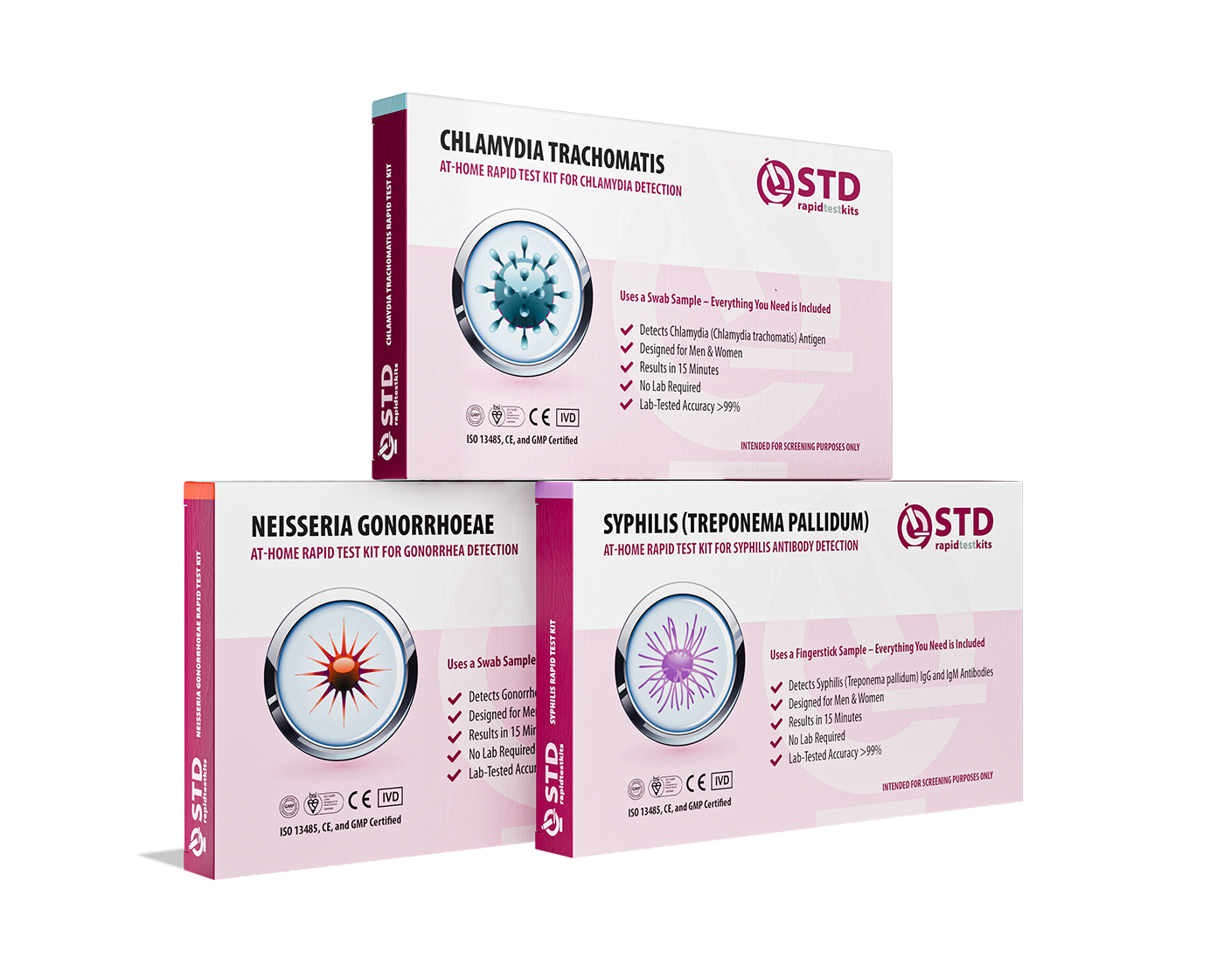 For Men & WomenResults in MinutesNo Lab NeededPrivate & Discreet
Order Now $69.00 $147.00
For all 3 tests
After Diagnosis: Shame, Fear, and What Comes Next
Even the word “STD” can hit like a punch. People worry about being judged, rejected, even unlovable. But here’s the truth: STDs are common, not criminal. And the moment you find out you have one? That’s the moment you reclaim control.
Sarah, 26, found out she had herpes after her first serious relationship ended. “I thought no one would ever want to sleep with me again,” she said. “I cried for days.” But three months later, she was dating again, and more confident in her sexual health than ever before. “I have honest conversations now. I don’t pretend anymore. Weirdly, I feel freer.”
The emotional aftermath of an STD diagnosis varies: anger, grief, shame, denial. All valid. But it doesn’t have to end there. Most people go through that wave, then emerge stronger, with a plan, with support, with answers.
It's not just about the products in STD Rapid Test Kits. It's about giving you the option to act without fear, test without judgment, and face the unknown with tools in hand. This combo test kit quickly, privately, and accurately checks for the most common infections. It's not about being scared; it's about being free.
Why Testing Is the Kindest Thing You Can Do
Let’s flip the narrative. Testing isn’t about guilt. It’s not a confession booth. It’s a care act, for yourself and for the people you sleep with. It says: “I take this seriously. I respect my body and yours.”
Too often, conversations about STDs are laced with shame. But there’s nothing shameful about getting answers. There’s nothing dirty about wanting to know what’s happening in your own body. And there’s definitely nothing weak about saying, “I want to be sure.”
So whether you’re itchy, nervous, confused, or just due for a check-in, know this: testing is a tool. It doesn’t define you. It supports you. You deserve to know. You deserve to feel safe.
FAQs
1. Do STD symptoms always mean something’s wrong?
Not necessarily. That weird itch, burn, or bump could be from an ingrown hair, tight underwear, or last night’s marathon session. But if it sticks around, shows up after new sex, or just doesn’t feel normal, get checked. Your body whispers before it screams.
2. How do I tell if a bump is herpes or just a pimple?
Herpes usually starts as a tingle or burn, then turns into a blister that can pop or crust. Pimples? Usually have a whitehead and hurt when squeezed. But it’s tricky, especially around your genitals where you can’t exactly see clearly in the mirror. If you’re not sure, don’t play derm detective. Get tested.
3. Can I have an STD and feel totally fine?
Yes. Scarily often. Most people with chlamydia or HPV don’t notice a thing. No pain, no rash, no sign anything’s off. That’s why they spread. Silence isn’t safety. Regular testing is the only way to know what’s actually going on.
4. I tested negative right after sex. I’m good, right?
Not so fast. Most STDs take time to show up on tests, what’s called the “window period.” Testing five days after exposure might not catch syphilis, HIV, or even gonorrhea. A retest 2 to 4 weeks later gives you the full picture. Early is good, but follow-up is smarter.
5. What if my partner tested positive and I feel totally fine?
You might still have it. Some infections don’t hit everyone the same way. One partner gets symptoms, the other doesn’t. That’s biology, not guilt. If someone you’ve been with tested positive, you should test, even if you feel 100% okay.
6. Does itching always mean something bad?
Not always. It can be from shaving, new soap, sweaty clothes, or friction. But if the itch is deep, recurring, or comes with discharge, odor, or burning? Time to rule out trich, herpes, or BV. Bottom line: if it’s bugging you more than once, listen to your body.
7. Can I get an STD even if we used a condom?
Yep. Condoms protect against fluid-based infections like chlamydia and HIV, and they’re amazing for that. But skin-to-skin infections like HPV, herpes, and syphilis can still sneak through. Condoms lower risk. Testing confirms reality.
8. Do I need to get tested if I only had oral sex?
You should, especially for gonorrhea, chlamydia, and syphilis. Oral sex can definitely transmit STDs, even if it felt “safer.” Throat infections often don’t show symptoms but can still spread. If your mouth's been involved, include it in your testing plan.
9. How do I tell someone they might’ve given me something?
Breathe. It’s hard, but you’re not accusing, you’re informing. Try: “Hey, I found out I have [infection]. I wanted to tell you so you can take care of yourself too.” If saying it face-to-face is too much, anonymous notification tools or text templates can help. You’re doing the right thing.
10. Can an STD really mess with my fertility?
Sadly, yes, especially if it goes untreated. Chlamydia and gonorrhea can lead to PID (pelvic inflammatory disease), which can cause scarring in the reproductive system. In men, untreated infections can hit sperm count or cause epididymitis. Testing is protection, not just for today, but for future you too.
You Deserve Answers, Not Assumptions
Burning. Bumps. Or nothing at all. The most common STDs aren’t always obvious, and they’re almost never convenient. But the sooner you understand your symptoms, or your silence, the sooner you can reclaim control.
No matter your story, testing gives you clarity. And clarity changes everything. Don’t stay in the dark. This at-home combo test kit checks for the most common STDs discreetly and quickly. Private. Accurate. No judgment. Just answers.
How We Sourced This
How We Sourced This Article: We combined current guidance from leading medical organizations with peer-reviewed research and lived-experience reporting to make this guide practical, compassionate, and accurate.
Sources
1. About Sexually Transmitted Infections (STIs) – CDC
2. STI Treatment Guidelines – CDC
3. About STI Risk and Oral Sex – CDC
5. Management of asymptomatic sexually transmitted infections – NCBI PMC
6. Asymptomatic infections with Chlamydia trachomatis – NCBI PMC
8. CDC – Sexually Transmitted Diseases (STDs)
About the Author
Dr. F. David, MD is a board-certified infectious disease specialist focused on STI prevention, diagnosis, and treatment. He blends clinical precision with a no-nonsense, sex-positive approach and is committed to expanding access for readers in both urban and off-grid settings.
Reviewed by: J. Ramos, RN, MSN | Last medically reviewed: October 2025
This article is just for information and should not be used as medical advice.


