





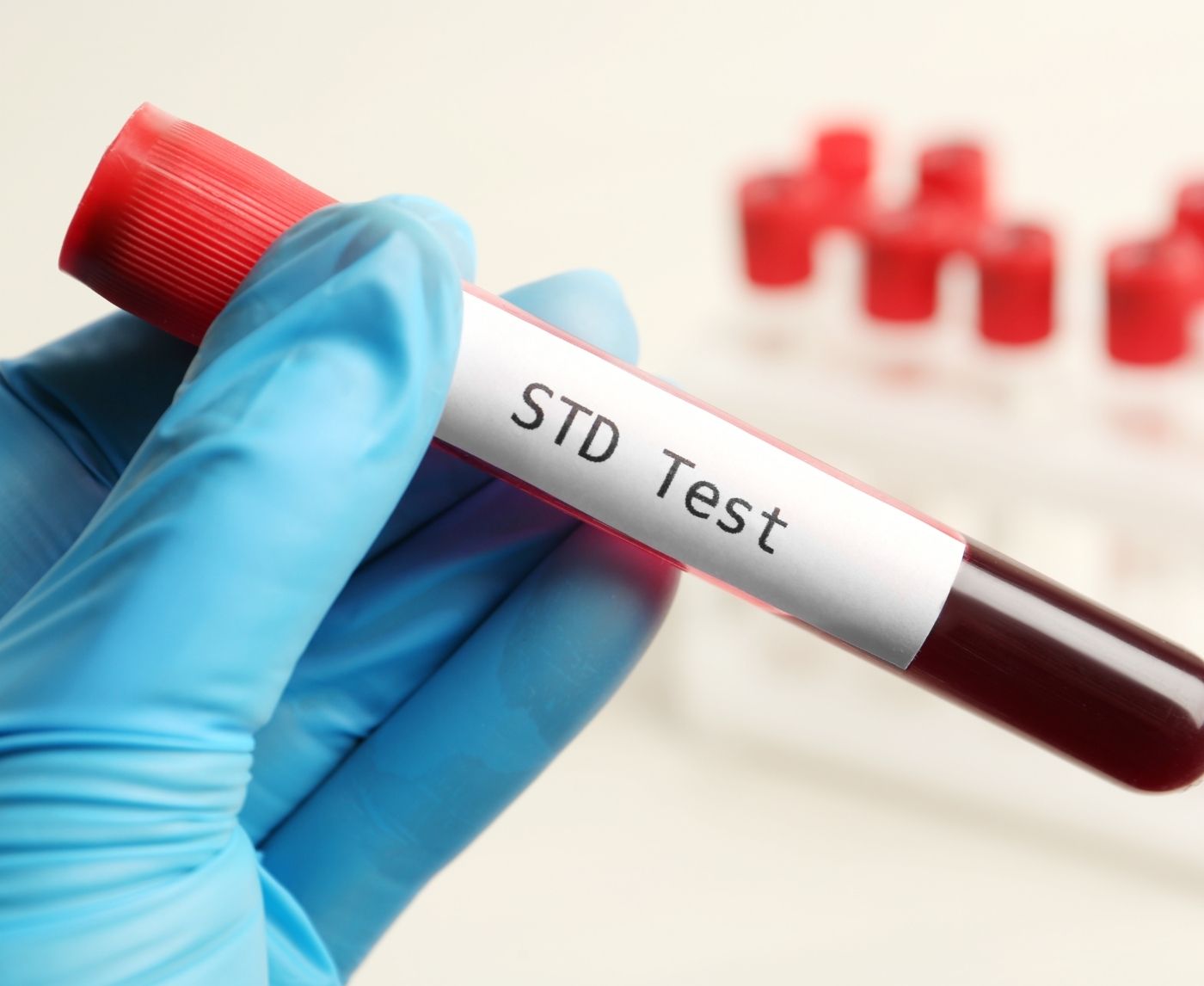

Quick Answer: To use a trichomoniasis home test, collect the sample using a vaginal swab or urine (depending on the kit), mix it in buffer, apply it to the test cassette, and wait 10–15 minutes. One line usually means negative, two means positive, and no lines means invalid. Timing and sample quality are key.
Why This Test Matters More Than You Think
Trichomoniasis doesn’t always come with fireworks. In fact, up to 70% of people don’t show symptoms at all. But untreated, it can increase the risk of getting or spreading HIV, lead to preterm birth, or quietly move between partners in a cycle that’s hard to break. That’s why being able to test at home, without waiting for a clinic appointment, without a pelvic exam, without judgment, matters. You get answers on your own terms.
This article is for anyone who’s ever wondered, “Is this just a yeast infection?” or “What does this weird smell mean?” or “Can I really trust this test?” It’s for people who don’t have insurance, who live in remote places, who are scared, who just hooked up with someone new, or who are trying to protect someone they love. We’ll cover what’s in the kit, how to collect your sample, how to read the results (including faint lines), and what to do next.
What’s Inside the Box (And What It’s All For)
Take a breath and open your kit. Most trichomoniasis home test kits follow a similar format, especially the rapid antigen types like the OSOM Trichomonas Rapid Test. Inside, you’ll usually find a sealed foil pouch containing the test cassette, a sterile swab or urine dropper (depending on the kit type), a small buffer solution tube or dropper bottle, and a set of printed instructions. Some kits also include a pair of disposable gloves and a waste bag.
The test cassette is the heart of the system, it’s where the results appear. It typically has two lines marked: “C” for control and “T” for test. The buffer is the liquid that helps extract and transport antigens from your sample onto the test membrane. Your job is to get the sample onto the strip, let it react properly, and read it in the time window the manufacturer recommends. Simple on paper, but when it’s your health on the line, every second feels like a test of your nerves too.
In the Bathroom, With Questions
The door is locked. Your phone’s flashlight is balancing on the sink. The test instructions are open, but somehow you’re still unsure. Amara, 26, said she followed every step but didn’t see a line at all. Ty, 33, had a faint second line and didn’t know what it meant. Your hands are clean. Your heart is pounding. You just want to do this right.
First things first: double check the expiration date on the kit. It matters. Reagents in expired kits can fail, even if the lines appear. Then make sure everything is room temperature. If your kit sat in a cold mailbox overnight or got overheated in a car, give it 30 minutes at room temperature to stabilize. Clean your surface. Wash your hands thoroughly. Dry them. And read the instructions from start to finish before touching anything else.
People are also reading: I Didn’t Know I Was Pregnant With Syphilis, Now My Baby’s Sick
Collecting the Sample: Vaginal Swab or Urine
This is the part where most people get nervous, but it’s not as complicated as it feels. If you have a vaginal swab test (which is most common for trich), find a position that’s comfortable: standing with one leg on the toilet seat, sitting, or squatting. Gently insert the swab into your vagina, about two inches is enough, and rotate it slowly against the walls for about 10–30 seconds. You're not digging for treasure, just collecting fluid. The goal is to gather a good sample without contaminating it. Don’t let the swab touch skin or clothing on the way out.
Some kits for men, or unisex tests, use urine instead. If that’s the case, the key is collecting the “first catch” of urine, usually the first 20–30 milliliters after you start peeing. That part contains the most concentrated evidence of infection. Don’t clean the area before urinating, don’t wait midstream, and don’t overfill the cup. Use the included dropper or pipette to transfer the correct amount to the buffer vial or cassette, depending on the kit.
The Buffer Stage: Tiny Bottle, Big Consequences
Now that your sample is collected, it’s time to extract what the test needs to detect. If your kit uses a buffer vial, you’ll either insert the swab directly into the tube and swirl it, or drip urine into the buffer liquid using a dropper. Then, you usually break off the swab handle and leave the tip in the liquid. Cap it, mix it (usually by swirling or inverting gently), and get ready to apply it to the cassette. Read the instructions exactly: too much buffer or an incorrect method can ruin the reaction.
The chemistry happening inside the tube is sensitive. Antigens, small molecules from the Trichomonas parasite, are released into the buffer. When you later drop this mixture onto the test cassette, it travels along a strip that contains antibodies designed to latch onto those antigens. If there’s a match, the test line appears. But if the sample isn’t mixed properly, or if the volume is too little or too much, you could end up with no result at all.
Key Steps and Common Errors During Sample Prep
| Step | What to Do | What Can Go Wrong |
|---|---|---|
| Collect sample | Use swab or urine as directed, collect properly | Insufficient or contaminated sample may lead to false negatives or invalid results |
| Mix with buffer | Swirl swab or add correct urine volume and mix well | Skipping or rushing mixing may prevent antigen detection |
| Transfer to cassette | Use correct number of drops or insert as instructed | Too much or too little fluid may affect flow across membrane |
Figure 1: Steps for preparing a sample and how mistakes can change the results. Even if your kit's instructions are a little different from others, you should always follow them exactly.
Waiting for the Results: Time Isn’t Just a Number
You’ve dropped the liquid onto the test window or inserted the tip into the cassette. Now begins the longest 10 to 15 minutes of your week. Every second stretches. You try not to look, but you keep glancing anyway. You wonder: is it working? Should I be seeing something? Don’t rush. Don’t guess. Most trichomoniasis rapid tests give accurate results within a specific time frame, usually between 10 and 15 minutes. Reading too early can miss a faint positive. Reading too late can show false lines from dried chemicals or diffusion blur.
This is when things feel the most out of your control, but ironically, this is where your control matters most. Set a timer. Walk away. Come back when the kit says it’s time to read. You want to catch the result in its valid window. Don’t leave it out while you go make lunch or take a call. Be present. Be precise. Your clarity depends on it.
Check Your STD Status in Minutes
Test at Home with RemediumTrichomoniasis Test Kit
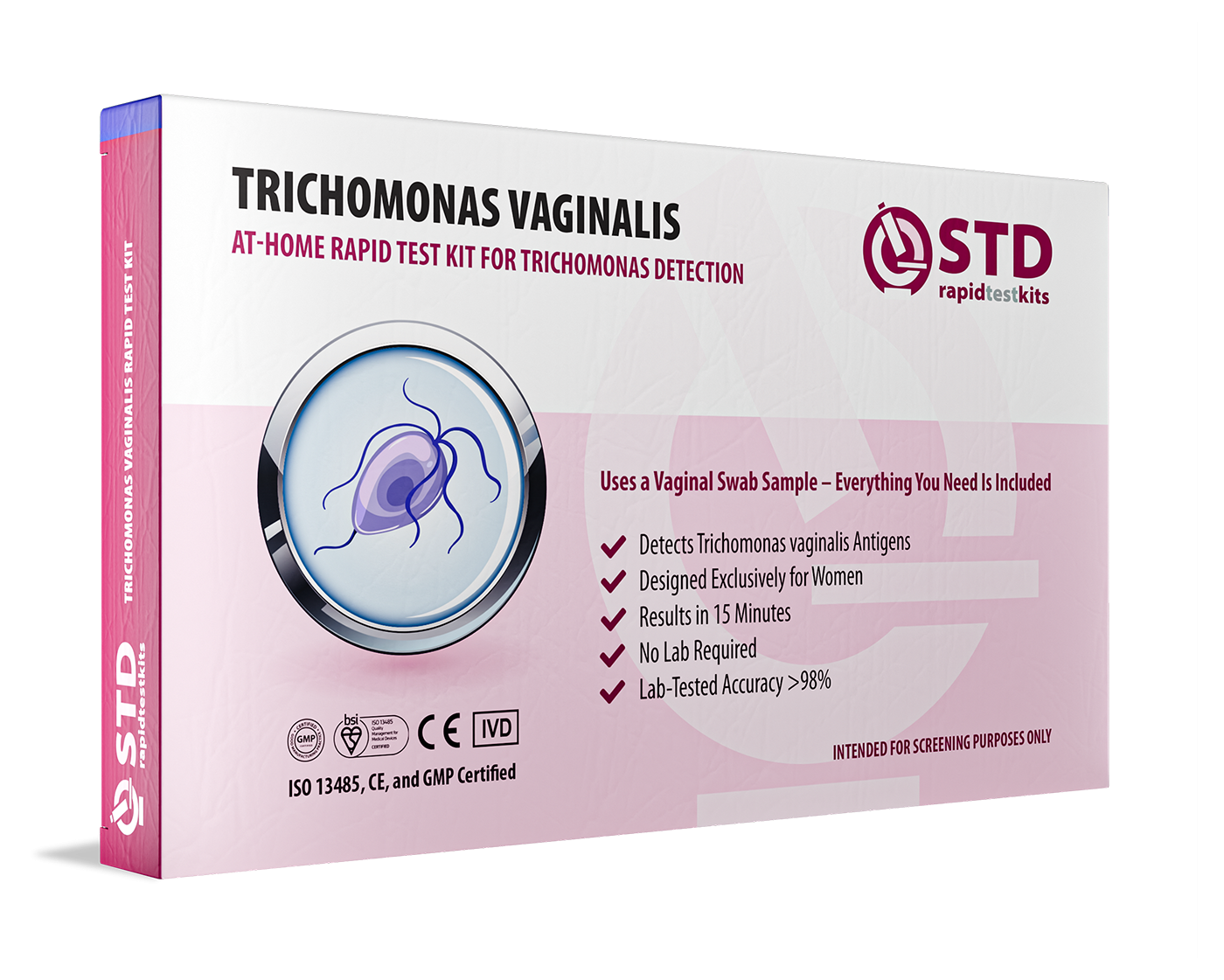
 For Women
 Results in Minutes
 No Lab Needed
 Private & Discreet
Order Now $33.99 $49.00
The Line You Weren’t Ready to See
The timer beeps. You walk back. And there it is: a line at the “C,” just like the instructions said. But what about the “T”? There’s a second line, but it’s faint. Really faint. So faint you’re not sure if it’s even real. You hold it up to the light. You angle the cassette. Your brain starts spinning. What if you imagined it?
Here’s the thing: a faint test line, if it appears within the correct time window, is still a positive result. It doesn’t mean you’re “a little infected” or “just maybe exposed.” It means the test detected antigen from Trichomonas vaginalis in your sample. Even a small amount counts. This is common when someone is early in infection or has a lower load of the parasite. It’s still a result. It still matters.
But if the faint line appeared after the window (say, after 20 or 30 minutes), don’t trust it. Chemical backflow and drying can create ghost lines that mimic real ones. That’s why timing matters as much as chemistry here. If you're unsure, take a photo within the time window and consult a telehealth service or retest in a few days with a new kit. A lab-based NAAT can confirm things with higher sensitivity if needed.
How to Interpret Your Trichomoniasis Rapid Test Results
| Visible Lines | Interpretation | Recommended Action |
|---|---|---|
| Line at C only | Negative | If symptoms are absent, no further action needed. If symptoms persist, retest or seek lab confirmation. |
| Line at C and faint line at T | Positive (low antigen) | Consider result valid. Seek treatment, especially if symptoms are present. |
| Line at C and strong line at T | Positive | Highly likely active infection. Begin partner notification and discuss treatment options. |
| No line at C | Invalid | Test failed. Discard and repeat with new kit. Ensure correct sample and timing next time. |
Figure 2: Understanding your result patterns can help you avoid unnecessary panic, or dangerous false reassurance.
When the Control Line Doesn’t Show Up
Sometimes, you do everything right, at least it feels that way, and still, the test cassette remains blank. No control line. No result. It’s as if the test ghosted you. This usually means the buffer didn’t flow across the membrane properly, or the reagents were faulty or expired. It could be that you didn’t mix the sample fully or applied too much or too little liquid. Even humidity or improper storage can affect how the membrane behaves.
When this happens, don’t try to guess. Don’t look for “maybe lines.” Just start over with a fresh kit. If you don’t have one, order another or seek a lab test. An invalid result gives you zero useful information. It’s annoying, yes, but it’s not the end of your testing journey, it’s just a detour.
False Negatives and the Danger of Assumptions
Jayden tested negative. It felt like relief. But their discharge persisted. It wasn’t itchy, just… odd. They figured it must be yeast or maybe just friction. They moved on. Three weeks later, their partner tested positive for trich. Jayden retested, this time using a lab-based NAAT test. Positive.
False negatives can happen. Especially if you test too early after exposure. Or if the sample wasn’t collected properly. Or if the infection is too new and the antigen levels haven’t reached the detection threshold of a rapid test. The best time to use a trichomoniasis rapid test is about 5 to 7 days after a possible exposure, or when symptoms first appear. Even then, if your test is negative but your symptoms persist, don’t stop there. Follow up.
Rapid tests are a powerful first step. They can offer clarity fast. But they’re not a final answer in every situation. Trichomoniasis can be stubbornly subtle, and the consequences of missing it are real.

People are also reading: Can You Still Have Sex If You Have Chlamydia?
The Day After a Positive Result
You didn’t cry. Not right away. But the next morning, when you opened the curtains and saw the sunlight hit the test you’d left on your dresser, it hit differently. You knew. The faint pink line was still there, soft, but certain. You felt a twist in your stomach. Should you tell your partner? Would they be mad? Would they assume you cheated?
This is the moment that often feels lonelier than the test itself. But it doesn’t have to be. Trichomoniasis is one of the most common STIs in the world. It’s curable. It’s not a death sentence. And it doesn’t define your worth. You can reach out to a provider, online or in person, and get antibiotics, typically metronidazole or tinidazole. You can tell your partner. You can both get treated. You can retest later. And you can move on with your life, knowing you did something brave: you tested.
Retesting, Reinfection, and When to Check Again
If you tested positive, got treated, and feel better, great. But don’t stop there. About 20% of people get reinfected within three months, usually because a partner didn’t get treated or a new exposure happened. The CDC recommends retesting for trichomoniasis three months after treatment, even if you feel fine.
Retesting also makes sense if you took your original test too early. For example, if you tested within 48 hours of a risky exposure, your result might not be reliable. Antigen levels might not be detectable yet. Waiting 7–10 days and testing again improves accuracy. Think of testing like taking a photo: the clearer the picture, the better the lighting, and with STDs, timing is your light source.
Recommended Trichomoniasis Retesting Scenarios
| Situation | When to Retest | Why It Matters |
|---|---|---|
| Tested positive, completed treatment | 3 months later | Prevents missed reinfections and protects partners |
| Tested negative but symptoms persist | Within 5–7 days or after new exposure | Rules out early false negatives or other infections |
| Tested too soon after exposure | 7–10 days later | Ensures antigen is present at detectable level |
Figure 3: Strategic retesting helps avoid missed diagnoses and reduces the risk of chronic infection or transmission.
What to Do After the Test: Disposal, Privacy, and Planning
You got your veredict. Be it positive or negative, all that matters is what you do next. Though, you need to get rid of the materials safely first. Put the swab, cassette, buffer tubes, gloves, and anything else that touched your body or fluids in a sealable plastic bag, and that goes in the trash.
After that, wash your hands thoroughly, and take a minute to breathe. You just faced something that most people avoid until it’s too late. That deserves recognition. Whether your test was negative, positive, or invalid, you’ve stepped into your own power by choosing clarity over avoidance.
Discretion in the Real World
Elena lived in a shared apartment with three roommates. When her test kit arrived, she didn’t want anyone asking questions. She waited until 2 a.m., turned the bathroom fan on, and tested by flashlight. Afterward, she wrapped the cassette in paper towels, shoved it in a protein bar box, and carried it to the dumpster three blocks away. Not because she was ashamed, but because she wasn’t ready for anyone else’s voice in her health decisions.
Privacy isn’t just about shipping labels and unmarked boxes, it’s about emotional autonomy. Most at-home STD test kits arrive in discreet packaging with no health-related markings. But once it’s in your hands, discretion becomes personal. If you're traveling, you can test in a hotel or friend’s bathroom. If you’re worried someone will find the used cassette, wrap it and dispose of it away from home. You get to define what safe and private looks like for you.
Check Your STD Status in Minutes
Test at Home with Remedium7-in-1 STD Test Kit
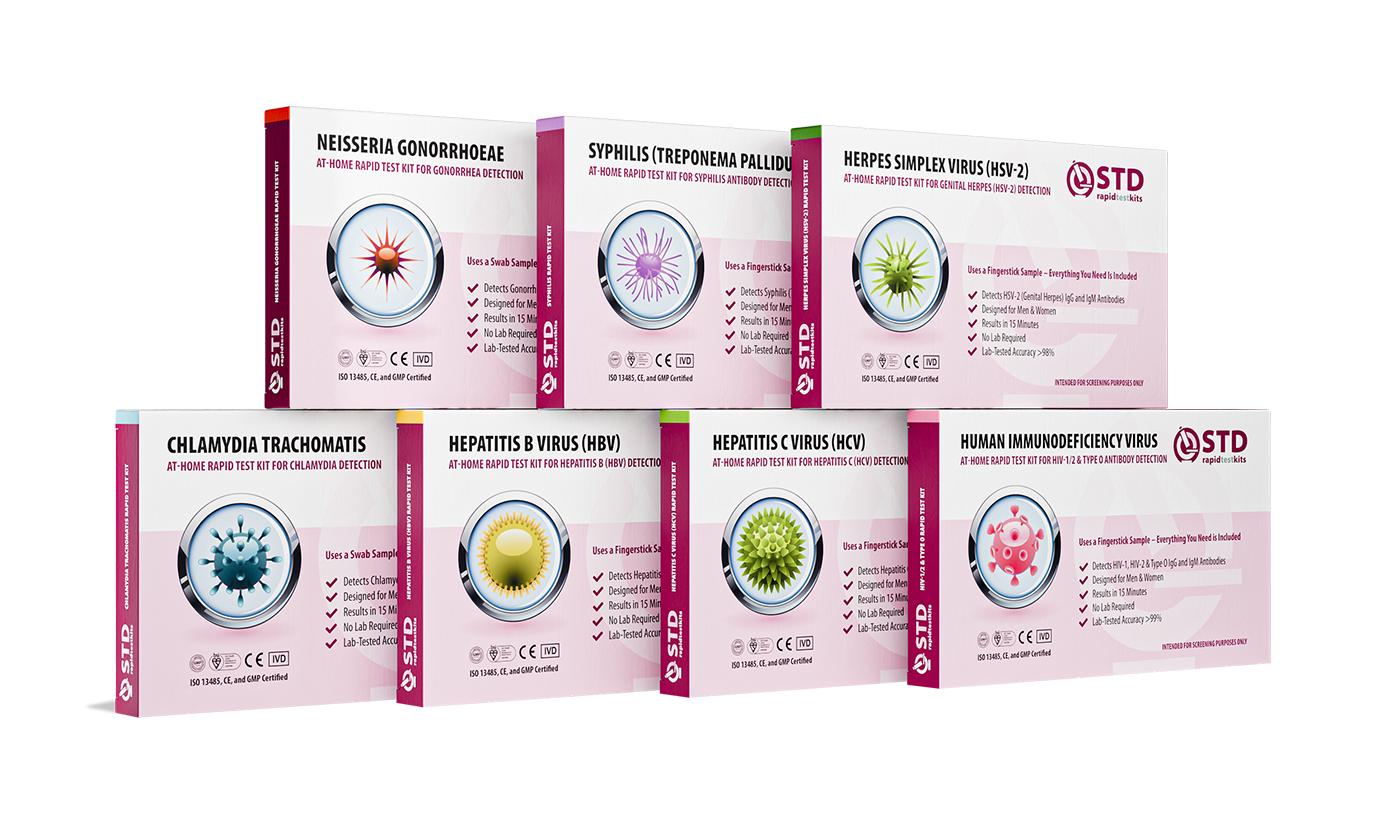
 For Men & WomenResults in MinutesNo Lab NeededPrivate & Discreet
Order Now $129.00 $343.00
For all 7 tests
When a Rapid Test Isn’t Enough: Comparing Your Options
Rapid antigen tests for trichomoniasis are fast, private, and give you control. But they aren't the best. If you've been exposed to the virus more than once, have symptoms that won't go away, or just want to be sure, lab-based NAAT (nucleic acid amplification tests) are more accurate. They find the parasite's DNA, not just the antigens on its surface. That means they can find infections sooner and more accurately.
Imagine two people: Same symptoms, same worry. One takes a rapid test at home and gets a negative. The other mails a sample to a lab or goes to a clinic. A few days later, that second person gets a positive NAAT result. It doesn’t mean the rapid test failed; it means the infection hadn’t built up enough antigen for the at-home test to detect. That’s why context matters. Your timeline, your symptoms, your exposure risk, all of it influences which test is “best.”
Sexual Health Isn’t One and Done
Trichomoniasis can be cleared with antibiotics, but your testing journey doesn’t end there. Once you've been infected once, you’re more likely to get it again, especially if your partner wasn't treated or if future partners aren't tested. That’s not a scare tactic. It’s a reminder that STI testing isn’t a one-time act. It’s part of a bigger story: staying safe, staying informed, staying in control of your sexual health. Home testing puts that control directly in your hands.
FAQs
1. How accurate are trichomoniasis rapid tests?
Rapid antigen tests for trich are typically between 82%–95% sensitive and over 97% specific. That means they’re quite reliable, especially when done correctly and at the right time. Still, they’re not perfect, lab tests can detect infections that home tests might miss.
2. Can I use the test during my period?
Not the best. Menstrual blood can mess up the sample and give results that aren't valid or are misleading. It's best to wait until the bleeding stops before you test.
3. Do I need to fast or avoid sex before the test?
You don't have to fast, but you shouldn't use any products inside the vagina, have sex, or use vaginal douching for at least 24 hours before the test. These can change the quality of the sample.
4. What if my test line was so faint I almost missed it?
If the faint line appeared within the specified time window, it should be treated as positive. Take a photo, repeat the test with a fresh kit if needed, or follow up with a lab test to confirm.
5. Can men test for trichomoniasis at home?
Some newer tests support urine-based testing for men, but not all do. Check the kit’s instructions carefully. Many are FDA-approved for use in people with vaginas only due to sample validation studies.
6. How much waiting around do I have to do before testing?
If you think you might have been exposed to trichomoniasis, wait at least 5 to 7 days before getting tested. Testing too soon could give false negatives because the antigen levels are low.
7. Can trichomoniasis go away, all on its own?
No. The infection stays in the body even if the symptoms go away or change. It can still be spread and cause problems that last a long time if not treated.
8. What if I got a positive test result but my partner didn't?
This is possible if your partner tested too early, used a different type of test, or the infection hasn’t been transmitted yet. Both partners should get treated to avoid ping-pong reinfection.
9. Does a trich diagnosis automatically mean someone cheated?
Not at all. Trichomoniasis is sneaky. It can sit quietly in someone’s body for weeks or even months without causing any obvious symptoms. So before your mind spins, take a breath. This infection doesn’t come with a timestamp, and it doesn’t automatically tell a story about betrayal.
10. Do I really have to tell my past partners if I test positive?
If you’ve been sexually active with someone in the past couple of months, letting them know gives them a chance to protect themselves and others. It can be as simple as a text, and it might feel awkward, but imagine how you’d feel if the roles were reversed.
You Deserve Clarity, Not Guesswork
At-home testing isn’t just about science, it’s about agency. You don’t have to sit in a waiting room. You don’t have to explain yourself to a stranger in a white coat. You don’t have to delay peace of mind. You did something that takes guts: you faced uncertainty, alone, with nothing but a small foil packet and your own hands. That matters.
If your result was positive, you’re not dirty. You’re not broken. You’re someone who caught something that over 2 million Americans deal with every year. It’s treatable. It’s common. And you handled it. If your result was negative, but your gut says something is still off, trust that too. Retest. Talk to someone. Get seen. You don’t need to doubt yourself into silence.
Don’t wait and wonder, get the clarity you deserve. Order your at-home Trichomoniasis rapid test here and take the next step, your way.
How We Sourced This Article: We combined insights from a number of authoritative sources to create this practical, stigma-free guide. The content draws from the Centers for Disease Control and Prevention (CDC), peer-reviewed studies, FDA-approved test manufacturer documentation, and lived-experience reporting. Below are six of the most relevant sources used to ensure clarity, compassion, and credibility throughout.
Sources
1. CDC: 2021 STD Treatment Guidelines – Trichomoniasis
2. OSOM Trichomonas Rapid Test Instructions for Use
3. FDA: First Home Test for Trich, Chlamydia, and Gonorrhea Approved
4. Healthline: What You Should Know About Trichomoniasis Testing
5. Ada Health: Trichomoniasis Test Explained
About the Author
Dr. F. David, MD is a board-certified infectious disease specialist focused on STI prevention, diagnosis, and treatment. He blends clinical precision with a no-nonsense, sex-positive approach and is committed to expanding access for readers in both urban and off-grid settings.
Reviewed by: Jennifer Kwong, RN, MPH | Last medically reviewed: October 2025
This article is for informational purposes, it shouldn't replace all medical advice.


