





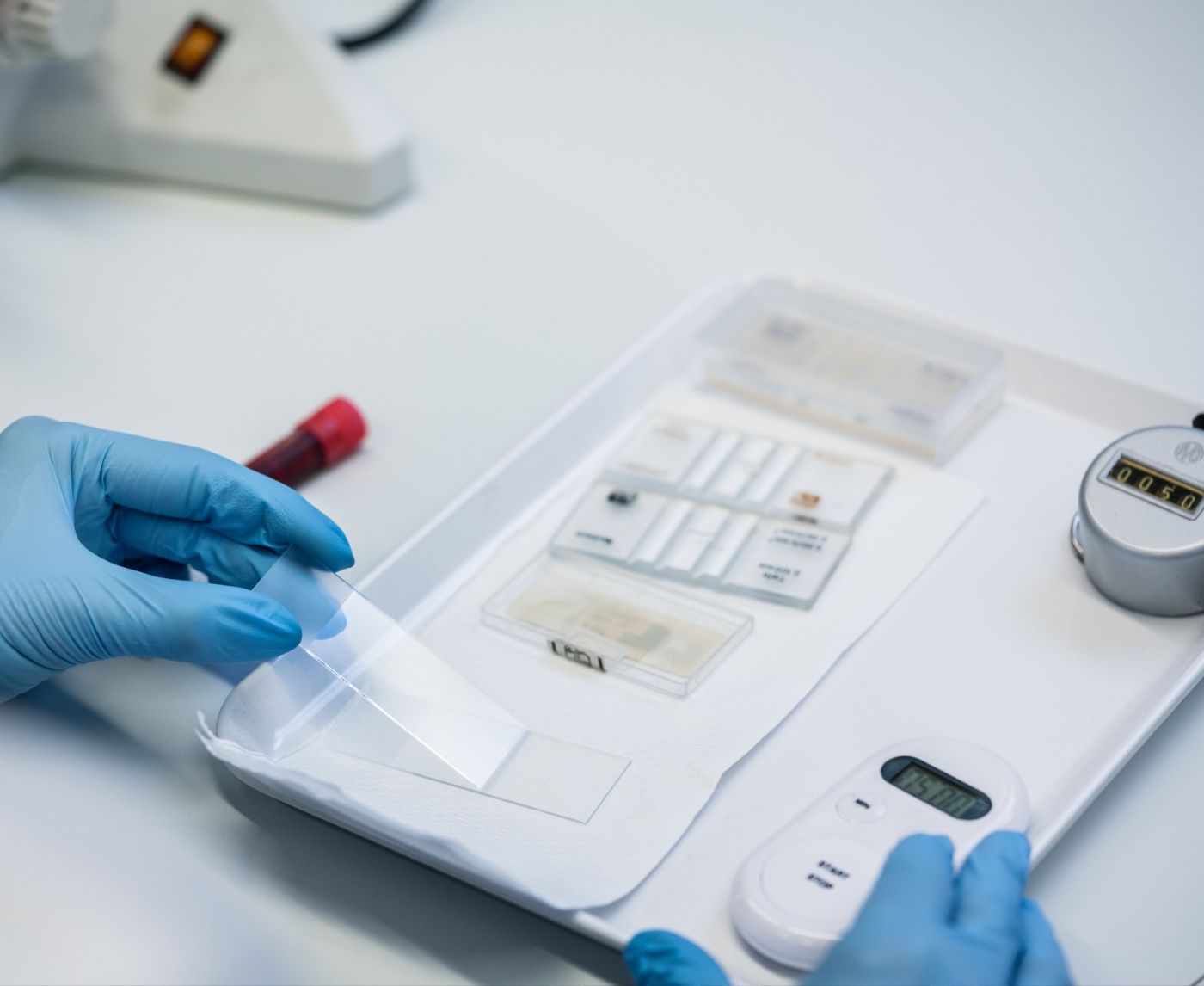

Quick Answer: To use a syphilis rapid test, collect a fingerstick blood sample, add the buffer solution, and wait 10–15 minutes. One line = negative. Two lines = positive. No line or wrong placement = invalid.
Why You Might Be Freaking Out (And Why That’s Okay)
People don’t usually buy STD test kits because they’re feeling calm. More often, they’re somewhere between panic and denial, staring at a weird bump, Googling pictures at 2AM, or reliving a hookup that wasn’t supposed to be risky. Syphilis adds a special kind of fear because it’s called “The Great Imitator”, its symptoms mimic everything from ingrown hairs to mouth ulcers to heat rashes. What starts as a tiny sore can spiral into second-guessing your entire health history.
That’s where at-home rapid testing becomes more than just convenient, it becomes emotionally essential. You’re not just looking for a diagnosis; you’re trying to make sense of your own body. And while it won’t replace medical treatment or full lab confirmation, a rapid test can offer fast answers that help you take the next step, whether that’s calling a doctor, informing a partner, or simply sleeping through the night.
People are also reading: Faint Line on a Herpes Test? Here's Exactly What to Do Next
What Comes in a Syphilis Rapid Test Kit?
Before you even open the foil pouch, take a deep breath. You’re not in a clinic, no one’s watching, and you’ve got time. Most at-home syphilis rapid tests use a finger-prick blood sample and a lateral flow cassette, similar to a pregnancy or COVID test. The typical box includes:
| Item | Purpose |
|---|---|
| Test cassette (sealed) | Where the result shows after blood and buffer are added |
| Alcohol swab | Used to clean your fingertip before pricking |
| Sterile lancet | Single-use device to prick your finger |
| Capillary pipette | Used to collect and apply the blood sample |
| Buffer solution | Liquid reagent that helps the test detect antibodies |
| Instructions | Detailed steps for use, timing, and result interpretation |
Table 1. Common components inside an at-home syphilis test kit. Always check expiration dates before use.
Keep everything sealed until you’re ready. The test is sensitive to moisture and time. And store the box at room temperature, not in your glovebox or next to your heater. Heat can affect how the test performs, and refrigeration may damage the chemicals.
Getting Set Up: Your Prep Checklist (Minus the Panic)
Lay everything out on a clean, flat surface, like a bathroom counter or desk. Make sure you have good lighting and that your hands are clean and dry. If you’re squeamish about blood, consider asking a partner or trusted friend to walk you through it (virtually or in person). You don’t need to be a nurse to use this test, but you do need to follow timing and hygiene instructions carefully.
Before opening anything, read the paper instructions twice. That might sound obvious, but in moments of panic, it’s easy to skip steps or rush the process. Let your heartbeat slow. Take five deep breaths if you need to. This is about you taking back control, and you’ve already done the hardest part by deciding to test.
Some users find it helpful to set a phone timer once they begin, especially for the result window (typically 10–15 minutes). Too short, and you might miss a developing positive. Too long, and faint lines may dry into misleading marks. Keep your eyes on the clock, and don’t read results after 20 minutes, by then, they may no longer be valid.
Check Your STD Status in Minutes
Test at Home with RemediumSyphilis Test Kit
 For Men & Women
 Results in Minutes
 No Lab Needed
 Private & Discreet
Order Now $33.99 $49.00
How to Use the Syphilis Rapid Test: A Step-by-Step Walkthrough
Let’s go through the real process, not just the instruction sheet version. Because there’s something different about doing this alone in your bathroom at midnight. Your hand shakes. You wonder if you’ve used enough blood. You second-guess the buffer drops. That’s all normal.
Start by washing your hands with soap and warm water. Warmth helps your blood flow, which makes pricking easier and less painful. Dry thoroughly.
Next, open the alcohol swab and clean one fingertip, usually the ring or middle finger on your non-dominant hand. Let it dry fully (alcohol interferes with blood collection if still wet).
Take the sterile lancet and press it firmly against the side of your fingertip. Most devices auto-activate once pressed. You’ll feel a quick pinch, like a rubber band snap. Squeeze your finger gently until a drop forms. Don’t “milk” it aggressively, just firm pressure from the base upward.
Use the pipette to collect the drop. Fill the small bulb or marked line, depending on your kit type. Then transfer the blood to the test cassette, typically in a small sample well marked "S." After that, add 2–3 drops of buffer solution (again, per instructions).
Now: wait. Don’t touch the cassette, don’t tilt it, don’t blow on it. Set a timer for 10–15 minutes and walk away if you must. Results can appear quickly, but they stabilize fully after several minutes.
Reading the Results: One Line, Two Lines, or None?
When the timer hits the 10-minute mark, it’s time to read your result. The cassette will show one of a few possible outcomes, and how you interpret those lines matters. This is where most people freeze. A faint line shows up and you don’t know whether to breathe or panic. So let’s decode it together.
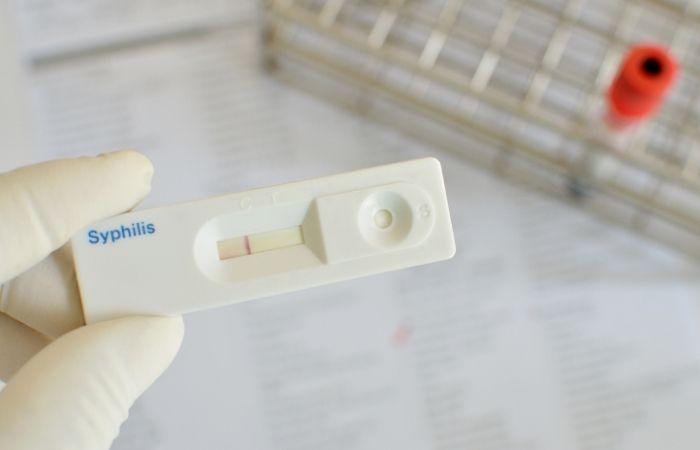
Every syphilis rapid test cassette has two regions: a control line (C) and a test line (T). The control line confirms the test worked. If there’s no control line, the entire test is invalid, even if the test line appears. The test line shows whether antibodies to syphilis are present in your blood.
| Line Pattern | What It Means |
|---|---|
| Only Control Line (C) | Negative result – no detectable syphilis antibodies |
| Control (C) and Test (T) Line | Positive result – syphilis antibodies detected |
| Test (T) Line Only | Invalid – no control line means the test failed |
| No Lines Visible | Invalid – test did not run properly |
Table 2. How to interpret the lines on your syphilis rapid test cassette. Always read results within the time window.
So what about that faint test line? It still counts. Even a very light pink or grayish line in the T zone means the test detected antibodies. The intensity doesn’t correlate with infection stage or viral load, just presence or absence. If the control line is strong and the test line is visible (even faintly), consider it a preliminary positive.
Mateo, for example, saw a whisper-thin line barely visible under his bathroom light. He stared at it for 30 minutes, Googling “syphilis test false positive” over and over. But the instructions were clear: two lines = positive. The next morning, he made a telehealth appointment. His follow-up blood test confirmed the result, and early treatment began that week.
When a Syphilis Test Result Might Be Wrong
No test is perfect. At-home kits can give false negatives if you test too early, don’t collect enough blood, or the antibody levels are still developing. They can also show invalid results if the buffer is skipped, expired, or the cassette is stored improperly. Here’s a quick comparison to help understand what might go wrong:
| Issue | Possible Outcome | What to Do |
|---|---|---|
| Tested too early after exposure | False negative | Wait 3–6 weeks post-exposure; retest if unsure |
| No control line appears | Invalid result | Repeat test with a new kit |
| Faint line appears after 20 minutes | Unreliable (expired reading) | Only trust results read within the 10–15 min window |
| Skipped buffer solution step | No result or faulty flow | Test again; buffer is essential for accuracy |
Table 3. Common syphilis rapid test issues and how to troubleshoot them. Always follow instructions carefully.
False positives are uncommon, but they can happen, especially if you've had syphilis before or have certain autoimmune diseases. A lab-based treponemal test or VDRL/RPR test should always be done after a positive result to confirm that the infection is still active and at what stage it is.
And don't forget that a negative test doesn't always mean you're safe. If you still have symptoms or tested positive within a few days of being exposed, it might be too soon for antibodies to form. That's why timing is so important. More on that in a moment.
Real-World Example: When a Test Gave Mixed Signals
Kayla had a sore spot near her labia that didn’t hurt, didn’t itch, and didn’t look like any ingrown hair she’d ever had. Her first thought was herpes, but the lesion didn’t match the blisters she’d Googled. She took a syphilis rapid test six days after the hookup she suspected. One line. Negative. But something still felt off. Ten days later, she retested. This time: two lines, one darker, one barely there.
She panicked at first, unsure if she’d messed up the test. But she followed the steps exactly. The result came within 12 minutes. She booked a clinic visit for the next day, where confirmatory testing verified her early-stage syphilis. She began treatment immediately and notified her partner, who also got tested and treated.
Her story isn’t rare. Early-stage syphilis can fool even careful testers if they test too soon. That’s why repeat testing is sometimes necessary, especially when symptoms evolve or exposure risk is high.
This isn’t about catching a mistake. It’s about catching the infection before it spreads or becomes harder to treat. The sooner you know, the sooner you heal, and protect your partners too.

People are also reading: STD Test Turnaround Times: Why At Home Might Be Faster
Disposal, Privacy, and That Awkward Feeling After Testing
So, you’ve tested. You’ve stared at the cassette. Maybe cried. Maybe laughed. Maybe felt…nothing at all. That post-test moment is more complicated than most people expect. Whether the result is negative or positive, there’s usually a drop in adrenaline, and a rush of “Now what?”
First things first: toss the used materials safely. Rapid syphilis test kits don’t require biohazard disposal for home use, but they do contain sharp lancets and blood traces. Wrap the lancet in tissue or place it back in its casing before throwing it away. Place the used pipette, test cassette, and any other items into a sealed bag if you want extra discretion.
Most kits don’t include instructions on emotional aftermath, but let’s be real: that part matters just as much. Give yourself a moment. Breathe. If the result was positive, you didn’t fail. You just learned something important about your health. And now, you can act on it.
What to Do After the Result: Your Next Moves
Let’s break it down into two tracks, positive and negative, but keep in mind: neither path is the end of the story. Both might involve follow-ups. Both might stir up emotions. That’s okay.
If your test is negative: Awesome, but don’t throw out your timeline just yet. Ask yourself: Was this test taken at least three weeks after your last possible exposure? If not, retesting in a few weeks can give you even more confidence. Syphilis antibodies can take time to appear, especially in the early stages. If you’re still symptomatic or feeling unsure, consider a lab-based test for peace of mind.
If your test is positive: You need to follow up with a healthcare provider or clinic. A rapid test shows the presence of antibodies, but further testing (like RPR or VDRL) will help determine whether your infection is active and what stage it’s in. The good news? Syphilis is completely treatable with antibiotics, usually a single shot of penicillin for early cases. The sooner you begin treatment, the better your outcome and the lower the risk of transmission.
And yes, you’ll need to tell your recent sexual partners. But don’t worry, we’ll walk you through how to do that without panic or shame.
Check Your STD Status in Minutes
Test at Home with Remedium3-in-1 STD Test Kit
 For Men & WomenResults in MinutesNo Lab NeededPrivate & Discreet
Order Now $69.00 $147.00
For all 3 tests
Why Retesting Might Still Be Necessary
Testing once doesn’t always mean you’re done. There are three major reasons to consider retesting after an initial syphilis rapid test:
1. You tested too early: Syphilis has an average incubation window of 3–6 weeks. If you tested only a few days or even two weeks after potential exposure, the antibodies may not have formed yet. This can lead to a false negative, especially in stage one.
2. You recently completed treatment: After antibiotic treatment, the test may still detect antibodies, sometimes for months or even years. This is why follow-up testing is typically done via non-treponemal tests that track whether the infection is still active, not just present in memory.
3. You had a new partner or new risk: Each new exposure restarts the clock. If you’re sexually active with multiple partners or had unprotected contact again, retesting provides updated status. Remember: knowing your status isn’t just self-care, it’s community care.
Kayla ended up retesting three months after treatment, not because she felt at risk, but because her partner wanted confirmation. She used the same brand of rapid test, saw a negative result, and felt something she hadn’t felt in weeks: peace.
Take Back the Power: Testing Is a Bold Act
Let’s reframe the narrative. Testing isn’t something you do because you’re dirty, reckless, or guilty. It’s something you do because you deserve to know. Because your body is worth caring for. Because fear doesn’t get to have the final word.
We don’t talk enough about how empowering it can feel to test at home. You set the pace. You choose the timing. You don’t have to explain anything to a nurse at intake. And for people navigating stigma, trauma, gender dysphoria, or fear of judgment, that autonomy can make all the difference.
If your head keeps spinning, peace of mind is one test away. Order a discreet syphilis test kit that gives you answers in just minutes, no clinic, no waiting room, no explaining required.
FAQs
1. Can I trust an at-home syphilis test?
Trust it as a powerful first step, not the whole journey. Most syphilis rapid tests have solid accuracy if used correctly and at the right time, typically 3 to 6 weeks after possible exposure. But if you test too early or don’t follow the steps, it can miss things. If something still feels off after a negative result, don’t gaslight yourself. Retest or check in with a provider for confirmation.
2. What does a faint line even mean? Am I positive or not?
Yep, even that barely-there ghost of a pink line counts as a positive, if the control line is also present. Faint doesn’t mean “maybe.” It means the test picked up antibodies. Think of it like a whisper instead of a shout. Either way, it’s your cue to follow up with a lab test to confirm and start treatment if needed.
3. I tested positive, am I doomed?
Deep breath. No. You’re not doomed. You’re informed. And that’s powerful. Syphilis is curable, usually with just one antibiotic shot if caught early. It sounds scary, but millions of people have been in your shoes and are now fine. The hardest part was probably deciding to test. You already did that.
4. My test didn’t show any lines. Did I mess it up?
Probably not on purpose, but something likely went sideways. If there’s no control line, the test didn’t run correctly. Maybe the buffer wasn’t added right, or the cassette was damaged or expired. Don’t beat yourself up. Just toss it and use a new one, following the instructions step by step. Set a timer if that helps you stay grounded.
5. Can I use this if I’m pregnant?
You absolutely should. Syphilis during pregnancy can cause serious complications, but it’s easy to catch and treat early. If you get a positive result at home, follow up with your provider immediately. Don’t wait. You’re protecting two lives with one smart move.
6. What if I’ve had syphilis before, will the test still be positive?
Maybe, yes. Antibodies can hang around even after treatment, which means a rapid test might still show a positive result months or even years later. This is where follow-up testing (like RPR or VDRL) helps tell if the infection is new or just old memory. Let your doctor sort that part out, you don’t have to decode it alone.
7. Is it normal to feel totally freaked out before testing?
Oh, 100%. Some people panic. Some people pace. Some people have to talk themselves into pricking their finger ten times. You’re not weird, you’re human. Doing this alone, at home, with no medical staff, of course it’s stressful. But it also means you’re in control. And that’s pretty badass.
8. Should I tell my partner if I test positive?
We’re not here to shame you, but yes, telling them is part of healing. Syphilis spreads easily through oral, vaginal, and anal sex, even when symptoms are invisible. You deserve honesty, and so do they. If you're unsure how to bring it up, anonymous notification tools or telehealth services can help. It’s not about blame, it’s about care.
9. Can I use the same test again tomorrow to double check?
Technically you could, but it’s not super useful. If you already got a positive, repeating the test won’t tell you anything new. If you got a negative and think it was too early, wait a couple of weeks and test again. Think of testing as snapshots, not video footage. You need the right timing to catch what’s really happening.
10. Will anyone find out I tested?
Not unless you tell them. These kits are shipped discreetly, don’t report results to clinics, and don’t store your data. The result is between you, the test, and whoever you choose to involve. Your body, your business.
You’re Not Alone, Even If It Feels That Way
It’s easy to feel like you’re the only one dealing with this. But syphilis rates are rising, especially among people under 35, and especially in communities that are already underserved. More than 170,000 new syphilis cases are reported annually in the U.S. alone, according to CDC data. That doesn’t include the ones that go undiagnosed or unreported.
What you’re feeling, panic, shame, dread, confusion, is normal. But it’s also beatable. You are allowed to move from fear to action. From secrecy to healing. From uncertainty to clarity. And this test? It’s not the end of the road. It’s the beginning of understanding your body and making empowered decisions for yourself and your partners.
How We Sourced This Article: We combined current guidance from leading medical organizations with peer-reviewed research and lived-experience reporting to make this guide practical, compassionate, and accurate. In total, around fifteen references informed the writing; below, we’ve highlighted five of the most relevant and reader-friendly sources.
Sources
1. Rapid Syphilis Testing – NCBI Bookshelf
2. CDC Laboratory Recommendations for Syphilis Testing, United States
3. Rapid Testing for Syphilis: Wisconsin Protocol
4. What Is the Use of Rapid Syphilis Tests in the United States? – PMC
5. Assessment of the Accuracy, Usability and Acceptability of a Rapid Syphilis Test – MDPI
6. Considerations for Using & Implementing Syphilis Point-of-Care Tests – HHS
About the Author
Dr. F. David, MD is a board-certified infectious disease specialist focused on STI prevention, diagnosis, and treatment. He blends clinical precision with a no-nonsense, sex-positive approach and is committed to expanding access for readers in both urban and off-grid settings.
Reviewed by: Amanda Lee, MPH | Last medically reviewed: October 2025
This article is for informational purposes and does not replace medical advice.


