







Quick Answer: Tested positive for syphilis? Don’t panic. Start treatment as soon as possible, notify recent partners, and plan a follow-up test in 3–6 months to confirm full clearance.
What You Should, and Shouldn’t, Do in the First 24 Hours
First, don’t spiral. The moment you see that result, your brain might jump to worst-case scenarios. Will my partner find out? Did I give this to someone? Am I now “dirty”? None of that helps, and none of it is true.
If you’re reading this in the middle of the night, phone in hand, stomach in knots, know this: syphilis is treatable. Extremely treatable. It’s not a moral failure. You’re not doomed. But the first 24 hours are important.
What you should do: take a deep breath, drink some water, and line up your next step. That might mean calling a clinic, booking a telehealth appointment, or reading through treatment options if you already used an at-home test. If your result came from a rapid syphilis rapid test kit, it’s time to confirm it with a clinical blood test, especially if your symptoms are vague or you’re in a low-risk category.
What you shouldn’t do: ghost everyone, dig through old DMs obsessively, or try to self-treat. There’s a reason this infection can be sneaky, many people with syphilis never notice clear symptoms at all.

People are also looking for: Is It Herpes or Something Else? Post-Sex Rash Breakdown
Reading the Result Right: Did You Actually Test Positive?
Here’s something most people don’t realize: interpreting a syphilis test isn’t always straightforward. Especially with at-home kits or older test formats, you might see a faint line or get a confusing antibody result that doesn’t clearly say “positive” or “negative.”
For instance, if you’re using a treponemal rapid test (which checks for antibodies), it might stay positive for life, even if the infection has already been treated. That’s why confirmatory tests matter. A non-treponemal test, like the RPR (Rapid Plasma Reagin), helps determine if the infection is active and whether treatment is working. Many clinics use both to cross-verify.
Still unsure? Here’s how test types break down:
| Test Type | What It Detects | Next Steps if Positive |
|---|---|---|
| Rapid Treponemal Test (At-Home) | Antibodies to syphilis (past or current) | Confirm with RPR or clinical evaluation |
| RPR/VDRL (Non-Treponemal) | Active infection and disease stage | Begin treatment and monitor titers after |
| FTA-ABS / TP-PA | Specific treponemal antibodies | Used for confirmation; not treatment follow-up |
Table 1: Types of syphilis tests and what each result means. Use a combination approach to avoid misreading your status.
If your test came from a clinic, the report might already list a “titer”, a number that helps providers measure the intensity of your infection. A high titer usually means active disease. If you’re unsure how to read your report, don’t play guessing games. Call your provider or reach out to a sexual health support service.
Who to Tell, When to Tell, and How to Do It Without Shame
The hardest part of a positive test isn’t always the diagnosis. It’s the conversation that follows. Whether it’s a partner, a one-time hookup, or someone you’re still seeing, it’s normal to feel dread about disclosure. But here’s the truth: telling someone doesn’t make you the villain. Syphilis is sneaky. It can incubate for weeks. Most people who spread it didn’t know they had it at the time.
Let’s ground this in a real moment: imagine you’re sitting on your couch, rereading your result, your partner’s toothbrush visible across the room. You rehearse the words in your head, your stomach tight. That ache? It’s vulnerability, but also courage.
You can say: “Hey, I just found out I tested positive for syphilis. I’m getting treated right away, but I wanted you to know so you can take care of your health too.” That’s it. You’re not accusing anyone. You’re showing care.
If you can’t speak face-to-face or the situation feels unsafe, consider anonymous partner notification services. Many health departments offer them. Some online platforms even let you send a message anonymously with testing links included. You don’t need to relive the entire relationship to let someone know they should get tested.
Remember: syphilis is only contagious in specific stages, and treatment drastically lowers the risk. The sooner you act, the less risk there is to anyone else.
What Syphilis Treatment Looks Like, and Why Timing Matters
There’s no sugar-coating it: the treatment for syphilis is a shot. Specifically, one or more doses of penicillin G benzathine injected into the gluteal muscle. If you’re allergic to penicillin, you might be prescribed doxycycline or another alternative, but this is something your provider will guide you through carefully.
The earlier the stage, the simpler the treatment. Early syphilis (primary, secondary, or early latent) often requires just one injection. Later stages may need three doses spread out weekly. Neurosyphilis, when the infection spreads to the nervous system, requires hospitalization and intravenous antibiotics.
Here’s the timing breakdown:
| Stage of Syphilis | Common Symptoms | Treatment Plan |
|---|---|---|
| Primary | Painless sore or ulcer at site of contact | Single penicillin injection |
| Secondary | Rash on palms/soles, flu-like symptoms | Single penicillin injection |
| Latent (Early) | No symptoms, positive test only | Single penicillin injection |
| Latent (Late) | No symptoms, diagnosed over a year after exposure | Three weekly injections |
| Neurosyphilis | Neurologic symptoms, visual changes, seizures | IV penicillin, 10–14 days hospitalization |
Table 2: Syphilis stages and corresponding treatments. Early treatment simplifies recovery and stops transmission faster.
If you’re unsure what stage you’re in, that’s okay. Many people never notice symptoms, especially in the latent stage. Providers will often treat presumptively if there’s any doubt, especially if you’re at high risk or had a recent partner test positive.
After treatment, you’ll likely be asked to return in three, six, and twelve months for repeat testing. This checks whether your titer levels are falling, which means the treatment worked. If they don’t drop or start rising again, it may signal reinfection or treatment failure.
How Soon Should You Retest After Treatment?
Three months. That’s the short answer. But like most things in sexual health, timing depends on a few variables, your stage of infection, whether you were treated correctly, and if you’re still at risk of reinfection. Retesting after syphilis isn’t just about you; it’s also about making sure your body responded to treatment, especially if you were in a later stage or had symptoms that could signal complications.
Let’s say your first titer was 1:64. That number should drop by at least fourfold (for example, to 1:16) over the next few months. If it doesn’t, your provider may suggest re-treatment or re-evaluation for reinfection. This is why follow-up testing isn’t optional, it’s part of your recovery plan.
If you’ve resumed sexual activity with new or untreated partners, you’ll want to retest even sooner. Some people choose to do a rapid antibody screen at home around six weeks post-treatment for reassurance, followed by a clinic-based RPR or VDRL at the three-month mark. That’s a valid strategy if you’re in a high-exposure network or just want peace of mind before getting intimate again.
Remember: at-home rapid tests can detect antibodies but won’t show treatment progress. Only titer-based blood tests from a clinic can track whether the infection is resolving. Use both tools strategically.
Check Your STD Status in Minutes
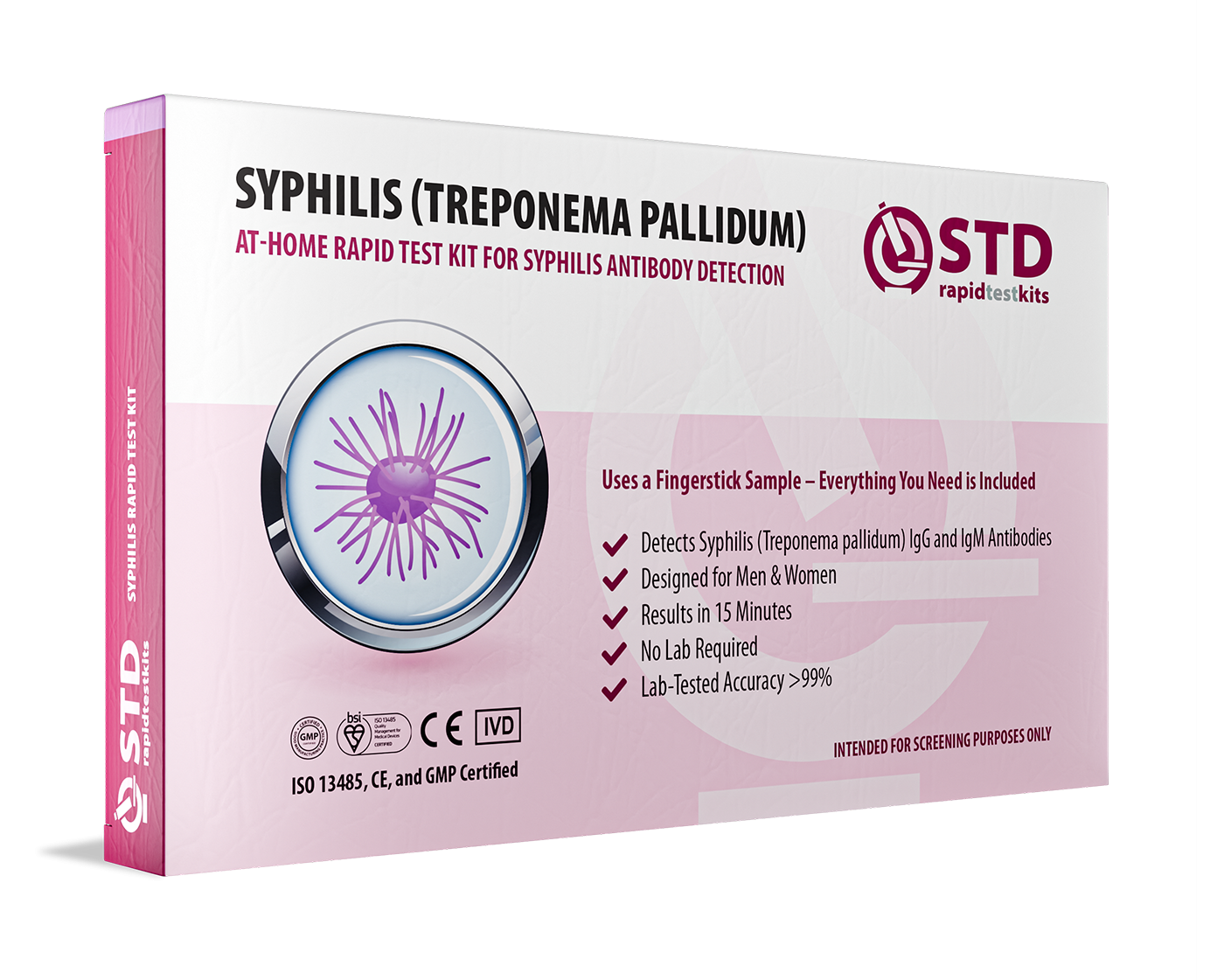
Test at Home with RemediumSyphilis Test Kit
 For Men & Women
 Results in Minutes
 No Lab Needed
 Private & Discreet
Order Now $33.99 $49.00
Reinfection Is Real: Why “Cured” Doesn’t Mean “Immune”
This part trips people up. You got the shot. You followed the instructions. You felt fine. So how could you test positive again six months later?
Here’s the blunt truth: having syphilis once doesn’t protect you from getting it again. Your body doesn’t develop long-term immunity. That means if your partner wasn’t treated, or if you reconnected with someone from your past, you could be exposed again without even realizing it.
This happens more often than you’d think, especially in communities with limited access to testing or where stigma makes people avoid clinics. And sometimes, people think they’re treated when they’re not. A common scenario: someone gets antibiotics for another reason (like chlamydia), assumes it cured everything, but never got the syphilis-specific dose or duration.
Let’s bring this to life:
Case Study: Dario, 32, was diagnosed with syphilis after his boyfriend tested positive. He received treatment and thought it was over. Months later, he started feeling run-down again. He chalked it up to stress, but during a follow-up, his titer was higher than before. It turned out his partner hadn’t followed through with treatment. Dario was reinfected.
“I felt angry at first, but also guilty for not double-checking. Now I realize it’s not about blame. It’s about being on the same page, and being tested together.”
This story isn’t rare. Reinfection happens silently and quickly, especially when you’re emotionally invested and don’t want to bring up “the talk” again. That’s why retesting isn’t just about biology, it’s about keeping communication alive in your relationships.
Prevention: How to Stay Syphilis-Free After Recovery
You’ve taken the hardest step, facing your diagnosis and starting treatment. Now it’s about what comes next. And no, this isn’t the part where we lecture you about condoms (though yes, they help).
Let’s talk about real-world prevention. That means being honest about how you like to have sex, who you’re with, and what your patterns are. For some people, it’s about consistent condom use with new partners. For others, it’s about mutual testing agreements in a relationship or friend group. For people who use dating apps regularly, prevention might mean rotating at-home testing every 3–4 months as a habit, not a panic response.
Here’s another strategy that’s often overlooked: syphilis vaccines are in development but not yet approved. Until then, behavioral strategies are your toolkit. That includes:
- Regular screening if you’re sexually active with more than one partner, especially within high-prevalence communities.
- Partner testing, don’t just assume they’re clean because they “feel fine.” Most early syphilis symptoms are invisible.
- Knowing your window periods, timing matters. Testing too soon can give false peace of mind.
One more tip: consider setting calendar reminders for retesting if you’re in a non-monogamous dynamic. Making it routine removes the emotion and the fear. It just becomes something you do, like an oil change or dental checkup, but for your health, your body, your pleasure.

People are also reading: Took Antibiotics for an STD, But Are You Really Cleared?
The Mental Side of Testing Positive: You’re Not Alone
Let’s drop the medical script for a second. Getting an STD result, any STD, does something to your head. It can shake your sense of self, trigger old trauma, or make you question your worth. That’s real. And you’re not weird or broken for feeling it.
Syphilis, in particular, still carries this weird historical weight. People hear the name and picture old medical posters or whispery shame. But this isn’t 1940, and you’re not a statistic. You’re a person navigating a totally manageable situation in a culture that still has a long way to go in how it talks about sex and health.
If you’re feeling overwhelmed, there are places to turn. LGBTQ+ centers, sexual health clinics, Reddit communities, even group chats with trusted friends. You don’t have to process this in silence.
And if you find yourself spiraling into shame or fear, here’s a grounding thought: you got tested. You’re doing the right thing. That’s strength. Not everyone takes that step, but you did.
“I Didn’t Even Feel Sick”, Why Syphilis Can Be Silent
If your result blindsided you, you’re not alone. In fact, most people with syphilis don’t report symptoms at all. Or, they mistake them for something else, an ingrown hair, a shaving nick, a stress rash.
Here’s what you might’ve missed:
- A painless sore on your genitals, rectum, or mouth that disappeared in a week
- A faint rash on your palms or soles that didn’t itch
- Flu-like symptoms that came and went quickly
That’s the trap of syphilis: it doesn’t scream. It whispers. And in some cases, it stays silent for years. That’s why it’s called “the great imitator.” It mimics other conditions and hides in plain sight. Left untreated, it can cause nerve damage, organ damage, even blindness, though that takes time, and is thankfully rare today thanks to routine screening and antibiotics.
So if you’re beating yourself up for not catching it earlier, stop. It’s not your fault. Our culture doesn’t teach people how to recognize these signs, and even trained providers can miss early cases.
Testing is how you break the cycle. Knowing is what makes treatment possible. And retesting is how you keep it from coming back.
Check Your STD Status in Minutes
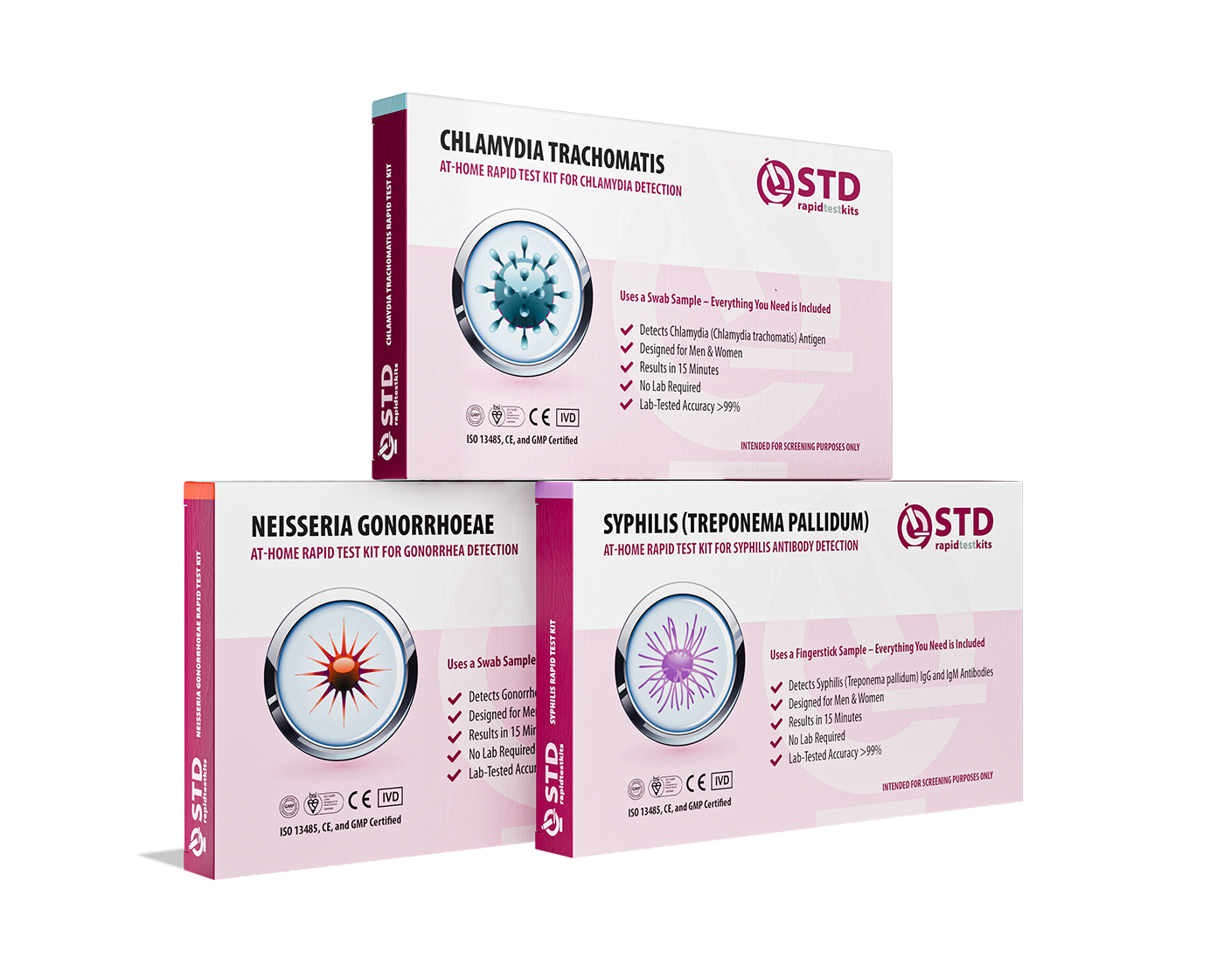
Test at Home with Remedium3-in-1 STD Test Kit
 For Men & WomenResults in MinutesNo Lab NeededPrivate & Discreet
Order Now $69.00 $147.00
For all 3 tests
What If Your Partner Tests Negative, but You’re Positive?
This question haunts a lot of people, and not just because it’s confusing. You got a positive syphilis result. You tell your partner. They get tested... and their result is negative. Does that mean you cheated? That they’re lying? That one of you has a faulty test?
Let’s break it down without jumping to blame.
Syphilis has a window period, usually 3 to 6 weeks. That means your partner could have the infection but still test negative if they were exposed recently. The type of test matters too: some clinics only use a treponemal screen, while others do a two-step approach. If only one type was used, they might have missed it. Or maybe they were never infected, despite exposure. Transmission isn’t guaranteed every time, especially in one-time encounters or if a condom was used.
There’s also the uncomfortable truth that many people have dormant infections. You could have picked it up months ago and just now tested positive. That doesn’t make you reckless, it means the infection was silent and slow-growing, like it often is.
Here’s a snapshot of why the results might differ:
| Scenario | Why It Happens | What To Do |
|---|---|---|
| You’re positive, partner is negative | They’re still in the window period or never contracted it | Have them retest in 6 weeks to be sure |
| Partner positive, you negative | You tested too soon, or test missed antibodies | Retest using a different method or clinic |
| Both positive, different stages | One of you got infected earlier, likely asymptomatic | Follow treatment separately and retest post-treatment |
Table 3: Why test results between partners can differ, and what to do in each case.
The bottom line: timing, testing methods, and immune response all play a role. Don’t let mismatched results destroy trust. Instead, focus on mutual care, mutual treatment, and moving forward together with clarity.
How Long Are You Still Contagious?
This is one of the most Googled questions after a positive test, and it makes sense. You don’t want to hurt anyone. You want to know when it’s safe to kiss, touch, hook up, or even just breathe easy again.
Syphilis is most contagious during its primary and secondary stages, when sores or rashes are present. But because those symptoms can go unnoticed, it’s safer to assume you’re potentially contagious until after you’ve completed treatment and your titer drops significantly. That usually takes a few weeks post-injection.
Here’s a rough guide:
- After single-dose penicillin for early-stage syphilis: Avoid sexual contact for at least 7–10 days after treatment.
- If symptoms persist: Wait until they fully resolve before resuming sex.
- Late-stage syphilis: Avoid sex during the full course of treatment and until your provider confirms it’s safe.
To be extra safe, wait for a follow-up test that confirms your titer has dropped before re-entering your regular sex life. Think of it as a reset, a chance to begin again, but this time with more information, more care, and more confidence.
Case Study: From Panic to Clarity, What It Actually Feels Like
Samira, 29, tested positive for syphilis after a routine screening at her OB-GYN. She hadn’t noticed any sores, and her last partner insisted he’d tested “clean.” She stared at the email, sweating in her office bathroom. “I felt like the floor had dropped out,” she said. “Like, how could I have this and not know?”
She got the shot the next day. The nurse reassured her it was common and treatable. But Samira still spiraled. She worried about dating. About future partners. About her body.
“I went down a Reddit rabbit hole that first week,” she laughed. “But eventually I realized: this doesn’t define me. It’s a bump in the road, not my identity.”
Three months later, her titer dropped. She felt normal again. Not just physically, but emotionally. “It’s wild how something like this can shift how you talk about sex. I’m way more upfront now. And honestly? That’s made my relationships better.”
Her story isn’t unique, but it’s powerful. Because what she thought would destroy her self-image actually helped rebuild it with more honesty, more boundaries, more compassion.

People are also reading: Itchy After Sex, No Discharge, Could It Be Trichomoniasis?
FAQs
1. Does syphilis really go away with just one shot?
In most cases, yes, especially if it’s caught early. One deep jab of penicillin in the booty, and you’re on your way to being cured. But “cured” isn’t instant. Your body still needs time to clear the infection, and that’s why follow-up testing matters. If you’re in a later stage or have complications, you might need more than one dose. Always check in with a provider, not just Google.
2. Why did I test positive if I feel totally fine?
That’s syphilis for you, sneaky as hell. Most people don’t get the “classic” sore or rash they read about. You might’ve had something tiny that healed quickly, or nothing visible at all. Just because you don’t feel sick doesn’t mean you’re not infected. That’s why screening saves lives, it catches what you’d never know to look for.
3. Can I get syphilis again even after treatment?
Yep. And a lot of people do. Having syphilis once doesn’t give you any immunity, your body doesn’t remember how to fight it off next time. It’s like catching a cold from someone new every season. If your partner wasn’t treated, or if you hook up with someone else who has it, you can absolutely get reinfected.
4. My partner tested negative. Does that mean I got it from someone else?
Not necessarily. Tests have timing windows. If your partner was recently exposed, they might still test negative for now. Or maybe they just didn’t catch it, even close contact doesn’t guarantee transmission. Instead of jumping to blame, wait 6 weeks and have them retest. Truth often takes time to show up in labs.
5. Is it safe to have sex right after treatment?
Not right away. Most providers recommend holding off for 7 to 10 days after your shot, long enough for the bacteria to clear out. And if you’ve got symptoms like a sore or rash, wait until that fully heals. Jumping back into bed too soon could spread it before your body’s done kicking it out.
6. Will I always test positive now?
Kind of. Some syphilis tests (called treponemal tests) stay positive for life, even after you’re cured. That doesn’t mean you’re still infected, it just means your immune system remembers it. What matters is your titer level, which should drop after treatment. That’s what your doctor checks to see if it worked.
7. Do I need to tell my partner even if we used protection?
Short answer: yes. Condoms help, but syphilis can still spread through skin-to-skin contact in places condoms don’t cover, like sores near the mouth, scrotum, or vulva. Telling them gives them a chance to test and treat if needed. It’s not about blame, it’s about respect.
8. I’m so embarrassed. Should I even be dating right now?
Honestly? Yes. Having syphilis doesn’t mean you’re unlovable or unsafe. It means you’re human, and you’re dealing with your health like a boss. Take a beat if you need to, but don’t let shame decide your timeline. When you’re ready, you’ll bring even more honesty to the table than before, and that’s sexy.
9. Can I treat this with leftover antibiotics from a UTI or strep?
Please don’t. You need a very specific kind of penicillin in a specific dose, and other antibiotics won’t cut it. Treating syphilis wrong doesn’t just fail, it can make it harder to catch next time, and risk serious complications. Always get the real thing from a qualified provider.
10. How do I know if I need to retest?
If you were treated, you should get retested at 3 months to check that it worked. If you’re still hooking up with new partners, you might need to test more often. Think of it like a sexual health oil change, routine, necessary, and way less awkward when you make it a habit.
Feeling Stuck? Start With One Step
Still sitting on the edge of your bed, phone in hand, afraid to move? That’s okay. You don’t have to do everything today. Just one thing.
Book the appointment. Text the partner. Order the test. Take the shot. It doesn’t have to be a full plan, it just has to be a single move toward your own care. That’s how you reclaim control after a result you didn’t expect. One step. Then another.
If you’re ready for that first step, this at-home combo STD test kit can give you answers discreetly, quickly, and with zero clinic waiting rooms.
How We Sourced This Article: We combined current guidance from leading medical organizations with peer-reviewed research and lived-experience reporting to make this guide practical, compassionate, and accurate. In total, around fifteen references informed the writing; below, we’ve highlighted six of the most relevant and reader-friendly sources.
Sources
1. CDC – Syphilis Treatment Guidelines
2. StatPearls – Syphilis: Diagnosis and Treatment
3. Sexually Transmitted Infections Treatment Guidelines, 2021 – PMC
4. WHO Guidelines for the Treatment of Syphilis
5. Mayo Clinic – Syphilis Diagnosis & Treatment
6. The Critical Role of Penicillin in Syphilis Treatment – PMC
About the Author
Dr. F. David, MD is a board-certified infectious disease specialist focused on STI prevention, diagnosis, and treatment. He blends clinical precision with a no-nonsense, sex-positive approach and is committed to expanding access for readers in both urban and off-grid settings.
Reviewed by: A. Rivera, MPH | Last medically reviewed: October 2025
This article is for informational purposes and does not replace medical advice.


