







Quick Answer: Managing hepatitis long term means following medical treatment plans, protecting the liver with lifestyle changes, addressing fatigue and mental health, and building routines that keep symptoms under control. With the right care, most people live active, fulfilling lives.
Why Daily Management Matters
It's not a sprint; it's a marathon with chronic hepatitis. If you don't take care of it, it can cause liver scarring, cirrhosis, or even cancer. But the risks go down a lot when you get treatment and keep an eye on them. Doctors often tell their patients that the liver is strong and can heal and grow back when it has the chance. You get that chance every day when you decide to take your medicine as prescribed, drink water instead of alcohol, and rest when your body tells you to. Like drops of water filling a jar, these choices add up. If you don't pay attention to them, the damage gets worse.
Consider Elena, 33, who was diagnosed with hepatitis B. At first, she obsessed over the future: Would she ever have children? Would she be able to keep her job? Over time, she learned that her biggest challenge wasn’t the diagnosis itself but the discipline of daily management. Taking antivirals every morning, scheduling bloodwork, resisting the urge to downplay fatigue, those habits became her survival kit.
“The virus is part of my life,” she said, “but it doesn’t define my life.”
Her story shows how small routines can transform fear into stability.

People are also reading: From Infection to Infertility: Chlamydia’s Silent Progression in Men
Common Symptoms That Shape Daily Life
Having hepatitis doesn't always mean having serious symptoms. Some people have the virus without knowing it, while others have chronic fatigue, nausea, or pain in their stomachs. The fatigue is especially bad; it can hit you even after a full night's sleep, making you drag through work or skip social plans. Some people say it feels like they have a heavy weight on their chest when they walk. This symptom alone changes people's daily lives, making them put sleep, nutrition, and realistic expectations about how much work they can get done first. Sometimes you might have joint pain, mood swings, or brain fog, which makes it less about surviving the virus and more about pacing your life around it.
One man with hepatitis C said he stopped scheduling back-to-back meetings because he could never predict when exhaustion would crash over him. Instead, he learned to block out rest breaks in his calendar. That adjustment, while small, gave him back a sense of control. These micro-decisions define what it means to live with hepatitis day to day.
Medication and Monitoring: The Backbone of Care
For some, regular doses of antiviral drugs are a way of life. The drugs do not cure all hepatitis, but they stop the spread of the virus, protect the liver, and lower the risk of serious problems. Skipping doses on schedule might not cause symptoms right away, but over time, it makes the medicine less effective and lets the virus come back. Regularity is extremely vital. Doctors also stress regular visits, blood testing for viral load and liver enzyme measurements, and imaging scans when necessary. The visits might be boring, but they are milestones on a long road map that keep the trip on track.
Some patients use reminders on their phones, pill organizers, or even pair medication with a daily ritual like morning coffee. Jamal, 41, said he never misses his pill because he places it on top of the coffee machine. “No coffee until I take my med,” he joked. That kind of practical trick matters more than medical jargon, it turns treatment into something sustainable rather than burdensome.
Check Your STD Status in Minutes
Test at Home with RemediumHepatitis C Test Kit
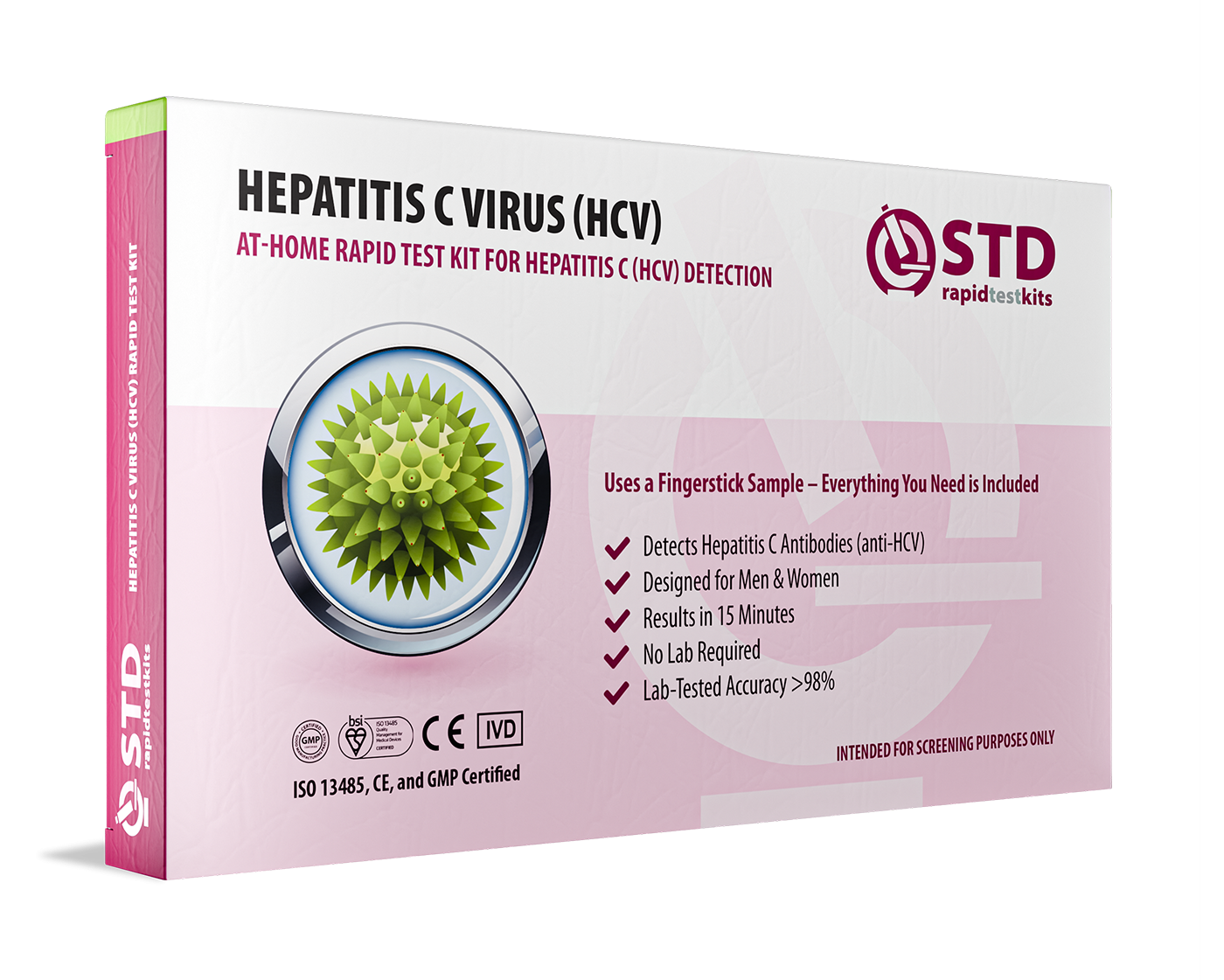
 For Men & Women
 Results in Minutes
 No Lab Needed
 Private & Discreet
Order Now $33.99 $49.00
Nutrition: Fueling the Liver, Not Stressing It
Food becomes more than fuel when you’re living with hepatitis, it becomes medicine. The liver is responsible for metabolizing everything you consume, so each bite is either a friend or a foe. Doctors often recommend diets rich in vegetables, fruits, lean proteins, and whole grains, while cutting back on processed foods, saturated fats, and added sugars. Alcohol is the biggest enemy, as even small amounts can accelerate liver damage. Hydration, too, is crucial. Drinking enough water helps the liver process toxins and keeps fatigue at bay.
But rigid rules can feel suffocating, so balance is key. One woman shared that she stopped focusing on what she “couldn’t” eat and started experimenting with recipes that supported her liver while still feeling enjoyable. “I made it a family project,” she explained. “We try one new liver-friendly recipe every week.” This approach not only protected her health but also reduced the feeling of isolation that strict diets often create.
| Food Type | Liver-Friendly Options | Why It Matters |
|---|---|---|
| Proteins | Fish, skinless chicken, beans, lentils | Support tissue repair without overloading fat |
| Carbohydrates | Whole grains, brown rice, oats | Steady energy, avoids blood sugar spikes |
| Fats | Olive oil, avocado, nuts | Healthy fats reduce inflammation |
| Fluids | Water, herbal teas | Aids detoxification, prevents dehydration |
Table 1. Examples of foods that support liver health and reduce stress on the body during hepatitis management.
Managing Fatigue: The Most Relentless Symptom
When you have chronic hepatitis, fatigue is always there with you. This tiredness is different from normal tiredness that goes away after sleep. It goes all the way to the bones. People say it feels like their body is moving through wet cement, with each step feeling heavier than the last. It can ruin jobs, relationships, and daily life. Doctors might suggest pacing, breaking tasks into smaller pieces, switching between activity and rest, and not getting stuck in the trap of pushing through until you collapse. Pacing doesn't mean giving up; it means learning how to spend your energy wisely so you don't run out of it in the middle of the day.
Marisol, 44, explained that she no longer cleans her entire house in one afternoon. Instead, she spreads chores across the week and rests between them.
“It’s humbling to admit I can’t push myself like I used to, but I get more done in the long run,” she said.
Her adaptation turned frustration into acceptance. Living with hepatitis often means redefining what productivity looks like, and that can feel like a loss at first. But over time, it becomes a form of empowerment, you learn to work with your body instead of against it.
Exercise: Movement as Medicine
Even though it may seem strange to move when you're tired, exercise is an important part of managing hepatitis. Gentle, regular activity improves circulation, gives you more energy, and even lowers inflammation in the liver. Walking, swimming, or doing light strength training can make a big difference, especially if you do it every day instead of in short bursts. The secret is to be moderate. Too much exercise can make you tired and sore, while not moving at all can make you weaker and more tired.
Ravi, 39, started walking fifteen minutes every evening after dinner. At first, he thought it was pointless, but over months he noticed his sleep improved and his fatigue eased. “It wasn’t magic,” he said, “but it was steady progress.” His experience highlights how small routines, done consistently, reshape the long game of hepatitis management.

People are also reading: The Hidden Link Between Chlamydia and HIV Risk
Mental Health and Stigma
Dealing with hepatitis is hard on both the body and the mind. People with hepatitis may feel alone because of the stigma that comes with it, which is often based on ideas about drug use, sex, or lifestyle. Patients may have to deal with both the illness and the shame on their own because friends and family may not understand it. People often get depressed and anxious because they don't know when their symptoms will come back and are afraid of long-term harm. Mental health care is just as important as antiviral drugs. Therapy, support groups, or even writing in a private journal can be lifelines that give you a place to deal with the anger and sadness that often come with a long-term diagnosis.
Linh, 28, said she kept her hepatitis B diagnosis secret for years, terrified of how her family would react. The silence was heavier than the virus itself. When she finally joined an online support group, the relief was immediate.
“They knew exactly what I was going through,” she recalled. “It was the first time I didn’t feel dirty.”
Stories like hers show that managing hepatitis is about community as much as medicine.
Work, Relationships, and Disclosure
Daily management often gets in the way of work and social life. Should you tell your boss that you need time off for blood work? Should you tell a new partner about your status right away or wait until you're both ready to be intimate? These aren't just questions; they're real-life problems. Some people choose to be open and honest because they find strength in it. Some people set strict limits to protect their privacy, but this can cause stress from keeping things secret. There is no one right answer, but some ways are safer than others. For sexual partners, disclosure is not only ethical but necessary to prevent transmission. For employers, disclosure is based on trust and need. The balance is personal and depends on the situation and how comfortable you are.
| Area of Life | Challenges | Management Strategies |
|---|---|---|
| Work | Fatigue, medical appointments | Flexible schedules, remote work if possible |
| Relationships | Fear of rejection, stigma | Honest disclosure, supportive communities |
| Daily Routine | Medication adherence, unpredictable energy | Reminders, pacing, rest prioritization |
| Mental Health | Isolation, depression, anxiety | Counseling, support groups, stress reduction |
Table 2. The intersection of hepatitis with daily life and strategies for navigating common challenges.
Treatment Advances That Change the Story
For years, getting diagnosed with hepatitis felt like getting a life sentence with few choices. That is not the case anymore. Modern antivirals have changed how hepatitis is treated, especially hepatitis C. In the past, treatment meant getting shots for months at a time, which had horrible side effects and uncertain results. Now, direct-acting antivirals can cure more than 95% of people with far fewer problems. Taking oral antivirals for the rest of your life to keep hepatitis B at bay protects your liver, lowers your risk of cancer, and makes daily life much easier. These new discoveries change the story from hopelessness to hope. Patients no longer ask, "How long can I live?" Instead, they ask, "How well can I live?"
Andre, 52, described his hepatitis C treatment as “life before and after.” For years, fatigue and brain fog shadowed him. Within weeks of starting the new therapy, his energy returned. “It was like someone switched the lights back on,” he said. His experience highlights how medicine doesn’t just extend life, it restores quality to the days that remain.
Building a Long-Term Outlook
Getting through the day isn't the only thing that daily management is about. It's about keeping your future self safe. Doctors can catch changes early, when treatments can have the biggest effect, by keeping an eye on things regularly. Vaccination is also important. For instance, people with hepatitis B are better off getting vaccinated against hepatitis A because having both viruses at the same time would put even more stress on the liver. Patients who stick to their treatment, stay away from alcohol, eat well, and deal with stress have a much better long-term outlook. The doctors' message is clear: the liver is stronger than it looks, but it can only heal if you give it the right conditions.
Some people write down their symptoms, energy levels, and triggers in journals. These logs show patterns that doctors and patients might not see otherwise. One woman figured out that she felt more tired on days when she skipped lunch, so she changed her meals to keep her energy levels steady. Resilience comes from making small changes over time.
Check Your STD Status in Minutes
Test at Home with RemediumHepatitis B Test Kit
 For Men & WomenResults in MinutesNo Lab NeededPrivate & Discreet
Order Now $33.99 $49.00
Prevention and Protecting Others
Taking care of hepatitis also means caring about other people. Chronic hepatitis B and C can spread through blood-to-blood contact, so safety measures keep partners, family, and even strangers safe. It is easy to stop the spread by covering cuts, not sharing razors or toothbrushes, and using condoms. If a parent has hepatitis B, their newborn can get immunoglobulin and vaccines right after birth to keep them safe. Hepatitis is not a life sentence of isolation; it can be managed in ways that keep both the person and the community safe.
Dalia, 30, recalled the fear of telling her partner she had hepatitis B. To her surprise, he responded not with rejection but with questions: How could they keep each other safe? How did the medication work? Together, they built a plan, condoms, regular testing, and eventual vaccination. “It became something we managed as a team,” she said. Her story undercuts the myth that hepatitis inevitably destroys relationships. Honesty, paired with prevention, makes intimacy safe again.
Nutrition, Revisited: Beyond Basics
Previously, we talked about healthy liver foods, but now we are going to talk about some more. Scientists think some nutrients, such as vitamin D, omega-3 fatty acids, and antioxidants, could decrease inflammation and make the liver continue working normally. Not eating foods high in sodium decreases swelling of fluids, which happens with late liver disease. Hepatitis cannot be cured with a special diet, but nutrition is healthy support for all treatment plans to work better. Patients have often learned that what ends up on their plates is as crucial as what goes onto their pill bottles.
It can also empower you. Most patients discover new foods, tastes, traditions, which work with their health objectives rather than feeling deprived. If you make meal times a time for creativity, for connecting, you can transform your diet from a time of deprivation, to a time of strength.
| Nutrient | Sources | Potential Benefits for Hepatitis Management |
|---|---|---|
| Antioxidants | Berries, leafy greens, nuts | Reduce oxidative stress in the liver |
| Vitamin D | Sunlight, fortified dairy, supplements | Supports immune function and bone health |
| Omega-3 Fatty Acids | Salmon, flaxseeds, walnuts | May reduce liver inflammation |
| Low Sodium Foods | Fresh produce, herbs, unsalted grains | Prevent fluid buildup and ease strain on liver |
Table 3. Nutritional components that play a role in long-term hepatitis management and symptom control.
Case Study: A New Definition of Normal
Miguel, who is 47, used to think that having hepatitis B meant his life was over. The first year was a blur of panic and online rabbit holes that predicted the worst possible outcomes. His point of view changed over time as he got treatment and made changes to his way of life.
"It's not about fighting the virus every day; it's about making a life where the virus doesn't get to call the shots," he said.
Miguel began volunteering, painting again, and making new routines that made him feel more like a person and less like a sick person. His story reminds us that living with hepatitis is more than just staying alive; it's also about getting back our sense of self and happiness.
FAQs
1. Can I still live a “normal” life with hepatitis?
Absolutely. Normal just gets redefined. Plenty of people with hepatitis B or C go to work, raise families, and travel. One guy told me he still plays pickup basketball twice a week, he just makes sure to pace himself and keep his medical checkups on the calendar. The virus is there, but it doesn’t get to write your whole story.
2. Does hepatitis mean I can’t have kids?
No. With the right care, people with hepatitis have healthy pregnancies and healthy babies all the time. Doctors give newborns protective shots right after birth if the mom has hepatitis B. Planning with your medical team makes parenthood possible, it’s not off the table.
3. Is the fatigue really that bad?
Some days, yes, it’s like trying to run on a phone battery that won’t charge past 20 percent. But it’s not constant for everyone. People learn to budget energy, like spreading chores across the week instead of cramming them into Saturday. Small adjustments make a big difference in how much life you get back.
4. Should I tell my boss?
That’s personal. Some keep it private; others are upfront if they need time off for appointments. Legally, you’re protected from discrimination, but practically, it depends on your workplace culture. If you’ve got a supportive manager, disclosure can make life easier. If not, you might keep that card close to your chest.
5. Do I really have to give up alcohol?
Yes, and I know that stings. Even “just a little” puts extra stress on your liver. People who’ve quit often say they felt better than they expected once alcohol was out of the picture. Think of it less as giving something up and more as giving your liver breathing room to do its job.
6. Is exercise safe?
Safe and helpful. No one’s telling you to run marathons, but walking, yoga, swimming, or light weights can improve energy and mood. A patient once joked that his daily walk was “cheaper than therapy and almost as good.” The point is gentle consistency, not punishing workouts.
7. Will people judge me if they know?
Some might, because stigma is alive and well. But many won’t, and those who matter most often surprise you. Online support groups are full of people who felt “dirty” at first and now share openly. Shame thrives in silence; connection kills it.
8. What foods should I steer clear of?
Processed junk loaded with fat, sugar, or salt isn’t doing your liver any favors. That doesn’t mean you’ll never touch pizza again, it just means pizza is a treat, not a habit. One woman told me she flipped the script by trying new recipes instead of obsessing over what was off-limits. That mindset shift made eating feel fun again.
9. How do I keep from passing it to someone else?
Cover cuts, don’t share razors or toothbrushes, and use condoms. For hepatitis B, your partner can get vaccinated. One couple I know called it “team prevention”, they handled it together and never let it become a deal breaker.
10. Is there a cure?
For hepatitis C, yes, modern antivirals clear the virus in most people. For hepatitis B, not yet, but medication keeps it suppressed so your liver stays protected. It’s not all-or-nothing; treatment can turn hepatitis into something you live with, not die from.
Final Thoughts: Living, Not Just Surviving
Hepatitis may change how you plan your days, but it doesn't mean you can't have a full life. The condition requires discipline, medication, rest, nutrition, and honesty, but it also teaches you how to be strong. Every little choice you make adds up to protect your liver and your future. People with hepatitis don't just live; they work, love, raise children, travel, and make things. They live their lives with the virus in the background, not at the center. That's what modern medicine can do.
You aren't alone if you or someone you care about is dealing with a new diagnosis. Your future isn't set in stone either. To not just get by, but to thrive, you need to take charge of your health and make changes to your lifestyle on a regular basis.
An at-home STD and hepatitis testing kit is a private way to check your status, start conversations, and move forward with confidence if you want privacy and peace of mind.
How We Sourced This Article
How We Sourced This: This article drew on about fifteen trusted sources, including the CDC, WHO, and peer-reviewed journals, along with patient accounts that highlight the realities of daily management. The five listed below represent the most relevant and reader-friendly references.
Sources
1. CDC – Hepatitis Resource Center
2. WHO – Hepatitis B Fact Sheet
3. WHO – Hepatitis C Fact Sheet
4. US Department of Veterans Affairs – Hepatitis Education
5. Mayo Clinic – Hepatitis B Treatment Overview
6. Clinical Care of Hepatitis B | CDC
About the Author
Dr. F. David, MD is an expert in viral liver diseases and is board-certified in infectious diseases. He writes about how clinical care and everyday life affect each other, helping patients turn complicated medical advice into useful, real-world plans.
Reviewed by: Dr. A. Mendoza, MPH | Last medically reviewed: September 2025
This article is for informational purposes and does not replace professional medical advice.


