







Quick Answer: Untreated chlamydia in men can lead to painful complications like epididymitis, testicular swelling, prostatitis, and even infertility. Many men have no early symptoms, making timely testing critical.
“I Didn’t Even Know I Had It”: The Trap of Silent Chlamydia
Unlike some STDs that scream for attention, chlamydia often whispers, if it speaks at all. Up to 50% of men with chlamydia experience no noticeable symptoms. Those who do might feel a mild burning while peeing or notice watery discharge. But many dismiss these as irritation or dehydration.
For one man, Marcus, 27, it was testicle pain that finally forced him to a clinic. “I didn’t have anything obvious. No discharge, no fever. Just this annoying ache that turned into full-on pain when I sat too long. I almost didn’t go in.” His test results came back positive for chlamydia. By then, the infection had already spread to his epididymis, a curved structure behind the testicle responsible for storing and transporting sperm.
“I thought STDs meant burning or rashes or something you could see. I had none of that, until my left testicle was twice the size of the right.”
This kind of progression isn’t rare. When untreated, chlamydia can climb from the urethra into the upper genital tract, causing epididymitis, prostatitis, and even reactive arthritis in some cases.
What Exactly Is Epididymitis, and Why Should You Care?
Epididymitis is inflammation of the epididymis, the tightly coiled tube that sits at the back of the testicle. It’s where sperm mature and are stored. When chlamydia travels upstream, it inflames this structure, leading to:
| Symptom | What It Feels Like |
|---|---|
| Testicular pain or pressure | Dull ache that worsens over time or when standing/sitting |
| Swelling in one testicle | Noticeable enlargement, warmth, or redness |
| Pain during ejaculation or urination | Sharp, shooting pain or deep pelvic discomfort |
| Cloudy discharge | Often minimal, may be mistaken for normal secretions |
Figure 1. Epididymitis symptoms caused by untreated chlamydia.
If left alone, the inflammation can scar the epididymis, block sperm flow, or even lead to abscess formation. Some men require surgery. Most require antibiotics, but by the time treatment begins, damage may already be done.
How Chlamydia Travels in the Male Body
In men, chlamydia usually enters the body through unprotected vaginal, anal, or oral sex. Once it establishes itself in the urethra, it can begin to climb:
| Stage | Location | Complication |
|---|---|---|
| Initial infection | Urethra | Urethritis (burning, discharge) |
| Ascending infection | Epididymis | Epididymitis (pain, swelling) |
| Chronic infection | Testicles, prostate | Infertility, prostatitis |
| Autoimmune response | Joints, eyes | Reactive arthritis (Reiter’s syndrome) |
Figure 2. Chlamydia's pathway and complications in the male body.
While not every man develops every complication, the risk increases the longer the infection is left untreated. CDC guidance recommends prompt testing and treatment, even for those without symptoms.

People are also reading: At-Home vs Clinic STD Testing, What Couples Need to Know
From Aches to Infertility: How Damage Adds Up
The scariest part? Many men don’t connect the dots until years later, when they’re trying to have kids and things aren’t working. Studies have linked untreated chlamydia in men to reduced sperm count, sperm motility issues, and even full blockage of the sperm-carrying tubes (vas deferens).
In a 2017 review, researchers found that men with past chlamydia infections had increased markers of inflammation in their semen, correlating with impaired fertility outcomes. While infertility is often labeled a "women’s issue," nearly half of all infertility cases involve male factors, many of them preventable with early STD testing and treatment.
One reader shared anonymously: “I was married, trying for a year. Semen analysis came back low motility. No one ever asked if I’d had an STD. I didn’t even know I’d had chlamydia until I tested years later out of curiosity. It was in my system long enough to do real damage.”
“It felt like a betrayal, by my own body, and by the silence around how this affects guys.”
Damage isn’t always total, but even partial scarring in the reproductive tract can reduce your chances of conception. The longer chlamydia goes untreated, the higher that risk becomes.
So When Should You Test? Don’t Wait for Symptoms
If you’re reading this and wondering whether you should get tested: the answer is yes. Especially if you’ve had a new partner, condomless sex, or symptoms like burning, testicle discomfort, or urethral discharge. Even if everything feels “normal,” you could still be carrying chlamydia, and passing it to partners.
Testing is simple and private. Most chlamydia tests use a urine sample or a gentle swab. Results from rapid at-home tests can be available in minutes, while mail-in labs may take a few days.
Think of it as self-care, not shame. You’re not “gross” for checking, you're responsible. And if you do test positive, treatment is fast, effective, and often free or low-cost through clinics or telehealth.
Don’t wait and wonder. Get answers from home, quick, discreet, and doctor-trusted. Order a discreet chlamydia test kit here.
“It Was Just One Time. I Thought I Was Safe.”
Dylan, 22, wasn’t the type to skip protection. But one night, it broke. A week later, he felt a sting when he peed, then nothing. He moved on. Four months later, testicle pain hit him during a road trip. By the time he got home and saw a doctor, the diagnosis was epididymitis caused by untreated chlamydia.
“I was pissed off at myself. I thought I did everything right. But I didn’t know I needed to test just in case. I wish someone had told me it could do this kind of damage silently.”
He recovered with antibiotics, but fertility tests later showed low sperm concentration. No one can say for sure if the chlamydia caused it. But the timing, and regret, lined up.
Can Chlamydia Damage Be Reversed in Men?
The good news is that most problems caused by chlamydia can be fixed without any long-term effects if they are caught early. Antibiotics like azithromycin or doxycycline can get rid of the infection in 7 to 10 days. Pain and swelling usually get better in a few weeks.
The bad news: if scarring occurs, especially in the epididymis, vas deferens, or prostate, some effects may be permanent. Fertility evaluations and sperm testing might be required. In some cases, assisted reproductive techniques are the only path forward.
That’s why early detection matters so much. Testing before symptoms appear, or before they escalate, gives you the best shot at avoiding damage.
If your head keeps spinning, peace of mind is one test away. Visit our homepage to explore rapid and lab-based test kits.
Check Your STD Status in Minutes
Test at Home with Remedium3-in-1 STD Test Kit
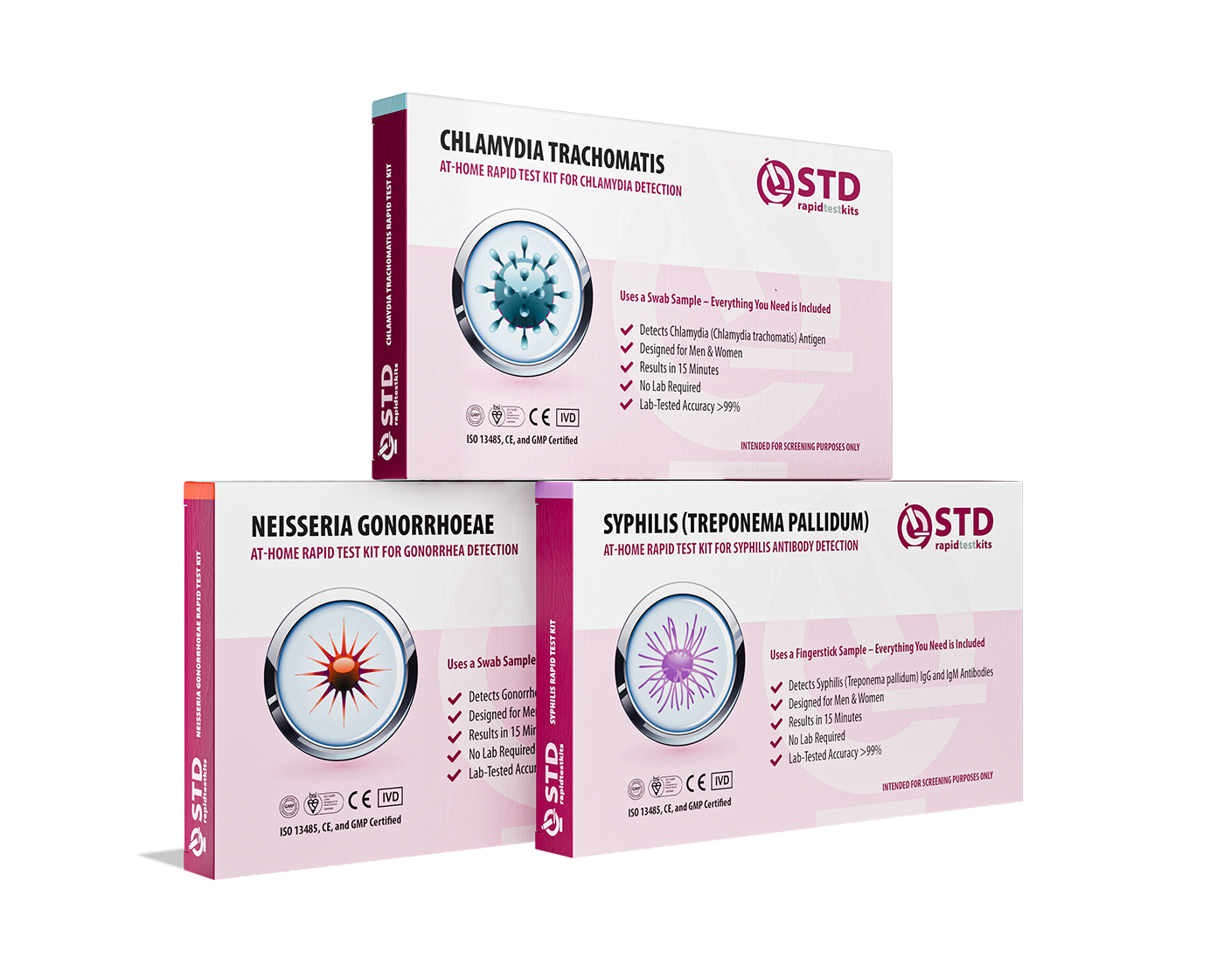
 For Men & Women
 Results in Minutes
 No Lab Needed
 Private & Discreet
Order Now $69.00 $147.00
For all 3 tests
What If You’ve Already Had Chlamydia? Preventing Reinfection
Here’s something that doesn’t get said enough: even if you’ve had chlamydia before, and even if you treated it successfully, you can absolutely get it again. Reinfection rates are high, especially among men who don’t tell partners or don’t retest after exposure.
If you were treated but your partner wasn’t, you’re both passing it back and forth. This is called the “ping-pong effect,” and it can lead to longer infections, more damage, and even antibiotic resistance in rare cases. Some public health departments now offer anonymous partner notification tools to make it easier to inform people without confrontation.
According to the CDC’s STD treatment guidelines, men who test positive for chlamydia should be retested 3 months after treatment, even if they’ve had no new partners. This helps catch reinfections and confirms treatment success.
Want to handle this privately? The Combo STD Home Test Kit checks for chlamydia and other common STDs all at once, without a clinic visit.
Sex Still Matters, So Let’s Talk About Partners
Sex after chlamydia doesn’t have to feel scary. But it should come with open conversations and testing. That doesn’t mean you have to spill your entire history on date one. But if you’ve tested positive, talking to recent partners is a medical responsibility, not a moral confession.
Here’s a script you can adapt:
“Hey, I wanted to let you know I tested positive for chlamydia. I got treated, but since we were together recently, I think you should get tested too. You can do it from home if that’s easier.”
Some couples test together. Some test first, then pull out condoms. Some desire the peace of mind that accompanies clear results. Whichever your case, normalization of testing makes for safer, more enjoyable sexual relationships. And if a partnerreacts negatively or judgmentally? That tells you more about them than you.
The Mental Toll: Shame, Silence, and What Comes After
Let's be honest: STDs come with a lot of emotional baggage. For a lot of men, sexual health is a very taboo topic. That silence can make treatment take longer, make denial stronger, and raise the risk of problems.
We hear it all the time: “I didn’t want to know.” “I thought it’d go away.” “I didn’t want to be seen as dirty.” But none of those feelings make the infection less real. The sooner you address it, the better your odds of recovery, and the stronger your relationships will be moving forward.
STD Rapid Test Kits was built on the belief that everyone deserves access to fast, discreet, shame-free testing. Whether it’s your first test or your fifth, we’ve got your back.

People are also reading: Hepatitis C Symptoms: Gender Differences You Should Know
FAQs
1. Can chlamydia really make a guy infertile?
Yes, and way more often than most men realize. It doesn’t happen overnight, but if chlamydia hangs around long enough, it can scar the tubes that carry sperm or mess with how sperm are made and stored. You might not even know it’s happening until you’re sitting in a fertility clinic years later, wondering why things aren’t working. Testing early helps avoid that "what if" moment down the line.
2. How long does it take before chlamydia starts doing damage?
Everyone’s body reacts differently, but damage can begin quietly within weeks if the infection spreads beyond the urethra. Some guys develop epididymitis (testicle inflammation) in a month or two. Others don’t notice any symptoms for much longer. But the longer it goes untreated, the more likely things like scarring, pain, or fertility issues become real risks.
3. I don’t have discharge or burning, could I still have chlamydia?
Definitely. That’s the trap with chlamydia, it’s sneaky. A huge number of men never get any classic symptoms like discharge or pain while peeing. But that doesn’t mean nothing’s happening internally. If you’ve had unprotected sex or your partner tested positive, don’t wait for fireworks. Just test.
4. My testicle hurts on one side, should I be worried?
Maybe. Testicular pain isn’t always an STD thing, it could be a pulled muscle or even a twisted testicle (which is a medical emergency). But if the pain creeps in after sex, gets worse when sitting or walking, or comes with swelling, a chlamydia-related epididymitis is on the table. And that’s something you want to catch early.
5. If I had chlamydia and got treated, can I get it again?
100%. Treatment clears the current infection, but it doesn’t make you immune. If your partner wasn’t treated, or if you have a new encounter with someone carrying it, you can get re-infected. It’s like hitting the reset button, but with slightly higher stakes the second time around.
6. Can I give chlamydia to someone if I feel totally normal?
Yup. That’s one of the biggest reasons it spreads. Men can pass on chlamydia even if they don’t have a single symptom. No burning. No redness. No clue. If you're not regularly testing between partners or after risky sex, you're rolling the dice, even if you feel fine.
7. How long should I wait before testing after a risky hookup?
Ideally, wait about 2 weeks after exposure for the most accurate results, especially with urine-based or swab NAATs. That gives the infection time to replicate and show up clearly. But if you’re feeling symptoms earlier, you don’t have to wait, just be ready to retest later if the first result’s negative.
8. Can epididymitis go away on its own?
Not usually. Mild symptoms might fade a bit, but the underlying infection can keep brewing and make things worse. If chlamydia is the cause and you skip antibiotics, the risk of long-term damage or even needing surgery goes way up. If your testicle’s swollen, warm, or painful, don’t wait it out. Get seen or tested ASAP.
9. What does treatment feel like? Is it a big deal?
Not at all. If you test positive, treatment is usually a course of antibiotics, often doxycycline for 7 days. Some people feel better within a day or two. But you need to finish the meds even if symptoms vanish early. Avoid sex for a full week after starting meds to avoid spreading it back and forth. Easy. Done.
10. Can I test for chlamydia from home without anyone knowing?
Yes, and that’s exactly why at-home STD testing has taken off. Our chlamydia test kits arrive in plain packaging, require just a simple sample, and give results in minutes or days depending on the type. No awkward clinic visits. No waiting rooms. No judging looks. Just answers.
You Deserve Answers, Not Assumptions
Most guys don’t hear about chlamydia until it causes pain, fear, or relationship fallout. But it doesn’t have to get to that point. Testing puts the power back in your hands, before small problems become big ones.
If something feels off, or even if it doesn’t, you owe it to your future self to know. This at-home combo test kit checks for the most common STDs discreetly and quickly.
How We Sourced This Article: We combined current guidance from leading medical organizations with peer-reviewed research and lived-experience reporting to make this guide practical, compassionate, and accurate. In total, around fifteen references informed the writing; below, we’ve highlighted six of the most relevant and reader-friendly sources.
Sources
2. NHS – Epididymitis Overview
4. HIV, HPV and Chlamydia trachomatis: impacts on male fertility – PMC
5. Considerations on male infertility in genital infections with Chlamydia – PMC
6. Male genital tract chlamydial infection: implications for fertility – PubMed
About the Author
Dr. F. David, MD is a board-certified infectious disease specialist who works on preventing, diagnosing, and treating STIs. He combines clinical accuracy with a straightforward, sex-positive approach and is dedicated to making it easier for readers to get to know him in both urban and off-grid settings.
Reviewed by: J. Munroe, NP | Last medically reviewed: September 2025
This article is for informational purposes and does not replace medical advice.


