







Quick Answer: Yes, you can get an STD from oral sex. Infections like gonorrhea, chlamydia, herpes, syphilis, HPV, and even HIV can be transmitted this way. Testing is recommended if you develop symptoms, or even if you don’t, since many cases are silent.
The Illusion of Safety
In college dorms, locker rooms, and even among older adults returning to dating after divorce, the same line gets repeated: “It’s just oral, it doesn’t count.” That cultural script paints oral sex as a loophole, pleasure without risk, intimacy without consequences. But bodies don’t work by social rules. Germs spread wherever skin, fluids, and mucous membranes meet. A swollen tonsil, a painless mouth ulcer, or a partner with a hidden sore can all shift what felt like a low-risk night into a moment of uncertainty the next morning.
One young man in Atlanta, let’s call him Marcus, shared that he thought he was in the clear because his only encounter with a new partner was giving oral sex. Ten days later, his throat pain worsened, and a swab at a clinic revealed pharyngeal gonorrhea. “I didn’t even know that was possible,” he admitted. His story isn’t rare; it’s a reminder that the boundary between “safe” and “unsafe” isn’t as neat as we’d like to think.
Which STDs Spread Through Oral Sex?
Oral sex doesn’t carry the same transmission probability as unprotected vaginal or anal sex, but it does open the door for several infections. The mouth and throat may look tough, but tiny tears, inflamed gums, or invisible sores can give pathogens exactly what they need. According to the CDC, multiple STDs can be passed this way, even if no ejaculation occurs.
Here’s a closer look at the main players:
| STD | How It Spreads During Oral Sex | Common Symptoms in the Mouth/Throat | Silent Cases? |
|---|---|---|---|
| Gonorrhea | Contact with infected genital or anal fluids | Sore throat, swollen glands, sometimes no symptoms | Yes, many cases have no signs |
| Chlamydia | Oral-genital contact with infected partner | Mild sore throat, hoarseness, often missed | Very often silent |
| Herpes (HSV-1 & HSV-2) | Kissing, oral-genital, oral-anal contact | Cold sores, blisters, ulcers inside the mouth | Yes, virus sheds even without sores |
| Syphilis | Direct contact with chancre or rash | Painless sores on lips, tongue, or throat | Yes, especially in early stages |
| HPV | Skin-to-skin contact, especially oral-genital | Warts in throat or mouth; sometimes linked to cancers | Yes, often unnoticed for years |
| HIV | Less common, but possible with open sores or bleeding gums | No unique oral symptoms early on | Usually silent until advanced |
Table 1. Common STDs transmitted by oral sex, their pathways, and whether symptoms are likely to be silent or visible.
Silent Infections: When You Feel Fine But Still Carry Risk
Here’s the most unsettling part: many people never feel a thing. Up to 90% of throat chlamydia cases have no symptoms. That means you could have a perfectly normal-feeling mouth, but still pass the bacteria to a partner. HPV often hides for years, only surfacing when warts or abnormal cells appear. Even syphilis, which is notorious for its dramatic sores, can slip by undetected if the ulcer is painless or hidden inside the throat.
This is why relying on how you feel isn’t enough. A sore throat after oral sex could be strep, allergies, or just a hangover, but it could also be an STD. Only testing can separate the harmless from the serious. Think of testing not as a punishment, but as an honest check-in with your body. You deserve answers, not assumptions.
People are also reading: What Is Hepatitis C? SymptomsTestingand Treatment
When Timing Makes or Breaks the Test
So you're worried. Do you hurry to take the test or wait it out? This is where things get hard. The "window period" for each STD is the time between when you are exposed to it and when a test can reliably find it. If you test too soon, you might feel better when you shouldn't. If you wait too long, you might not get treated and the infections could spread. It can be hard to wait because of the anxiety it causes, but knowing the timelines can help you deal with that fear.
| STD | Earliest Reliable Testing Window | Best Accuracy Window |
|---|---|---|
| Gonorrhea | 7 days after exposure | 2 weeks+ |
| Chlamydia | 7 days after exposure | 2 weeks+ |
| Syphilis | 3 weeks | 6–12 weeks |
| Herpes | Can test once sores appear | 2–12 weeks depending on test |
| HPV | No routine test for throat HPV | Diagnosis often only with symptoms or screening |
| HIV | 10 days with NAAT; 2–6 weeks with Ag/Ab tests | 6–12 weeks |
Table 2. Testing windows for common STDs potentially acquired through oral sex.
Order Now $129.00 $343.00 Check Your STD Status in Minutes
Test at Home with Remedium
7-in-1 STD Test Kit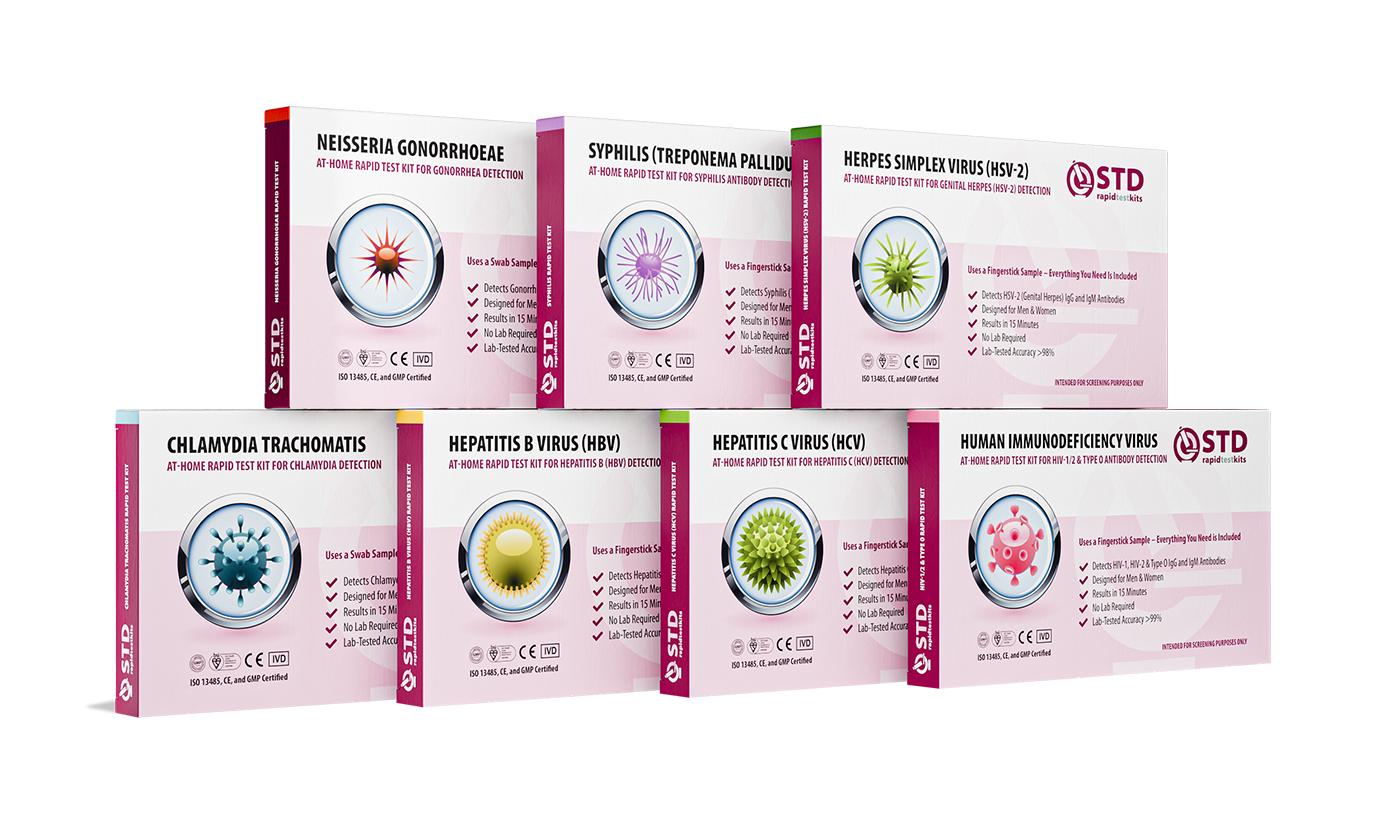
 For Men & Women
 Results in Minutes
 No Lab Needed
 Private & Discreet
For all 7 tests
The Anxiety Spiral: A Micro-Scene
Sofia, 26, spent a sleepless night scrolling through forums after a sore throat popped up two days after giving oral sex. She debated running to urgent care, but the nurse hotline gently explained that a test taken this soon wouldn’t give reliable results. “It felt unbearable to wait,” she recalled. “But knowing that testing early could lie to me actually gave me permission to breathe for a few more days.”
Her story captures a common truth: testing is not just about infection, it’s about timing. The sooner you understand the window periods, the less trapped you feel by uncertainty. Knowledge here is a form of relief, even when the answer is to wait.
Choosing the Right Test: At-Home, Clinic, or Mail-In?
After you've decided that testing is necessary, the next question is where and how to do it. There is no one answer that works for everyone. Your choice will depend on what matters most to you: privacy, speed, accuracy, or emotional support. Think about how different it would be to stand in line at a busy clinic, where every cough echoed off the walls, compared to sitting in your own bathroom with a discreet kit that came in plain packaging. Both will give you answers, but the emotional journey is very different.
At-home rapid tests deliver results in minutes and offer a sense of control. Mail-in kits bridge the gap: you collect your sample at home, send it to a certified lab, and receive results online. Clinic-based testing remains the gold standard, especially if you need a throat swab for gonorrhea or chlamydia, or if you want in-person counseling and treatment on the spot. Each pathway has trade-offs, but the most important thing is that you take the step at all. Testing is never wasted effort.
| Method | Privacy | Speed | Best For |
|---|---|---|---|
| At-Home Rapid Test | Very high | 10–20 minutes | Quick peace of mind, discreet results |
| Mail-In Lab Kit | High | 2–5 days | Lab-grade accuracy without clinic visit |
| Clinic Visit | Moderate | Same day to 1 week | Full range of tests, treatment if positive |
Table 3. Comparing different STD testing pathways for people concerned after oral sex.
Case Study: The Parking Lot Test
Devon, 32, ordered an at-home combo kit after a weekend festival hookup left him uneasy. He drove to a quiet corner of a grocery store parking lot, swabbed his throat, and waited in his car as the test strip developed. “I was shaking,” he said."But when the line came up, it was like I could finally breathe." His story shows how many people feel scared, rushed, and relieved when they use rapid kits. For him, the privacy of not facing a receptionist or explaining his sex life to a stranger mattered as much as the result itself.
For others, that same moment may feel too isolating. A clinic provides eye contact, reassurance, and medical guidance. The right choice isn’t about what anyone else would do, it’s about what makes you feel safest and supported while getting answers.
Why Oral STDs Are Often Overlooked
Doctors don’t always swab throats for chlamydia or gonorrhea unless you specifically mention oral sex. That gap leaves many infections undetected. A 2021 study published in the journal Sexually Transmitted Diseases found that pharyngeal gonorrhea is a common reservoir, meaning people may unknowingly carry and transmit it to others. The stigma around oral sex makes it even less likely people will ask for these swabs.
Lisa, 21, remembered how her college health center offered only urine tests at first. “I had to insist, like three times, that I’d only had oral sex. Finally, the nurse agreed to a throat swab. It came back positive for chlamydia. If I hadn’t pushed, I would’ve walked out thinking I was clear.” Her persistence underscores the importance of being direct when asking for the right tests. Silence isn’t protection, advocacy is.

People are also reading: This STD Hides in Your ThroatAnd It’s Getting Deadlier Every Year
The Emotional Weight of Waiting
There’s a peculiar torment in waiting for STD results. Hours feel like days, and the mind replays every detail of the encounter. Did the partner have a sore? Was there a moment of bleeding gums? Did they cough or spit in a way that seemed risky? Anxiety fills in every blank space with worst-case scenarios. This psychological burden can be heavier than the infection itself. Many people report feeling relief even when they test positive, simply because the unknown has been replaced by a plan.
Testing is not just medical, it’s emotional first aid. It takes the question mark that eats at you and turns it into a roadmap. Whether the answer is “all clear” or “let’s get treated,” knowing is the only way forward. Left unchecked, uncertainty can corrode intimacy, self-esteem, and mental health more than any single infection.
When Oral Sex Risks More Than Infection
While infections are the main concern, oral sex can also intersect with mental health, relationships, and identity. A queer man may fear reinforcing harmful stereotypes by admitting he has a throat infection. A married woman may feel crushing shame at the thought of explaining an STD result to her partner. A teenager may believe they found a loophole that “doesn’t count,” only to discover otherwise. These social layers compound the medical risk, turning a biological issue into a deeply human one.
This is where a trauma-informed perspective matters. Testing is not about blame or morality, it’s about care. You can honor your choices, your pleasure, and your curiosity while still protecting your health. Normalizing oral sex risks is part of dismantling the silence that lets infections spread in the shadows.
Check Your STD Status in Minutes
Test at Home with Remedium6-in-1 STD Test Kit
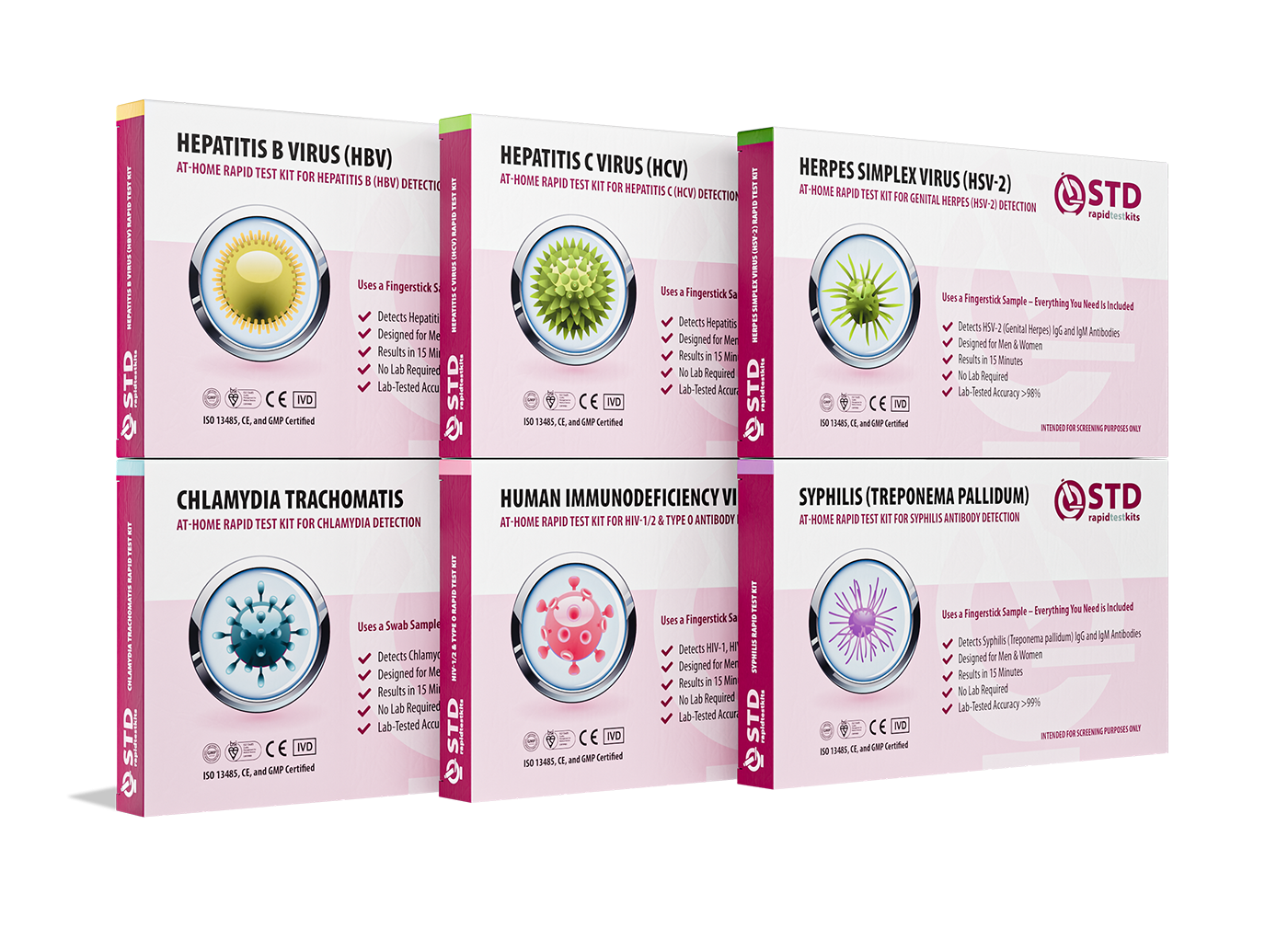 For Men & WomenResults in MinutesNo Lab NeededPrivate & Discreet
Order Now $119.00 $294.00
For all 6 tests
Do You Need to Retest? Understanding False Negatives
One of the hardest truths about STD testing is that a negative result doesn’t always mean you’re in the clear, especially if you tested too early. Window periods can trick even the most careful person. A throat swab for gonorrhea at day five might miss an infection that would show up at day ten. That false reassurance can send someone back to their partner with a sense of safety that isn’t real.
Andre, 28, tested negative for syphilis after a single oral encounter, but his doctor explained that antibodies take weeks to show. “I thought I dodged a bullet,” he said. “Then three months later, I tested positive. I felt betrayed by the test, but really, it was my timing that betrayed me.” Stories like his are why retesting is sometimes as important as the first test. Accuracy peaks when you align testing with biology, not just with your anxiety.
When and Why Retesting Makes Sense
If your first test comes back negative but you remain at risk, or if symptoms develop later, it’s wise to schedule a retest. For chlamydia and gonorrhea, a retest after two weeks can provide stronger accuracy. For syphilis, a repeat at six to twelve weeks is often needed. HIV follows its own rhythm: early detection may be possible with a NAAT test at ten days, but the most reliable results still come after six weeks.
This doesn’t mean you should put your life on hold. Instead, think of retesting as a follow-up appointment with yourself. It’s about double-checking, not obsessing. Having a clear plan, test now, test again later if needed, transforms uncertainty into action. That shift alone can reduce anxiety more than any forum thread or late-night guessing game ever will.
Case Study: The Long Game
Katie, 34, went through a series of tests after giving oral sex to a partner she later learned was untreated for chlamydia. Her first test at eight days was negative. Her second, at fifteen days, came back positive. “If I hadn’t retested, I would have kept passing it along,” she said. For her, the second test wasn’t just about self-protection, it was an act of partner care. Knowing gave her the chance to seek treatment, prevent reinfection, and break the cycle.
Her story shows how hard it is to retest. It's not being paranoid; it's being responsible. It's like playing defense in the dark versus stepping into the light and seeing clearly.
What Happens If You Test Positive?
The moment the result turns positive, the world can feel like it caves in. But here’s the truth: most STDs are treatable, and nearly all are manageable. A positive test is not a life sentence, it’s a next step. Chlamydia and gonorrhea are usually cured with antibiotics. Syphilis responds to penicillin when caught early. Herpes and HPV remain lifelong but can be controlled with treatment and lifestyle care. Even HIV, once feared as untreatable, is now managed with daily medication that allows people to live long, healthy lives.
The first step after a positive result is confirmation. A rapid test may point to an infection, but lab-based testing often follows to verify. Once confirmed, treatment usually starts quickly, and many clinics provide it on the spot. The earlier you begin, the easier the process becomes. Delay only complicates things, not just medically, but emotionally.
People are also reading: Why STDs Are Spreading Faster Than EverEven With More Info Available
Partner Conversations Without Shame
Nothing spikes anxiety quite like the thought of telling a partner you tested positive after oral sex. The scripts that play in your head, accusations, rejection, embarrassment, can feel worse than the infection itself. But disclosure doesn’t have to be destructive. It can be framed as care, not confession. “I got tested and something came back. I want to make sure you’re safe too.” Simple, direct, and protective.
Some clinics even offer anonymous partner notification services, which send a text or email without saying who you are. This option can be a relief for those in fragile relationships or situations where safety is uncertain. The point isn’t blame, it’s interruption. Every time someone notifies a partner, they stop the silent chain of transmission. That act is bigger than the fear of the conversation.
Micro-Scene: The Parking Lot Breath
Daniel sat in his car after seeing his positive throat swab results for gonorrhea. His hands shook on the steering wheel. “I thought my life was over,” he said. But then his phone buzzed: a message from the clinic explaining antibiotics were ready for pick-up that day. He took a long breath, wiped his eyes, and realized the fear of the unknown had been heavier than the reality of treatment. For him, the test didn’t just reveal infection, it showed a path back to control.
His experience reminds us that tests aren't meant to punish or judge people. The first step toward healing, clarity, and self-respect is what it's all about. Whether you go to a clinic, send in a swab, or use a rapid kit, the fact that you are willing to test is already a sign of care for yourself and everyone else who is connected to you.
How Testing Protects Pleasure
Testing isn't about fear; it's about freedom, even though it may seem that way. The more you know, the less you have to worry about "what if?" when you're being intimate. Sex is safer, but it's also more relaxed and connected. It makes room for pleasure to be about choice instead of worry.
This is where at-home kits play a vital role. They allow you to check in without interruption, without shame, and without waiting weeks for answers. For anyone who has ever lost sleep over a sore throat or a partner’s half-remembered confession, a discreet test kit is more than just medical, it’s a lifeline.
Peace of mind is one test away. You can explore discreet options here: at-home combo STD test kit.
FAQs
1. Can you really get an STD from oral sex?
Absolutely. It surprises a lot of people, but infections like gonorrhea, chlamydia, herpes, and even syphilis can pass during oral. Picture it this way: your throat tissue is just as vulnerable as genital tissue, especially if there are tiny cuts, gum irritation, or a cold sore hiding in the mix. It’s not about scare tactics, it’s biology.
2. What does an oral STD actually feel like?
Sometimes it feels like nothing at all. Other times it’s a nagging sore throat that doesn’t go away, a little blister that looks like a canker sore, or swollen glands under your jaw. One reader told us they thought it was allergies until their partner tested positive. That’s why testing beats guessing, symptoms alone can’t tell the whole story.
3. How soon after oral sex should I think about testing?
Timing is everything. If you swab the throat two days later, chances are you’ll get a false negative. Most tests become reliable after a week or two, though syphilis and HIV need longer windows. Think of the first test as a sneak peek and the second as your confirmation round.
4. Do condoms or dental dams make oral sex totally safe?
They help a lot, but they’re not magic shields. Barriers can block fluids, which lowers the risk dramatically, but skin-to-skin transmission (like with HPV or herpes) is still possible. Safer? Definitely. Perfect? No. But it’s still better than going unprotected.
5. Can you catch herpes from someone who doesn’t have a visible sore?
Yes, and that's the hard part. Herpes can shed silently, meaning the virus can be present on the skin even when it looks clear. That’s why someone can swear they’re “outbreak-free” and still pass it on. It doesn’t mean they lied, it means the virus plays hide-and-seek.
6. If my throat hurts after oral sex, should I panic?
No. Sore throats can come from strep, yelling at a concert, allergies, or just dry air. But if that ache lingers past a few days, or you notice ulcers or swollen lymph nodes, it’s worth checking in with a test. Better to rule it out than spiral on “what-ifs.”
7. Can I test for HPV in my mouth?
Sadly, no easy swab exists for throat HPV yet. Doctors usually catch it when warts or abnormal cells show up, or through cancer screenings down the line. That doesn’t mean you’re powerless, vaccination and regular sexual health check-ins still offer strong protection.
8. If my test is negative, am I totally safe?
Not necessarily. If you tested before the infection had time to show up, you might get a false sense of security. Think of it like baking cookies, you can pull them out early, but they won’t be done. Retesting at the right time gives you the finished answer.
9. What if my test comes back positive?
First, breathe. Almost every oral STD is treatable, and many are curable. A positive result doesn’t define you. It just gives you a chance to get antibiotics, antivirals, or management tools before things snowball. Plenty of people test positive and go on to have full, healthy sex lives.
10. Can I really handle this on my own with an at-home kit?
For a lot of infections, yes. Some kits even include throat swabs for chlamydia and gonorrhea. If you need blood tests for syphilis or HIV, at-home options exist there too. Think of it as a private checkpoint, you’re not alone, you’re just giving yourself answers without the waiting room stares.
You Deserve Answers, Not Assumptions
If you’ve made it this far, you know oral sex isn’t a free pass from risk. But you also know that infections don’t define you. They’re common, they’re treatable, and they’re manageable. What matters most is refusing to sit in the dark of not knowing. Testing gives you back your control, your peace of mind, and your ability to protect yourself and your partners.
Don’t wait in silence. Whether you choose a clinic visit, a mail-in kit, or a rapid test at home, the most important thing is to take that step. Clarity is worth it. Relief is worth it. Your health is worth it.
Get started with discreet, accurate options today: STD Rapid Test Kits.
How We Sourced This Article: We combined current guidance from leading medical organizations with peer-reviewed research and lived-experience reporting to make this guide practical, compassionate, and accurate.
Sources
1. CDC — About STI Risk and Oral Sex
2. CDC — Clinical Treatment of Gonorrhea (Includes Pharyngeal)
3. Cleveland Clinic — STD/STI Testing: What To Expect
4. Mayo Clinic – Sexually Transmitted Diseases Overview
5. NHS – Sexually Transmitted Infections (STIs)
6. Planned Parenthood – STDs, HIV, and Safer Sex
About the Author
Dr. F. David, MD is a board-certified infectious disease specialist focused on STI prevention, diagnosis, and treatment. He blends clinical precision with a no-nonsense, sex-positive approach and is committed to expanding access for readers in both urban and off-grid settings.
Reviewed by: Dr. Lena Ortiz, MPH | Last medically reviewed: September 2025
This article is for informational purposes and does not replace medical advice.


