
Published: September 2025 | Last updated: May 2026 | Editorial review and quality control: Martina N.
Why are STD rates so high in 2025?
After a decade of steep increases, U.S. STI numbers showed mixed signals in the CDC's 2023 surveillance report. Gonorrhea cases dipped about 7%, chlamydia held roughly steady, but syphilis (especially congenital syphilis passed from parent to newborn) kept climbing. The drivers are real and overlapping: condom use is down, public-health clinics are still rebuilding screening capacity lost during the pandemic, dating apps have changed partner dynamics, and most STIs cause no symptoms, so people don't know to get treated.
Key Takeaways
- More than 2.4 million combined cases of chlamydia, gonorrhea, and syphilis were reported in the U.S. in 2023, per the CDC's most recent finalized surveillance report.
- Most STIs cause no symptoms early on, so testing is the only reliable way to know your status. At-home rapid tests cover the gap when clinic appointments are weeks out.
The headlines about an "STI epidemic" aren't hyperbole. Public-health surveillance has tracked rising rates of sexually transmitted infections in the U.S. for most of the past decade, and even when 2023 brought a small reprieve in some categories, the overall picture is still one of strain. Walking around with an undetected infection is the rule for most STIs, not the exception. Most of the drivers behind the numbers respond to specific, doable changes, which is the more useful conversation to have.
What the latest surveillance data actually shows
The CDC's STI Surveillance program publishes the annual count. The 2023 finalized report (released in late 2024 and the most recent year-finalized dataset as of mid-2025) put the combined number of reported chlamydia, gonorrhea, and syphilis cases at more than 2.4 million. That's a slight decline from the 2.5-million peak in 2022, but still roughly 60% above the 2014 baseline. CDC has since posted 2024 provisional data, which may revise as case reports come in.
Inside the headline:
- Gonorrhea reported cases declined about 7% in 2023 versus 2022, the second consecutive year of decrease. The CDC notes this could reflect either a real downturn or reduced testing capacity, since gonorrhea is most often diagnosed in people seeking care for symptoms or screening.
- Chlamydia case counts were roughly stable. Chlamydia is the most-reported STI in the country and is heavily under-diagnosed; an estimated half of cases are never reported because they cause no symptoms.
- Syphilis kept rising. Primary and secondary cases (the most infectious stages) continued an upward trajectory, and congenital syphilis (transmitted from a pregnant person to the newborn) reached more than 3,700 reported cases in 2023, more than ten times the 2012 figure.
Globally, the World Health Organization estimates more than 1 million curable STIs are acquired every day worldwide, most of them asymptomatic. The same broad pattern shows up in many high-income countries, not just the U.S.
Quantitative claims in this article come from the CDC's 2023 finalized STI Surveillance Report. CDC's surveillance landing page now also shows 2024 provisional data (about 2.25 million combined cases, with gonorrhea down a further 10%); provisional figures revise as states finish reporting, so we use the finalized 2023 numbers and will update once 2024 is finalized.
The pandemic disruption is still echoing
COVID-19 closed sexual-health clinics, paused contact-tracing programs, and pulled lab capacity into respiratory-virus testing. Routine STI screening dropped sharply in 2020 and recovered slowly through 2022 and 2023. People who used to test annually fell out of the habit. Patients who relied on Title X-funded clinics (which serve people with low or no insurance) often lost the closest accessible site when those clinics scaled back hours or closed entirely.
Three years on, screening capacity hasn't fully rebuilt. Some local health departments are running with half the staff they had pre-pandemic. Wait times for in-person STI testing in many U.S. metro areas now sit at three to six weeks, long enough that someone who suspects an exposure can transmit to several more partners before they even get a result. At-home testing can't replace public-health infrastructure, but it shortens the lag between concern and action when the local clinic can't see you for a month.
Many city and county health departments now publish current wait times on their websites or via 211. If the next available appointment is more than two weeks out and you've had a recent exposure, an at-home rapid test is a reasonable bridge to the in-person visit, especially after the recommended window period for the infection you're worried about.
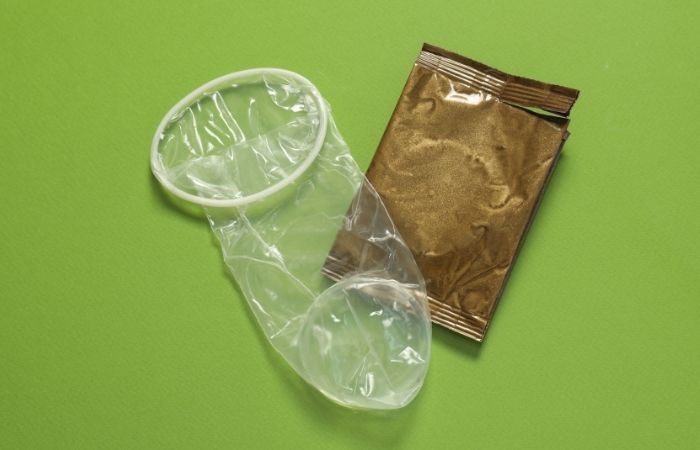
Why the condom and protection landscape changed
One of the biggest shifts of the past decade has been the rollout of PrEP (pre-exposure prophylaxis), a daily or long-acting medication that dramatically reduces HIV transmission risk. PrEP works. The CDC's Let's Stop HIV Together PrEP page states that PrEP "reduces the risk of getting HIV from sex by about 99% when taken as prescribed."
The unintended consequence: condom use among people on PrEP fell. Many users (and their partners) traded condom-based prevention for medication-based HIV prevention without replacing the bacterial-STI protection that condoms also provide. PrEP does nothing for syphilis, gonorrhea, or chlamydia. Add a steady decline in self-reported condom use among adolescents and young adults, tracked across CDC's Youth Risk Behavior Surveillance System for over a decade, and the bacterial-STI floor is lower than it was a generation ago.
None of this means PrEP is a problem. It means the prevention conversation has to keep up with how prevention actually works in 2025: HIV prevention via medication, bacterial-STI prevention via barriers and frequent screening, and a clear distinction between the two when talking with new partners.
Dating apps changed the math of partner turnover
Apps haven't created promiscuity, but they've changed the speed and the geography of partner pools. The window between meeting someone and having sex shortened. The average geographic radius of a partner widened. The number of partners someone might have in a given year for a given level of effort grew. From a transmission-network perspective, that combination is exactly what fuels faster STI spread, especially for infections with longer infectious windows like syphilis.
Multiple studies and surveillance reports note correlations between dating-app use and higher STI rates in some demographics. Correlation isn't quite causation: people who use apps differ in other ways from people who don't. But the mechanism is plausible, and conversations about testing, status, and recent exposure tend to be shorter (or absent) in app-mediated meetups than in pre-existing-social-network ones. The fix isn't to abandon apps. It's to build a 90-second testing-and-status conversation into how people use them.
A workable script: "When were you last tested, and for what?" If the answer is vague or older than six months, suggest you both test before sex without barriers. Most people have had this conversation enough times that it's no longer awkward, especially after the first one.
Why asymptomatic infections drive the surge
The majority of chlamydia infections in women cause no symptoms. The majority of pharyngeal (throat) gonorrhea cases cause no symptoms. Early-stage syphilis can produce a single painless sore that the person never sees. HIV's acute phase often shows up as a vague flu, then disappears for years.
The implication: "I feel fine" tells you almost nothing about your STI status. The CDC's STI testing guidance states that "all sexually active women younger than 25 years should be tested for gonorrhea and chlamydia every year," and recommends annual syphilis, chlamydia, and gonorrhea testing for sexually active men who have sex with men, plus at least annual HIV testing for several populations. Self-reported screening rates among sexually active U.S. adults sit well under half in most surveys, so most people don't follow this even when they know about it. A four-week wait for a clinic appointment can be a whole new transmission chain, which is what at-home testing is meant to shorten.
If you're worried specifically about HIV after a recent exposure: the per-act transmission probability for most exposure types is low (well under 1% per act of vaginal sex without other risk factors, somewhat higher for receptive anal sex per CDC modeling), but a real exposure event still warrants timely action. RNA PCR tests can detect HIV as early as 10 to 33 days after exposure; standard antibody and fourth-generation antigen-antibody tests have a 23 to 90 day window. Post-exposure prophylaxis (PEP) started within 72 hours of a high-risk exposure substantially reduces HIV acquisition risk and is available at most ERs and many urgent-care clinics.

Misinformation slows people down
The myths haven't changed much, but the platforms spreading them have. Some of the persistent misconceptions:
- "STIs are a young person's problem." Reported rates have grown across most age groups in the past decade. Adults over 50 are a fast-rising segment for new diagnoses, partly because divorce and re-partnering bring people back into dating without the prevention habits they had at 22.
- "If I had something, I'd know." See the previous section. Most early infections are silent.
- "Only people with many partners get STIs." A single exposure to an infected partner is enough. Plenty of new diagnoses happen in the first sexual relationship after a long gap.
- "At-home tests aren't accurate." Modern lateral-flow rapid tests typically report sensitivity and specificity in the mid-to-high 90s for the infections they're designed to detect, when used after the appropriate window period. They are not identical in performance to lab-based NAAT, which remains the gold standard, but they are useful screening tools.
Each of these myths has a real-world cost: someone delays testing, doesn't notify partners, or skips the conversation that would have changed an outcome. The fix is concrete: test on a schedule (see further down), and bring up testing with a new partner before the first time, not after.
The over-50 segment is one of the fastest-growing for new STI diagnoses, often because prevention habits last set in the 1990s don't reflect current testing intervals or condom-use norms. Annual STI screening is reasonable for any sexually active adult with new partners, regardless of age. Ask your primary-care provider explicitly; routine annual physicals don't always include STI panels.
Healthcare access still isn't equal
The CDC's surveillance reports have, for years, documented sharp disparities in STI rates by race, ethnicity, geography, and sexual orientation. In the 2023 report, Black, Hispanic, and American Indian or Alaska Native populations bore disproportionate burden across most reportable STIs; men who have sex with men accounted for the majority of new primary and secondary syphilis diagnoses; rates in the South were higher than national averages for several infections.
These disparities don't reflect different sexual behavior. They reflect:
- Distance to and density of public-health clinics (rural counties have lost STI clinics for two decades).
- Insurance status and out-of-pocket cost for testing and treatment.
- Stigma at the clinic level, which discourages return visits even when the first one was free.
- Long-running underfunding of community-based sexual-health programs that were once trusted access points.
The 2024 federal budget for STI prevention and surveillance, in real dollars, sits below its 2003 level. Closing the gap means restoring local clinic capacity, expanding mail-order test access for uninsured patients, and protecting Title X-funded sites from further closures.
Sexually transmitted infections are increasing, and many cases go undiagnosed and untreated, increasing the risk of long-term health effects.
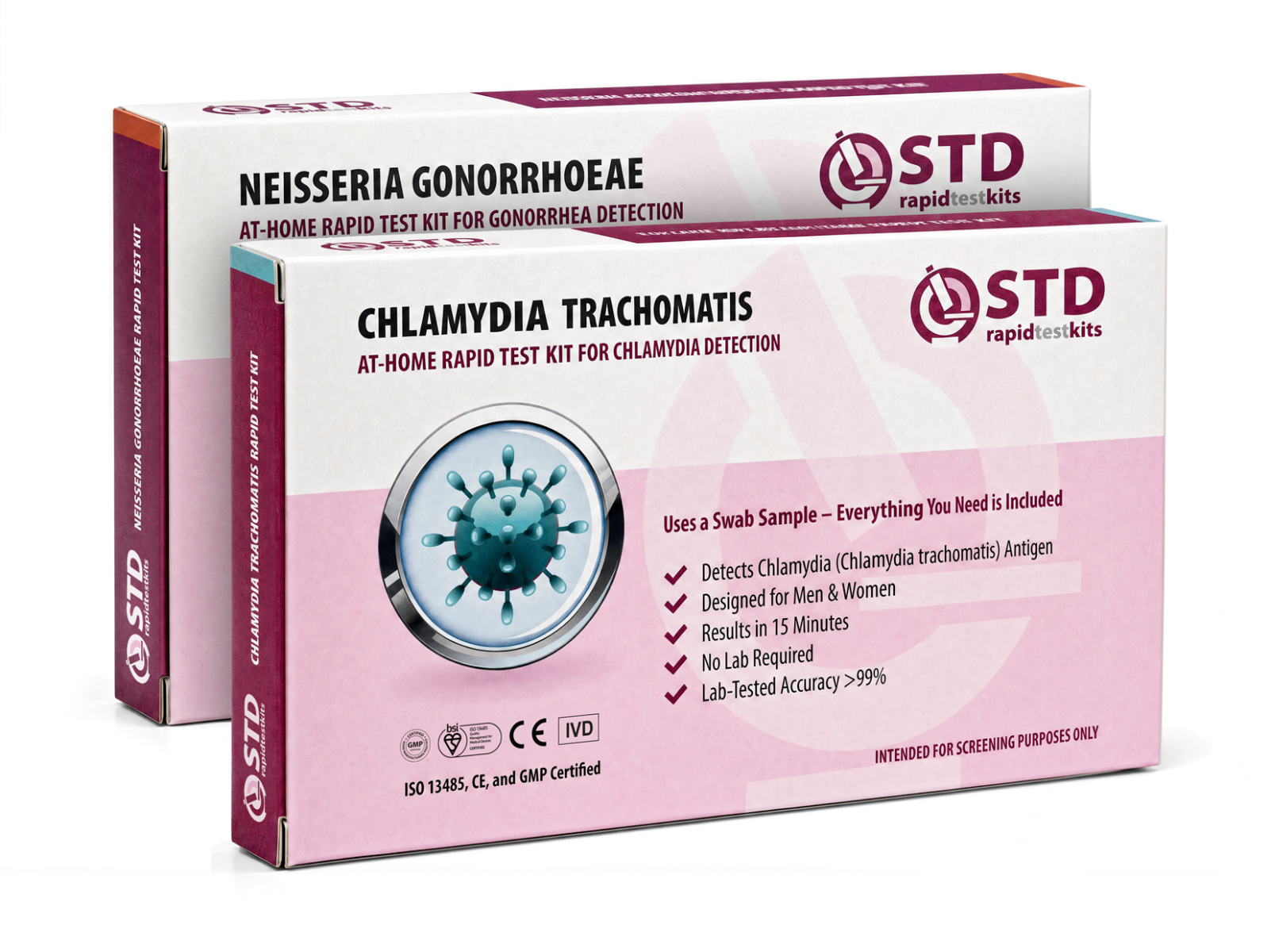
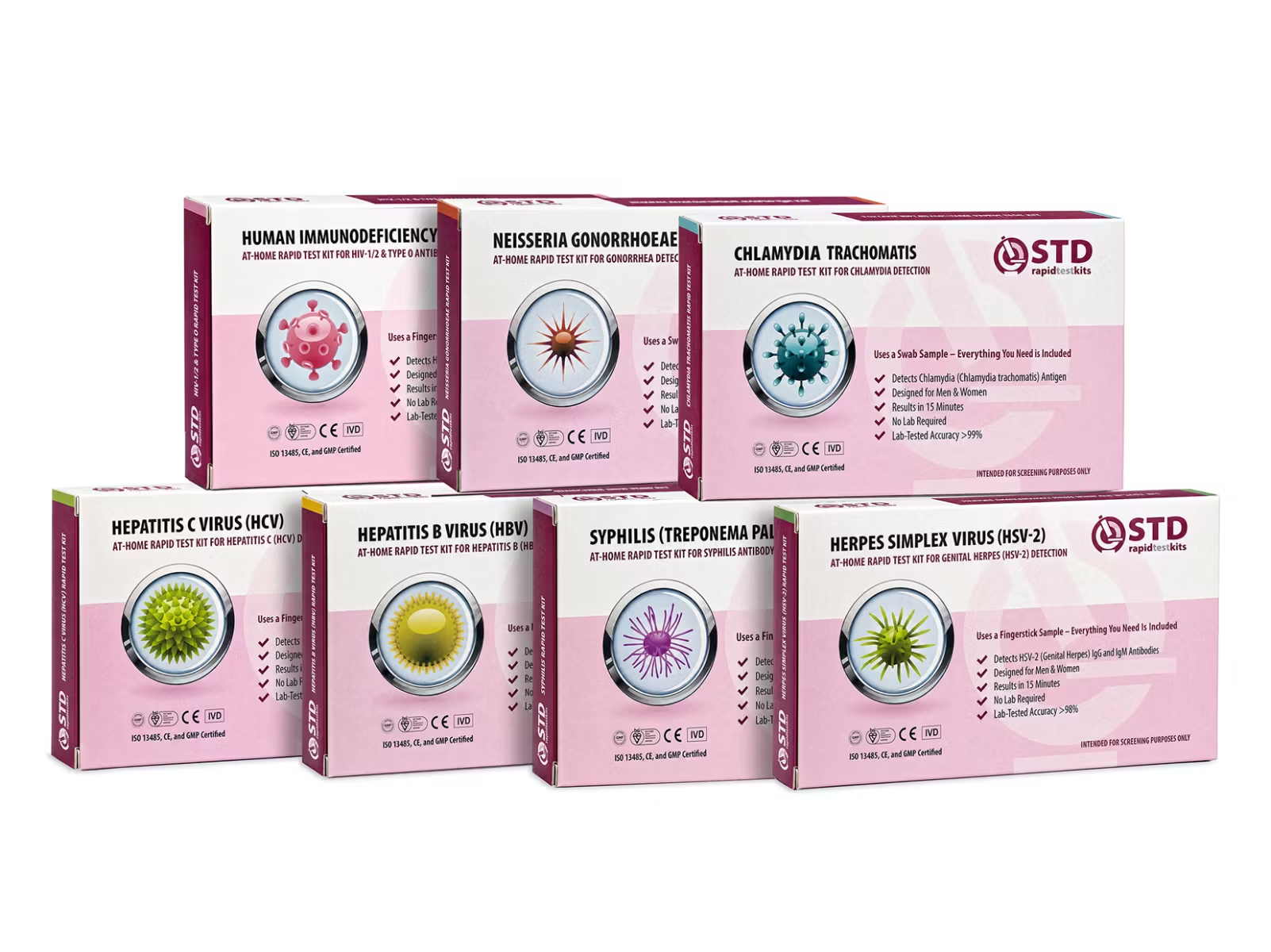
This site sells rapid at-home STI test kits; the products linked in the next sections are from our own catalog. We recommend kits based on fit-for-purpose for the reader's concern, not commercial benefit. A positive home result should always be confirmed with a lab test before treatment decisions.
Congenital syphilis: the most preventable failure
If there's a single statistic in the 2023 surveillance report that captures what's gone wrong, it's the congenital-syphilis number. More than 3,700 cases in 2023, ten-fold the 2012 baseline, with an associated rise in stillbirths and infant deaths. Congenital syphilis is fully preventable. A single dose of benzathine penicillin in the pregnant person, given early enough, prevents nearly all transmission to the baby.
Yet the CDC's analysis of congenital cases found that most occurred in mothers who either received no prenatal care, received prenatal care without timely STI screening, or were diagnosed in pregnancy but didn't receive timely or complete treatment. Each of those is a system failure, not a personal one. Insurance coverage gaps, clinic closures, treatment-supply shortages (the U.S. saw a benzathine penicillin shortage in 2023 and 2024), and lack of repeat testing in the third trimester all contribute.
For anyone who is or could become pregnant, ask explicitly for STI screening at three points:
- First prenatal visit: syphilis, HIV, hepatitis B at minimum; many providers add chlamydia and gonorrhea.
- Around 28 weeks, if you live in a state with high syphilis rates or have any risk factors.
- At delivery, especially if any earlier test was positive or treatment was incomplete.
If your provider doesn't offer it, request it. Coverage and routine practice vary by clinic and by state.
Substance use is a real, often overlooked driver
Stimulant use (methamphetamine in particular) and heavy alcohol use both correlate strongly with higher rates of STI acquisition. Several mechanisms are at work: impaired judgment about condom use, longer duration of sexual activity per encounter, larger network of partners, and (with injected stimulants) shared injection equipment. CDC surveillance data on syphilis specifically shows clusters of cases in which substance use was a documented risk factor, and the overlap with the broader U.S. overdose epidemic isn't a coincidence.
This isn't a moralizing point. Treating substance use disorder is part of STI prevention, and people who use stimulants benefit from the same testing access and partner-notification support as everyone else, often more so. SAMHSA's national helpline (1-800-662-HELP) connects people to local treatment options at no cost, and many syringe-services programs co-locate STI testing with harm-reduction supplies.
Many local public-health departments and community-based organizations offer combined STI testing and harm-reduction services with no out-of-pocket cost and no insurance required. The CDC's program-locator tools and SAMHSA's helpline (1-800-662-HELP) can find a nearby site. Combining testing with substance-use support tends to produce better outcomes for both than handling either in isolation.
How to protect yourself in 2025
The list isn't surprising, but specificity matters more than effort. The boring version of prevention works.
- Test on a schedule, not just when you're worried. Annually for sexually active adults under 25 or with new partners; every 3 to 6 months if you have multiple partners or are on PrEP. Bookmark a calendar reminder.
- Use barrier protection with new partners until both of you have current test results. Condoms reduce, not eliminate, transmission risk for skin-contact infections like HSV and HPV; they substantially reduce risk for chlamydia, gonorrhea, syphilis, HIV, hepatitis B, and trichomoniasis.
- Talk before, not after. A 90-second "when were you last tested, and for what?" conversation is awkward exactly once. The version of that conversation after a positive result is harder.
- Know your local clinic's wait time. If it's longer than two weeks, an at-home test is a reasonable bridge to the in-person visit, not a substitute for it.
- If you're pregnant or could become pregnant, ask explicitly for STI screening at the first prenatal visit. Don't assume it's bundled into routine prenatal labs; coverage varies by clinic and by state.
- Get treated, then get retested. Most bacterial STIs are curable with a course of antibiotics. The CDC recommends a test-of-cure or repeat screening at three months for most bacterial infections, because reinfection from an untreated partner is common.
- Notify partners through a channel you can trust. Many state health departments offer anonymous partner-notification services if a direct conversation isn't safe or possible.
If you may have been exposed to HIV (condomless sex with a partner of unknown or positive status, shared injection equipment, sexual assault), post-exposure prophylaxis (PEP) started within 72 hours can substantially reduce the chance of HIV acquisition. Sooner is better. Most ERs and many urgent-care clinics can start PEP; you don't need a regular doctor's referral.
Frequently asked questions
- Are STD rates actually still going up in 2025?
- It depends on the infection. The CDC's 2023 finalized surveillance report (the most recent finalized full-year data) showed gonorrhea cases down about 7% from 2022, chlamydia roughly stable, and syphilis (especially congenital syphilis) still climbing. Total reported chlamydia, gonorrhea, and syphilis cases combined remain about 60% above the 2014 baseline. CDC's 2024 provisional data shows further easing in gonorrhea but is not yet finalized.
- Can I get an STI without penetrative sex?
- Yes. Oral and anal contact can transmit gonorrhea, chlamydia, syphilis, HSV-1, HSV-2, and HPV. Skin-to-skin contact alone can transmit HSV and HPV. Sharing injection equipment can transmit HIV and hepatitis B and C. The transmission route depends on the pathogen, not on which kind of sex is involved.
- If a partner looks healthy, are they safe?
- No. Most early-stage STIs cause no visible signs. Chlamydia, gonorrhea, and early syphilis are often completely silent, and HIV's acute phase looks like a brief flu that clears on its own. The only reliable way to know is testing, which is why "I feel fine" can't replace a recent test result.
- How often should I test?
- The CDC recommends annual screening for sexually active women under 25 (chlamydia and gonorrhea), and annual syphilis, chlamydia, and gonorrhea testing for sexually active men who have sex with men. Every 3 to 6 months is reasonable if you have multiple new partners or are on PrEP. After any high-risk exposure, time the test to the appropriate window period for the infection (a couple of weeks for most bacterial STIs; longer for HIV antibody and hepatitis tests).
- Does PrEP protect against all STIs?
- No. PrEP reduces HIV acquisition risk by about 99% when taken as prescribed. It does nothing for syphilis, gonorrhea, chlamydia, herpes, hepatitis, or HPV. Anyone on PrEP should be testing for the full bacterial-STI panel every three months, which is what most PrEP follow-up programs already build in.
- Are at-home rapid STI tests accurate?
- For screening purposes, yes. A positive home result is worth confirming with a lab NAAT before starting treatment, but for catching infections early, modern lateral-flow rapid tests are useful: sensitivity and specificity typically land in the mid-to-high 90s when used after the right window period for the infection. They work best as a faster first-look when clinic appointments are weeks out.
- Can dating apps actually be making the surge worse?
- Several studies have found correlations between dating-app use and higher STI rates in certain demographics, though correlation isn't causation. The mechanism is plausible: apps shorten the time between meeting and sex, widen the geographic radius of partners, and tend to produce shorter testing-and-status conversations than partnerships formed through pre-existing social networks. Apps aren't the problem in isolation; the prevention conversation just needs to keep pace with how people are actually meeting.
- I think I had an HIV exposure last night. What do I do?
- Get to an ER or urgent-care clinic today. Post-exposure prophylaxis (PEP) is most effective when started within 72 hours of exposure, and sooner is better. RNA PCR testing can detect HIV as early as 10 to 33 days after exposure; standard antibody and fourth-generation antigen-antibody tests have a 23 to 90 day window. You don't need to wait to be sure; ask about PEP first, then time follow-up testing to the window for the test type used.
- What's the most concerning STI trend right now?
- Two stand out. Congenital syphilis (transmitted from a pregnant person to the newborn) climbed to over 3,700 reported cases in 2023, more than ten times the 2012 figure, and is associated with stillbirths and infant deaths. The other is the slow emergence of antibiotic-resistant gonorrhea strains, which the CDC and WHO have flagged as a global concern. Both are addressable with consistent screening and timely treatment, but both worsen when screening lags.
- U.S. Centers for Disease Control and Prevention. Sexually Transmitted Infections Surveillance, 2023 finalized annual report. Source for the 2.4-million combined-case figure, the gonorrhea decrease, the syphilis trajectory, and the congenital syphilis count.
- U.S. Centers for Disease Control and Prevention. STI testing recommendations. Source for the under-25 annual chlamydia/gonorrhea screening recommendation and the per-population annual screening guidance cited in the article.
- World Health Organization. Sexually transmitted infections (STIs) fact sheet. Global incidence and prevalence figures, including the daily new-infection estimate cited in the article.
- U.S. Centers for Disease Control and Prevention. Let's Stop HIV Together — PrEP page. Source for the about-99% efficacy figure for PrEP in reducing HIV acquisition from sex when taken as prescribed.
- U.S. Centers for Disease Control and Prevention. STI Treatment Guidelines, 2021. Current clinical guidance for screening intervals, retesting after treatment, and partner notification.
- U.K. National Health Service. Sexually transmitted infections (STIs) overview. Patient-facing reference for transmission routes, common symptoms, and testing recommendations.
