





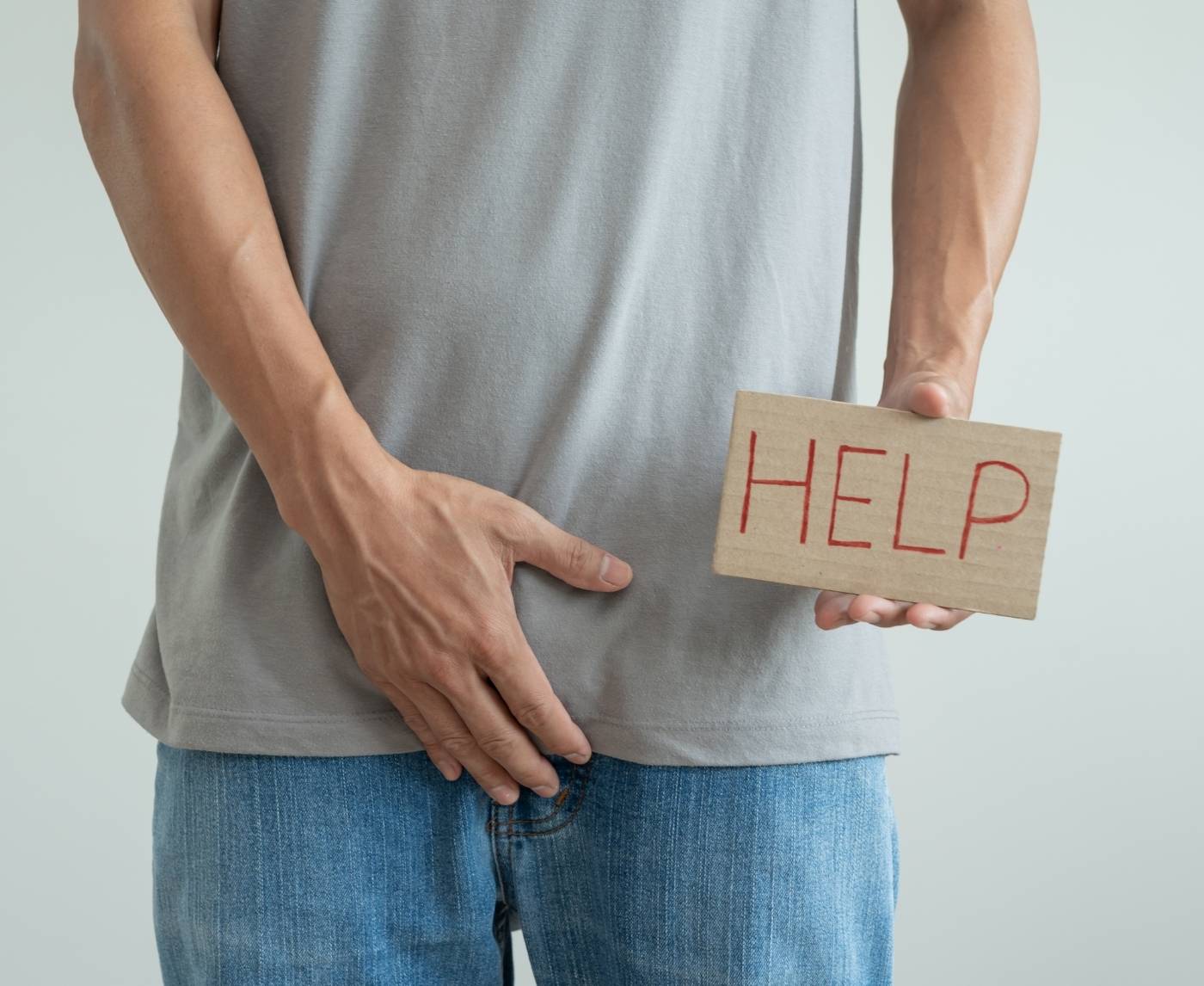

Quick Answer: Most harmless penis bumps are small, painless, and don’t change over time. If it itches, burns, weeps, or multiplies, it’s more likely to be an STD, and you should get tested to know for sure.
When the Bump Isn’t “Just a Bump”
Ty, 27, first noticed the spot while watching TV in boxers. It didn’t hurt. It wasn’t red. Just a raised little dot near the base of his shaft. “I thought it was a pimple or something from shaving,” he told us. He ignored it for two weeks, until it started to sting during sex. By then, it had doubled in size, and another sore had popped up beside it.
This is where things go sideways for a lot of guys. It’s not that men don’t care about their health, it’s that we’ve been conditioned to brush things off. The average delay between noticing symptoms and seeking STD testing in men is over 10 days, and for something like herpes, that delay could mean spreading it to partners without even knowing. Misidentifying a lesion as an ingrown hair or irritation is common, but that doesn’t make it harmless.
STDs like herpes, HPV, and syphilis can all start with visual symptoms on the penis or groin. Sometimes they look like smooth skin-colored bumps. Sometimes they blister or open. Other times they don’t hurt at all. That’s why relying on pain or discomfort as your signal to test is risky. Some infections don’t feel like anything, until they become a lot harder to treat.
The Male Anatomy of Misdiagnosis
Let’s be honest, most of us aren’t trained in dermatology, let alone sexually transmitted infections. But the penis is an area where a lot of stuff can look alarming even if it’s not. Sweat glands, Fordyce spots, pearly papules, even friction burns can mimic STDs.
But here’s where the difference lies: if something new shows up, changes, or comes with other symptoms (like burning when you pee, or pain during sex), it’s not something to just “wait out.” Your skin is telling you something. And if it’s an infection, you don’t want to be the last one to know.
To make it clearer, here’s how harmless bumps compare to ones that should raise flags. This chart won’t diagnose you, but it will help you stop second-guessing and start making a plan.
| Common Penis Bumps | Often Harmless | More Like an STD |
|---|---|---|
| Size & Appearance | Small, skin-colored, doesn't change | Changes shape, color, or spreads |
| Itch, Pain, or Discharge | None or mild irritation | Itchy, painful, weeping, or crusty |
| Timeline | Stable or goes away quickly | Grows, recurs, or worsens over days |
| Trigger | Shaving, friction, heat, sweat | After unprotected sex or new partner |
Figure 1. Bumps that stay the same vs. those that change are a key red flag. STDs often evolve or spread, while harmless conditions usually don't.
What Burning Means (And What It Doesn’t)
Burning can feel like a UTI, a razor burn, or something far worse. For many men, it starts with urination. That first sharp sting sends them spiraling. They ask, “Did the condom break?” or “Was that oral hookup safe enough?” Sometimes there’s no discharge. No smell. Just the burn.
This is exactly how chlamydia and gonorrhea can show up in men, especially within the first one to two weeks after exposure. These infections often cause urethritis, which is inflammation of the tube that carries urine. You may not see pus or feel full-on pain during sex yet, but the burn when you pee is an early symptom that shouldn’t be brushed off.
But here’s the kicker: burning doesn’t always mean an STD. Dehydration, over-washing, certain soaps, or even excessive masturbation can mimic these signs. That’s why relying on guesswork is dangerous. You could overreact, or worse, underreact.
This is where rapid STD testing for men becomes vital. You don’t need to schedule a clinic visit or wait weeks. STD Rapid Test Kits offers fast, discreet options that let you know what’s real and what’s not, before the symptoms worsen or spread to someone else.
Still panicking? You’re not alone. If you’ve had a scare and want clarity, this combo STD test kit checks for multiple infections from home, no awkward questions, no waitlists.

People are also reading: Connecticut’s Hidden Epidemic: Why STIs Are Rising Among High-Income Adults
Herpes, Warts, or Just Razor Burn?
Jordan, 31, still remembers the first time he saw a cluster of blisters near his foreskin. “I thought I’d cut myself shaving. But then they started to tingle. That’s when I lost it.” The truth was, Jordan had just had his first outbreak of genital herpes, a virus that often shows up as small fluid-filled sores, stinging or itching before they appear. The problem? Those same sores can be mistaken for razor burn or pimples, especially in men who shave regularly.
On the flip side, genital warts caused by HPV can be so subtle that many men ignore them. They may be small, flesh-colored bumps that don’t hurt or itch at all. For some, they’re mistaken for skin tags. For others, they blend in until they multiply. That “no big deal” feeling leads to the spread of HPV, which remains one of the most common sexually transmitted infections worldwide.
The bottom line is simple: if you notice new growths, sores, or bumps that linger or change, you can’t count on your eyes alone. Testing is the only way to stop the guessing game and protect your partners.
| Condition | Typical Appearance | Clues That Distinguish It |
|---|---|---|
| Herpes | Blisters or clusters of small sores | Burns, tingles, or hurts before showing up; may crust over |
| Genital Warts (HPV) | Flesh-colored bumps, smooth or cauliflower-like | Painless, may grow slowly or cluster |
| Razor Burn/Ingrown Hair | Red, raised bumps, sometimes with a hair inside | Usually appear after shaving or friction; often resolve quickly |
Figure 2. Common lookalikes for male genital bumps. Even with visual cues, clinical testing remains the only way to be sure.
The Silent STDs: When You Don’t Feel a Thing
Here’s the cruel irony: some of the most dangerous STDs in men don’t announce themselves with bumps or burning at all. Chlamydia and HPV can sit quietly in the body with zero obvious symptoms. Men may feel healthy, look fine, and still unknowingly pass the infection to every partner. This is why the CDC estimates that over half of chlamydia cases in men go undiagnosed each year.
Take Alex, 22, who swore he was clean because he had no symptoms. His girlfriend, however, developed pelvic pain and was diagnosed with chlamydia. Alex got tested only because she insisted, and sure enough, he tested positive. Without her push, he would have continued spreading it unknowingly.
That’s the trap of silence. No symptoms doesn’t mean no STD. If you’ve had unprotected sex, especially with a new or multiple partners, testing is as important as brushing your teeth. You don’t wait for cavities to show before seeing a dentist; same logic applies here.
Testing Timelines: When to Check After a Scare
Say you had a risky hookup last weekend. You’re staring at yourself in the mirror today, five days later, freaking out over every mark. Here’s the tough truth: testing too early can give you a false sense of security. That’s because each infection has a “window period”, the time between exposure and when a test can reliably detect it.
For men, knowing when to test is just as critical as deciding which test to take. Testing too soon may show a false negative, while waiting too long can increase the risk of spreading it. Here’s a practical guide based on current clinical recommendations.
| STD | Best Test Type | Earliest Reliable Detection | Most Accurate After |
|---|---|---|---|
| Chlamydia | NAAT (urine or swab) | ~7 days | 14+ days |
| Gonorrhea | NAAT (urine or swab) | ~7 days | 14+ days |
| Herpes | Viral swab (active sore) / Blood test | Blisters within 4–7 days | Antibodies more reliable after 12 weeks |
| HPV | Visual exam / HPV DNA test (rare in men) | Varies | May not be detectable for months |
| Syphilis | Blood test | 3–6 weeks | 12 weeks |
Figure 3. Window periods for common STDs in men. Timing matters for test accuracy, and follow-up testing is often recommended after the earliest window.
The Stress Of Waiting
You know how it feels to sit in your car outside a pharmacy and think about whether or not to buy an at-home test. The what-ifs are piling up like bricks on your chest. What if it's good? What if someone finds out? What if this messes up your sex life?
These questions are hard, but the truth is that answers are better than panic. It's not just about the results of the test; it's also about getting back in charge. A negative test gives you peace of mind. If you test positive, the next step is clear: treatment, management, and prevention. You win either way by knowing.
That’s why discreet options like at-home combo kits are game-changers for men. No awkward clinic conversations, no waiting rooms, no judgment. Just a few minutes of courage that changes everything about how you sleep at night.
Check Your STD Status in Minutes
Test at Home with Remedium10-in-1 STD Test Kit
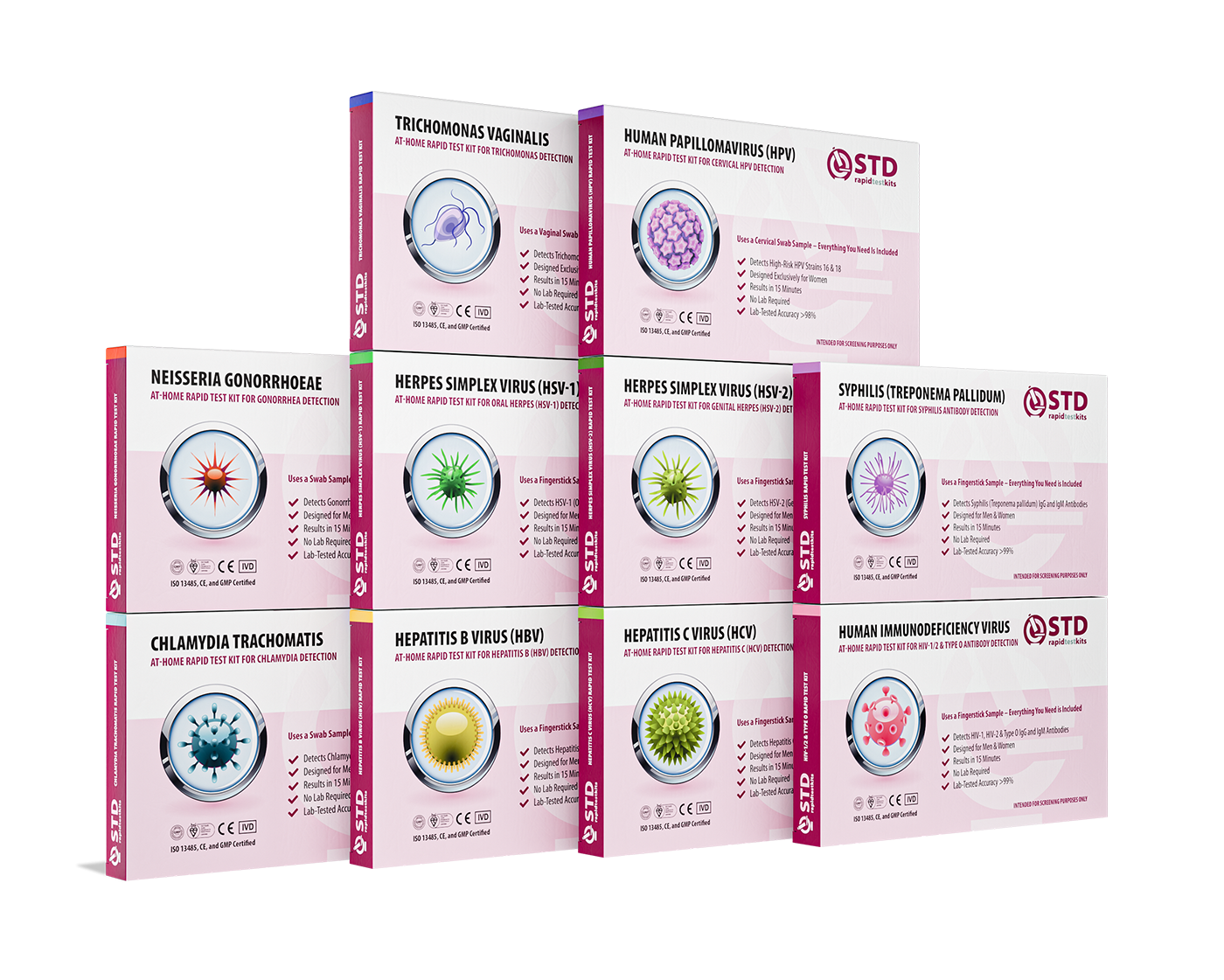
 For Women
 Results in Minutes
 No Lab Needed
 Private & Discreet
Order Now $189.00 $490.00
For all 10 tests
Retesting: Why One Negative Isn’t Always the End
Marcus, 29, tested negative for gonorrhea just five days after an unprotected hookup. Relief hit hard, he thought he was in the clear. But two weeks later, the burning started. A retest came back positive. His story isn’t rare. False negatives happen when you test too soon, and that’s why retesting is a critical part of any STD prevention plan.
Medical guidelines recommend retesting within the “confirmation window,” usually 2–3 weeks after the earliest test, and again at 3 months for infections like HIV or syphilis. Men often skip this step because the first negative feels final. But if you’ve had symptoms, multiple partners, or unprotected sex, a single negative doesn’t always mean you’re clean.
Think of retesting as insurance. It’s not about doubting the first result, it’s about covering the blind spots that early testing can miss. Infections evolve, and the body’s immune response takes time to show up on tests. Being thorough protects you, your partners, and your peace of mind.
Why Partners Deserve to Know
This is the part that makes men freeze. The thought of telling someone you might have an STD can feel worse than the infection itself. But here’s the truth: honesty saves sex lives. You don’t need to deliver a monologue about shame or risk. You just need to keep it simple and compassionate.
Example conversation: “Hey, I found out I may have been exposed to something. I’m getting tested to be safe, and I think you should too.” That’s it. Short, clear, no blame.
Anonymous notification services even exist, so you don’t have to reveal your name if you’re not ready. But silence isn’t protection. By not telling, you risk your partner’s health and your own. Untreated STDs can cause long-term complications, from infertility to systemic illness. Protecting partners is part of protecting yourself.
The Stigma That Keeps Men Quiet
Why do men delay testing? Why do they ignore symptoms? The answer isn’t ignorance, it’s stigma. Society has tied sexual health to morality, and that toxic knot makes men afraid of being judged. “Only dirty guys get STDs.” “Real men don’t worry about that stuff.” These lies keep too many guys in the dark until it’s too late.
But here's the truth: STDs don't care who you are. They don't care about how many partners you have, what kind of person you are, or what kind of vibe you give off. If you're sexually active, whether you're a college athlete or a stay-at-home dad, you're at risk. To end the stigma, we need to realize that getting tested is a sign of strength, not weakness. It's a sign that a person is responsible, cares about their health, and respects the people they sleep with.
People are also reading: The Great Syphilis Comeback: Why This STD Is Surging in 2025
Privacy, Shipping, and the Power of Discreet Care
Discreet testing is a lifeline for men who don't go to clinics because they're afraid, ashamed, or just don't have time. The kits that come to your house don't have any labels on them that say "STD test." It doesn't take long: swab, drop, and wait. You can get answers in 15 to 20 minutes that could save you months of stress.
Shipping usually takes just a few days, and billing is discreet. No one in your household needs to know. The results are yours alone, unless you choose to share them. This level of privacy is why so many men who would otherwise avoid care finally step up. No waiting rooms, no side-eye from strangers, no awkward nurse questions, just a simple, private path to clarity.
And when the anxiety is thick enough to choke you, that kind of control matters. Imagine going from sleepless nights of Googling “STD bump vs pimple” to holding a test result in your hand. The difference is night and day. That’s what discreet testing gives you: not just answers, but freedom.
When the Result Is Positive
Carlos, 35, sat in his car staring at the faint line on his rapid herpes test. He felt the air leave his body. For twenty minutes he didn’t move. Then he realized, this wasn’t the end. It was the start of a plan. He called his doctor, scheduled a confirmatory test, and texted the partner he’d seen most recently. Terrifying? Yes. But within days, he had a prescription, a treatment routine, and peace of mind knowing he wasn’t hiding anymore.
If your result is positive, remember: most STDs are treatable. Chlamydia and gonorrhea are usually cleared with antibiotics. Syphilis too, if caught early. Herpes can be managed with antiviral medication, lowering outbreaks and transmission risk. Even HIV, once considered a death sentence, is now managed with treatment that allows people to live long, healthy lives.
The key is action. A positive result is not a moral failing, it’s medical information. What you do with that information is what matters. Confirm the result with a clinic if needed, start treatment, and protect your partners. Life goes on, and sex does too, but now with knowledge on your side.
FAQs
1. Can penis bumps really just be harmless?
Absolutely. Think about razor burn after a rough shave or sweat bumps after a long run in humid weather. Those aren’t STDs. The trick is that harmless bumps usually stay the same or fade in days. If something grows, spreads, or starts to sting? That’s when you stop shrugging it off and get tested.
2. Do all guys with gonorrhea leak discharge?
Not at all. Some men never see the classic “drip” people joke about. For many, the only clue is a sharp burn when they pee. A few feel nothing at all. That’s why relying on discharge alone is a dangerous bet, you can have gonorrhea without the show.
3. How can I tell herpes from shaving bumps?
Imagine this: you shave on Monday, and by Tuesday you’ve got red dots that fade by the weekend. That’s irritation. Herpes, on the other hand, often tingles or burns before the sores appear, then blisters and crusts. The difference is in the timeline, but honestly, your eyes can lie. Only a test can set the record straight.
4. How soon can I test after a risky hookup?
Think of it like waiting for film to develop. Some infections, like chlamydia, can show up in about a week. Others, like syphilis or HIV, take weeks before a test can catch them. That’s why retesting later is so important. Testing too early is like checking the oven when the cake is still raw.
5. If I feel fine, does that mean I’m safe?
Nope. Silence is the sneakiest symptom of all. Plenty of men walk around with chlamydia or HPV without a single clue. No itching, no pain, no discharge. Feeling fine doesn’t equal being clear, it just means you haven’t looked under the hood yet.
6. Can shaving cause bumps that look like warts?
Yep, and it freaks guys out all the time. Ingrown hairs can puff up into little domes that look suspiciously like warts. The giveaway? Ingrowns usually have a hair trapped inside or they shrink in a few days. Warts stick around like that friend who won’t leave the party.
7. If I test positive at home, am I stuck?
Not at all. A faint line on a test doesn’t mean your life is over. It means you have information, and information is power. Most STDs are easily treatable or manageable. The next step is a clinic visit to confirm and, if needed, get meds. That’s not the end of your sex life. It’s just a plot twist.
8. What really happens if I ignore an STD?
Ignoring it is like ignoring a leaking pipe. It doesn’t fix itself, it just causes bigger damage. Untreated gonorrhea can hurt your fertility. Untreated syphilis can mess with your organs. Even “silent” infections quietly chip away at your health. Fixing it now is always easier than fixing it later.
9. How private are these at-home test kits, really?
Imagine ordering socks from Amazon. That’s how the package looks. No bright labels screaming “STD test.” Billing is discreet too. The results? Yours and yours alone, unless you choose to share. Privacy isn’t a perk, it’s built into the process.
10. Is it cool to have sex while waiting for results?
Honestly? It’s better to wait. Condoms help, but they’re not perfect, especially with skin-to-skin STDs like herpes or HPV. Think of it as hitting pause, not stop. The bed will still be there once you’ve got answers, and sex feels a lot better without that weight in your chest.
You Deserve Answers, Not Assumptions
If you’ve read this far, chances are you’re already carrying some weight in your chest. Maybe you saw a bump this morning. Maybe you’ve been quietly burning after sex. Or maybe you just want to be sure you’re not carrying something silently. Whatever the reason, know this: you don’t need to live in limbo.
Knowledge is power, but more than that, it’s relief. Testing doesn’t define your worth, it protects your future. Whether your result is negative or positive, you win by knowing. Don’t let panic drive your nights or shame stop you from caring for yourself. You deserve clarity, and you can get it in minutes, privately and discreetly.
Don’t wait and wonder, get the clarity you deserve. This at-home combo test kit checks for the most common STDs discreetly and quickly.
How We Sourced This Article: We combined current guidance from leading medical organizations with peer-reviewed research and lived-experience reporting to make this guide practical, compassionate, and accurate. Around fifteen references informed the writing; below, we’ve highlighted six of the most relevant and reader-friendly sources.
Sources
1. Centers for Disease Control and Prevention
2. Mayo Clinic
3. NHS
5. HIV.gov
About the Author
Dr. F. David, MD is a board-certified infectious disease specialist focused on STI prevention, diagnosis, and treatment. He blends clinical precision with a no-nonsense, sex-positive approach and is committed to expanding access for readers in both urban and off-grid settings.
Reviewed by: Dr. A. Malik, MPH | Last medically reviewed: September 2025
This article is for informational purposes and does not replace medical advice.


