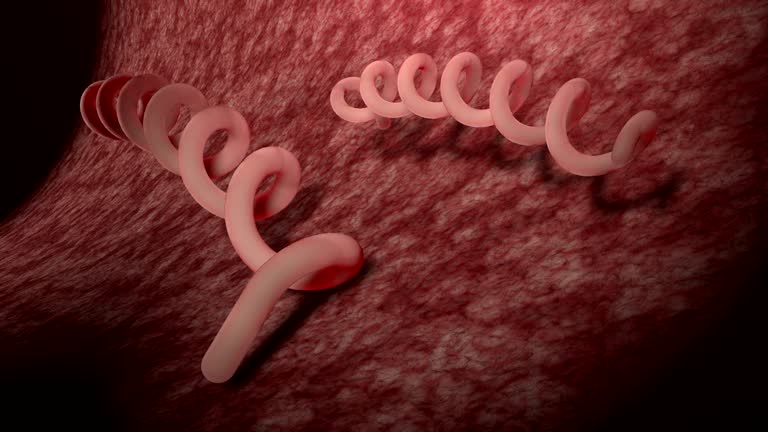
Published: August 2025 | Last updated: May 2026 | Editorial review and quality control: Martina N.
The headlines feel jarring. Syphilis, an infection most readers associate with old medical history, is back in the news because case counts in the United States are higher than they have been in roughly seventy years. The disease never disappeared, but the conditions that kept it under control have eroded. Funding cuts, clinic closures, fewer routine sexual-health visits, and the privacy gaps that come with app-based dating have stacked up since the early 2010s, and the curve has been bending the wrong way.
Most people who land on a page like this because of a worrying skin spot turn out to be fine. Common rashes, irritated hair follicles, and skin reactions to new soaps or fabrics account for the vast majority of "is this an STI?" searches. Syphilis is now common enough, however, that ruling it out with one blood test is faster than staying uncertain.
This article is published by stdrapidtestkits.com, which sells at-home STI testing kits including a rapid syphilis test. The goal here is to explain what is driving the surge, what symptoms look like (because they are often quieter than people expect), how testing works, and where simple personal steps fit into a much bigger public-health picture.
Key Takeaways
- U.S. syphilis cases are at their highest levels in decades, and the first sign is often a painless sore that heals on its own, which is why so many people miss it.
- A blood test confirms infection, and one penicillin injection cures most early cases. Testing now prevents long-term damage to the heart, brain, eyes, and nervous system.
What the data shows
Surveillance reports from the U.S. Centers for Disease Control and Prevention put total syphilis diagnoses at levels not seen since the mid-twentieth century. The trend started accelerating around 2014 and has not meaningfully reversed. Newborns are part of the story too. Congenital syphilis, when a pregnant patient passes the infection to a baby during pregnancy or birth, has climbed in step with adult cases because not every pregnant patient receives the screening that catches it in time.
Globally, the World Health Organization estimates millions of new adult syphilis infections every year. The pattern is not unique to one country or region. It tracks closely with public-health funding decisions, sexual-health-clinic capacity, and how easy it is for ordinary people to get screened without insurance friction or stigma.
Numbers can feel abstract until you connect them with real lives. A missed prenatal appointment in one community, a clinic that stopped offering walk-in testing in another, and a college student who assumes a painless sore must mean nothing in a third all add up. Across thousands of communities, those small delays compound into the trendlines public-health officials publish each year. The fix is not glamorous: more testing, faster treatment, and better follow-up.
Young adults sit at the intersection of risk and opportunity. The late teens and twenties is the age range with the highest infection rates in many regions, and it is also the age range where catching syphilis early is most useful. People in this group are dating, often uninsured or underinsured, and stretched thin on time. Lowering the friction to a single test changes both individual outcomes and the chains of transmission that move through whole communities.
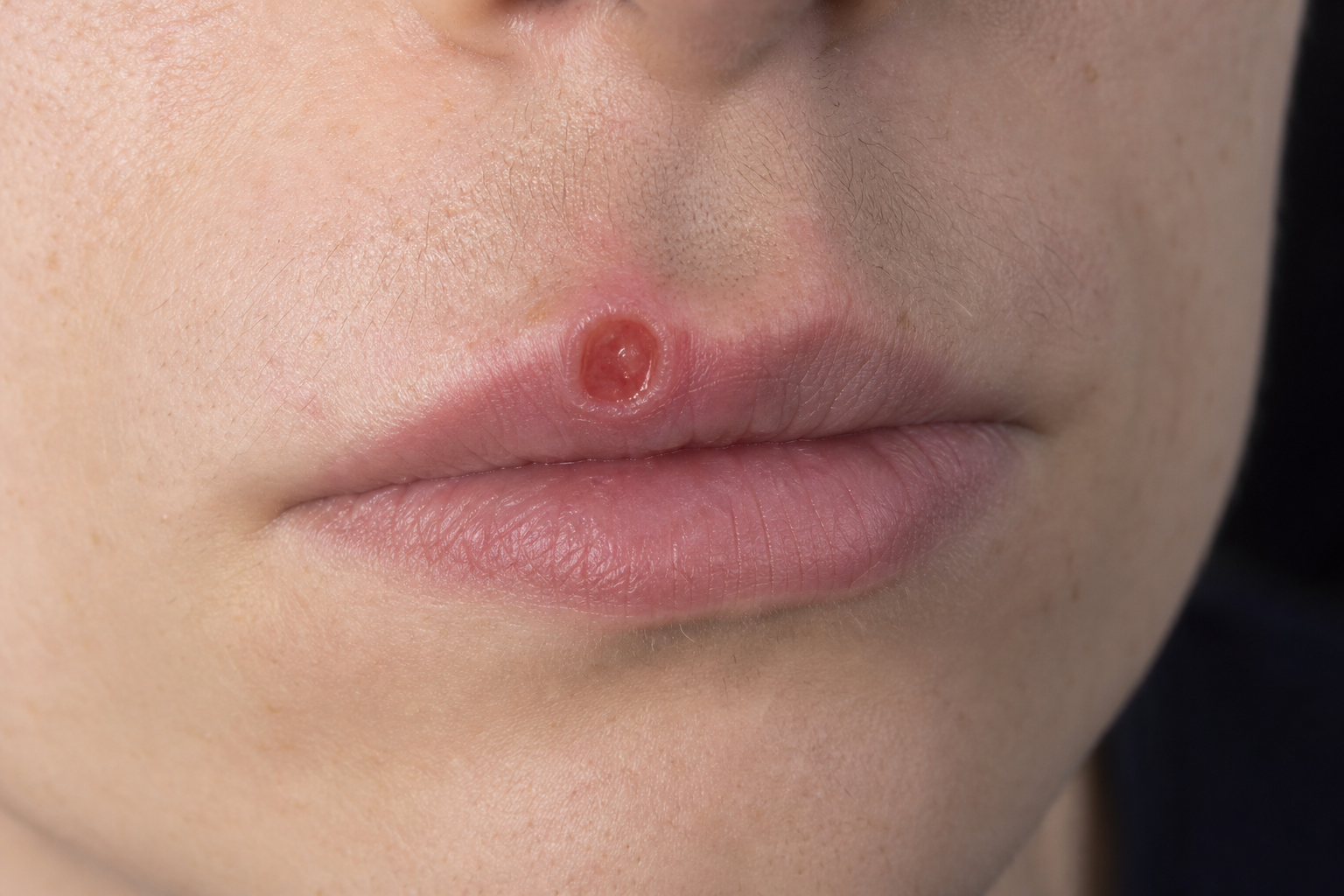
This is not razor burn or eczema
The first stage of syphilis, called primary syphilis, usually shows up as a single sore where the bacteria entered the body. The clinical name for this sore is a chancre. It is typically firm, round, and painless. The painlessness is what trips people up. A sore that hurts gets attention. A sore that does not hurt gets blamed on an ingrown hair, friction from new underwear, or a small skin reaction.
Chancres can sit in places people do not routinely inspect, including inside the mouth, on the cervix, and around the anus. They heal on their own in three to six weeks even without treatment, which is the most dangerous part of this stage. The sore vanishes, but the bacteria do not. Many people never realize a primary chancre happened.
A few weeks to a few months after the chancre heals, secondary syphilis can show up as a rash. The rash often does not itch, which is part of why it gets misread. The classic distribution is on the palms and soles, but it can spread to the torso and limbs. Patchy hair loss, sore throat, low-grade fever, and swollen lymph nodes can come along with it. Because none of this matches the typical mental picture of an STI, people reach for non-STI explanations like a new laundry detergent, a reaction to a hot yoga class, or a virus going around the office.
If you have had new sexual contact (oral, vaginal, or anal) in the past three to twelve weeks and something unfamiliar shows up on your skin, that is the cue to test. (Three to twelve weeks is the typical window for symptoms to appear; antibody-based blood tests can usually detect infection from about three to six weeks after exposure.) The same is true if you notice an unexplained sore that does not hurt. Not waiting for a perfect symptom checklist is the right instinct. Syphilis is famously variable, and delays let it move into latent phases that feel quiet while still doing slow damage.
The reassuring part is that early syphilis is straightforward to cure. A single antibiotic injection clears most early-stage infections. Earlier is better, but even later stages have established treatment paths.
A painless sore that heals, a non-itchy palm or sole rash that comes and goes, then weeks of feeling vaguely unwell. Each piece is easy to write off in isolation. The sequence, in someone with a recent new partner, is the case worth testing.
A composite scenario, not a real patient
Sexual-health educators describe a pattern that turns up over and over in their case logs. The shape of the story is familiar enough that it is worth walking through, because it captures how a treatable infection so often becomes a serious one. The scenario below is a composite based on the kinds of cases public-health writers see most. It is not a single real patient.
Picture a 24-year-old graduate student. She starts seeing someone new in late spring. Two months later she notices faint pinkish spots on her abdomen and a few on her palms. She blames a hot yoga class, switches detergents, and keeps moving. After graduation she feels wiped, with a sore throat that lingers. The campus clinician runs a strep test, finds nothing, and recommends rest.
A week later the rash creeps to the soles of her feet. A friend with more sexual-health knowledge nudges her toward an STI panel. The syphilis blood test comes back positive. She starts antibiotic treatment within days. The rash fades, her energy returns, and her partner gets tested too. The hardest part of the whole experience is letting go of the assumption that a real infection has to hurt.
That assumption is the most common reason people miss syphilis. Painless does not mean safe. A non-itchy palm rash with a recent new partner in the last three months is worth one blood draw, even when every other symptom seems trivial.
A painless chancre that healed on its own, a rash that did not itch, a few weeks of vague fatigue. Every step felt mundane in isolation. The sequence, with a new partner in the last three months, is the case where one blood draw changes everything.
Why young adults are getting hit hardest
Young adulthood today is a mix of joyful freedom and real friction points that work against routine sexual-health care. Insurance gaps are common between college plans and first jobs. Privacy concerns get tangled up with parental policies. Schedules are crammed. Sex education in many schools is partial or absent, leaving people to piece together what they know from social media and friend networks.
App-based dating compresses social networks. A single new infection can move through a tight cluster of contacts much faster than it would have in earlier eras of slower introductions. Many campuses and workplaces rely on appointment-only sexual-health services that create waitlists just long enough to discourage walk-ins.
Stigma adds another layer. If you are worried about being judged, or you have had a dismissive medical encounter before, you may avoid care until symptoms feel undeniable. By then the chancre is gone, the rash has faded, and the infection has moved into a stage where the body is not screaming about it. Stigma falls especially hard on people who already face racism, transphobia, homophobia, or language barriers in healthcare settings, where trust and access are not a given.
The fix is not scolding people for their choices. The fix is removing barriers to testing through walk-in clinic hours, affirming and trauma-informed clinicians, free or low-cost screening programs, and discreet at-home options for readers who cannot make a clinic visit work. When the path to a test feels short and safe, more people take it sooner, which is what brings community-level infection counts down.
Why clinicians sometimes miss it
Clinicians are human, and busy clinics mean fast differentials. A painless sore gets labeled folliculitis. A non-itchy palm rash gets tagged contact dermatitis. If a patient does not bring up sexual history voluntarily, or if the clinician does not ask in a way that invites honesty, syphilis can slip through. The infection earns its old nickname of the great imitator. Symptoms wax and wane, and by the time a patient is in the exam room the chancre may have healed and the rash faded.
This is why a normal lab panel should not be the end of the story if your gut says otherwise. Ask for a syphilis test by name, or request a full STI panel that includes it. If you are pregnant or might become pregnant, screening is critical early in pregnancy and again later in pregnancy per CDC treatment guidelines. Catching the infection early prevents congenital cases, which are among the most preventable tragedies in sexual health.
Reflex testing helps. Many labs now use algorithms that automatically run a confirmatory test when an initial screen comes back reactive, which speeds up the path to treatment. Public-health tools are improving. The remaining piece is getting samples into the pipeline in the first place.
Ask for a syphilis test by name, or request a full STI panel that includes it. Clinicians respond to direct requests, and naming the specific test removes the ambiguity that lets a borderline differential go untested.
How syphilis actually transmits
Syphilis spreads through direct skin-to-skin or mucous-membrane contact with a sore during vaginal, anal, or oral sex, and it can pass from a pregnant patient to a baby during pregnancy or at birth. Condoms reduce risk substantially when they cover the area where the sore is, but a chancre on a part of the genital area not covered by a condom can still transmit. That is not a reason to skip condoms. It is a reason to pair barrier protection with regular screening when you have new or multiple partners.
Oral sex counts. Casual kissing alone is not a typical route, but a chancre on a lip or in the mouth during oral contact can absolutely transmit syphilis. That detail trips up risk assessments because oral sex feels intuitively lower-risk than other contact, and many people do not consider oral exposure when they think about whether to test.
Active syphilis ulcers also raise the stakes for HIV. An open chancre breaks the mucosal barrier and substantially increases both the chance of acquiring HIV from an infected partner and, for someone living with HIV, the chance of transmitting it. Anyone testing for syphilis after a possible exposure should consider HIV testing in the same visit. The two infections move together often enough that the CDC recommends co-testing as standard practice.
Window-period math matters. Antibodies do not appear instantly. A blood test taken too soon after exposure can read negative even though the infection is incubating. Clinicians sometimes ask patients to retest two to four weeks later when suspicion is high. That is not a system failure. It is how careful diagnosis works when the infection's biology has built-in lag time.
The practical takeaway combines barrier protection when relevant, honest conversations with new partners, and a testing rhythm that matches your actual sex life rather than the version you think a clinician wants to hear. Telling your clinician the actual exposure history leads to faster, more accurate testing decisions.
Active syphilis ulcers break the mucosal barrier and substantially increase HIV acquisition risk for someone exposed, and increase HIV transmission risk for someone already living with the virus. The CDC recommends syphilis and HIV testing in the same visit when there is a recent possible exposure.
What testing actually looks like
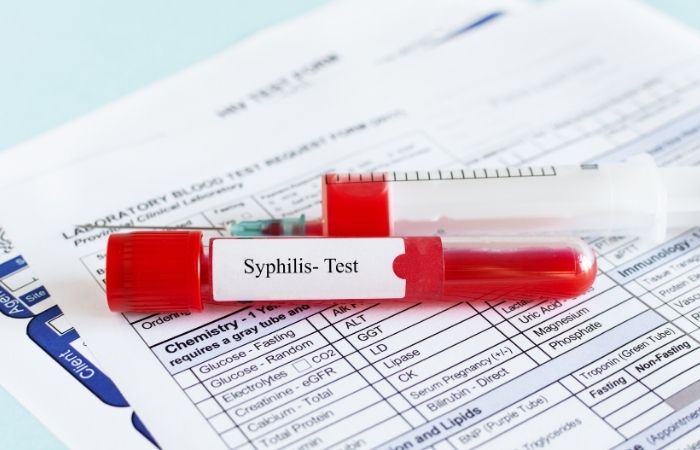
Most syphilis testing uses blood. The standard pathway is a screening blood test followed by a confirmatory test if the screen comes back reactive. This sequence catches both active and past infections and tells the clinician whether a treatment course is needed. If a visible sore is present, a swab from the sore can directly detect the bacteria at that site, but the most common path for adults without a visible sore is bloodwork.
There are several routes to that blood test. A primary-care clinician can order one as part of a routine STI panel. Community-health centers and dedicated sexual-health clinics often offer same-day or low-cost testing. Some states have public-health programs that cover STI testing without insurance. Pharmacy-based testing is expanding in some regions. And at-home rapid testing has become a common option for readers who want privacy and speed.
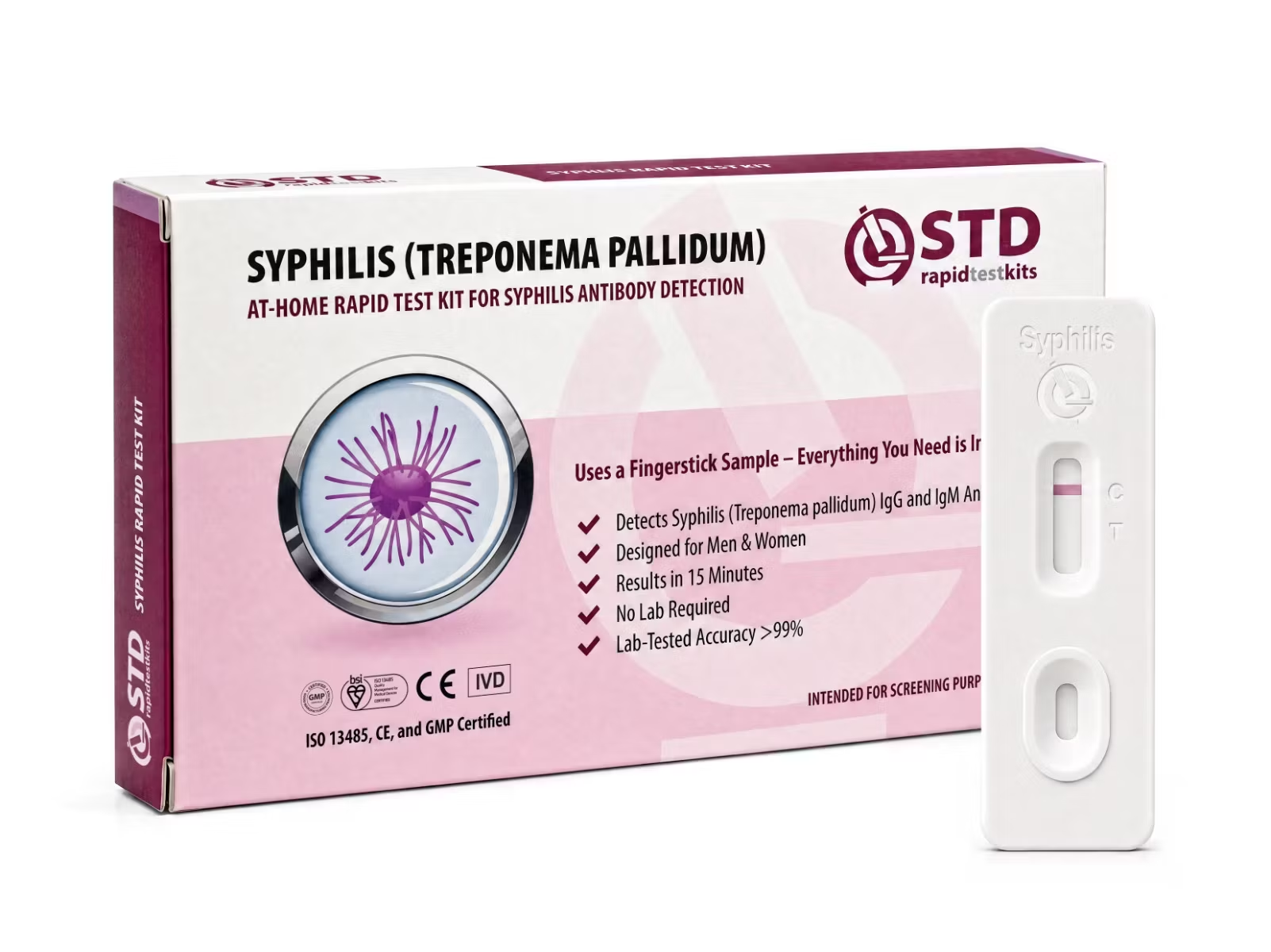
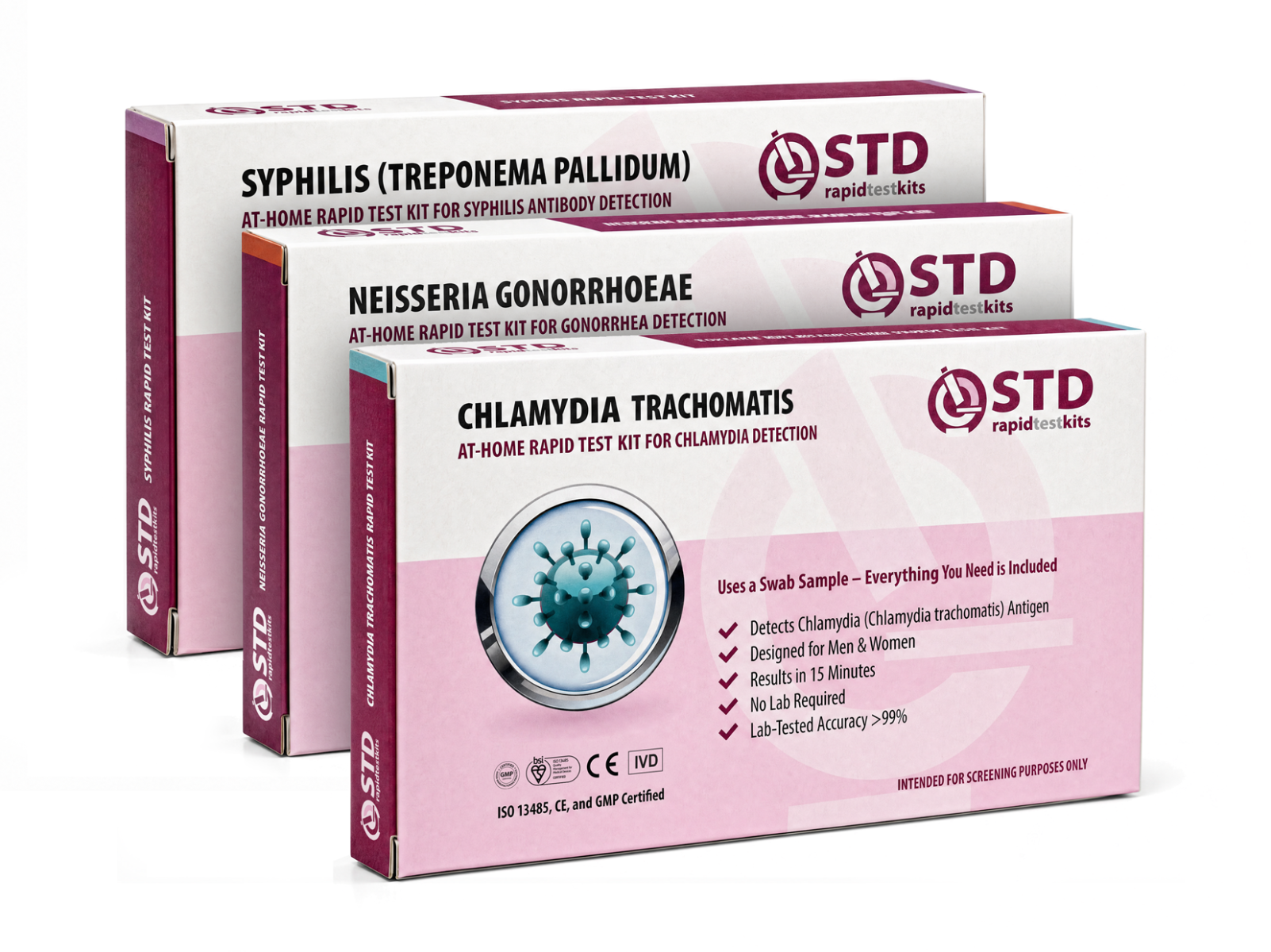
The at-home rapid syphilis test sold on this site is a fingerstick blood test using lateral-flow chemistry. It detects antibodies the body raises against the infection. A positive result is meaningful and is worth confirming at a clinic or with a follow-up laboratory test, because confirmatory testing distinguishes active from past infection and guides treatment timing. A negative result is reassuring when taken outside the early window period, but a recent exposure may need a repeat test a few weeks later. Lab-based screening uses different chemistry (often enzyme immunoassay or RPR) and is the right next step after any reactive at-home result.
After results, treatment is straightforward when indicated. If a test is positive, partner notification is part of the standard care path so anyone exposed can also test and treat. Many clinics offer partner-notification services that help with the hard part of telling people.
According to the <a href="https://www.cdc.gov/std/syphilis/" target="_blank" rel="noopener">CDC syphilis fact sheet</a>, untreated syphilis can cause serious health problems, including damage to the brain, eyes, ears, heart, and nervous system. The agency notes that timely antibiotic treatment cures the infection and prevents these long-term complications.
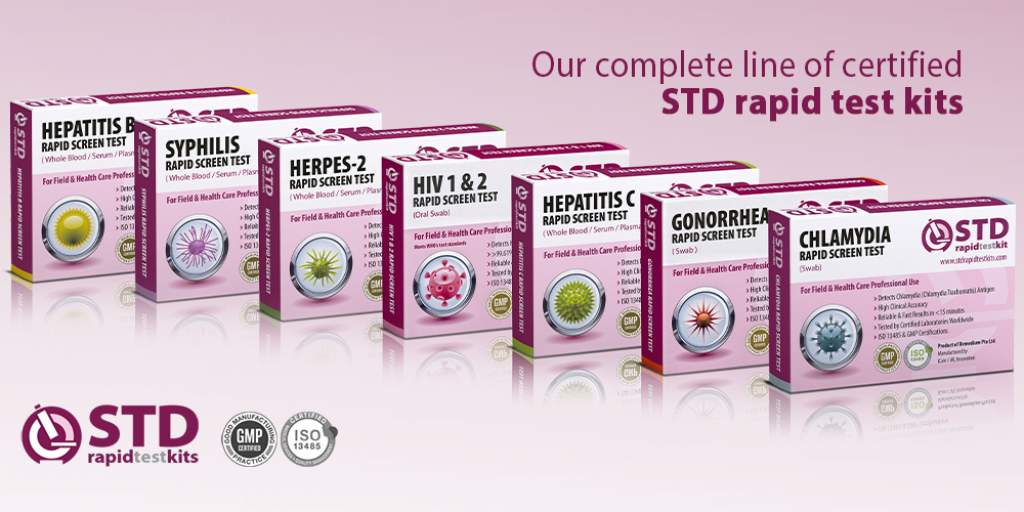
Treatment is fast, effective, and usually one shot
The standard, first-line treatment for syphilis is an intramuscular injection of penicillin G benzathine. For early-stage syphilis (primary, secondary, or early latent), one injection is often the entire treatment. Late-latent syphilis or syphilis of unknown duration typically gets three weekly doses. Neurosyphilis, ocular syphilis, and otosyphilis require a longer intravenous regimen because the antibiotic needs to reach the central nervous system at adequate concentrations.
Penicillin allergies complicate the picture. Some alternatives exist for non-pregnant adults with mild allergies, but they are not as universally effective and often require closer monitoring. For pregnant patients with penicillin allergy, the recommended approach per CDC guidance is desensitization in a clinical setting, because penicillin is the only treatment proven to prevent transmission to the baby.
Side effects from treatment are usually mild. The injection site can be sore for a day or two. Some patients develop a brief reaction within hours of the first dose called the Jarisch-Herxheimer reaction. It looks like a flu (fever, chills, headache, muscle aches) and is caused by bacteria dying off and releasing inflammatory products. It is uncomfortable but temporary and is taken as a sign the antibiotic is working.
Follow-up testing is the part people sometimes skip but should not. Repeat blood tests at six and twelve months (and longer for some cases) confirm that the infection has cleared. Past treatment does not protect against re-infection, so anyone who continues to be sexually active should keep up regular screening, and re-infection is treated with the same first-line regimen.
Latent syphilis shows no obvious symptoms but is still detectable by blood test and is still transmissible to a fetus during pregnancy. Years of silence are not evidence the infection has cleared on its own. A single blood draw resolves the question.
Latent syphilis: when silence is a symptom
After the secondary stage, untreated syphilis enters latency. Latent syphilis has no obvious symptoms and can last for years. The bacteria are still present, and a blood test will still detect the infection. Without treatment, a portion of latent cases progress to tertiary syphilis years or decades later. Tertiary disease can damage the cardiovascular system, the central nervous system, the eyes, the ears, the skin, and the bones.
If you ever had an unexplained painless sore or a non-itchy rash that resolved on its own and you never got tested, it is reasonable to test now. Latent infection is still detectable and still treatable even years later. The blood test does not care how much time has passed. A simple draw can either give you peace of mind or, if positive, get you on a treatment path that prevents the late-stage complications.
Long-term couples who share testing histories openly and screen periodically remove a hidden variable from the relationship. If one partner has untreated latent syphilis from before the relationship started, periodic screening is what catches it.
A single blood test detects latent syphilis regardless of how long ago the original exposure happened. Whether the chancre was three months ago or three years ago, the antibody test gives the same answer. Treatment in latency still prevents the long-term organ damage of tertiary disease.
The systemic reasons syphilis came back
Personal choices are not what brought syphilis back. Funding cuts to public-health departments and STI programs over the past two decades reduced outreach campaigns, closed clinics, and shrank the workforce needed to do contact tracing. Sexual-health programs were already running on tight budgets in 2010. By the early 2020s many states had less per-capita STI program funding than they had in 2003, adjusted for inflation. Less funding meant fewer touchpoints with at-risk populations, and the bacteria filled the gap.
Health-care inequity is the second piece. Syphilis rates are higher in Black, Indigenous, and Hispanic communities. The reasons are structural, including fewer accessible clinics, fewer providers nearby, longer travel times, language barriers, a long history of medical mistrust grounded in real past harms, and insurance plans that do not always cover preventive screening. These are not character problems. They are infrastructure problems, and they respond to infrastructure solutions.
Misinformation accelerates everything else. People who do not trust the source of public-health guidance are slower to test, slower to take results seriously, and more likely to skip follow-up. Online communities sometimes amplify wrong claims about transmission, treatment, or testing accuracy.
The encouraging news is that the levers that worked in the 1990s still work now. State-level free testing programs are expanding in some regions. Sex education is being restored in some districts. Mail-order testing and at-home rapid testing have closed real access gaps. Maternal-screening rules are being strengthened to catch congenital cases earlier. None of these solutions are flashy. All of them work when implemented at scale.
You deserve answers, not assumptions
The 2025 syphilis surge is a reminder that sexual health is never finished business. Infections shift, public-health capacity rises and falls, and stigma still slows people down. But the tools available to ordinary readers have never been better. Whether the trigger is an unexplained sore, a partner's history that you are not sure about, or simply a routine check-in after a new relationship, the right step is the same. Test.
Testing is not a referendum on anyone's character. It is a quick piece of information that either confirms there is nothing to act on or starts a treatment path that, in most cases, ends with one antibiotic injection.
1. Check your timing. Antibody-based blood tests are most reliable from about three to six weeks after a possible exposure.
2. Choose a route. A primary-care clinician, sexual-health clinic, community-health center, or at-home rapid kit all work.
3. Confirm any reactive at-home result at a clinic or laboratory before starting treatment.
Frequently asked questions
- Can syphilis go away on its own?
- The bacteria stay in the body even after the visible signs disappear. Primary chancres and secondary rashes often resolve without treatment, but the infection moves into latent stages and can cause organ damage years later. Antibiotic treatment is the only thing that clears it.
- How soon after exposure can I test for syphilis?
- Most antibody-based blood tests can detect syphilis from about three to six weeks after exposure. If your test is taken earlier than that, a repeat test a few weeks later is recommended when suspicion is high.
- Is syphilis only spread through sex?
- Vertical transmission during pregnancy or birth is a second important route, which is why prenatal screening matters so much. Sexual contact, including vaginal, anal, and oral sex with someone who has an active sore, is the dominant route otherwise.
- Does syphilis always cause a rash?
- No. Some people never develop a noticeable rash, and others have one briefly without recognizing it. The classic palms-and-soles rash often does not itch, which is why it gets confused with non-STI causes.
- Can I get syphilis from kissing?
- Casual kissing alone is not a typical route. However, a chancre or other infectious sore in or around the mouth during oral contact can transmit syphilis.
- How well does treatment work?
- Penicillin G benzathine is highly effective. Most early-stage cases are cured by a single intramuscular injection. Later stages take more doses, and neurosyphilis takes a longer intravenous course.
- What happens if syphilis is untreated?
- Untreated syphilis can damage the heart and blood vessels, the brain and nervous system, the eyes, the ears, and the bones. Late-stage complications can be life-threatening, but they are preventable with timely treatment.
- Can I test for syphilis at home?
- A small fingerstick blood sample is what an at-home rapid kit uses, and the antibody read takes about fifteen minutes. That makes home kits a workable first step when a clinic visit is not realistic. Any reactive at-home result should be followed up at a clinic or laboratory before treatment.
- U.S. Centers for Disease Control and Prevention. Syphilis: Detailed Fact Sheet. Stages, symptoms, transmission, congenital syphilis, and testing pathways.
- U.S. Centers for Disease Control and Prevention. Sexually Transmitted Infections Surveillance. National-level case-count and trend data, including congenital syphilis.
- U.S. Centers for Disease Control and Prevention. Sexually Transmitted Infections Treatment Guidelines. Penicillin regimens, allergy management, and pregnancy guidance.
- World Health Organization. Syphilis fact sheet. Global incidence estimates and prevention guidance.
- National Health Service (UK). Syphilis. Symptom recognition, testing, and treatment overview for general readers.
