






Quick Answer: Razor burn usually shows up hours after shaving and fades within days; genital warts develop slowly, are usually painless, and don't go away without treatment. If the bumps persist, change, or multiply, get tested.
Why This Question Matters More Than You Think
For anyone who shaves, trims, or waxes, irritation down there isn’t rare. But when that irritation overlaps with sexual contact, uncertainty creeps in. What’s normal skin response, and what’s a warning sign?
Taylor, 27, remembers exactly when the doubt hit. “I had just shaved and hooked up with a new partner that weekend. A few days later, I noticed these tiny bumps, flesh-colored, not painful. I figured I’d nicked myself. But they didn’t fade. They actually seemed to multiply.”
Like Taylor, many people sit in this space of confusion, sometimes for weeks, before seeking answers. And it’s not just about symptoms. It’s about shame, stigma, and fear. The idea that something might be “wrong” with your genitals strikes deep. That’s why this article doesn’t just compare symptoms. It offers clarity, context, and a way forward.
This Isn’t Just Razor Burn, And Here’s Why
Let's be honest about how razor burn really looks. Usually, a few hours after shaving, you'll see a group of red or pink bumps that may be itchy or painful. If you went against the grain or used a dull blade, the area might feel warm, irritated, or bumpy. These bumps usually go away in two to four days, especially if you keep your skin moist, don't shave, and don't rub them.
But what if the bumps don't go away? What if they don't itch but instead grow slowly?
Genital warts, which are caused by some strains of the human papillomavirus (HPV), look different. They are usually the color of flesh or a little lighter and often come together in groups that look like cauliflower or have a smooth, dome-like shape. Most of the time, they don't hurt or itch like razor burn does, and they don't go away on their own.
It’s easy to dismiss these as skin tags or “just a bump.” But timing and evolution matter. Razor burn reacts fast. Warts emerge slowly, often weeks to months after exposure.
Visual and Sensory Clues: A Side-by-Side Breakdown
Because both conditions show up in the same areas, labia, scrotum, groin, inner thighs, it helps to see how they differ over time. Below is a table comparing the most common features, based on real patient reports and clinical descriptions:
| Symptom | Razor Burn | Genital Warts |
|---|---|---|
| Onset Timing | Within hours of shaving | 2–12 weeks after exposure |
| Appearance | Red or pink bumps, sometimes inflamed | Flesh-toned or white growths, often cauliflower-like |
| Texture | Flat or slightly raised | Soft, lumpy, or smooth depending on location |
| Itch/Burn | Yes, often itchy or sore | Rarely itchy or painful |
| Duration | Clears within 3–7 days | Persists or spreads without treatment |
| Change Over Time | Improves with no contact or shaving | May grow or multiply over weeks |
Figure 1. Comparing the common signs of razor burn vs genital warts based on clinical data and anecdotal patterns.
When Shaving Isn’t the Only Variable
Sometimes the timeline gets muddy. Maybe you shaved, but also had sex. Maybe you used a new soap, then noticed a rash. Or maybe you wore tight, sweaty clothes after the gym. Life is messy, and so is the skin down there.
Luis, 33, brushed off his symptoms for a month. “I had these little bumps on the base of my shaft. They didn’t hurt. I figured it was from trimming or sweating too much. But my partner noticed them, and that’s when I started Googling pictures.”
That’s the trap many fall into, thinking the presence of a razor or trimmer cancels out the possibility of an STD. But genital warts can easily be misattributed to grooming side effects, especially in the early stages. And because they’re not always raised or itchy, they blend into the background until they grow, or spread.
People are also reading: How Risky is Oral Sex? The STD Truth About Spitting and Swallowing
What If It’s an Ingrown Hair or Folliculitis?
Not every bump is a wart, or even razor burn. Ingrown hairs and folliculitis often mimic both, especially after grooming.
Ingrowns happen when a hair curls back into the skin, creating a tender, often pus-filled bump. These usually show up as singular, painful nodules, often with a visible hair trapped beneath the surface. They can become infected, especially in humid areas like the groin.
Folliculitis is inflammation of the hair follicle, often caused by friction, heat, or bacteria. It presents as small red or white pimples around hair follicles, sometimes itchy, sometimes tender, but almost always short-lived with hygiene and care.
Unlike genital warts, both of these conditions have a quick cause-effect cycle: shave → bump → healing. Warts skip the irritation step and appear weeks after the initial trigger (which is usually sex, not shaving).
Still Not Sure? Here’s What Changes the Game
If you’ve made it this far and you're still unsure what you're looking at, here’s the hard truth: the only way to know for sure is testing. Skin-based guessing is unreliable, even doctors sometimes need biopsies to confirm a diagnosis. What you see in the mirror might not match what the virus is doing beneath the skin.
Consider this scene: Maya, 24, felt something rough along her labia while showering. No pain. No itch. Just a textured patch that wasn’t there last month. She ignored it until it doubled in size. The diagnosis? HPV-related genital warts. She never noticed when it started, only when it stopped blending in.
Most people don’t feel their first wart arrive. It’s not like herpes, which often stings or blisters. Warts creep in quietly, often in areas hard to see: the underside of the shaft, the inner labia, around the anus. That’s why routine genital checks, and sexual health tests, are acts of self-care, not shame.
Time and Texture: What Your Skin Is Telling You
The biggest clue is how fast things change. Razor burn usually arrives quickly, think hours, not days. It flares with friction (underwear, sex, sweat) and calms with rest and soothing balms. Warts, on the other hand, build momentum slowly. A single small bump may become a cluster over weeks. Some people don’t notice until they catch a shadow in better lighting or a partner brings it up.
The surface matters, too. Razor burn stings. Ingrown hairs ache. But warts? They’re often painless. They don’t hurt when you touch them. In fact, many people mistake them for skin tags or sweat bumps until they spread. Texture, not tenderness, is the signal.
| Clue | More Likely Razor Burn | More Likely Genital Warts |
|---|---|---|
| Timeline | Appears within 24 hours of shaving | Appears weeks after sexual contact |
| Feel to the Touch | Raw, tender, inflamed | Soft, rubbery, often no pain |
| Change Over Time | Fades within days | May grow or multiply over time |
| Response to Treatment | Improves with aloe, rest, hygiene | Unaffected by over-the-counter creams |
| Location | Where hair is shaved or rubbed | Genital skin, anus, thighs, not always hair-bearing |
Figure 2. Quick texture and timing clues that help distinguish grooming-related bumps from wart development.
Why You Can’t Rely on Photos Alone
If you’ve been scouring Google Images or Reddit threads for visual comparisons, you’re not alone, and you’re not getting the full story. Most online photos are extreme cases. Medical websites often show late-stage or untreated warts, while grooming irritation gets overlooked entirely. Skin tone also plays a huge role in how bumps look, making side-by-side comparison inaccurate across bodies.
Darius, 31, spent hours analyzing grainy photos before deciding to get tested. “Nothing I saw looked exactly like mine. I kept thinking, ‘It’s not cauliflower, so maybe I’m good.’ But I wasn’t. I had flat warts.”
Flat warts, especially in people with darker skin tones, can appear as small, slightly raised patches that blend with surrounding tissue. They don’t always “look” like a wart, but they still spread. That’s why relying on visual comparison is dangerous. A test can tell you in minutes what images never will.
Check Your STD Status in Minutes
Test at Home with RemediumChlamydia Test Kit
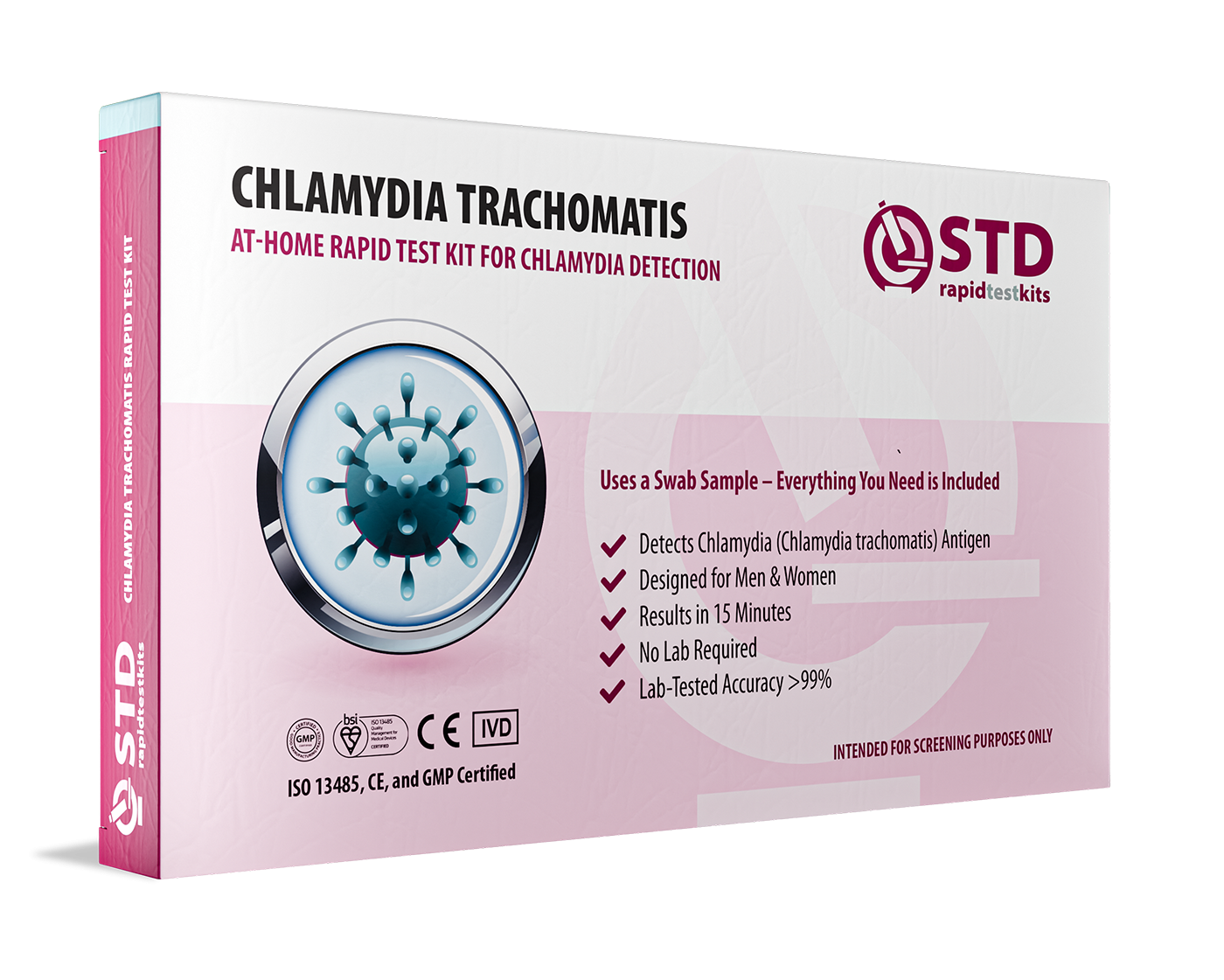
 For Men & Women
 Results in Minutes
 No Lab Needed
 Private & Discreet
Order Now $33.99 $49.00
Testing: When, Where, and Why It Matters
Here’s the part no one tells you: there’s no simple swab or blood test for genital warts. Most diagnoses happen visually, during a genital exam or via photo if you're using telehealth. But that doesn’t mean you’re stuck waiting and wondering. If there’s any doubt, you can test for other STDs that often co-occur with HPV, like chlamydia, gonorrhea, or herpes. A negative result on those may still mean warts, but it gives you clarity, and a reason to see a provider.
Home kits make this easier. They’re discreet, fast, and FDA-approved for many infections. A combo STD test won’t detect warts directly, but it can rule out other causes, and give you peace of mind or a path to treatment.
If you’re avoiding the clinic because of embarrassment or access, know this: you’re not alone. Testing doesn’t mean you’ve “done something wrong.” It means you care enough about yourself, and your partners, to get answers. That’s powerful.
This at-home combo test kit screens for multiple infections from a single sample. No appointments. No awkward explanations. Just facts.
But I’ve Been With the Same Partner, Could It Still Be Warts?
This is one of the most emotionally loaded questions we hear. And the answer isn’t what people want, but it’s what they need: yes. HPV, the virus that causes genital warts, can live in the body silently for months or even years. That means even if you've been monogamous, or even celibate for a long time, a new wart doesn’t necessarily mean a new exposure. It might be something that’s been dormant since a previous partner.
Ana, 35, was in a committed relationship when her gynecologist noticed a small wart during a routine exam. “I was devastated. I thought it meant someone cheated. But my doctor explained that HPV can lie low for years without showing signs. That changed everything.”
Shame shouldn’t be part of your symptom journey. STDs aren’t morality tests. They’re infections, often passed between loving, careful people doing their best. Knowing that can shift the whole emotional landscape around testing.
What If I Shaved Over a Wart?
This situation makes people really scared, and for good reason. If you shaved over a wart without knowing it, there's a small chance that you could spread it to nearby skin through tiny cuts or irritation. This is called autoinoculation, and even though it's not common, it has been documented by doctors. This is another reason why you should check out any bumps that keep coming back or are strange before your next grooming session.
Shaving can also make warts harder to identify. Cuts and redness mask texture, and healing skin may hide the unique shape of the wart. That’s why dermatologists often recommend pausing shaving or waxing if you're unsure what’s on your skin.
If you've already shaved and now suspect a wart, don't panic. You haven't guaranteed a spread, but you should avoid further shaving until a diagnosis is clear. A professional can help freeze or treat the area if needed.

People are also reading: STD 101: The Most Common Sexually Transmitted Diseases You Shouldn’t Ignore
At-Home Care vs Clinical Treatment
If it’s razor burn or an ingrown, home care is often enough. Warm compresses, unscented moisturizers, and avoiding friction usually do the trick. But genital warts won’t respond to over-the-counter creams, aloe, or witch hazel. They need targeted treatment, either topical prescriptions, cryotherapy (freezing), or cauterization (burning off).
Waiting won’t make them disappear. In some cases, warts fade temporarily if the immune system suppresses the virus, but they often return. Early treatment reduces the risk of spreading HPV to partners, even with condom use.
Here’s a comparison of how long each condition typically lasts and what treatments work best:
| Condition | Typical Duration | Effective Treatments |
|---|---|---|
| Razor Burn | 3–7 days | Rest, moisturizers, avoid shaving |
| Ingrown Hair | 3–14 days | Warm compress, tweezing (carefully), hygiene |
| Genital Warts | Weeks to months | Cryotherapy, prescription creams, laser removal |
Figure 3. Average duration and treatment methods based on clinical best practices for common genital skin conditions.
Why You Might Want to Test Anyway
Even if you're 90% sure it's razor burn, testing is still worth it, especially if you’ve had new partners, symptoms keep recurring, or you’ve never been tested before. That peace of mind can’t be overvalued. It stops the endless spiral of mirror-checking, Googling symptoms, and second-guessing every twinge or itch.
Home tests are designed for moments like these. You can order discreetly, swab or collect a sample on your own time, and know that no one’s judging you. And if something does come back positive, you’ll have a path forward, not just anxiety.
Explore all STD Rapid Test Kit options here. Testing doesn't mean you're dirty. It means you're taking control.
FAQs
1. Can razor burn last longer than a week?
Not usually. If it’s still hanging around after seven days, and especially if the bumps haven’t faded or have multiplied, it’s time to stop blaming your razor. Razor burn calms down with rest and moisturizer. If the area’s still bumpy, textured, or growing, you’re likely looking at something else.
2. Do genital warts itch?
Sometimes, but not like you’d expect. They’re usually sneaky, not screaming for attention. Most people don’t feel a thing. No pain, no sting, just a quiet bump that suddenly exists. That’s what makes them tricky, they don’t demand notice until they’ve settled in.
3. Can you get genital warts if you always use protection?
Unfortunately, yes. Warts are caused by HPV, and that virus lives on skin, not just fluids. Condoms help, but they don’t cover everything. So if your partner has a wart near the base of their penis or on the vulva, transmission can still happen, even with perfect condom use.
4. How can I tell if it’s a wart and not just an ingrown hair?
Great question, because they can look eerily similar at first. But here’s the trick: ingrown hairs usually hurt a bit, and you can often see a hair trapped inside. Warts don’t have that core. They’re soft, flesh-toned, and just... sit there. No pain, no pus, just chill little invaders.
5. Can I keep shaving if I have a wart?
Honestly? It’s better to hold off. Shaving over a wart can irritate the area or even spread the virus to nearby skin. Think of it like mowing over a dandelion, you don’t want those seeds going anywhere. Let a provider take a look before your next trim.
6. Will genital warts go away on their own?
Maybe, but don’t count on it. Some people’s immune systems suppress the virus and the warts shrink. But in most cases, they stick around or come back. Getting them treated isn’t just about looks, it lowers your risk of spreading HPV to future partners.
7. What if there’s only one bump?
One bump can still be a wart. Or a pimple. Or a skin tag. The number doesn’t matter as much as how it behaves. If it sticks around longer than a week, changes shape, or starts multiplying, don’t ignore it. One bump is all it takes to raise a red flag.
8. Is there a way to test for genital warts at home?
Not exactly. There’s no swab or blood test for warts right now. They’re diagnosed visually, either in person or through a photo sent to a provider. But you can test for other STDs at home, and that alone can help rule out other causes of bumps or irritation.
9. What if my partner has warts but I don’t see anything on me?
That doesn’t mean you’re in the clear. HPV can live silently for months before showing up. It’s totally possible to carry the virus and not have visible warts (yet). That’s why it’s smart to get checked, even if everything looks “normal.”
10. Do I need to tell my partner if I have a wart?
Yeah, you do. It’s not about shame, it’s about honesty and care. HPV is super common, and having a wart doesn’t mean you’ve done anything wrong. Let them decide what feels right for them. Most people will appreciate the honesty way more than you expect.
You Deserve Answers, Not Assumptions
Worrying about your skin isn't shallow. It’s human. Whether it’s from shaving, sweating, or something more, you deserve clarity. Genital warts can be silent for months. Razor burn can mimic infections. And anxiety doesn’t wait for confirmation, it fills the gaps with worst-case scenarios.
But you don’t have to guess. You don’t have to Google at 2AM, comparing photos and spiraling. Testing exists for a reason, to replace fear with facts. And if the result is clean? Even better. Relief is just as powerful as treatment.
Don’t wait and wonder, get the clarity you deserve. This at-home combo test kit checks for the most common STDs discreetly and quickly.
How We Sourced This Article: We combined current guidance from leading medical organizations with peer-reviewed research and lived-experience reporting to make this guide practical, compassionate, and accurate. In total, around fifteen references informed the writing; below, we’ve highlighted six of the most relevant and reader-friendly sources.
Sources
1. CDC – Genital HPV Infection Fact Sheet
2. Planned Parenthood – Genital Warts
3. Mayo Clinic – Genital Warts Overview
About the Author
Dr. F. David, MD is a board-certified infectious disease specialist focused on STI prevention, diagnosis, and treatment. He blends clinical precision with a no-nonsense, sex-positive approach and is committed to expanding access for readers in both urban and off-grid settings.
Reviewed by: A. Kumar, NP | Last medically reviewed: September 2025
This article is meant to give you information, not to take the place of real medical advice.


