
Published: November 2025 | Last updated: April 2026 | Editorial review and quality control: Martina N.
Sexually transmitted infections (STIs, sometimes still called STDs) spread chiefly through vaginal, anal, or oral sex, and sometimes through skin-to-skin genital contact. The U.S. Centers for Disease Control and Prevention estimates that one in five Americans, roughly 68 million people, has an STI on any given day, and many of those infections cause no obvious symptoms.
This guide covers the seven STIs that account for most U.S. infections: chlamydia, gonorrhea, HPV, genital herpes, syphilis, trichomoniasis, and HIV. For each one, you will learn the symptoms to watch for, the realistic risk if it is left untreated, how it is tested, and where at-home rapid testing fits in alongside the clinic visit you may still need.
What is the difference between an STD and an STI?
Most public-health agencies, including the CDC, now use "STI" (sexually transmitted infection) because not every infection causes overt disease; the terms are largely interchangeable in everyday use. The seven most common STIs in the U.S. are HPV, chlamydia, gonorrhea, genital herpes, trichomoniasis, syphilis, and HIV. Most are detectable through a self-collected swab or a fingerstick blood test, and the bacterial ones are curable with antibiotics.
Key Takeaways
- About one in five Americans has an STI on any given day per CDC, and many cases are silent without obvious symptoms.
- Bacterial STIs (chlamydia, gonorrhea, syphilis, trichomoniasis) are curable with antibiotics; viral STIs (HPV, herpes, HIV) are managed long-term with medication and monitoring.
How STIs spread (and the big seven at a glance)
Each of the seven infections in this guide spreads in slightly different ways, but the core route is the same: contact between mucosal surfaces (genital, anal, or oral tissue) or with infected fluids. Some, like HPV and herpes, spread through skin-to-skin contact even without penetrative sex. HIV and the hepatitis viruses can also spread through shared injection equipment or, less commonly today, through pregnancy, childbirth, and breastfeeding without antiretroviral treatment.
The fastest way to understand the seven is a side-by-side view of how they behave.
| Infection | Type | Common signs (when present) | Curable? | At-home rapid test? |
|---|---|---|---|---|
| Chlamydia | Bacterial | Often silent; discharge, painful urination | Yes (antibiotics) | Yes (genital swab) |
| Gonorrhea | Bacterial | Often silent; discharge, painful urination | Yes (antibiotics) | Yes (genital swab) |
| Syphilis | Bacterial | Painless ulcer, then rash on palms and soles | Yes (penicillin) | Yes (fingerstick blood) |
| HPV | Viral | Often silent; warts, abnormal Pap result | Vaccine prevents most strains | Women only (vaginal swab) |
| Genital herpes | Viral | Painful blisters; often silent | No (antivirals control it) | Yes (HSV antibody blood) |
| Trichomoniasis | Parasitic | Discharge, itching; often silent in men | Yes (antibiotics) | Women only (vaginal swab) |
| HIV | Viral | Flu-like, then years asymptomatic | No (antiretrovirals control it) | Yes (fingerstick blood) |
Chlamydia
Chlamydia is the most-reported bacterial STI in the United States, with about 1.6 million reported cases annually per CDC surveillance. It is caused by the bacterium Chlamydia trachomatis and spreads through vaginal, anal, or oral sex. Around 70% of women and 50% of men with chlamydia have no symptoms, which is why it is often called a silent infection.
When symptoms do appear, they show up roughly one to three weeks after exposure. Common signs in women include unusual vaginal discharge, burning during urination, pelvic pain, or bleeding between periods. Men may notice clear or cloudy discharge from the penis, painful urination, or sore testicles.
Untreated chlamydia in women can ascend into the uterus and fallopian tubes and cause pelvic inflammatory disease (PID), a leading cause of tubal infertility, ectopic pregnancy, and chronic pelvic pain. In men, untreated infection can lead to epididymitis, an inflammation of the tube at the back of the testicle.
The CDC recommends that all sexually active women under 25 be screened annually, along with older women who have new or multiple partners. Treatment is straightforward: a 7-day course of doxycycline cures most infections (a single dose of azithromycin is an alternative). Re-test about three months after treatment, since reinfection from an untreated partner is common.
Chlamydia often has no symptoms, but it can cause serious health problems, even without symptoms. If symptoms occur, they may not appear until several weeks after having sex with a partner who has chlamydia.
Gonorrhea
Gonorrhea is the second most-reported bacterial STI, with more than 600,000 cases reported in the U.S. annually per CDC surveillance data. The bacterium Neisseria gonorrhoeae can infect the urethra, cervix, rectum, throat, and (rarely) the eyes.
Symptoms, when present, usually appear within two weeks. Men may notice a yellow-green penile discharge, burning urination, and testicular pain. Women may have spotting between periods, unusual discharge, or painful urination, but the cervical infection is silent in many women. Rectal infections can cause itching, soreness, or bleeding; pharyngeal infections in the throat are usually asymptomatic.
Untreated gonorrhea causes the same complications as chlamydia: PID, infertility, and chronic pelvic pain in women, and epididymitis in men. It can also enter the bloodstream and cause disseminated gonococcal infection, a rare but serious complication that affects the skin and joints.
The CDC's current recommended treatment is a single 500 mg intramuscular injection of ceftriaxone, with retesting at three months to catch reinfection.
Gonorrhea has progressively developed resistance to nearly every antibiotic used to treat it. Ceftriaxone is currently the last reliable drug class, and resistance to that is rising globally. This is part of why the CDC has tightened treatment guidelines, recommends a higher 500 mg ceftriaxone dose, and urges full partner treatment for every diagnosed case.
Syphilis
Syphilis is a bacterial infection caused by Treponema pallidum. U.S. cases have climbed sharply over the past decade, with the CDC reporting more than 200,000 cases of all stages in 2022.
Syphilis progresses in stages, each with different signs:
- Primary: a single painless ulcer (chancre) at the site of infection, typically appearing 10 to 90 days after exposure. The chancre heals in a few weeks even without treatment, which is why many people miss this stage entirely.
- Secondary: a non-itchy rash often involving the palms and soles, sometimes with fever, swollen lymph nodes, and patchy hair loss, weeks to months after the chancre.
- Latent: no symptoms; only blood tests reveal the infection.
- Tertiary: rare in the antibiotic era but devastating, affecting the heart, brain, and other organs years later.
Untreated syphilis in pregnancy can cause stillbirth, severe birth defects, or congenital syphilis, which is why the CDC strongly recommends syphilis screening at the first prenatal visit and again in the third trimester for higher-risk patients.
Penicillin still cures syphilis at every stage. A single intramuscular benzathine penicillin G shot treats early infections; later stages require multiple doses. Blood tests (RPR or VDRL screening followed by a treponemal confirmatory test) detect both active and past infections.
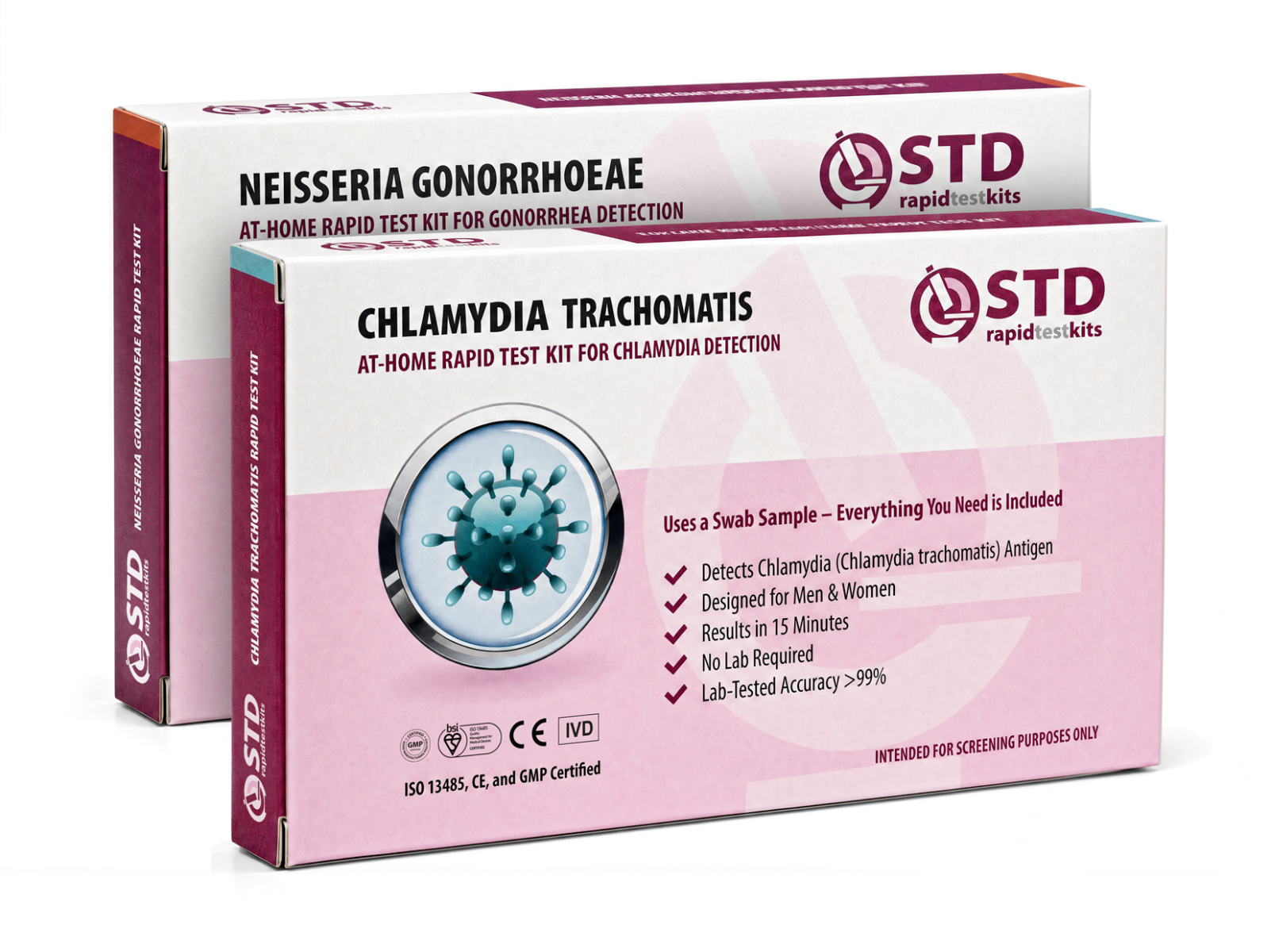
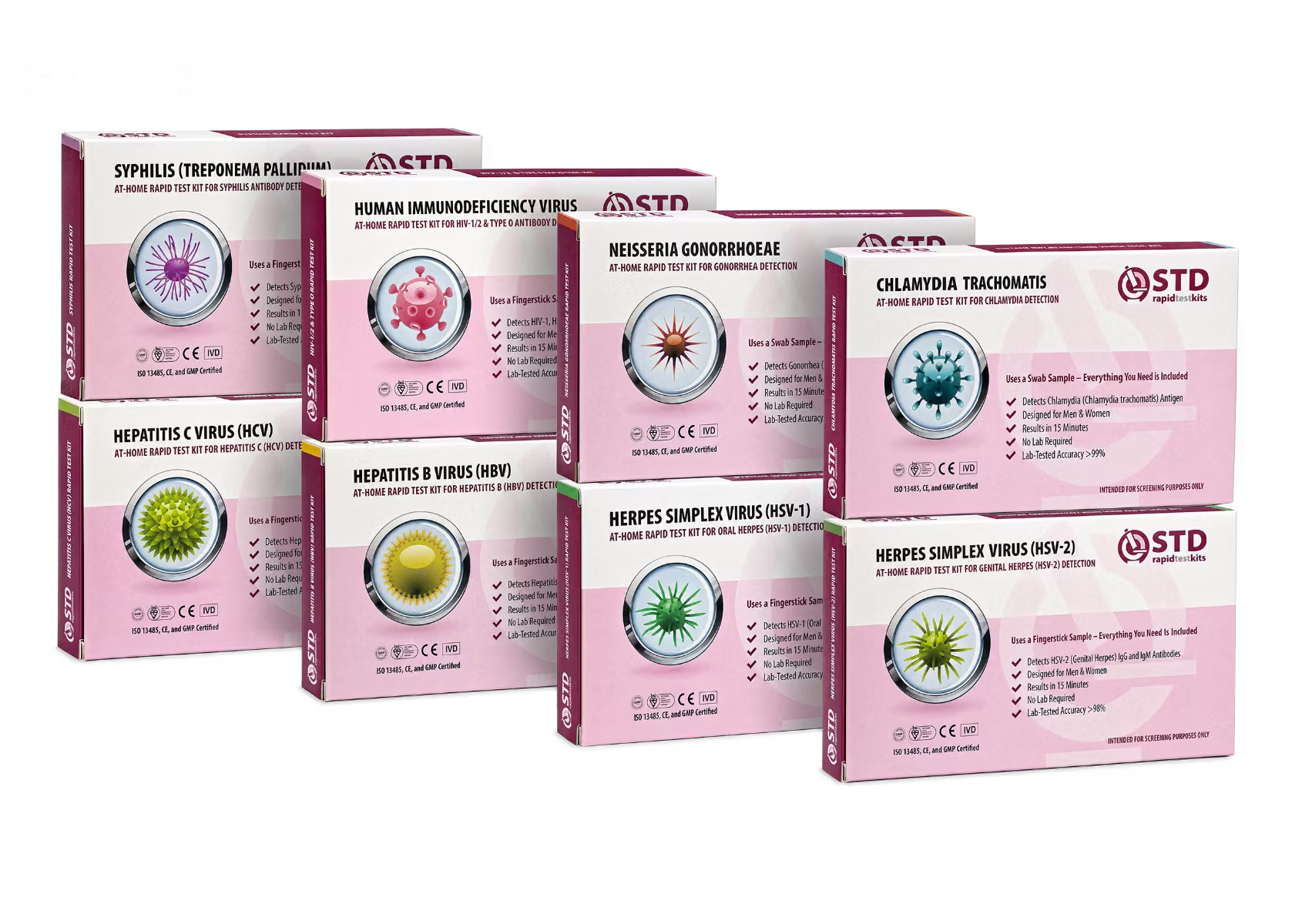
stdrapidtestkits.com sells the at-home rapid tests referenced in the banners below. We recommend kits based on fit for the reader's concern, not commercial benefit, and confirmatory clinic testing is recommended on any positive rapid result.
HPV (Human Papillomavirus)
HPV is the most common STI in the U.S. and worldwide. The CDC reports that nearly all sexually active people who are unvaccinated will get HPV at some point in their lives. There are more than 100 strains; about 14 are considered high-risk for cancer.
Most HPV infections clear on their own within one to two years, with no symptoms and no long-term consequences. Low-risk strains can cause genital warts, which appear as small flesh-colored or whitish bumps. High-risk strains do not cause warts but can lead, years later, to cervical, anal, throat, penile, or vulvar cancers.
The HPV vaccine (Gardasil 9) is the single most effective tool against the strains that cause most HPV-related cancers and warts. ACIP recommends routine vaccination for everyone aged 9 to 26, with shared clinical decision-making available through age 45. Cervical cancer screening (Pap test, HPV DNA test, or co-testing) remains essential for women, since HPV vaccination does not cover every oncogenic strain.
A note on at-home HPV testing: our self-collected vaginal swab kit is validated for women only. Male readers concerned about HPV should see a clinic, since no FDA-cleared at-home HPV test exists for men.
Per CDC, nearly all unvaccinated sexually active people will acquire HPV at some point in their lives, and most cervical, anal, and oropharyngeal cancers caused by HPV trace back to a small set of vaccine-preventable strains. Routine vaccination is recommended through age 26, and shared clinical decision-making is available through age 45 for adults who missed the routine series.
Genital herpes (HSV-1 and HSV-2)
Genital herpes is caused by herpes simplex virus type 1 (HSV-1) or type 2 (HSV-2). HSV-2 is the more common cause of genital outbreaks; HSV-1, traditionally associated with cold sores, is increasingly responsible for first-episode genital herpes in younger adults. Worldwide, more than 500 million people aged 15 to 49 carry HSV-2, the most common cause of genital herpes, per WHO estimates.
Many people with genital herpes have very mild symptoms or none at all. When symptoms appear, the first outbreak is usually the worst: clusters of small painful blisters on the genitals, buttocks, or thighs that crust over and heal in two to four weeks. Recurrences are typically shorter and milder.
Herpes is not curable, but daily antiviral medication (valacyclovir, acyclovir, famciclovir) reduces outbreak frequency and lowers the risk of transmitting the virus to a partner. Asymptomatic viral shedding still happens, which is one reason why honest disclosure to partners and consistent condom use are part of long-term management.
If you are testing for herpes, timing matters. Antibody blood tests detect the body's immune response, which can take 4 to 16 weeks to develop after exposure. A swab from an active sore (clinic-administered PCR) is the most accurate way to confirm an active outbreak.
Per WHO estimates, the majority of people who carry HSV-2 do not know they have it, and the virus can shed asymptomatically between visible outbreaks. A negative test on a partner does not always mean they are non-infectious, which is why honest disclosure and consistent condom use stay relevant in long-term management.
Trichomoniasis
Trichomoniasis (often shortened to "trich") is caused by the parasite Trichomonas vaginalis. The CDC estimates more than 2 million Americans are infected at any given time, making it the most common curable STI in the U.S. About 70% of infected people show no symptoms.
When symptoms occur, they differ between sexes. Women may have a frothy yellow-green vaginal discharge with a foul odor, vaginal itching, irritation, and burning during urination or sex. Men more commonly have no symptoms; when present, signs include itching inside the penis, mild discharge, or burning after urination.
Untreated trichomoniasis in pregnancy is associated with preterm delivery and low birth weight. Trich infection also makes it easier to acquire and transmit HIV by causing genital inflammation.
Treatment is a single oral dose of metronidazole or tinidazole. Both partners need to be treated to prevent reinfection.
A note on at-home trich testing: our self-collected vaginal swab kit detects Trichomonas vaginalis in women. Men currently need clinic-based urine NAAT testing, since no FDA-cleared at-home male trich test exists.
HIV
HIV is the virus that causes AIDS if left untreated. With modern antiretroviral therapy (ART), an HIV diagnosis is no longer the death sentence it once was. People on effective ART now have near-normal life expectancy and become "undetectable equals untransmittable" (U=U), meaning they cannot pass the virus sexually when their viral load is suppressed.
About 1.2 million people in the U.S. are living with HIV, and the CDC estimates 13% are unaware of their status. New diagnoses concentrate among gay and bisexual men, particularly Black and Hispanic communities, but anyone who is sexually active can acquire HIV.
Early HIV infection (the first 2 to 4 weeks after exposure) often produces a flu-like illness called acute retroviral syndrome: fever, sore throat, swollen lymph nodes, rash, and night sweats. Many people miss or dismiss these symptoms. The infection then enters a years-long asymptomatic phase before, untreated, advancing to AIDS.
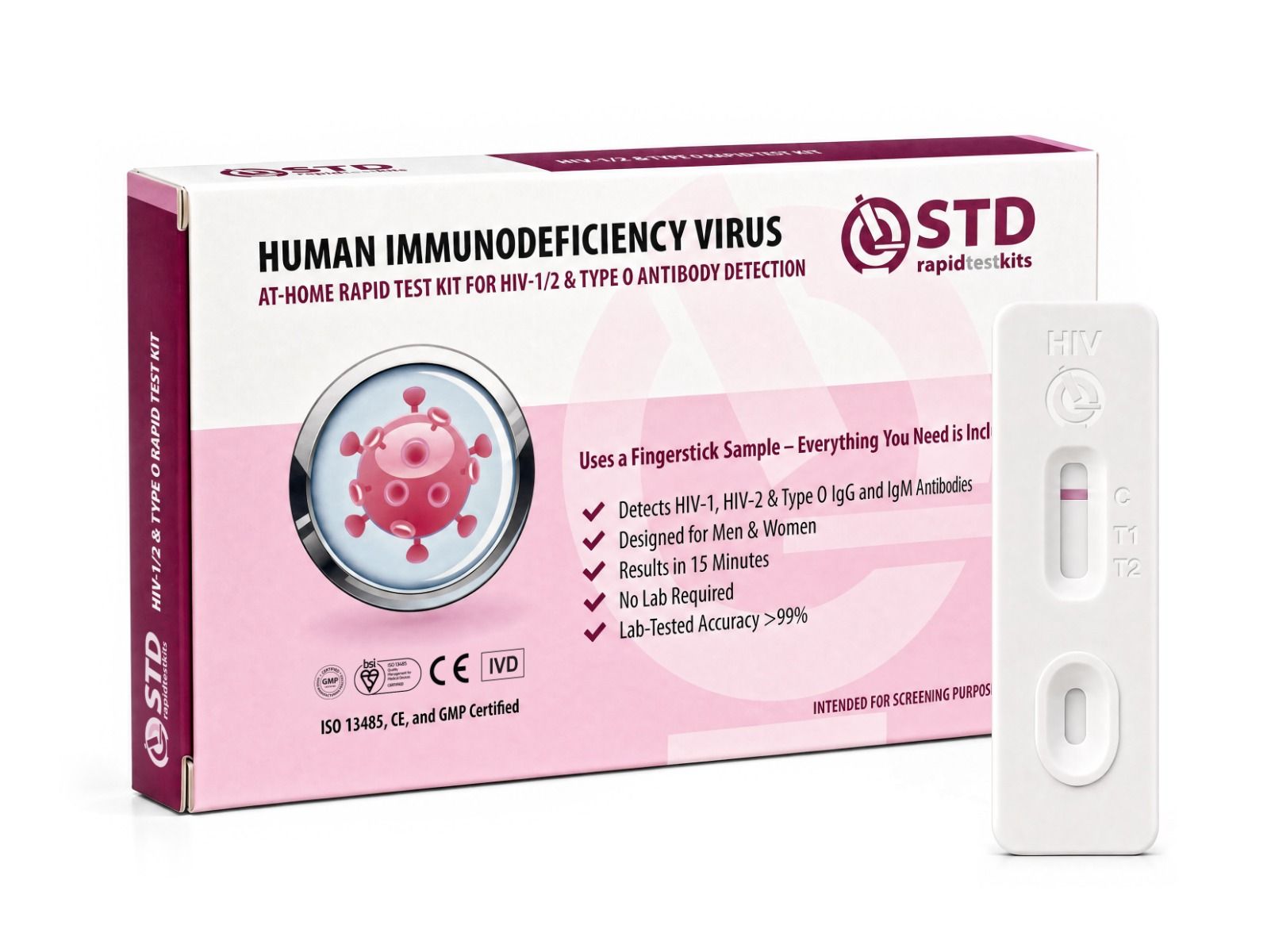
Testing windows matter. Fourth-generation antigen/antibody lab tests can detect HIV from about 18 to 45 days after exposure. Rapid antibody tests (including at-home rapid kits) require an antibody window of 23 to 90 days. PrEP (pre-exposure prophylaxis) and PEP (post-exposure prophylaxis) reduce the risk of getting HIV when exposure is anticipated or has just occurred.
How to lower your STI risk
No prevention strategy is perfect on its own. Stacking several reduces risk substantially:
- Condoms (external or internal). Used consistently and correctly, they significantly lower the risk of HIV, gonorrhea, chlamydia, trichomoniasis, and syphilis. They are less effective against herpes and HPV when lesions or infected skin extend beyond the area covered.
- Vaccination. The HPV vaccine prevents most cervical and other HPV-related cancers and genital warts. The hepatitis B vaccine, given to most U.S. children since the 1990s, prevents an STI that is also a serious chronic liver infection.
- PrEP. Daily oral PrEP (Truvada or Descovy) reduces HIV acquisition through sex by about 99% when taken as directed per CDC guidance. Long-acting injectable PrEP (cabotegravir) is now also available.
- Mutual monogamy with a tested partner. Both partners testing negative before becoming sexually exclusive removes most ongoing exposure risk.
- Screen more often if you have multiple partners. The CDC recommends testing every 3 to 6 months for people with multiple or anonymous partners.
None of these replace each other. Condoms plus vaccination plus regular testing is the practical reality for most sexually active adults.
Daily oral PrEP reduces HIV acquisition through sex by about 99% when taken as directed, per CDC guidance. Long-acting injectable PrEP (cabotegravir) is now an alternative for people who prefer a clinic injection every two months over a daily pill. Talk to a primary-care provider or sexual-health clinic about whether PrEP fits your situation.
When and how to get tested
The right STI testing schedule depends on your behavior, not your relationship status. Per current CDC screening guidelines:
- All sexually active women under 25, and older women with new or multiple partners, should be tested for chlamydia and gonorrhea at least annually.
- All adults aged 13 to 64 should be tested for HIV at least once as part of routine care, and more frequently with ongoing risk.
- Men who have sex with men should be tested for HIV, syphilis, chlamydia, and gonorrhea every 3 to 6 months, including pharyngeal and rectal sites where applicable.
- Anyone pregnant should be tested for HIV, syphilis, chlamydia, gonorrhea, and hepatitis B at the first prenatal visit, with retesting in the third trimester for higher-risk patients.
At-home rapid tests give you a private way to screen for many of the major infections. Lateral-flow rapid tests use the same swab or fingerstick blood sample type as lab tests, but they read results visually in about 15 minutes; lab NAAT/PCR tests are more analytically sensitive. Use rapid tests at home for fast screening, and confirm any positive result at a clinic before starting treatment.
An unexpected negative result during a window period (the gap between exposure and detectable infection) should be repeated after the appropriate window has passed. The window varies by infection: roughly 1 to 2 weeks for chlamydia and gonorrhea, 3 to 6 weeks for syphilis, 23 to 90 days for HIV antibody tests, and 4 to 16 weeks for herpes antibody tests.
What to do if your test is positive
A positive test result is information you can act on. Take it in stages:
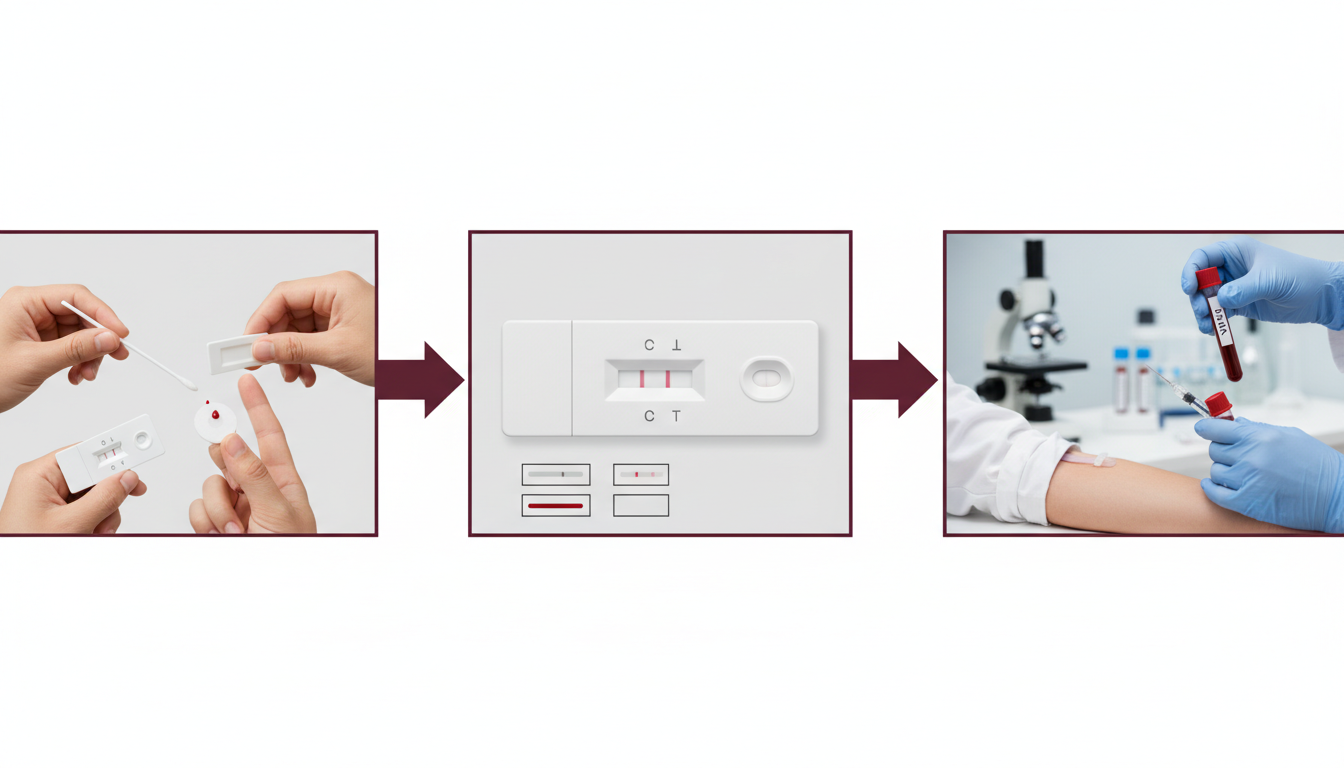
- Confirm. At-home rapid tests have very high specificity, but a clinic-administered NAAT or blood test is the regulatory standard for treatment.
- Treat. Bacterial infections (chlamydia, gonorrhea, syphilis, trichomoniasis) are curable with antibiotics taken correctly. Viral infections (HIV, herpes, HPV) are managed long-term with medication and monitoring.
- Notify partners. Most state and county health departments offer anonymous or assisted partner notification through programs like Tell Your Partner. Notification reduces reinfection and protects partners from the same complications you faced.
- Re-test. Re-test for chlamydia and gonorrhea about three months after treatment to catch reinfection from an untreated partner. For syphilis, follow your provider's blood-test schedule.
- Talk to a counselor if needed. Diagnosis is hard emotionally. Many sexual-health clinics offer free counseling; the American Sexual Health Association also runs free hotlines.
All positive rapid-test results should be confirmed with a clinic-administered NAAT or laboratory blood test before starting treatment. Do not self-treat based solely on a rapid result, and do not assume a single negative rapid test rules out infection during the window period.
Talking to partners about STIs and testing
Most STIs are common, manageable, and treatable. Stigma is the bigger barrier to testing and treatment than the infections themselves. Two practical reframes help:
- Treat disclosure as a health conversation. Saying "I tested positive for X, I'm being treated, and here is what we should do next" sticks to the facts and the next steps. There is no apology owed.
- Asking is normal. "When was your last test?" takes three seconds and signals that you take your sexual health seriously. People who are bothered by the question are signaling something useful about themselves.
Public-health surveys consistently show that partners who are told about a possible exposure usually act on it, and most respond with appreciation rather than blame.
Most state and county health departments offer free anonymous partner notification. You can report a possible exposure without revealing your identity, and many programs will reach out to partners on your behalf via text, email, or phone so they can get tested and treated.
Take charge of your sexual health
Sexual health is regular health. If you have been sexually active in the past year, screening for the seven STIs above is the responsible next step, whether or not you have symptoms. Order an at-home kit if privacy or scheduling is the barrier; book a clinic visit if you need confirmatory testing or hands-on care. The earlier infections are caught, the easier they are to treat, and the less likely you are to pass them along.
FAQs
- What is the difference between an STD and an STI?
- Functionally, the same thing. Public-health agencies shifted to "STI" because not every infection progresses to overt disease, but both terms still appear on this site, on test forms, and in clinical practice. If you see "STD" on an older lab report, it refers to the same set of infections covered in this guide.
- How soon after a possible exposure should I get tested?
- It depends on the infection. Chlamydia and gonorrhea are usually detectable within 1 to 2 weeks. HIV requires a 23 to 90 day antibody window for rapid tests, or 18 to 45 days for fourth-generation lab antigen/antibody tests. Syphilis blood tests are typically reliable from 3 to 6 weeks. Herpes antibody tests can take 4 to 16 weeks. Testing too early gives a false sense of security.
- Can I get an STI from oral or anal sex?
- Yes. Chlamydia, gonorrhea, syphilis, herpes, HPV, and HIV all transmit through oral or anal contact, often as efficiently as through vaginal sex. Pharyngeal (throat) and rectal infections need a clinic swab, since the at-home swab kits sold here are validated for genital sites only.
- Do at-home rapid STI tests really work?
- Yes, when used correctly. Lateral-flow rapid tests use the same swab or fingerstick blood sample type as lab tests and read in about 15 minutes. Lab NAAT/PCR tests are more analytically sensitive, so a positive at-home result should always be confirmed at a clinic before starting treatment, and a recent-exposure negative should be repeated after the appropriate window.
- How often should sexually active adults be tested?
- At a minimum, once a year for chlamydia and gonorrhea if you are sexually active, plus a one-time HIV test as part of routine adult care. People with multiple or new partners, men who have sex with men, and pregnant patients have more frequent screening recommendations from the CDC, typically every 3 to 6 months.
- Are STIs curable?
- The bacterial and parasitic ones (chlamydia, gonorrhea, syphilis, trichomoniasis) are curable with antibiotics. The viral ones (HIV, herpes, HPV, hepatitis B) are not curable but are highly manageable with medication and monitoring. HPV often clears on its own within one to two years.
- Can I have an STI without symptoms?
- Yes, very commonly. Most chlamydia, gonorrhea, and trichomoniasis infections are silent in women, HPV is usually asymptomatic, and HIV often gives only a brief flu-like illness early on. Routine screening is the only reliable way to catch a silent infection before it spreads or causes harm.
- Will my doctor judge me for asking for STI testing?
- Almost certainly not. Sexual-health screening is one of the most ordinary things primary-care providers do, and most clinics see thousands of these visits a year. If you do not feel comfortable with your provider, sexual-health clinics, Planned Parenthood, and at-home rapid kits give you alternatives.
- U.S. Centers for Disease Control and Prevention. STI prevalence, incidence, and cost estimates (one in five Americans, roughly 68 million prevalent infections).
- U.S. Centers for Disease Control and Prevention. Chlamydia: basics, symptoms, screening, and treatment recommendations.
- U.S. Centers for Disease Control and Prevention. Gonorrhea: surveillance data, antibiotic-resistance trends, and current treatment guidance.
- U.S. Centers for Disease Control and Prevention. Syphilis: stages, complications, and screening recommendations including pregnancy.
- U.S. Centers for Disease Control and Prevention. HIV basics: transmission, testing windows, U=U, PrEP, and PEP.
- World Health Organization. Sexually transmitted infections fact sheet, with global prevalence including HSV-2 and HPV figures.
- U.K. National Health Service. Sexually transmitted infections (STIs) overview and prevention guidance.
