







Quick Answer: The best time to test for Hepatitis C is 6 to 12 weeks after a possible exposure. Postmenopausal women should consider testing if experiencing unexplained fatigue, joint pain, or liver-related symptoms, especially if they had risk factors earlier in life.
Who This Guide Is For (And Why It Matters)
If you're over 50, sexually active now or in the past, and have ever shared needles, even just once, this article is for you. It's also for women in monogamous relationships who assumed Hep C couldn’t touch them, and for those navigating brain fog, chronic tiredness, or digestive weirdness that no one seems to take seriously.
One reader told us her doctor laughed when she asked about STDs at 58. “You’re not 25 anymore,” he said. But Hepatitis C isn't a young person's virus. In fact, it often shows up later in life, not because you got infected late, but because it went unnoticed for decades.
Testing is not a confession. It's an act of care, especially in midlife, when your body’s ability to bounce back changes. We'll walk you through test types, why menopause can muddy the waters, when to test for clarity, and what to do if the result comes back positive.
What Actually Counts as a Hepatitis C Test?
Testing for Hepatitis C involves either detecting the virus itself or the antibodies your body produces in response. The two most common types of tests are:
The first is an antibody test, often done with a fingerstick or blood draw. This tells you if your body has ever encountered the virus. But it can't confirm whether the infection is current or resolved. The second is the HCV RNA test (also called PCR), which looks for the virus’s genetic material in your blood. This confirms if the infection is active.
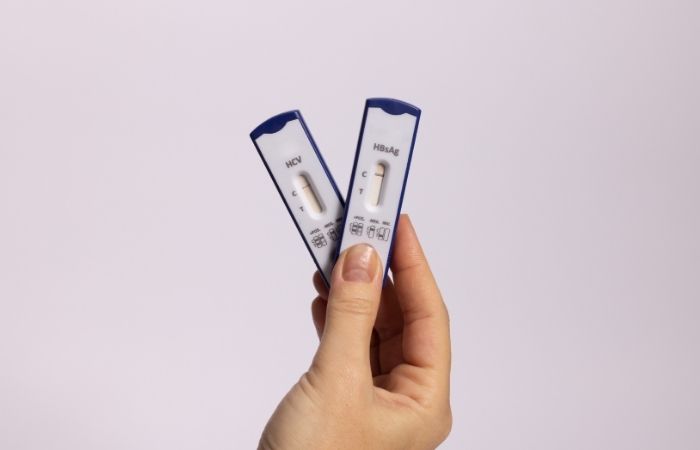
At-home options include rapid antibody tests that deliver results in about 20 minutes. These are excellent for screening, but if positive, a lab-based RNA test is needed to confirm.
For discreet ordering and fast shipping, visit STD Rapid Test Kits. You can order a confidential Hep C test kit here and test from the privacy of home.
Menopause vs. Hepatitis C: Symptom Overlap
Here's the trap: menopause brings symptoms like hot flashes, fatigue, joint pain, insomnia, mood swings, and brain fog. Hepatitis C brings almost the same symptoms, but with a silent edge of liver inflammation beneath it all. For years, many women are told they're just getting older. The virus keeps replicating. The damage piles up.
Fatima, 56, thought her worsening fatigue was because of menopause. But her liver enzymes were elevated, and further testing revealed Hep C she'd likely contracted from a transfusion in the 1980s. “I had no clue. I wasn’t even sexually active anymore,” she said.
The key? Understanding the red flags that don’t match your typical hormone transition, and getting tested if anything seems “off” for too long.
People are also reading: Back Pain After Sex? Why Chlamydia Could Be the Culprit
Hormonal Changes and Liver Function: What's the Connection?
Estrogen isn’t just about reproduction. It plays a protective role in the liver. After menopause, as estrogen levels drop, liver function can shift, and chronic infections like Hepatitis C may become more symptomatic or accelerate in damage.
Studies show that women often experience slower Hep C progression than men, until menopause. Once estrogen declines, fibrosis (scarring of the liver) can speed up. It’s not just about catching it; it’s about catching it before that tipping point.
| Factor | Before Menopause | After Menopause |
|---|---|---|
| Estrogen Levels | Protective, anti-inflammatory | Low, less liver protection |
| Hep C Progression Speed | Slower, often mild symptoms | May accelerate without treatment |
| Typical Misdiagnosis Risk | Lower, symptoms may be caught earlier | Higher, masked by menopausal symptoms |
Figure 1. How menopause can change the trajectory of Hep C progression in women.
Window Periods and When to Test
The window period is the time between exposure and when a test can reliably detect infection. For Hepatitis C, this ranges depending on the test:
| Test Type | Detection Time | Best Time to Test |
|---|---|---|
| Rapid Antibody Test | 4–12 weeks post exposure | 12+ weeks for accuracy |
| HCV RNA (PCR) | 1–2 weeks post exposure | 3+ weeks for reliable detection |
| Lab-Based Antibody | 4–10 weeks | 8+ weeks recommended |
Figure 2. Testing timeline by method for Hepatitis C.
If you've had a potential exposure, whether sexual, through blood contact, or even a tattoo years ago, you can test with a rapid kit at 12 weeks. For earlier peace of mind, consider an HCV RNA test at 3 weeks. Retest later if symptoms persist.
Check Your STD Status in Minutes
Test at Home with RemediumHepatitis B & Hepatitis C Test Kit
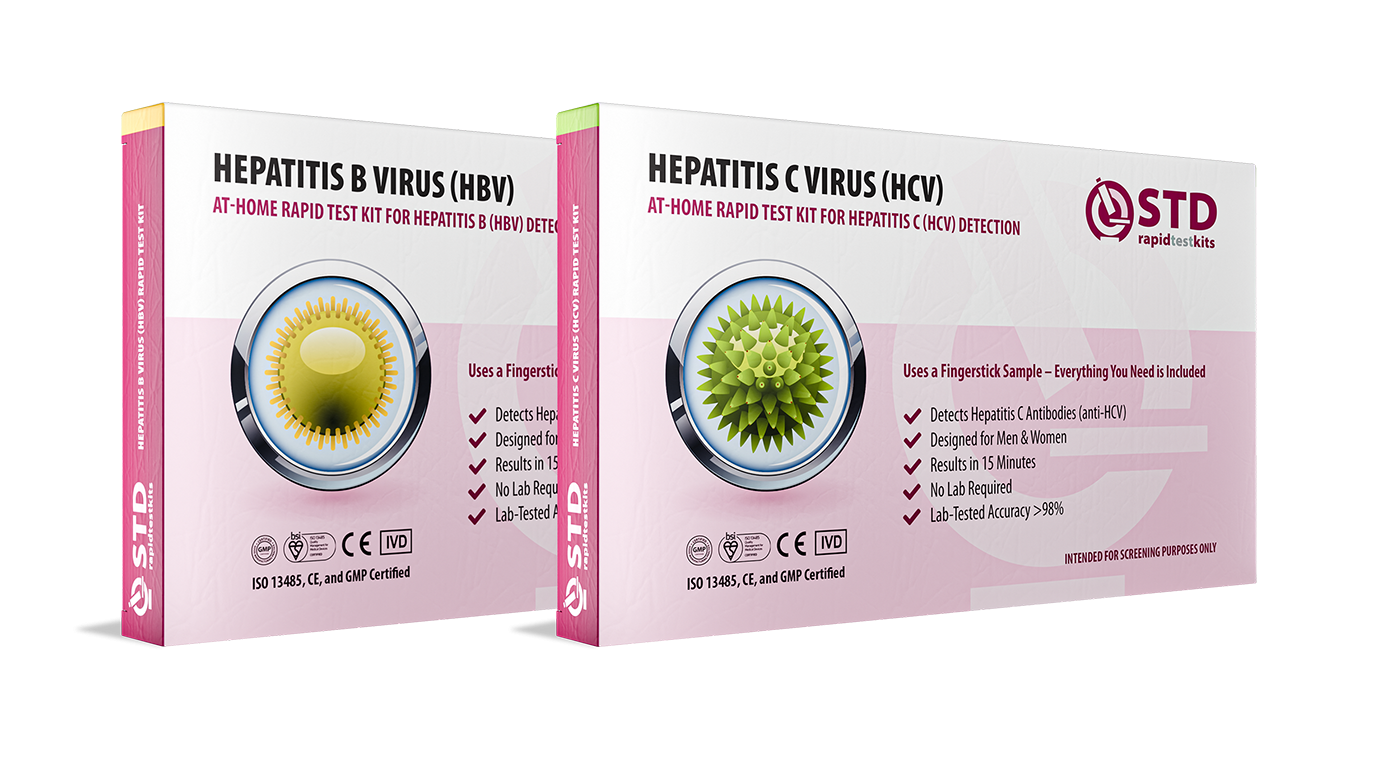
 For Men & Women
 Results in Minutes
 No Lab Needed
 Private & Discreet
Order Now $49.00 $98.00
For all 2 tests
Why Older Women Still Need STD Testing
Let’s bust this myth: STDs are not just a “young person” problem. Women over 50 are among the fastest-growing groups diagnosed with STDs, including Hepatitis C. Why?
Because they’re less likely to use condoms. Because older men, especially partners with a history of drug use or incarceration, may be unaware carriers. And because doctors often don’t ask about sexual health in midlife, especially if a woman is married or not visibly “at risk.”
But risk isn’t always about what you’re doing now. It’s also about what happened years ago, and whether the virus has been silently working in your body since then.
What If You Test Positive?
First: it’s treatable. Most cases of Hepatitis C can be cured with 8 to 12 weeks of oral antivirals. Gone are the days of grueling injections. Treatment is discreet, effective, and often covered by insurance.
Take a breath. Then confirm your diagnosis with an HCV RNA test if you only used an antibody test. Talk to a provider. And, if you have a partner, consider testing them too, even if they feel fine.
One woman we spoke with tested positive at 62. Her partner did too. They had no idea when or how it happened, but both completed treatment within three months and cleared the virus. “We just wish we’d known sooner,” she said.
Return to STD Rapid Test Kits to explore discreet options for follow-up testing.

People are also reading: The STD You’ve Probably Never Been Tested For
FAQs
1. Can menopause make Hepatitis C symptoms worse, or just harder to spot?
Both, honestly. Menopause and Hep C share a bunch of overlapping symptoms, like joint aches, mood swings, brain fog, and fatigue. That means Hep C can hide in plain sight. Plus, once estrogen dips, the liver loses some of its protective backup, so symptoms might hit harder or progress faster. It’s not just in your head, and it’s worth checking out.
2. I’m in my 60s and haven’t had new partners in years. Do I really need to worry about Hep C?
It’s a fair question, and the answer isn’t about judgment, it’s about time. Hepatitis C can hang out in your body for decades without making a scene. So even if you haven’t had new partners since the Clinton era, if you ever had a blood transfusion before 1992, shared needles (even once), or got a tattoo in someone’s basement, it’s worth getting tested. This isn’t about what you’re doing now, it’s about what could still be quietly affecting your health.
3. Is it even possible to get Hep C through sex?
Yes, but it's less common than other routes like blood exposure. Still, the risk goes up with rough sex, anal sex, shared sex toys, or if you or your partner have HIV or another STI. Also, midlife folks often stop using condoms, and that opens the door to risks we don’t always talk about. Bottom line: if you’ve had unprotected sex with someone whose history you’re not 100% sure about, it’s worth a test.
4. How do I know if my fatigue is from menopause or Hepatitis C?
You don’t, at least not without testing. That’s the tricky part. Menopause-related fatigue often comes and goes in waves, especially with sleep disturbances. Hep C fatigue tends to stick around, and it might come with subtle signs like itchy skin, easy bruising, or pain in your right side under the ribs. When in doubt? Test. One drop of blood can give you clarity.
5. Is it embarrassing to ask my doctor for an STD test at this age?
You might feel awkward, sure, but there’s nothing embarrassing about taking care of your health. In fact, the more women over 50 speak up about testing, the more we normalize it. You’re not being “dramatic.” You’re being proactive. And if your doctor dismisses you? That’s on them, not you. You deserve a provider who listens without judgment.
6. What kind of Hep C test can I take at home?
Most at-home kits screen for Hep C antibodies. These are the markers your body makes after exposure. They’re fast, discreet, and a solid first step. If it’s reactive (positive), you’ll need a follow-up RNA test through a lab to confirm if the virus is still active. You can order one here and test in privacy, no awkward clinic wait.
7. I tested negative but I still feel awful. Could I have tested too early?
Absolutely possible. If you tested less than 8–12 weeks after a potential exposure, your body might not have produced enough antibodies to trigger a positive result. Or if you used a test not designed to catch early infections, it might have missed it. When your symptoms don’t line up with your result, it’s okay to retest, or ask for an RNA test just to be sure.
8.Can Hep C really be cured, even if I’ve had it for years?
Yes, and that’s the good news. Modern Hep C treatment is nothing like it used to be. No shots, no months of feeling like garbage. Most people take oral antivirals for 8 to 12 weeks and walk away cured. Even if you’ve had it for decades, clearing the virus now can stop future damage in its tracks.
9. Do I need to tell my partner if I test positive?
Short answer: yes. But you can do it in a way that’s safe and supported. You’re not assigning blame, you’re protecting both of you. There are even anonymous partner notification services if that feels safer. And hey, some folks test together to make it feel less lonely. You don’t have to navigate it alone.
10. What happens if I ignore Hep C because I “feel fine”?
We get it. If you don’t feel sick, it’s tempting to push it down the to-do list. But Hep C is like a slow leak, it can lead to cirrhosis, liver cancer, or full liver failure down the road. And you might not feel the damage until it’s advanced. Testing now means giving yourself a chance to treat it while it’s still easy to fix.
How We Sourced This Article: We combined current guidance from leading medical organizations with peer-reviewed research and real-world experiences from women over 50. Around fifteen reputable sources shaped this guide; below, we've highlighted six of the most relevant and reader-accessible. Each external link was verified to ensure it leads to a trusted source and opens in a new tab so you can explore safely.
Sources
[1] CDC – Hepatitis C Information
[2] WHO – Hepatitis C Fact Sheet
[3] HepMag – Testing for Hepatitis C
[4] Office on Women’s Health – Menopause Overview
About the Author
Dr. F. David, MD is a board-certified infectious disease specialist focused on STI prevention, diagnosis, and treatment. He blends clinical precision with a no-nonsense, sex-positive approach and is committed to expanding access for readers in both urban and off-grid settings.
Reviewed by: Dr. M. Hayashi, MPH | Last medically reviewed: September 2025
This article is for informational purposes and does not replace medical advice.


