





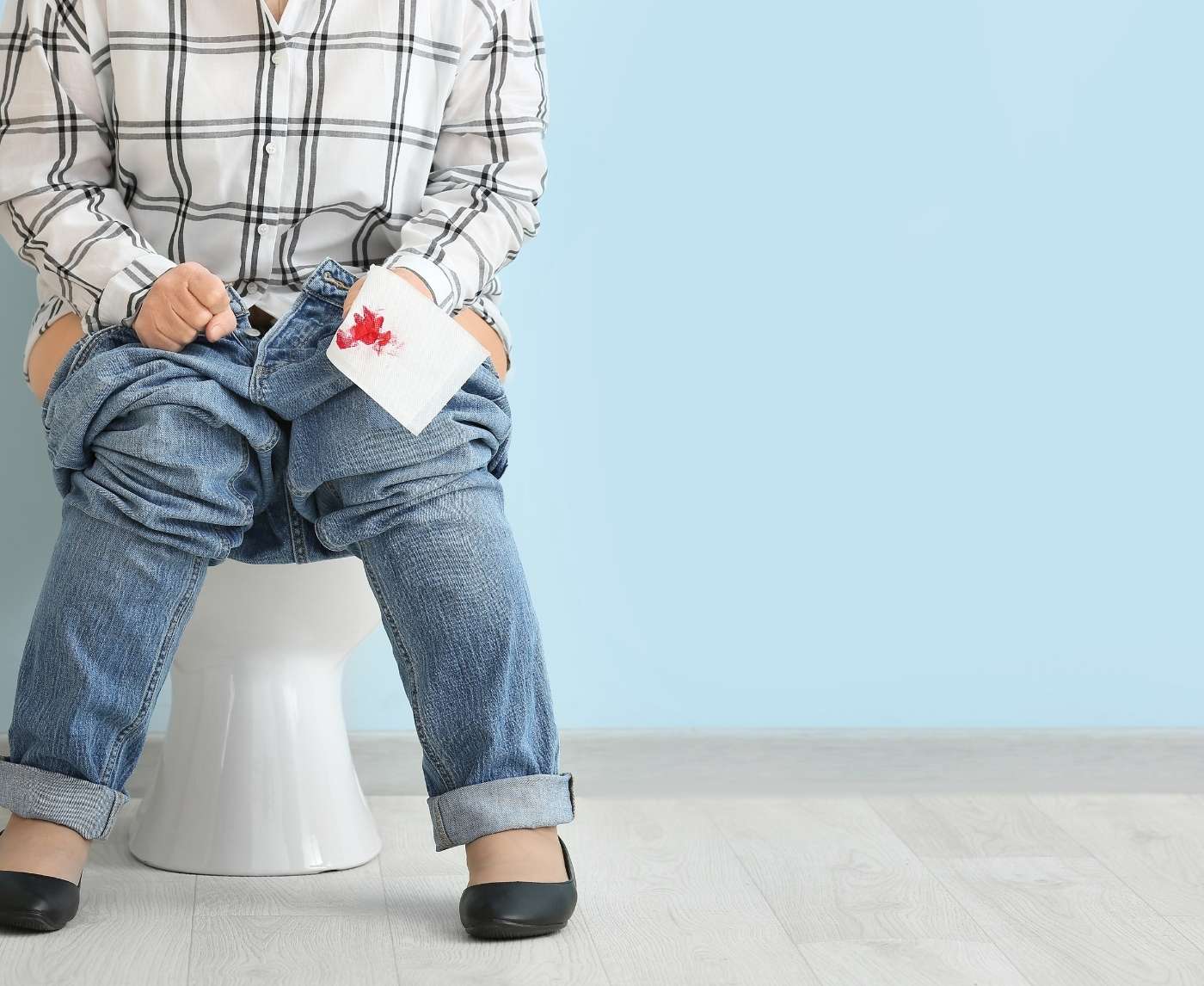

Quick Answer: Yes, HIV can transmit during rough sex even without ejaculation. Friction, microtears, and skin-to-skin contact create pathways for the virus, especially when condoms aren’t used or break down.
Why Ejaculation Isn’t Required for HIV to Spread
A lot of people think HIV only spreads through semen or blood, and only when those fluids are exchanged in large amounts. That’s not exactly wrong, but it’s dangerously incomplete. HIV lives in semen, yes, but it also lives in pre-ejaculate, rectal fluids, vaginal fluids, and even in tiny amounts of blood that might not be visible at all.
That means a single act of sex, even without penetration going to orgasm, can still carry risk, particularly if the encounter involves friction, dryness, or tissue trauma. It’s not about whether someone came. It’s about what happened in the tissue that made viral entry possible.
In one clinical study from the NIH, researchers found that HIV transmission is significantly more likely in high-friction environments, especially when there's mucosal disruption, which can happen without pain, blood, or any visible sign of damage.
So if you’re replaying that moment over and over again in your mind, thinking “But he didn’t finish, so I must be okay”, you’re skipping the part where HIV can still be present, even before climax. And the part where your own body might’ve had tiny tears that let it in.
People are also reading: Queer, Unvaccinated, and At Risk: How HPV Hits Gay Men Hardest
“We Didn’t Even Go All the Way, But I Still Got HIV”
Jamal, 28, was hooking up with someone new. It wasn’t planned. There wasn’t lube. There wasn’t even full penetration. Just rubbing, hands, bodies grinding in a half-dark bedroom after a party. No one came. No condoms were used. And when it was over, Jamal didn’t think twice, until a few weeks later, when he got sick and his doctor suggested an HIV test.
“I thought HIV came from full-on sex. I didn’t even consider what we did to be risky. I figured, no blood, no finish, no problem.”
But the test came back positive. Jamal later learned that the virus likely entered through micro-abrasions from dry skin-on-skin contact. What he assumed was low-risk turned out to be the window that HIV needed.
It wasn’t about recklessness. It was about not being told the full story, because most public sex ed skips over friction, microtears, and the reality of real-world hookups.
What Are Microtears, And Why Do They Matter?
“Microtears” sound tiny, and they are. But they can change everything. These are microscopic breaks in the skin or mucosal lining, often caused by friction, dryness, or trauma during sex. You don’t need to bleed. You don’t even need to notice them. But if HIV is present, those tiny tears create a direct opening into your bloodstream.
They’re more likely to occur when sex is rough, dry, rushed, or involves substances (like poppers or alcohol) that reduce physical sensitivity. And they’re especially common in receptive anal sex, where the lining is delicate and doesn’t self-lubricate. But they can happen during vaginal sex too, especially around the cervix or when there’s low arousal.
Here’s a breakdown of common situations where microtears increase risk:
| Scenario | Microtear Risk | HIV Risk Amplification |
|---|---|---|
| Dry sex without lube (vaginal or anal) | High | Yes, more mucosal tearing |
| Rough or prolonged friction | Moderate to High | Yes, tears in skin create viral entry |
| Sex after shaving/waxing | Moderate | Yes, shaving causes microabrasions |
| Inserting fingers or toys without prep | Low to Moderate | Possible, especially with long nails/toys |
| Anal sex with poppers/alcohol use | High | Yes, reduced pain detection, more trauma |
Table 1: How common sexual situations create microtears, and increase HIV transmission risk.
What’s scary is that you can’t always feel a microtear. There’s no clear sign. No blood. No sting. Just a regular hookup, and a growing knot of anxiety the next day.
No Ejaculation Doesn’t Mean No Risk
This is where so many people get blindsided. They think, “No one finished, so it doesn’t count.” But HIV doesn’t wait for orgasm to show up. Pre-ejaculate (precum) can carry the virus. And contact between skin, especially mucous membranes, doesn’t need fluid exchange to create a risk window.
Let’s break that myth open, because it’s one of the most dangerous ones out there:
| Belief | Reality | What That Means |
|---|---|---|
| “If there’s no semen, there’s no HIV.” | HIV can be in precum, vaginal, or rectal fluids. | Transmission possible even without climax. |
| “If I don’t feel pain, I wasn’t at risk.” | Microtears aren’t always painful or visible. | You can be at risk without knowing it. |
| “We only rubbed, not full sex.” | Skin-to-skin friction still allows transfer. | HIV doesn’t require deep penetration. |
Table 2: Common myths about ejaculation and HIV, and what the science says instead.
If it sounds like we’re being dramatic, we’re not. We’re being honest. Because too many people skip testing after rough, unfinished sex, and find out too late that “no finish” doesn’t mean “no exposure.”
“I Thought the Condom Made It Safe”
It probably helped. Condoms are incredible at reducing HIV risk when used properly and consistently. But they’re not a forcefield. They don’t cover all skin, they can slip during intense motion, and if there’s even a trace of tearing, the virus can still find its way in.
Tyrell, 34, had protected sex with someone new after a night out. The condom stayed on, but things got intense, dry, fast, hard. A week later, Tyrell noticed rectal bleeding and mild flu-like symptoms. He tested out of “just being cautious.” It came back positive.
“I didn’t understand how it could’ve happened. I thought condoms were supposed to be the shield. No one ever told me about friction or microtears. I just… wasn’t prepared.”
Condoms are essential. But they’re part of the plan, not the whole plan. If your partner’s status is unknown, if things got rough, or if there was any slip or dry contact… then yes, there’s still a window for HIV to enter.
Check Your STD Status in Minutes
Test at Home with RemediumHIV Rapid Test Kit
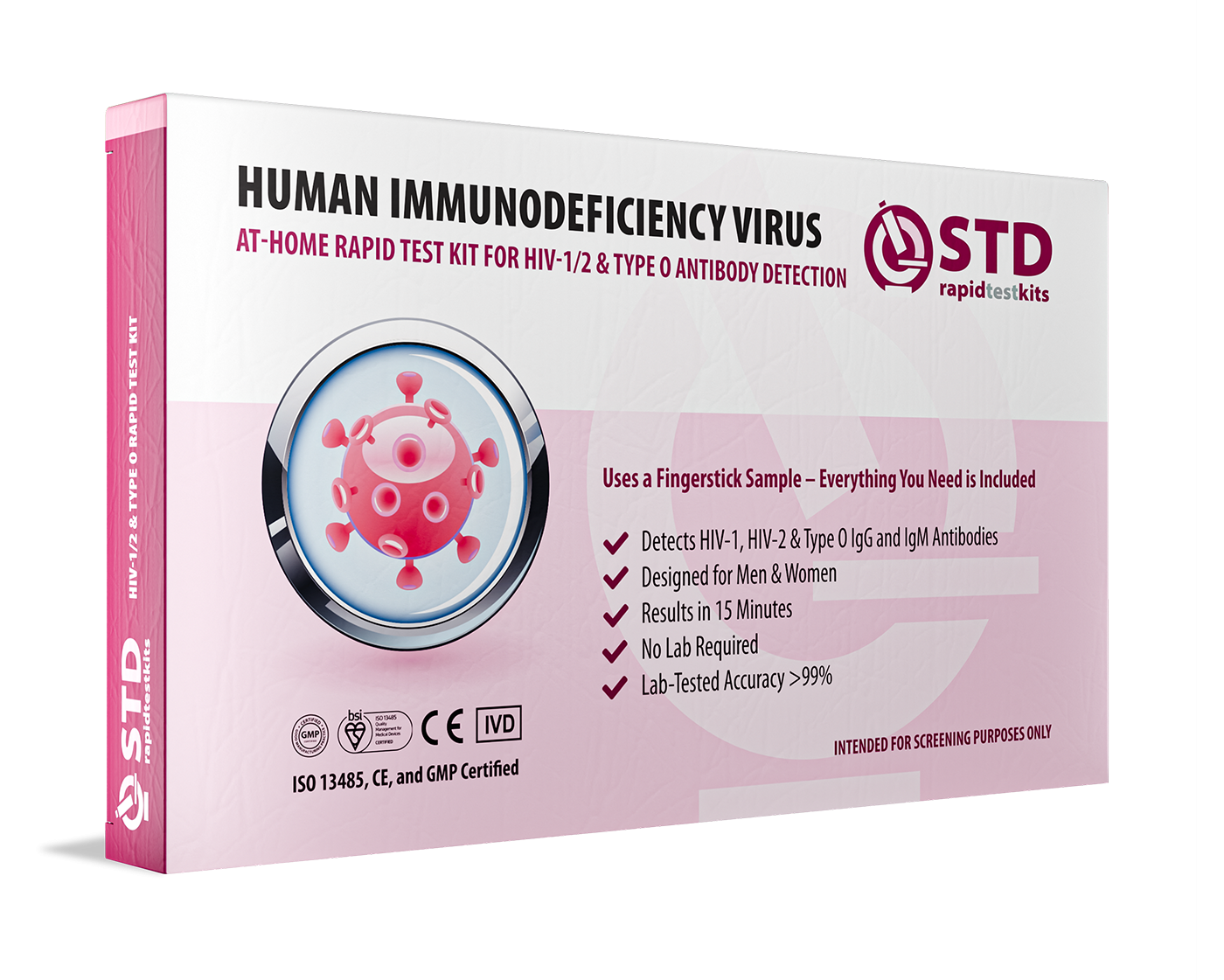
 For Men & Women
 Results in Minutes
 No Lab Needed
 Private & Discreet
Order Now $33.99 $49.00
How Soon Can You Test After a Rough Encounter?
Here’s where things get maddening: HIV doesn’t show up on tests right away. That’s where the “window period” comes in, the time between exposure and when a test can reliably detect the virus.
If you’re testing too early, a negative might just mean “not detectable yet.” That’s why some people test a few days after exposure, get a negative, and think they’re fine, only to find out weeks later they weren’t.
So when can you actually test? Here's the breakdown:
| Test Type | When to Take | Detects What? |
|---|---|---|
| Antigen/Antibody Lab Test (4th Gen) | 14–45 days after exposure | HIV proteins and antibodies |
| At-Home Fingerstick HIV Test | Same window: 14–45 days | Same detection as lab-based test |
| Oral Swab HIV Test | 90+ days after exposure | Antibodies only (takes longer) |
Table 3: Recommended HIV testing windows after possible exposure.
Our recommendation? If it’s been two weeks or more, test now. If it’s been less than that, set a calendar reminder and use that time to plan next steps, not panic. And remember: testing isn’t about judgment. It’s about knowledge. And knowledge gives you power, even when you’re scared.
Take the Test, Skip the Shame
This part matters. If you’ve had rough sex, whether it was a hookup, a situationship, or something you didn’t expect, you don’t owe anyone an explanation for wanting to test. You don’t need a lecture, a clinic waiting room, or a doctor who makes you feel small.
You need answers. And you deserve to get them quietly, quickly, and privately.
This at-home HIV test is made for exactly these moments. Discreet shipping. Accurate results. No phone calls, no judgment, no delay. Because one rough night shouldn’t lead to a month of fear, and waiting won’t give you peace of mind.
Why Rough Sex Makes HIV More Likely
Not all sex carries the same risk when it comes to HIV. Rough sex, by its very nature, can increase that risk, even if it’s consensual and wanted. Why? Because it adds fuel to all the things that HIV loves: broken skin, friction, and less protection.
During rough sex, especially anal sex, the lining of the rectum or vagina is more likely to tear. These tears may not bleed or hurt, but they’re there. They create an opening for HIV to cross into the bloodstream, whether or not there's semen, ejaculation, or even visible fluids.
Even things like hard thrusting, tight grip, prolonged motion, or use of toys without lube can create enough microtrauma to make a difference. The body's protective barriers are only so tough, and in high-friction moments, they can give way. That’s why the CDC consistently ranks unprotected receptive anal sex as one of the highest-risk activities for HIV transmission, even more so when condoms or lube aren’t used properly.
People are also reading: How Hepatitis B Moves Through Hookups
Vaginal Sex and HIV Risk: Still Overlooked, Still Real
There’s a huge myth that vaginal sex is “low-risk” for HIV, especially when it’s with a man who doesn’t finish. That’s dangerously wrong. The vaginal canal is lined with mucous membranes, which are incredibly absorbent and vulnerable to microscopic tearing. Add in dryness, menstruation, or sex after shaving? The risk climbs.
Marta, 25, didn’t think she was in danger. Her partner pulled out. They didn’t use lube, but it wasn’t painful. She assumed she was fine. Weeks later, she started having night sweats, fatigue, and swollen glands. The test came back reactive. She had HIV, despite all the “low-risk” signs.
“I kept thinking, he didn’t even come inside me. But now I know that wasn’t the whole story. I didn’t know about microtears or viral load or any of it.”
Vaginal sex may be statistically lower risk than anal, but it’s still risk. Especially when roughness, dryness, or trauma are part of the equation.
But What If I Didn’t Bleed?
This one comes up a lot. People assume that if they didn’t bleed, they weren’t exposed. But here’s the thing, you can’t always see or feel the kind of injury HIV uses. Microtears are invisible. They don’t ooze. They don’t throb. They’re not like a skinned knee or a visible cut.
Think of them like tiny doorways. If they’re open and HIV is nearby, the virus walks through. That’s it. You might not feel a thing, but that doesn’t mean nothing happened.
Even if your skin looks “fine” afterward, friction-based damage still counts. And it doesn’t take much. One slip. One moment. One open doorway.
Check Your STD Status in Minutes
Test at Home with Remedium8-in-1 STD Test Kit
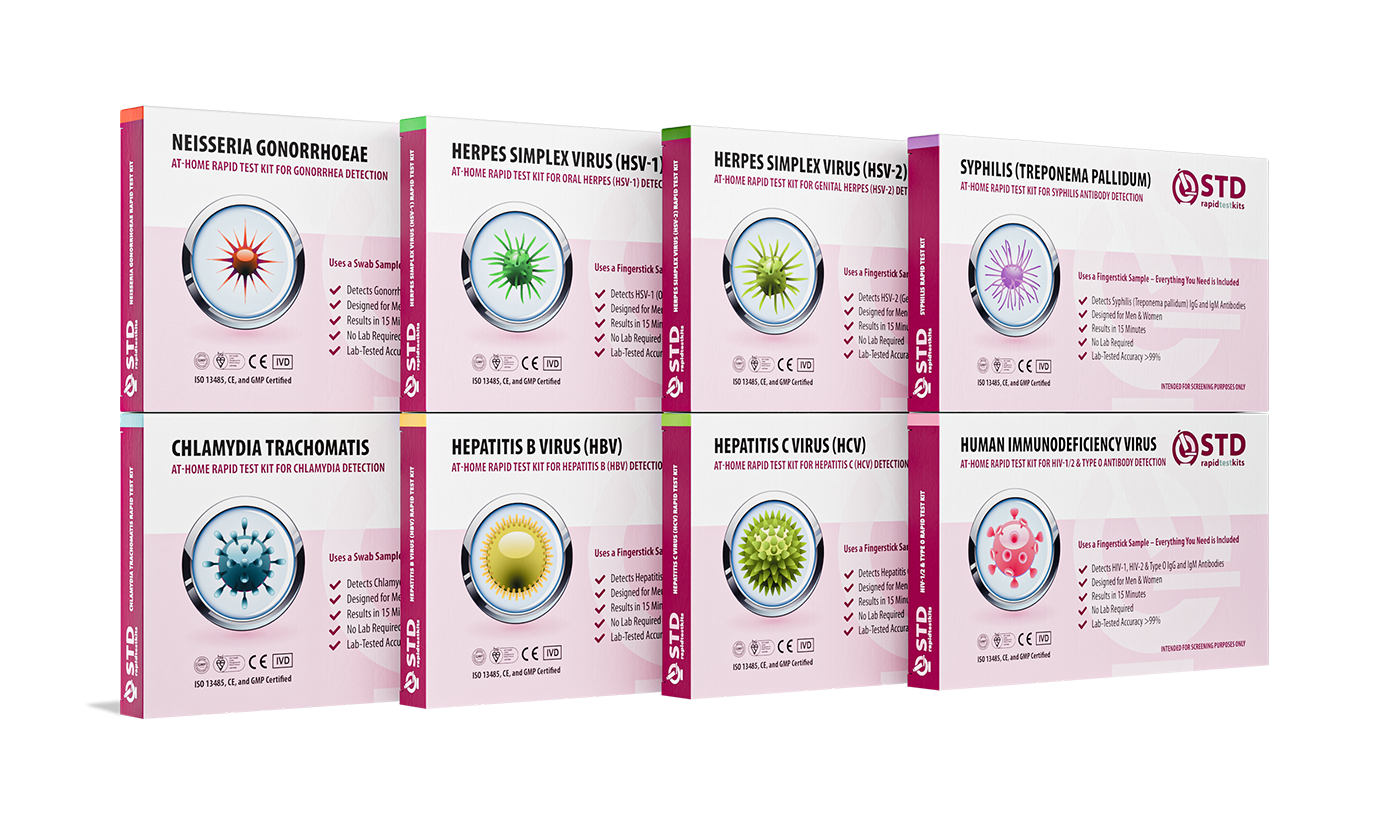 For Men & WomenResults in MinutesNo Lab NeededPrivate & Discreet
Order Now $149.00 $392.00
For all 8 tests
What If I Didn’t Know Their Status?
This is where panic often sets in. You had sex, maybe rough, maybe spontaneous, and now you’re realizing you have no idea what their HIV status was. They said they were clean. They swore they were “safe.” But you didn’t see test results, and it’s been haunting you ever since.
You’re not alone. This happens all the time. People lie. People don’t know their own status. Or maybe they were between tests and assumed they were negative. The truth is, even people who mean well can pass HIV during their window period, when they’re newly infected but still test negative.
This is where PEP (post-exposure prophylaxis) comes in, but it has to be taken within 72 hours. After that, your only option is testing, monitoring, and making informed choices about your health going forward.
If you’re past that window, don’t spiral. But do test, and test again at the right time intervals. And next time, make sure you have the tools to protect yourself, even if your partner swears they’re clean.
The Sex-Positive Truth About Prevention
HIV prevention isn’t about shame or scare tactics. It’s about knowing how the virus works, and what you can do to block it. Condoms help. Lube helps. Testing helps. But none of those things work if you don’t understand when they matter most.
Here’s the honest truth: sex doesn’t have to be vanilla, slow, or soft to be safe. You can have hot, rough, intense sex and still stay protected, you just have to respect your body’s limits, your partner’s status, and the facts about how HIV actually spreads.
If you're someone who enjoys rough sex, that’s okay. Just be aware of what your body needs: lube, rest, communication, and regular testing. And if something felt off, if there was tearing, bleeding, or no barrier used, don't wait. Start by getting tested and give yourself real answers instead of anxious guesswork.
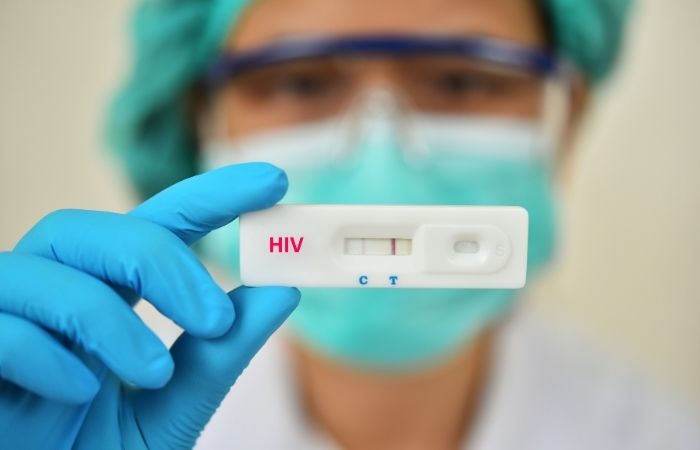
Click here for a confidential HIV test you can take at home. It’s fast, discreet, and made for exactly this kind of situation.
People are also reading: Mono, Strep, or Just Allergies? How to Tell the Difference
FAQs
1. Can I really get HIV if no one came?
Yeah, you can. It’s wild how many people don’t know this. Precum can carry HIV, and skin-to-skin contact, especially when things get rough, can be enough. It’s not about how far you went; it’s about what was exposed.
2. But I didn’t see any blood, doesn’t that mean I’m okay?
Not always. Microtears don’t look dramatic. Most of the time, they’re invisible. No sting, no scar, no clue they were even there. But HIV only needs a tiny entry point, and that’s exactly what a microtear is.
3. We used a condom. Shouldn’t that be enough?
It helps a lot, but it’s not a perfect shield. Condoms can slip, they don’t cover all the skin, and if things got dry or intense, that friction can still create tears around the edges. You did the right thing using one, but your gut isn’t stupid for still feeling unsure.
4. I feel fine. Isn’t HIV supposed to make you sick right away?
Not necessarily. A lot of people feel totally normal after infection. Some get flu-like symptoms a few weeks later, others don’t feel anything for months. That’s why it’s called a silent virus. You won’t feel it right away, but it still changes what’s happening inside you.
5. I tested negative a few days after sex. I’m good, right?
Not quite. That first test might’ve been too early. There’s a window where the virus is in your body but hasn’t built up enough to show on a test yet. Wait two weeks and test again. That’s your sweet spot for accuracy.
6. The sex wasn’t even “real” sex. Just rubbing and touching. Could I still be at risk?
If there was body fluid, bare skin, and rough contact? It’s possible. Especially if you weren’t using protection. HIV doesn’t require full-on penetration. It just needs an opening, and a way in.
7. They said they were negative. That counts for something, right?
Only if they’d tested very recently and weren’t in the window period. People lie. People guess. People mean well but don’t know they’re positive. So yeah, words are nice, but tests are better.
8. I’m scared. Does getting tested make it real?
Honestly? Not testing doesn’t make it go away. You deserve peace of mind, not weeks of Googling yourself into a black hole. Testing doesn’t mean something’s wrong, it means you care enough to check. And that’s strong as hell.
9. If I test positive, am I screwed?
No. You're not broken. You're not dirty. You’re not doomed. HIV is treatable. People with HIV live long, full, incredible lives, and most don’t pass it on if they stay in care. The worst part is not knowing. The second worst? Thinking you’re alone. You’re not.
10. Is an at-home test really private?
Absolutely. It shows up looking like a boring little package, no one will know what it is. No clinic awkwardness, no judging looks, no paperwork trail. Just you, your truth, and a path forward.
Take Control, Not Chances
You might be sitting there replaying every second. Wondering if that one moment of heat and friction changed everything. That feeling? That gut twist? It doesn’t have to stretch on for weeks.
Order your at-home HIV test here and give yourself a real answer. No clinics. No awkward questions. Just truth. And truth is powerful, especially when it comes early.
How We Sourced This Article: We looked at more than a dozen medical journals, peer-reviewed studies, and HIV awareness groups to find the most up-to-date and relevant information for you. We put a lot of emphasis on clarity, consent, and lowering risk, especially for people who are under a lot of stress or have been exposed to something. Here are five of the most important sources that went into making this guide:
Sources
2. Preventing Sexual Transmission of HIV | HIV.gov
3. Can You Get HIV During Sex Without Ejaculation? | TheBody
4. What Are the Chances of Getting HIV? | Medical News Today
5. How Do You Get HIV? | WebMD
6. How Safe Is Barebacking If Partner Withdraws Before Ejaculating? | SF City Clinic
About the Author
Dr. F. David, MD is a board-certified infectious disease specialist who works to stop, diagnose, and treat STIs. He combines clinical accuracy with a straightforward, sex-positive attitude and is dedicated to making his work available to more people, both in cities and in rural areas.
Reviewed by: Naomi Price, MPH | Last medically reviewed: September 2025
This article is for informational purposes and does not replace medical advice.


