

Published: August 2025 | Last updated: April 2026 | Editorial review and quality control: Martina N.
Gay and bisexual men sit at the center of an HPV conversation that mostly skipped them. The vaccine launched as a cervical cancer prevention tool. Public health campaigns built their messaging around teenage girls. By the time guidelines caught up to the reality that HPV causes anal, penile, and oropharyngeal cancers as well, an entire generation of men had aged out of the routine vaccination window.
The article that follows summarizes what current CDC, American Cancer Society, and Mayo Clinic guidance say about HPV risk in men who have sex with men, what screening options actually exist, and how to navigate a healthcare system that often will not bring up the topic on its own. We are a medical writing team, not clinicians. If you have specific symptoms or test results, take them to a licensed provider.
How does HPV affect gay and bisexual men, and what should you do about it?
HPV affects men who have sex with men disproportionately. Studies report MSM anal cancer incidence at roughly 20 to 45 times the heterosexual male baseline depending on the cohort, and HIV-positive MSM face approximately 100 times the general-population risk per CDC and American Cancer Society reporting. The Gardasil 9 vaccine is FDA-approved through age 45 and protects against the strains responsible for most anal, penile, and oropharyngeal cancers. Routine HPV screening for men is not standardized in U.S. primary care; gay and bi men typically have to ask for an anal Pap test by name to be screened.
Key Takeaways
- Gay and bisexual men face roughly 20 to 45 times higher anal cancer risk than heterosexual men depending on the cohort, and HIV-positive MSM face approximately 100 times the general-population risk per CDC and American Cancer Society reporting.
- The HPV vaccine remains FDA-approved through age 45, and most providers will not offer it or anal Pap screening unless you ask directly.
The Numbers Public Health Rarely Highlights
Three figures define the HPV-and-MSM picture. First, men who have sex with men develop anal cancer at substantially higher rates than the heterosexual male baseline, with published cohort studies reporting incidence roughly 20 to 45 times higher depending on the population studied. The American Cancer Society identifies MSM and people with HIV as the highest-risk groups for anal cancer (American Cancer Society). Second, HIV-positive MSM face approximately 100 times the general-population anal cancer risk; weakened immune response makes high-risk HPV strains harder to clear and faster to progress. Third, about 91 percent of anal cancers are attributed to HPV, with HPV-16 driving the majority of cases (CDC HPV-attributable cancers).
Despite this concentration of risk, vaccine uptake among MSM lags. Surveys of HPV vaccination in gay, bisexual, and other MSM populations across the U.S. and Canada have repeatedly found single-digit to low-double-digit vaccination rates among adult men in this group, well below the cisgender female teen baseline. The reasons are layered: the original rollout marketed only to young women, providers got into the habit of not bringing it up with male patients, and many gay men first encounter the topic in their thirties when the vaccine remains useful but is no longer free under most insurance plans (CDC vaccine recommendations). Closing the gap is part education, part healthcare-system overhaul, and part patients learning to ask for what they need.
20 to 45x. The range of anal cancer incidence reported in MSM cohorts compared to the heterosexual male baseline.
~100x. Anal cancer risk in HIV-positive MSM compared to the general population.
~91%. Share of anal cancers attributed to HPV per CDC HPV-attributable cancer reporting, with HPV-16 driving most cases.
HPV Spreads Through Skin Contact, Not Just Penetration
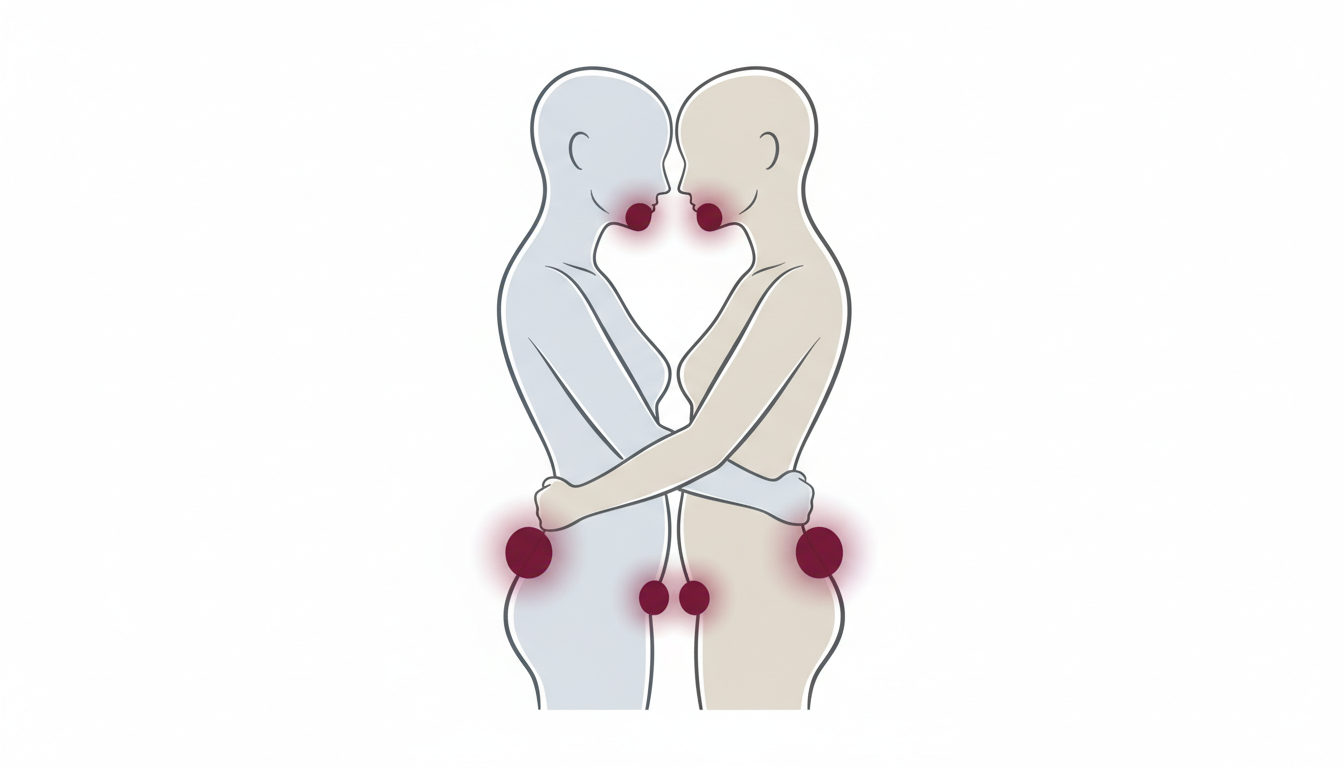
HPV is a skin-to-skin virus. Penetration is not required for transmission. Any close contact between mucous membranes or genital skin can pass it along, which means oral sex, rimming (oral-anal contact), genital frottage, and shared sex toys all carry transmission potential, with or without ejaculation, with or without visible warts.
The CDC estimates that nearly all sexually active adults will acquire at least one HPV strain over the course of their lives. Most clear the infection within one to two years without ever knowing it was there. The minority of infections that persist are the ones that matter clinically, especially when they involve high-risk strains like HPV-16 and HPV-18.
What this means for gay and bi men: someone who has not had penetrative sex can still carry HPV. Someone whose partners always used condoms can still carry HPV, because condoms cover only the shaft and miss the scrotum, the perineum, the pubic region, and the anal canal opening. And because there is no general HPV screening protocol for men in U.S. primary care, most carriers will never know they were infected unless warts or cancer eventually force the issue.
Risk reduction works in layers. Vaccination is the strongest single tool. Consistent condom use lowers but does not eliminate transmission. Reducing the number of concurrent partners reduces statistical risk, though that lever has limits depending on the life someone is actually living. None of these are moralistic prescriptions. They are the levers people actually have.
How the Vaccine Rollout Skipped Gay Men
The first HPV vaccine reached the U.S. market in 2006 with a single approved indication: cervical cancer prevention in girls aged 9 to 26. Boys were added to the routine recommendation in 2011. The age window expanded to 45 in 2018. By the time the guidelines reflected the full at-risk population, more than a decade had passed, and most gay men who came of age during that window had no idea the vaccine applied to them.
The current ACIP guidance, summarized on the CDC's HPV vaccination page, is straightforward:
- Routine vaccination at ages 11 to 12, with the catch-up window running through age 26.
- Shared clinical decision-making for adults aged 27 through 45 who were not adequately vaccinated earlier and who may benefit. The vaccine is FDA-approved through age 45.
- Three doses for the standard adult catch-up schedule (two doses for adolescents under 15).
The current vaccine, Gardasil 9, covers the seven highest-risk cancer-causing HPV strains plus the two strains that cause about 90 percent of genital warts. Real-world studies of MSM populations who received the vaccine show meaningful reductions in anal HPV infection, anal high-grade dysplasia (a cancer precursor), and genital warts. The protection is strongest before sexual debut, but partial protection still applies after exposure to other strains. If you are 30 or 40 and HPV-vaccine-naive, the question to bring to your provider is whether the catch-up schedule makes sense for your specific risk profile, not whether you are eligible at all.
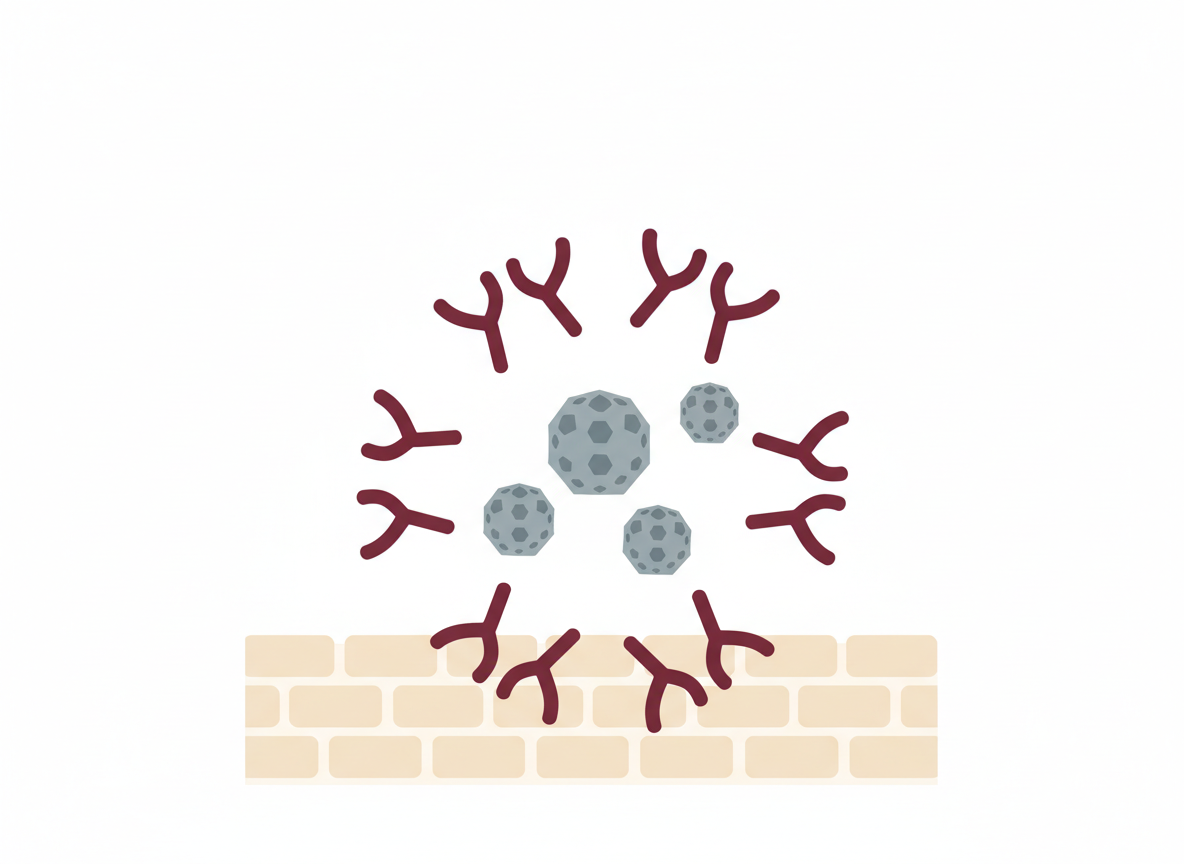
Gardasil 9 is what is called a virus-like particle vaccine. It contains no live virus and cannot cause an HPV infection. The vaccine prompts the immune system to produce antibodies against nine specific HPV strain coat proteins, so when the actual virus shows up at a future exposure, it gets neutralized before it can infect epithelial cells. The strongest protection comes from completing the full series before the first exposure, which is why the ACIP recommends ages 11 to 12 for routine vaccination. Catch-up dosing in older adults still produces protective antibody levels for strains the recipient has not yet encountered.
What HPV Looks Like in Men, When It Looks Like Anything
The challenge with HPV in men is that the high-risk strains, the ones that cause cancer, usually produce no symptoms until cellular damage is well underway. The strains that cause genital warts are technically lower risk for cancer but more visible.
Things to watch for, none of which are diagnostic on their own:
- Genital or anal warts. Soft, skin-colored, sometimes flat, sometimes resembling a small cluster of cauliflower-like bumps. They can appear on the penis, scrotum, around or inside the anus, on the perineum, or in the groin. Caused mostly by HPV-6 and HPV-11.
- Persistent oral or throat symptoms. A sore throat that lasts more than two weeks, hoarseness, lumps in the neck, ear pain on one side, or pain on swallowing can all be early signs of HPV-related oropharyngeal cancer (CDC).
- Anal canal symptoms. Bleeding, persistent pain, a sensation of fullness, or changes in bowel habits can indicate anal HPV-related lesions or cancer. These symptoms are commonly misattributed to hemorrhoids; if a hemorrhoid does not resolve in a few weeks, ask for a closer look.
- Penile changes. Persistent rashes, ulcers, or discolored patches that do not resolve in two to four weeks deserve a visual exam and possibly a biopsy.
None of these symptoms confirm HPV. They are reasons to see a clinician promptly. Ignoring them, or accepting a quick reassurance from a provider who has not actually examined the area, is the most common path to a late-stage diagnosis.
Book an appointment within a few weeks if any of the following last longer than two to three weeks: a sore throat with no other cold symptoms, a one-sided neck lump, one-sided ear pain without an ear cause, anal bleeding or pain misattributed to hemorrhoids, or a non-resolving genital or anal lesion. None of these confirm HPV-related disease, but each is a reason for a clinician (often an ENT or colorectal specialist) to look directly rather than reassure remotely.
Anal Cancer Risk by Group
Anal cancer is the most-discussed HPV-related malignancy in MSM populations, and for good reason. The incidence numbers below tell the story plainly. The risk gap between the general male population and gay or bi men is not subtle, and it widens dramatically when HIV is added to the picture. Treatment outcomes for anal cancer are good when caught early, especially at the precancerous AIN (anal intraepithelial neoplasia) stage, which is treatable with outpatient procedures. Stage at diagnosis determines prognosis. Stage at diagnosis is determined almost entirely by whether someone gets screened. Men do not get reflexively screened the way patients with a cervix do, so the screening conversation has to start somewhere.
| Group | Relative Anal Cancer Risk vs General Male Population | Notes |
|---|---|---|
| General male population | Baseline (1x) | Anal cancer is uncommon at baseline. |
| Gay and bisexual men, HIV-negative | Roughly 20x to 45x | Range varies by cohort and study methodology. |
| HIV-positive gay and bisexual men | Approximately 100x | Suppressed immunity allows persistent high-risk HPV strains to progress. |
HIV and HPV: A High-Risk Combination
For gay and bisexual men living with HIV, HPV is more than an additional concern; it is a compounding one. Suppressed immune function changes the math in three ways:
- HPV infections persist longer instead of clearing within the typical one-to-two-year window.
- Co-infection with multiple high-risk strains becomes more common.
- Precancerous changes progress faster, and treated lesions are more likely to recur.
The clinical consequence shows up in the cancer numbers. Anal cancer incidence in HIV-positive MSM has been measured at roughly 100 times the general-population baseline in some cohorts. Co-existing high-risk HPV strains are detectable in a majority of HIV-positive MSM screened for anal cancer precursors.
If you are living with HIV, the case for vaccination, regular anal Pap screening, and (in many specialty centers) high-resolution anoscopy is unambiguous. The CDC, the HIV Medicine Association, and most infectious disease specialists recommend annual or every-other-year anal cytology for HIV-positive MSM, depending on prior results. Most insurance plans cover this when ordered by an HIV care specialist. If your primary HIV provider has not raised it, raising it yourself is a reasonable next-visit topic.
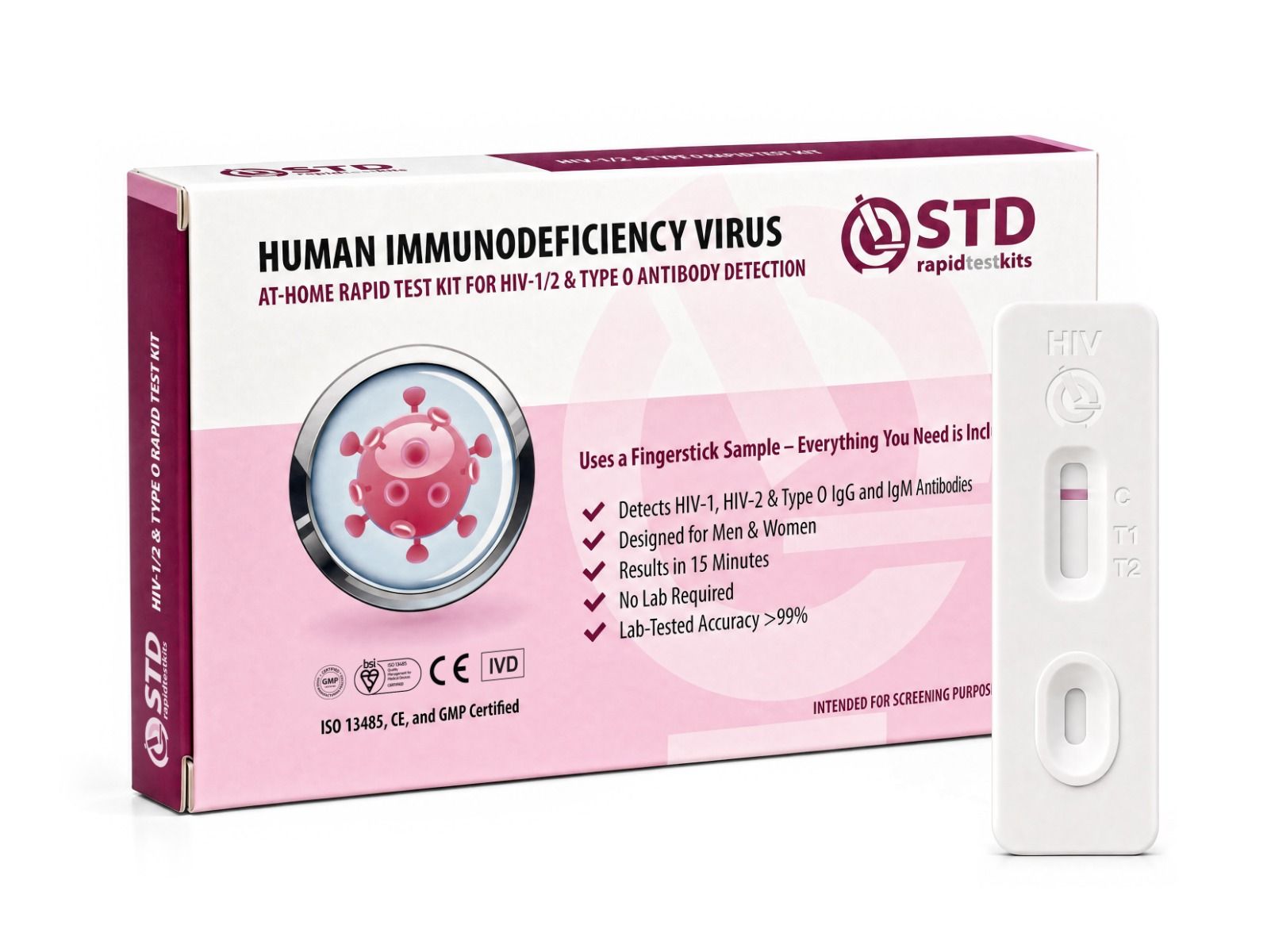
Knowing your HIV status is the first step in this conversation. Rapid at-home tests have made the answer reachable in fifteen minutes without a clinic visit, which is why many gay men with infrequent in-person healthcare contact start there. (Disclosure: stdrapidtestkits.com sells rapid at-home STI tests, including the kit linked below; we recommend products based on fit for the reader's concern, not commercial benefit.)
The Anal Pap Test, and How to Ask for One
An anal Pap smear is mechanically similar to a cervical Pap. A clinician inserts a small swab into the anal canal, rotates to collect cells, and sends the sample to a lab for cytology. The lab looks for atypical squamous cells, low-grade lesions, or high-grade lesions (the precancerous category clinicians most want to catch). The procedure takes a few minutes. It is awkward more than painful for most patients.
The catch is that the test is not standardized in U.S. primary care. The CDC and major medical organizations acknowledge the elevated risk in MSM but stop short of recommending universal anal Pap screening, in part because the evidence base for which screening interval reduces mortality most efficiently is still being built. The ANCHOR Study, which reported in 2022, found that treating high-grade anal lesions in HIV-positive adults significantly reduced progression to invasive anal cancer; that finding is shifting practice, slowly.
What this means for you: most primary care providers will not offer the test. Many have never performed one. The route to access tends to be one of three:
- An LGBTQ+ specific health center. Most major urban areas have one, and many integrate anal Pap screening into routine care for MSM patients.
- An infectious disease or HIV care specialist. Especially relevant if you are HIV-positive; the screening cadence is well-established in HIV care.
- A specific request to your existing provider, with a referral if they cannot perform it themselves. Phrasing that works: "I'd like to be screened for anal HPV-related changes. Do you offer anal cytology, or can you refer me to someone who does?"
1. LGBTQ+ health centers. Most major metro areas have one; anal Pap screening is often part of routine MSM care.
2. Infectious disease or HIV care clinics. The strongest fit if you are HIV-positive, since the screening cadence is built into standard HIV follow-up.
3. A direct request to your existing provider. Ask by name ("anal cytology") and request a referral if they cannot perform the test in-house. Polite persistence is the difference-maker.
Oral HPV and the Rise of Throat Cancer in Men
HPV-related oropharyngeal cancer is cancer of the throat, base of the tongue, or tonsils. The CDC estimates that HPV is thought to cause 60 to 70 percent of oropharyngeal cancers in the United States (CDC). Oral HPV prevalence per the same CDC source runs around 10 percent in men and roughly 3.6 percent in women, a sex disparity that helps explain why oropharyngeal cancer cases concentrate in men. The driver strain is HPV-16, the same one responsible for most anal cancers; the route is oral sex.
Symptoms tend to appear later than in other HPV cancers because the back of the throat is hard to self-examine. Watch for:
- A sore throat that lasts more than two to three weeks without other cold symptoms.
- A painless lump in the neck, particularly on one side.
- One-sided ear pain that has no apparent ear cause.
- A persistent change in voice or swallowing.
- Coughing up small amounts of blood.
If any of these persist for more than two to three weeks, the next step is an ear-nose-throat (ENT) evaluation, ideally including a fiber-optic scope of the pharynx. There is no validated saliva-based screening test for oral HPV in routine clinical use; testing is symptom-driven and biopsy-based. The strongest preventive measure is the same one available for genital and anal HPV cancers: vaccination, which is highly effective at preventing the oral infections that lead to oropharyngeal disease, especially when administered before exposure.
Why Providers Often Skip the HPV Conversation
The clinical encounter is shorter than it used to be. Most primary care visits cap at fifteen minutes. Sexual history sections of the intake form, when they exist at all, often do not ask about same-sex contact. Many providers were trained before HPV-related cancers in men entered standard discussion, and the cultural reflex of pairing HPV with cervical Pap testing persists.
For queer male patients, this commonly produces a pattern that repeats across clinics:
- The provider does not ask about sexual orientation or specific sexual behaviors.
- The patient does not volunteer the information, often for understandable reasons.
- The HPV vaccination, anal Pap, and risk counseling that should follow simply do not happen.
The honest position is that this is not always individual provider bias. It is also a system that does not prompt the conversation through electronic record reminders, insurance coverage rules, or training updates. Patients who do not fit the default screening template fall through. Until the system catches up, asking by name ("I would like to discuss HPV vaccination" or "I would like to be screened for anal HPV") is the reliable workaround.
For vaccination: "I'd like to discuss HPV vaccination. I'm aware that Gardasil 9 is FDA-approved through age 45 and that ACIP supports shared clinical decision-making for adults 27 to 45."
For screening: "I'd like to be screened for anal HPV-related changes. Can you perform anal cytology, or refer me to someone who does?"
Bringing the specific terminology shifts the conversation past whether the topic is appropriate (it is) and into how to act on it.
It Is Probably Not Too Late for the Vaccine
If you are between 27 and 45, the HPV vaccine is FDA-approved for you, and the ACIP supports shared clinical decision-making about whether to receive it. Insurance coverage for adult catch-up vaccination has improved over the past few years but still varies by plan; out-of-pocket cost runs a few hundred dollars per dose for a three-dose series if not covered.
The case for vaccination at any age in this window:
- Even after exposure to one HPV strain, the vaccine still protects against the others. Gardasil 9 covers nine strains; very few people have been exposed to all of them.
- Real-world studies in MSM cohorts show meaningful reductions in incident anal HPV-16/18 infection and high-grade anal lesions among vaccinated adults compared to unvaccinated controls.
- The vaccine has an extensive safety record across hundreds of millions of doses worldwide; the most common side effects are arm soreness and brief low-grade fever.
If your provider hesitates, ask why. "Too old" stops being accurate at age 27 and becomes regulatorily inaccurate at age 45. A provider who reflexively refuses without checking the current ACIP guidance is the wrong provider for this conversation.
At-Home HPV Testing, the Honest Picture
The at-home HPV test sold on stdrapidtestkits.com is a self-collected vaginal swab validated for cisgender women only. We do not currently offer a male-compatible at-home HPV kit. For an HPV test that screens anal, oral, or penile sites in men, the testing has to happen in a clinic with a clinician collecting the sample, or through a small number of research and telehealth services that pilot self-collected anal swab kits in select regions.
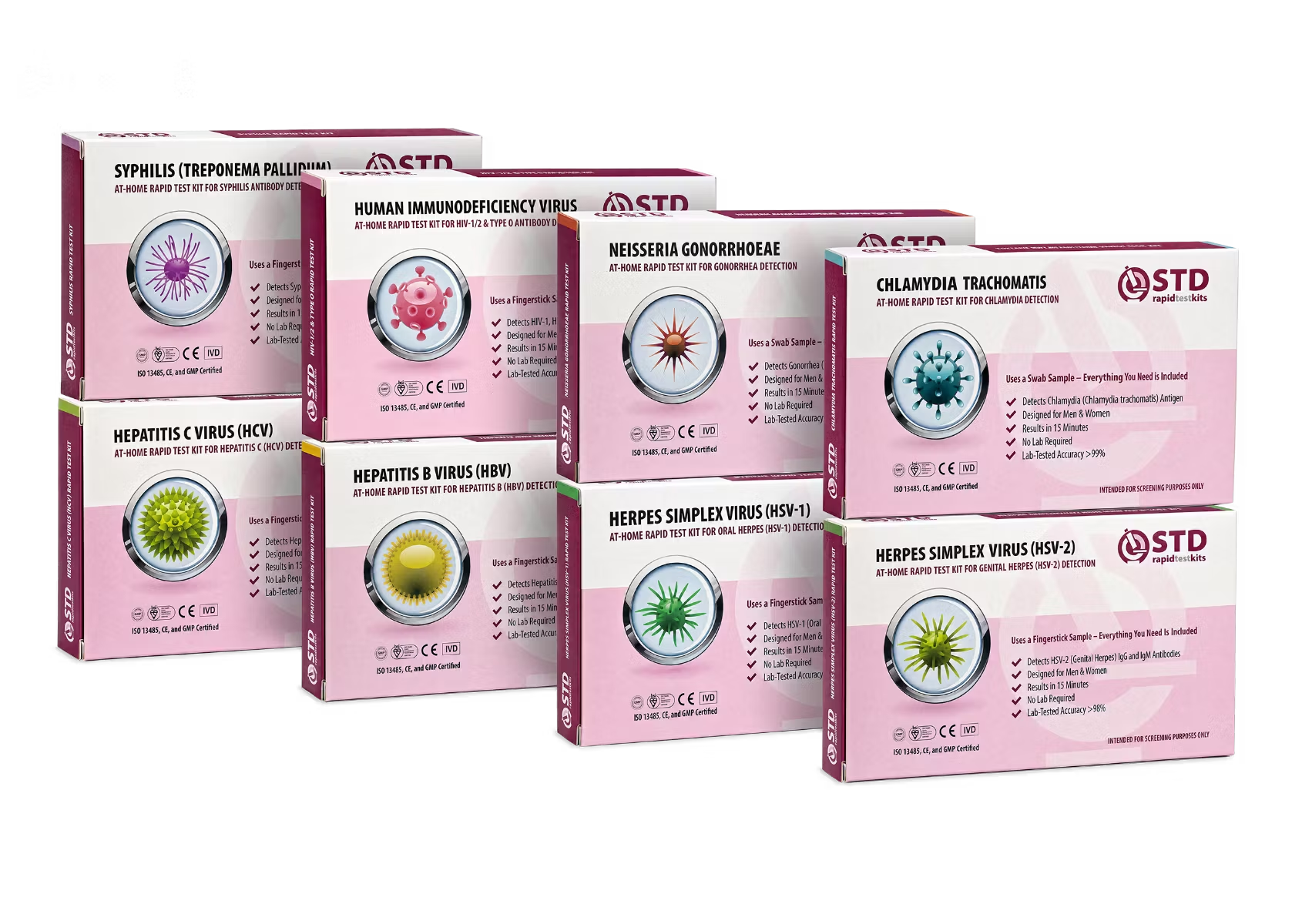
What at-home rapid testing can do for gay and bi men is screen for the infections that travel adjacent to HPV exposure. HIV is the most consequential one given how dramatically HIV co-infection raises HPV-related cancer risk. Syphilis, hepatitis B, hepatitis C, herpes, chlamydia, and gonorrhea are all detectable through home rapid tests using fingerstick blood or self-collected swabs (depending on the infection). The combination kits available on the site bundle these into single-purchase panels.
The practical workflow that makes sense for many MSM:
- Use a home rapid panel to screen for HIV, syphilis, hepatitis, and the other testable STIs as a baseline and then on a recurring schedule.
- Schedule one in-person clinic visit for what home testing cannot cover: HPV-specific anal Pap, vaccination, hepatitis A boosters if not current, and any visual exam needed for warts or lesions.
- Repeat the home rapid screen as your sex life evolves, and the in-clinic visit annually if you are HIV-positive or every two to three years otherwise.
This split-the-work approach captures most of what someone outside a high-resource healthcare environment can realistically access without restructuring their week around clinic appointments.
Our at-home HPV test is a self-collected vaginal swab validated for women only. Men needing HPV-specific testing should ask a clinic for an anal Pap or visual exam by an experienced clinician. The home tests we sell that ARE relevant for gay and bi men cover the adjacent risks: HIV, syphilis, hepatitis B, hepatitis C, herpes, chlamydia, and gonorrhea, available individually or as a multi-infection panel.
What to Do If You Test Positive for HPV
A positive HPV result is not a cancer diagnosis. It is information that lets you act before a problem develops. Next-step options depend on what was found.
- Anal Pap shows ASCUS (atypical squamous cells) or low-grade lesions. Typical follow-up is repeat cytology in six to twelve months. Most low-grade changes regress on their own.
- Anal Pap shows high-grade lesions. Referral to high-resolution anoscopy (HRA) is the standard next step. HRA is the anal-canal equivalent of colposcopy: a magnified visual exam with targeted biopsy. The recently completed ANCHOR Study found that treating high-grade lesions in HIV-positive adults significantly reduced progression to anal cancer, which has shifted treatment guidelines toward earlier intervention.
- Visible genital or anal warts. Treatable with topical medications (imiquimod, podofilox), cryotherapy (freezing), or surgical excision. Treatment removes the visible lesion; the underlying viral infection is cleared by the immune system over time, which is why warts can recur even after treatment.
- HPV antibody screening positive but no symptoms. Conversation with your provider about timing of vaccination, screening cadence going forward, and whether further site-specific testing is appropriate.
Whatever the result, do not let shame slow the next step. HPV is the most common sexually transmitted infection on the planet. A positive result is something you plan around with information, not something you carry in silence.
ASCUS or low-grade changes → repeat cytology in six to twelve months; most regress on their own.
High-grade lesions → high-resolution anoscopy (HRA) for targeted biopsy and treatment.
Visible warts → topical medication (imiquimod, podofilox), cryotherapy, or surgical excision; recurrence is common until the immune system clears the underlying virus.
Talking to Partners About HPV
Disclosure conversations get easier when they are factual. HPV is so common in sexually active adults (the CDC's estimate is that nearly all of them will be infected at some point) that a positive result is closer to a community average than to a personal failing. The framing that tends to land:
"I tested positive for HPV. It is one of the most common viruses in adults, and almost everyone gets it eventually. The reason I am bringing it up is so we can talk about whether you have been vaccinated, and whether testing makes sense for you. I am not blaming anyone, including myself; this is just where I am with my sexual health right now."
Most reasonable people receive that conversation well. People who react with shaming or blame are showing you how they handle health information generally, which is data you can use.
Genital HPV is the most common sexually transmitted infection in the United States. Most people who are sexually active will get HPV at some point in their lives. Some health problems caused by HPV can be prevented by HPV vaccines.
Where to Start
HPV is the most prevalent sexually transmitted infection in the world and one of the most preventable. For gay and bisexual men, the right starting point depends on what is missing from your current care: a vaccination conversation, a baseline STI panel, an anal Pap referral, or all three. None of these require permission to ask for.
The smallest version of the right next step is whatever moves you out of the unscreened, unvaccinated default. A home rapid panel covers the part you can do tonight. The clinic conversation covers the part you cannot. Either one beats continuing to wait for the system to bring it up first.
Frequently Asked Questions
- Can gay and bisexual men get HPV?
- Yes, and at meaningfully higher rates than general public health messaging acknowledges. Anal cancer incidence in MSM runs roughly 20 to 45 times the heterosexual male baseline depending on the cohort studied; for HIV-positive MSM, the figure is closer to 100 times. The viral route is the same as in any sexually active adult, but the immune and anatomical context is not.
- Does HPV cause symptoms in men?
- Most HPV infections are asymptomatic. Visible genital or anal warts can appear and are caused by lower-risk strains like HPV-6 and HPV-11. The high-risk cancer-causing strains usually produce no symptoms until cellular changes are advanced. Persistent throat soreness, neck lumps, anal bleeding, or non-resolving genital lesions warrant prompt evaluation.
- Is the HPV vaccine still effective if I am over 26?
- Yes, within limits. The vaccine is FDA-approved through age 45. Studies in MSM cohorts show reductions in incident anal HPV infection and high-grade lesions among vaccinated adults compared to unvaccinated controls. Protection is strongest before exposure but partial protection still applies after.
- What is an anal Pap test and how do I get one?
- An anal Pap is a cytology test using a swab from the anal canal to look for precancerous cell changes. It is not standardized in U.S. primary care. Access usually comes through LGBTQ+ specific health centers, infectious disease clinics, or a specific referral request to your existing provider.
- Do condoms protect against HPV?
- Condoms reduce but do not eliminate HPV transmission risk. The virus can be present on skin areas not covered by a condom, including the scrotum, perineum, pubic region, and base of the penis. Vaccination remains the strongest single prevention tool, with consistent condom use as a layer on top.
- How often should HIV-positive gay men be screened for anal HPV?
- Most HIV care guidelines recommend annual or every-other-year anal cytology for HIV-positive MSM, with frequency increased after abnormal results. Specific intervals depend on prior cytology, HIV viral load, and CD4 count. Discuss with your HIV care provider.
- Does the at-home HPV test on this site work for men?
- No. The at-home HPV kit on stdrapidtestkits.com is a self-collected vaginal swab validated for women only. Men needing HPV-specific testing should ask a clinic for anal cytology, oral HPV evaluation, or visual examination as appropriate to the exposure route.
- What should I do if I find a wart-like bump near my genitals or anus?
- See a clinician within a few weeks. Genital and anal warts are usually caused by lower-risk HPV types and are treatable with topical medications, freezing, or minor surgical removal. Self-diagnosis is unreliable; the same area can host benign growths, hemorrhoids, molluscum, or other conditions that look similar.
- U.S. Centers for Disease Control and Prevention. Genital HPV Infection Fact Sheet. Used for HPV transmission, prevalence, and screening overview claims.
- U.S. Centers for Disease Control and Prevention. Cancers Linked with HPV Each Year. Used for the ~91% HPV attribution to anal cancer and overall HPV-cancer epidemiology.
- U.S. Centers for Disease Control and Prevention. HPV Vaccination Recommendations (ACIP). Used for vaccine eligibility, dosing, and shared decision-making in adults aged 27 to 45.
- American Cancer Society. About Anal Cancer. Used for general anal cancer epidemiology and identification of MSM and HIV-positive individuals as the highest-risk groups.
- U.S. Centers for Disease Control and Prevention. HPV and Oropharyngeal Cancer. Used for the 60-70% HPV attribution to oropharyngeal cancers and oral HPV prevalence in men vs women.
- World Health Organization. Cervical cancer fact sheet. Used for global HPV cancer-burden context and the role of oncogenic HPV types.
- Mayo Clinic. Anal cancer: Symptoms and Causes. Used for anal cancer symptom presentation and clinical evaluation guidance.
