






Quick Answer: Yes, you can absolutely live a normal life with long-term STDs like Herpes, HIV, and HPV. With the right care and mindset, most people thrive, emotionally, sexually, and socially.
Who This Is For (And Why This Article Had to Be Written)
This article is for the person staring at their phone, heart racing after reading “positive.” It’s for the person who keeps Googling “herpes dating success stories” or “can you marry someone with HIV?” It’s also for those who don’t know yet, who feel something’s off but are afraid to test.
You deserve facts. You deserve hope. And you deserve a version of this conversation that doesn’t come wrapped in shame or outdated health class fear tactics. We wrote this for you, because you’re not broken. You’re just navigating something millions of others live through every day.
We’ll cover what long-term STDs are, what they feel like long after diagnosis, how they impact relationships, and how people manage them physically, emotionally, and socially. By the end, you’ll have tools, not just information.

People are also reading: No Symptoms, Still Infected: The Silent STD Problem
What Makes an STD “Long-Term”?
Not all sexually transmitted infections stick around forever. Some, like Chlamydia or Gonorrhea, are cured with a round of antibiotics. Others, like Herpes, HIV, and many strains of HPV, become part of your body’s landscape for years, or life.
“Long-term” doesn’t always mean symptomatic. Many people carry viral STDs without symptoms for months or years. Others experience flares, visible outbreaks, or internal changes (like cervical dysplasia from HPV). The key difference? These infections don’t disappear completely, even when symptoms go quiet.
Here’s a quick breakdown of the most common long-term STDs and how they behave over time:
| STD | Is It Curable? | Common Long-Term Effects | Symptom Frequency |
|---|---|---|---|
| Herpes (HSV-1 & HSV-2) | No, but treatable | Recurring outbreaks, nerve pain, emotional distress | Varies, monthly to yearly or less |
| HIV | No, but manageable with treatment | Immune suppression, fatigue, increased infection risk | Controlled with daily meds (undetectable = untransmittable) |
| HPV | Some types clear, some persist | Genital warts, cervical or anal cancer risk | Often asymptomatic; warts may recur |
Table 1: Overview of common long-term STDs and their impact over time. Long-term doesn’t mean untreatable, just that management becomes part of your health routine.
What It Feels Like: Not Just Physically
Living with an STD isn't just a medical experience, it’s an emotional one. For many, the hardest part isn’t the outbreak or the pill routine. It’s the silence. The Googling at 2AM. The fear someone will see your search history. The way your stomach drops when someone says “clean.”
Here’s what real people describe, beyond the physical:
Guilt: “I felt like I ruined myself. Like I could never be enough for someone again.”
Isolation: “I didn’t tell anyone for two years. I was so afraid of being judged, I stopped dating completely.”
Relief (eventually): “Once I started antivirals and learned more, I realized it wasn’t the end of the world. Just a new normal.”
And yes, there are physical sensations. Herpes tingles and itches. HIV can cause fatigue or flu-like symptoms before treatment. HPV often has no symptoms at all, but anxiety can make the silence feel loud. Living with an STD is about managing both sides: body and mind.
“I Thought I’d Never Be Touched Again”
Ty, 28, was diagnosed with genital herpes after a weekend trip with a new partner. He remembered the sore starting small, like a razor nick, and assumed it was nothing. A week later, it burned to pee. The clinic confirmed HSV-2.
“I went numb. My first thought was: I’ll never date again. I even blocked the guy I’d just been with. I was so ashamed, even though logically I knew it wasn’t his fault.”
Six months later, Ty’s on suppressive antivirals. His outbreaks are rare. He’s told two partners, both were understanding. One had it too.
“I wish I’d known then what I know now: this isn’t the end of anything. It’s just a different kind of normal.”
Ty’s story isn’t unique. In fact, over 1 in 6 Americans between 14 and 49 has genital herpes, according to the CDC. Most never even know it. And yes, they still love, date, have sex, and live full lives.
Check Your STD Status in Minutes
Test at Home with RemediumHIV Rapid Test Kit
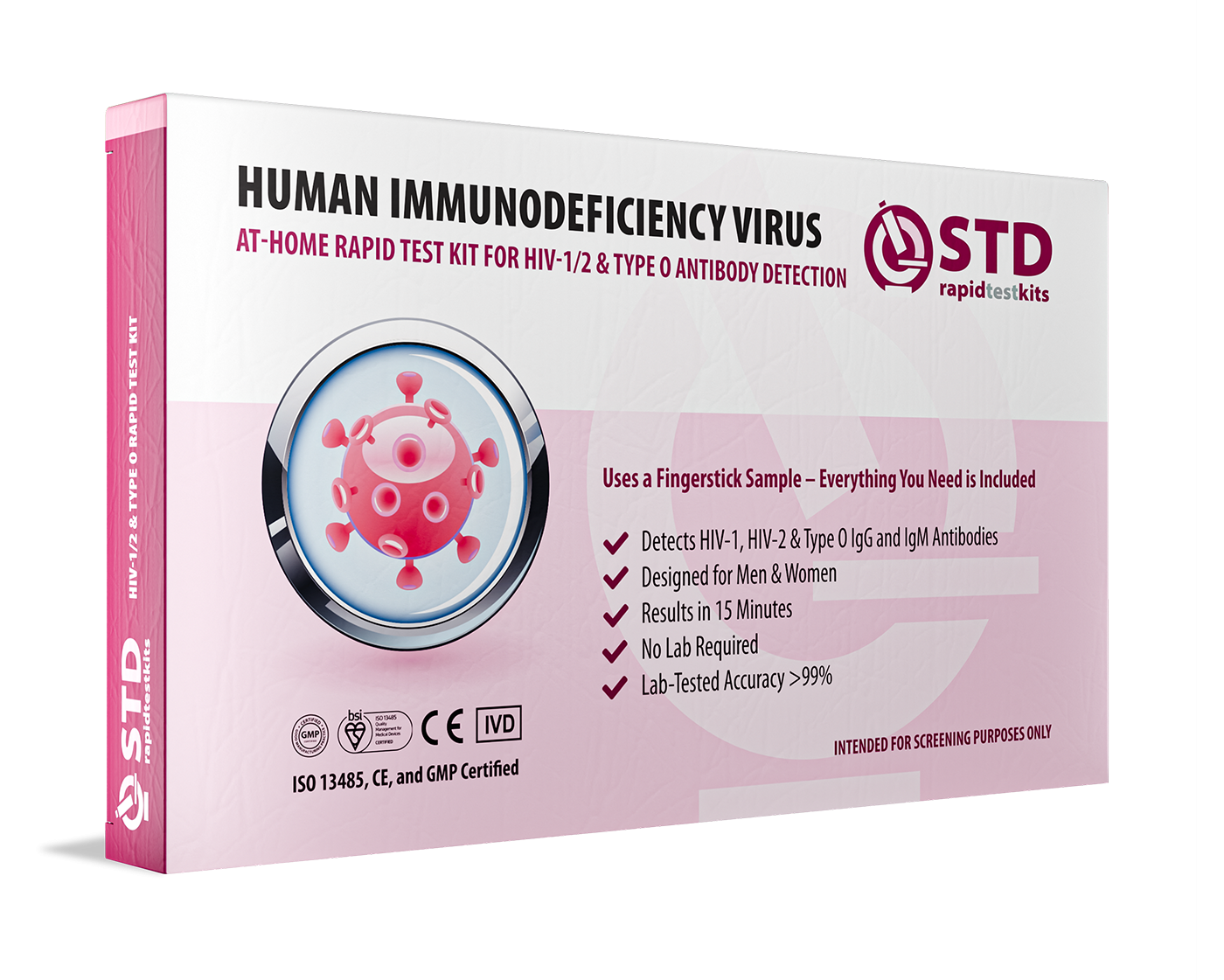
 For Men & Women
 Results in Minutes
 No Lab Needed
 Private & Discreet
Order Now $33.99 $49.00
“Will Anyone Want Me?”: Dating and Disclosure
Let’s talk about the question that keeps people up at night: How do you tell someone you have an STD? Will they run? Will they tell others? Will they still want to sleep with you?
Here’s the truth: Some won’t. But many will. Because more people have STDs than we talk about. Disclosure gets easier with practice, and it’s almost always met with more grace than we expect.
Tips that make it easier:
- Timing: Don’t wait until you’re naked. Share before sex, but after connection.
- Tone: You’re not confessing. You’re informing. Practice your script.
- Knowledge: Be ready to answer questions. “Here’s what it means. Here’s how we stay safe.”
Need a starting point? Try: “Before things go further, I want to share something. I have herpes. It’s managed, and I know how to protect partners. I care about being honest and keeping us both safe.”
And remember: If someone shames you or ghosts you over this, they’ve told you who they are. That’s not rejection, that’s redirection.
Sex, Pleasure, and Protection: What Changes (and What Doesn’t)
Let’s bust one of the biggest myths right now: you can still have amazing, connected, satisfying sex if you have an STD. In fact, many people say that post-diagnosis sex becomes more intentional, communicative, and intimate, because it has to be.
Here’s what can change:
- Condom Use: Depending on the STD, condoms or dental dams can lower risk but may not fully prevent transmission (especially for skin-to-skin spread like herpes).
- Suppressive Therapy: For STDs like herpes and HIV, daily medication lowers viral load, reducing symptoms and transmission risk.
- Consent Conversations: You'll learn to talk about health, boundaries, and timing in ways that deepen connection.
Here’s what doesn’t change: your right to feel desired, to explore safely, and to enjoy your body. Having an STD might make you more cautious, but it doesn’t make you any less worthy of pleasure.
Managing Long-Term STDs Day to Day
Managing a chronic STD isn’t a full-time job, but it does involve consistency. Here’s what that looks like across the most common conditions:
| Condition | Daily Medication? | Transmission Risk with Treatment | Key Lifestyle Adjustments |
|---|---|---|---|
| Herpes | Optional (daily antivirals) | Low with suppressive meds + condoms | Track outbreaks, disclose to partners |
| HIV | Yes (antiretroviral therapy) | Undetectable = untransmittable (U=U) | Regular labs, medication adherence |
| HPV | No (unless warts/cancerous changes) | Low for cleared strains, variable for active warts | Pap smears, vaccination, honest disclosure |
Table 2: Daily life with long-term STDs. Most people report it feels like “just another part of self-care”, similar to managing asthma, allergies, or migraines.
When Things Flare: Triggers, Symptoms, and What Helps
Flare-ups happen even when you take good care of yourself. Knowing how your body works can help you deal with symptoms without getting scared. This is how it usually goes:
Stress, illness, menstruation, or friction can make cold sores or genital lesions worse. First, you feel a tingling, and then you get blisters filled with fluid. Antivirals can stop or shorten outbreaks.
HPV: Most people get rid of the virus on their own. But for some people, it stays and causes genital warts or cell changes that need to be watched (for example, with Pap tests).
HIV: If you take care of it properly, you may not have any symptoms at all. HIV can make you tired, give you a fever, make you lose weight, and make you more likely to get sick.
Different things set off different people. Knowing yours and acting quickly makes a big difference. And what if you don't know how you feel? You have the right to test again, talk to a provider, or just check in with yourself. That's health. That's care.
What If It Feels Like Too Much?
Living with a long-term STD can sometimes feel like grief. It’s okay to be overwhelmed. It’s okay to be angry. It’s okay to cry in your car or rage-text a friend or go silent for a while. But you don’t have to stay there.
Mental health support is a key part of chronic STD management. Whether it’s therapy, a support group, Reddit threads, or quiet self-education, you are allowed to ask for help. Shame thrives in silence, so break it in whatever way you can.
And if your provider doesn’t treat your emotional health as seriously as your physical health? Find a new one. You deserve both.

People are also reading: Itchy, Burning, or Just Discharge? Yeast vs Chlamydia Symptoms Explained
Prevention Isn’t Just for Partners, It’s for You, Too
When people think about “safe sex,” they usually think about protecting someone else. But long-term STD care isn’t just about being a good partner, it’s about protecting your own peace. Knowing your status, managing your condition, and planning ahead helps you live without dread, shame, or surprises.
Let’s say you have herpes. You’ve told your partner, you're using condoms, and you’re taking suppressive antivirals. That’s not overkill, that’s care. Or maybe you’re living with HIV, and your viral load is undetectable. That’s not just “safe”, that’s empowered. It means your life is still yours to live, without fear of passing anything on.
And if you’re not sure where you stand? Testing is part of that self-care. Not because you’re dirty or suspicious, but because your future deserves clarity, not chaos.
What About Future Relationships and Family Planning?
This is one of the biggest worries for newly diagnosed folks: “Will I ever get married?” “Can I still have kids?” “Will someone still want me long-term?”
The answer is a full-bodied, unapologetic yes.
Many people with chronic STDs go on to have amazing relationships, biological children, and thriving partnerships. Here's what makes it work:
- Transparency: People who disclose early build trust faster, even if it's scary at first.
- Education: Knowing the difference between risk and fear makes you a better partner, and helps weed out those who aren’t ready.
- Planning: From fertility timelines to delivery decisions (like for women with herpes), modern medicine supports healthy outcomes at every step.
If you’re someone who wants kids, a future, a steady partner? Good. You deserve all that. A diagnosis doesn’t put any of it out of reach.
Check Your STD Status in Minutes
Test at Home with RemediumPapillomavirus (HPV) Test
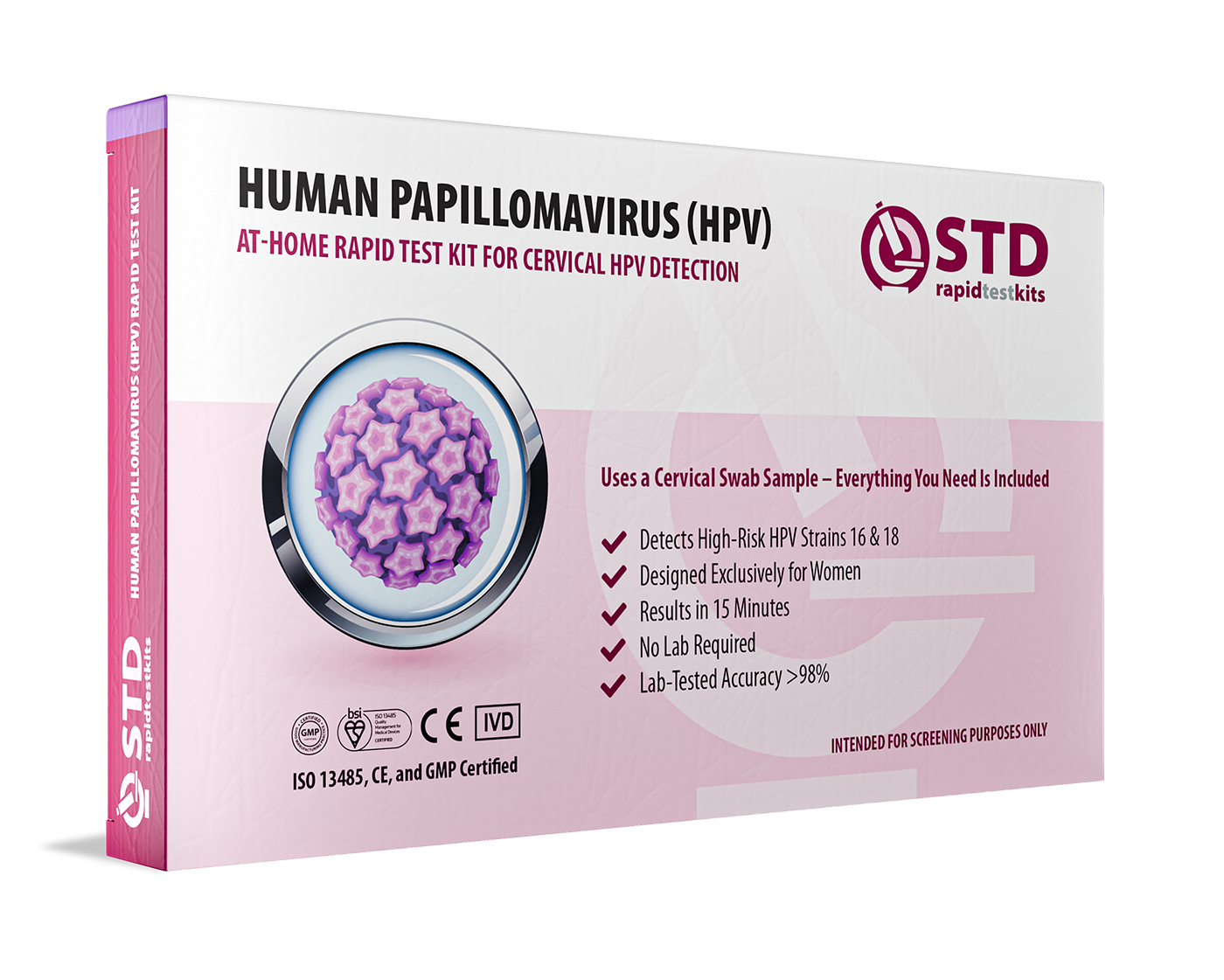
 For WomenResults in MinutesNo Lab NeededPrivate & Discreet
Order Now $33.99 $49.00
FAQs
1. Can you really live a normal life with herpes?
Yes, normal, joyful, sexy, and everything in between. Most people with herpes go about their lives with few to no outbreaks after the first year. It becomes a footnote in your health file, not the headline of your identity. Suppressive meds help, but what helps most is realizing you’re far from alone.
2. Does HIV still mean a short life?
Not even close. With modern meds, people with HIV can live just as long as those without it. If you take your treatment consistently and reach “undetectable” levels (which means the virus is so low in your blood it can’t be passed on), you’re not just surviving, you’re thriving. Dating, parenting, traveling… nothing’s off limits.
3. Is HPV always forever?
Not always. In fact, most HPV infections (especially in your teens and twenties) clear on their own within 1 to 2 years. But some types stick around, and that’s where regular Pap smears or HPV testing come in. Don’t freak out if you test positive. Just follow up. It’s more common than a cold sore.
4. What if I’ve never had symptoms, do I still have to tell people?
If you know you carry a long-term STD, yes, it’s the kind thing to do. Even if you’ve never had a single symptom, some STDs can still be transmitted during skin contact or oral sex. Disclosure isn’t about shame, it’s about consent. And trust us, the right people will respect you more for it.
5. Can I still have kids if I have an STD?
Absolutely. The majority of people with STDs go on to have healthy pregnancies and children. There are just a few timing tweaks and medical precautions. Whether it’s herpes, HIV, or HPV, talk to a provider early and build a care plan. Babies don’t care what label you carry, they care that you’re healthy and informed.
6. I’m scared to date. What if no one accepts me?
Totally fair fear, and also, totally common. The truth? Many people will walk away. But many won’t. And those who stay? They’re often more open, more empathetic, and more emotionally intelligent. You’re not just looking for “anyone”, you’re looking for someone who sees all of you, and still says yes.
7. Do I have to take medication every day forever?
Depends on the STD. With HIV, daily meds are non-negotiable, but they’re powerful and life-extending. With herpes, daily meds are optional (but they cut down outbreaks and risk). HPV? Usually no meds unless you’re treating symptoms like warts or abnormal cells. Think of meds like you would glasses or a birth control pill, tools, not shackles.
8. Can I date someone who doesn’t have an STD?
Yes, and it happens all the time. Mixed-status couples are everywhere, herpes-positive + negative, HIV-positive + negative, and everything in between. With honest talk and a little strategy (meds, condoms, timing), you can absolutely love, kiss, and sleep with someone who’s negative, and keep them that way.
9. Should I get retested even if I feel totally fine?
Yup. Some of the most damaging STDs are stealthy. You could be symptom-free and still carrying something that slowly chips away at your health or fertility. If it’s been a few months, or you’ve had a new partner, or your gut just says “check again”, listen to it. Peace of mind is worth 10 minutes and a finger prick.
10. Is there a vaccine for anything?
Hell yes. There’s a highly effective vaccine for HPV (Gardasil 9), which protects against the most dangerous strains linked to cancer and warts. Hepatitis A and B also have vaccines. Sadly, no vaccines for HIV or herpes yet, but prevention tools for both are better than ever.
Don’t Let the What-Ifs Win: Time for a Gut Check
If you're still spiraling in “what if I have it?” or “what if they gave me something?”, pause and breathe. Then ask yourself: What would actually make me feel better today?
If the answer is “knowing for sure,” you’re one test away. A discreet at-home kit can give you answers in minutes, not months. No waiting rooms. No awkward small talk with nurses. Just you, your results, and a plan.
This at-home combo test kit covers the most common long-term infections, and gives you a clear next step, no matter the result.
Control isn’t about perfection. It’s about action. You’ve got this.
How We Sourced This Article: We combined current guidance from leading medical organizations with peer-reviewed research and lived-experience reporting to make this guide practical, compassionate, and accurate. In total, around fifteen references informed the writing; below, we’ve highlighted six of the most relevant and reader-friendly sources.
Sources
1. Living With Herpes – Planned Parenthood
2. Living with Herpes: Challenges, Support, Normal Life – Verywell Health
3. My HIV Story: I Have HIV and HPV – STDCheck
4. Real-Life Experiences of Herpes Simplex Virus Type 2 – PMC
5. HIV & Mental Health: Real People, Real Stories – Greater Than HIV
6. Herpes Testimonies – InfoHerpes
About the Author
Dr. F. David, MD is a board-certified infectious disease specialist who focuses on preventing, diagnosing, and treating STIs. He combines clinical accuracy with a straightforward, sex-positive attitude and is dedicated to making his work available to more people in both cities and rural areas.
Reviewed by: Jenna McCoy, RN, MPH | Last medically reviewed: September 2025


