







Quick Answer: Monogamy doesn’t guarantee immunity from STDs. Past exposures, undiagnosed infections, and long incubation periods mean regular testing is still essential, even in exclusive relationships.
The STD Nobody Expected: When Trust Meets Biology
Jasmine, 34, had been with her husband for almost a decade. They’d been monogamous since their early twenties, or so she thought. When she developed painful sores and was diagnosed with genital herpes, her first reaction was betrayal. But the more she dug into the facts, the more complicated it became. Her husband hadn’t cheated. He’d simply never been tested for herpes, and likely carried it asymptomatically for years.
“It felt like a betrayal even though it wasn’t,” Jasmine said. “But the real betrayal was the silence, neither of us had ever really talked about testing.”
This isn’t rare. Studies show that a majority of people who carry chlamydia, herpes, or even HIV don’t realize they’re infected. STDs can lie dormant for months or years, especially when symptoms are mild, mistaken for something else, or absent entirely. And because some infections are only tested for on request (like herpes), many people assume they’re “clean” without ever having been checked at all.
According to the CDC, over 20 million new STD cases occur in the U.S. every year, and many of them happen in people who aren’t sleeping around. They're in long-term relationships. They're newly married. They’re just like you.
The Lie We Inherited: Why Monogamy Isn’t a Medical Shield
We’re taught that monogamy equals safety. That once you’re with one person, the risk disappears. But monogamy is a behavior, not a blood test. And it doesn’t erase your sexual history or your partner’s. Unless both people tested for everything after their last partner (and then didn’t have sex again until results came in), there’s always a chance something came into the relationship unnoticed.
Here’s the kicker: many STDs don’t show up on a standard physical. Herpes testing, for example, isn’t included in routine panels unless you ask for it, and even then, blood tests can miss early infections. HPV may never cause symptoms in men, but can still be passed to female partners. And infections like trichomoniasis or chlamydia often present without any signs at all.
This means that even if you’ve both been “faithful,” it’s possible for one person to have brought an infection into the relationship from years ago. No cheating required. Just biology, and a lack of testing.
STD Rapid Test Kits offers a discreet way to check for these silent infections from the privacy of your own home. You can order a Combo STD Home Test Kit and get results in minutes, no clinic required.

People are also reading: Can STDs Affect Your Mental Health?
How Long Can STDs Stay Hidden? (Longer Than You Think)
One of the most confusing things about STD testing in monogamous relationships is timing. People assume that if months or years have passed without symptoms, they must be in the clear. But STDs aren’t like food poisoning, they don’t always show up right away, and some can stay silent for months or even decades.
Take HIV, for example. It can take weeks before antibodies show up on a test. Syphilis may not cause obvious symptoms until it’s progressed. Chlamydia often causes no symptoms in women but can quietly damage reproductive organs over time. And herpes? Many people don’t have their first outbreak until months or years after being infected.
Here's a general overview of how long some common STDs can take to show up, or stay silent:
| STD | Average Incubation Period | Can Remain Asymptomatic? | Common Detection Window |
|---|---|---|---|
| Chlamydia | 7–21 days | Yes | 1–3 weeks |
| Gonorrhea | 2–14 days | Yes | 5–10 days |
| Herpes (HSV-1/2) | 2–12 days | Yes (very common) | Can appear years later |
| Syphilis | 10–90 days | Yes (especially early stages) | 3–6 weeks for antibody tests |
| HIV | 10–33 days (NAAT) | Yes (early infection often mild) | 2–6 weeks depending on test type |
| Trichomoniasis | 5–28 days | Yes (especially in men) | 1–4 weeks |
Figure 1. Common incubation and detection periods for major STDs. Some infections may remain dormant or asymptomatic for extended periods, especially in monogamous relationships where symptoms are overlooked or misattributed.
Order Now $129.00 $343.00 Check Your STD Status in Minutes
Test at Home with Remedium
7-in-1 STD Test Kit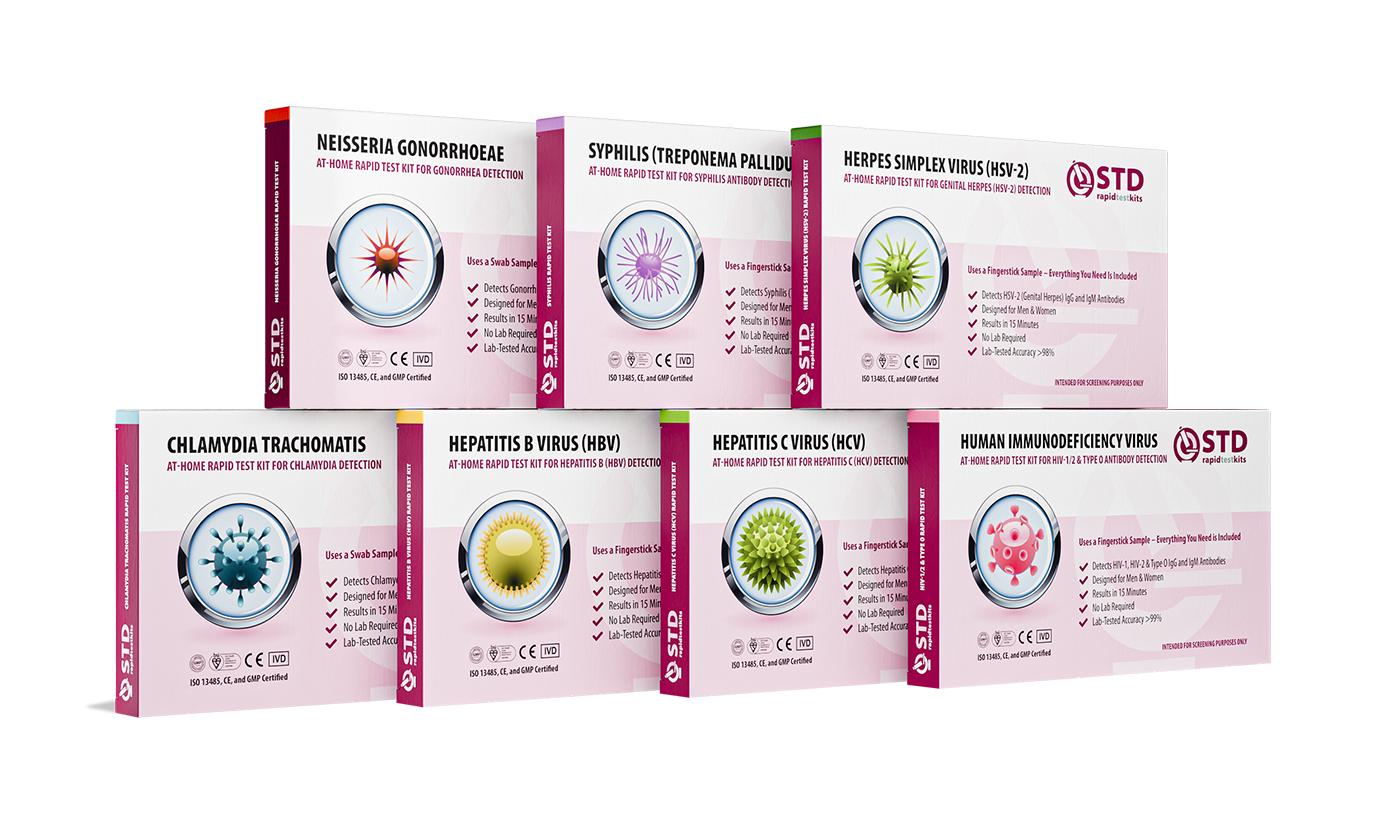
 For Men & Women
 Results in Minutes
 No Lab Needed
 Private & Discreet
For all 7 tests
“I Didn’t Cheat, But I Still Got Infected”
Kevin, 29, got tested after his girlfriend of three years developed unusual discharge and painful urination. When he came back positive for gonorrhea, she was devastated. But both of them had been monogamous, and neither had any symptoms until now.
“I was terrified she’d think I cheated,” he said. “But when we went through our history, I realized I’d never actually tested for anything before we got together. I assumed I was fine.”
Kevin’s case is more common than you'd think. According to Planned Parenthood, many people never get tested until symptoms appear, or a partner tests positive. And when a silent infection finally makes itself known, the emotional toll can be as devastating as the physical symptoms.
Don’t let assumptions replace action. If it’s been more than a year since your last test, or if you’ve never tested since entering your relationship, now is the time. Testing isn’t about guilt. It’s about care.
Take back control. Order a Combo STD Test Kit and get results at home, in private, on your time.
Testing Isn’t a Threat, It’s a Form of Intimacy
There’s a deeply embedded fear that asking a partner to test implies distrust. But here’s the reality: testing is one of the most intimate things you can do for someone. It says, “I care about your body enough to be sure.” It means protecting each other not just from infections, but from misunderstandings, false assumptions, and late-night panic Googling.
Ashley, 27, wanted to stop using condoms with her partner but was nervous about bringing up testing. “I didn’t want him to think I didn’t trust him,” she explained. “But he was actually relieved I said something. He’d been thinking the same thing.”
They ordered a Combo STD Home Test Kit and took it together before a weekend trip. “It felt more romantic than I expected,” Ashley said. “Like we were really making this a team thing.”
That’s what testing can be. A shared act of care. A reality check wrapped in trust. An investment in your future sex life, especially if you’re about to ditch condoms, stop PrEP, or go exclusive.
“I Got Herpes and I Didn’t Cheat”: The Myth That Hurts Everyone
Let’s say it louder for the people in the back: you can get an STD without cheating. This isn’t just a cute headline, it’s a fact backed by biology. Herpes can live in your body for years with no outbreaks. HPV can pass skin-to-skin without any visible warts. Chlamydia can silently infect your reproductive system and lie low until it causes complications, or gets detected during a routine Pap.
The myth of STD = cheating leads to trauma. People get blamed. Relationships implode. Partners withdraw in shame or avoid treatment out of fear they’ll be accused. But the truth is far more mundane, and more fixable. STD exposure doesn’t always mean betrayal. Sometimes, it just means someone didn’t know.
If you or your partner test positive while in a monogamous relationship, take a breath. This doesn’t automatically mean someone was unfaithful. What it does mean: it’s time for clarity, communication, and care. A follow-up test. A conversation. A treatment plan. Not a trial.

People are also reading: The Growing Demand for Private STD Testing
What If It Was Me? Sitting With the Fear of Giving, Not Getting
It's easy to focus on the person who gets the positive result,but what about the partner who unknowingly passed something on? That fear is often unspoken, buried under layers of shame. You didn’t cheat. You didn’t lie. You just never tested because nothing seemed wrong. But now your partner has symptoms,and you’re left wondering if it came from you.
Ty, 31, was in that exact spot. His girlfriend tested positive for trichomoniasis after getting treated for a UTI that didn’t clear up. “I hadn’t had symptoms in years,” he said. “But once she got tested, I did too,and sure enough, I had it. I probably gave it to her without even realizing.”
There were tears. There was confusion. But there was also relief. Relief that they finally knew. Relief that it was treatable. And relief that they chose truth over silence. “We got through it,” Ty said. “We both got treated. We both got smarter. We’re stronger now.”
Being the unknowingly infected partner doesn’t make you a villain. It makes you human. The key is what happens next,because testing, treating, and healing together is absolutely possible.
Check Your STD Status in Minutes
Test at Home with Remedium6-in-1 STD Test Kit
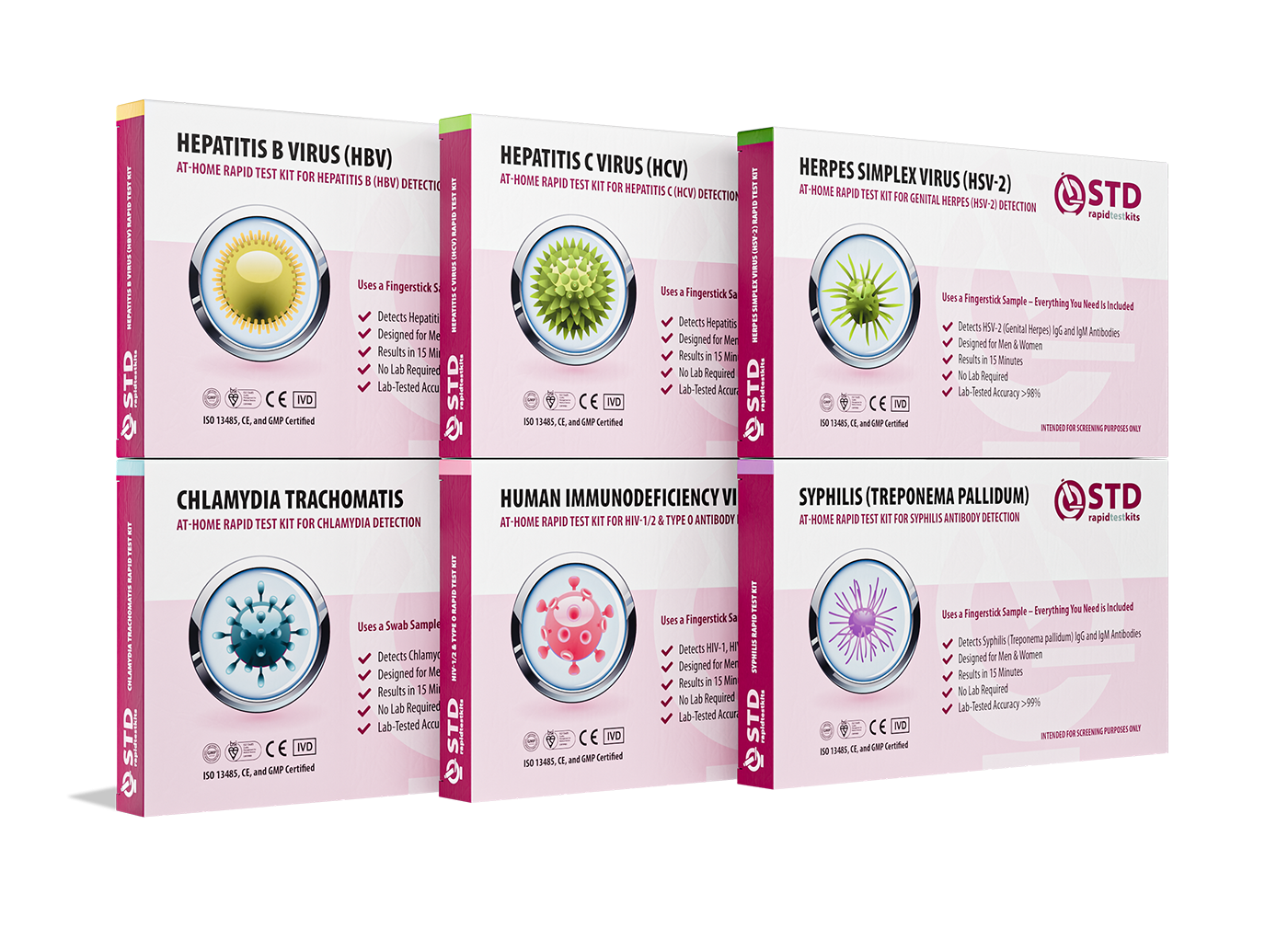 For Men & WomenResults in MinutesNo Lab NeededPrivate & Discreet
Order Now $119.00 $294.00
For all 6 tests
Table: Emotional Reactions After a Surprise STD Diagnosis
| Initial Reaction | What It Really Means | What You Can Do |
|---|---|---|
| “I feel dirty.” | Stigma runs deep,but infection doesn’t equal shame. | Remind yourself: this is common, manageable, and not your fault. |
| “Did my partner cheat?” | Not necessarily. Dormant infections can appear years later. | Ask open questions and consider mutual retesting before jumping to conclusions. |
| “Why didn’t I know sooner?” | STDs are often asymptomatic, even for years. | Use this as a reason to begin routine testing, not as a personal failure. |
| “I’m scared to tell them.” | Disclosure feels terrifying,but honesty builds safety. | Plan the conversation, use ‘I’ statements, and offer testing options. |
Figure 2. Common emotional responses after an unexpected positive test result,especially in relationships assumed to be “safe.” Every reaction is normal. But facts, support, and communication can help you move forward.
Testing as Maintenance, Not Emergency Response
Let’s reframe testing. You don’t wait until your gums are bleeding to see a dentist. You don’t wait for chest pain to get your blood pressure checked. Why wait for an STD to flare up,or a relationship to hit a crisis,before taking five minutes to swab, pee, or prick?
Regular STD testing isn’t about fear. It’s about freedom. It gives you data. It gives you options. It gives you the peace of knowing your body is yours,and that you're protecting not just yourself, but your partners too.
The CDC recommends sexually active individuals get tested at least once a year for chlamydia and gonorrhea. If you have multiple partners, are under 25, or are in a new relationship, more frequent testing may be needed. But even if you're committed, exclusive, and symptom-free, a test is the only way to be sure.
And it’s never been easier. STD Rapid Test Kits deliver discreet, doctor-approved testing to your door. No waiting rooms. No awkward explanations. Just answers,fast.
Why It’s Never Too Late to Test Together
Maybe you’ve been together five months. Maybe five years. Maybe you’re married. Maybe you’re monogam-ish. Regardless, it's never too late to ask the question: “Hey, have we ever actually tested for everything?”
That conversation could feel awkward for five minutes. Or it could save you from five months of stress, misdiagnosis, or missed treatment. You deserve that clarity. So does your partner. And starting that conversation today could be one of the most protective, intimate, and powerful decisions you make together.
Testing isn’t about catching lies,it’s about catching the things that lie in wait. Quiet. Asymptomatic. Treatable. And ready to be faced,with facts, not fear.
Get tested together today. It’s not about mistrust. It’s about making love safer,for both of you.
FAQs
1. Can you get an STD even if neither partner has cheated?
Yes. Many STDs can stay hidden or dormant for months or even years. A person may unknowingly bring an infection into a relationship without showing any signs of it or cheating.
2. Do STDs always cause symptoms?
No. Most STDs, including chlamydia, herpes, and HPV, can be completely asymptomatic. Many people only find out through routine screening or when a partner tests positive.
3. Why test if I trust my partner?
Testing is about biology, not cheating. It keeps both partners safe from silent infections and gives them peace of mind. Trust and testing can (and should) go hand in hand.
4. What if I test positive but haven't been with anyone else?
It's possible that you got the infection in a past relationship and it stayed dormant. This happens a lot with herpes, HPV, and even HIV in the beginning.
5. How long can STDs stay in your body without showing any signs?
Herpes and HPV are two viruses that can stay dormant for years. Chlamydia and gonorrhea can stay in your body for months without making you sick. So, even if you've been together for a long time, you should still get tested often.
6. Do I still need to use condoms if I'm only dating one person?
A lot of couples stop using condoms after they become exclusive, but it's important to get tested first. Condoms keep you safe from most STDs, but not all of them, especially skin-to-skin infections like herpes.
7. How reliable are STD tests you do at home?
STD Rapid Test Kits and other high-quality at-home rapid tests give you quick, accurate results. For some infections, it may be a good idea to get more lab tests to be sure.
8. How do I talk to my partner about testing?
Be honest and say that you both care about each other. Say, "I want us both to feel safe and sure about moving forward. What do you think about us testing together?"
9. Can my past partners still have an effect on my current relationship?
Yes. If your ex had an undiagnosed infection, it could have been passed on to you without you knowing. That's why a clean slate isn't always a clean body.
10. What if my partner refuses to get tested?
That’s a red flag. Testing should be a mutual act of responsibility. If your partner resists, it may be time to reconsider what safety and trust mean to you.
You Deserve Answers, Not Assumptions
Love doesn’t always protect you from what you can’t see. And while monogamy may bring emotional safety, it doesn’t guarantee physical immunity. That’s not a reason to panic, it’s a reason to check in, test up, and move forward together with confidence.
Stop guessing. Start knowing. This at-home test kit makes it easy to get answers, privately, quickly, and without the awkward clinic trip.
How We Sourced This Article: We used the most recent guidelines from the CDC, Planned Parenthood, peer-reviewed journals like Sexually Transmitted Infections, and real-life testimonials to make sure our information was correct, reliable, and compassionate.
Sources
About the Author
Dr. F. David, MD is a board-certified infectious disease specialist focused on STI prevention, diagnosis, and treatment. He blends clinical precision with a no-nonsense, sex-positive approach and is committed to expanding access for readers in both urban and off-grid settings.
Reviewed by: Elise Carter, MPH | Last medically reviewed: September 2025
We’re here to help you understand, but this isn’t a substitute for professional medical advice.


