






Depression, Anxiety, and STDs: The Overlooked Impact
Sexually Transmitted Diseases and Mental Health
STDs and mental health are often not brought up in conversation. A person may feel various ways when he or she is informed about having an STD: fear, humiliation, shame, and anger. These feelings are exacerbated by the judgment placed by society on STDs as a moral failure instead of a medical condition.
The study indicates that a history of sexually transmitted diseases makes one susceptible to anxiety and sadness. There are numerous reasons for this. Some people find disclosure to a spouse a very stressful and emotionally draining experience. Some individuals feel helpless because some of the STDs, such as herpes or HIV, are persistent.
Poor mental health resources and treatment access are systemically perpetuated and can exacerbate the situation past individual issues. Too many people's deteriorating mental and physical health is suffering in silence because of a lack of support.

Improving the Mental Health Outcomes of STDs
There are several positives to actively working to improve the mental health effects of STDs:
Increased Well-being
Reducing the psychological trauma of the diagnosis of an STD is achieved by mental health that can enable the person to be in better control.
Better Treatment Outcomes
The physical health of a person is interlinked with his or her mental health. Individuals will be more likely to comply with treatment programs when they are in a better position to manage their anxiety and stress.
Less Shame
As far as sexual transmission diseases are concerned, the removal of stigmas that characterize mental health issues opens up to better attitudes and acceptance.
More Harmonious Relationship
Treatment for mental health problems resulting from diagnosis improves your relationship through increased trust and proper communication between you and your spouse.
Real Life Case
Consider Sarah's case, a victim of genital herpes. Upon diagnosis, feeling guiltier and the shame linked to it alone made her shut off others. However, through treatment and support groups, she learned how to manage symptoms and regain some confidence, setting her up to get an equally valuable partner who shared these virtues: honest and open with one another.
Check Your STD Status in Minutes
Test at Home with RemediumGenital & Oral Herpes Test Kit
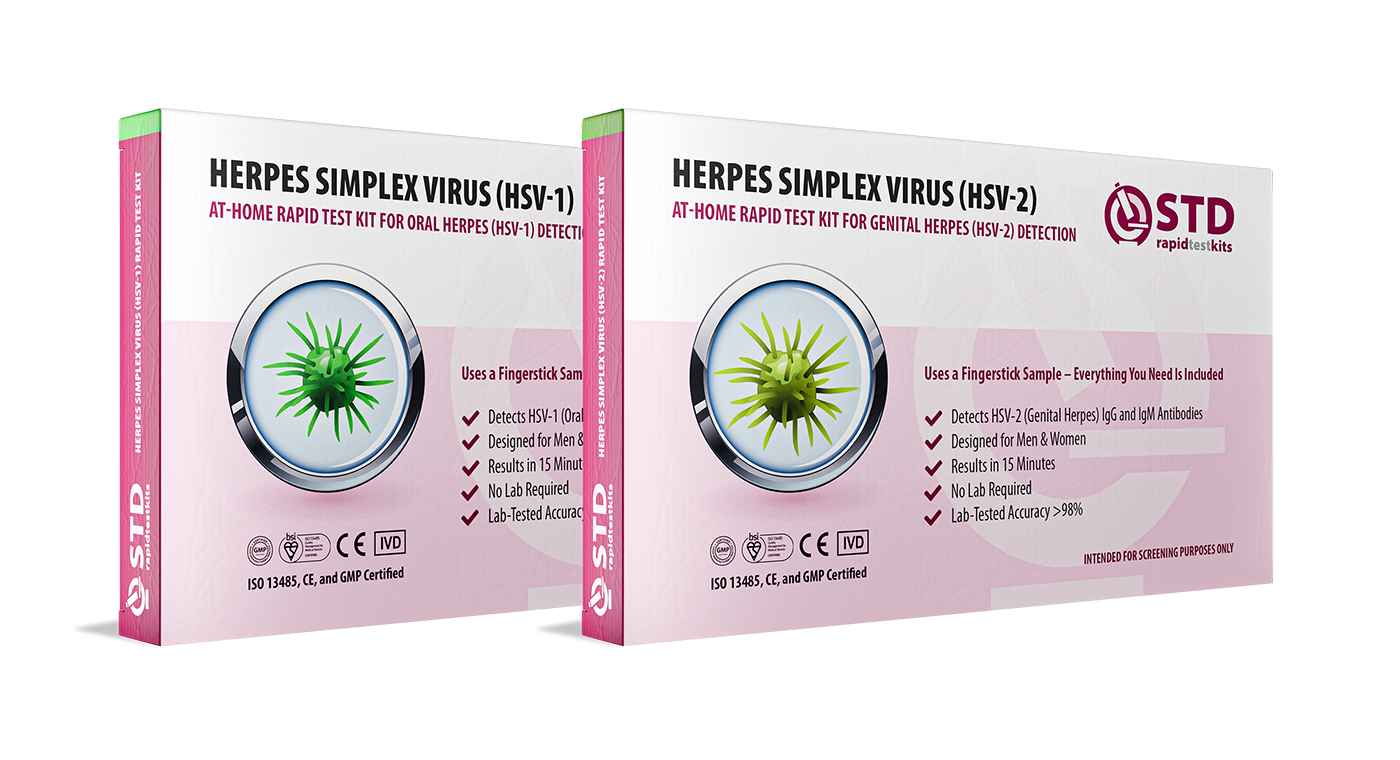
Claim Your Kit Today
Save 23%
 For Men & Women
 Results in Minutes
 No Lab Needed
 Private & Discreet
Order Now $75.00 $98.00
For all 2 tests
Psychological and Emotional Burden of Sexually Transmitted Diseases
A diagnosis of STD comes with a load of challenges attached.
- Stigma and Shame: Many people feel stigma and shame associated with the disease, which eventually leads to isolation and withdrawal from social activities.
- Depression and Anxiety: Depression and anxiety may be triggered when one thinks about infecting others, living with symptoms, or facing rejection.
- PTSD: Getting a diagnosis of an STD can trigger post-traumatic stress disorder among sexual assault survivors.
- Privacy Concerns: News of diagnosis with sexually transmitted disease with a partner may not be easy and may be stressful to communicate.
Lies exaggerate these problems. Included is the unnecessary anguish that emanates from the myth created by believing that the self-worth of a person is defined by the status of STD, that some of the infections are incurable.
Beating the Psychological Impact of Sexually Transmitted Diseases
Here are some considerations for you or a loved one that may be facing the emotional aftereffects of an STD diagnosis:
- See a Professional: Anxiety, depression, and post-traumatic stress are all issues that can be much better dealt with by means of counseling or therapy.
- Acquire Good Education: The reality known about sexually transmitted diseases helps the individual discard myths and clears misunderstandings from people's minds.
- Pay Attention to Yourself: The way to health can be pursued through mindfulness, exercise, and a healthy diet.
- Think About Domestic Evaluation: Home-testing kits are one of the hassle-free ways of evaluating a sexually transmitted disease with a view to maintaining privacy from social stigma.
- Join Support Groups: Contacting others who are in similar circumstances will help you to not feel as alone.

Statistical Insights and Data
Studies also present that the correlation of mental disorders and STDs is strong.
- Depression and Anxiety: The study indicates that 60% of individuals who experience a sexually transmitted infection have anxiety or depression.
- Results of Stigma: The research presented in the American Journal of Public Health presents stigma, resulting from it, as one of the major reasons for after-diagnosis mental disorders.
- Effects on Personal Relationships: About 40% of the cases reported with an STD face disruption in partnerships.
In view of these statistics, it is obvious that management of the psychological component of STDs will improve the overall outcome.
Critical Comments and Case Presentations
Experts say that individuals who have STDs need mental health support.
"I always feel that I am underestimating how psychologically overwhelming it is to be diagnosed with an STD," says Dr. Amanda Keller, a professional psychologist. "Mental health services should be part of comprehensive care so that people learn to cope with their feelings."
Case studies, such as that of Alex, a young man living with HIV, are examples of how mental health services can change lives. Given therapy and a support network, Alex was able to overcome his early despair and became an activist for HIV awareness, helping to inspire others to seek treatment.
Order Now $33.99 $49.00 Check Your STD Status in Minutes
Test at Home with Remedium
HIV Rapid Test Kit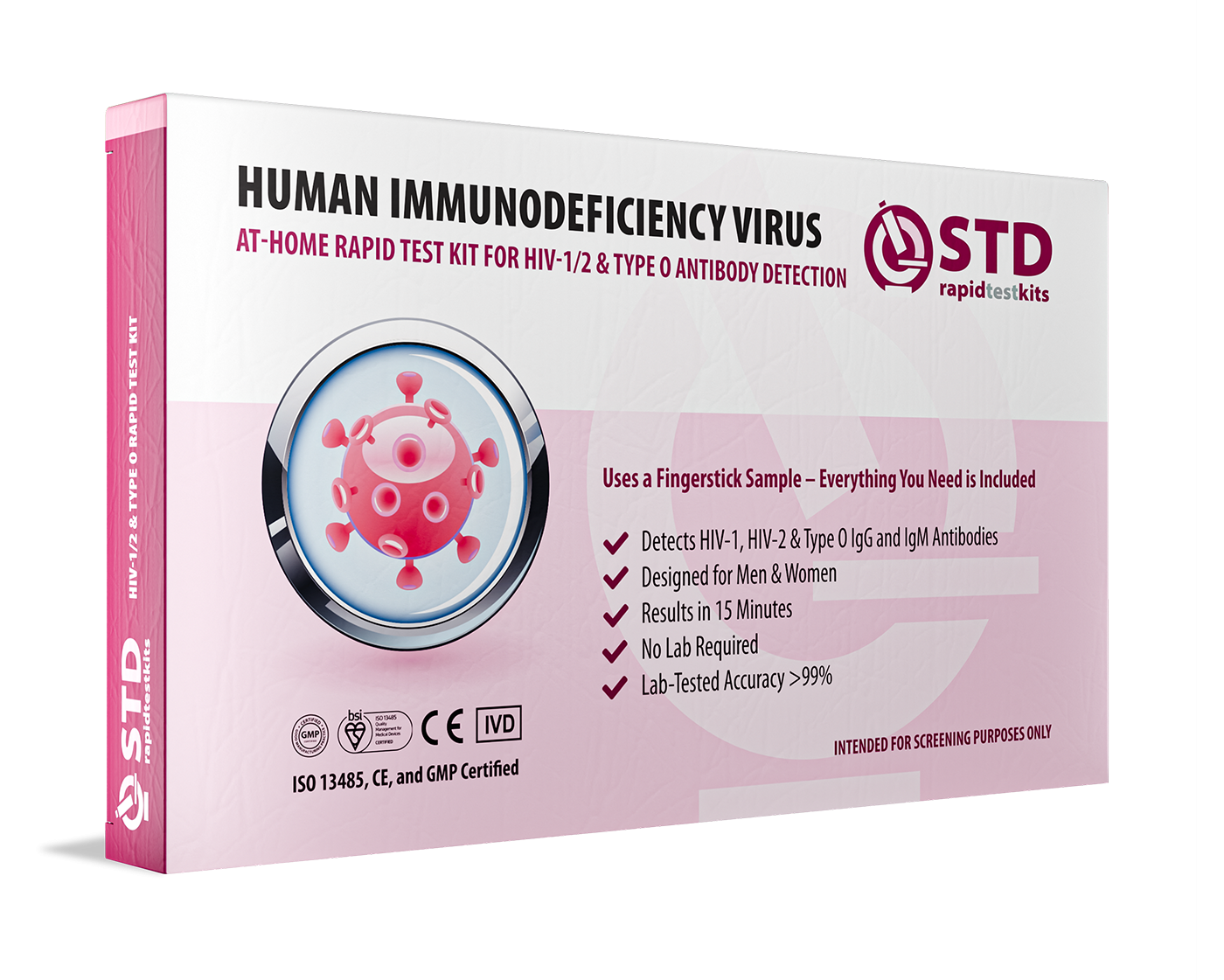 Claim Your Kit TodaySave 31%For Men & WomenResults in MinutesNo Lab NeededPrivate & Discreet
Dealing with an STD Diagnosis
While an STD diagnosis can be quite devastating, there are steps you can do to take care of your mental health and feel confident again. Here are some practical steps that can help you get over these emotional obstacles:
Acknowledge and Accept Your Feelings
It is normal to have many feelings after being diagnosed: anxiety, embarrassment, and even anger. Don't bottle up these emotions; allow some time to get through them. Keeping a diary or confiding in a close friend or family member may help a person manage such feelings.
Get Informed
The more you know, the more power you have. Find reliable sources that will help you know the facts about your diagnosis in order to alleviate anxieties and dispel myths. When you are informed about what is happening with your body, you can stop fearing the unknown and focus on a solution.
See a Professional
A therapist or counselor can help you in a way that is unique to your situation. If you are struggling with mental health issues like anxiety, depression, or trauma, seeking assistance from trained professionals can be a great benefit.
Join a Support Group
Many have been through this and have words of wisdom and understanding to share with others. In a support group, whether virtual or in-person, meeting with others helps alleviate feelings of isolation and allows the sharing of perspectives from other stories.
Be Kind to Yourself
Take care of yourself. Just because you have an STD, that does not say anything about you or your value as a person. Remind yourself that you are worthwhile and surround yourself with people and things that uplift you.
Take Care of Yourself
Find ways to bring joy and relaxation into your everyday routine. Mindfulness exercises can help reduce stress and improve mood, as well as physical activity and hobbies.
Begin with Narrow Objectives
It does take time to recover, both mentally and physically. For example, if you want to stick to your treatment plan or find someone with whom to talk, set some small, achievable goals. You are closer to recovery with every step.
Prepare to Have the Talk About Disclosure
Breaking the news to a partner that you have a disease can be tough. Find a quiet, private place, collect your thoughts about what you want to say and then talk straightforwardly and candidly. The more you are informed, the easier it will be to have this conversation and the easier it will go. You're likelier to get better results.

Frequently Asked Questions
1.- Will an STD affect my mental health?
Shame, fear, or ongoing symptoms related to having an STD may contribute to adverse mental health consequences such as anxiety, despair, and other emotional challenges.
2.- What are some of the most common psychological after-effects of finding out you have an STD?
The common psychological aftermath of being diagnosed with an STD includes anxiety, depression, guilt, and social isolation.
3.- The psychological burden associated with the diagnosis that I have an STD is immense; how would I cope?
Strategies of coping with the disease: learning as much as possible about one's illness; taking good care of oneself; getting professional therapy; being involved in some support groups.
4.- How does STD stigma affect mental health?
Fears of judgment or shame can aggravate mental disorders and even refrain people from seeking help when needed.
5.- Does the stress associated with an STD diagnosis impact my physical health?
It is true that chronic stress can weaken one's immunity and make symptom management and treatment adherence much more challenging.
6.- Does anyone have contact information for any HIV/AIDS support groups?
Support groups, in person and online, are abundant to help reduce feelings of isolation and improve emotional health.
7.- Is there any link between a diagnosis of STD and PTSD?
For others, sexually transmitted diseases can worsen PTSD, especially if the diseases occurred after a traumatic event, such as sexual assault.
8.- After getting a diagnosis of having an STD, is it normal to feel ashamed or humiliated?
You need to remember that an STD does not define you as a person and your self-worth, even though these may be normal feelings.
9.- Should I be more comfortable being able to tell a partner that I have a sexually transmitted disease?
To normalize the talk, be prepared, select a quiet place, and have some information available about the disease.
10.- For improved mental well-being, how could regular STD testing be helpful?
By adding clarity and making sure the disease is caught and treated early, regular testing can alleviate concern and add peace of mind.
Take Action Now
Remember, your health is not only physical; there's more to it that needs to be taken care of. If you have been diagnosed with an STD, seek counseling, support groups, and some reliable at-home STD testing kits for frequent monitoring that keep your mental health up to par. Let us break the stigma and prioritize health.
Sources
1.- Mental Health and STDs: Importance, Challenges, and Support Strategies
2.- The Psychological Impact of STD Diagnosis: A Review
3.- Exploring the Mental Health Effects of STDs
4.- The Connection Between STDs and Mental Health


