





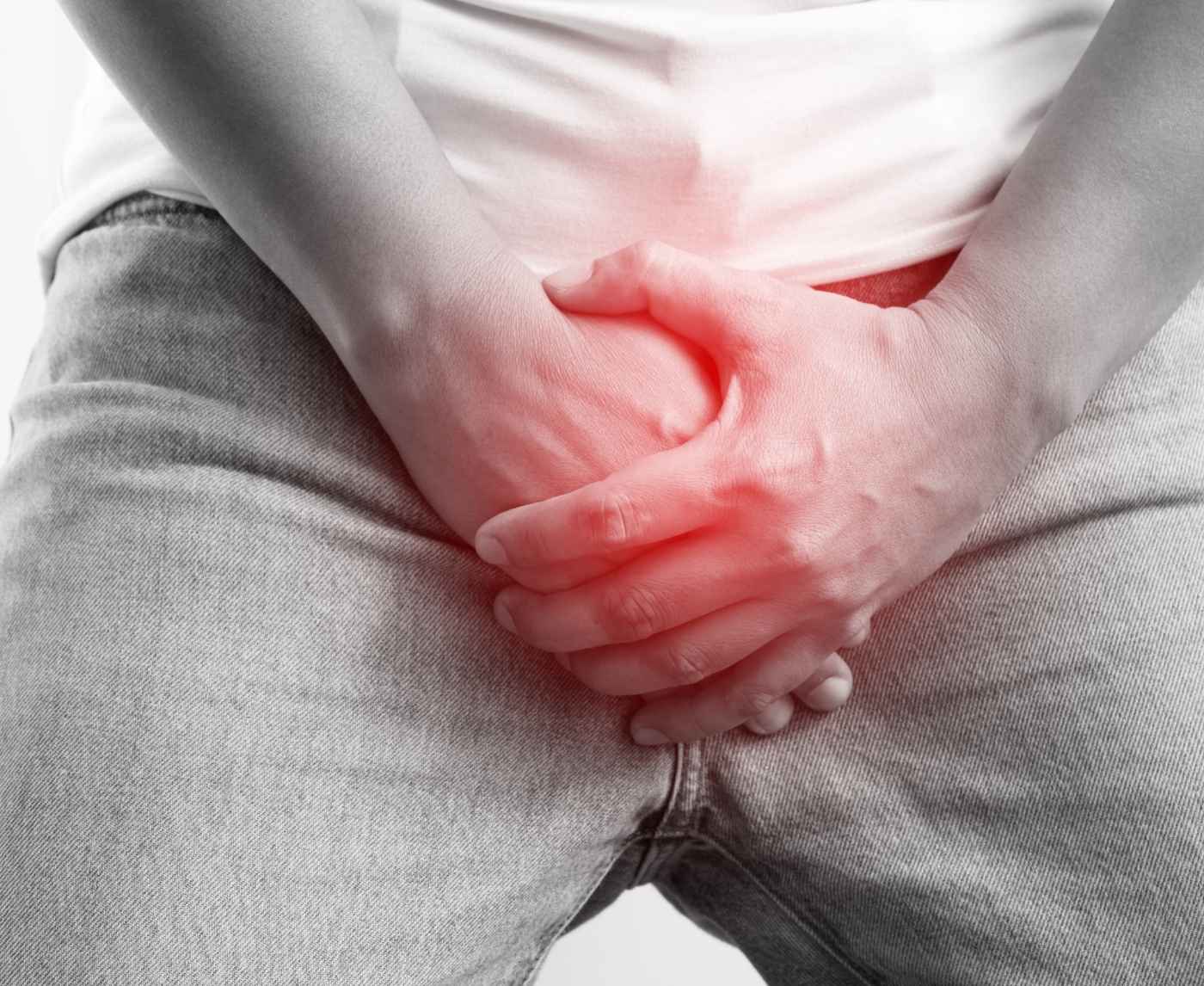

Quick Answer: Even the tiniest cut in the skin or mucous membranes can let HIV into the body, especially during anal, vaginal, or oral sex. These microtears may not always be visible or hurt, but they can still let viruses spread if other risk factors are present.
That Didn’t Bleed, So Why Am I Worried?
You didn’t see any blood. You weren’t in pain. But now something doesn’t feel right. Maybe there was a lot of friction. Maybe it was a new position, or a longer session than usual. Maybe it was soft and slow, but you didn’t use lube. Maybe you shaved earlier that day. These are the stories we hear all the time. And they matter, because that’s how microtears happen.
Let’s start here: a “microtear” is a tiny, often invisible break in the skin or mucous membrane. That might sound technical, but it’s just what happens when your skin, especially the thin, delicate parts around the genitals or anus, gets stretched, rubbed, or irritated in a way that compromises its natural barrier. You won’t always feel it. You won’t always see it. But that doesn’t mean it isn’t there.
According to CDC research on HIV transmission routes, HIV needs a way to enter the bloodstream to infect someone. A fresh tear or break in the skin, no matter how small, can create that opening. Especially if the encounter involved anal sex, which is known to carry the highest risk for transmission due to the fragility of rectal tissues.
Here’s what many people don’t realize: vaginal tissues, oral tissues, and even the foreskin or shaft of the penis can develop microtears from normal, consensual sex. This isn’t about reckless behavior. It’s about human bodies doing what they do, and sometimes, that includes tearing a little.
If you’re here because something just feels off after sex, even if you can’t name what, you’re not alone. That uneasy feeling is valid. It’s what brings people to search bars at 3AM. The good news? There’s a science-backed way forward.

People are also reading: I Didn’t Know I Was Pregnant With Syphilis, Now My Baby’s Sick
“Broken Skin” Doesn’t Mean What You Think It Does
When doctors talk about “broken skin,” they’re not picturing a gaping wound or visible cut. What they mean is that the natural barrier, your body’s first line of defense, is compromised. That can be as small as a shaving nick, a scrape from teeth during oral sex, or the stretch of dry skin during friction-heavy intercourse. It’s not dramatic. But it’s enough.
This is especially important in places where the skin is thin and moist, like the anus, inner labia, foreskin, or the underside of the penis. These areas are lined with mucosal tissue, soft, permeable membranes that are more vulnerable to tearing. In one study published in the journal AIDS, researchers found that microtears in anal tissue are present in over 80% of receptive anal sex encounters, even when the participants reported no pain or visible damage.
So no, you don’t need to see blood for HIV to enter. The virus only needs access, and a tear the size of a pinhole is more than enough. In fact, this is one reason HIV can be transmitted through oral sex, especially if there are ulcers, gum inflammation, or recent dental work that causes microdamage to the mouth.
We’re not saying this to scare you. We’re saying it to empower you. Because when you know how HIV really spreads, not just the myths, you can test smarter, prep better, and stop blaming yourself for not knowing sooner.
The Science of Entry: How HIV Finds the Door
HIV is a bloodborne virus, but it doesn’t just float around looking for a target. It needs a portal, an entry point, and a specific kind of immune cell to latch onto. These cells (called CD4 T-cells) are abundant in mucosal tissue, especially in the genital, rectal, and oral areas. When there's even a tiny opening in the skin, whether from sex, shaving, or dental work, HIV can bypass your body’s outer defenses and head straight for those cells.
Think of your skin like a locked door. Most of the time, it’s sealed tight. But even one scratch, one tear, one inflamed patch, that’s a crack. And HIV is opportunistic. It slips through that crack with the help of bodily fluids, like semen, vaginal secretions, or blood, that carry the virus.
According to the National Institutes of Health (NIH), the risk of HIV transmission increases significantly when mucosal integrity is compromised. They also note that inflammation, even without visible damage, can amplify vulnerability by attracting more CD4 cells to the site, giving HIV more targets to infect.
In simple terms? The more irritated or raw your skin is, whether from sex, infection, or shaving, the easier it is for HIV to get in.
But here's the part no one tells you: that doesn’t mean you're doomed. It means you're human. And there are steps you can take, right now, that make all the difference.
| Skin or Mucosal Condition | Contact Type | HIV Risk Level | Why It Matters |
|---|---|---|---|
| Healthy, intact skin | Surface contact (touching, grinding) | Negligible | No entry point for the virus, skin acts as barrier |
| Microtears (e.g. from shaving or friction) | Vaginal, anal, or oral sex | Low to moderate | Tiny openings let HIV reach target immune cells |
| Visible cuts or sores | Unprotected sex or blood contact | High | Direct access to bloodstream for virus |
| Inflamed mucosa (e.g. STI, gingivitis) | Oral or anal contact with semen/vaginal fluids | Moderate to high | Inflammation draws more target cells to surface |
Figure 1. HIV transmission risk based on skin condition and exposure type. Even without visible bleeding, friction or irritation can create invisible openings.
So...Should You Get Tested?
If you’re reading this after a sexual encounter that involved friction, shaving, rougher sex, or oral without protection, yes, testing is a good idea. Even if there’s no blood. Even if you feel fine. Even if you’re “probably overthinking it.” You’re not. This is your body. Your risk. And your right to know.
But testing is all about timing. HIV tests don’t detect the virus immediately after exposure. That’s because your body needs time to produce enough virus or antibodies for the test to pick up. This is known as the “window period.” For most rapid antibody tests, that window is around 3 weeks to 3 months. For newer 4th generation lab tests (antigen/antibody), it can be as early as 18 days post-exposure.
So what should you do today? First, mark your calendar for the day of exposure. Then, count forward about three weeks. That’s your earliest window for testing. If you test negative then, test again at the 90-day mark for confirmation. And in the meantime, monitor symptoms but don’t obsess. Most people with early HIV don’t show symptoms, or mistake them for a cold or flu.
If your anxiety is making it hard to eat, sleep, or focus, you can test sooner, but understand that an early negative doesn’t always mean you’re in the clear. That’s why we often recommend a combo at-home test kit that covers multiple STDs and can be done discreetly, with results in minutes.
Peace of mind isn’t just about getting the answer. It’s about knowing you have the power to ask the question.
Check Your STD Status in Minutes
Test at Home with RemediumHIV Rapid Test Kit
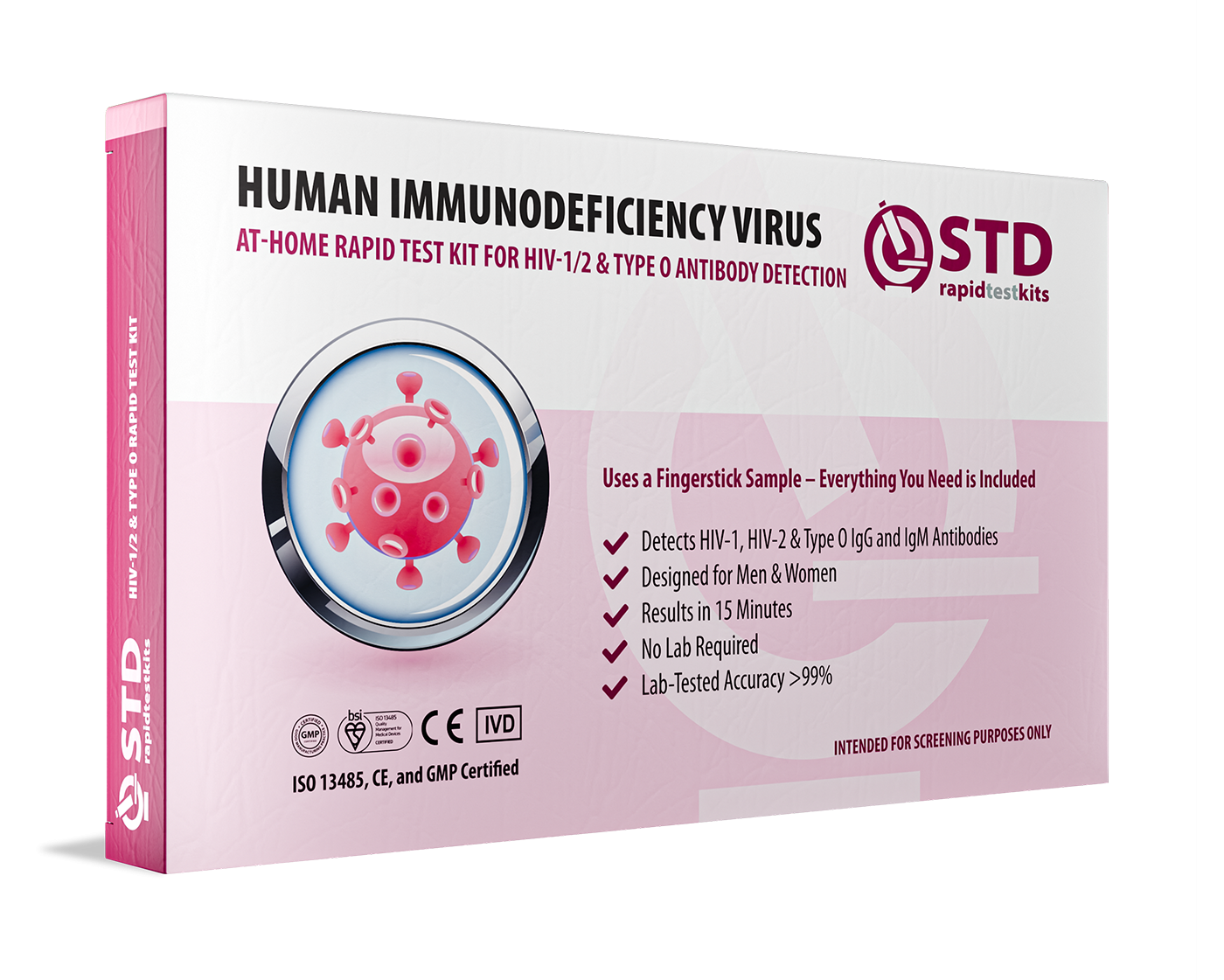
 For Men & Women
 Results in Minutes
 No Lab Needed
 Private & Discreet
Order Now $33.99 $49.00
HIV Test Timing and Accuracy by Type
| Test Type | Earliest Detection | Most Accurate After | How It Works |
|---|---|---|---|
| 4th Gen Antigen/Antibody Test | 18–28 days | 4+ weeks | Detects HIV antigen (p24) and antibodies in blood |
| 3rd Gen Antibody Test (Rapid) | 3 weeks | 12 weeks | Detects antibodies to HIV-1/HIV-2 |
| HIV RNA (NAAT) Test | 10–14 days | 2+ weeks | Detects viral RNA directly, very sensitive, lab-based |
| At-Home Rapid HIV Test | 3 weeks | 3 months | Fingerstick or oral swab; results in 15–30 minutes |
Figure 2. HIV test types and timing. Early negatives may require retesting after the full window period to confirm results.
You Didn’t Fail. Your Body Didn’t Betray You.
This part is important, so we’re going to say it clearly: if you’re scared right now, it doesn’t mean you were careless. If you’re worried that something tiny might have changed your whole future, you’re not alone, and you didn’t fail.
Our culture is full of silence when it comes to sexual health. Most people never learn what “broken skin” really means. Most sex-ed classes gloss over the emotional toll of not knowing. And very few people talk about what it feels like to lie awake wondering if one night changed everything.
So let’s break the silence. Testing isn’t shameful. It’s responsible. Talking about microtears doesn’t make you paranoid. It makes you informed. And acknowledging risk isn’t an admission of guilt, it’s a sign that you value your health and the health of others.
If you feel like you “should have known,” remember: most people don’t. That’s why HIV continues to spread quietly. Not because people are reckless, but because they’re unaware.
You’re doing the right thing by asking these questions. You’re doing the right thing by looking for answers. And no matter what the result of your test says, you are still worthy of love, intimacy, and peace.
Can You Prevent These Tiny Tears?
You can’t bubble-wrap your genitals. But yes, there are ways to reduce the chances of microtears and keep your natural skin barrier strong. Most of them don’t require changing your sex life. They just ask you to be a little more prepared.
Start with lube. Lots of it. Friction is the enemy of skin integrity, especially during anal sex or longer sessions. Choose water-based or silicone-based lubes depending on whether you’re using condoms. No lube? More friction. More friction? More tearing.
Next, think about grooming. Shaving right before sex increases your risk. The tiny cuts and irritated follicles might not seem like much, but to HIV, they’re open doors. If you shave, try doing it the day before, not the day of. If you’re prone to razor bumps or ingrown hairs, consider trimming instead of shaving smooth.
And this one’s hard to hear, but it matters: slow down. Rushing into sex, especially when you or your partner are dry, tense, or emotionally unready, raises the chance of injury. “Rough sex” doesn’t mean dangerous sex, but without communication and prep, it can become exactly that.
Finally, condoms. No, they’re not perfect. Yes, they sometimes slip or break. But they remain one of the best tools for reducing HIV transmission, especially when used from start to finish. Pair that with a routine testing schedule and awareness of your partner’s status, and you’ve built a strong front line.
People are also reading: Does Lube Prevent HIV? Here’s What Science (And Sex) Says
FAQs
1. Can a little shaving cut really raise your HIV risk?
Yep, especially if it’s fresh. That tiny nick near your genitals? It might look harmless, but during sex, it can act like an open door. HIV doesn’t need a dramatic gash, it just needs a way in. Shaving right before a hookup (especially dry shaving) is like rolling out the red carpet for microtears. If there’s exposure to infected fluids, that cut suddenly matters.
2. But there wasn’t any blood, so how could I be at risk?
That’s one of the most common misunderstandings. Blood isn’t the only way HIV gets in. We’re talking about microscopic skin damage you can’t see, tiny tears or irritation from friction, dryness, rough sex, or even tight clothing. If your skin or mucosa is compromised, even invisibly, and comes into contact with HIV-positive fluids? That’s enough.
3. Can oral sex really transmit HIV?
It can. It’s less risky than anal or vaginal sex, but the risk isn’t zero. Think: mouth ulcers, inflamed gums, dental work, or even a scratch from teeth. Your mouth might feel fine, but if the skin’s irritated and there’s semen or vaginal fluid involved, transmission can happen, especially if your partner has a high viral load.
4. How soon after sex can I test for HIV?
Depends on the test. If you’re using a 4th-gen lab test (which detects both antigens and antibodies), you can test around 18–28 days after exposure. For at-home rapid tests, wait 3 weeks minimum, but the most reliable result comes at 90 days. So if you test early and it’s negative, plan to test again later just to be sure.
5. What if I tested negative after two weeks, am I good?
Not necessarily. That might’ve been too soon. Your body needs time to produce the markers that HIV tests look for. Think of a negative at two weeks as a “maybe”, not a final answer. It’s great that you tested, but mark your calendar for a follow-up.
6. Can HIV enter through the skin on fingers or hands?
Only if there’s blood, cuts, or open sores, and even then, it’s rare. Touching genitals or fluids with intact skin doesn’t transmit HIV. But if you’ve got a hangnail, a cuticle tear, or a healing blister, the risk goes up a little. Still, the big players in transmission are anal, vaginal, and sometimes oral sex.
7. Is dry sex or grinding a risk?
Nope. As long as clothes are on and there’s no fluid exchange, HIV transmission isn’t possible. Grinding, lap dances, and clothed foreplay? Fun, yes. Risky, no.
8. Do condoms fully protect against microtears?
Condoms help a lot, but they don’t cover everything. If a condom slips, breaks, or doesn’t reach the base of the penis, skin-to-skin exposure can still happen. And even with a perfect condom, vigorous sex without lube can cause tears around the anus, vagina, or outer genitals, areas the condom doesn’t shield.
9. I felt sore the next day, should I be worried?
Soreness alone isn’t a red flag for HIV. It could just mean you had a longer or more intense session than usual. But if that soreness came with bleeding, swelling, or symptoms like fever or fatigue a week or two later, it’s worth talking to a provider or getting tested, just to be safe.
10. How long do microtears stay open?
Most close within 24–48 hours. They’re tiny. But that short window is when the risk is highest, so if you had unprotected sex and think there was tearing, that’s your cue to test. You can’t always feel them, and they don’t always leave a mark. That’s what makes them tricky, and why this whole conversation matters.
Take Back the Power: How to Plan Your Next Move
Okay, deep breath. If you’ve had a potential HIV exposure, even one that seems small, the smartest move is to take action, not just sit in the what-ifs. That means testing at the right time, considering a follow-up test, and thinking about prevention going forward.
If you’re within 72 hours of the exposure, you may be eligible for PEP (post-exposure prophylaxis), a medication that can stop HIV before it takes hold. It’s urgent, PEP only works if started quickly, so if that window is still open, call a sexual health clinic or urgent care now and ask about it.
If the window has passed, don’t spiral. Testing is your next best step. You can choose a rapid test at home or go to a clinic for lab-based testing. If you’re testing at home, follow the instructions closely and remember: an early negative doesn’t always mean zero risk. Use it as part of your timeline, not the whole picture.
Once you’ve tested, think about your testing schedule. Many people in active sexual relationships benefit from testing every 3–6 months, especially if they have multiple partners or are navigating condom breaks, new relationships, or inconsistent status disclosures.
If you find yourself asking these questions often, it might be time to consider an HIV rapid test kit to keep on hand. Knowing you can test anytime you need to can ease the mental load and help you stay informed, not afraid.
Protecting yourself doesn’t mean you don’t trust your partners. It means you trust yourself to stay healthy, and that’s a damn good thing.
How We Sourced This Article: We combined guidance from the CDC, NIH, and peer-reviewed journals with real-world stories from online support forums and sex education blogs. Our goal was to balance medical accuracy with emotional clarity, so that every claim in this article could be understood by people navigating fear, doubt, or confusion. All links were verified at the time of writing and open in a new tab for easy access.
Sources
1. What Is Considered an Open Wound for HIV Transmission? – Verywell Health
2. STIs & Broken Skin: How HIV Can Enter the Body – Ottawa Public Health
3. Syphilis Enters Through Broken Skin or Mucous Membranes – Penn Medicine
4. Infected Fluid to Broken Skin — STI Transmission Explained – Wikipedia
5. STIs Spread via Broken Skin and Bodily Fluids – Northwestern Medicine
6. When Broken Skin Counts as STI Exposure – Seattle Children’s Hospital
About the Author
Dr. F. David, MD is a board-certified infectious disease specialist focused on STI prevention, diagnosis, and treatment. He blends clinical precision with a no-nonsense, sex-positive approach and is committed to expanding access for readers in both urban and off-grid settings.
Reviewed by: Emily Ruiz, MPH | Last medically reviewed: September 2025
This article is for informational purposes and does not replace medical advice.


