







Quick Answer: The best time to test for syphilis is at least 6 weeks after exposure. Some rapid tests may detect antibodies as early as 3 weeks, but for highest accuracy, test between weeks 6 and 12. If you tested earlier, retesting is recommended.
Who This Guide Is For (And Why It Matters)
Maybe you just started seeing someone new. Maybe it was a vacation hookup or an old flame. Maybe you’re queer, poly, monogamish, or just figuring it out. If you had a sexual encounter and something feels off, or even if it doesn’t, you deserve answers. And they need to be accurate.
This guide is for people who don’t want to sit in a waiting room with their shame. It’s for those who are symptom-free but still anxious. It’s for anyone who got a negative test and still isn’t sure if it was “too soon.” We’ll walk you through what counts as a real test, what the testing windows actually mean, and how to avoid the most common mistakes that lead to false negatives or delayed treatment.
Because syphilis doesn’t always show up with obvious signs, and you can still pass it to someone even without a sore. Testing is care, not confession. Let’s talk timing, without the fear.
People are also reading: HIV Rash or Something Else? What It Looks Like on Dark Skin
What Counts as a Syphilis Test (And What Actually Works)
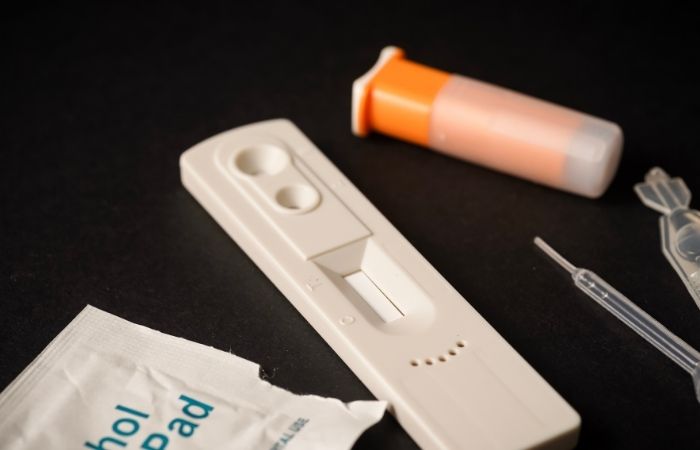
So here’s the deal: syphilis doesn’t show up on a swab or a urine test. You need a blood test, because your body has to react to the infection before it can be spotted. Think of it like this: your immune system leaves breadcrumbs (antibodies), and the test is just following the trail.
There are a couple of different types, but don’t get caught up in the jargon. Some tests look for signs you were ever infected. Others try to figure out if it’s still active. In a clinic, they might run both to be sure. At home, most rapid tests use a small finger-prick of blood to check for antibodies, and yes, they’re real tests. FDA-approved. Straightforward. No lab coat required.
If you’re someone who needs privacy or just doesn’t want to explain yourself to a receptionist, at-home kits can be a solid option. But here’s the catch: even the best test can miss syphilis if you take it too early. It’s not about the brand. It’s about the timing.
Window Periods: Why They Matter More Than Symptoms
The window period is the time between exposure and when a test can reliably detect infection. For syphilis, this is different from the incubation period, which is the time before symptoms show up, if they ever do.
Here’s what that means: You might not see a sore, but the bacteria could still be multiplying in your body. You could also test negative if you check too early, even though you’re infected. That’s why understanding the testing window matters just as much as the test itself.
| Test Type | Sample | Earliest Detection | Best Accuracy |
|---|---|---|---|
| Rapid Treponemal Test (At Home) | Fingerstick blood | 3–6 weeks | 6–12 weeks |
| Treponemal + Non-Treponemal (Clinic) | Blood draw | 3–6 weeks | 6–12 weeks |
| Mail-In Blood Test | Dried blood spot or vial | 3–6 weeks | 6–12 weeks |
Table 1. Syphilis test types and timing accuracy. Even if you test earlier, a negative result may require follow-up to confirm status.
Order Now $33.99 $49.00 Check Your STD Status in Minutes
Test at Home with Remedium
Syphilis Test Kit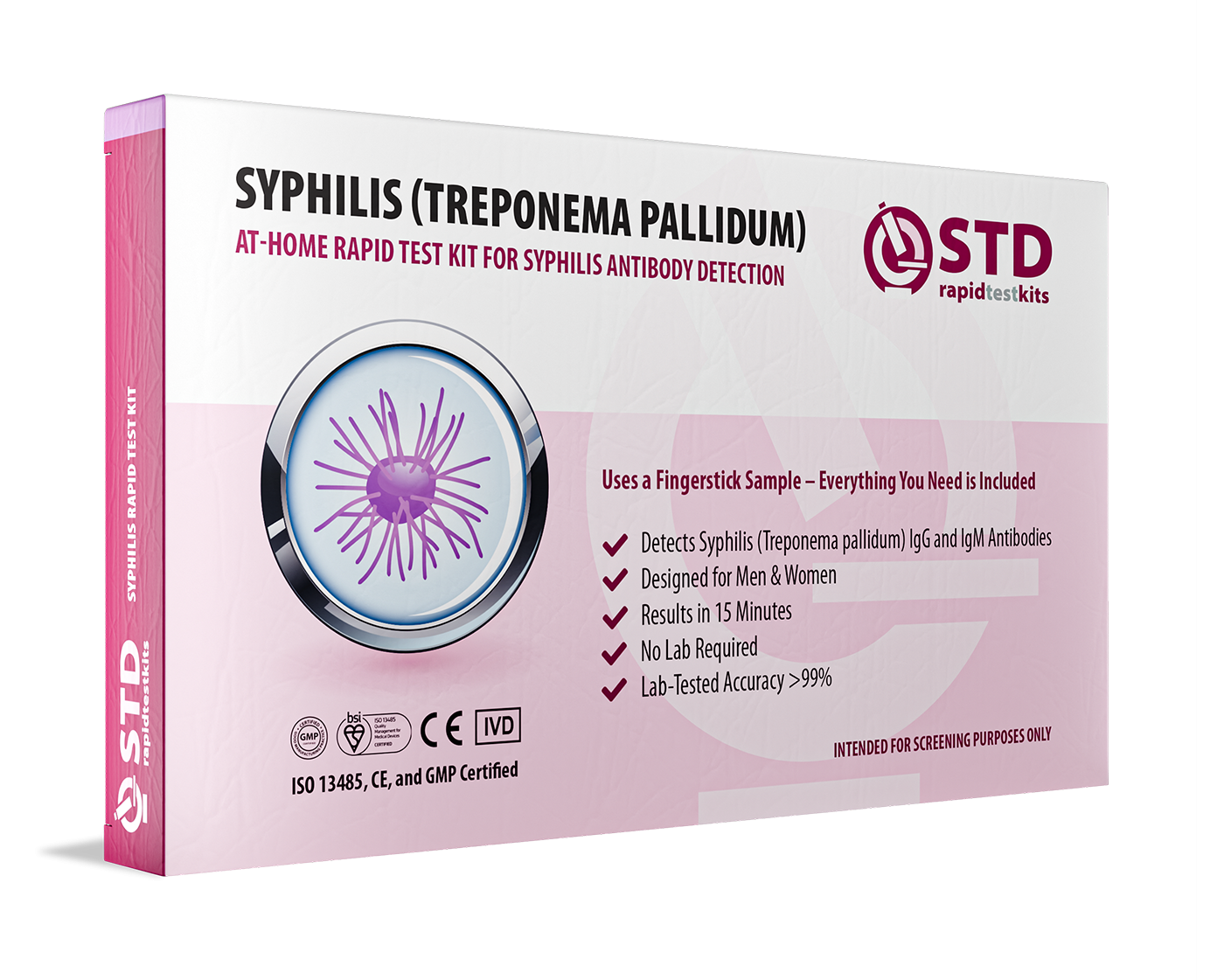
 For Men & Women
 Results in Minutes
 No Lab Needed
 Private & Discreet
Exposure Scenarios: What Happened Matters
Not every “risky hookup” looks the same, and the way syphilis spreads means the details really do matter. While most people associate it with vaginal or anal sex, syphilis can spread through any direct contact with a sore, even during oral sex or mutual masturbation if skin lesions are present.
Let’s look at a few real-world scenarios and how they impact testing urgency and timing:
Ty, 28, kissed and received oral sex from a new partner. Five days later, he noticed a small ulcer under his tongue but didn’t feel sick. He tested using a rapid test on day seven, it came back negative. By week four, his doctor confirmed early syphilis by blood test. The first test was too soon.
Ana, 34, had vaginal sex with someone who disclosed a past infection but claimed they were “cleared.” She used a mail-in kit on day 10, also negative. She retested at week seven, just to be safe, and that second test showed positive antibodies. Her first test caught the exposure before her immune system had reacted.
Lee, 22, is nonbinary and in a poly relationship. After a partner tested positive for syphilis, Lee felt fine but decided to get tested too. Their first clinic test was negative at two weeks. They returned at week six, positive.
All three stories show the same truth: you can test too soon, even if you’re diligent. That’s not a failure, it’s a known part of how syphilis works. Testing early can be a useful baseline, but it almost always needs a follow-up test between week 6 and 12.
At-Home, Mail-In, or Clinic? Know Your Options
Where you test matters less than when you test. Still, different formats offer different advantages. Here’s how to think through your choices:
| Testing Method | Privacy Level | Speed | Recommended When… |
|---|---|---|---|
| At-Home Rapid Test | Very High | 15–20 minutes | You want quick peace of mind and are 6+ weeks post-exposure |
| Mail-In Test Kit | High | 2–5 days | You prefer lab-verified results but can’t visit a clinic |
| Clinic-Based Testing | Moderate | Same-day to 3 days | You have symptoms, need a full panel, or want insurance coverage |
Table 2. Testing method pros and cons. Your choice may depend on timing, privacy, access, or cost.
If your head keeps spinning, peace of mind is one test away. The Syphilis Rapid Test Kit offers a discreet, 15-minute option that’s FDA-approved and optimized for home use.
Why a Negative Test Doesn’t Always Mean You’re in the Clear
Look, we’ve all had that moment, holding a test, praying for a negative, and then... relief. But here’s the thing no one tells you: a negative result doesn’t always mean nothing’s there. Sometimes, it just means it’s too early.
With syphilis, your body needs time to react. The test isn’t looking for the bacteria itself, it’s looking for your immune system’s response. And if that response hasn’t kicked in yet? The test can come back clean even when the infection’s already started.
That’s why so many people get a “negative” in week two, and then a surprise “positive” six weeks later. Not because the test was broken. Because it was too soon.
Want to avoid that gut punch? Here’s the better way to play it:
-
Wait at least three weeks before your first test. Any sooner, and you’re mostly just guessing.
-
Retest around week six to twelve, even if your early test said negative. Especially if something still feels off, or if your exposure risk is ongoing.
-
Make sure your test is legit: FDA-approved, in-date, and not some knockoff you found on a shady site.
-
And hey, read the instructions. A faint line isn’t always a free pass. If you’re unsure, take a second test or call in a pro.
Bottom line? Testing again isn’t obsessive. It’s informed. It’s how you protect yourself and the people you care about.
People are also reading: Does Lube Prevent HIV? Here’s What Science (And Sex) Says
Do You Need to Retest? It Depends
If you tested before 6 weeks post-exposure, or if your risk is ongoing (multiple partners, no barriers, known exposure), yes, you should retest. Also retest if:
- You had a positive partner but tested negative
- You’re starting new medication (like PrEP) and need baseline screening
- Your symptoms evolve even after a negative result
Most experts recommend a follow-up test around 6–12 weeks post-risk. If you've already tested once but can’t shake the worry, retesting is a proactive move, not an overreaction.
Let’s normalize getting more than one test. Bodies are complex. Timing matters. One test doesn’t tell the whole story, but it starts the conversation.
Privacy, Shipping, and Discreet Support
We get it, walking into a clinic with “STD testing” on your clipboard isn’t everyone’s idea of confidentiality. And waiting days for results while obsessively checking your email? Torture.
That’s why at-home testing exists, not just for convenience, but for your emotional safety. STD Rapid Test Kits ships in plain packaging. No logos. No hints. No judgment. The return address is generic, and nothing on the outside says what’s inside.
Most orders ship within 24 hours, with fast delivery options even to remote locations. Whether you’re testing from your apartment, your van, or your aunt’s guest room, your results are yours, and no one else’s. Results from rapid kits appear within 15–20 minutes, right at home. Mail-in kits include clear return instructions and deliver lab-grade results in just a few days.
Still worried? You control when, how, and if anyone else knows. That’s not just privacy, it’s power.
What If You Test Positive?
First, take a breath. A positive syphilis test doesn’t mean you’re dirty, broken, or unsafe. It means you have a bacterial infection, and like most, it’s treatable. Most syphilis cases are cured with a single injection of penicillin. No judgment, no shame. Just treatment.
What happens next:
- Confirm the result: If you used a rapid test, follow up at a clinic or via mail-in lab for confirmation.
- Get treated: A healthcare provider can prescribe antibiotics. The sooner, the better.
- Tell partners: This part sucks, but it's doable. Many clinics offer anonymous partner notification services.
Picture this: You’re sitting in your car, test result in hand. Your heart’s pounding. But you’ve got a plan. You send a message. You call a provider. You take control. That’s not weakness, that’s strength.
When Silence Is a Symptom Too
The hardest thing about syphilis is how quiet it can be. No fever. No rash. No ulcer you can see. You think you’re fine, until you’re not. Until it comes back in a later stage with neurological symptoms or skin changes that no one connects to sex from months ago.
That’s why this article exists. Because testing isn't just about what you feel now. It's about what you might never feel, until it’s too late.
We’re not here to scare you. We’re here to give you tools. To tell you that testing isn’t just for people with a lot of partners, or people who “look sick,” or people who didn’t use protection. It’s for anyone who doesn’t want to leave their sexual health to chance.
You deserve to know. You deserve to be safe. You deserve clarity, on your own terms. If you’re ready to take that next step, order your syphilis test today. No waiting room required.
Check Your STD Status in Minutes
Test at Home with Remedium7-in-1 STD Test Kit
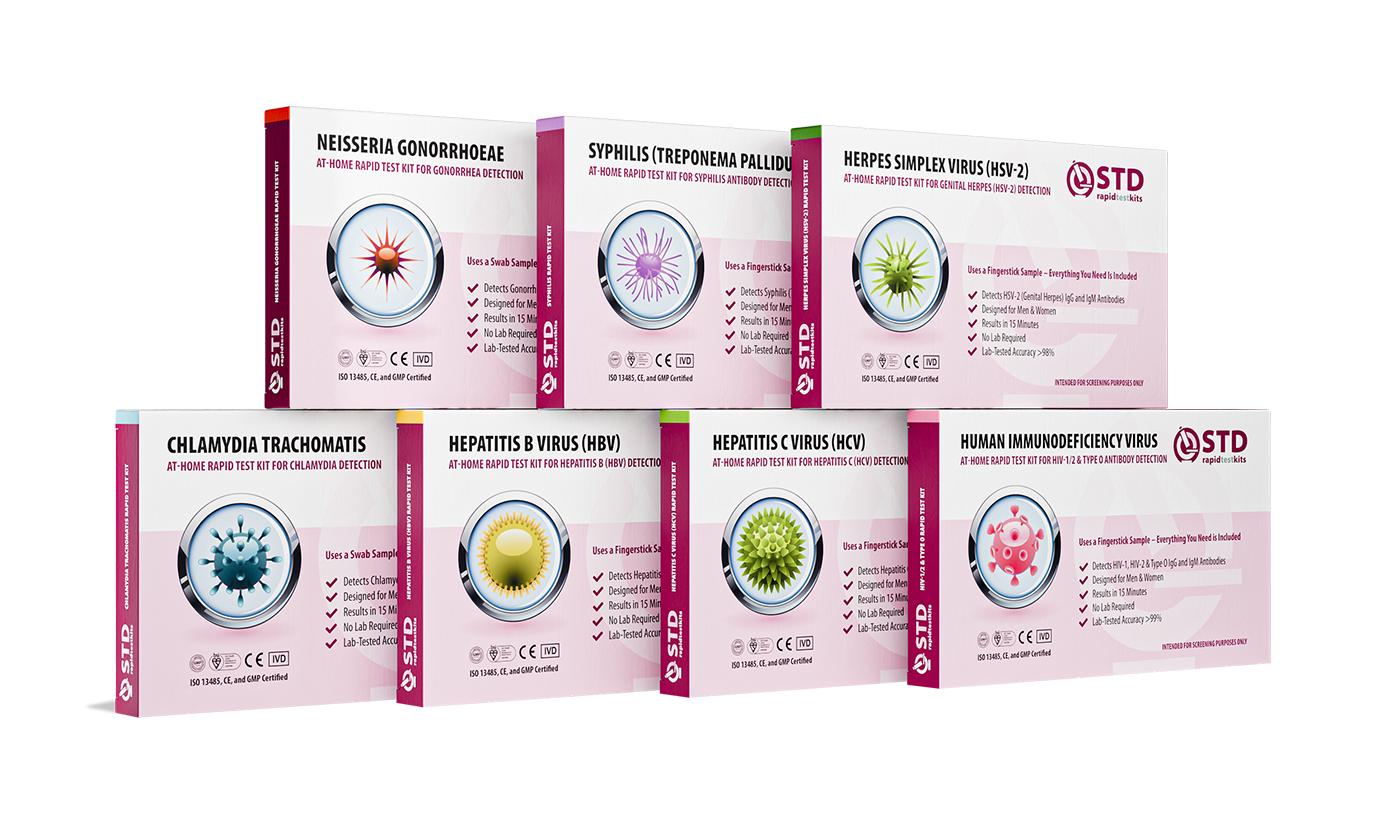 For Men & WomenResults in MinutesNo Lab NeededPrivate & Discreet
Order Now $129.00 $343.00
For all 7 tests
FAQs
1. Can I test for syphilis the next day after a hookup?
You can, but you probably shouldn’t. It takes time for your body to make detectable antibodies, so testing within the first few days almost guarantees a false sense of security. Early testing (before 3 weeks) might be helpful as a baseline, but don’t treat it as a green light. Set a reminder for week 6 and test again when it counts.
2. I don’t see any sores, am I safe?
Not necessarily. The earliest stage of syphilis often comes with a single, painless sore that hides in plain sight, inside the mouth, under the foreskin, around the cervix. Many people miss it completely. Don’t rely on your eyes. Rely on your calendar. If you had unprotected contact, testing is still the smart move.
3. Does syphilis itch?
Sometimes. It depends on the person and the stage. Some report a faint rash on their torso, palms, or soles that itches like a heat rash. Others feel nothing at all. If something feels weird, even if it’s not textbook, it’s worth checking out. Your body whispers before it screams.
4. My partner tested positive. Why is my test negative?
Timing. If your test was within the first few weeks after exposure, your body may not have built up enough antibodies yet. It's also possible you didn’t contract it, but don’t take one negative result as the end of the story. Retest at 6 to 12 weeks to be sure.
5. If I have syphilis but show no symptoms, am I still contagious?
Yes, you can indeed give someone syphilis even if you don't have any noticeable symptoms, especially if you've had oral sex or genital contact of any kind.
6. How accurate are at-home syphilis tests?
When used correctly and at the right time, they’re impressively accurate, especially those approved for rapid antibody detection. But accuracy tanks if you test too soon. Think of it like baking: even the best recipe fails if you don’t give it time to rise.
7. What happens if I ignore it?
Early syphilis is easy to treat. But left alone, it can turn into a long game, affecting your brain, heart, eyes, and nerves years down the line. You might not feel it now, but your future self will. Testing now is a gift to them.
8. Is it okay to retest even if my first test was negative?
Absolutely. That’s not paranoia, it’s precision. Especially if your exposure was recent or ongoing. Retesting at the right time is how you outsmart an infection that’s good at hiding.
9. Can I get tested while pregnant?
Yes, and you should. Syphilis can be passed to your baby during pregnancy, something called congenital syphilis. Testing is quick, safe, and usually part of routine prenatal care. If you're not sure you were screened, ask your provider, or take matters into your own hands with an at-home kit.
10. Will anyone find out if I use an at-home kit?
Nope. Your mail carrier won’t know. Your roommate won’t know. Your credit card statement won’t scream “STD.” At-home kits are discreet by design, because privacy isn’t a luxury, it’s a right.
You Deserve Answers, Not Assumptions
Getting tested for syphilis after a risky hookup isn't about being ashamed; it's about being safe. It's about keeping yourself, your future partners, and your peace of mind safe. You can choose clarity at any time, whether you've already been tested and are unsure or haven't started yet.
Don't put off getting the clarity you need. This home test kit checks for the most common STDs quickly and without drawing attention to itself.
How We Sourced This Article: We combined current guidance from leading medical organizations with peer-reviewed research and lived-experience reporting to make this guide practical, compassionate, and accurate. In total, around fifteen references informed the writing; below, we’ve highlighted six of the most relevant and reader-friendly sources. Every external link in this article was checked to ensure it leads to a reputable destination and opens in a new tab, so you can verify claims without losing your place.
Sources
2. Mayo Clinic
3. CDC
4. Testing.com
About the Author
Dr. F. David, MD is a board-certified infectious disease specialist who focuses on preventing, diagnosing, and treating STIs. He combines clinical accuracy with a straightforward, sex-positive attitude and is dedicated to making his work available to more people in both cities and rural areas.
Reviewed by: L. Merritt, MSN, RN | Last medically reviewed: September 2025
This article is for informational purposes and does not replace medical advice.


