





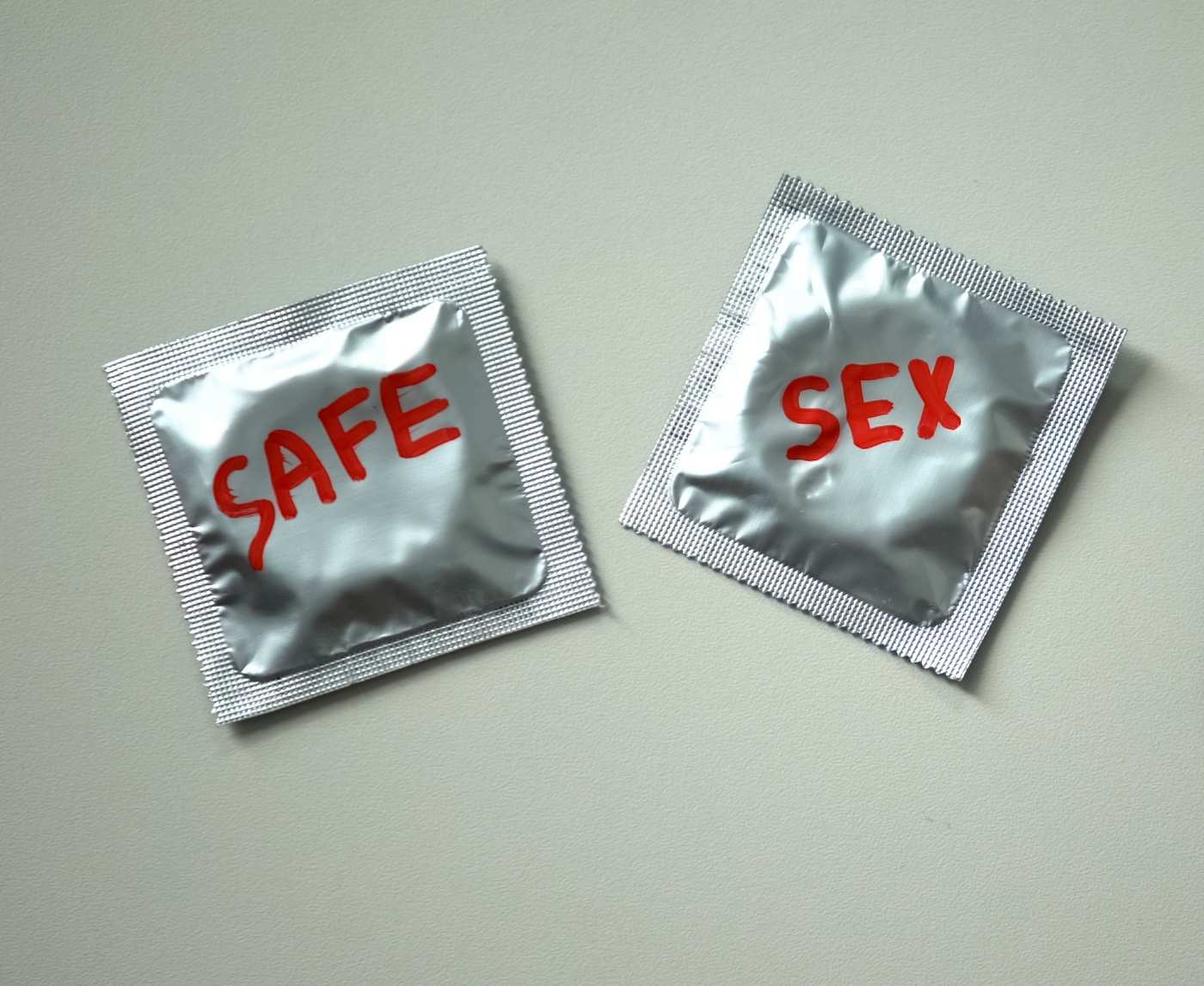

Quick Answer: Not all lubes are condom-safe. Oil-based lubes can break latex condoms and increase your risk of HIV and STIs. Water- or silicone-based lubes are safer, but even they must be used correctly to lower friction, reduce tearing, and prevent condom failure.
This Isn’t Just Dry Skin, When Pain After Sex Signals a Risk
It starts as a twinge. A slight sting during a pee. Maybe you notice the head of your penis is redder than usual, or the tissue inside your partner’s rectum feels torn or sore. These are common post-sex sensations, especially if you skipped lube, used the wrong kind, or ran into micro-tears during anal sex.
But here’s the kicker: these tiny tears, often invisible, can create a direct pathway for HIV and other STDs to enter the bloodstream. According to CDC research, anal sex is the highest-risk sexual activity for HIV transmission, especially without proper lube. And yet, most people don’t realize that some lubes can actually make it worse.
Silicone-based, water-based, natural oils, flavored, numbing, there’s a jungle of options. But not all are compatible with latex condoms, and not all protect against micro-damage. One 2015 study published in the Journal of Infectious Diseases showed that certain hyperosmolar lubes (particularly some flavored or warming ones) can damage rectal epithelial cells, increasing vulnerability to HIV infection. In plain terms? The wrong lube can make your insides easier to tear, and easier to infect.
People are also reading: Cystitis or Chlamydia? What That Post-Wedding Burn Could Mean
Why the Wrong Lube Can Ruin the Right Condom
Let’s break this down: latex condoms are strong, but they’re not invincible. Oil-based lubes, like coconut oil, baby oil, Vaseline, or any petroleum jelly, can weaken latex within seconds. Not over time. Seconds.
In fact, a peer-reviewed study from 2011 tested condom durability in the presence of various lubricants. Latex condoms exposed to mineral oil-based lubricants showed a 90% failure rate under stress. That’s not a typo. And yet, these are the same products many people still use out of convenience, scent, or misinformation.
Even silicone lubes, generally considered safe, can cause problems if misused. They’re incredibly slick and long-lasting, making them ideal for anal sex, but they can sometimes cause slippage or make condoms roll off if applied too generously. Water-based lubes are the most common, but they dry out quickly and may need reapplication, especially during longer sessions.
The take-home? The condom is only as safe as the lube you pair with it. And when that condom breaks, or slips off unnoticed, that’s when HIV risk goes from theoretical to personal.
"We Thought the Condom Was Enough"
“It was our third time hooking up,” says Dion, 24, who found out he was HIV positive six weeks after a summer fling.
“We used condoms every time. But I remember that night, he brought coconut oil, said it was natural and better for my skin. I didn’t question it.”
By the time Dion tested positive, the moment had passed, but the memory stayed. “I wish I’d known. I really thought lube was just about comfort, not safety.”
Dion’s story isn’t rare. A study on men who have sex with men (MSM) found that up to 30% used oil-based lubricants during anal sex with latex condoms, either unaware of the risk or misinformed by the “natural is better” trend.
The reality? Comfort and safety should go hand-in-hand. But first, we need to stop treating lube as an afterthought. It’s part of the prevention strategy, not just a side dish.
Check Your STD Status in Minutes
Test at Home with RemediumHIV Rapid Test Kit
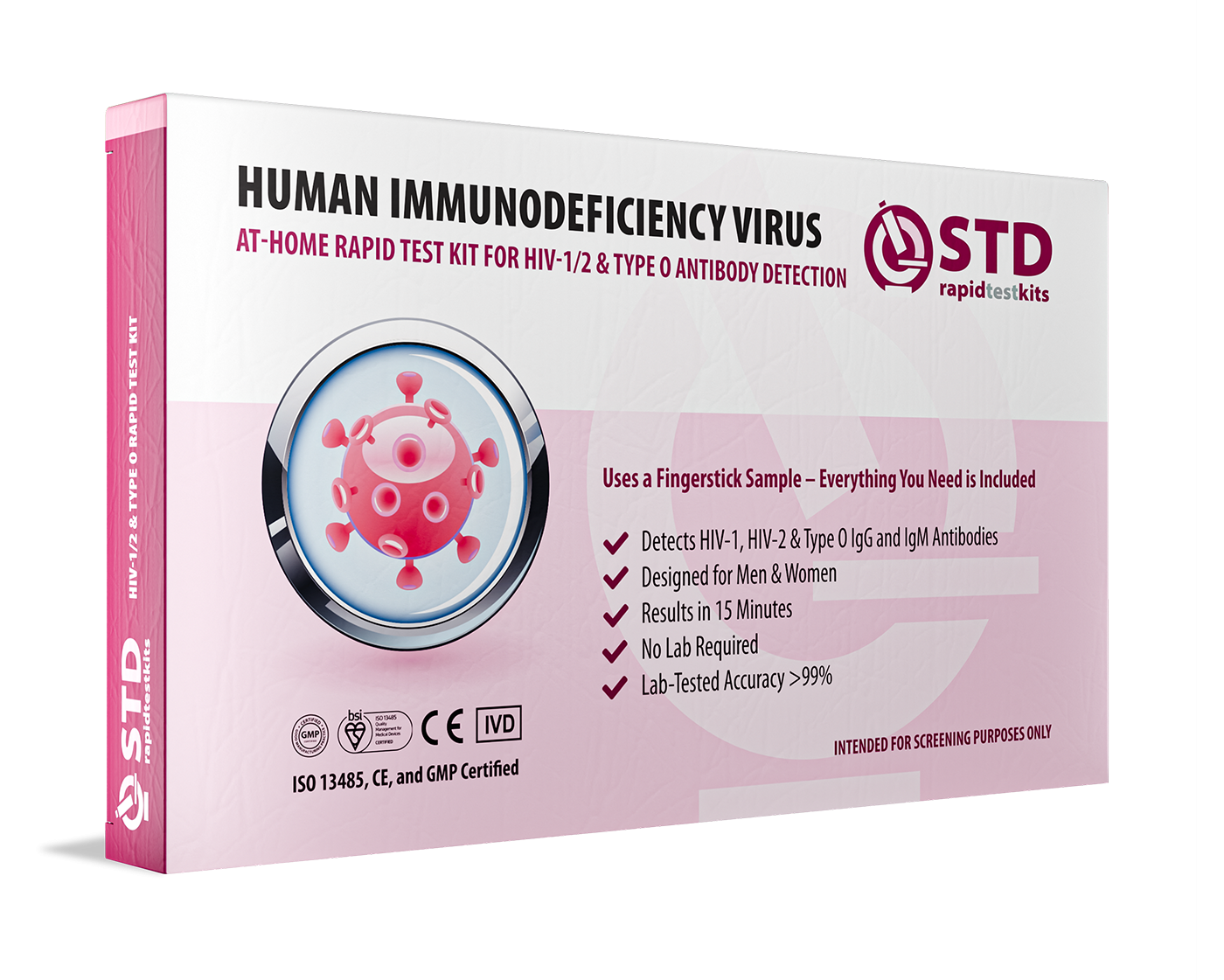
 For Men & Women
 Results in Minutes
 No Lab Needed
 Private & Discreet
Order Now $33.99 $49.00
How Lube Changes HIV Risk: A Sex-Act Breakdown
If you're wondering just how much lube really affects HIV transmission, you're not being paranoid, you're being smart. Prevention isn’t just about using condoms. It’s about using them correctly, with the right support system. And lube is part of that system.
Here’s what current research tells us about how lube (or the lack of it) shifts the odds during different types of sex. This table combines transmission likelihoods with what we know about tissue damage, condom performance, and real-world use:
| Sex Act | With Condom + Correct Lube | With Condom + No Lube | With Condom + Oil-Based Lube |
|---|---|---|---|
| Receptive Anal | Very Low | Moderate (due to tearing, break risk) | High (condom likely to fail) |
| Insertive Anal | Low | Low–Moderate (increased friction, head irritation) | High (breakage or slippage) |
| Receptive Vaginal | Low | Moderate (especially with dryness or longer duration) | High (oil degrades latex quickly) |
| Insertive Vaginal | Low | Moderate (partner dryness increases condom failure) | High (condom deterioration risk) |
| Oral Sex | Minimal (if flavored water-based used) | Minimal (dryness less of a risk here) | Moderate (oil may cause condom tear or taste masking) |
Figure 1. HIV transmission risk variation based on sex act, condom use, and lube compatibility. Estimates informed by CDC, WHO, and peer-reviewed sexual health data.
The Science Behind Friction, Tears, and HIV Transmission
Here’s how it works. During penetrative sex, especially anal, there’s a high degree of friction. The rectal lining is thin and doesn’t self-lubricate like the vagina. Without enough external lubrication, the tissue can tear, creating an open door for bloodborne infections like HIV.
Even with a condom, that friction doesn’t disappear. It simply shifts. Latex can generate heat and microscopic stretching under pressure. Add the wrong lube, or no lube at all, and the condom can break, rip, or fail without you noticing until it’s too late.
A 2012 NIH-backed trial tested different lubricants and found that hyperosmolar formulations (like KY Warming Gel or Astroglide) actually drew water out of mucosal cells, increasing irritation and damage. Think about that: the lube you’re using to reduce risk might be creating the risk.
Compare that to isotonic, pH-balanced lubes designed for anal sex. These support the natural cell environment, minimize inflammation, and decrease microabrasion risk, making condom protection more reliable and HIV exposure less likely.
When the CDC and WHO include “lubricant choice” in HIV prevention guidelines, this is what they’re talking about. It’s not hype. It’s material science and mucosal biology.
Sex Without Lube: Does That Mean You’re Safer?
Here's a curveball: some people avoid lube altogether thinking it’s “extra” or unnatural. Others believe that using lube means they're doing something risky or "slutty." That stigma has deep roots, especially among queer and BIPOC communities, where sexual education may have been trauma-informed but still fear-based.
Let’s kill that myth: not using lube doesn't make you safer, it just increases the chance that condoms will tear, skin will split, and the door to HIV will open wider. No lube means more heat, more friction, and more micro-tears. Whether you’re having vaginal, anal, or even vigorous oral sex, dry contact is a problem. And that problem becomes a gateway for infection.
In fact, studies on microabrasion and mucosal damage show that lack of lubrication is among the top predictors of condom failure during receptive anal sex. Think about that: avoiding lube to "stay safe" might be the thing that gets you infected. If you've ever had that post-sex burn or noticed tiny tears, you're not overreacting. You're reading your body's distress signal. It's trying to tell you something. Ignoring that doesn’t make you strong. Listening does.
People are also reading: Same-Day STD Results in Florida? What’s Real, What’s Hype
Lube Compatibility Table: What Works With Which Condom
If you’ve ever stood in the lube aisle frozen by the sheer number of options, flavored, warming, silicone, organic, water-based, you’re not alone. But here's the critical question most packaging won't answer clearly: Will this lube protect you or put you at risk?
When it comes to preventing HIV and other STIs, not all lubes are created equal, especially when paired with condoms. Here’s a breakdown that could save your condom, your comfort, and your peace of mind:
| Lube Type | Safe With Latex Condoms | Risk Level for HIV Protection | Notes |
|---|---|---|---|
| Water-Based | Yes | Low (if reapplied) | Dries out quickly; reapply during longer sessions |
| Silicone-Based | Yes | Very Low | Long-lasting; ideal for anal sex, but may cause slippage if overused |
| Oil-Based (coconut oil, Vaseline, etc.) | No | High | Breaks down latex; can cause condom rupture within minutes |
| Hybrid (water + silicone) | Yes (check label) | Low | Safe with most condoms; test sensitivity first |
| Flavored or Warming | Sometimes | Medium | Often hyperosmolar; can irritate tissue and raise STI risk |
Figure 2. Lube type vs condom safety. Based on WHO, CDC, and NIH guidance. Always check product labeling for condom compatibility.
Pre-Lubed Condoms: Friend or Foe?
Let's talk about another hidden danger: the "lubricated" label on condoms. A lot of people think that if a condom comes with lubricant already on it, they don't need to add anything else. But that idea might not work out.
Most pre-lubricated condoms only have a small amount of basic silicone or water-based lube in them, just enough to roll them up and put them in without pain. They aren't meant to be used for long periods of time or for anal sex. A 2011 study found that not enough lubrication, even though the condom was pre-lubed, was a big reason why condoms broke during receptive anal sex.
Some users even think it's safe to add any lube on top, which is even worse. That's how you get oil-based "natural" lubes on top of latex condoms that already have small holes in them. It's like putting gasoline on a tire with a small hole in it. You're just making the explosion happen faster.
Even condom brands that say they have "extra lube" don't usually say what kind or how much. If you're doing things that cause more friction, like anal or rough vaginal sex, you should always use a compatible lube and make sure it's the right one.
“We Didn’t Use Lube, And It Hurt for Days”
“I didn’t know I needed it,” says Naomi, 28, describing a hookup she had with her long-distance girlfriend after months apart. “We used a condom, and it felt okay during, but afterward I couldn’t even sit down. My skin was raw.”
Naomi didn’t get tested right away. It was weeks before she stopped feeling sore. Then came the burning during urination, and the Google searches she never thought she’d need.
“I thought if I used a condom, I was good. I didn’t know that lube mattered. I didn’t even think about it.”
This isn’t just Naomi’s story. It’s the story of thousands. Pain after sex isn't just discomfort, it’s a flashing red light. And too often, we’ve been told to ignore it. Or worse, shame ourselves for needing something as simple and essential as lube.
When Testing Becomes the Next Best Choice
Let’s say you’re here because something happened. A moment of doubt. A night that ended too fast. A condom that slipped off, or one you didn’t check before tossing. Maybe it was “just oral.” Maybe it was anal and you didn’t use lube because you thought it was messy or unnecessary. Whatever the path, here’s where it leads: you need to know where you stand.
CDC guidance recommends testing for HIV as early as 18 to 33 days after exposure, depending on the type of test. But that doesn't mean you need to wait in fear. Modern at-home test kits allow you to check discreetly, safely, and without shame, whether you're in a city apartment or out in the backwoods.
And if your encounter was within the past few days? There’s still value in testing now for baseline peace of mind, and again at the recommended window. Some STDs, like chlamydia or gonorrhea, may show up sooner than HIV and are often missed because symptoms can be mild or delayed. If lube failure or condom breakage was involved, don’t guess. Test.
Check Your STD Status in Minutes
Test at Home with Remedium7-in-1 STD Test Kit
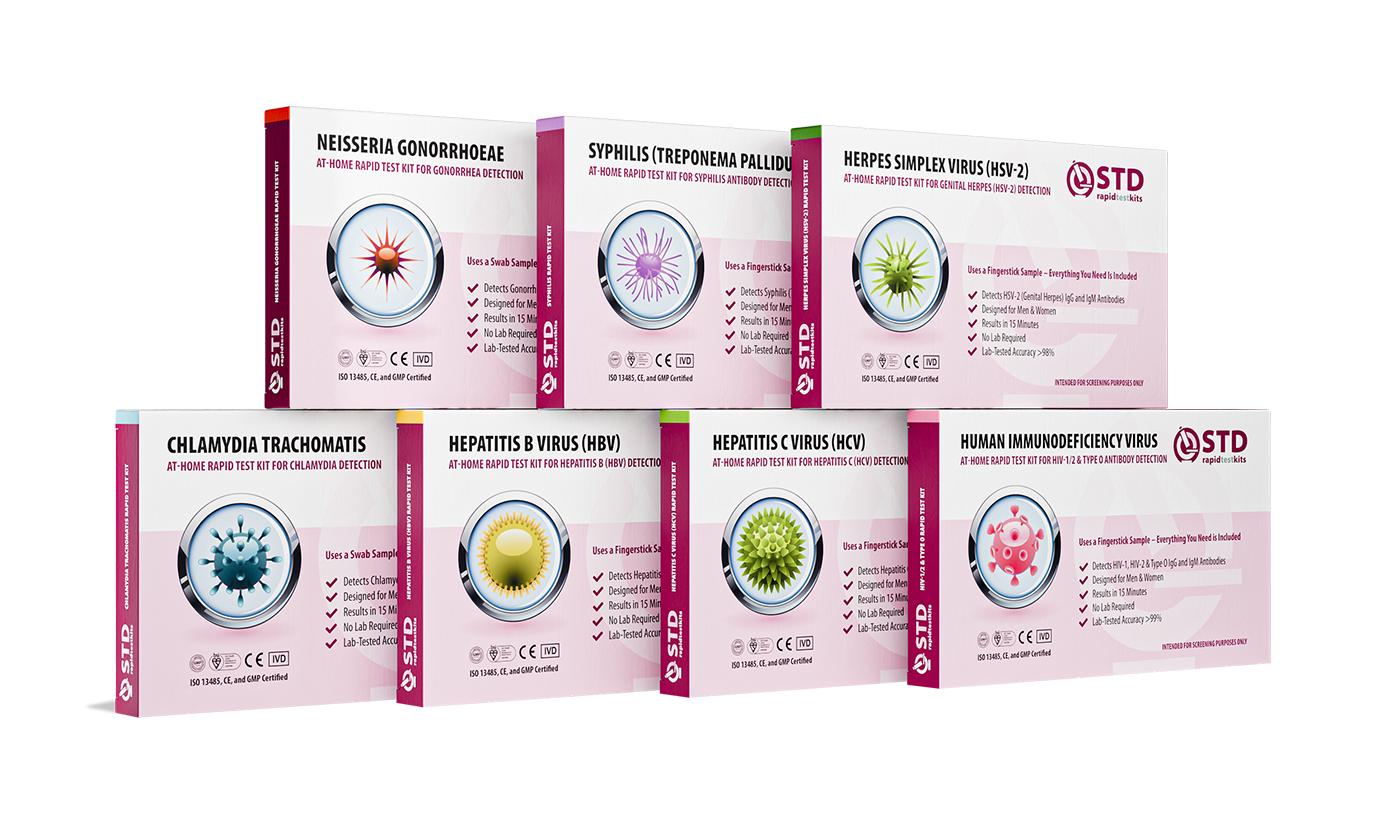 For Men & WomenResults in MinutesNo Lab NeededPrivate & Discreet
Order Now $129.00 $343.00
For all 7 tests
FAQs
1. Does lube actually prevent HIV?
Not exactly. Lube doesn’t block HIV the way a condom can, but it’s part of the protection equation. The right lube helps condoms stay intact by reducing friction, which lowers the chance of tearing, both the condom and your skin. Less tearing = fewer paths for HIV to enter the body. Think of lube as your condom’s best friend, not a solo act.
2. Is it true that coconut oil breaks condoms?
Unfortunately, yes. Coconut oil is amazing for your hair, your skin, your banana bread, but terrible for latex. It breaks down the condom's structure almost instantly, even if it feels great at first. If you’re into oil-based lubes, you’ll need to switch to non-latex condoms made from polyisoprene or polyurethane. Otherwise, stick with water- or silicone-based options.
3. I used a ton of silicone lube and the condom slipped off. Did I mess up?
Nope, not messed up, but it's a common misstep. Silicone lube is super slick, which is great for comfort, especially during anal. But too much can make condoms slide around like they’re on a slip-n-slide. Next time, start with less and reapply as needed. And hey, if a condom did slip off, that’s a reason to test, no judgment.
4. If a condom didn’t break, do I still need to worry?
It depends. If the condom stayed on, didn’t slip, and was used with the right lube, your risk is low. But if there was irritation, burning, or bleeding afterward, especially during anal sex, it might mean microscopic tearing. These tiny openings can still allow viruses in. When in doubt, get tested. Peace of mind is better than a week of doomscrolling.
5. Is using lube “too much” or a sign I’m doing something wrong?
Nope, not at all. If anything, using lube shows you know your body and care about comfort and safety. Sex isn’t supposed to hurt. If you’re using lube because you’re dry, tired, nervous, or just want it to feel better, congrats, you’re doing it right. No shame in the slick game.
6. Can flavored or warming lubes cause problems?
They can. Some flavored lubes are sugary, which can throw off vaginal pH or cause irritation. Others are hyperosmolar, meaning they pull moisture out of your cells, and that can make tissue more vulnerable to tearing or infection. If you’re using them for oral, cool. For penetrative sex? Check the label or pick a lube made for that purpose.
7. I didn’t use lube during anal sex. It hurts now. Should I be worried?
Short answer: possibly. Anal sex without lube can cause tiny tears in the rectal lining, which is thin to begin with. That burning or raw feeling is your body waving a red flag. Testing for HIV or other STIs is smart, especially if it wasn't protected or if the condom failed. In the meantime, treat your body gently, hydration, healing, and yes, lube next time.
8. Are pre-lubricated condoms enough, or should I add more?
Add more. Pre-lubed condoms are fine for quickies or vaginal sex where natural lubrication is already helping, but they don’t hold up well during longer sessions or anal play. Always layer on extra lube to avoid dryness, friction, and uninvited condom drama.
9. Can I test for HIV right after a condom break?
You can test immediately for a baseline, but most HIV tests only become accurate about 18 to 33 days after exposure. So you may need to retest. If you’re in that waiting period limbo, get tested for other STDs too, some like chlamydia or gonorrhea can show up earlier.
10. What’s the best lube to use if I want maximum protection?
A water-based or silicone-based lube that’s specifically labeled “condom compatible.” If you’re doing anal, silicone-based is your MVP, it lasts longer and doesn’t dry out. For vaginal, either works depending on your body. Look for pH-balanced, glycerin-free, and made for penetrative sex. Your future self will thank you.
What to Take Away From This
Lube isn’t optional. It isn’t dirty. It isn’t a “just in case” accessory. It’s part of your protection, right alongside condoms, testing, and trust. If you’re going to invest in your pleasure, invest in the parts that keep you safe, too.
Using the wrong lube doesn't make you reckless. Not knowing these risks isn't your fault. But now you know. And that knowledge gives you power, the power to prevent HIV, to stop a condom from breaking, and to protect both yourself and the people you care about.
So here’s the truth: when it comes to sex, comfort and safety aren’t tradeoffs. They’re teammates. And lube? That’s the bridge between them.
Don’t wait and wonder, get the clarity you deserve. This at-home combo test kit checks for the most common STDs discreetly and quickly.
How We Sourced This Article: We combined current guidance from leading medical organizations with peer-reviewed research and lived-experience reporting to make this guide practical, compassionate, and accurate. In total, around fifteen references informed the writing; below, we’ve highlighted six of the most relevant and reader-friendly sources. Every external link in this article was checked to ensure it leads to a reputable destination and opens in a new tab, so you can verify claims without losing your place.
Sources
CDC – HIV Risk During Anal Sex
Mineral Oil and Latex Condom Failure (NIH)
Lubricated Condom Breakage Rates
Lube Type and Rectal Cell Damage
Microabrasion During Condom Use
About the Author
Dr. F. David, MD is a board-certified infectious disease specialist focused on STI prevention, diagnosis, and treatment. He blends clinical precision with a no-nonsense, sex-positive approach and is committed to expanding access for readers in both urban and off-grid settings.
Reviewed by: Jamie Lin, MPH | Last medically reviewed: September 2025
This article is for informational purposes and does not replace medical advice.


