







Quick Answer: Burning or pain after honeymoon sex could be cystitis, an STI like chlamydia, or normal tissue trauma from first-time sex. Only testing can tell for sure.
That “Honeymoon Burn” Has a Name, And It’s Complicated
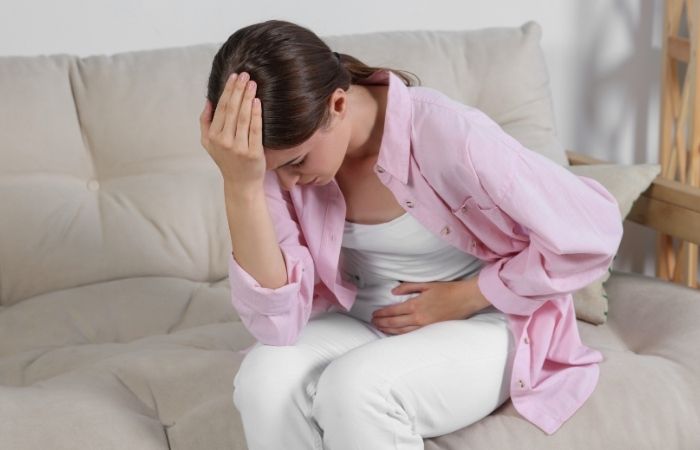
“Honeymoon cystitis” sounds romantic enough to be harmless. In reality, it’s a frustratingly common and often painful condition, especially for people having frequent, prolonged sex after a period of abstinence. It refers to a urinary tract infection (UTI) triggered by friction, bacteria, or hormonal shifts after sex. But here’s the catch: the symptoms of a UTI and an STI like chlamydia or gonorrhea often feel nearly identical. And if you’ve never had either before, the difference can be invisible.
UTIs and STIs can both cause: - A burning sensation when you pee - Lower abdominal pain or pressure - An urge to urinate frequently (even when little comes out) - Vaginal or urethral discomfort during or after sex
Where they differ is what’s happening inside your body. A UTI is usually bacterial and affects your bladder or urethra. It’s not sexually transmitted, but sex often triggers it. An STI, meanwhile, is caused by bacteria or viruses passed from one person to another, often without any visible signs. That means yes, it’s possible to get an STD on your honeymoon. Even if you both tested before, even if you waited, even if no one “cheated.”
Micro-Trauma, First-Time Sex, and When to Worry
First-time or long-awaited sex can cause more damage than people realize, especially for women, nonbinary folks assigned female at birth, and anyone without adequate lube or warm-up. Tiny tears in the vaginal or urethral tissue are common. So are swelling, redness, and discomfort.
In the days after her honeymoon, Kayla started googling “first time sex burning sensation” and “painful urination after wedding night.” What she found only added to her panic: threads claiming it was “just your body adjusting” clashed with articles warning it could be herpes or trichomoniasis. She didn’t know whether to wait it out or make a doctor’s appointment.
Here’s what the research says: in one study published in the Journal of Sexually Transmitted Diseases, over 40% of newly sexually active women experienced symptoms they mistook for a UTI, only to later test positive for chlamydia or gonorrhea. Another review from the CDC confirms that early STI symptoms are “nonspecific” and “easily confused” with non-STI infections.
So how can you tell what’s actually going on in your body? The truth is, you can’t, not without a test. But you can tune into certain clues:
If symptoms last longer than 48–72 hours, it’s worth testing. If the pain is deeper (inside the pelvis) or occurs during sex, it may be an STI. Buf if you notice unusual discharge, bleeding between periods, or fever, see a provider.
And if it hurts to pee, even without other symptoms? Don’t assume it’s “just cystitis.” Newlywed STDs are more common than most couples think.
People are also reading: Anal Sex vs Vaginal Sex: Which Is Actually Riskier for STDs?
Married People Still Get STDs, Here’s Why
This might be hard to hear if you waited for marriage, or if your partner was your “first.” But the science doesn’t lie: monogamy doesn’t automatically equal safety.
Studies show that many people who test positive for STIs after marriage never cheated and never suspected their partner had an infection. Some were carrying dormant infections from years prior. Others didn’t realize STIs like HPV or herpes can go symptomless for months, or even years, before flaring up.
One paper published in the British Medical Journal found that up to 60% of adults with chlamydia didn’t know they had it and showed no symptoms until a routine test or a partner’s diagnosis (BMJ Study).
What’s more, some STIs, like herpes or HPV, aren’t always tested in standard pre-marital panels. That means even couples who think they “got tested before the wedding” may not have been screened for everything.
This isn’t about blame. It’s about biology. If you or your partner had any kind of sex, oral, vaginal, or anal, before the honeymoon, an infection could’ve been present without anyone knowing. And if you’re queer or trans, you may have already encountered medical providers who didn’t test thoroughly or respectfully.
So let’s kill the stigma right here: being married doesn’t mean you’re immune. Being a virgin doesn’t mean you’re safe. Testing is care, not shame. And catching something early can protect both your body and your relationship.
When the Internet Makes It Worse (And Why You’re Not Alone)
It’s 2:07 AM. You’re sitting on the toilet for the third time tonight, trying not to cry as you scroll through pages of articles you don’t fully understand. One says cystitis is “harmless but annoying.” Another shows terrifying photos of syphilis lesions you definitely don’t have. You type “STD vs UTI symptoms” into the search bar, then backspace and try “burning pee after honeymoon.” Then “pain after sex honeymoon.” Every answer contradicts the last.
Here’s what’s real: Post-coital discomfort is incredibly common. So is sexual shame, especially in cultures where sex is tied to purity, performance, or permanent expectations. If no one ever taught you about your anatomy or normalized pleasure and protection, your first experience of sexual pain can feel like a personal failure.
“I couldn’t tell if it was from sex, a lack of lube, or something worse. My vulva felt raw. Peeing was a nightmare. But I was too embarrassed to tell my husband, so I just kept pretending it was fine.” One newlywed Redditor wrote.
That kind of silence is dangerous. Not just emotionally, but medically. Left untreated, a UTI can climb into your kidneys. An STD like chlamydia can lead to pelvic inflammatory disease (PID), which may cause infertility. And psychological stress, from shame, fear, or body dysphoria, only adds to the tension your pelvic floor is already holding.
This is your permission slip to stop Googling and get tested. You deserve peace of mind, not page six of a panic spiral.
Okay, So What Do I Do Now?
If your pee still burns two or three days after sex, especially if it’s getting worse, not better, it’s time to stop playing the waiting game.
The same goes if penetration leaves you wincing, or if you notice any discharge that smells off, looks cloudy, or feels new. For some people, it’s blood in the toilet bowl after a tender moment. For others, it’s that aching, all-day need to pee, even when nothing really comes out. And if your body throws in chills or a fever on top of that? Don’t wait for things to escalate. Your body is waving a red flag. Catch it now, before it becomes something harder to treat.
Even if you’re not sure what’s “normal,” trust your gut. It’s better to test and get reassurance than wait and let something small become something serious.
The good news? You don’t need to explain yourself to a judgmental nurse or wait two weeks for a clinic appointment. At-home testing exists, and it’s made for situations exactly like this. Whether you’re newly married, had your first real hookup, or just want answers without awkward small talk, discreet test kits like the Combo STD Home Test Kit let you swab, test, and move forward on your terms.
“Honestly, I wish I’d known about at-home tests earlier,” said Ty, 26. “I spent a week in pain because I thought it was ‘just cystitis.’ I had chlamydia. My partner got treated too, and we’re fine now. But if I’d waited any longer, it could’ve messed up my fertility.”
Testing doesn’t mean you’re dirty. It means you’re doing the damn thing: taking care of yourself and your partner like an adult who values their health and their pleasure.
Check Your STD Status in Minutes
Test at Home with Remedium10-in-1 STD Test Kit
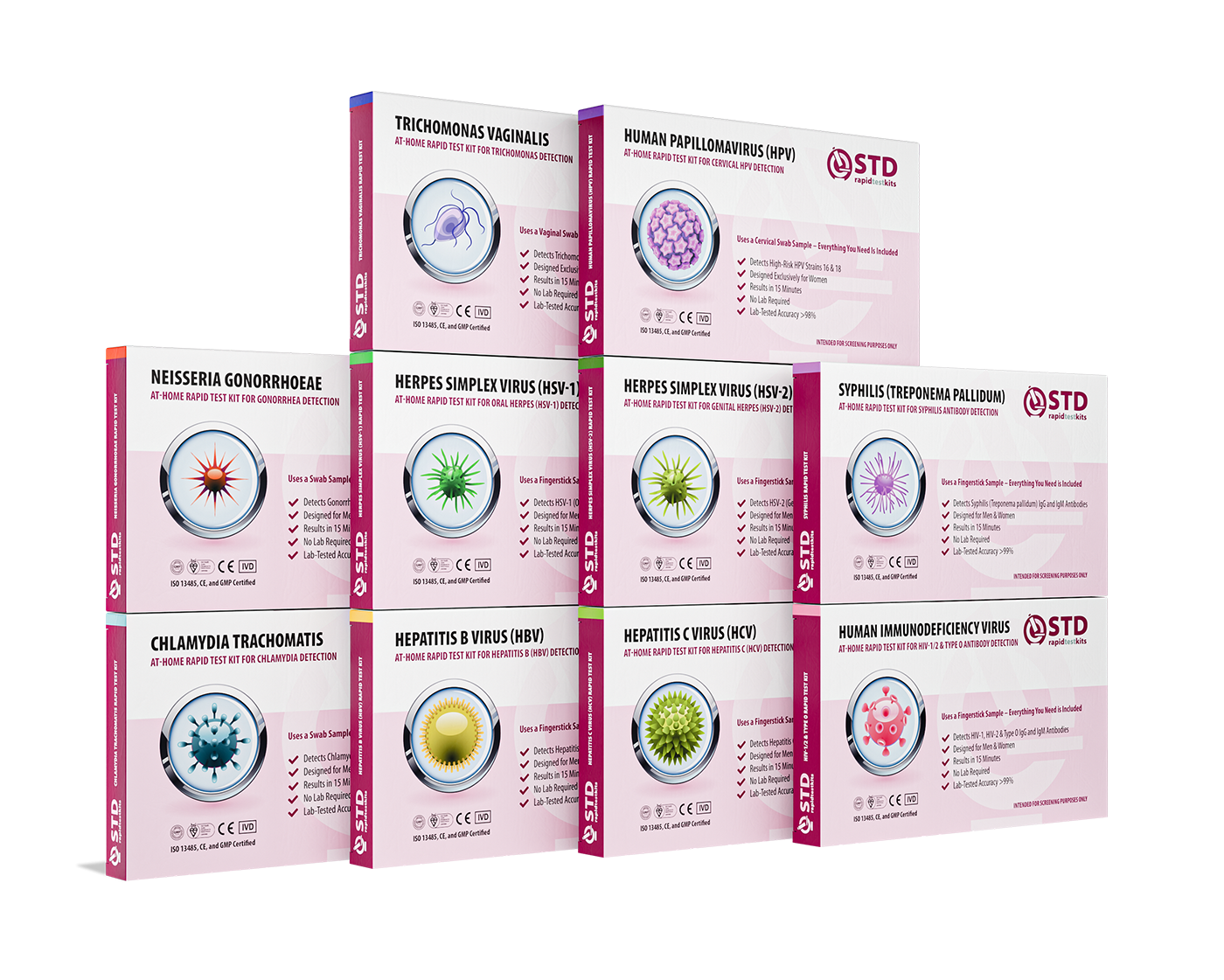
 For Women
 Results in Minutes
 No Lab Needed
 Private & Discreet
Order Now $189.00 $490.00
For all 10 tests
Why This Keeps Happening, Even to “Good” Couples
There’s a quiet epidemic among newlyweds, especially those who waited to have sex. It’s not just about STDs or UTIs. It’s about the collision of physical inexperience, emotional intensity, and bad cultural messaging. We tell people to “wait until marriage,” but we don’t prepare them for what sex actually feels like, or how to protect themselves from harm.
Sex education often fails to mention how: - Condoms don’t prevent all STIs (like HPV or herpes) - STIs can lie dormant for years - Lube isn’t optional, it’s essential - Testing panels vary wildly, and many people aren’t tested for trichomoniasis, mycoplasma genitalium, or even herpes unless they ask
So when pain happens after the wedding, many people, especially women, blame themselves. Or worse, they assume their partner has cheated. The truth is more nuanced, and more hopeful.
You can love each other deeply and still carry old infections. You can have a painful first experience and still build a joyful sex life. You can feel confused, scared, even betrayed, and still be worthy of care.
Healing begins with honesty. And honesty often starts with testing.
How to Prevent It from Happening Again
If you’ve had a rough post-honeymoon health scare, you’re not alone, and you’re not doomed to repeat it. Here’s how real couples are keeping sex safe, satisfying, and shame-free long after the wedding night:
Start with lube. Then double it. Friction is one of the biggest contributors to honeymoon cystitis and tissue trauma. Even if you’re “wet,” water-based or silicone lube can protect your urethra and vaginal walls during long or vigorous sessions.
Pee after sex. Yes, it’s cliché, but urinating within 15 minutes of intercourse helps flush out bacteria before it climbs. And if you’re prone to infections, talk to a provider about prophylactic antibiotics or D-mannose supplements.
Communicate openly. If something hurts, feels off, or seems new, tell your partner. Shame thrives in silence. Pleasure thrives in safety.
And above all, test regularly. Even in monogamous relationships. Even if nothing feels “wrong.” The STD Rapid Test Kits team offers discreet, physician-trusted testing for all major infections. It’s fast, private, and available from home. No awkward small talk. Just clarity.
This isn’t just about fixing a burn. It’s about building trust, with your body, your partner, and your future.
“I Thought I Was the Only One”, Confessions from the Post-Honeymoon Spiral
Ellie, 29, cried in the car outside the urgent care. She and her wife had waited two years to have sex, really have sex, and now she felt like her body was betraying her.
“It wasn’t supposed to hurt,” she said. “Everyone talks about this glow after your wedding, and I couldn’t even sit down without wincing. I didn’t want to disappoint her, so I said I was fine. But inside, I was scared out of my mind.”
Ellie had never been tested for chlamydia before. She assumed she didn’t need to, she’d only had one other partner, and it had been years ago. But her OB-GYN confirmed the infection, caught early. Her wife tested negative and started preventive treatment anyway. They both cried again, this time, out of relief.
“We’d built up sex as this perfect thing, this holy grail,” Ellie said. “But the moment we dropped the shame and just got honest, it got better. Sex got better. We got better.”
These stories are everywhere, hiding behind search histories and whispered conversations. Post-honeymoon pain doesn’t mean you did anything wrong. It means you’re human, and like most humans, you’ve been failed by a system that still treats sexual health like a scandal.
You don’t owe anyone silence. You don’t owe your body shame.

People are also reading: Is It Oral Gonorrhea or Just Strep? Here’s How to Tell
Real Talk: What Happens If You Ignore It
If you wait too long to act, honeymoon cystitis can become something more serious: a full-blown bladder or kidney infection. And undiagnosed STIs can quietly wreak havoc, especially for people with uteruses. Chlamydia and gonorrhea can lead to chronic pelvic pain, ectopic pregnancy, or permanent fertility issues if left untreated.
In a study from the World Health Organization, untreated chlamydia increased the risk of infertility by up to 30% in cisgender women. That statistic isn't meant to scare you, it’s meant to inform you. Because many of those cases were preventable with one simple test.
The good news? Treatment is often as easy as a single course of antibiotics. The even better news? If you catch it early, there’s no long-term damage. But catching it means checking. No assumptions. No “I’m probably fine.” Just one clear answer.
This is the part where you protect your future self.
This chlamydia test kit gives you answers in minutes, not weeks. It’s built for the exact moment you’re in: confused, maybe scared, definitely tired of Googling. You don’t need to prove you’re “worthy” of getting tested. You already are.
End the guessing game. Know your status now.
You Are Not Broken, You’re Learning
Sex is supposed to be messy. Not in the porn way. In the real, human way, where you make mistakes, learn your body, revisit boundaries, and keep showing up for each other. Post-honeymoon health hiccups don’t mean your marriage is doomed or your body is malfunctioning. They mean you’re paying attention. They mean you care.
And care can look like asking questions, even when it’s awkward. Making appointments or ordering test kits, even when you’re scared. Simply choosing honesty over silence, even when it’s hard.
Your burn doesn’t have to become a breakdown. Your honeymoon doesn’t have to be perfect to be meaningful. And your body is not the enemy, it’s your ally, sounding the alarm when something’s not right.
You’re allowed to love deeply and still get an STI. You’re allowed to get tested just because you’re unsure. You’re allowed to feel confused and still take the next step. And that next step? It could be one click away.
FAQs
1. Can you really get an STD from your spouse on the honeymoon?
Yes, and it doesn’t mean anyone cheated. Some infections lie dormant for years or show zero symptoms. It’s entirely possible that one of you had something from before the relationship and didn’t know. That’s biology, not betrayal.
2. How do I know if it’s cystitis or chlamydia?
Honestly? You don’t, at least not without a test. Both can cause burning pee, pelvic discomfort, and that weird gotta-go urgency. But chlamydia might also show up with abnormal discharge, pain during sex, or spotting. If you're playing “symptom detective,” just skip the guesswork and test.
3. Is it normal for sex to hurt after the wedding?
Sadly, yes, especially if it's your first time or your first time in a while. No one talks enough about how real friction, nerves, and skipped foreplay can leave you raw. But prolonged pain isn't something you have to push through. That’s your body asking for support, not punishment.
4. What if I only had oral sex, could I still have an STD?
Yup. Oral sex can transmit herpes, gonorrhea, chlamydia, and more. If your honeymoon involved mouths anywhere near genitals (which, let's be real, it probably did), testing is still smart.
5. Is it overkill to test even if we were both “clean” before?
First, ditch the word “clean”, you’re not dirty if you have an STI. Second, yes, test again. Most pre-marital panels don’t cover everything, and some infections take time to show up. Think of it like a health check-in, not a trust issue.
6. I feel gross for even wondering if I have an STD. What’s wrong with me?
Absolutely nothing. Feeling weird, anxious, or ashamed is part of living in a world that makes sex taboo and symptoms scary. But STDs are infections, not moral failures. You’re just being smart, and brave enough to care.
7. What if my partner takes it the wrong way when I bring up testing?
Try starting with your own experience: “I’ve been feeling off and want to make sure everything’s okay.” Keep it about health, not blame. If they care about your body, they’ll understand, and if they don’t, that’s a red flag, not a deal-breaker.
8. Does peeing after sex really prevent all this?
Not all of it, but it helps. It flushes out bacteria that could otherwise sneak into your urinary tract. Bonus points if you hydrate, use lube, and don’t rush foreplay, your urethra will thank you.
9. Are at-home STD tests legit or just Instagram hype?
Legit. Brands like STD Rapid Test Kits use real medical-grade tools, no snake oil here. You swab or pee, mail it (or test it at home), and get discreet results without sitting in a fluorescent clinic.
10. If I test positive, what happens next?
Most STDs are easily treatable. You’ll either take a pill or get a shot. Then, let your partner(s) know so they can get tested too. It’s not about shame, it’s about stopping the spread and protecting your people. That’s how you love better.
You Deserve Answers, Not Assumptions
Let go of the guilt. Set down the shame. Whether your honeymoon was magical, messy, or somewhere in between, you’re not alone in feeling confused about your body right now. The truth is: post-wedding symptoms are common. So are STIs in committed couples. So is cystitis after passionate sex. What matters is how you respond, not what caused it.
You’re allowed to want clarity. You’re allowed to ask questions. And you deserve to feel safe in your skin, with your partner, and in your pleasure.
Don’t wait and wonder, get the clarity you deserve. This at-home combo test kit checks for the most common STDs discreetly and quickly.
Sources
2. NHS – Urinary Tract Infections
3. World Health Organization – STIs Fact Sheet
4. Planned Parenthood – STDs & Safer Sex
5. What is “Honeymoon Cystitis”?
6. Don't Let Cystitis Interrupt the Honeymoon
7. Honeymoon Cystitis: What Is It and How to Avoid


