





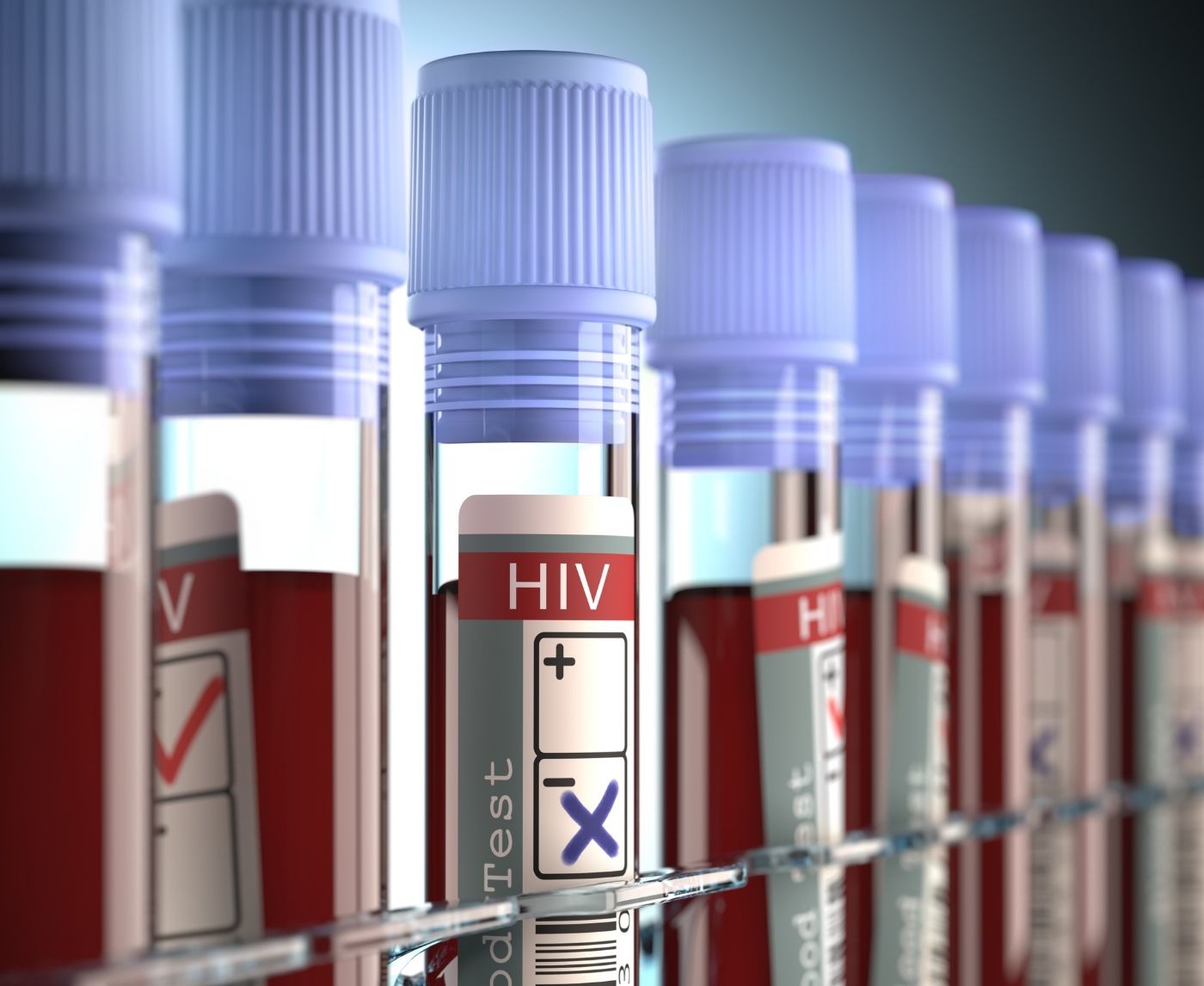

Quick Answer: A lot of people put off getting tested for HIV because they are afraid of being judged, feel healthy, or are worried about privacy. To break that cycle, people need to learn without feeling ashamed, be able to test themselves, and get help from people they trust.
“I Didn’t Want to Know”, The Quiet Crisis of Avoidance
Rafiq, 29, spent almost five years thinking about HIV testing, and talking himself out of it.
“I wasn’t sick. I didn’t have symptoms. But I couldn’t shake the worry after college. Still, I convinced myself, if I don’t test, I can’t panic about a result.”
This isn’t rare. In fact, a 2014 study in PLOS ONE found that over 30% of delayed testers cited “not wanting to know” as their main reason. Another 71% said they felt healthy, so they assumed they were fine. But feeling healthy doesn’t mean you’re in the clear, especially with HIV, where early symptoms are easy to miss or misread as a cold, fatigue, or even anxiety itself.
There’s a word for this: testing avoidance spiral. It’s the intersection of stigma, fear, and self-preservation. And for many, it gets worse before it gets better.

People are also reading: Hepatitis C and Cirrhosis: What Are the Risks?
The Shame Spiral: “What If Everyone Finds Out?”
The shame spiral isn’t just about the test, it’s about everything the test implies. That you’re “dirty.” That you made a mistake. That you’ll be judged or even punished for how you live or who you love.
“I was scared of the test, but I was more scared of what it said about me, ” said Ellie, 22. “What if the nurse judged me? What if I saw someone I knew at the clinic? What if it came back positive, and I had to tell someone?”
We live in a world where HIV still carries shadows, of 1980s panic, of political silence, of misinformation. While treatment has turned HIV into a manageable chronic condition, the social stigma hasn’t caught up. Many people delay testing not because they doubt science, but because they fear people.
The Medical Cost of Waiting
Let’s get real: the longer you wait, the fewer options you have. A delayed diagnosis doesn’t just affect your mental health, it puts your physical health at risk too. Without early treatment, HIV weakens the immune system, making it harder to fight off infections, recover from illness, or respond to vaccines.
According to the U.S. Department of Health and Human Services, about 40% of people newly diagnosed with HIV are diagnosed late, meaning their immune systems are already significantly damaged. Many only get tested after falling seriously ill.
Delaying a test doesn’t delay the virus. It just delays the care that could keep you strong, undetectable, and untransmittable.
- Late-stage diagnosis: Means your CD4 count is low, making you vulnerable to infections like pneumonia or tuberculosis.
- Higher risk of transmitting HIV: Without knowing your status, you can unknowingly pass the virus to partners, especially in early infection when viral load is high.
- Emotional weight: Constant anxiety, sleep disturbances, and a sense of dread can build over time. Many people report obsessive Google searches and panic attacks, but still don’t take the step to test.
Check Your STD Status in Minutes
Test at Home with RemediumHIV Rapid Test Kit
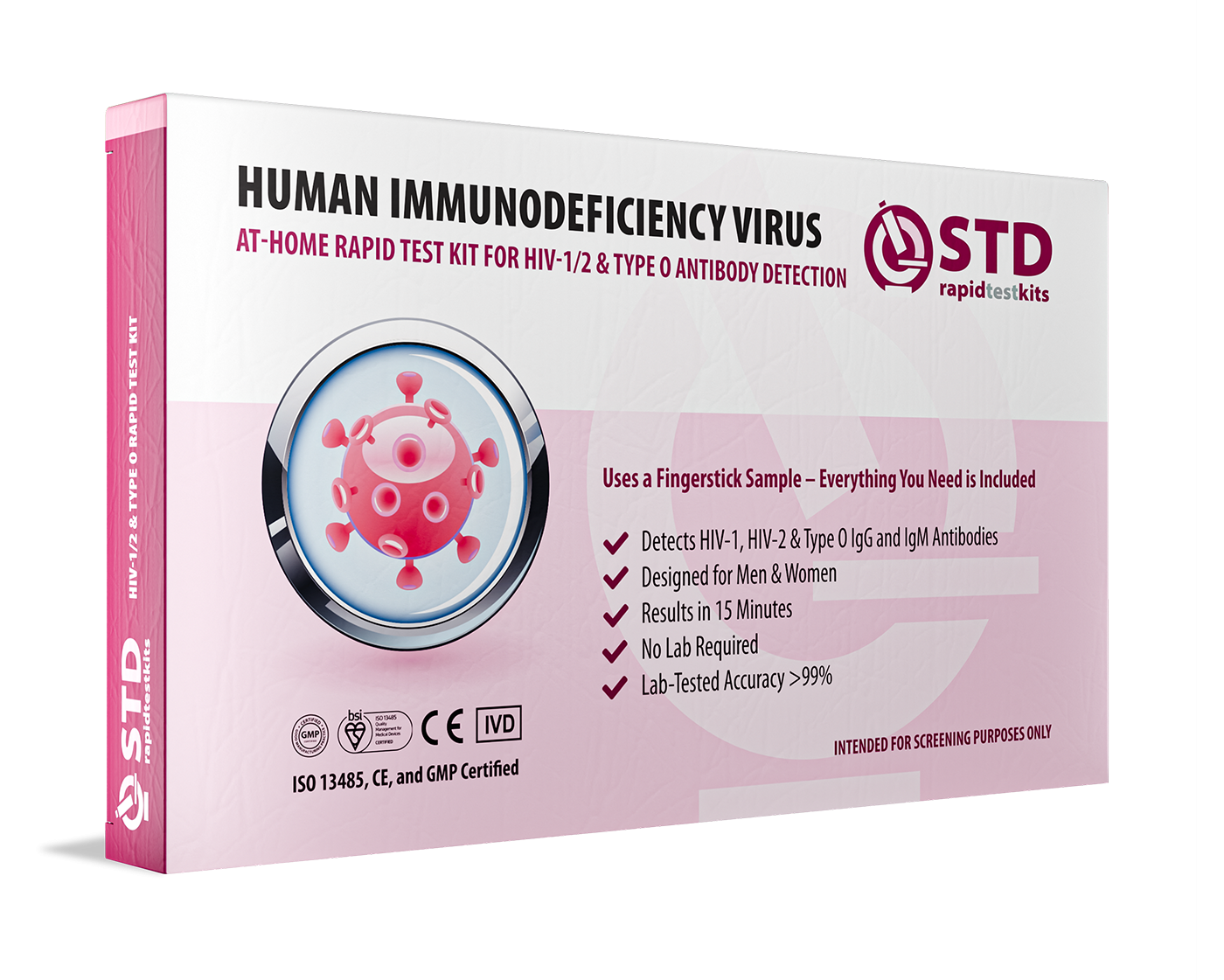
 For Men & Women
 Results in Minutes
 No Lab Needed
 Private & Discreet
Order Now $33.99 $49.00
This Isn’t Just Anxiety, But It’s Valid
It’s easy to call it “health anxiety” and brush it off. But if you’ve delayed testing, you’re not alone, and you’re not irrational. You're navigating a landscape full of real risks, cultural silence, and historical trauma.
“I grew up in a religious household, ” said Jamal, 34. “HIV was never mentioned except as punishment. So even though I’m out now, testing still feels like I’m admitting I did something wrong.”
This internalized shame is powerful, and deeply common. Research published in the International Journal of STD & AIDS shows that stigma correlates with not just delayed testing, but also lower adherence to treatment and increased depression.
But anxiety is a signal, not a flaw. It means your body and brain are alerting you to take care of yourself. The best way forward? Turn that fear into action. Testing is the first, and most powerful, step.
What HIV Really Feels Like (Or Doesn’t)
Here’s the tricky part: many people delay testing because they don’t have any symptoms. Or they chalk up what they do feel to something else, stress, allergies, dehydration, or a long week.
The truth? Most early HIV symptoms are mild, temporary, or even absent. Some people experience flu-like symptoms 2–4 weeks after exposure. Others go years without any noticeable changes.
- Early Symptoms (if present): Fever, sore throat, rash, swollen lymph nodes, fatigue
- Chronic Symptoms: Night sweats, weight loss, recurrent infections, persistent fatigue
- Asymptomatic Period: Many people experience no symptoms for years, this is why regular testing is crucial
As Mayo Clinic notes, the “silent” nature of HIV makes routine testing, not symptom recognition, the most reliable way to stay safe.

People are also reading: Can Oral Herpes Be Transmitted to Genitals?
Why Testing Sooner Changes Everything
Let's be clear: a positive HIV test today is not the same as it was in the 1980s. People with HIV can live long, full lives and lower their viral load to undetectable levels with early diagnosis and antiretroviral therapy (ART).
And if something can't be found, it can't be passed on. Yes, U=U. You can't pass the virus on to sexual partners if your viral load is too low to be found. Testing not only keeps you safe, but also everyone you care about.
- Peace of Mind: A bad result can help you break the cycle of anxiety and get back on track.
- Early Access to Treatment: Starting ART early works better and has fewer long-term problems.
- Safer Sex and Talking: Knowing your status makes partners, whether they are casual or long-term, trust you more.
- Lower Risk of Transmission: Treatment can lower your viral load to the point where it is no longer detectable.
Testing is not a punishment; it's a tool. It's how you get back your body, your story, and your future.
The New Era of Testing: Private, Fast, and at Home
There was a time when the only way to get tested for HIV was to sit in a brightly lit clinic, fill out awkward forms, and wait days for the results. You can get an HIV test quickly, privately, and even from the comfort of your own home.
The FDA has approved at-home HIV test kits, which are accurate and private. You can order them online, get them in a discreet package, and get results in 20 minutes. You don't need to go to a lab, answer any questions, or wait in line.
- Confidential: No one has to know you ordered or used it
- Convenient: No need for time off work, childcare, or transportation
- Private: You control when, where, and how you test
- Empowering: Self-testing puts decision-making back in your hands
These tests are game-changers for people who fear being seen at a clinic, or who live in areas without easy access to care. They break down one of the biggest barriers in the spiral: getting started.
If you’re ready to take that step, here’s an option:
This at-home combo test kit checks for multiple common STDs, including HIV, and delivers results privately and fast. Whether you’re testing for peace of mind or because something doesn’t feel right, you deserve clarity.
Check Your STD Status in Minutes
Test at Home with RemediumHepatitis B & Hepatitis C Test Kit
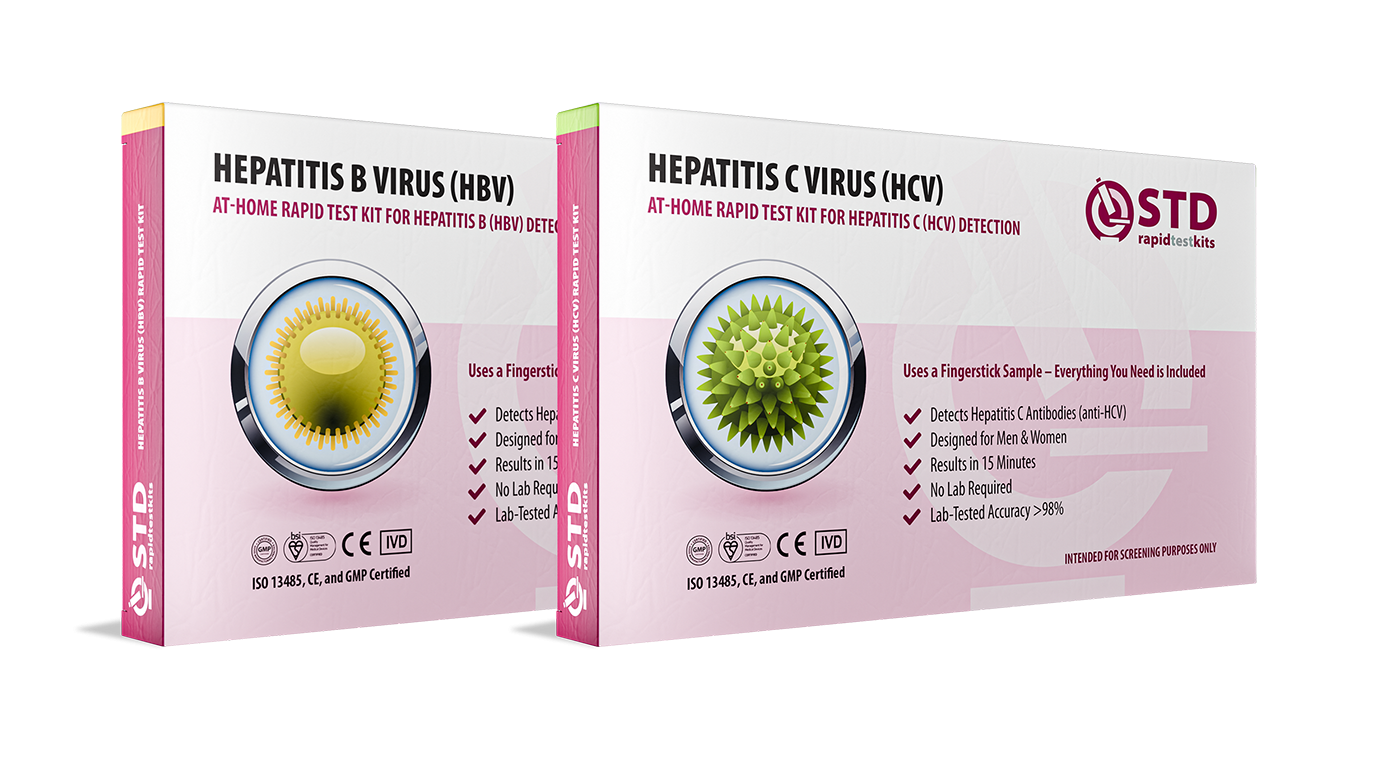 For Men & WomenResults in MinutesNo Lab NeededPrivate & Discreet
Order Now $49.00 $98.00
For all 2 tests
Breaking the Spiral: How to Finally Take That First Step
You don’t have to be “brave.” You don’t have to feel ready. You just have to start. And that doesn’t mean walking into a clinic tomorrow, it could mean bookmarking this page. It could mean texting a friend about your fear. It could mean putting a test in your cart and staring at it for a few days.
Breaking the spiral isn’t a single act, it’s a process. It’s saying: I deserve to know. I deserve care. I deserve to stop panicking and start living again.
“I told myself for years I didn’t need to test, ” said Ty, 31. “But I was lying to protect myself from the truth. Once I finally did it, I cried, not because it was positive, but because I’d carried fear for so long when I didn’t have to.”
And if it is positive? You are not alone. There is support, treatment, and life beyond diagnosis. But if it’s negative? You’ve reclaimed your peace of mind, and the power to stay safe moving forward.
Your Body. Your Timeline. Your Right to Know.
No one can force you to test. But you deserve better than anxiety-fueled guessing games. You deserve better than a racing heart every time you feel tired, or the self-hate that creeps in after every risky moment.
Taking an HIV test, especially if you’ve been avoiding it, is an act of courage. It’s a radical move toward owning your health, breaking shame, and refusing silence.
STD Rapid Test Kits offers fast, confidential home testing for HIV and other common STDs. No appointments. No lab visits. Just answers, on your terms.
Don’t wait and wonder. You deserve to know.
FAQs
1. Can you have HIV and not know it?
Yes. For months or even years, a lot of people with HIV don't show any signs. That's why it's so important to get tested often.
2. What if I'm too scared to take the test?
You aren't the only one. Being scared is normal. To get started, talk to a friend you trust, look into at-home kits, or write down how you feel. The test itself doesn't have to be the first thing you do.
3. Are home HIV tests accurate?
Yes. FDA-approved home HIV tests are more than 92% accurate at finding antibodies and take about 20 minutes to get results.
4. Will I get a report on my results?
Your results will stay private if you test at home and don't tell anyone. Public health departments may get reports on clinic-based tests for statistical purposes, but they won't know who you are.
5. What should I do if I get a positive test?
To be sure your result is correct, you'll need to get a lab test. After that, antiretroviral therapy (ART) can help you live a long, healthy life and lower your viral load to levels that can't be found.
6. Can I get HIV even if I don't have any symptoms?
Yes. Many people believe that the absence of symptoms indicates the absence of infection. But HIV can stay quiet for a long time. The only way to find out is to test.
7. How often should I get an HIV test?
The CDC says that everyone between the ages of 13 and 64 should get it at least once. If you have risk factors like having multiple partners or having sex without protection, you should get tested once a year or more.
8. Is testing private?
Yes. Your results are private whether you go to a clinic or use a kit at home. You decide what information is shared and with whom.
9. What's the difference between testing that is anonymous and testing that is private?
Anonymous means that your test will never have a name on it. When something is confidential, it means that your information is safe but still linked to your identity in secure systems.
10. How do I talk to my partner about getting tested?
Don't judge. You could say, "I care about both of us and want to make sure we're healthy." Let's work on this together.
You Deserve Answers, Not Assumptions
If you’ve been stuck in a loop, Googling symptoms at 2AM, avoiding test centers, replaying past moments, you’re not broken. You’re human. And you’re not alone.
There’s no shame in waiting. But there’s power in starting. And you don’t have to go to a clinic to begin.
This at-home combo test kit checks for HIV and other common STDs. No appointment. No judgment. Just results you can trust, fast.
Because your health isn’t just physical, it’s emotional, too. And you deserve peace of mind.
Sources
1. Fast Facts: HIV in the United States (CDC)
2. Risk Factor|s for Delayed Entrance into Care after Diagnosis (PLOS ONE)
3. Information Regarding the OraQuick In‑Home HIV Test (FDA)
4. Important Information on Use of Unapproved HIV Blood Sample Self‑Collection (FDA)
5. HIV Diagnoses, Deaths, and Prevalence (CDC, February 2025)


